Kitchen Appliances
Best Portable Burners: Our Picks for Gas, Electric, and Induction
A tested look at the winning electric, gas, and induction portable burners, including the premium precision model and the skillet that pairs with them.
Introduction
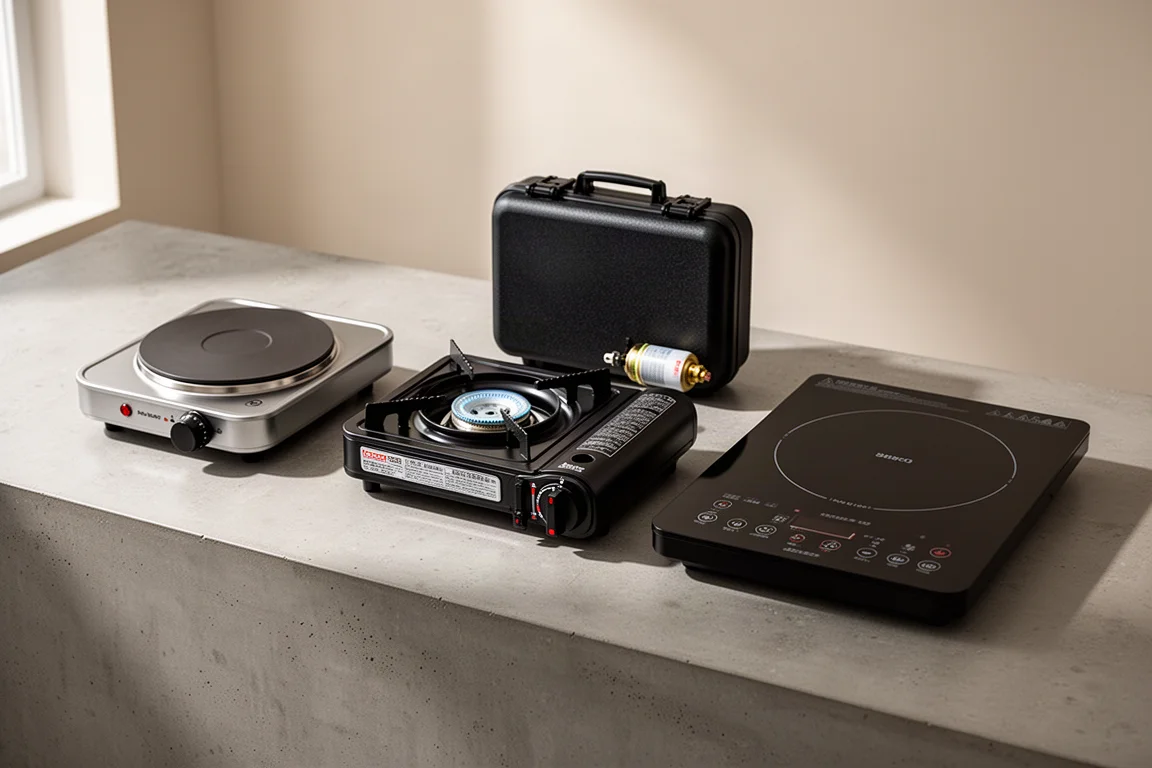
An extra burner is one of those things you never think about until you suddenly need one. Maybe you are hosting a big dinner and every stovetop eye is taken, maybe you want to deep fry out in the garage, or maybe the power is out and you still want a hot meal. Portable burners solve all of these problems, and they come in three flavors: electric, gas, and induction.
Each type has real strengths and real limitations. Electric models are cheap, tiny, and simple. Gas burners bring serious power and work anywhere, no outlet required. Induction offers precision and efficiency, but at a higher price and only with compatible cookware. Here is how the winners stack up.
How We Sorted the Field
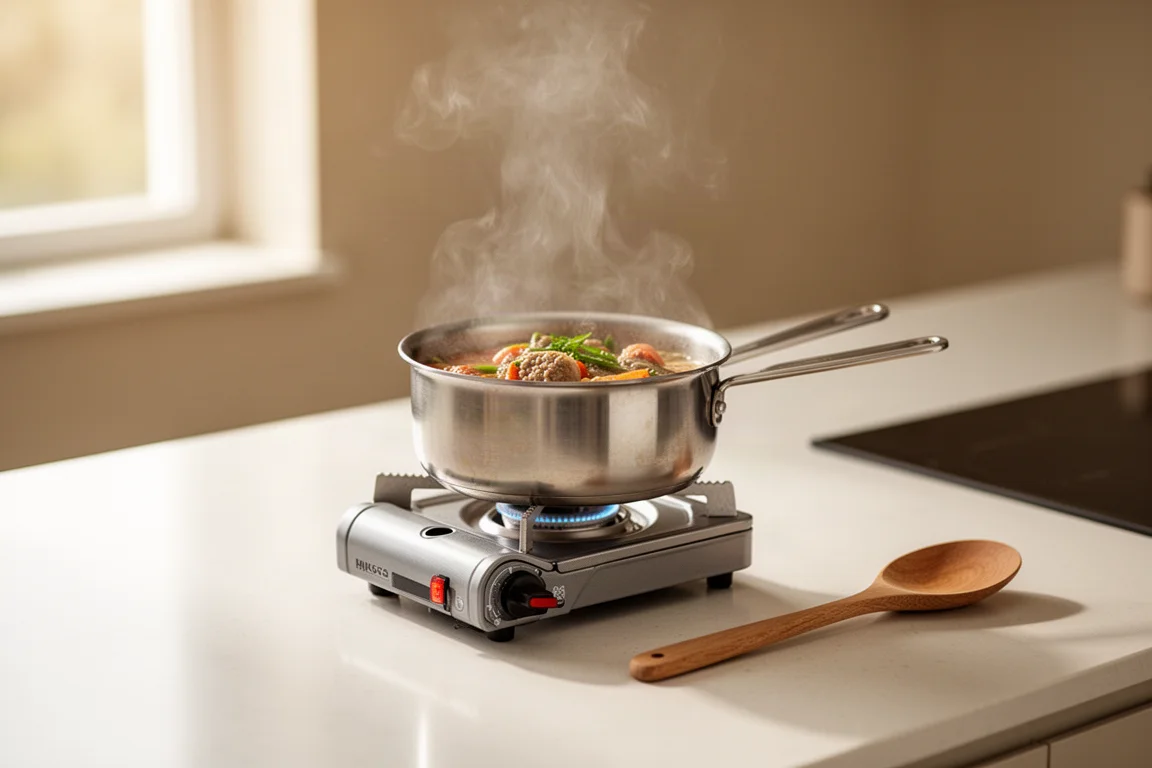
The key differences come down to power, portability, temperature control, and what kind of cookware you can use. Electric burners are the budget pick for light duty tasks. Gas burners are the powerhouse choice for searing, stir frying, and outdoor or off-grid cooking. Induction burners heat the pan itself using magnetism, which makes them efficient and precise, but they will only work with pans that have a ferromagnetic bottom. A quick magnet test on the bottom of your cookware tells you instantly whether it will work.
Best Electric Burner: IMUSA Portable Electric Burner
The IMUSA portable electric burner is very tiny, very lightweight, and very inexpensive, yet it outperformed sleeker, more futuristic-looking competitors. The difference came down to safety cut-off switches: two other tested electric burners kept shutting themselves off in the 200-degree range, and after an hour of waiting, water never reached a boil. The IMUSA actually boiled water, seared burgers well, and handled wok cooking.
It is also a strong performer at holding low temperatures. When making fondue, it kept everything at a gentle, consistent heat without the mixture breaking or going cold. Controls could not be simpler: on/off plus low, medium, and high.
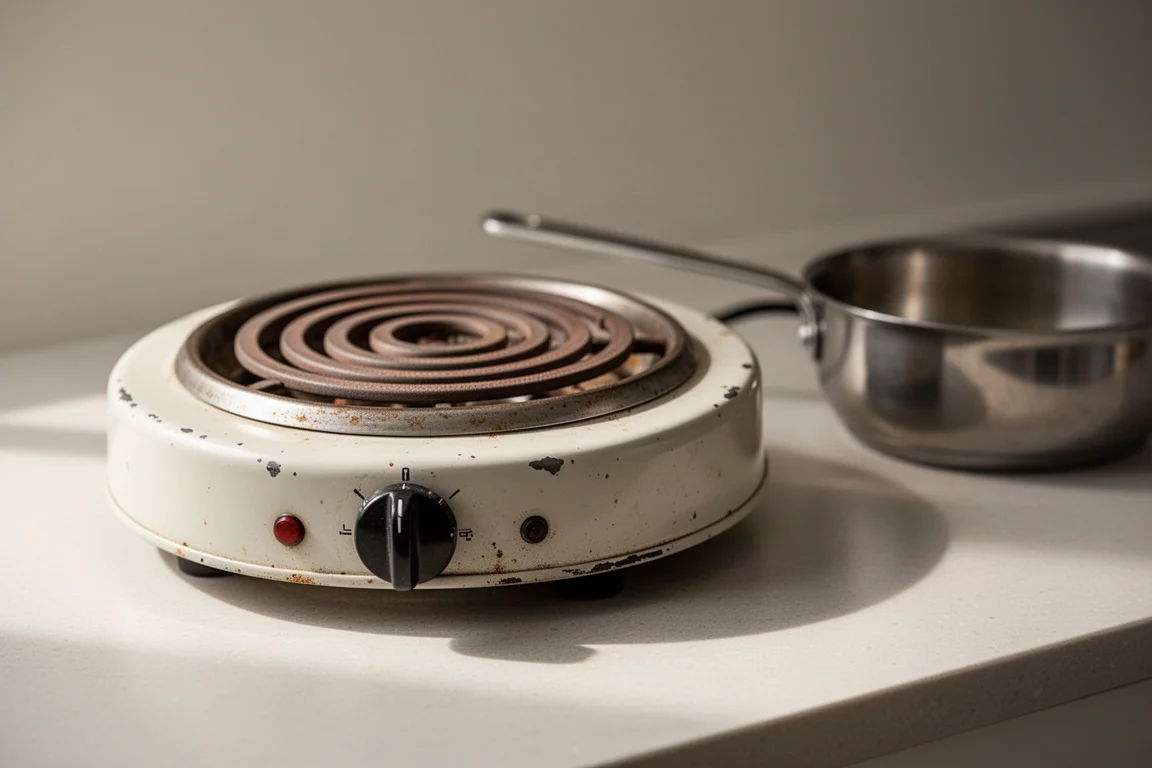
There are limits to respect. Anything weighing about 10 pounds or more, such as a full stock pot or a Dutch oven, is not safe on this small burner, which rules out deep frying and big-batch cooking. It needs electricity, so it is not a power-outage solution. The cord is deliberately short for safety, so if you use an extension cord, choose a heavy-duty, well-grounded one and keep it out of walkways. Cleanup is easy since splatters mostly miss the small footprint, and a quick wipe keeps the surface clean. One underrated benefit: on smooth-top competitors, pots scooted around while stirring, while on this old-school surface the pot stayed put.
Best Gas Burner: Grill Boss Portable Gas Burner
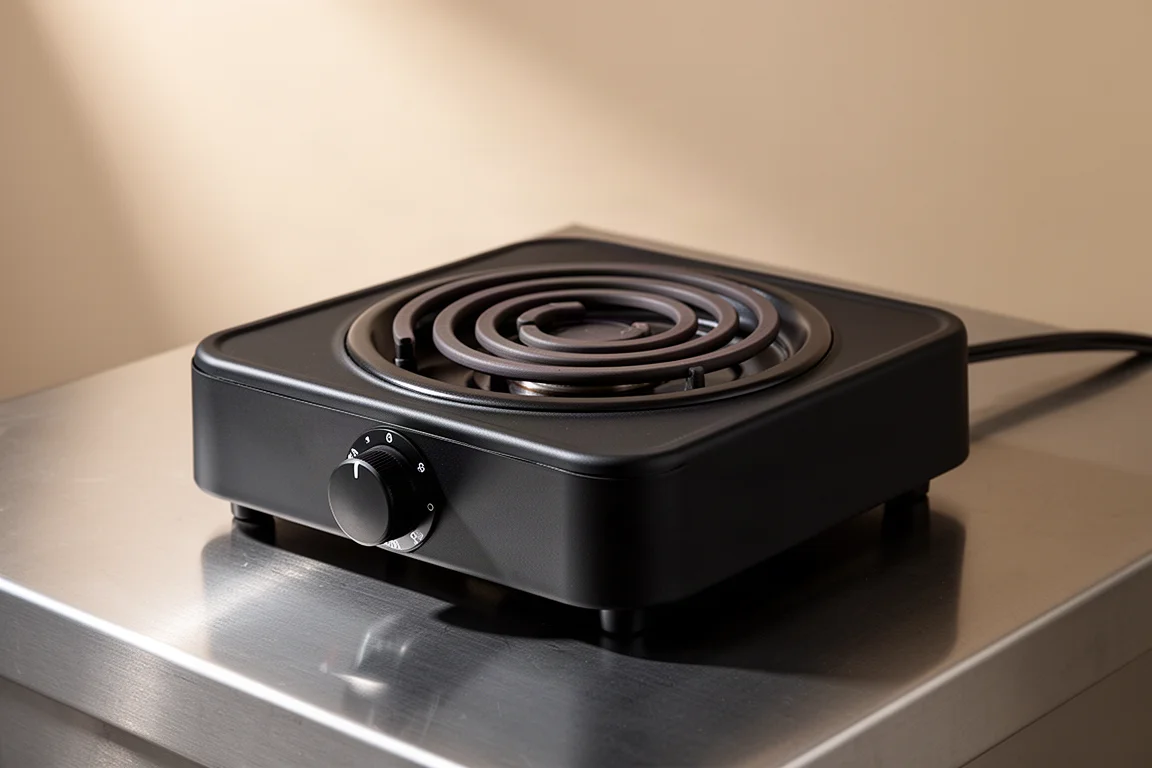
The Grill Boss is the favorite among the portable gas burners, delivering 12,000 Btu, which is comparable to a powerful burner on a home stove. That power meant genuinely good results: a nicely browned crust on burgers, vigorous stir frying in a wok, and oil that stayed hot enough for deep frying. Tested gas burners ranged from 7,500 to 15,000 Btu, so this model sits comfortably in the upper tier.
Setup is simple. All tested gas burners share a similar profile with automatic ignition, so no match is needed. To install the butane canister, line up the notch with the top of the fuel chamber, drop it in, and lock it into place. To remove it, unlock, lift out, and recap. This model is dual fuel, meaning it can also run on propane, and the comparatively long hose lets you position the propane tank well away from the burner. That matters, because with butane, a large pan that overhangs the canister side can trap heat next to it, which is dangerous. If you want to use a big pan, hook up propane instead. Detach the fuel canister first when you finish cooking, always, then recap and store it in a cool, dry place away from sunlight.
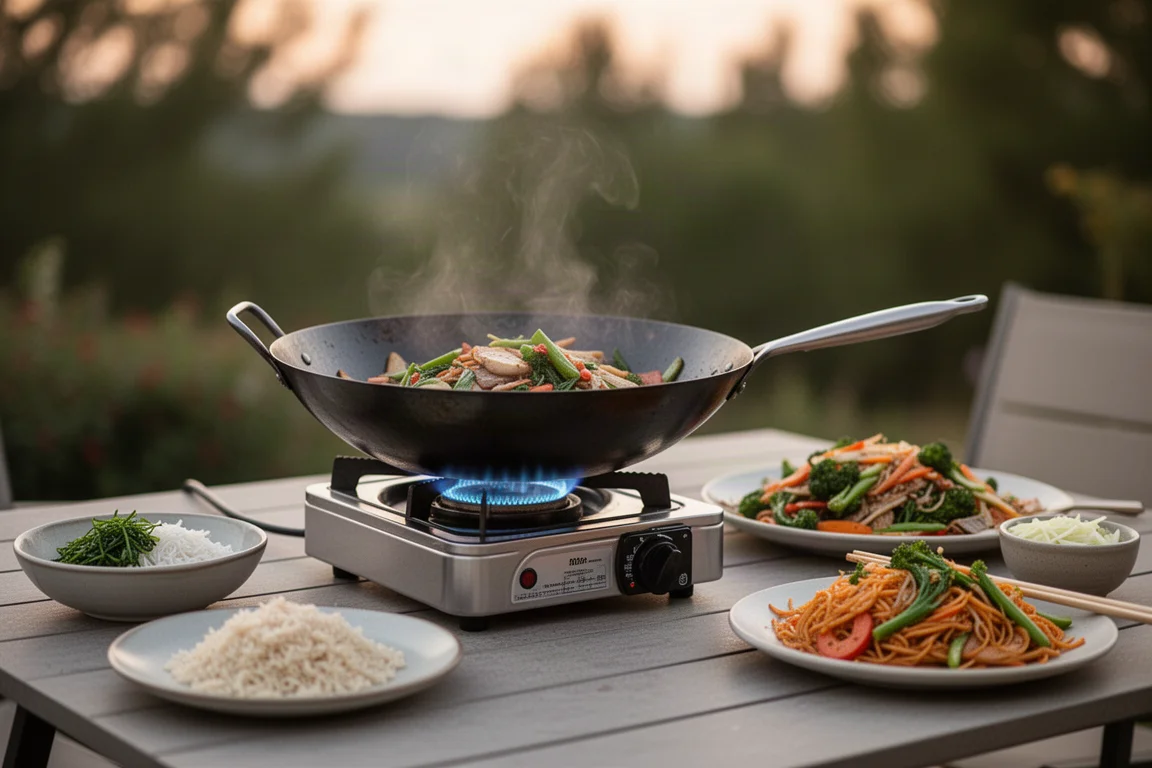
The grippy, ridged prongs hold cookware securely, so a wok or a big pot of oil never felt like it was going to slide off. Cleanup is excellent because the entire top piece lifts off and goes straight into the sink for a scrub, and everything stores in the included hard case. Just never store the burner with a canister inside, and keep it clean and dry so gas passageways stay clear.
A few cautions. Gas burners struggled to hold a very low flame for long periods; some went out entirely or could not go low enough, which ruined a batch of fondue. Never leave one unattended, and do not expect a stable low simmer. Also, avoid using gas indoors unless the space is very well ventilated, with windows open and strong airflow. On the plus side, it needs no electricity at all, making it ideal for power outages, camping, RV trips, or simply keeping messy splattery cooking out of your kitchen.

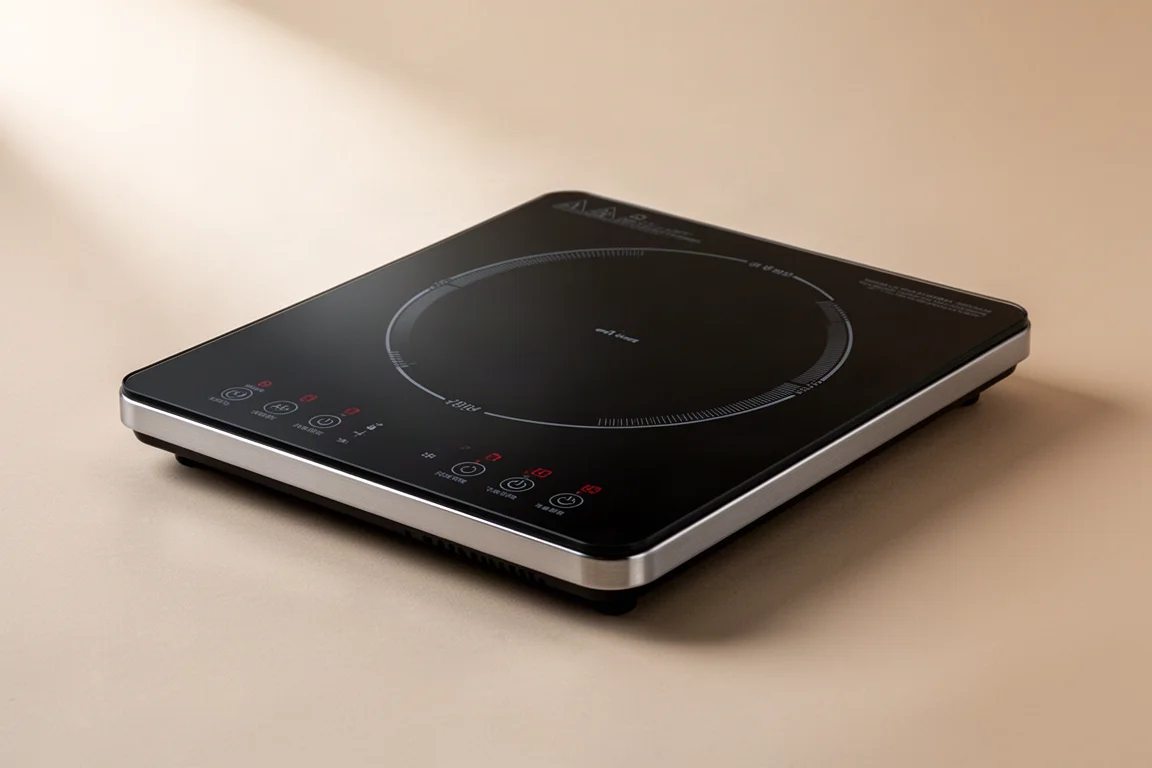
Best Budget Induction Burner: Duxtop Portable Induction Burner
Induction cooking uses magnetism to generate heat directly in the pan, which makes it efficient, easy to clean, and often safer, with features like automatic shut-off and screen locking. Since only the metal of the pan heats up, energy goes straight into your cookware instead of dissipating into the air, and the burner will not even turn on without an induction-compatible pan on top.
The Duxtop earned best buy status thanks to an intuitive, responsive control panel that made adjusting time and temperature easy. It boiled water in 24 minutes and, impressively, held cheese fondue at a consistent low temperature for four hours without scorching, something the gas burners could not manage.
It does have limitations tied to its smaller six-inch coil. Burgers seared in a 12-inch skillet cooked unevenly, and in the deep frying test it took 20 minutes to recover to temperature after adding a batch of zucchini. The heat concentrates in the center of the pan, so these burners do their best work with smaller cookware. A few tips help: preheat the pan with oil for a couple of extra minutes to let heat spread outward, use a heavy-duty heat-retaining skillet like cast iron or a tri-ply stainless steel and aluminum model, and match your pan size to the coil, choosing a 10-inch skillet over a 12-inch when possible.
Best Premium Induction Burner: Breville PolyScience Control Freak
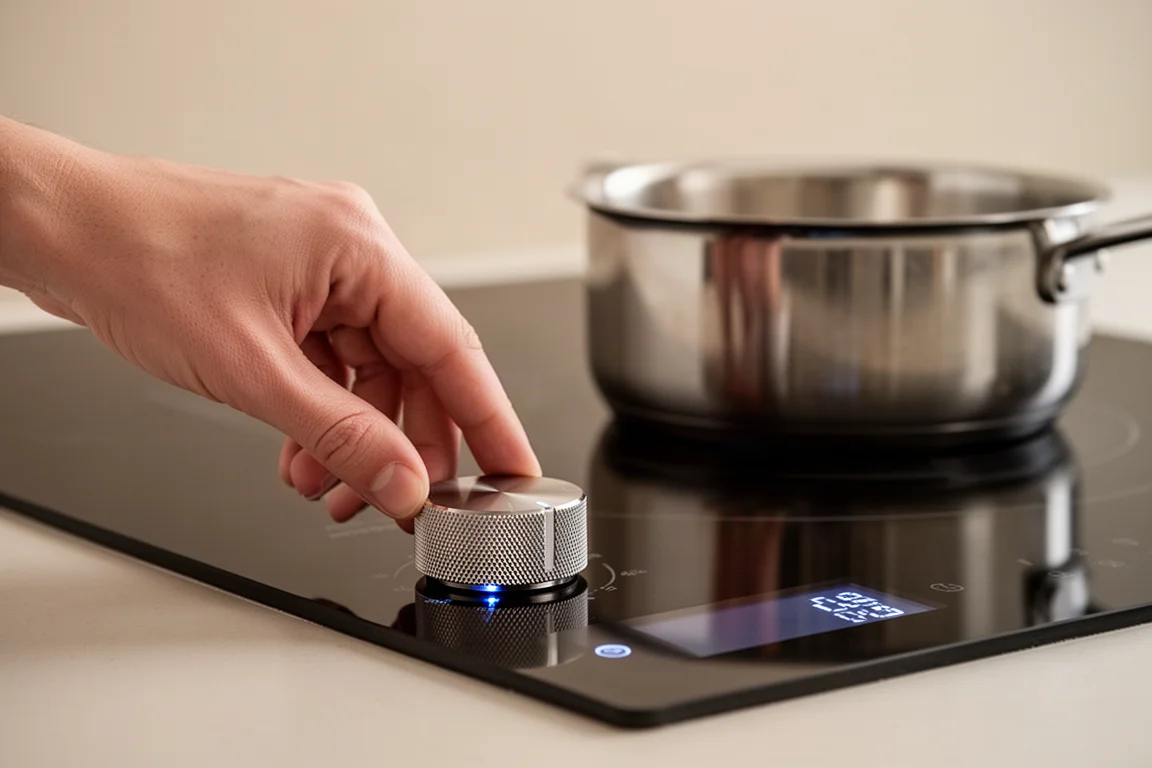
At $1,500, the Breville PolyScience Control Freak is not for everyone, and it was unambiguously the best model tested. The front control knob dials in extremely precise temperatures, while the display screen also shows familiar stove-style settings like low, medium, and high. The precision is exceptional, and so is the power: its nine-inch coil, versus the six-inch coils typical elsewhere, supports larger cookware and heats a bigger section of the pot.
This was the only burner to boil water faster than a stovetop, bringing four quarts to a boil in 20 minutes. It is best suited to experienced cooks who genuinely want the benefits of precision cooking, and for them it is an amazing piece of equipment. For most people, the Duxtop remains the smarter starting point.

The Skillet That Makes Induction Shine
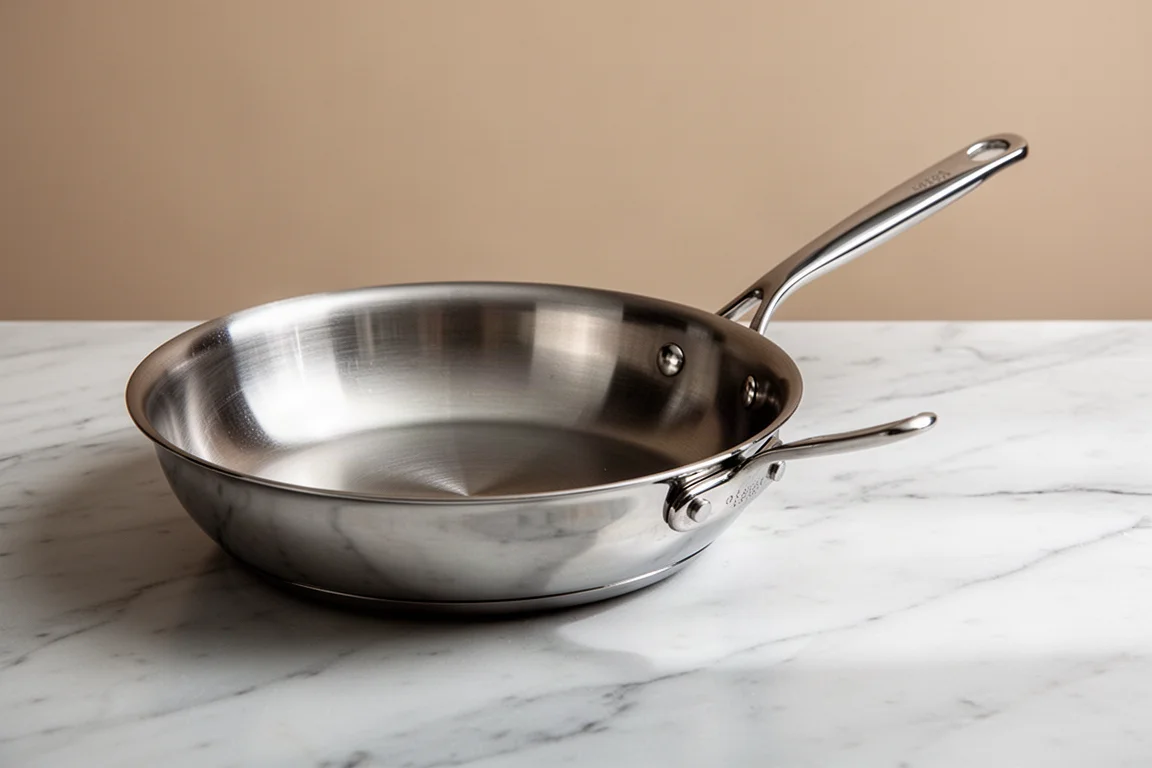
Induction burners reward the right cookware. The winning stainless steel skillet from All-Clad passes the magnet test with flying colors and, as a tri-ply stainless steel and aluminum construction, retains and spreads heat well, helping offset the smaller coil found on most portable induction burners. Pairing it with the Duxtop is an easy way to get more even searing and better overall results.
Which Burner Is Right for You?
Electric is inexpensive, really portable, and really small. It cannot handle every type of cookware or big pots, and it is not the most powerful, but it is a great option if you just need an extra burner for basic cooking tasks.
Gas is much more powerful and great for wok cooking, searing, and other high-powered work. It shines outdoors and during power outages since it needs no electricity. Use it in ventilated spaces if you bring it indoors, but otherwise you are free to use any kind of cookware on it.
Induction is a step up from electric. It requires electricity, costs a bit more, and is more powerful and more efficient, but it is not compatible with every pan. Stick a magnet on the bottom of your cookware to check before you buy.
Conclusion
There is no single best portable burner, only the best one for how you cook. The IMUSA is the low-cost, low-fuss extra burner for everyday tasks. The Grill Boss brings stovetop-level power wherever you can set it down, especially for searing, stir frying, and off-grid situations. The Duxtop delivers efficient, precise induction at a reasonable price for most home cooks, and the Breville PolyScience Control Freak rewards serious enthusiasts with unmatched precision. Choose based on where you will cook, what pans you own, and how much power you truly need.
Further reading
Related Reviews
Kitchen Appliances
Arboleaf Smart Kitchen Scale Review: Connected Cooking Made Simple
A Bluetooth-enabled kitchen scale that syncs with a nutrition-tracking app, offering real-time weight monitoring and recipe guidance for home cooks.
Kitchen Appliances
Best Air Fryer Toaster Ovens Under 100: Five Practical Options for Budget-Conscious Kitchens
Five air fryer and toaster oven combinations that deliver real cooking performance without breaking the bank, each with distinct strengths for different kitchen needs.
Kitchen Appliances
Best Air Fryer Toaster Ovens: Three Top Picks for Multi-Function Cooking
Three high-performing air fryer toaster ovens tested for versatility, ease of use, and real-world cooking results. Find the right fit for your kitchen.