Running Shoes
Best Plated Training Shoes: Puma Deviate Nitro 2 vs Adidas Boston 12 and the Rest of the Category
A close look at two of the most interesting plated trainers on the market, plus the alternatives worth knowing before you pick one.
Introduction
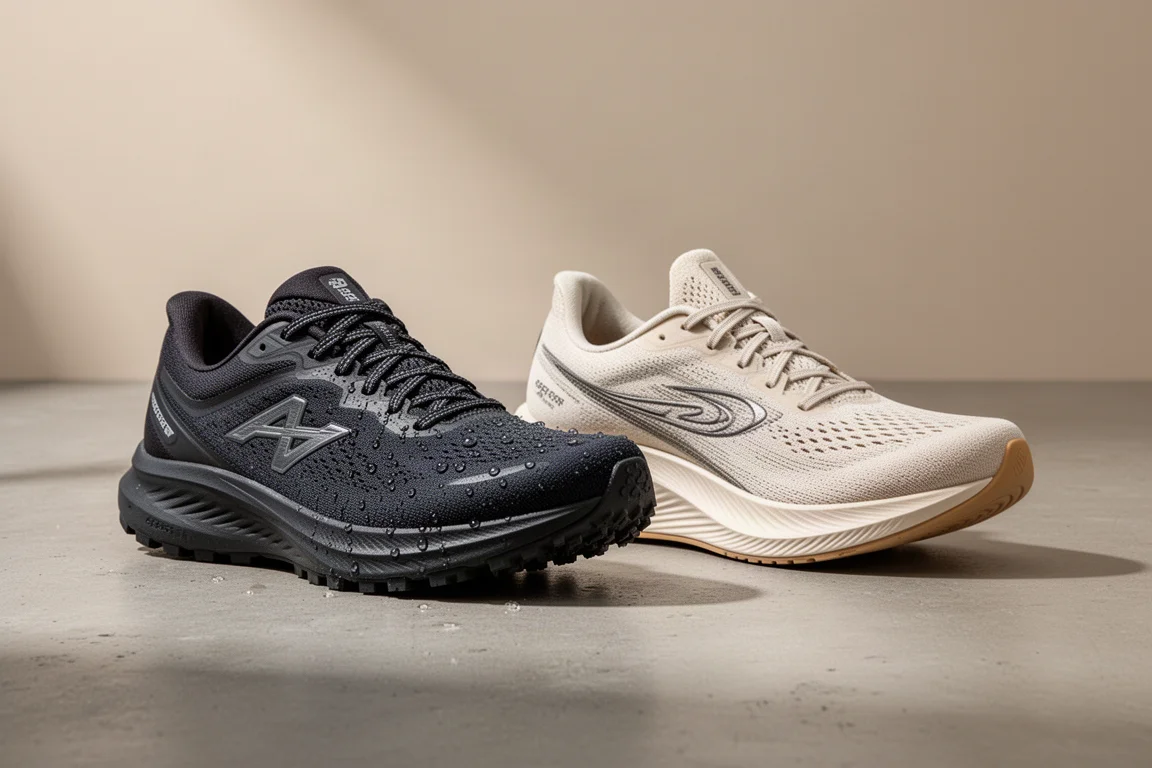
The plated trainer category has become the sweet spot of the running shoe market: race-day foam and propulsion elements, wrapped in the comfort of an everyday trainer. Two shoes illustrate the range of this category especially well. The Puma Deviate Nitro 2 is a soft, comfortable, water-repellent daily option that almost rides like a non-plated shoe. The Adidas Boston 12 is a long-running fast training workhorse with outstanding durability and a punchy ride for workouts.
On paper they look nearly identical. Both are priced at $160, both use dual-foam midsoles, both sit around 37 mm in the heel and 31 mm in the forefoot, and both feature famously grippy rubber outsoles. In practice, they serve noticeably different runners.
Why the Plated Trainer Category Works
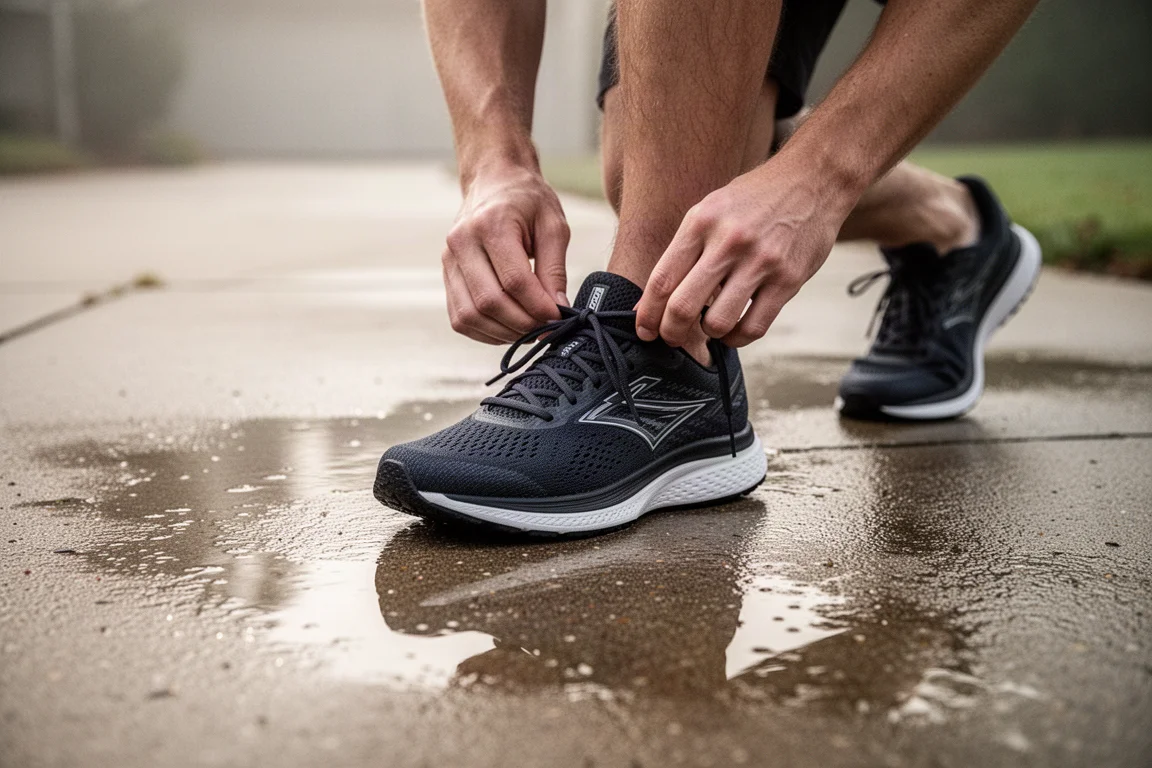
Plated trainers blend elements of racing shoes, such as rods or plates and performance foam, with the padded uppers, comfortable fit, and extra heel cushioning of daily trainers. The result is a shoe with the pop of a racer and the comfort of an everyday option, intended to be the shoe in your rotation you can pull for almost any run on the schedule.
Rotating different types of shoes across the year, rather than doing all your mileage in one plated model, is a sensible approach. Variety across your rotation is widely regarded as a good thing for injury prevention, and there is nothing wrong with using a plated trainer for a share of your daily miles, as long as the rest of your rotation includes different shoe types.
Puma Deviate Nitro 2: The Comfortable All-Rounder
The Deviate Nitro 2 uses a soft layer of Puma’s Nitro Elite foam with a firmer layer of standard Nitro in the heel for stability. Despite the plate in the midsole, the ride is surprisingly flexible with plenty of ground feel, closer to a well-cushioned daily trainer than a rigid speed machine. It does not feel as stacked in the forefoot as many plated rivals, which keeps it pleasant at easy paces.
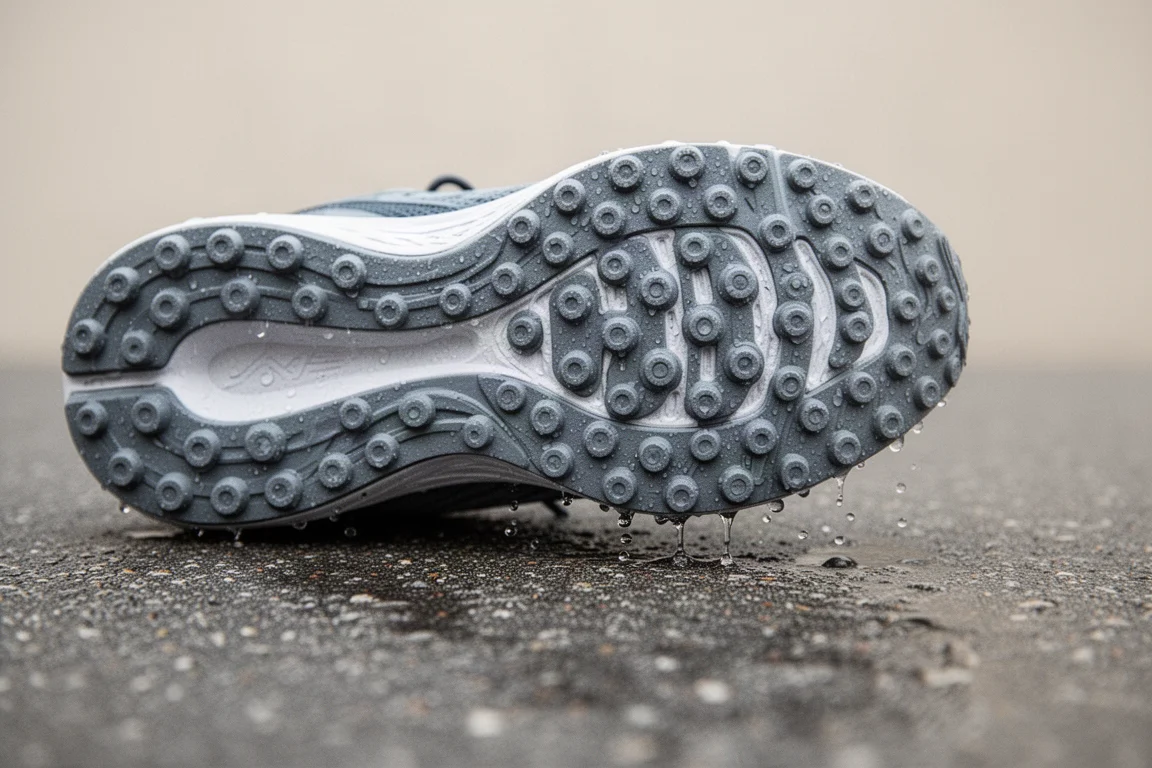
The fit is the main caveat. This is a narrow shoe, both in the upper and the platform, with a soccer-cleat-like feel and a flatter, less rockered geometry. Most runners can wear their normal size, though some size down half a size. The outsole rubber, with its small circular lugs, proved noticeably grippy in wet-weather testing, and the water-repellent version tested here came in around 290 g. Durability looked solid at 60 miles, with the forefoot essentially untouched.
Adidas Boston 12: The Fast Workhorse
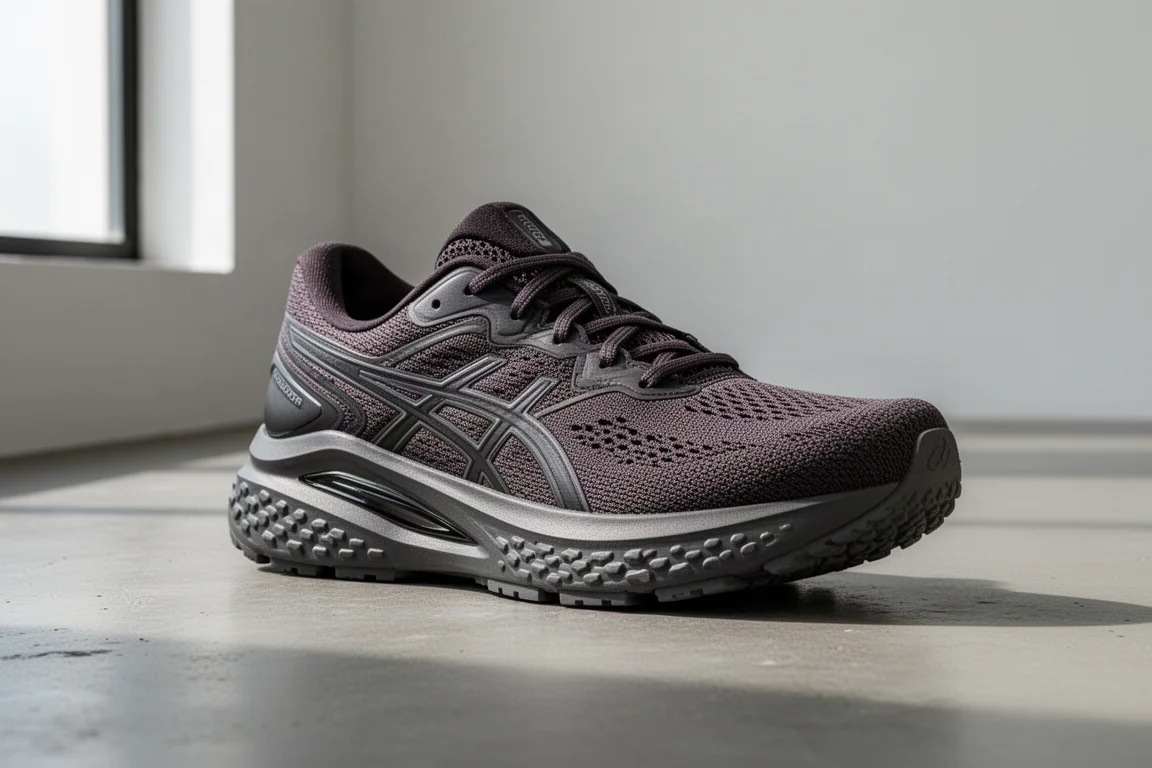
The Boston 12 pairs Light Strike EVA on the bottom with Light Strike Pro on top, plus a glass-fiber rod setup and an aggressive toe-spring rocker. It needs a break-in period and rewards pace: it shone on threshold work and marathon-effort long runs, while feeling like overkill at relaxed everyday paces. The heel uses plenty of firm Light Strike foam, which gives a stable, planted ride, and the wider platform adds stability over the Puma.
Durability is a genuine highlight. After 300 miles, the outsole and upper looked close to brand new, which makes this one of the best value shoes in the category, especially when found on sale at Adidas outlets or online. Weight is another advantage: about 266 g per shoe, roughly 20 g lighter than the Deviate Nitro 2, helped by a flatter, pancake-style rubber layout and an unpadded upper.
The trade-offs are the firmer foam, a somewhat divisive heel lockdown that some runners struggle with, and a ride that is simply less crowd-pleasing at slow paces. Heel lockdown complaints can be helped with a heel-lock lacing technique, and after 300 miles the fit settled nicely.
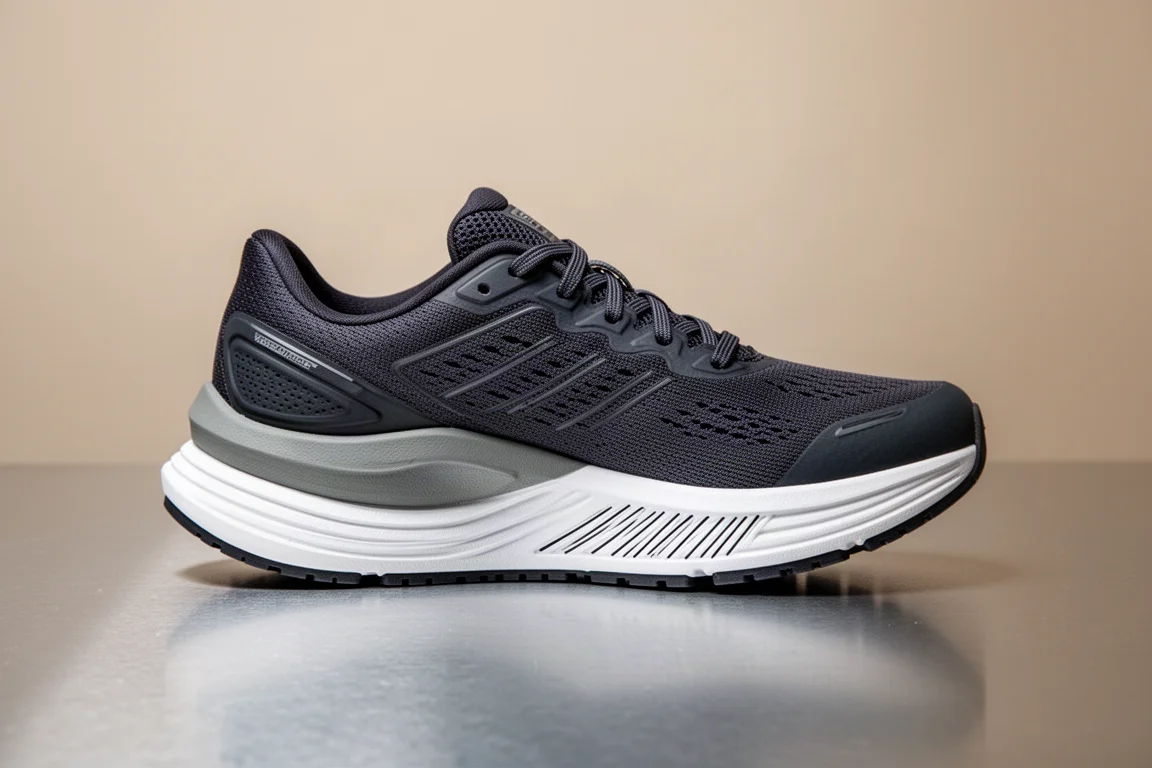
Head-to-Head: Which One Fits Your Running
If your week is built around easy miles, recovery runs, and the occasional steady effort, the Deviate Nitro 2 is the easier shoe to love. It is comfortable for up to 90 minutes, handles treadmill, track, and even light trail use, and delivers a pleasant, bouncy ride without demanding speed. If your week is built around workouts, tempo runs, and long runs with race-pace segments, the Boston 12 is the stronger tool, with more speed assistance, a more aggressive geometry, and superb grip at pace.
The wet-weather grip test between the two rubbers favored the Puma’s lugged compound, which dug in better when stopping short and walking on soaked pavement. The Continental rubber on the Boston 12 is still excellent and holds up phenomenally over distance, but the small circular lugs on the Puma Grip appear to give it an extra edge in the wet.
How the Rest of the Category Fits In
Beyond these two, several plated trainers cover specific niches, and knowing where they fit makes the choice easier.
New Balance SC Trainer V2
This is almost a more stacked, more protective version of the Deviate Nitro 2. It uses a single piece of very soft FuelCell foam with a carbon plate rather than a dual-foam setup, and it is friendly at nearly every pace tried in it, though not the strongest option for top-end speed. If the Deviate Nitro 2 sounds like it might not offer enough protection for you, this is the alternative.
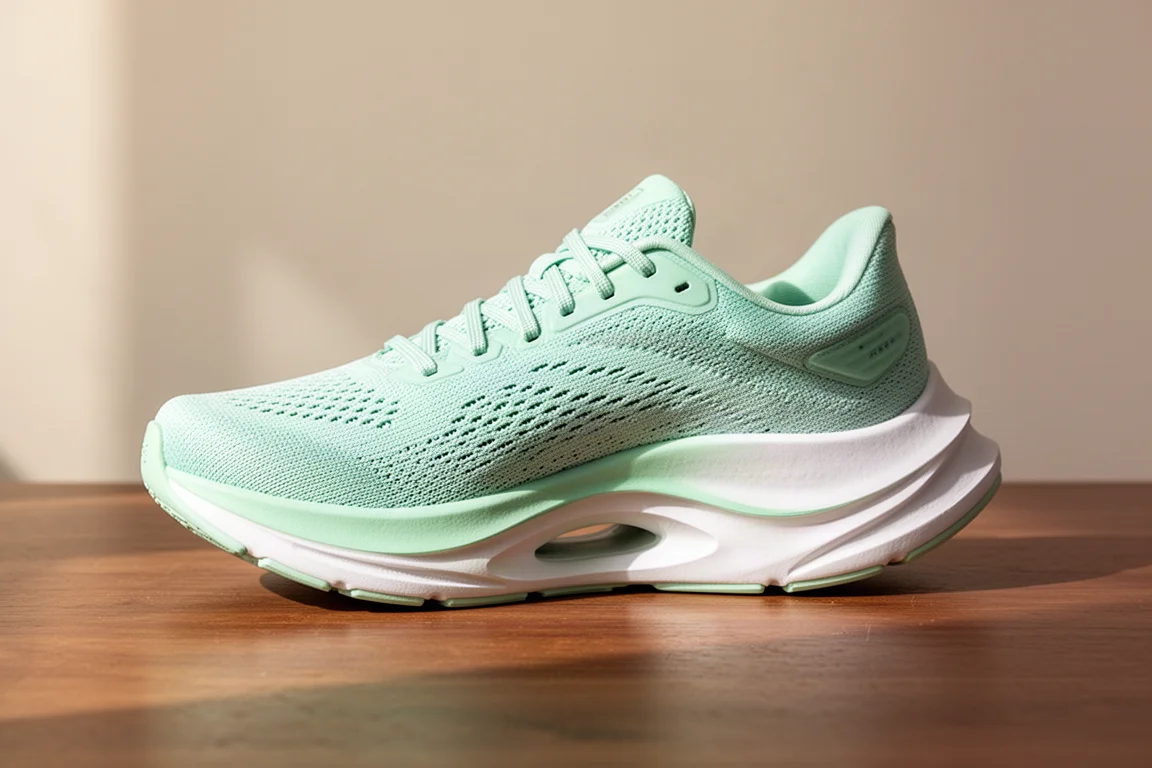
Mizuno Wave Rebellion Flash 2
A dual-foam shoe with a plastic plate and a heel cutout that makes it a poor match for heel strikers and relaxed paces. From testing so far, it leans fast, much like the Boston 12, and suits midfoot-to-forefoot runners doing dedicated speed work, particularly those replacing older fast trainers.
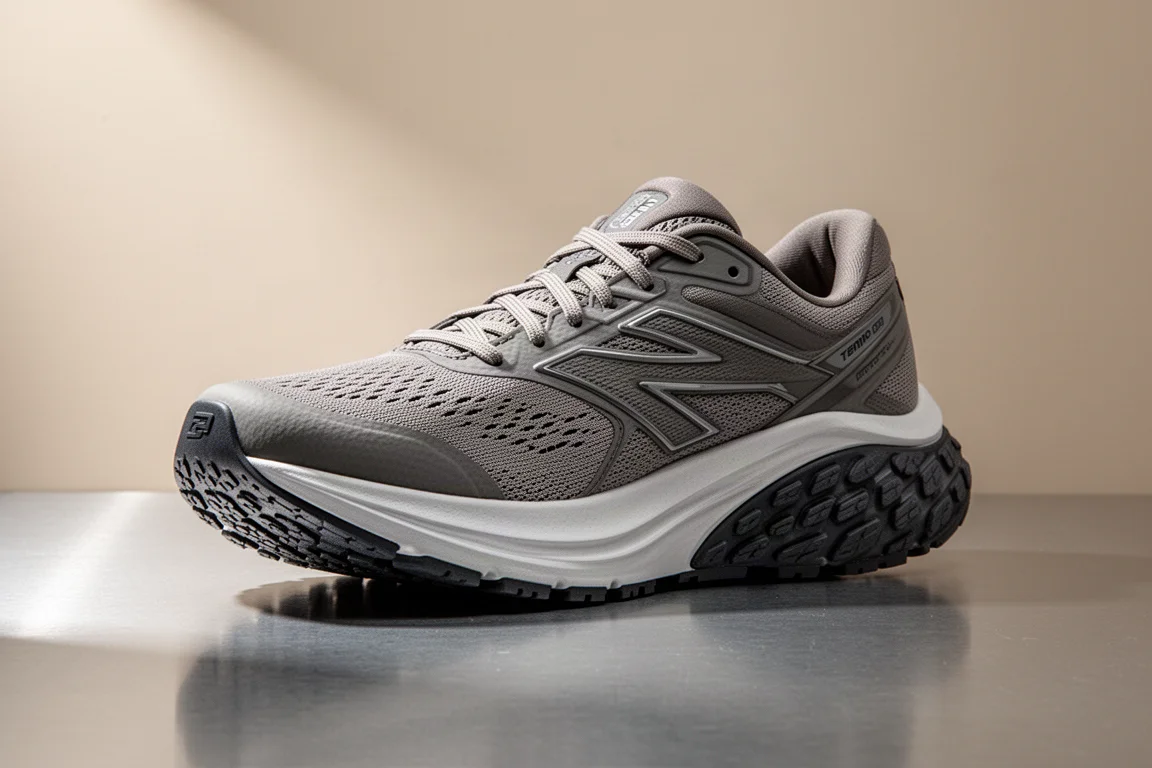
Saucony Endorphin Speed 4
The category’s traditional market leader, though the current version divides opinion. The heel geometry and disconnected platform can produce an awkward ride for some runners. It remains worth trying, but it is no longer an automatic pick.
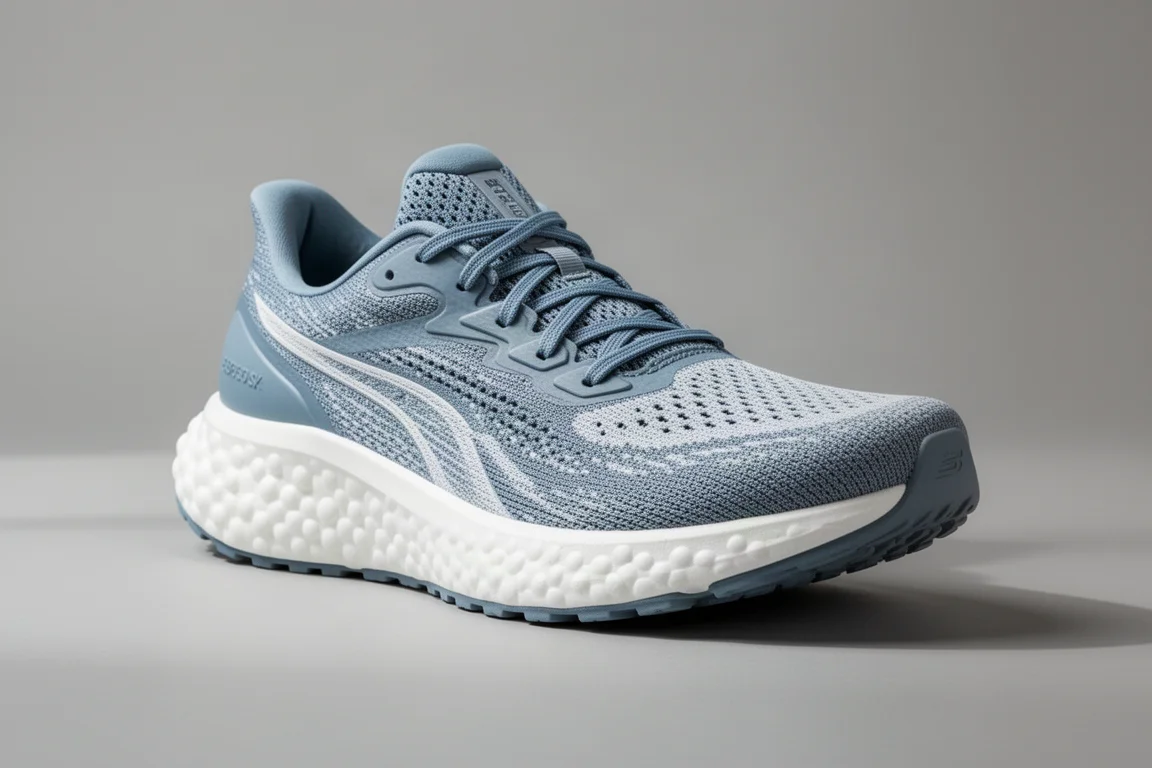
Saucony Endorphin Pro 4
Strictly a racing shoe rather than a trainer, but notable because it is very comfortable for both racing and training. If your budget stretches to a premium racing shoe, this is a strong choice, and it can double as a friendlier long-run option for most foot strikes.
Adidas Takumi Sen 10
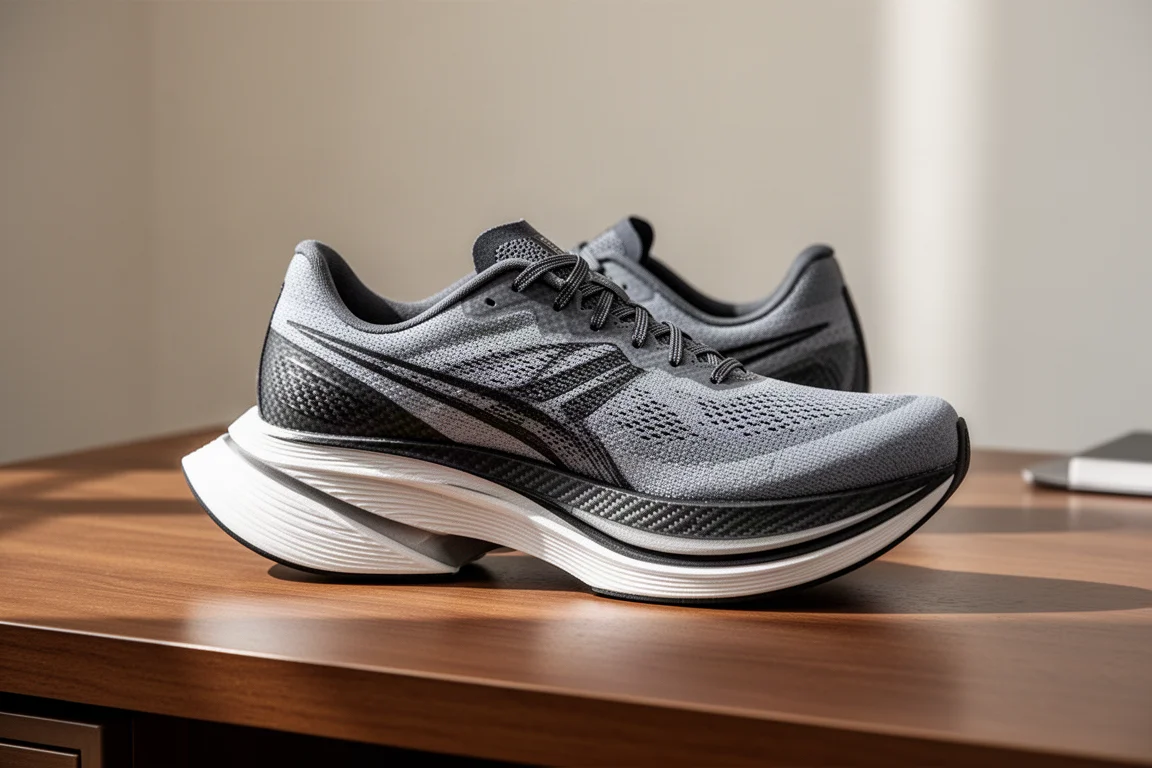
A 5K and 10K racing shoe that many runners use as a dedicated speedwork tool. The tenth version is a minor update with revised rods and an adjusted Light Strike Pro formulation. If your focus is half marathon distance and below, it is a better fit than the Boston 12, which is built around marathon and longer-distance training.
Buying Advice
Choose the Puma Deviate Nitro 2 if you want a crowd-pleasing, comfortable plated trainer for everyday miles with a bit of pep, strong wet grip, and all-season versatility. Its narrow fit is the only real barrier, so try it on first if you have wide feet.
Choose the Adidas Boston 12 if you want a lighter, faster, longer-leaning trainer for workouts and long runs, and you can live with a firmer foam and a fit that takes some adjustment. Its durability makes it excellent value, particularly on sale.
Conclusion
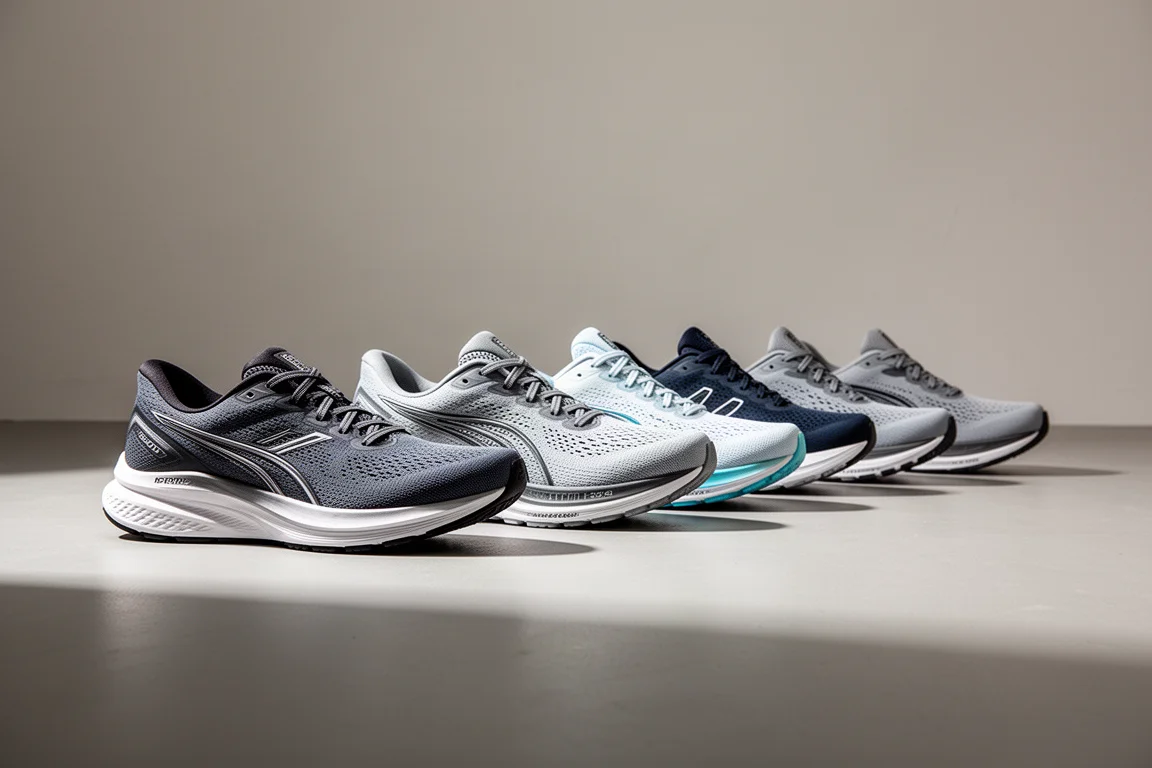
The Deviate Nitro 2 and the Boston 12 show how wide the plated trainer category has become: one leans into comfort and everyday versatility, the other into speed and durability. Matching the shoe to the runs you actually do matters more than any spec sheet, and both of these are excellent once that match is right.
Further reading
Related Reviews

Running Shoes
Best Road-to-Trail Running Shoes: Three Versatile Options for Mixed Terrain
A practical guide to three road-to-trail running shoes that handle both pavement and mild trails, with clear strengths and trade-offs for different runner types.

Running Shoes
Best Running Shoes for Achilles Tendonitis: Three Options Explained
Three running shoes with different heel drops and support features designed to help reduce Achilles tendon pain during walking and running.

Running Shoes
Best Running Shoes for Women: Five Top Choices Ranked
A ranked guide to five women's running shoes, from versatile daily trainers to high-performance racing options, with real strengths and trade-offs for each.