Running Shoes
Best Plated Training Shoes Compared: Nike Zoomfly 5 vs Puma Deviate Nitro 2 vs Saucony Kinvara Speed 3
Three market-leading plated training shoes face off on value, comfort, and outright speed after hundreds of kilometres of testing.
Introduction
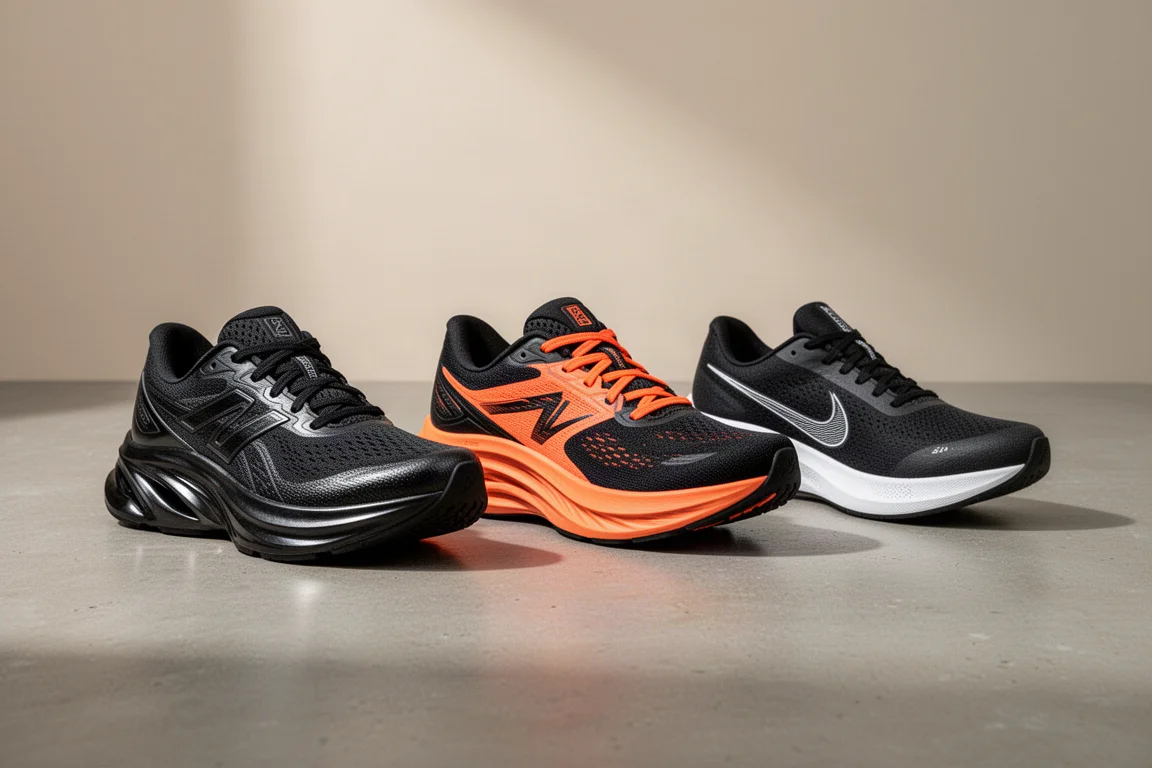
Plated training shoes have become the bridge between your everyday easy-run shoe and a full-on carbon racing shoe. Three market leaders in this segment are the Nike Zoomfly 5, the Puma Deviate Nitro 2, and the Saucony Kinvara Speed 3. All three are built around a plate, all three are quick, and after hundreds of kilometres of testing across speed sessions and tempo runs, they are genuinely hard to split.
This comparison covers value, comfort, and performance, finishing with clear recommendations for which shoe suits which runner. The short version: the Saucony Kinvara Speed 3 comes out on top overall, but the Puma and Nike both win in specific situations.
What These These Shoes Are For
These are shoes for speed sessions, tempo runs, and threshold work. They can also double as race shoes if you do not want to spend the bigger money on fully carbon-plated super shoes. Think of them as the middle ground: faster and more propulsive than a daily trainer, more forgiving and more versatile than a dedicated race-day weapon.

The Specs at a Glance
Price is the first differentiator. The Saucony is the most expensive at £165, the Nike sits at £145, and the Puma is the cheapest at £140. Stack heights show a clear pattern: the Saucony and Puma both measure 36mm at the heel and 28mm at the forefoot, while the Nike runs slightly taller at 40/32mm. All three share an 8mm drop.
Weight is where they really diverge, all measured in a UK size 12. The Saucony is dramatically light at 270g, the Puma comes in at 315g, and the Nike tops the scales at 359g. That nearly 90g difference between the Nike and Saucony is very noticeable out on the run.
The plates tell their own story: the Puma uses a carbon composite plate with roughly 70 percent carbon, the Saucony uses a nylon plate, and the Nike has a full carbon plate running throughout the shoe.
Value: Durability, Versatility, and Price
The Puma impresses immediately with its updated grip outsole. Traction is much better than the outgoing model, it is lasting well over 50 to 60km of testing so far with no visible wear, and everything points to it holding up over the long term. It is also genuinely versatile, comfortable from easy pace right up to all-out 5K effort, and suited to 5Ks, 10Ks, half marathons, and marathons. At £140, with Puma deals often available, it is fantastic value.
The Saucony’s outsole is fairly minimal and does not look as grippy as the Puma’s, and it does not appear to be as long-lasting on paper. That said, it is holding up fine in testing, and long-term owner feedback has been positive. The softer nylon plate makes it a touch more versatile than the Puma at slower paces, but at £165 it is £25 more expensive, which marks it down here.
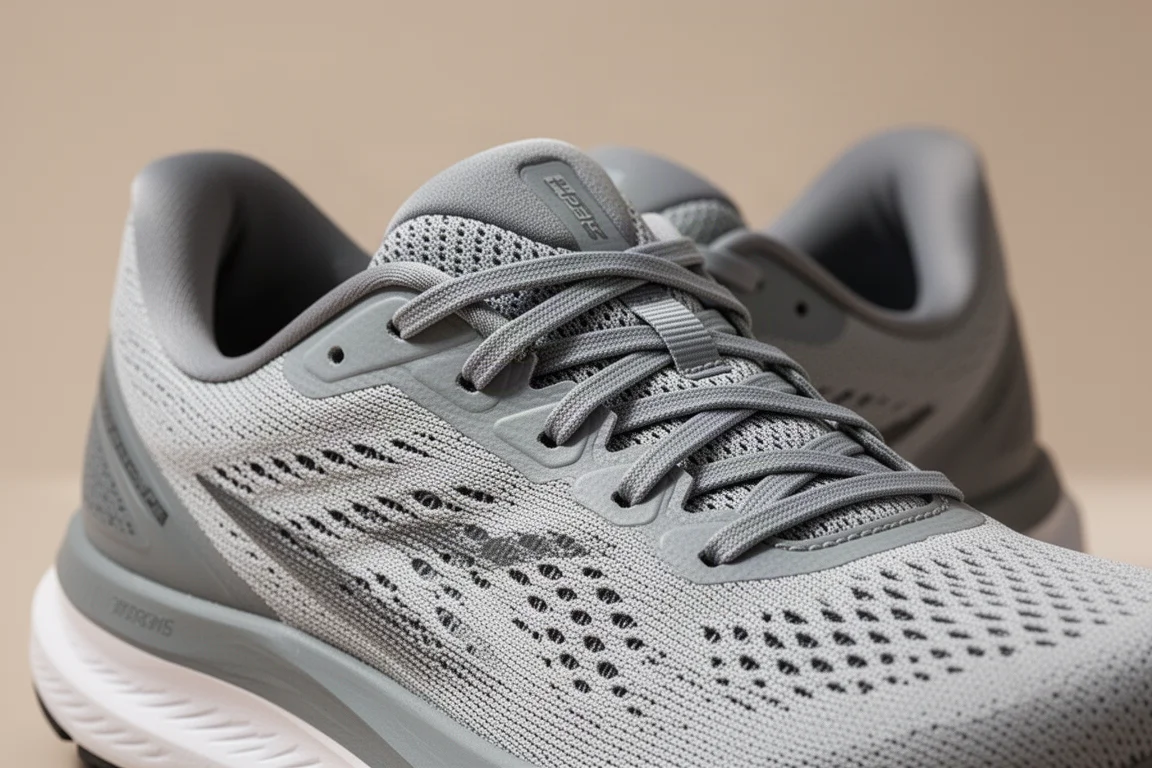
The Nike has around 200km on it with essentially no signs of wear beyond some light scratching in the carrier foam, where the ZoomX peeks through a small hole in the midsole. Durability is excellent. Versatility is the weak spot: the full carbon plate is stiff and the weight limits it at slower paces. It works best as a long-run cruising shoe, and at £145 it is neither expensive nor cheap for the segment.
Comfort and Fit
The Puma was superbly comfortable straight out of the box. The updated heel design fixes the issues of the previous version, which caused Achilles irritation and heel slip for some runners. There is no slipping, breathable mesh throughout gives good airflow, lockdown is solid without needing heel-lock lacing, and the width should be fine for everyone except very wide-footed runners.
The Saucony matches the Puma out of the box and is slightly wider, which wider-footed runners will really appreciate. The softer plate adds comfort at slower speeds, and at 270g the shoe simply disappears on your feet. No heel slip, no hot spots, and the PWRRUN foam setup is responsive and protective.
The Nike took longer to break in, with a few hot spots in the first few runs that faded over time. After that it is a comfortable shoe with no heel slip, and it is hard to fault beyond the weight. All three shoes ran true to size, so order your usual running size.
Performance and Speed
In a speed session, the Puma and Saucony were effectively impossible to split. Both are quick shoes without the outright super-shoe snap of a £200-plus racer, but in this bracket they are genuinely fast. The Puma’s grip is outstanding: stable, planted, and confidence-inspiring in corners and in the wet, making it a fantastic winter option.
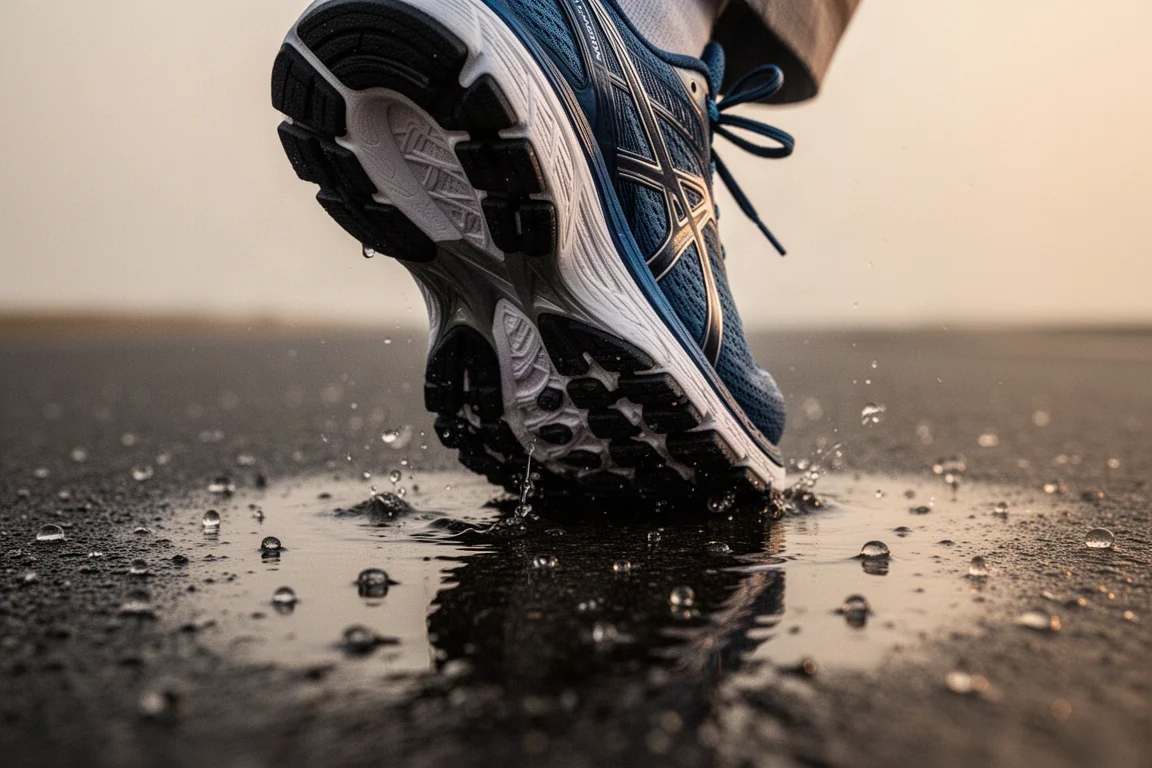
The Saucony just edges ahead on speed thanks to that featherweight build. In the back end of a race, that extra lightness shows, and it stays stable in corners with good wet-weather grip, though the Puma holds the outright grip advantage here.
The Nike is clearly the heaviest of the three and is not a shoe for racing. Where it shines is long-run sessions at marathon or half marathon pace: it cruises comfortably over long distances, grips very well in the wet, and feels stable and confident. It is simply let down by carrying around 90 extra grams on each foot.
Who Should Buy Which
The Puma suits runners who want extra grip underfoot, including wet-weather and light-trail sessions, or anyone looking for a gentle introduction to plated shoes because the plate is not too aggressive. The Saucony is the pick for dry tarmac days: super fast, great turnover, and the extra width makes it a genuinely fun, lightweight shoe that puts a smile on your face. The Nike is best for runners training for longer distances, marathons and potentially beyond, who want a big, brutish, cruisy shoe to hold marathon pace for a long time.

Conclusion
After hundreds of kilometres, the final scoring puts the Saucony Kinvara Speed 3 first with eight points, the Puma Deviate Nitro 2 a close second with seven, and the Nike Zoomfly 5 third with three. If conditions are dry, the Saucony is the shoe to lace up; if the weather turns or you head slightly off-road, the Puma is the obvious choice. The Nike remains a solid long-run cruising tool for marathon-focused training, but it finishes a distant third in this company.
Product link
View more details for Nike Zoomfly 5
This product is mentioned in the review. Check the specifications, options, and compatibility before buying.
View more details for Nike Zoomfly 5Further reading
Related Reviews

Running Shoes
Best Road-to-Trail Running Shoes: Three Versatile Options for Mixed Terrain
A practical guide to three road-to-trail running shoes that handle both pavement and mild trails, with clear strengths and trade-offs for different runner types.

Running Shoes
Best Running Shoes for Achilles Tendonitis: Three Options Explained
Three running shoes with different heel drops and support features designed to help reduce Achilles tendon pain during walking and running.

Running Shoes
Best Running Shoes for Women: Five Top Choices Ranked
A ranked guide to five women's running shoes, from versatile daily trainers to high-performance racing options, with real strengths and trade-offs for each.