Running Shoes
Best Plated Training Shoes of 2024: 8 Models Compared
From the Mizuno Wave Rebellion Flash 2 to the Saucony Endorphin Speed 4, these are the plated trainers worth knowing for your rotation.
Introduction
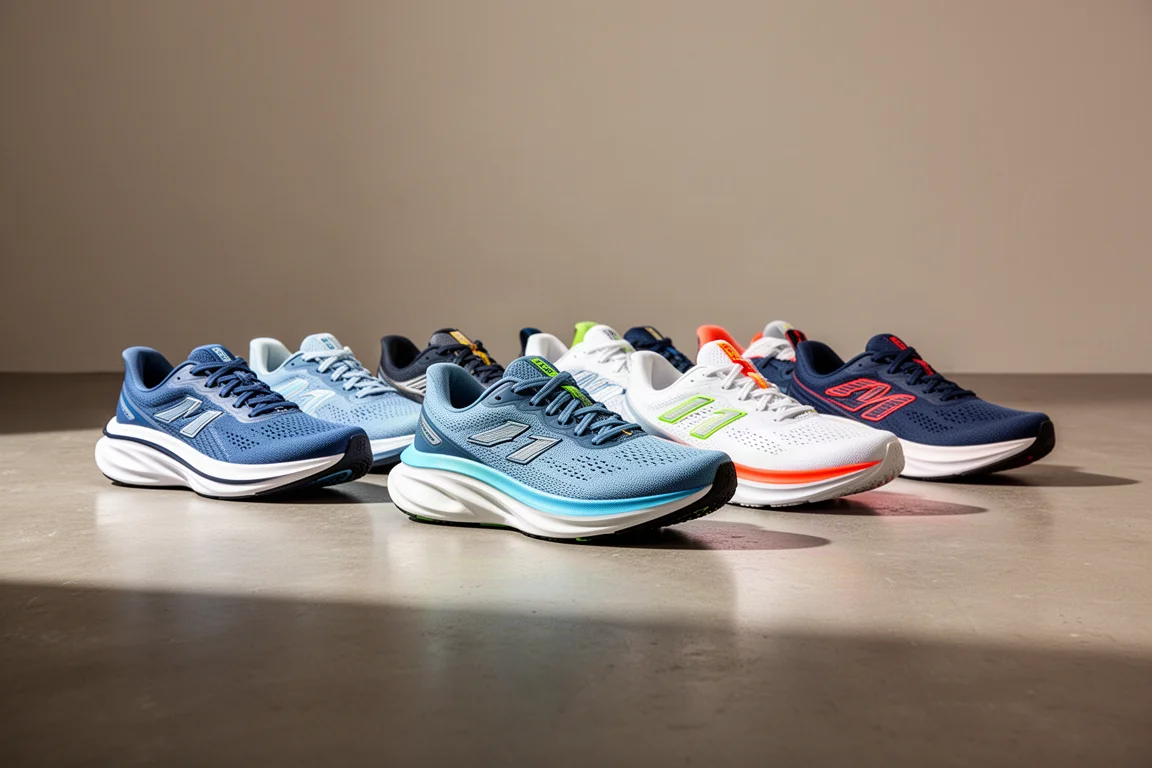
Plated training shoes went from a niche experiment to one of the most crowded categories in running. Once a handful of brands proved that a plastic or carbon plate could add snap to a cushioned daily trainer, nearly every company followed. This roundup covers the plated trainers announced for 2024, what separates them, and where each one fits in a rotation.
Why Plated Trainers Took Over
The category took off when shoes like the Saucony Endorphin Speed paired high-end, energy-returning foam with a plate. The formula is simple: livelier foam than a typical daily trainer, plus a plate that adds snap and structure.
Three things differentiate shoes in this category. First, the foam: some use a single PBA compound, others a dual construction such as a supercritical TPU or EVA blend over a firmer base. Second, the plate: full plastic, partial carbon, or full carbon. Third, the rocker geometry, from late-stage forefoot rockers to aggressive full-length curves, which determines what kind of foot strike each shoe suits.
Mizuno Wave Rebellion Flash 2
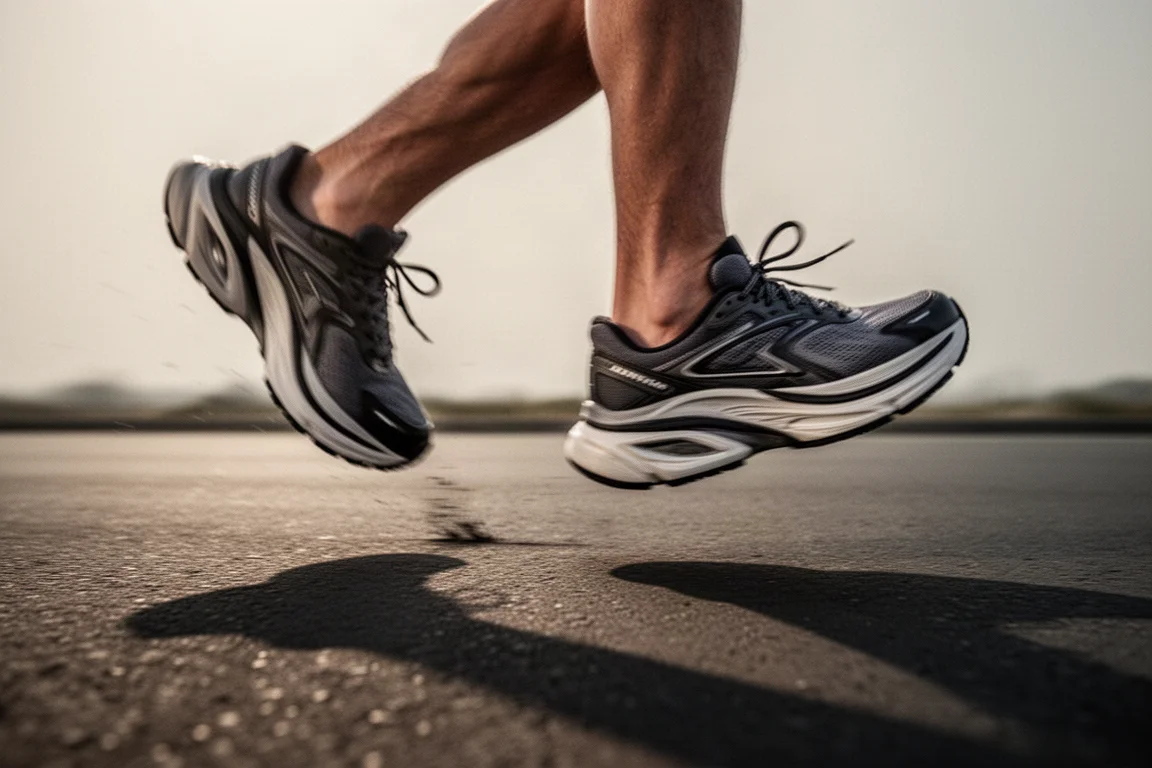
The Flash 2 is a complete overhaul of the original, built as a true competitor to the Saucony Endorphin Speed 3. It uses a dual foam setup: a soft, bouncy racing foam against the foot and a firmer, more stable layer below, with a glass fiber infused nylon plate in between that adds snap and rigidity beyond a typical plastic plate.
The standout is the geometry. A heel cutout feeds into a super aggressive midfoot-to-forefoot rocker, echoing the Wave Rebellion Pro, and the thick stack delivers serious protection. At $160 it is one of the most affordable plated trainers here, $10 less than the Endorphin Speed 3 and $20 less than the Hoka Mach X.
Hoka Mach X2
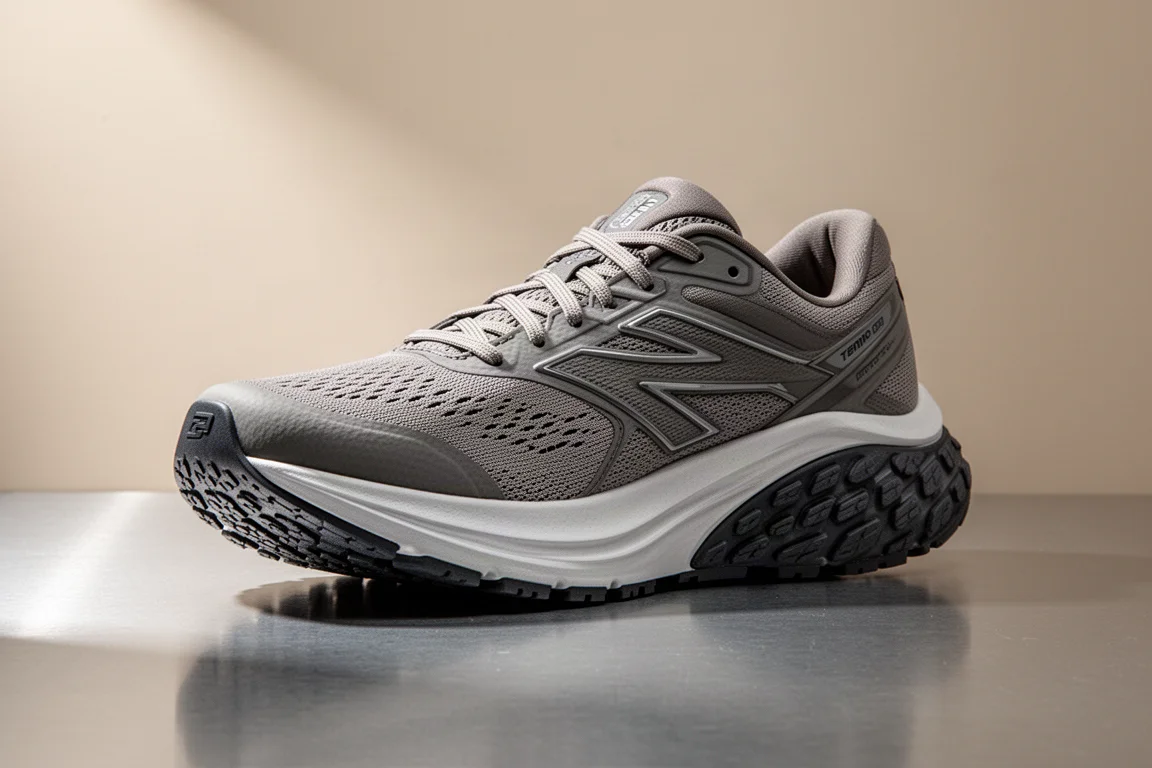
The Mach X was Hoka’s first entry in this category, using a PBA top layer, an EVA bottom layer, and a plastic plate between them. The Mach X2 keeps that formula but dials up the PBA content with a much thicker stack, adds a more aggressive rocker, and revises the upper for a lighter, race-like fit.
That is a direct response to criticism of the first version, which some found too soft and not fast enough. Expect it in the fall, likely near the current version’s $180 price.
New Balance SC Trainer v3
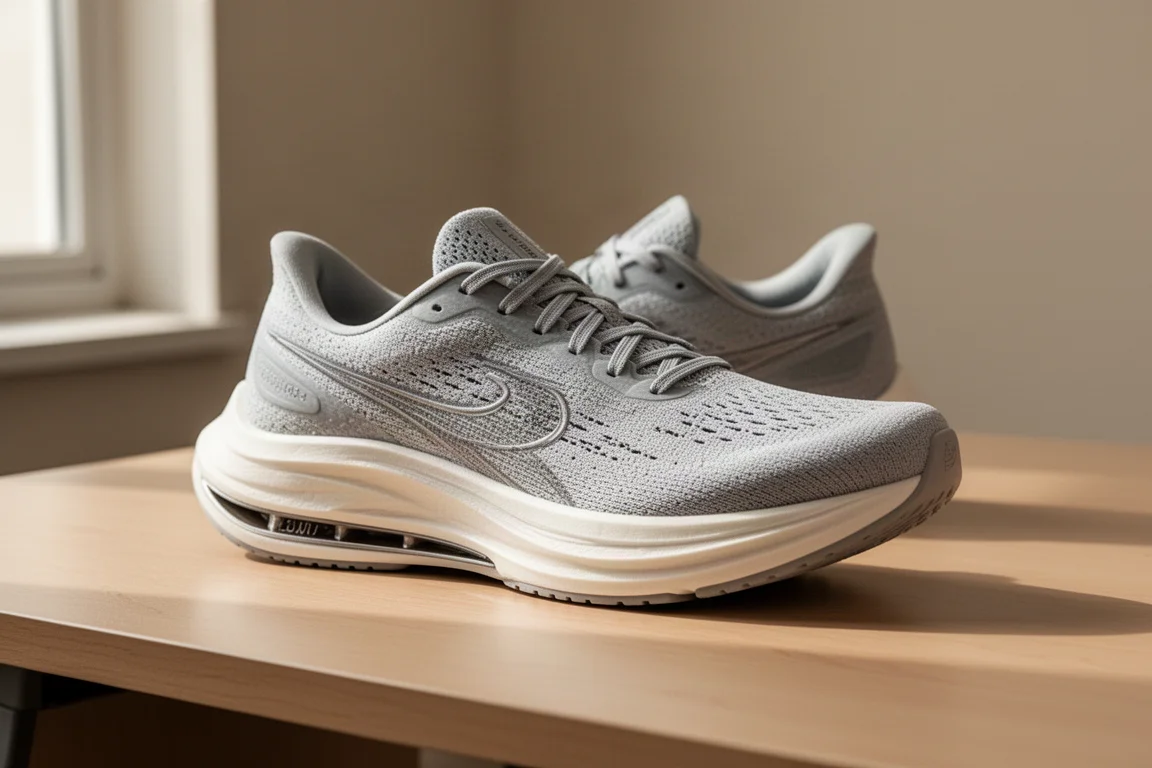
The SC Trainer v3 moves New Balance’s FuelCell line toward PBA foam, mixed with other compounds rather than a dual-foam construction, and adds a carbon fiber plate. Unlike faster FuelCell shoes, the PBA content here is on the lower side.
Visually it heads in the opposite direction from the rest of the category, with a more padded training upper. The mission is clear: this is a recovery-day and long-effort partner for marathon training, not a shoe for fast repeats.
Brooks Hyperion Max 2
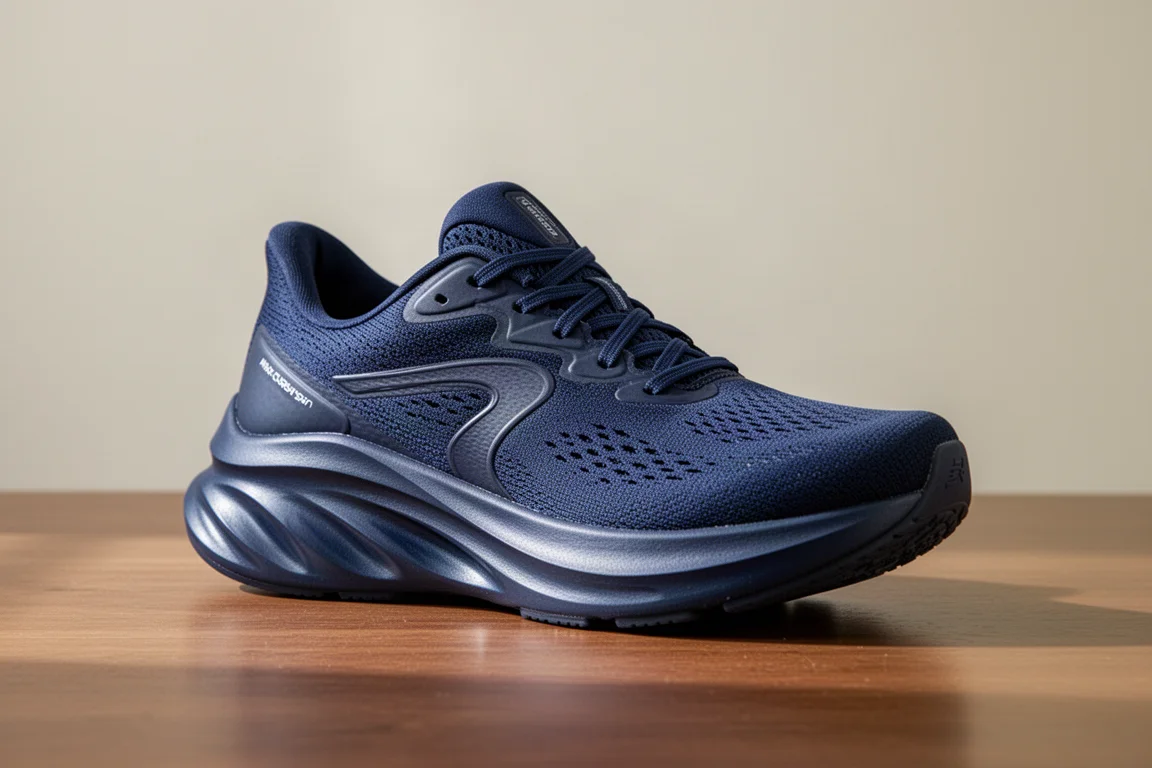
The Hyperion Max 2 fixes the two biggest complaints about its predecessor. The revised geometry drops the large heel cutout, making it friendlier for heel strikers, and a plate is added for the first time, earning it a place in the plated trainer conversation.
The revised DNA Flash foam is now a supercritical TPU and EVA blend that is much softer than version one, and the heel stack grows about 4 mm to around 36 mm. That makes it a viable partner for two-hour-plus long runs of 16 to 22 miles, something the original was not built for.
TYR Speedwork
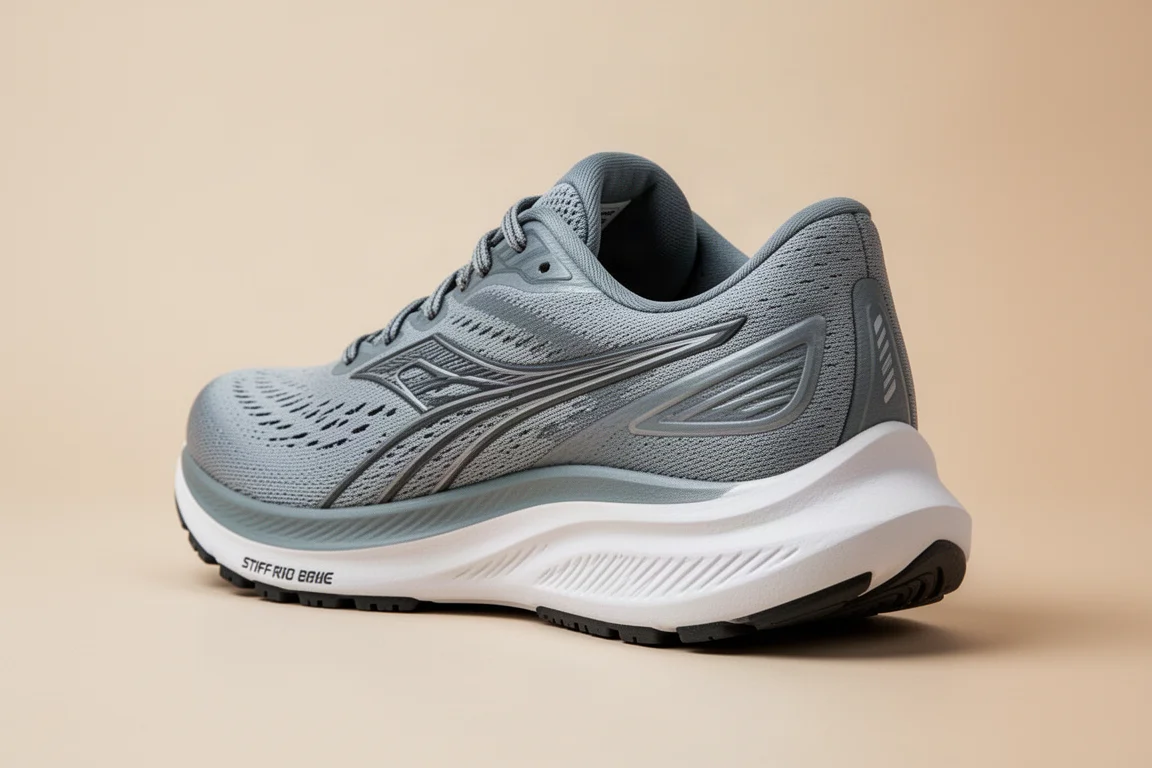
TYR made its name in swim, expanded into CrossFit, and moved into footwear recently with a clear brief. The Speedwork is the plastic-plated training companion to the Valkyrie race shoe, using a beaded PBA foam similar to the Saucony Endorphin lineup.
The key difference is rocker placement: instead of a full-length canoe-like curve, the rocker sits up in the forefoot. Combined with a firmer foam and a wider, more stable base, it is designed for forefoot strikers, particularly former athletes from CrossFit and similar backgrounds who need more structure than elite racers.
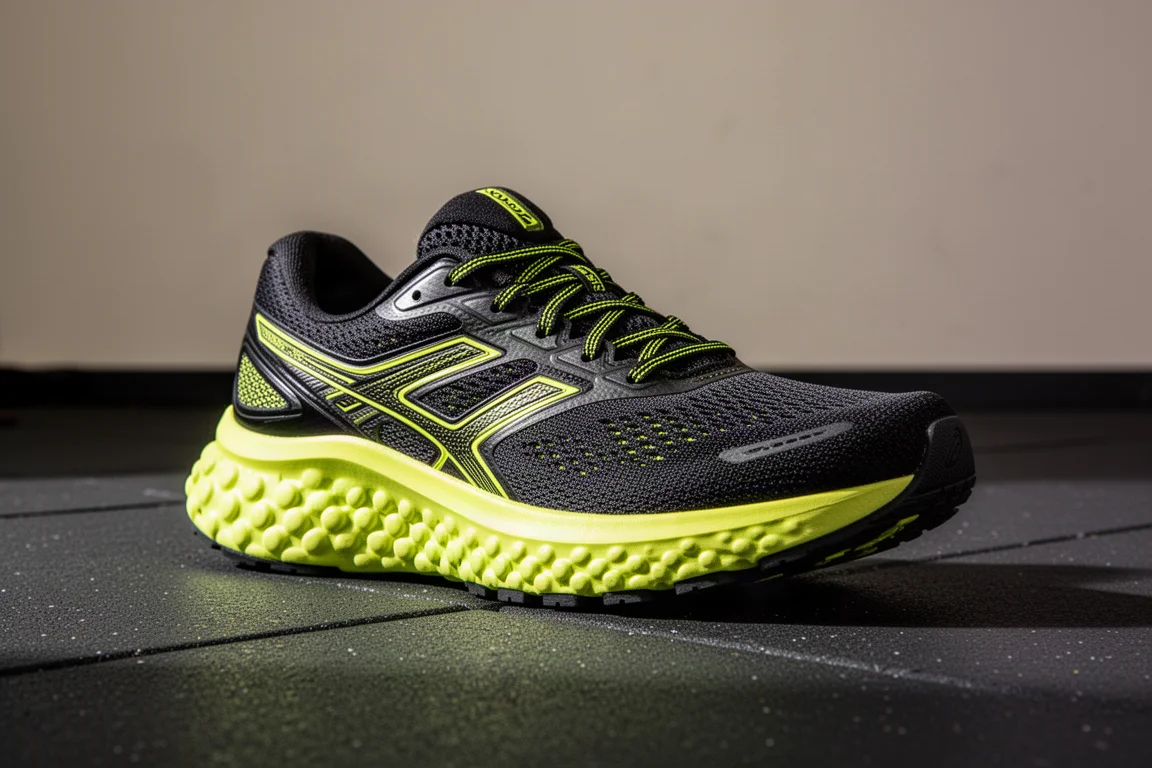
Salomon S/LAB Spectre
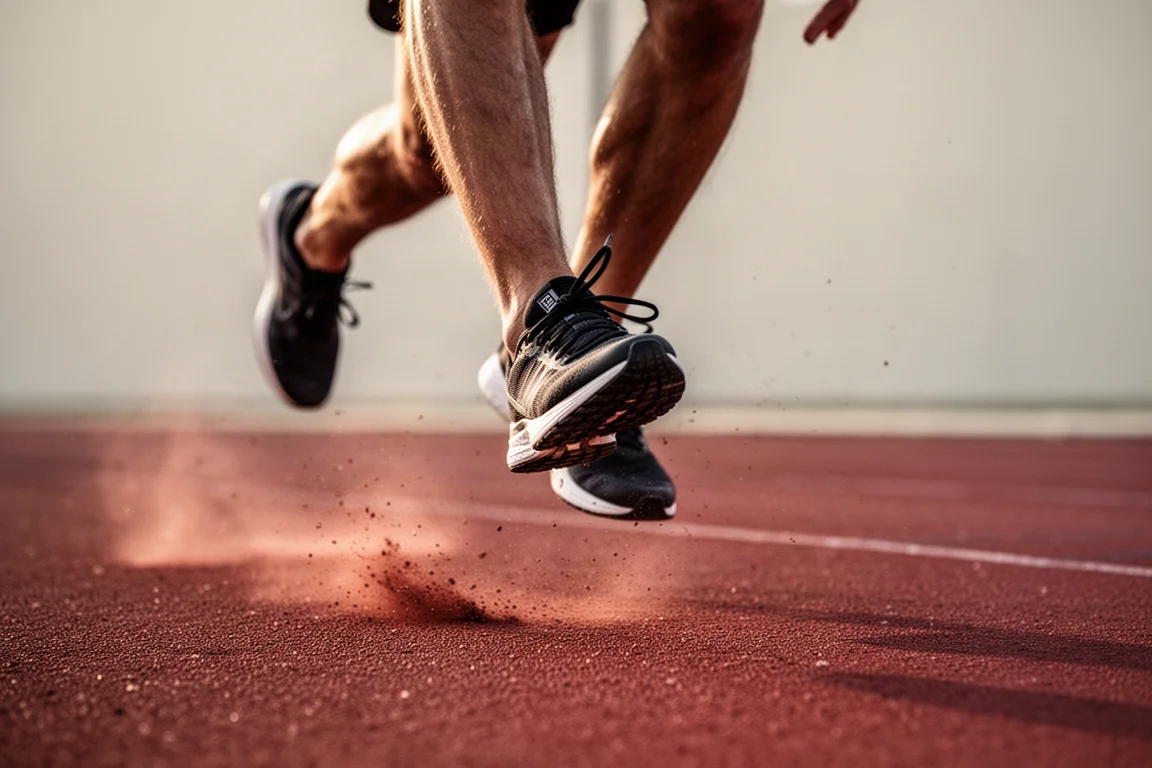
The Spectre is designed as a race day shoe for recreational marathoners in the 3:30 to 4:00 range who want more stability than a pure racing shoe. It earns a place in this roundup because it doubles as a training option, particularly for long runs.
It uses a wrapped carbon fiber plate in the heel for rearfoot stability plus a firmer EVA layer beneath the PBA foam. A 2:27 marathoner on the Salomon team reportedly uses it for all of his long runs because it offers more comfort and support than the brand’s elite racing shoe. For faster runners, it works as a training companion that mirrors a Vaporfly-style race shoe without racking up miles on race day footwear.
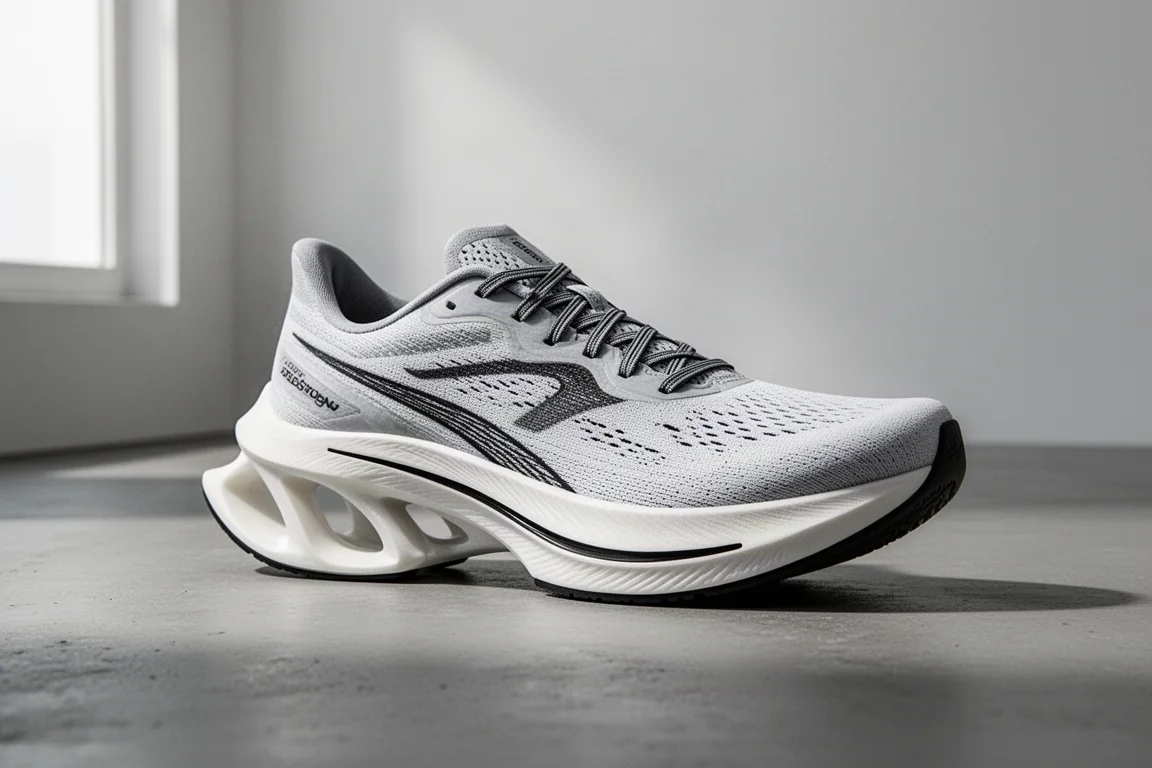
Saucony Endorphin Speed 4
The Speed 4 is a visual departure, adopting a dual-foam midsole design closely modeled on the Adidas Boston 12. In the hand, though, it does not feel far from the Speed 3: Power Run PB remains on the outside, a plastic plate sits in the midsole, and the ride stays in familiar territory.
Saucony leads this market and did not mess with the formula. If you liked the Speed 3, you should like the Speed 4. It is not the fastest shoe in the category, but it is among the most comfortable, with a padded upper, a planted wider base, and foam that is both comfortable and lively.
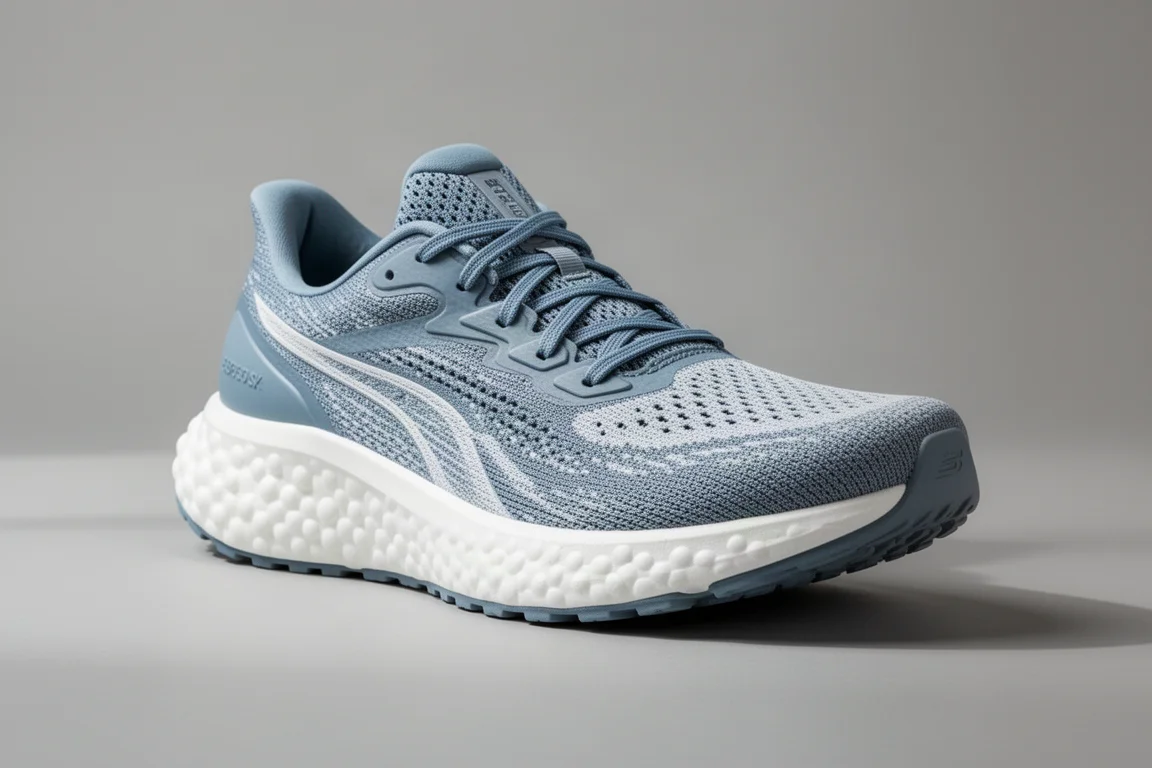
Saucony Endorphin Speed 3
Still one of the most respected shoes in the category, the Endorphin Speed 3 remains the benchmark. It pairs Power Run PB foam with a full plastic plate and a smooth rocker, delivering a ride that balances speed and comfort better than most competitors.
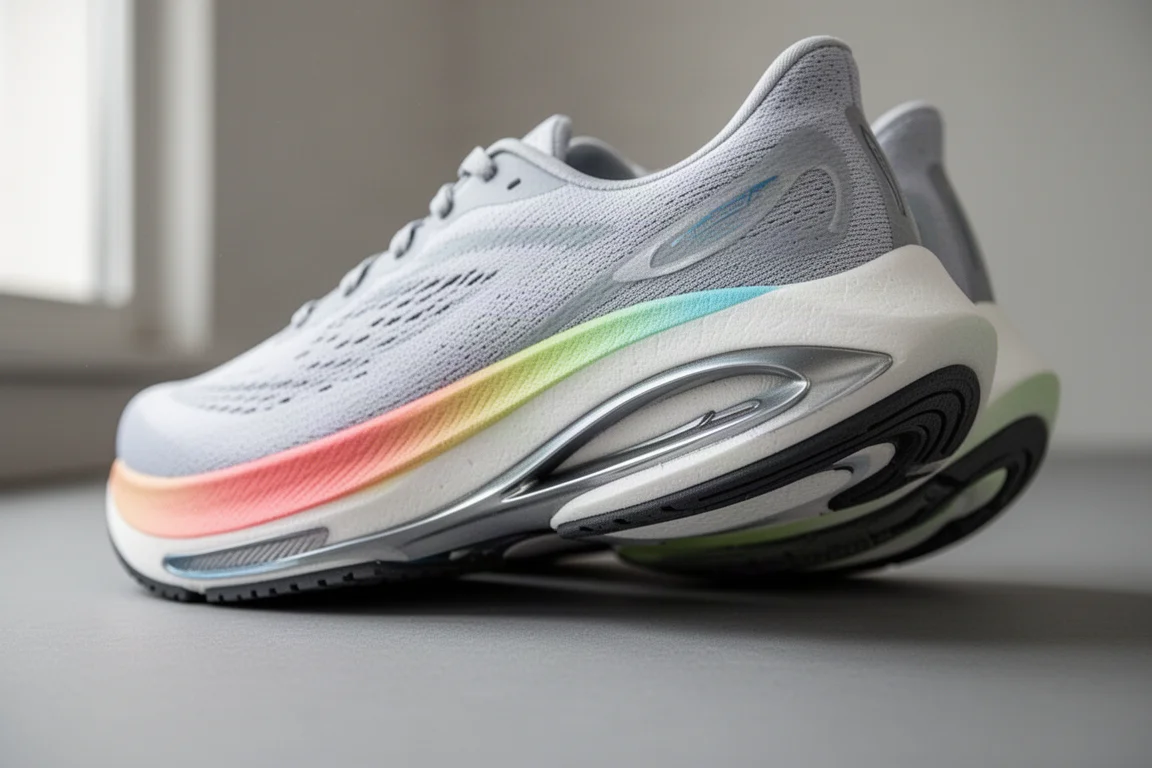
As the shoe that helped define what a plated trainer should feel like, it is still a safe pick, especially now that it is often priced below newer arrivals.
Overall Buying Advice
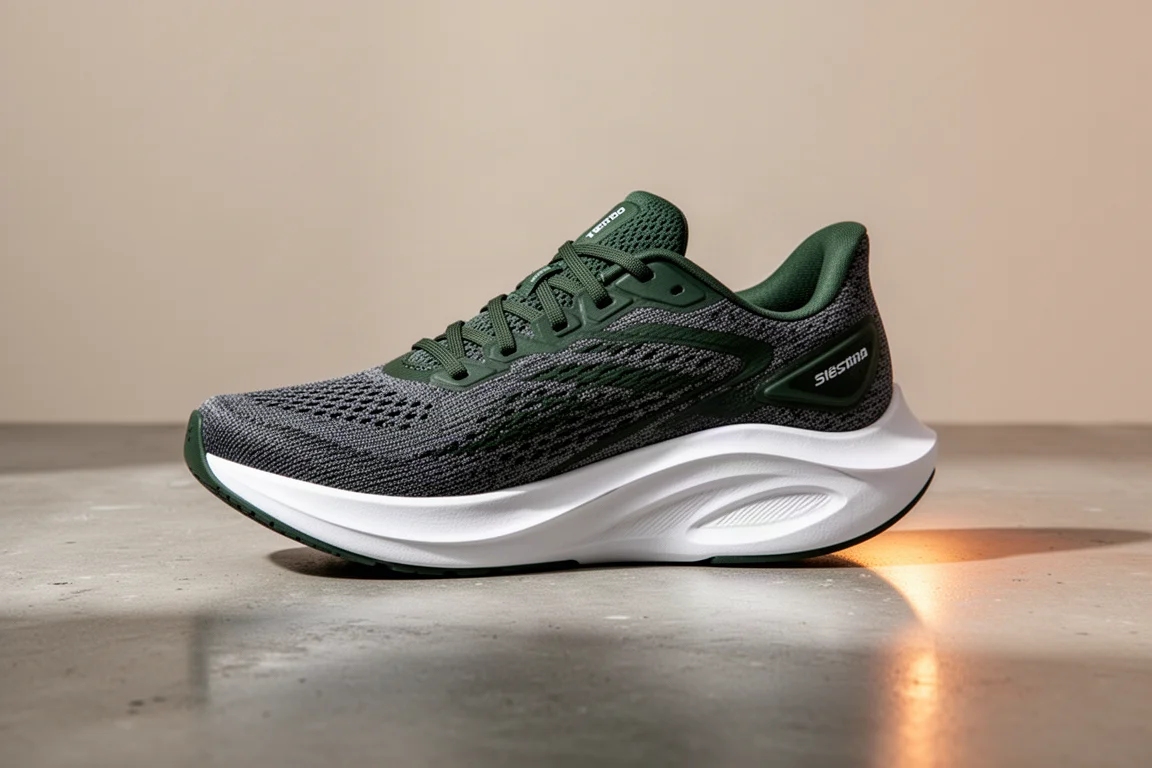
Match the shoe to the job. For a fast workout shoe with an aggressive rocker at a competitive price, the Mizuno Wave Rebellion Flash 2 stands out. For marathon recovery and long efforts, look at the New Balance SC Trainer v3 or the Brooks Hyperion Max 2. Forefoot strikers and former athletes should give the TYR Speedwork a close look, while runners pairing a plated trainer with a super shoe will appreciate the Salomon S/LAB Spectre. And if you simply want the category’s most proven all-rounder, the Endorphin Speed 3 or 4 remains the default answer. Mizuno also has an unnamed thick-stacked plated trainer landing in June 2024, while Puma, Adidas, Nike, and Asics all have new plated trainers in the pipeline for the year.
Conclusion
Plated trainers now come in enough flavors that the right choice depends on your foot strike, your training week, and your budget. Identify what you need the shoe to do, then pick the model whose foam, plate, and rocker were designed for exactly that job.
Further reading
Related Reviews

Running Shoes
Best Road-to-Trail Running Shoes: Three Versatile Options for Mixed Terrain
A practical guide to three road-to-trail running shoes that handle both pavement and mild trails, with clear strengths and trade-offs for different runner types.

Running Shoes
Best Running Shoes for Achilles Tendonitis: Three Options Explained
Three running shoes with different heel drops and support features designed to help reduce Achilles tendon pain during walking and running.

Running Shoes
Best Running Shoes for Women: Five Top Choices Ranked
A ranked guide to five women's running shoes, from versatile daily trainers to high-performance racing options, with real strengths and trade-offs for each.