Running Shoes
Best Plated Super Trainers: Nike Zoom Fly 6 vs Hoka, Saucony, Puma and Brooks
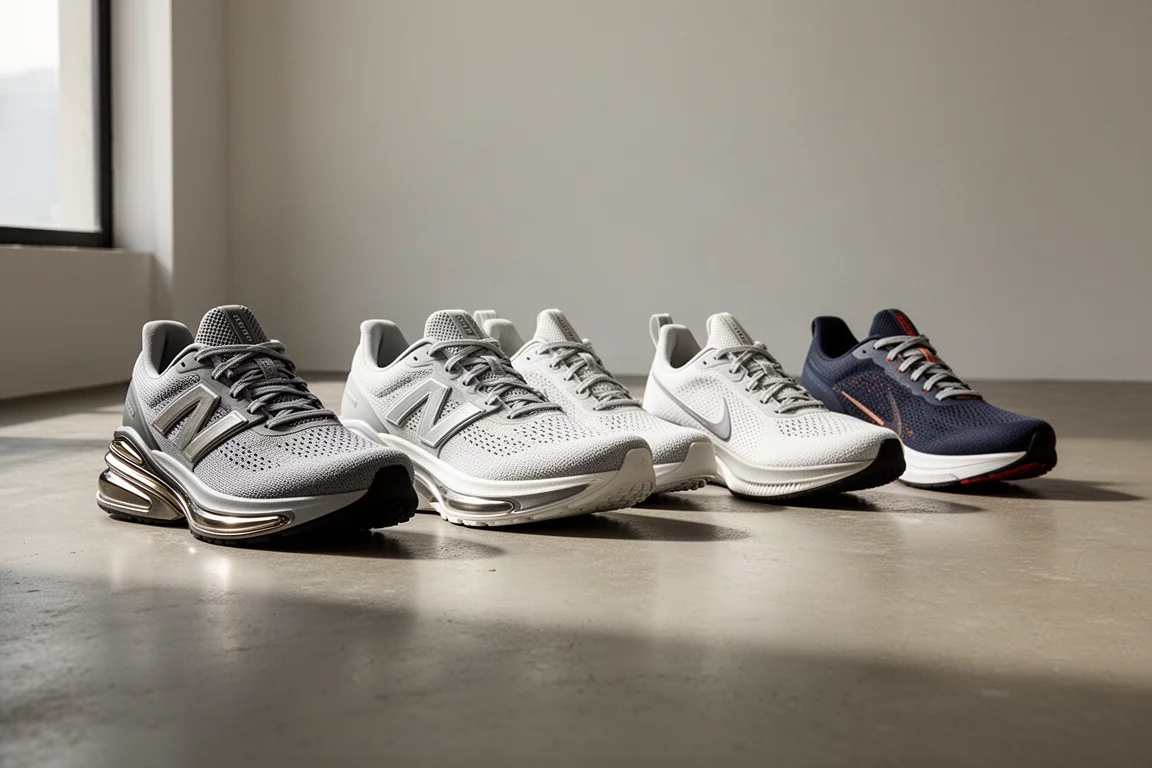
The new Nike Zoom Fly 6 goes head to head with the Hoka Mach X2, Brooks Hyperion Max 2, Saucony Endorphin Speed 4 and Puma Deviate Nitro 3 to find the best plated super trainer.
Introduction
Plated super trainers have quietly become the most interesting category in running shoes: cushioned enough for daily miles, lively enough for tempo work, and versatile enough to race in. With the newly released Nike Zoom Fly 6 joining the party, the obvious question is whether it actually beats the established options already on the shelf.
To find out, we lined it up against four popular rivals: the Hoka Mach X2, the Brooks Hyperion Max 2, the Saucony Endorphin Speed 4 and the Puma Deviate Nitro 3. The comparisons below break down stack, feel, grip, fit and value so you can decide which one deserves your money.
At a Glance: How They Compare
A few headline points frame this whole comparison. Nike has positioned the Zoom Fly 6 aggressively on price, using its market weight to undercut the competition. The Puma Deviate Nitro 3 is actually the cheapest model in the group, though it runs a significantly lower midsole stack than the Nike. The Saucony Endorphin Speed 4 and the Hoka Mach X2 are both a touch lighter than the Zoom Fly 6, and the Hoka and Nike shoes are nearly identical in underfoot width, with the Nike offering a slightly more aggressive drop because there is a little less foam under the forefoot.
Pricing matters here too: the Hoka and the Saucony each sit roughly £25 above the Nike at retail, which shapes the value verdict at the end of each matchup.
Nike Zoom Fly 6: The New Benchmark
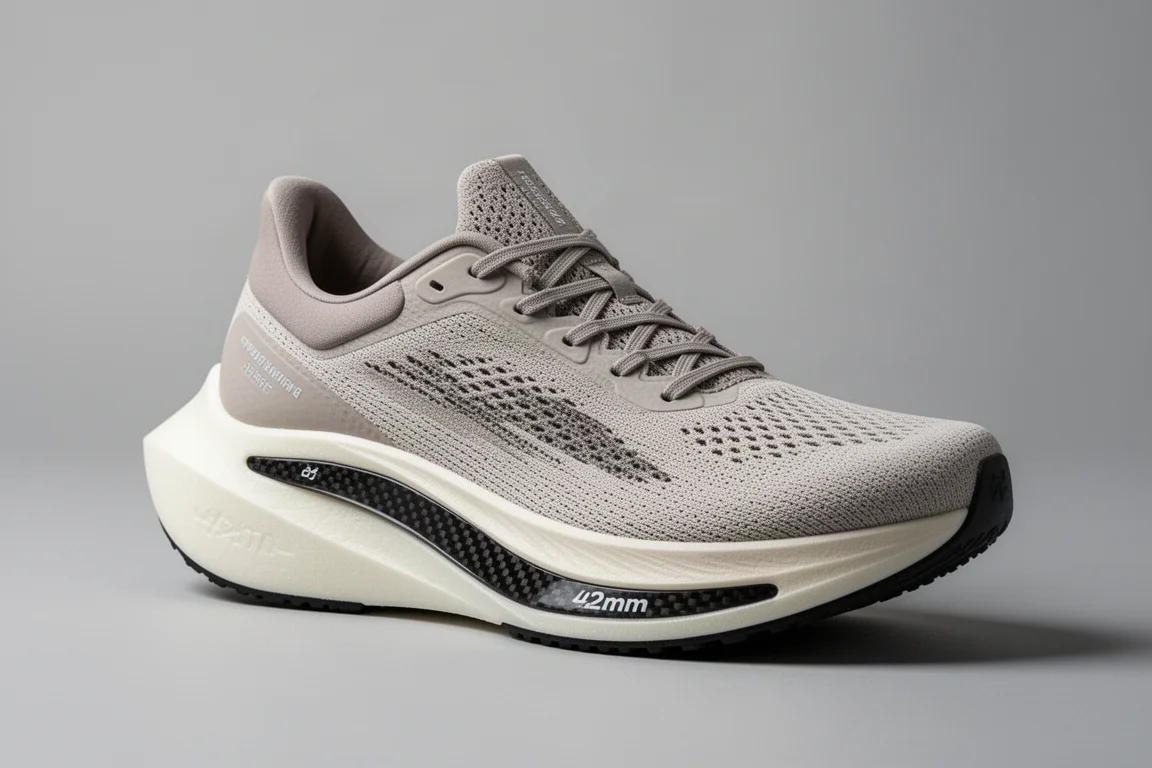
The Zoom Fly 6 feels like an approximation of the Alphafly with a few elements of the Vaporfly mixed in, only in a more robust package. The foam stack is compressive and energetic, and the carbon plate gives the shoe a noticeable push at speed. During faster work such as 200m and 400m reps around 10K effort, the compression and plate engagement give it a genuine edge. It is a little more engaging and a little more fun than most of its rivals, yet it never stops being a usable daily option.
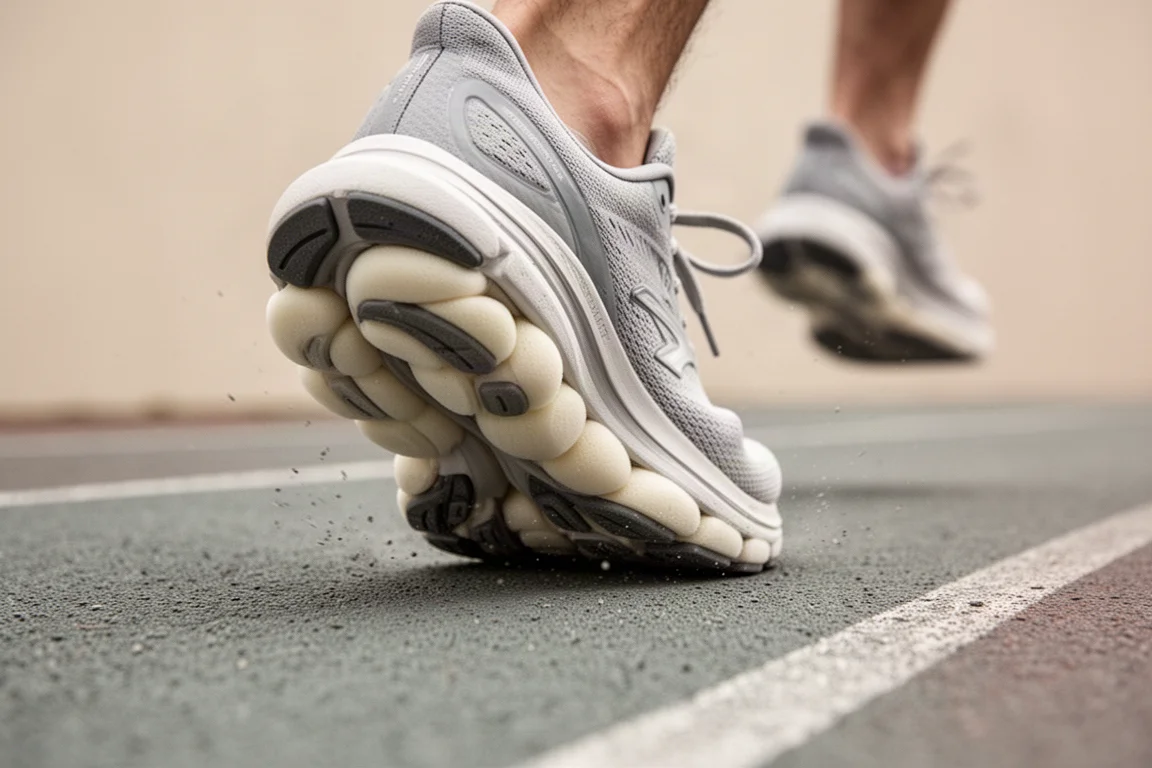
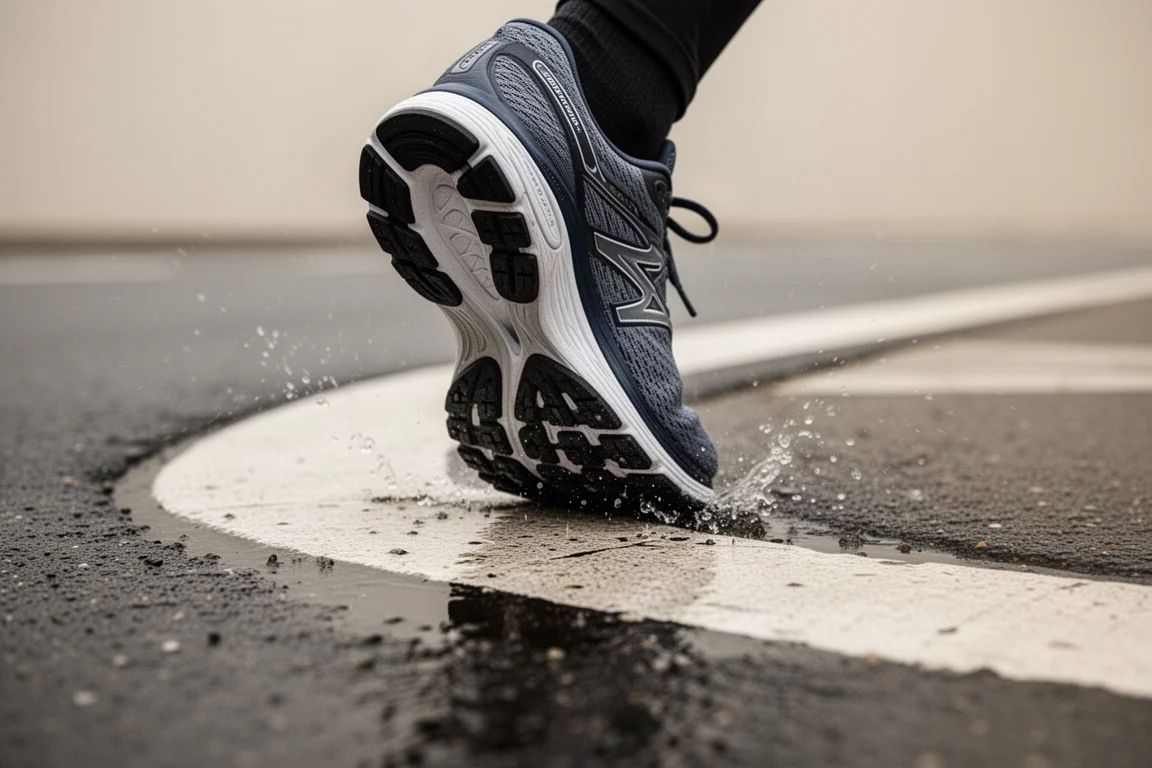
Out on the road, the waffle-style outsole is hard to beat. It offers more rubber coverage than most of the shoes here and simply grips better, especially on wet leaves or slippery pavement, which makes it a strong winter choice. The upper is the weakest area: the stock laces are ordinary, and serrated laces would have made the shoe noticeably better.
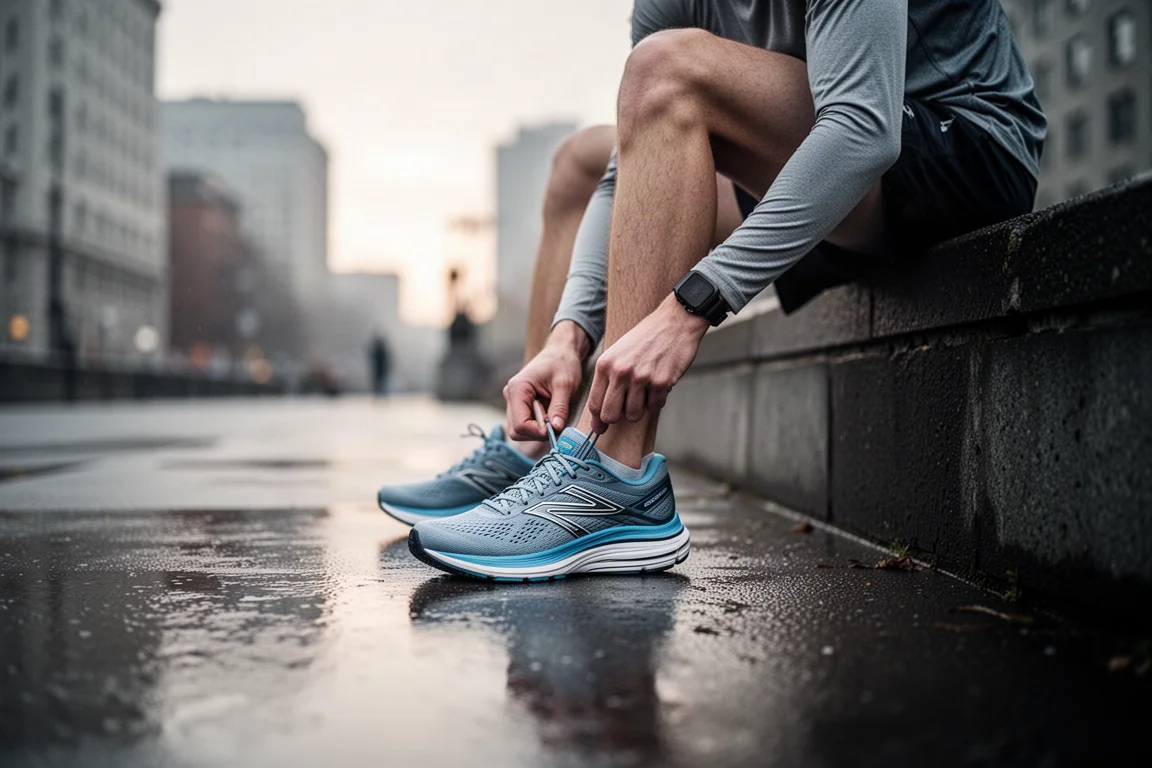
Break-in takes a little patience, and the answer to a common question is no: the arch is not noticeable underfoot. Overall, this is the most versatile shoe in the group, capable of 10K through marathon duties and even doubling as a racer if needed.
Hoka Mach X2: Luxuriously Smooth
The Mach X2 is the closest matchup here. Heel stack, weight and intended use case are all very similar to the Zoom Fly 6, which makes this the head-to-head that most shoppers will actually decide between.
Where the Hoka wins is smoothness. It feels luxuriously smooth and consistent underfoot, and the upper fit is more glove-like, with better stock laces than the Nike. But at roughly £25 more at retail, it is hard to argue it offers £25 more shoe. If you prefer a lower drop to keep the heel out of the way, the Mach X2 makes sense; for sheer engagement at speed, the Nike edges ahead.
Brooks Hyperion Max 2: A Stable Wide Ride
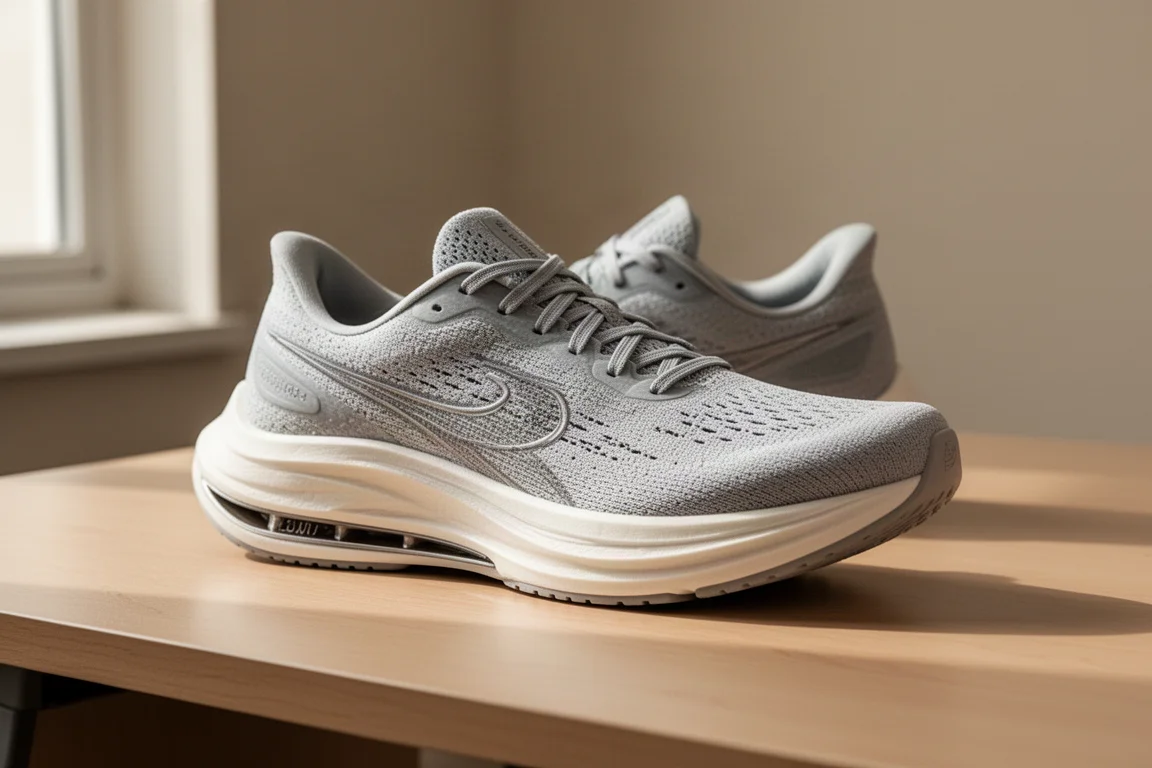
The Hyperion Max 2 gives you a lot of shoe underfoot. Its DNA Flash midsole is firmer and less compressive than the Nike’s sandwich of foams, but still responsive and very consistent. The plate here is a PEBA-based plate rather than carbon, which makes the midsole more flexible and a little more stable underfoot, while the Nike feels livelier and more of a rebel at pace.
The Brooks is also slightly heavier and offers more surface area underfoot, so if you like a wider platform it may suit you better. The upper is again more glove-like than the Nike’s, and both shoes share those oddly retro heel protrusions that keep coming back into fashion. Brooks has improved its outsole rubber across the 2024 lineup, but on cornering the Zoom Fly 6 still felt like it had the better traction. Durability is solid on both, with rubber reaching right back into the heel and very little fragile foam exposed.
Saucony Endorphin Speed 4: Lower to the Ground
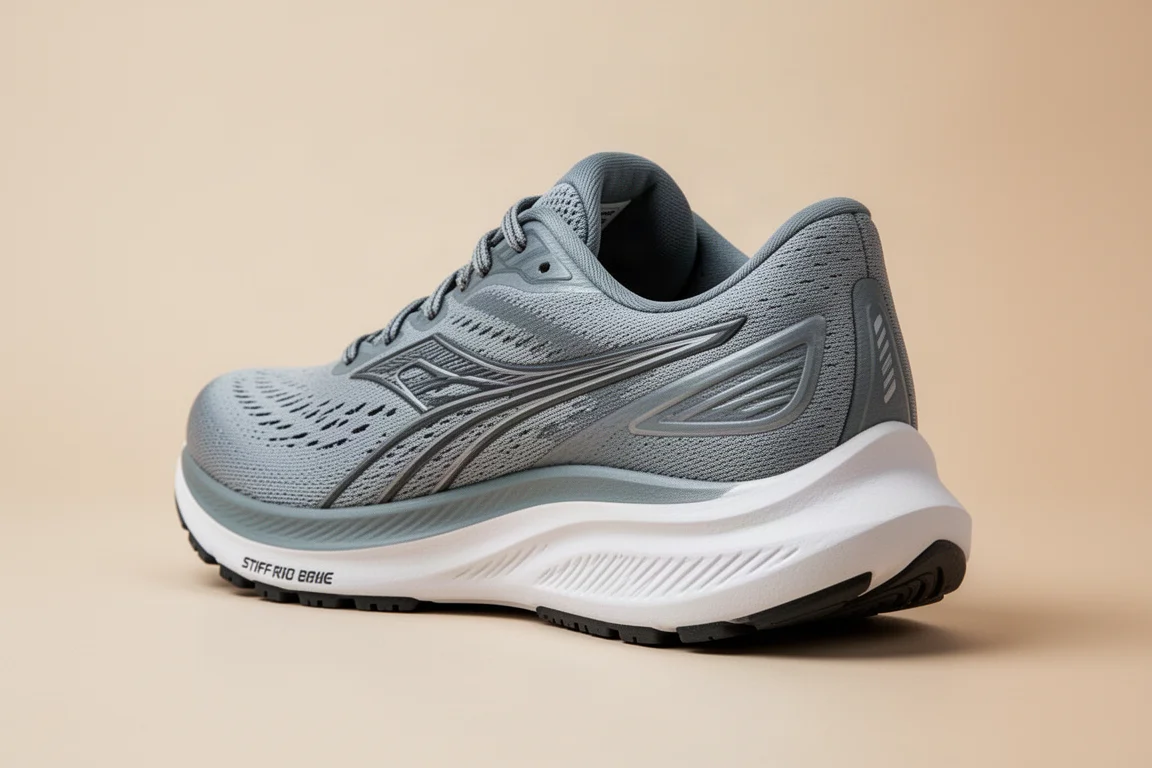
The Endorphin Speed 4 plays a different game. Its nylon plate is far less rigid than the carbon plate in the Zoom Fly 6, the stack is noticeably lower, and the PEBA-based midsole makes it a favorite for daily use because it sits closer to the ground with more surface area underfoot. It is also a touch lighter, though in smaller sizes the roughly 9g difference is barely noticeable. PEBA foam keeps it reasonably durable, too.
The main strikes against it: it is around £25 more expensive than the Nike at retail, the simple mesh upper had some collar and heel irritation during break-in, and the outsole grip in wet conditions trails the Nike’s waffle rubber. Arch support was a little present in this shoe as well, though it settled after break-in. If you can have only one, the Zoom Fly 6 is still the more exciting and versatile pick.
Puma Deviate Nitro 3: A Curious Update
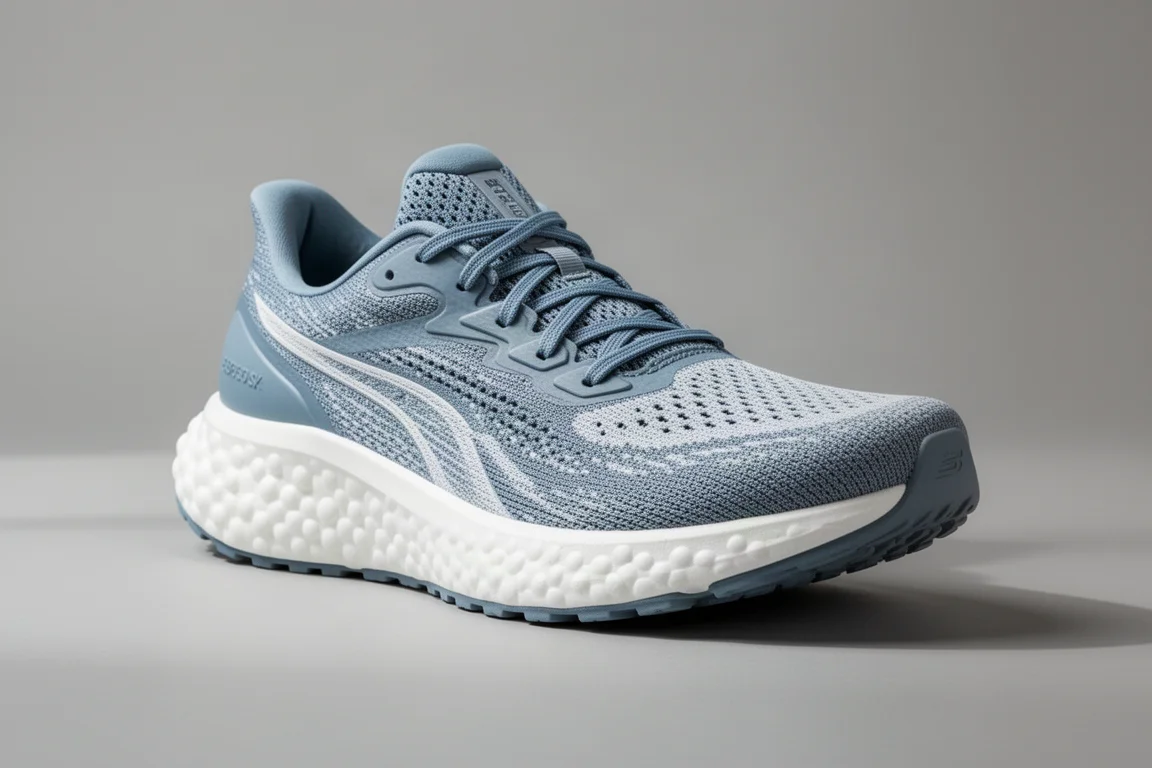
On paper the Deviate Nitro 3 looked like a close rival, but the Nike turns out to be considerably more stacked. The subtle changes from the Deviate Nitro 2 mean the Puma’s foam, which uses an older version of Nitro Elite, does not feel as energized or springy as the newer Nitro Elite formulation seen elsewhere in Puma’s lineup. It is a good shoe that just does not feel quite as exciting as the Nike.
There are genuine strengths: the Puma rubber outsole is pretty much up to scratch against the Nike for grip, the ride is stable, and the plate is barely noticeable because the foams are consistent on their own. The biggest fit concern is that this is the narrowest shoe in the comparison, with quite a taper in the toe box that will not suit everyone, whereas the Zoom Fly 6 is more forgiving. At a similar price point, the Nike is the easy choice this time.
Which One Should You Buy
If you want one pair that does everything from 10K tempo runs through marathon training, the Zoom Fly 6 currently offers the strongest blend of engagement, versatility and price. If your priorities lean the other way, the Mach X2 rewards riders who value a glove-like upper and a smoother, more luxurious ride, while the Hyperion Max 2 suits those who want a wider, more stable and slightly softer-landing platform.
For runners who prefer a lower, more grounded daily trainer, the Endorphin Speed 4 remains a sensible pick despite the wet-weather grip caveat, and the Deviate Nitro 3 is the value option for those with narrower feet who find the Nike too much stack for their taste. Availability note: the Zoom Fly 6 appears not to be widely released in the United States yet, and additional colorways have landed in the UK quietly. For winter mileage, the dark colorway is the practical choice, as the lighter outsole colorways will get trashed quickly in wet weather.

Conclusion
The Nike Zoom Fly 6 arrives with a clear pitch: a more aggressive, more versatile ride than the Hoka Mach X2, better outsole grip than nearly everything here, and a lower price than both the Hoka and the Saucony. The challengers each hold a real advantage, whether that is upper fit, stability, low-to-the-ground feel or outright value, but as an all-round plated super trainer, the Zoom Fly 6 is the one we would keep right now.
Further reading
Related Reviews

Running Shoes
Best Road-to-Trail Running Shoes: Three Versatile Options for Mixed Terrain
A practical guide to three road-to-trail running shoes that handle both pavement and mild trails, with clear strengths and trade-offs for different runner types.

Running Shoes
Best Running Shoes for Achilles Tendonitis: Three Options Explained
Three running shoes with different heel drops and support features designed to help reduce Achilles tendon pain during walking and running.

Running Shoes
Best Running Shoes for Women: Five Top Choices Ranked
A ranked guide to five women's running shoes, from versatile daily trainers to high-performance racing options, with real strengths and trade-offs for each.