Running Shoes
Best Plated and Lightweight Running Shoes of 2026: Six Picks for Different Jobs
Six plated and lightweight trainers compared: what each does well, where it falls short, and which runner each shoe actually suits.
Introduction
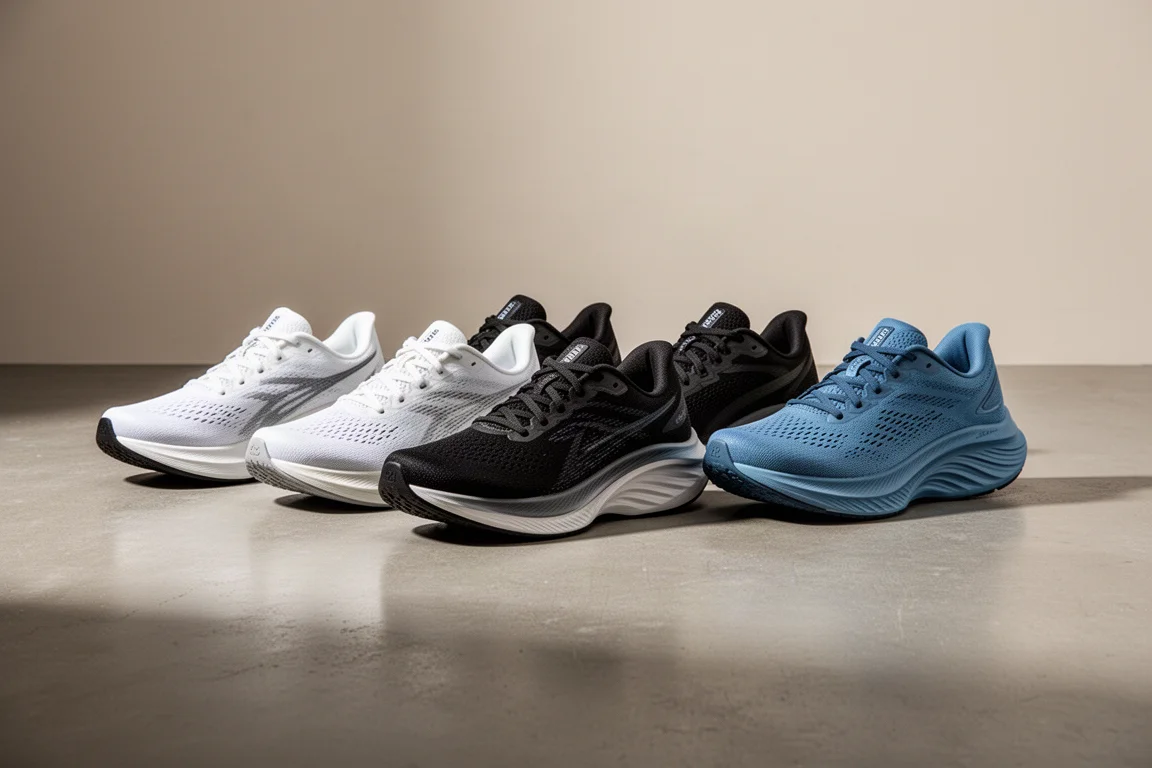
Plated and lightweight trainers have quietly become the most useful category in running footwear. Sitting between a daily trainer and a true super shoe, they promise workout-day speed without the stiffness, fragility, or price tag of a full racing platform. This guide compares six models that came up repeatedly in recent discussions: the Adidas Adizero Magic Speed 3, Adidas Adizero Boston 12, Hoka Mach X, Saucony Endorphin Elite, Nike Vaporfly 3, and New Balance SC Trainer v2. Each occupies a slightly different niche, and the right choice depends far more on what you plan to do in the shoe than on any single spec.
How We Chose These Shoes
The evaluation focused on four practical criteria: how stiff the ride feels, how versatile the shoe is across paces, fit and upper volume, and where the shoe lands on the racing-versus-training spectrum. Stiffness matters more than plate material, since a nylon-plate shoe can be stiffer than a carbon-plated one. That distinction shaped almost every comparison here.
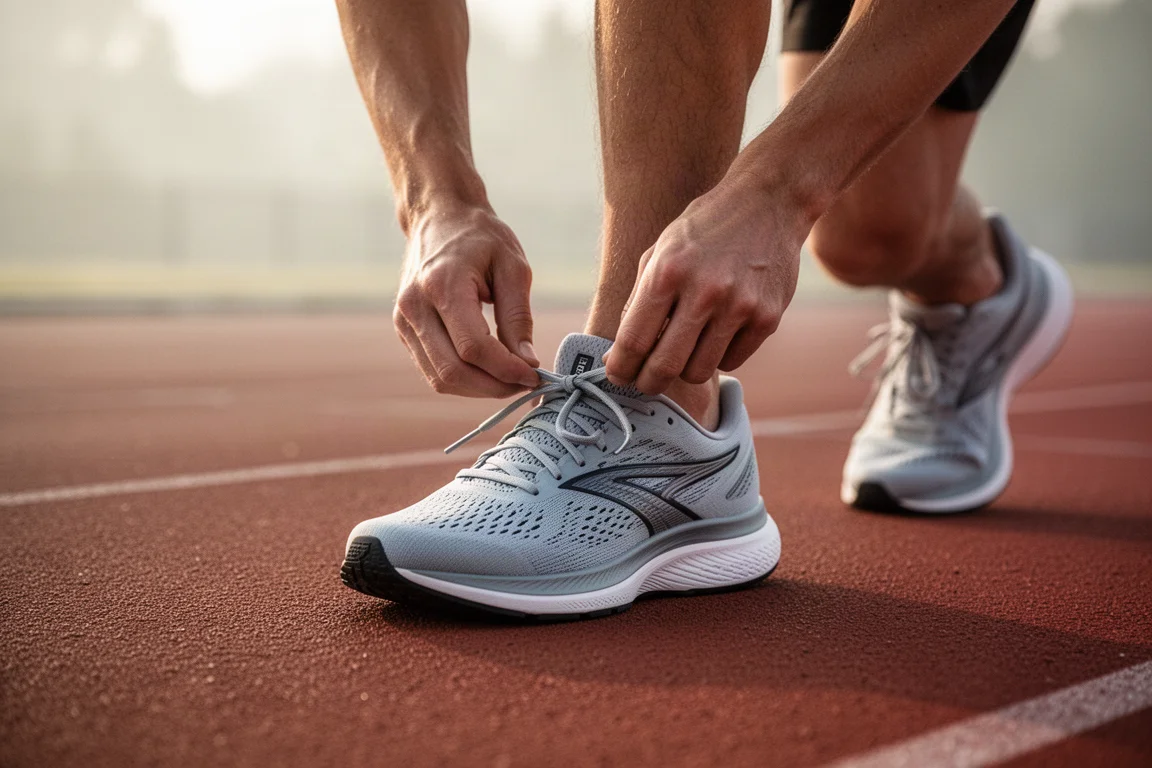
Weight and stack height also played a role. Lightweight performance models now hover in the seven-to-eight-ounce range, while plated trainers sit closer to nine ounces, and that difference changes the character of each run noticeably.
Adidas Adizero Magic Speed 3
The Adizero Magic Speed 3 is the true lightweight racer of this group. It carries a full-length carbon fiber plate, making it the stiffest of the three Adidas-style options discussed here, and it uses Lightstrike Pro-adjacent construction without a softer super foam blend. Weights come in at 7.8 ounces (220 grams) for men’s size 9 and 6.6 ounces (186 grams) for women’s size 8, with a 36mm heel and 29mm forefoot stack. That makes it roughly an ounce and a half lighter than comparable plated trainers.
The trade-off is stiffness. This is not a shoe for easy miles; it rewards effort and fits best as a racing flat or workout tool, especially for runners who want something stiff and fast without committing to a full super foam platform. The upper runs slightly short and snug with low volume.
Adidas Adizero Boston 12
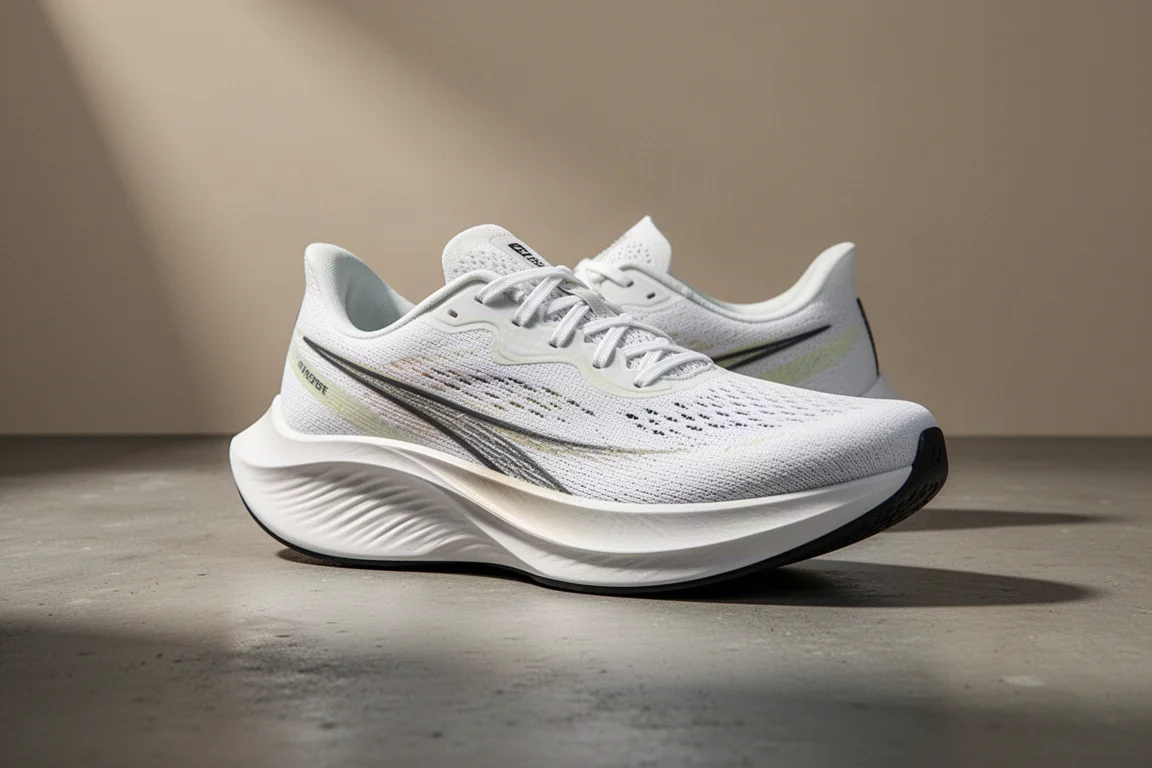
The Boston 12 is the more versatile sibling. It uses rods rather than a full plate, retains a little flexibility, and sits in the same nine-ish ounce class as the Hoka Mach X, with identical weights of 9.4 ounces (267 grams) men’s and 8 ounces (227 grams) women’s. It combines a dose of premium super foam with a more conventional carriage, making it one of the better all-round training options here.
Easy and long runs were the highlight, where its slightly more flexible ride lets the pace come down without feeling stilted. The fit is snug but with a bit more room than the Magic Speed 3, though toe box height is on the shallow side and the unconventional lacing system takes some getting used to.
Hoka Mach X
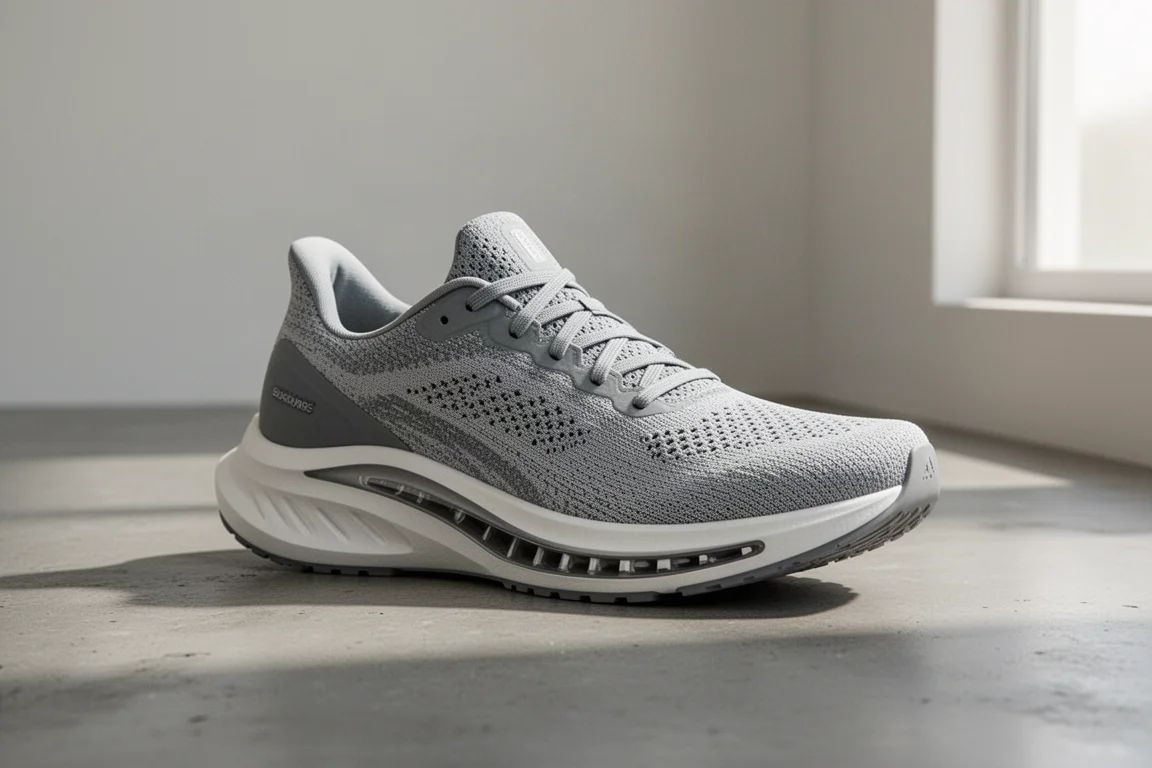
The Hoka Mach X matches the Boston 12 almost spec for spec, including weight, but pairs a stiff non-carbon plate with an infusion of Hoka’s top-end foam. It is extremely stiff out of the box and stays better suited to uptempo work than to slow, easy jogging, particularly before it breaks in. Once broken in, it handles workouts and daily training well.
The fit follows the classic Hoka pattern: slightly narrow with a shallow toe box. Both the Mach X and Boston 12 would benefit from a touch more volume, but if you want a plated trainer that leans firm and fast, this is a strong contender.
Saucony Endorphin Elite vs Nike Vaporfly 3
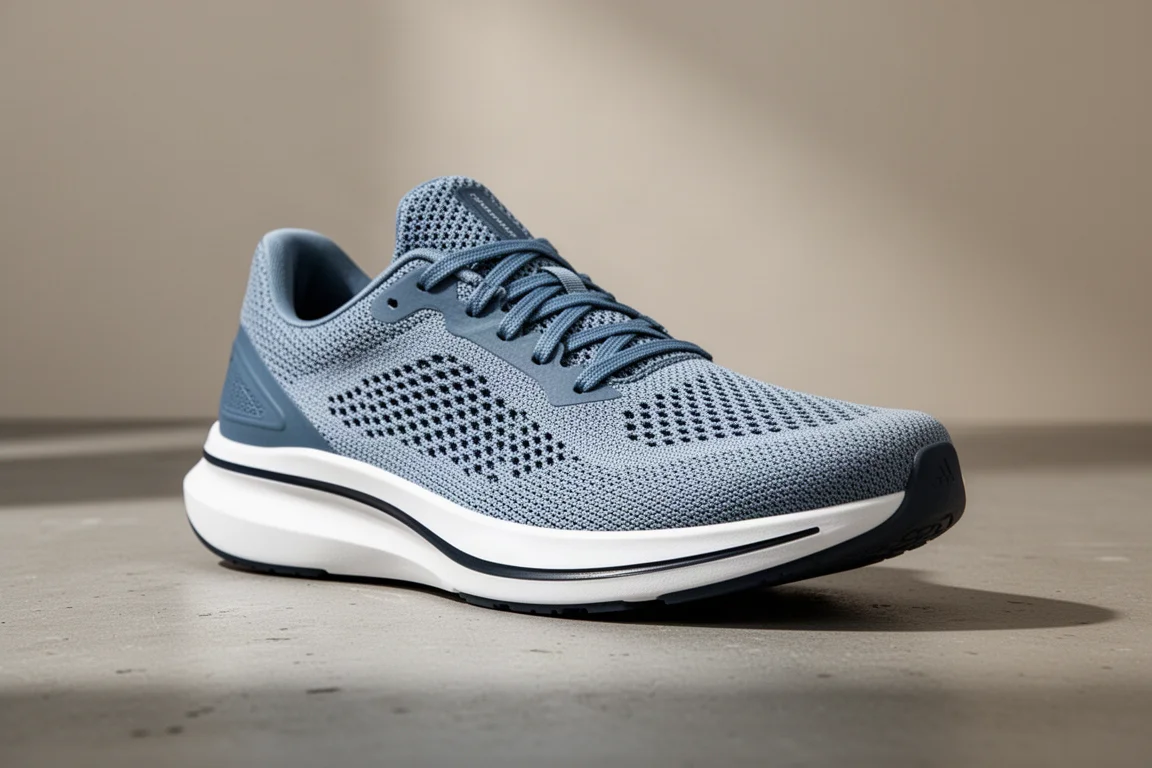
These two super shoes represent the top end of the category. The Endorphin Elite weighs 7.2 ounces (204 grams) in men’s size 9 and 6.5 ounces (185 grams) in women’s size 8, with a 39.5mm stack and 8mm drop. The Vaporfly 3 is lighter at 6.5 ounces (184 grams) men’s and 5.6 ounces (159 grams) women’s, with a 38mm stack, and typically costs a bit less.
The ride character differs sharply. The Endorphin Elite’s firmer, highly responsive foam rewards fast loading, making it excellent for half marathon and marathon efforts where rhythm matters. The Vaporfly’s softer Zoom X cushioning feels plusher, especially in the heel, and its lighter weight makes it versatile across everything from a mile road race to a marathon. The Vaporfly also offers a bit more forefoot volume, an earlier-stage rocker, and a waffle-textured outsole that holds up better on softer surfaces.
New Balance SC Trainer v2
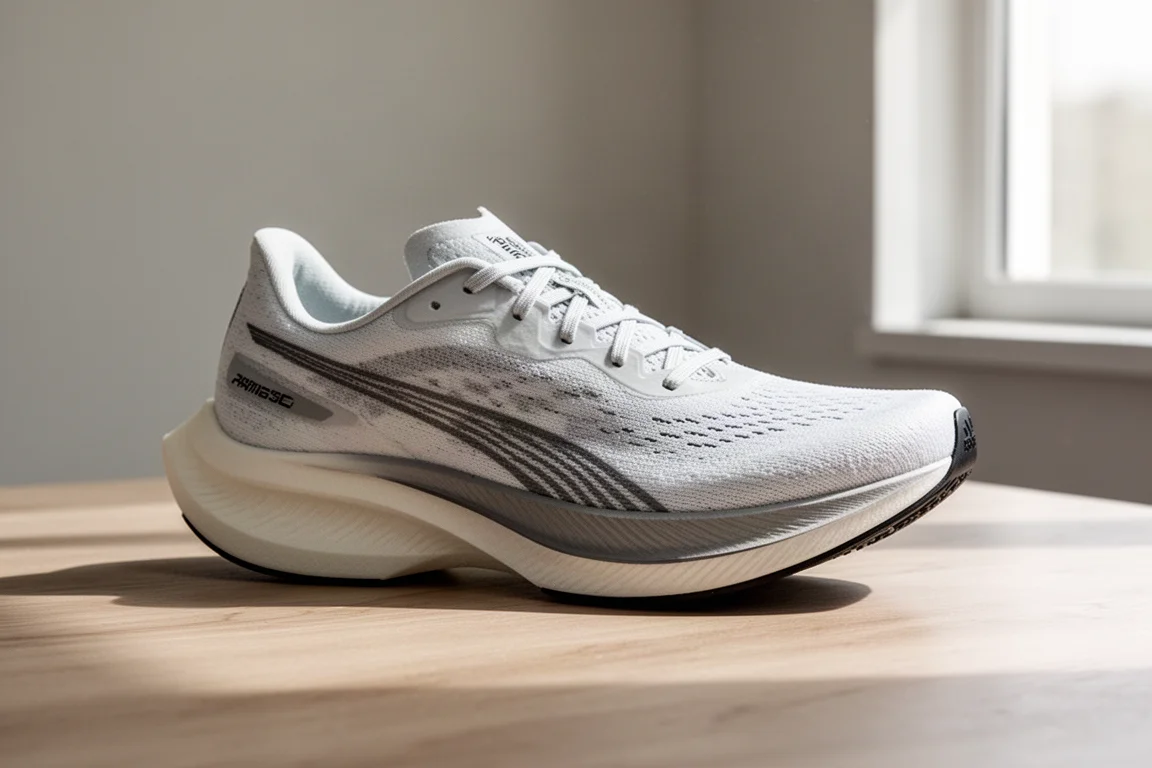
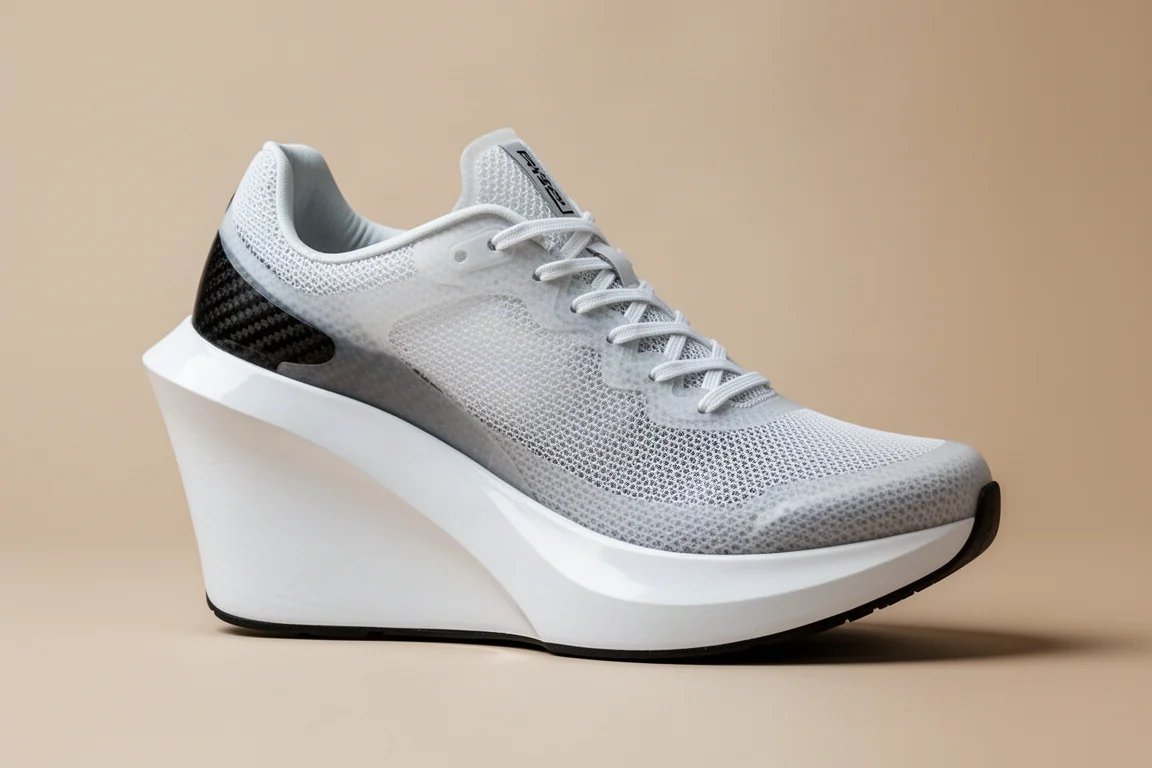
The SC Trainer v2 is the best middle-ground option for runners not ready for a full super shoe. Where the original was a large, fully stiff platform, version two adds real flexibility while keeping the super foam feel. It fits naturally into a transition plan toward stiffer, faster shoes: start with easy strides in it, progress to short runs, then full workouts as your body adapts.
For anyone moving up from a conventional trainer, or looking for one shoe that blends super foam cushioning with a more forgiving ride, the SC Trainer v2 is one of the most complete options in this comparison.
View more details for New Balance SC Trainer V2
Buying Advice: Matching the Shoe to the Job
The most important question is not which shoe is best, but what the shoe is for. If you want a race-day weapon with a firmer, rhythm-driven feel, the Endorphin Elite fits longer distances well. If you want one super shoe that covers everything from short races to the marathon, the Vaporfly 3 is the more versatile pick. For stiff, fast training without full super foam complexity, the Magic Speed 3 works as a quasi racing flat.
For runners who want plated trainers that also absorb daily mileage, the Boston 12 leans slightly more flexible and forgiving while the Mach X leans firm and uptempo. And if the goal is simply to ease into stiffer, faster shoes over time, the SC Trainer v2 offers the gentlest on-ramp. Try shoes on whenever possible, since fit differences like upper volume and rocker placement can decide the purchase more than any spec sheet.
Conclusion
There is no single best shoe in this group, only better matches. Identify whether your priority is racing, workouts, transition, or all-round training, then choose accordingly. Any of these six will serve well when paired with the right job.
Further reading
Related Reviews

Running Shoes
Best Road-to-Trail Running Shoes: Three Versatile Options for Mixed Terrain
A practical guide to three road-to-trail running shoes that handle both pavement and mild trails, with clear strengths and trade-offs for different runner types.

Running Shoes
Best Running Shoes for Achilles Tendonitis: Three Options Explained
Three running shoes with different heel drops and support features designed to help reduce Achilles tendon pain during walking and running.

Running Shoes
Best Running Shoes for Women: Five Top Choices Ranked
A ranked guide to five women's running shoes, from versatile daily trainers to high-performance racing options, with real strengths and trade-offs for each.