Bakeware
The Best Pie Baking Tools: A Pie Plate, Pie Weights, and Rolling Pin Worth Owning
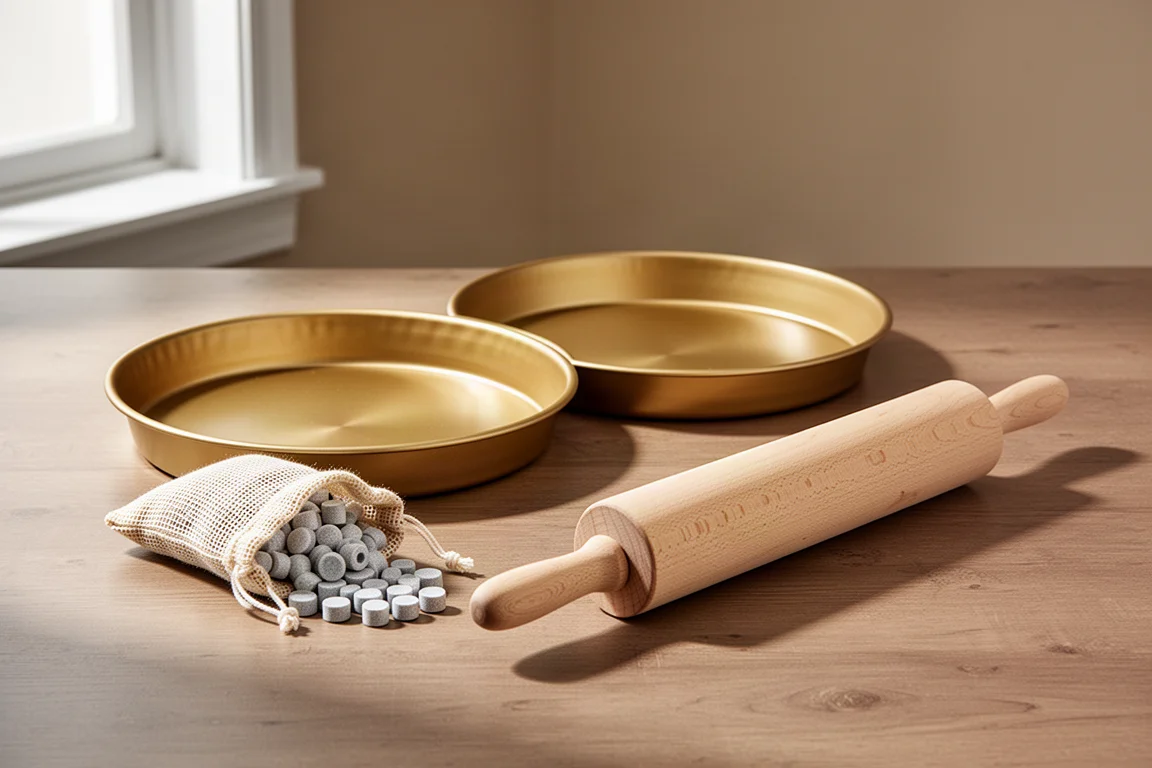
Three specialty baking tools that make pie genuinely easier: a gold-tone nonstick pie plate, ceramic pie weights, and a plain maple rolling dowel.
Introduction
The saying goes that anything easy is “easy as pie,” but anyone who has actually baked one knows better. A good pie takes skill, patience, and a few specialty tools that make a real difference in the final result. After hands-on testing across three essential categories, the pie plate, pie weights, and the rolling pin, three products stood out as clear picks worth adding to your kitchen.
Here is what makes each one worth considering.
Williams Sonoma Goldtouch Nonstick Pie Plate
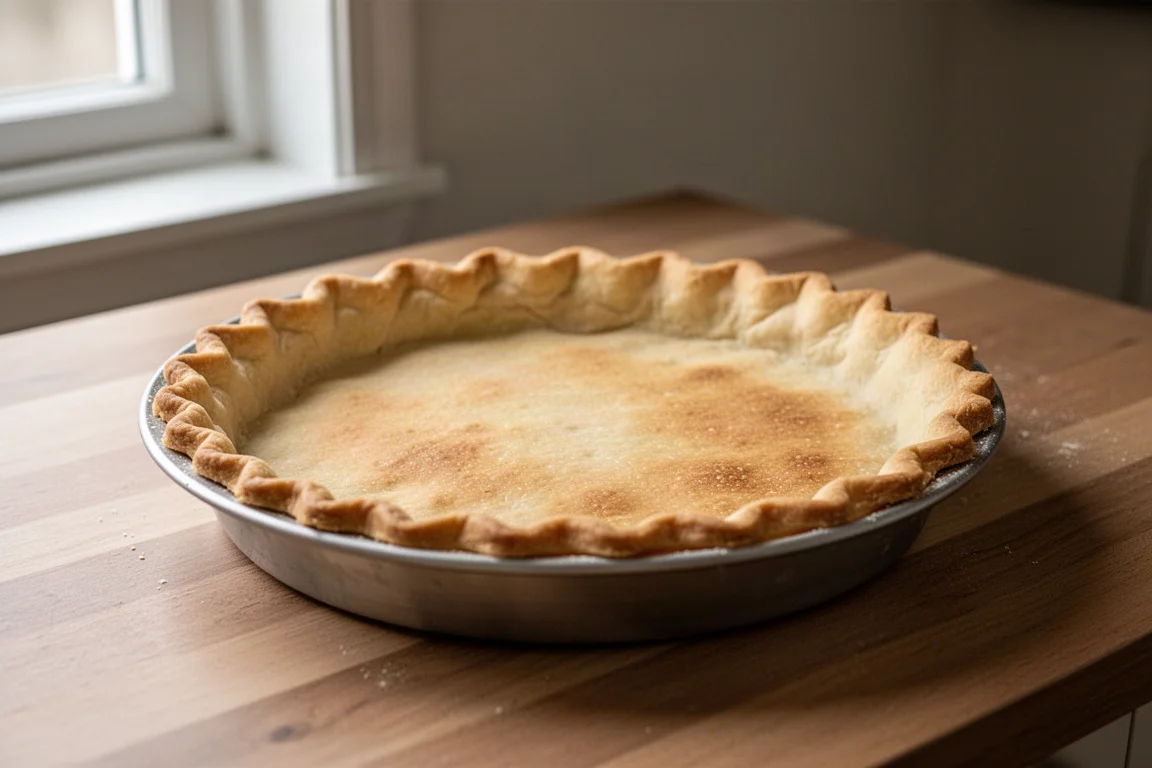
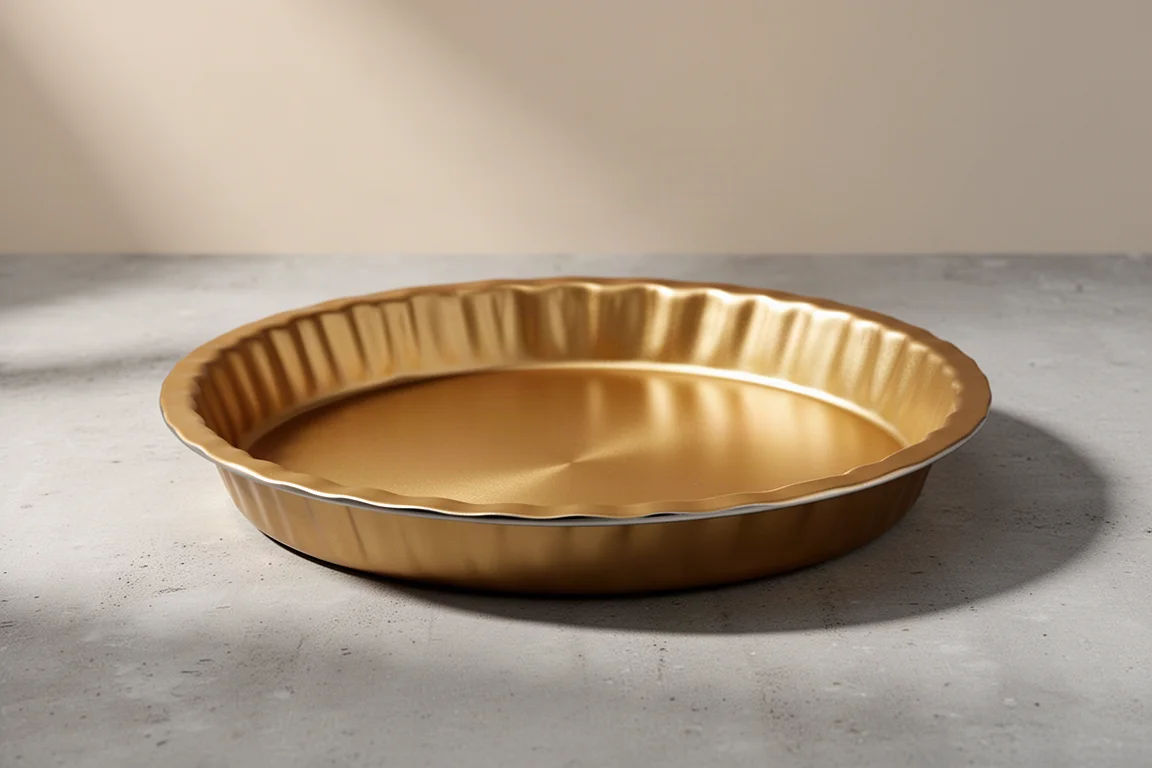
Gold-tone bakeware is a favorite in serious test kitchens for good reason. The Williams Sonoma Goldtouch nonstick pie plate uses a medium gold tone that absorbs heat from the oven efficiently, and because it is metal, it retains that heat well. The result is pastry that bakes evenly, whether you are working with homemade dough, store-bought crust, or a graham cracker base.
The consistent outcome is a beautiful, even golden-brown crust with just the right amount of crispness. At $23, it is an affordable upgrade that pays off every time you bake.
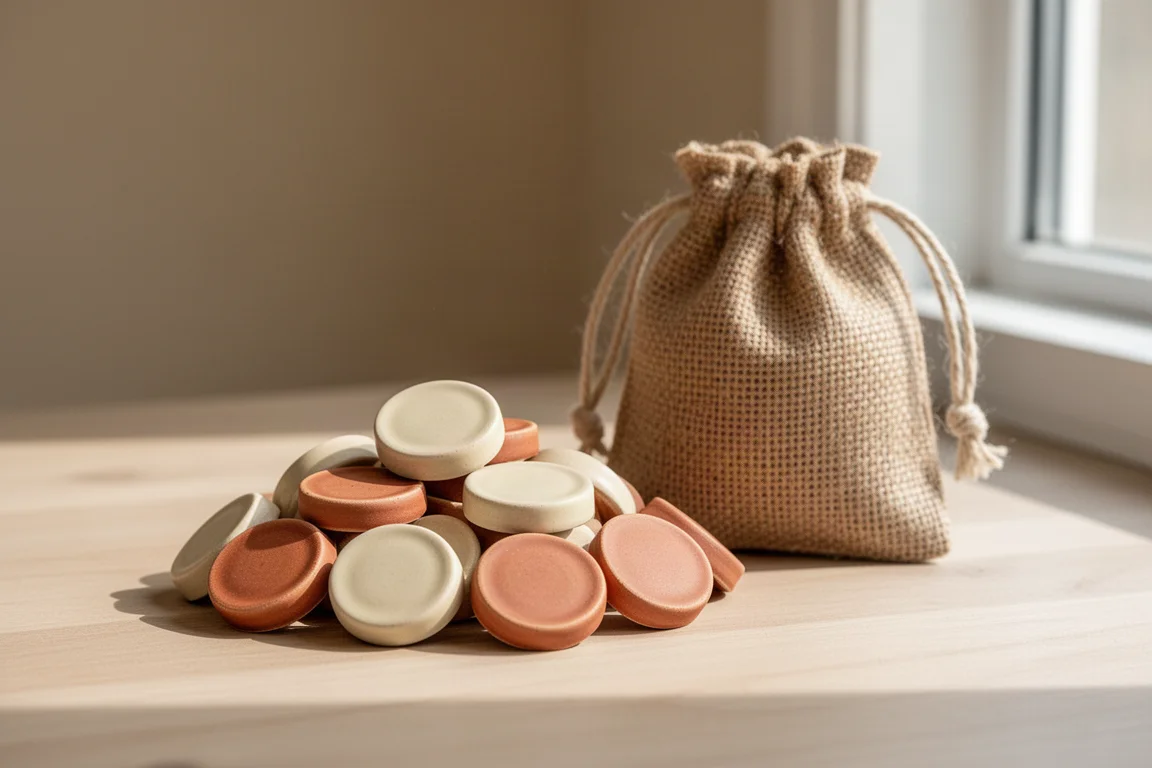
Mrs. Anderson’s Baking Ceramic Pie Weights
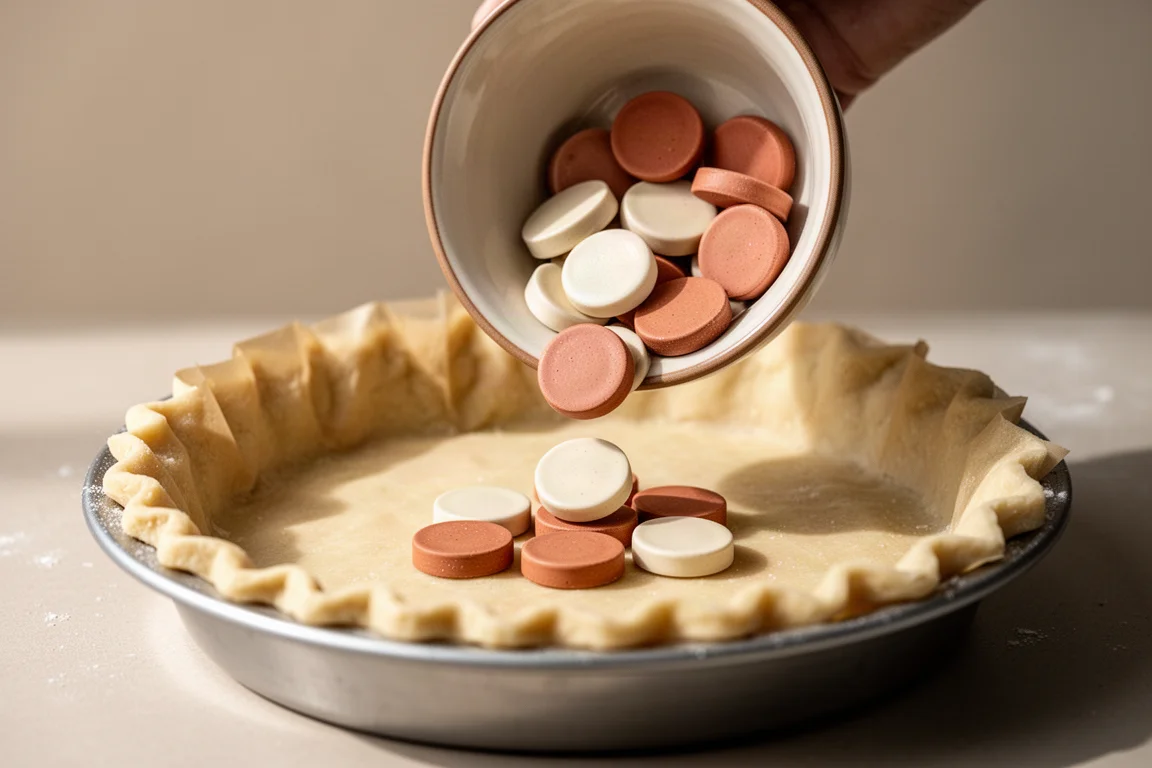
Blind baking, which means baking a pie shell before adding the filling, requires weights to keep the crust from puffing up, slumping, or shrinking down the sides. This is one category where the traditional design genuinely beats the innovative ones.
Testing covered four styles: loose aluminum weights, loose ceramic weights, a six-foot weight chain, and a metal disc with silicone flaps. The chain and disc designs were easy to use and easy to store, but they simply did not add enough weight to prevent puffing. Testers much preferred the traditional loose weights.
The aluminum versions worked beautifully, but they come in packages of two and three-quarter cups at $56, which means spending $112 to get the four cups needed for a typical pie. The Mrs. Anderson’s Baking ceramic pie weights also worked really well, and at $8 per one-cup package, covering four cups costs $32. That combination of performance and value makes them the winning pick.
JK Adams Plain Maple Rolling Dowel
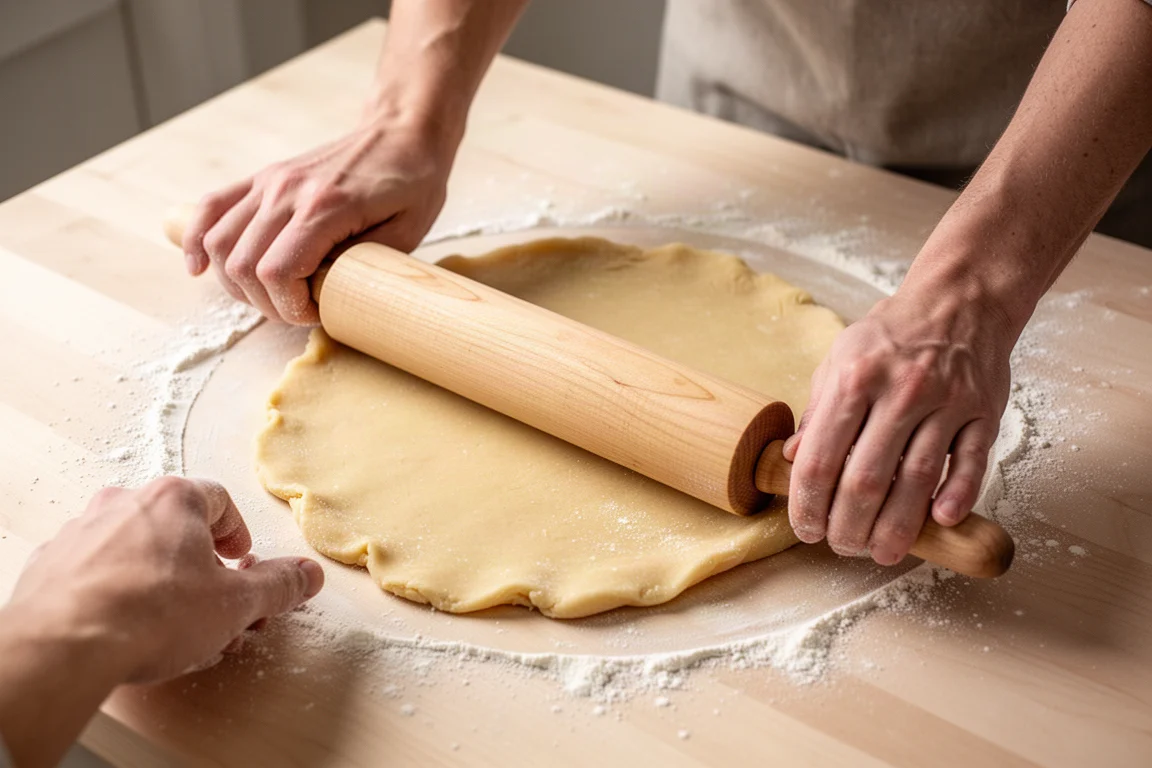
Rolling pins used to be simple: wood, handles or no handles, done. Today you have to choose a material and a design, and not all of them work equally well.
A metal nonstick-coated pin with handles turned out to be the wrong direction. It weighs two and a half pounds, which testers found too heavy, tending to mash pie dough rather than roll it. It was also awkward to control, and the handles could scrape knuckles against the counter if flipped the wrong way. A dramatically tapered pin fared no better, with only about four inches of flat rolling surface in the center, which rolled pastry unevenly and left the edges thicker.
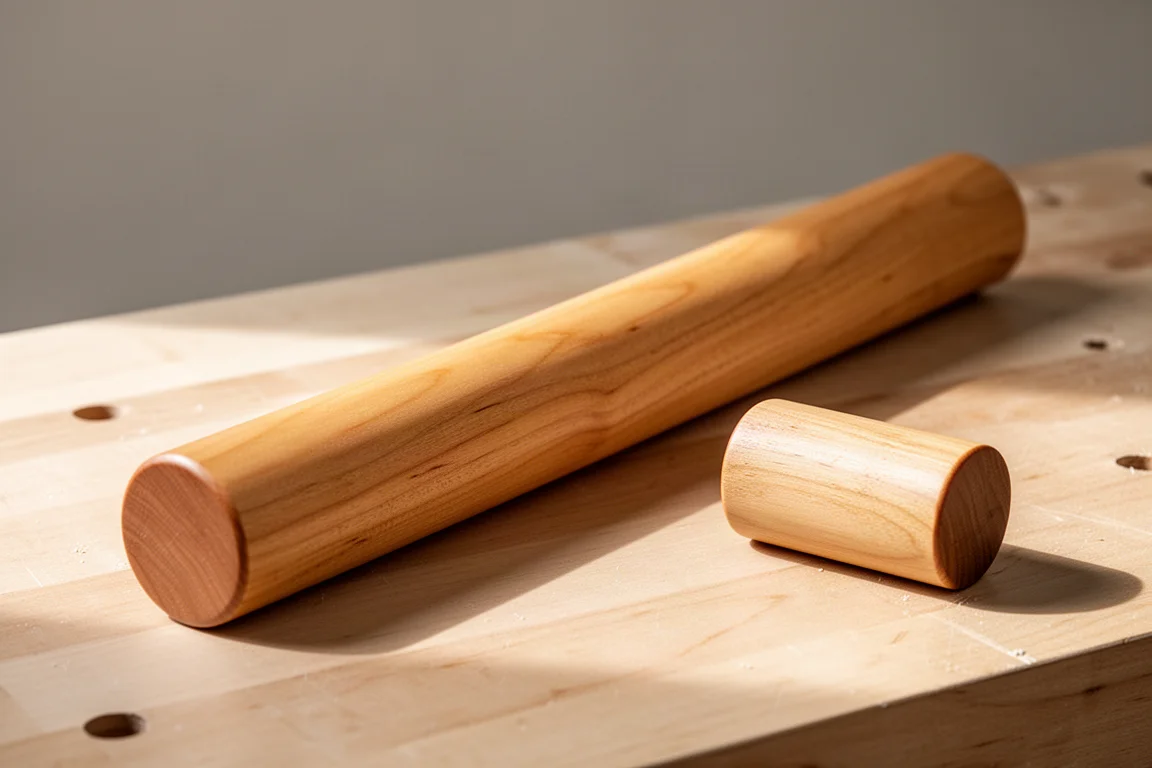
The winner is refreshingly low-tech. The JK Adams Plain Maple Rolling Dowel has no handles at all, weighs a pound and a half, and measures evenly across its full length. That weight is enough to assist with rolling while staying maneuverable, and it produced flatter, more even pastry than the tapered alternative. At $25, it was the testers’ clear favorite.
How to Choose Between These Pie Tools
These three tools solve different problems, and the right starting point depends on where your pie baking struggles most.
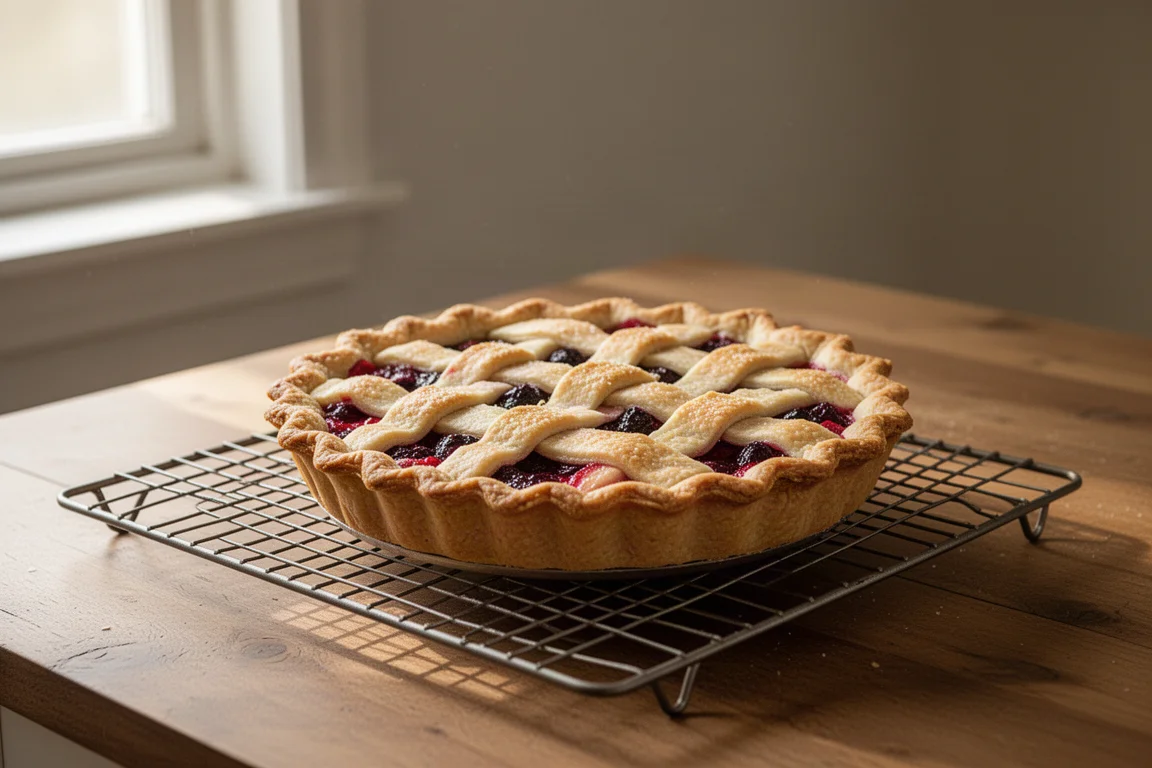
If your crusts bake unevenly or come out pale and soggy, the gold-tone pie plate is the highest-impact upgrade. It works with homemade pastry, store-bought dough, and graham cracker crusts alike, and the even heat behavior means fewer disappointing bottoms.
If blind baking is where things go wrong, with puffed, slumped, or shrunken shells, ceramic pie weights are the fix, and the affordable ceramic option means you can equip yourself fully for about $32 rather than over a hundred.
If rolling dough is the frustrating step, the plain maple dowel is a reminder that simple designs often win. Its balanced weight and full-width flat surface produce more even pastry than heavier or tapered alternatives.
Conclusion
Pie baking rewards the right equipment. A gold-tone metal pie plate delivers even, golden-brown crusts; traditional loose ceramic pie weights outperform clever alternatives during blind baking; and a plain maple rolling dowel rolls dough flatter and more evenly than flashier designs. Together, these three picks cover the full pie-making workflow for a combined investment that is modest by kitchen standards, and each one earns its place through tested, repeatable performance.
Further reading
Related Reviews
Bakeware
Best Cake Pans for Every Bake: Five Reliable Winners for Layer Cakes, Bundts, and More
Five cake pans that earned their place in the cupboard, covering layer cakes, cheesecakes, snack cakes, loaves, and Bundt bakes.
Bakeware
Best Holiday Pie and Cookie Baking Gear: Nine Tools Worth Owning
Nine practical baking tools for holiday pies and cookies, from a maple rolling pin to stainless biscuit cutters, with the trade-offs to know before buying.
Bakeware
Best Mini Muffin Pans: Two Picks for Perfect Tiny Treats
A steel-built winner and a budget-friendly best buy, chosen for even browning, tall cups, and easy release.