Bakeware
Best Holiday Pie and Cookie Baking Gear: Nine Tools Worth Owning
Nine practical baking tools for holiday pies and cookies, from a maple rolling pin to stainless biscuit cutters, with the trade-offs to know before buying.
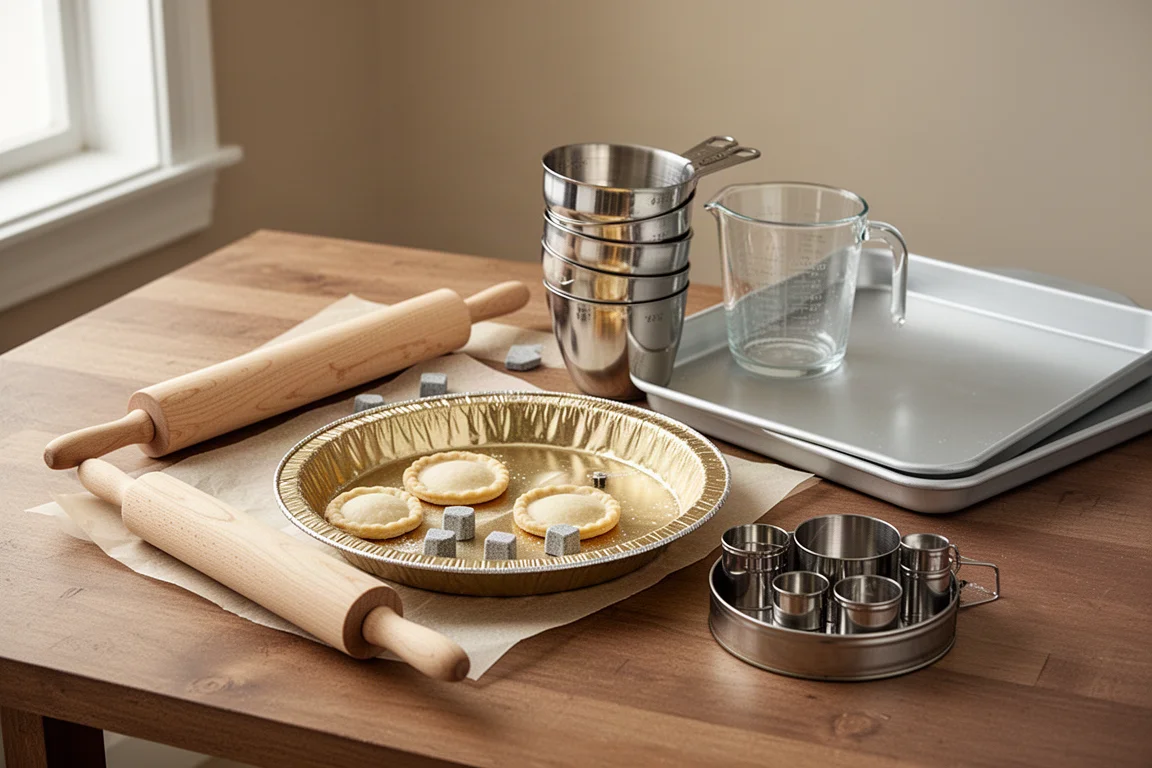
Introduction
Holiday baking is where the difference between decent gear and the right gear really shows. A crust that browns evenly, cookies that release cleanly, dough that comes together in seconds: these outcomes depend less on technique than most people assume. This guide covers nine tools that earn their place in a holiday kitchen, based on hands-on testing of pie gear and cookie gear. None of them are complicated, and that is the point.
J.K. Adams Maple Rolling Pin
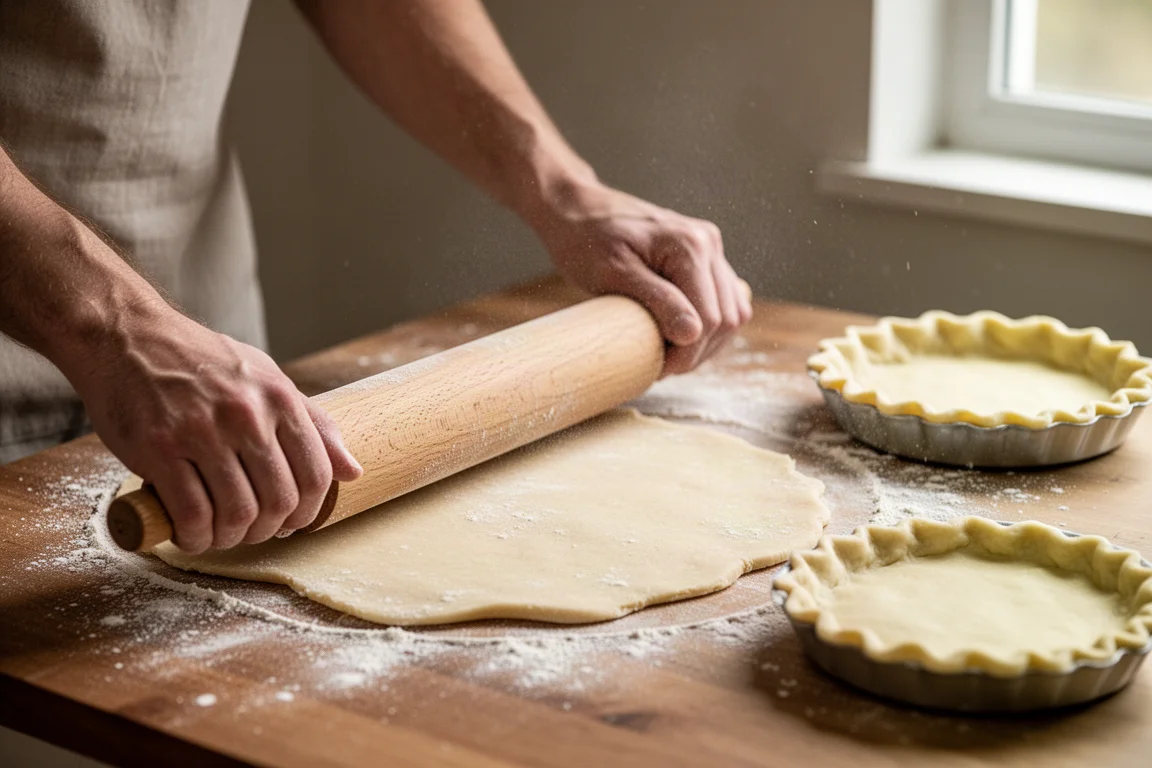
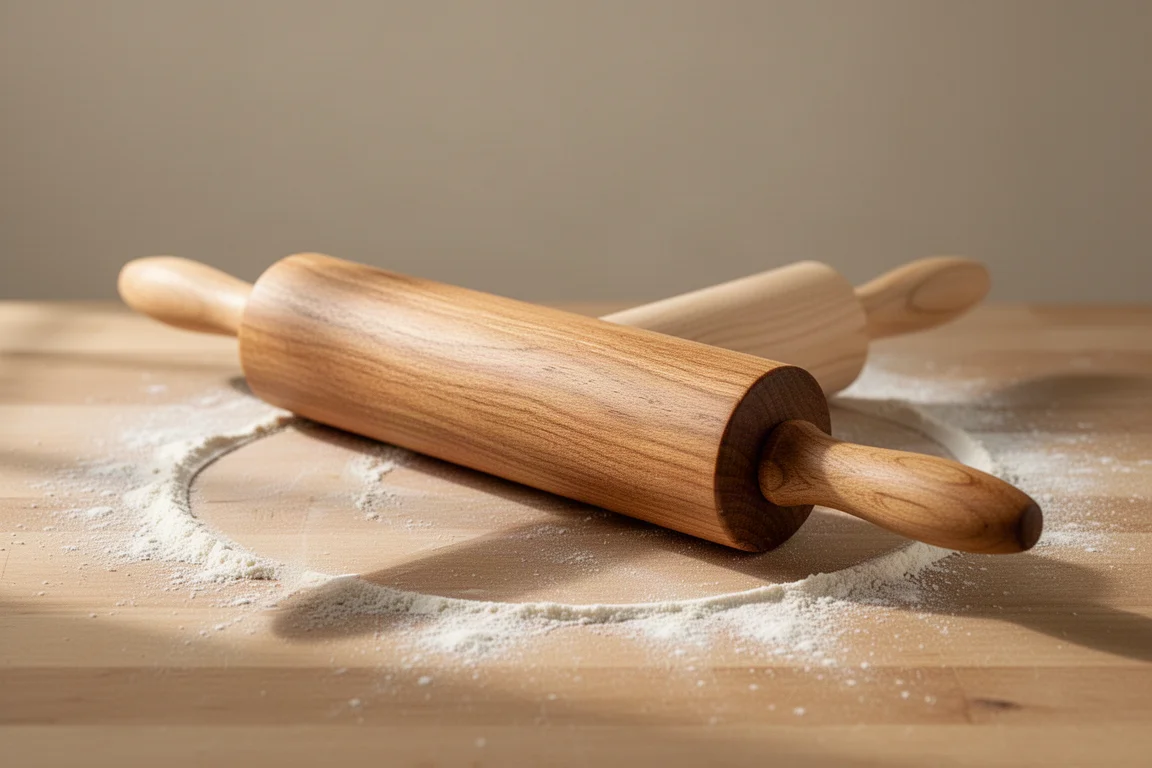
A straight maple dowel rolling pin beats handled pins for one simple reason: touch. With a handled pin, your grip sits a step removed from the dough, connected through handles attached to the pin. With a straight dowel, your hands are directly on the pin rolling over the dough, so you get a genuine tactile feel and a much better read on whether the dough is rolling evenly.
It is not an everyday tool for most people, but a good rolling pin does far more than pie. Cookies, yeasted doughs, and even homemade pasta all benefit from that consistent, direct contact with the dough.
Mrs. Anderson’s Pie Weights
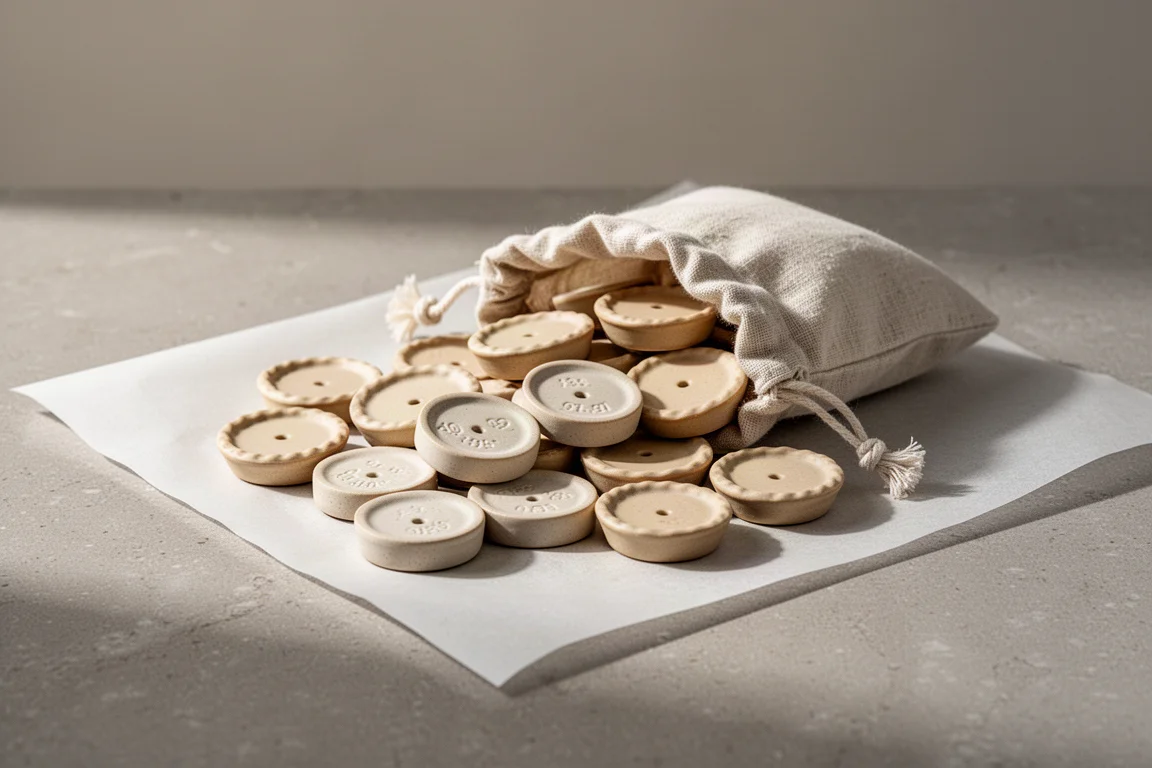
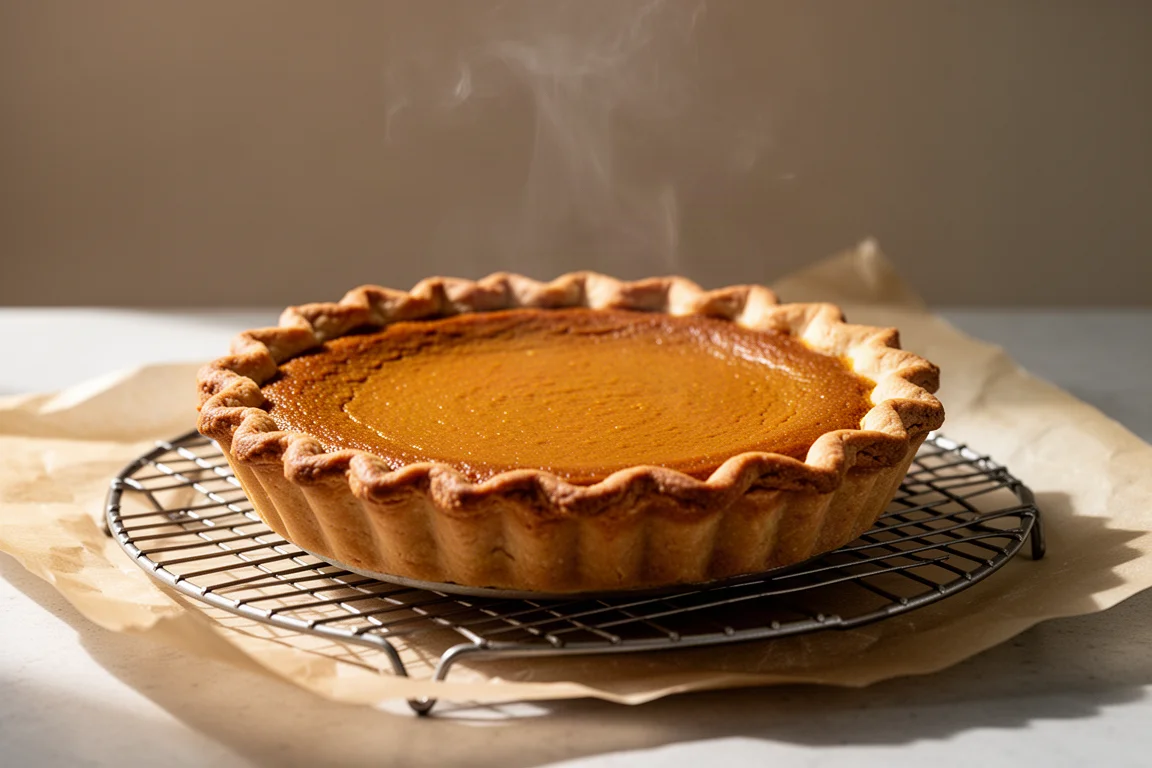
If you are making a wet filling like pumpkin pie, you need to pre-bake the crust before adding the filling, otherwise you end up with a soggy bottom. That means baking an empty shell, and an empty shell needs something inside to hold it up.
Dedicated pie weights are not strictly necessary. Foil or parchment lined with sugar, beans, or rice works in a pinch. But ceramic weights conduct heat well, store easily, and are easier to clean. One pack is not enough: you need enough weights to fill the plate and genuinely hold the crust back, which is why four packs is the recommended amount. They are inexpensive enough that this is not a painful purchase. Line them with parchment and you can lift the whole lot out by the four corners when the blind bake is done.
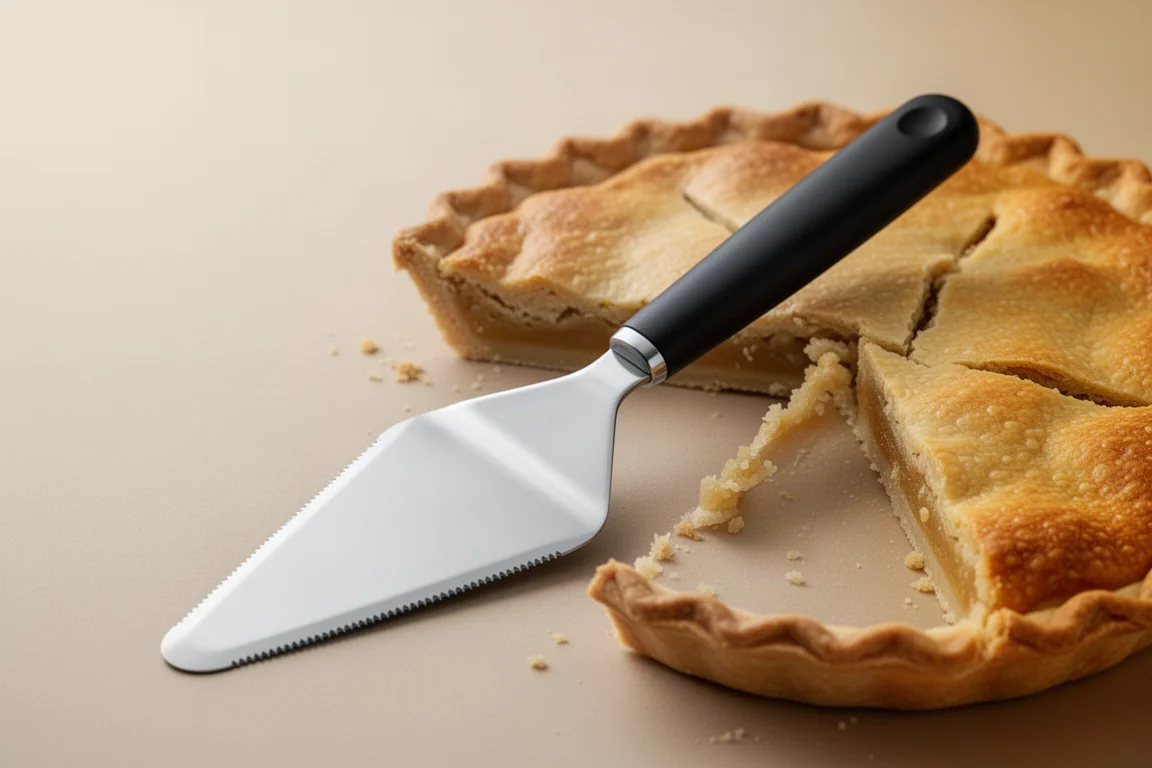
OXO Steel Pie Server
Nobody needs a dedicated pie server, but if you have put real effort into a pie, one gets you noticeably better slices. The OXO steel pie server won on three details. First, the shape of the spade: it is sized to match an actual eighth of a standard pie, rather than being long and skinny. Second, double serrations on both sides help the blade ease into the pie without smooshing the filling, and the double-sided edge works for righties and lefties alike. Third, the offset handle angles the blade so you can slide up under the slice with more finesse and lift it out cleanly.
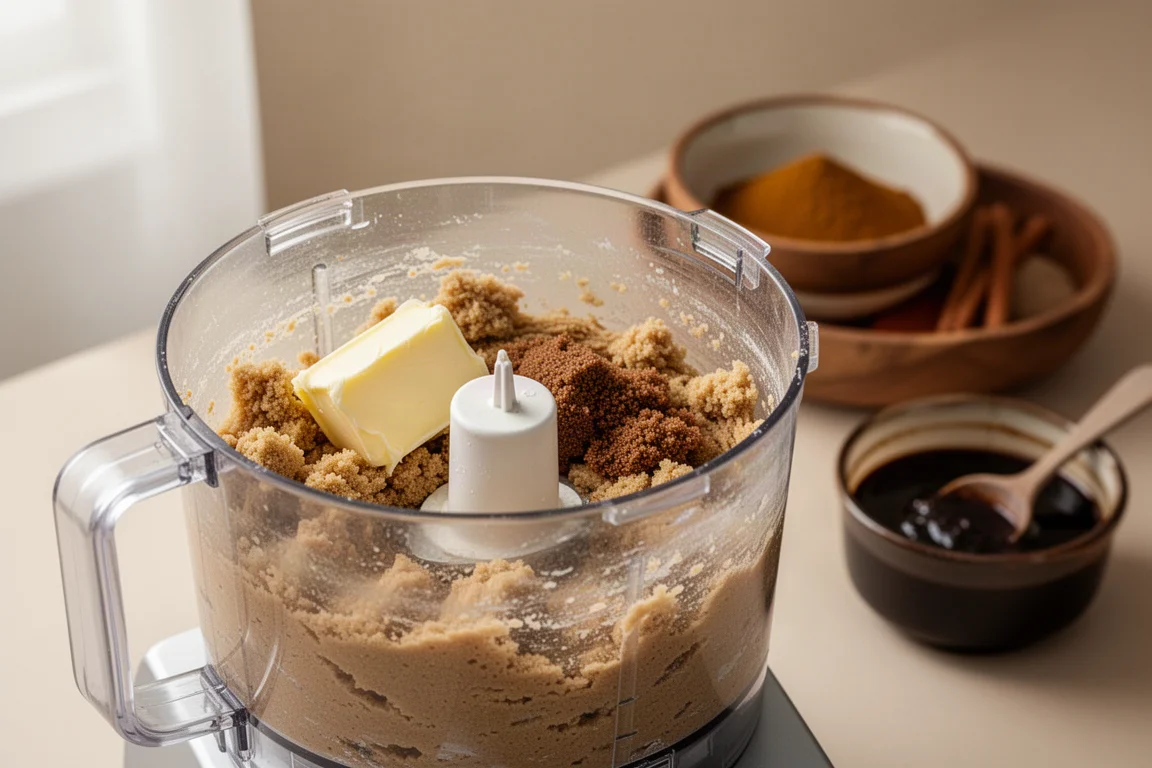
Cuisinart Food Processor
For holiday cookie dough, a food processor earns its counter space. This Cuisinart model is powerful and remarkably simple to operate, with just two buttons: on/off and pulse. A gingerbread-style recipe built mostly from pantry ingredients, with no eggs, comes together in the bowl in a few seconds. For bakers who make the same holiday recipes every year, that speed adds up.

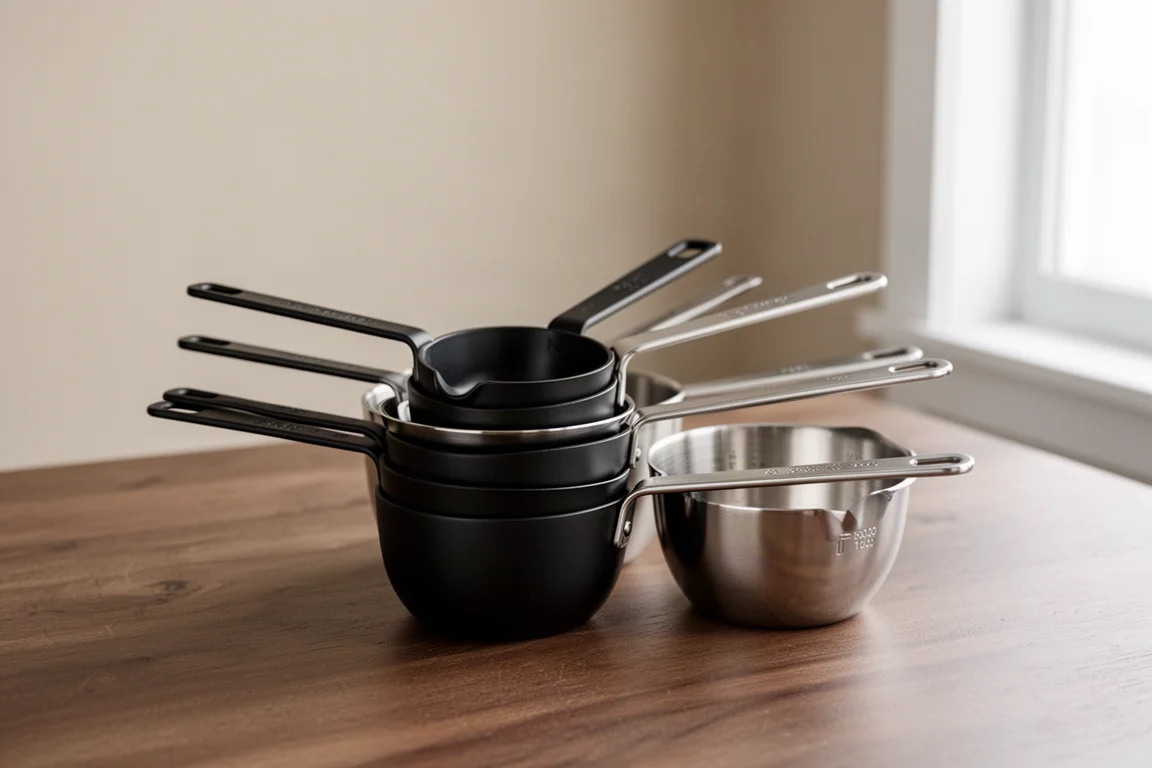
OXO Dry Measuring Cups
Measuring correctly is one of the most underrated skills in baking, where every ingredient needs to be in exact proportion. Dry ingredients need dry measuring cups. If you measure flour in a liquid cup, leveling it off is awkward and it is hard to know when you have it right to the top.
These OXO cups solve the usual problems neatly. A small magnet holds them together and they stack compactly. The handle sits level with the bowl and even includes a small ramp, so you can dip and sweep with a straight edge, like the back of a butter knife, to get exactly the right amount. Many competing cups have chunky handles where trapped ingredients skew the measurement; these avoid that trap entirely.
Pyrex Liquid Measuring Cup
For liquids, the Pyrex tempered glass measuring cup is the classic pick. Its design is meant to be read from level: you crouch or tilt to check that the liquid line sits exactly at the marking. Glass is rigid, stable, and does not flex while you pour, which keeps quarter-cup additions precise.
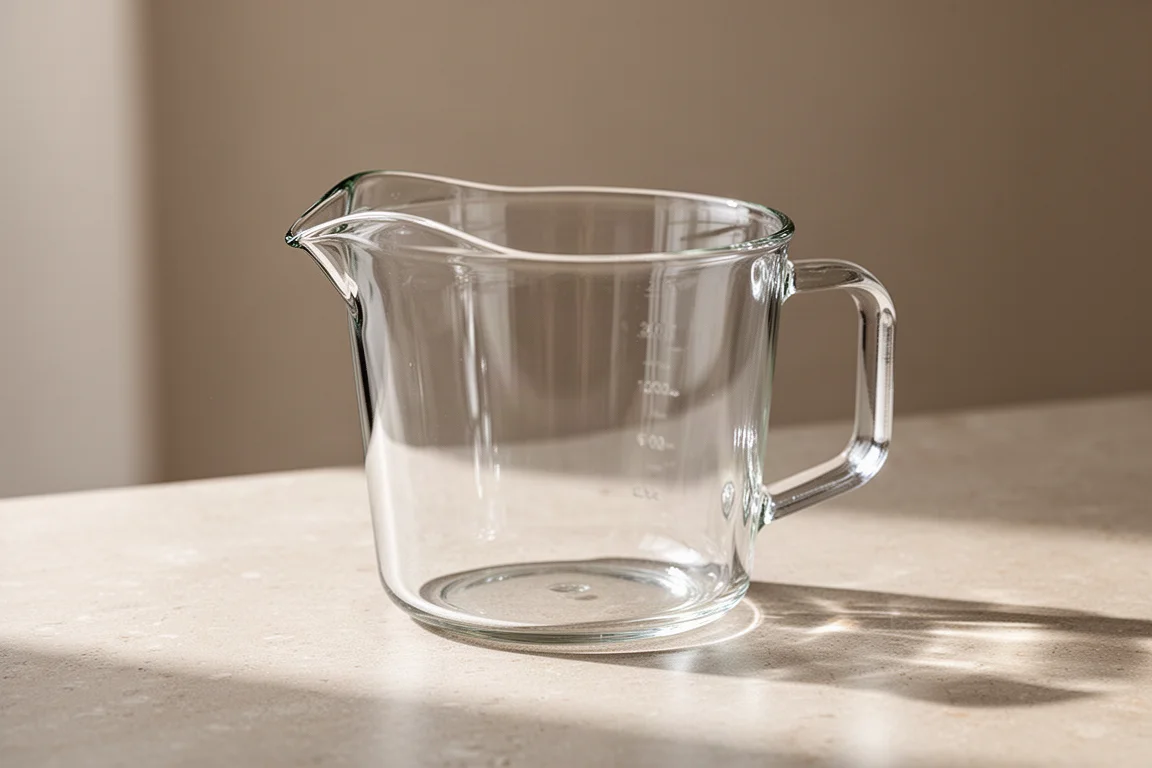
OXO Liquid Measuring Cup
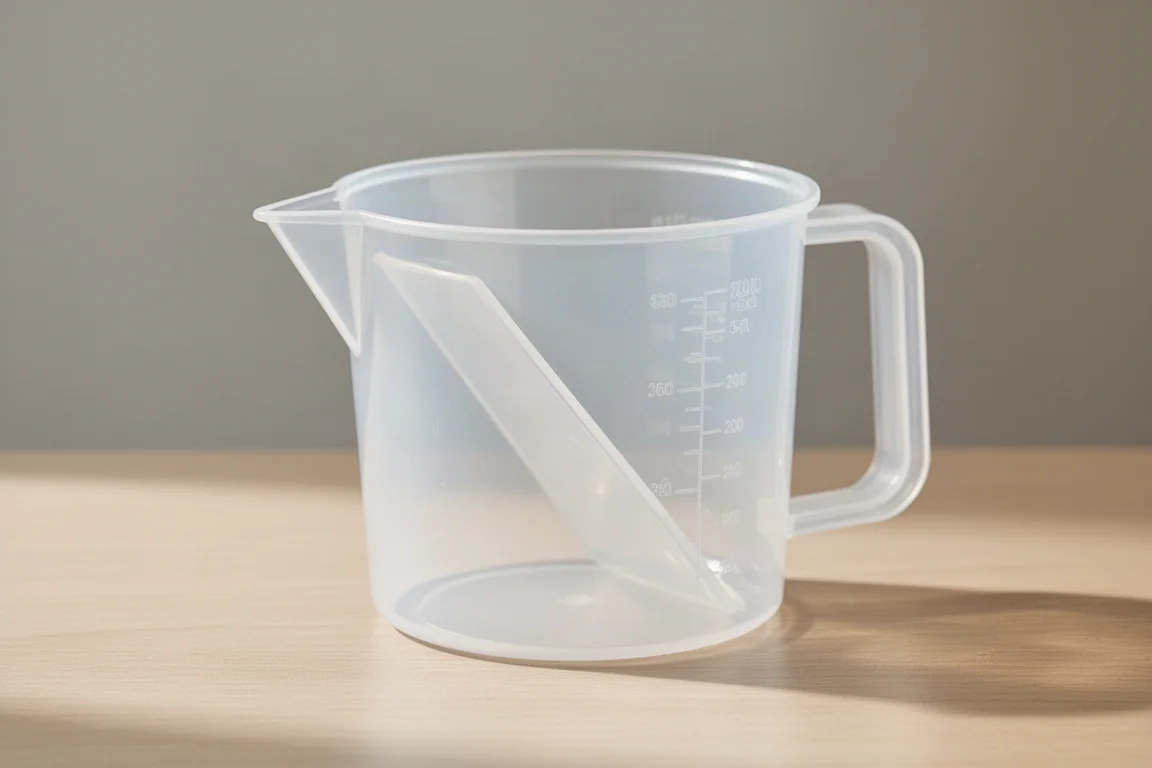
The OXO plastic liquid cup takes a different approach to the same problem. An angled slope inside the cup lets you read the liquid level while standing up, looking straight down at the marking, instead of bending to counter height. Between the two, the choice comes down to preference: glass stability versus at-a-glance convenience. Either way, using the right cup for the right job means no more dough that is too wet or cookies that come out dry.
Nordic Ware Naturals Half-Sheet Pan
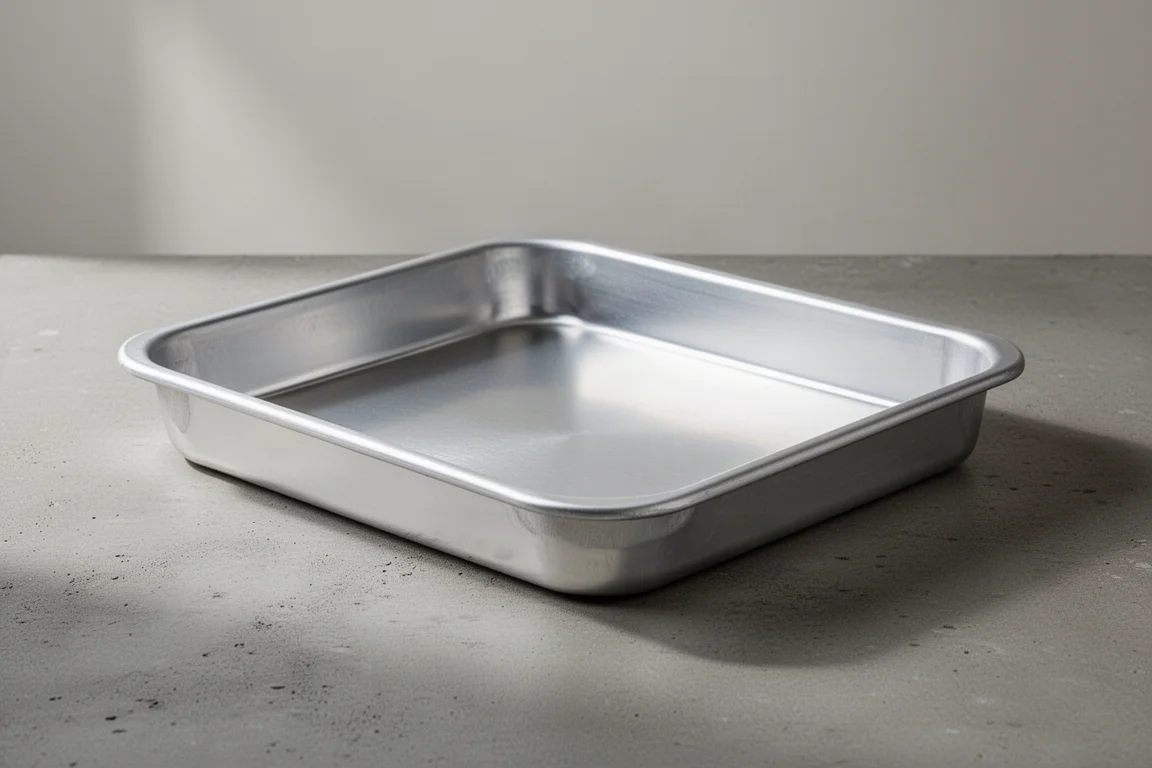
The color of your bakeware genuinely changes how it bakes. Dark finishes transmit heat more rapidly, so baked goods set quickly and brown more deeply. Light finishes transfer heat less intensely, letting things rise a bit more before they set, which suits cakes. Golden and bronze tones sit between the two and tend to produce beautifully browned results without over- or under-cooking.
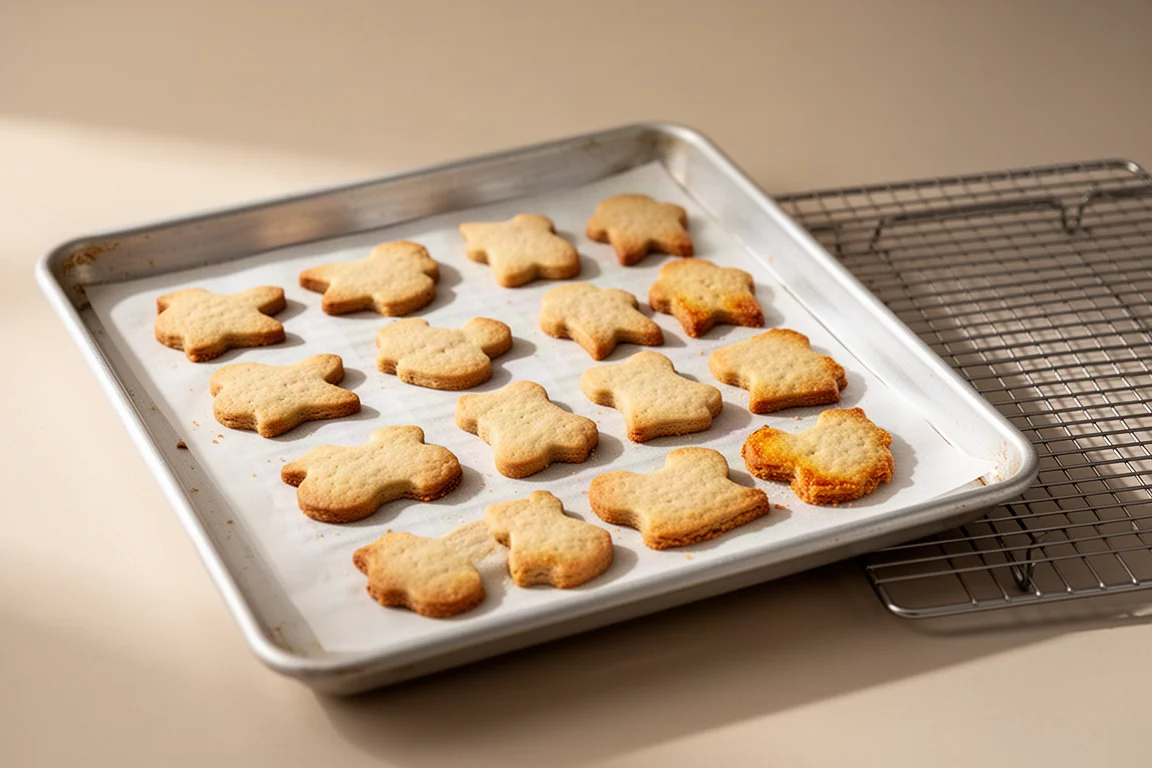
The Nordic Ware Naturals half-sheet pan takes the light-finish route. It has no nonstick coating, which makes it very rugged, and it is a standard half-sheet size with one-inch sides. That standard size matters: a grid-style cooling rack drops right in, turning the combo into a broiling pan or a draining tray for fried foods, and a plastic lid that pops onto the rim makes it a transport carrier for potlucks without squashing what is inside. A practical tip: buy two sheet pans and two cooling racks. One holds the hot pan while the other becomes the landing zone for the next batch.
Ateco Round Biscuit Cutters
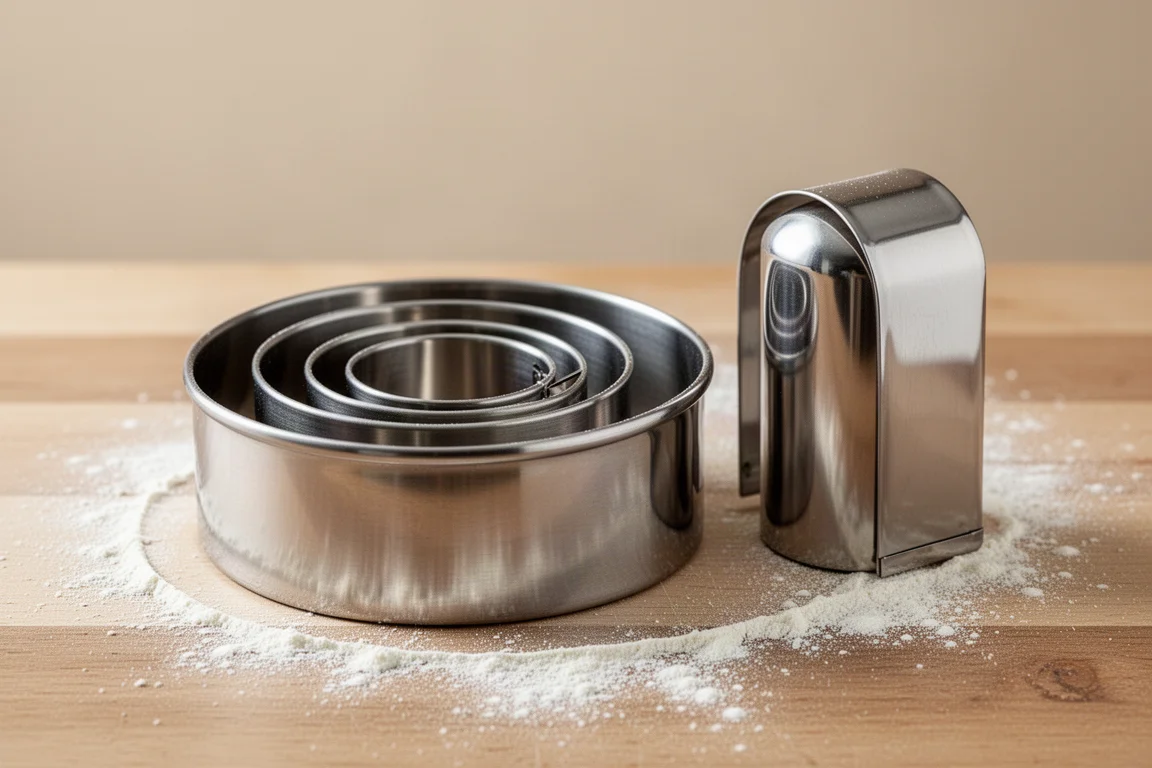
These stainless steel cutters come from a food service brand, and the sturdiness shows. There are eleven concentric circle sizes in the set, from tiny to generously large, packed in a small tin. They are not bendy, they stay round, and they have a sharp edge that cuts cleanly through chilled dough. The top edge is rolled, so pressing down stays comfortable. As a stocking stuffer, the set is hard to beat: inexpensive, genuinely useful, and the kind of tool that makes you want to get creative with shapes and sizes.
Overall Buying Advice
If you take one general lesson from holiday baking gear, make it this: pay attention to the color of your bakeware. Lighter pans bake a little slower, darker pans run a little faster, and golden tones land in the middle. Once you know how your pans behave, you can predict browning instead of guessing at it. Beyond that, match each tool to the job you actually do. Serious pie makers should start with the rolling pin and pie weights; cookie bakers get the most from the food processor, proper measuring cups, and a reliable half-sheet pan.
Conclusion
None of these nine tools are flashy, and that is exactly why they work. Each one removes a specific point of friction: uneven dough, soggy crusts, mangled slices, sloppy measurements, cookies that over-bake while you transfer them. Put them together and even a nervous baker can turn out a pie and a tray of cookies worth gathering around.
Further reading
Related Reviews
Bakeware
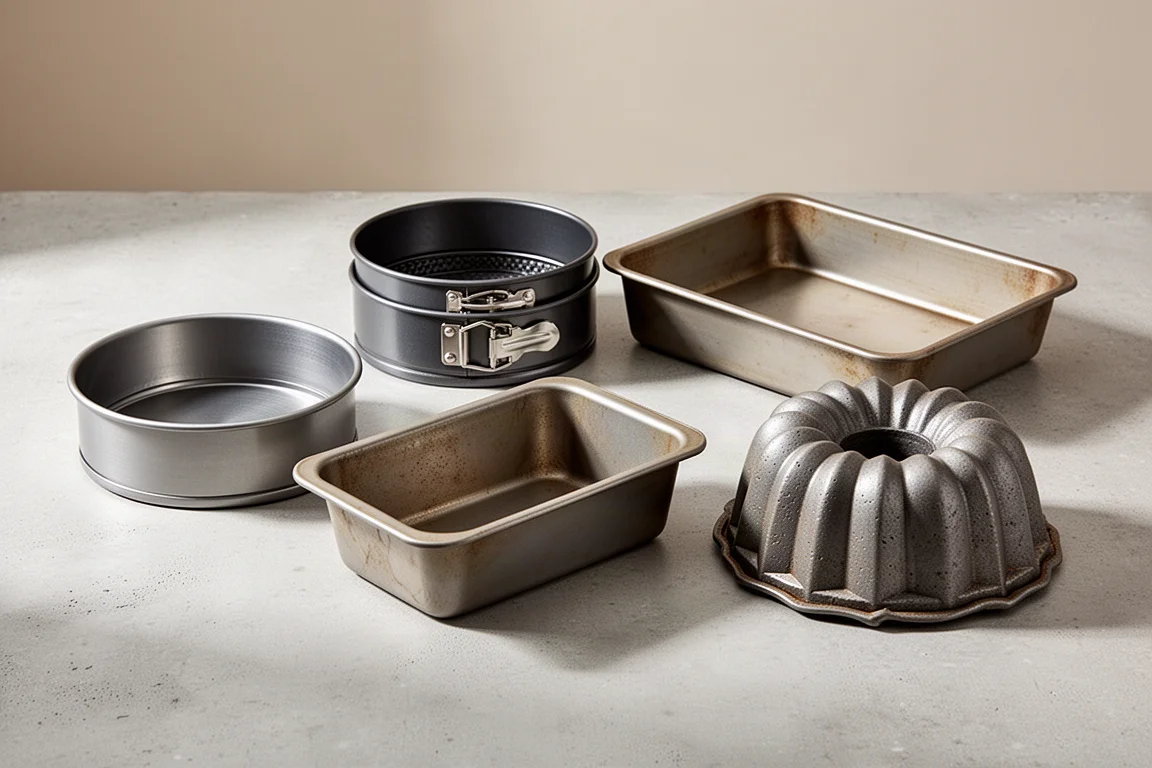
Best Cake Pans for Every Bake: Five Reliable Winners for Layer Cakes, Bundts, and More
Five cake pans that earned their place in the cupboard, covering layer cakes, cheesecakes, snack cakes, loaves, and Bundt bakes.
Bakeware
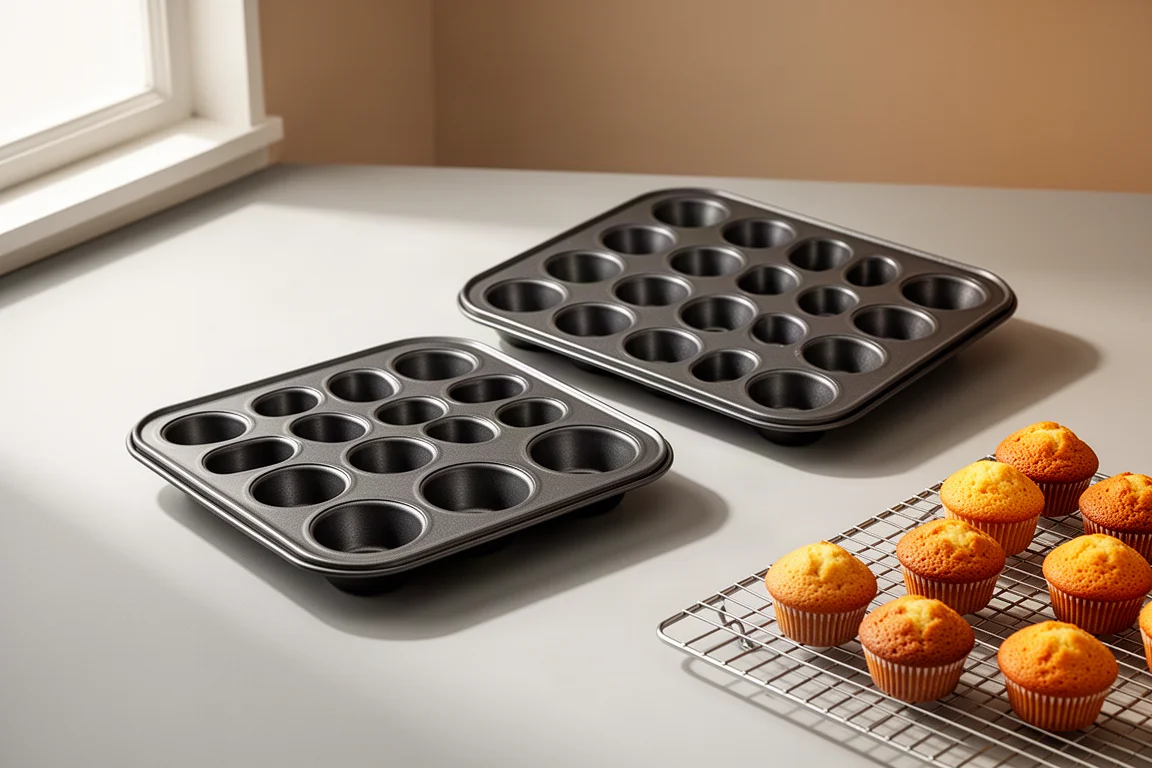
Best Mini Muffin Pans: Two Picks for Perfect Tiny Treats
A steel-built winner and a budget-friendly best buy, chosen for even browning, tall cups, and easy release.
Bakeware
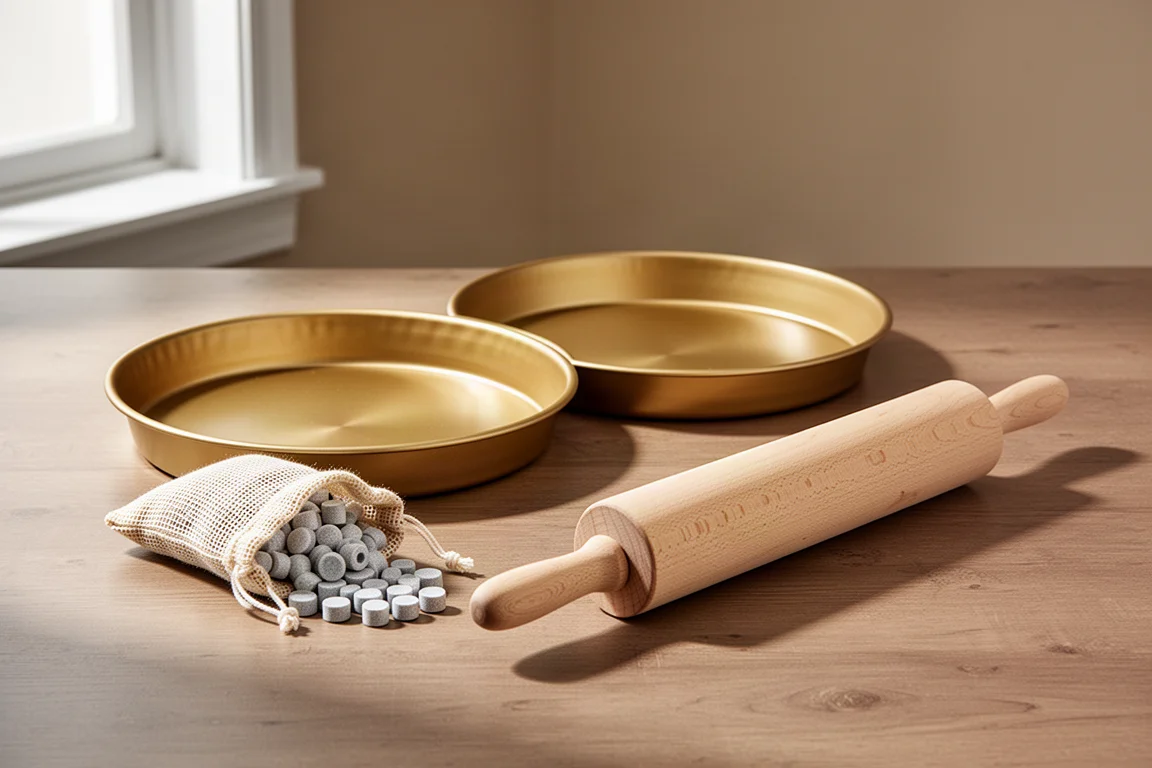
The Best Pie Baking Tools: A Pie Plate, Pie Weights, and Rolling Pin Worth Owning
Three specialty baking tools that make pie genuinely easier: a gold-tone nonstick pie plate, ceramic pie weights, and a plain maple rolling dowel.