Art Supplies
Best Pencil Sharpeners for Artist Pencils: 7 Options for Hard and Soft Cores
Seven sharpeners for colored, graphite, and pastel pencils, with guidance on which one suits soft cores, hard cores, and thick-barrel pencils.
Introduction
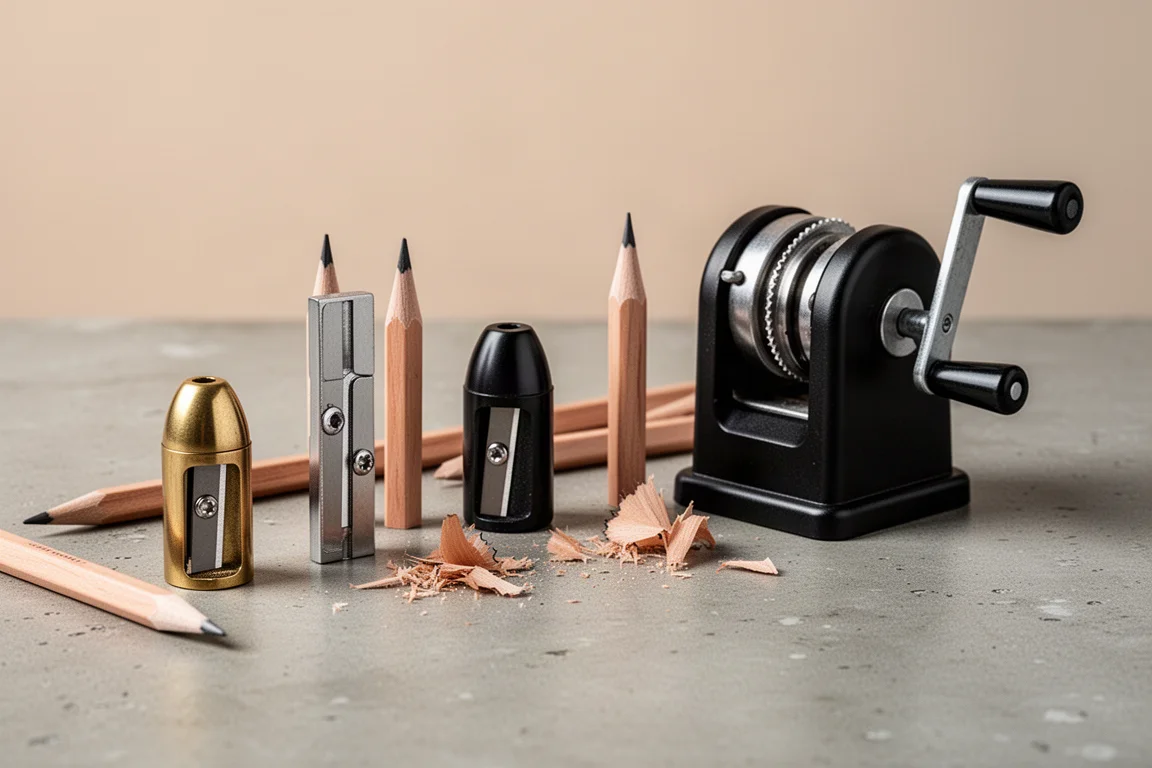
If you have ever snapped the point off a soft Prismacolor or watched a hard graphite core splinter in a handheld sharpener, the sharpener itself is usually to blame. Different pencil cores, from waxy soft cores to brittle 4H graphite and delicate pastel, respond very differently to the same blade. After years of sharpening just about every core type, the sharpeners worth keeping have settled into clear roles: one workhorse for most pencils, a hand crank for hard and brittle cores, a two-stage long point sharpener for specialty points, and a few tools for pastel and clutch pencils.
Why the Right Sharpener Matters
The kind of point you need depends on how you draw. A heavy-handed artist will not benefit from a super long, fine point; it will break constantly and become more frustration than help. A light-handed artist who builds work in many soft layers will love exactly that same point. Harder cores, such as Derwent Artist or Derwent Procolour, Faber-Castell Polychromos, and Caran d’Ache Pablo, tolerate longer points. Soft cores like Prismacolor, Derwent Drawing, and Coloursoft need shorter points or they will snap the moment they touch paper.
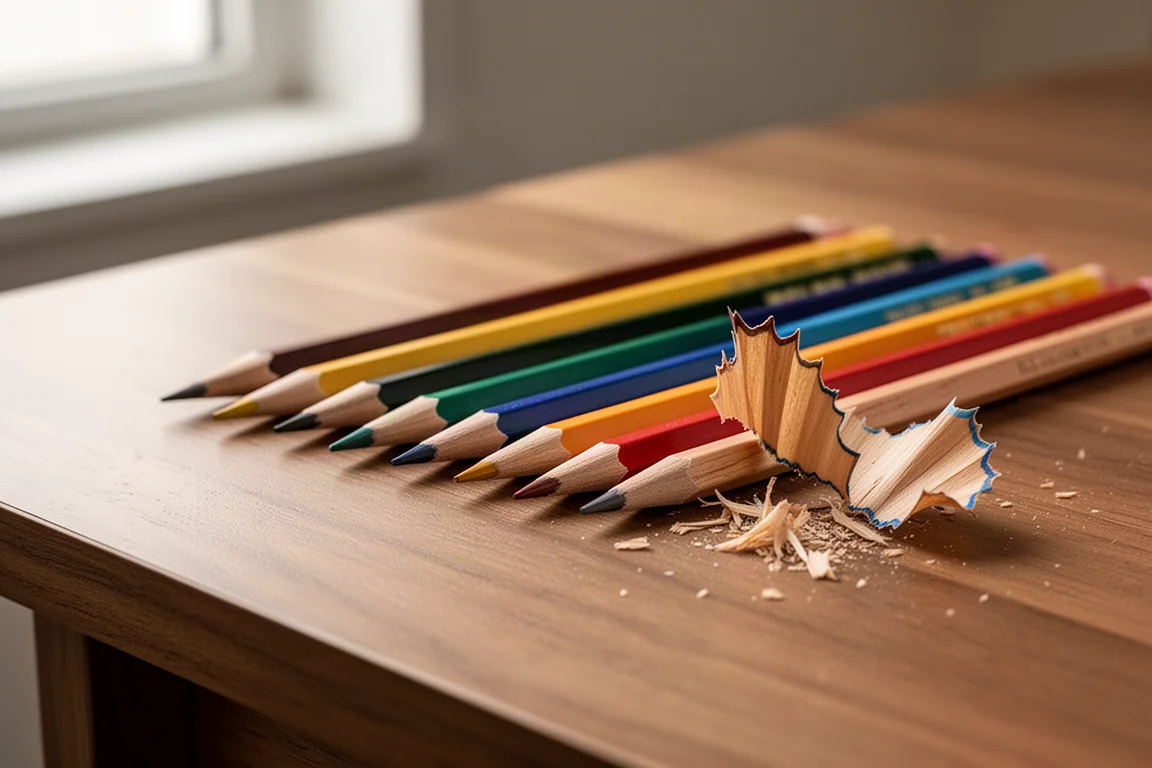
There is one more thing worth knowing before buying anything: blunt blades are the single most common reason pencils refuse to sharpen cleanly. The wax, oil, and other ingredients inside pencil cores dull blades far faster than the wood does, so blades need replacing regularly no matter which sharpener you own.
M+R Bullet-Type Sharpener
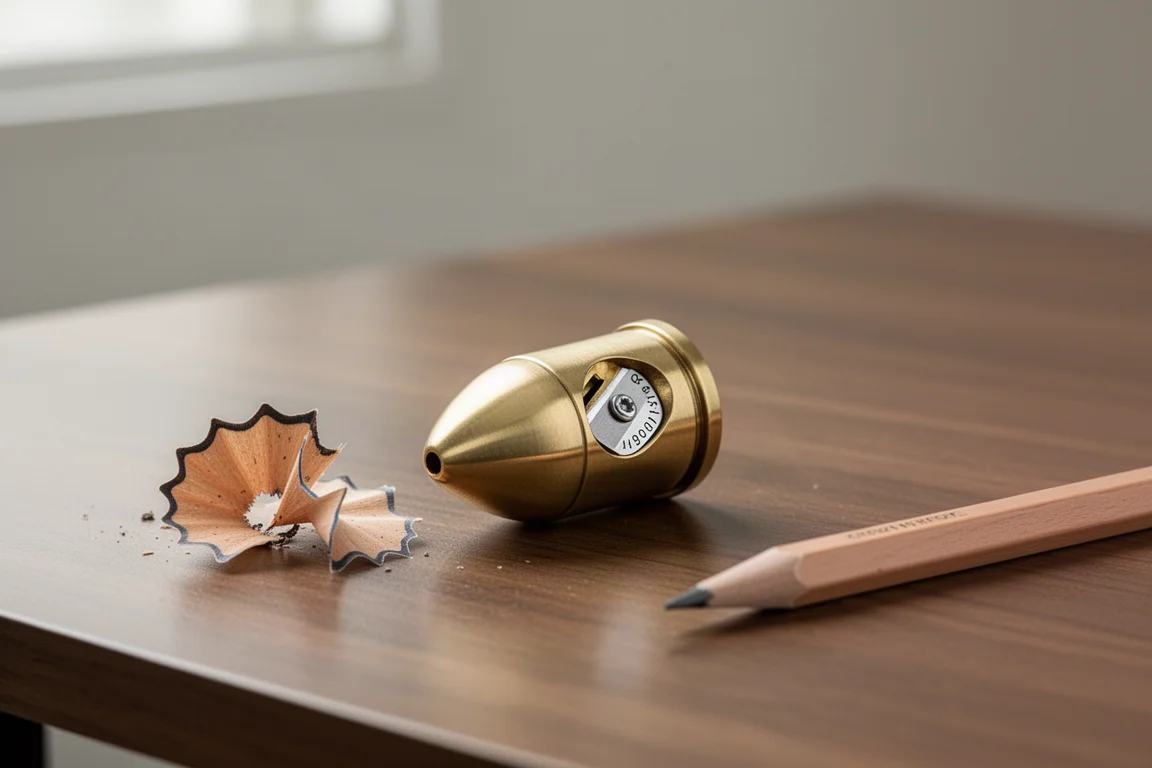
The M+R (Mobius and Ruppert) bullet-type sharpener is the go-to for most pencils, and for good reason. The German-made blades are exceptionally sharp and cut through soft cores like butter, producing fine, delicate shavings and clean points with no nicks in the wood. It handles thick 8mm barrel pencils such as the Derwent Drawing and Derwent Artist without issue, and a second hole accommodates larger barrels up to around 12mm.
A dial on the end offers numbered settings from one to three, giving a choice between a shorter fine point and a longer point depending on the pencil and your drawing style. Replacement blades come in packs of ten and swap in seconds, which matters because these blades dull with use. This is the sharpener recommended most often when someone asks what to buy for a soft Prismacolor core. There is also a small brass version that is heavier in the hand and ideal for a travel kit.
Caran d’Ache Hand Crank Sharpener
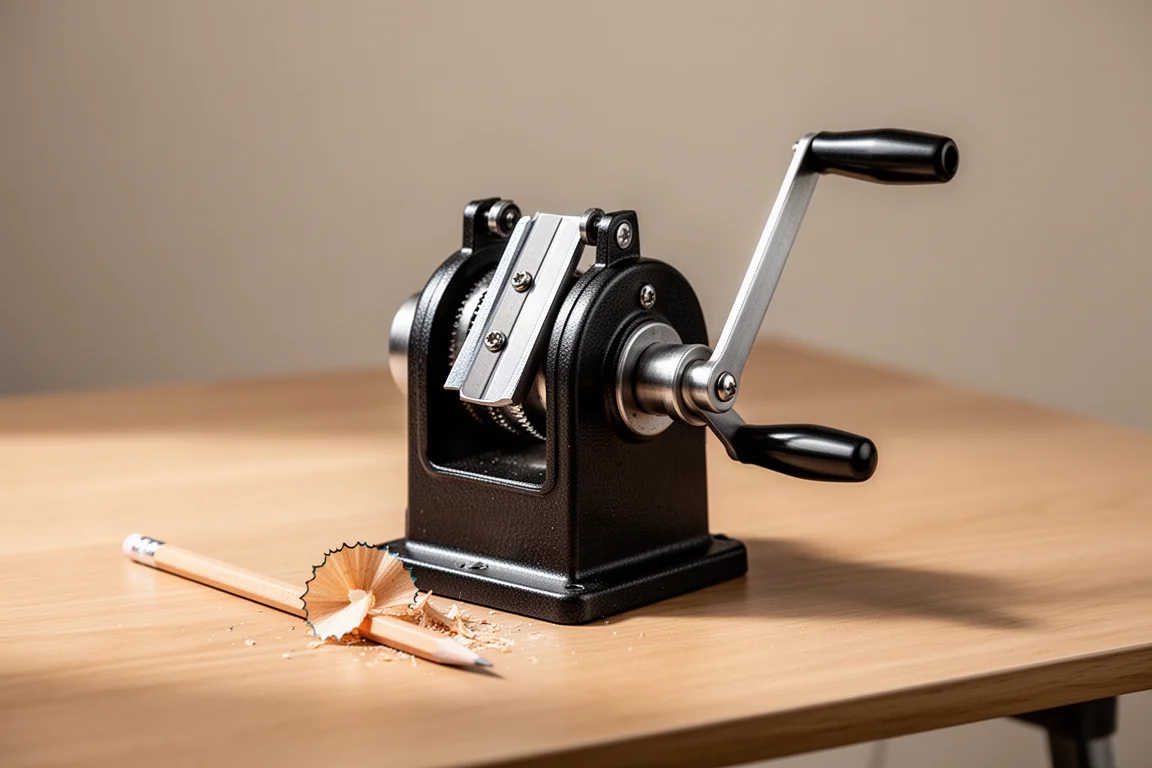
A desktop hand crank sharpener is the answer for hard, brittle cores that handheld sharpeners keep snapping. Because the blades rotate around the pencil rather than the pencil twisting in the blade, an off-centre core causes far fewer problems. The crank mechanism also shaves off only tiny slivers of wood at a time, giving more control and making breakages much less likely.
This Caran d’Ache model has a dial on the back that controls point length, from a short point when turned clockwise to a long point when opened fully anticlockwise. It produces excellent results on 4H and harder graphite, on hard cores like the Derwent Artist, and even on pastel pencils, though pastel powder can clog the blade teeth during sharpening. It is expensive and will last a lifetime, but any hand crank sharpener works on the same blade-around-pencil principle, so cheaper hand cranks will do the same job.
Kum Long Point Sharpener
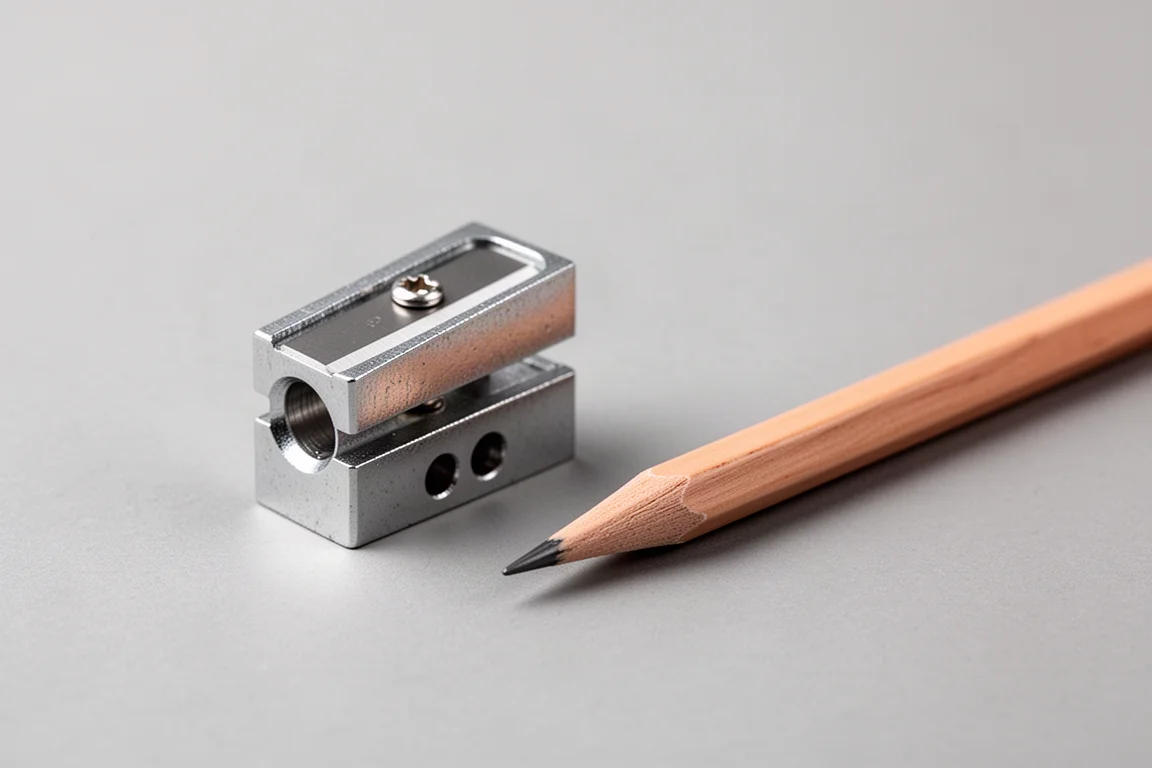
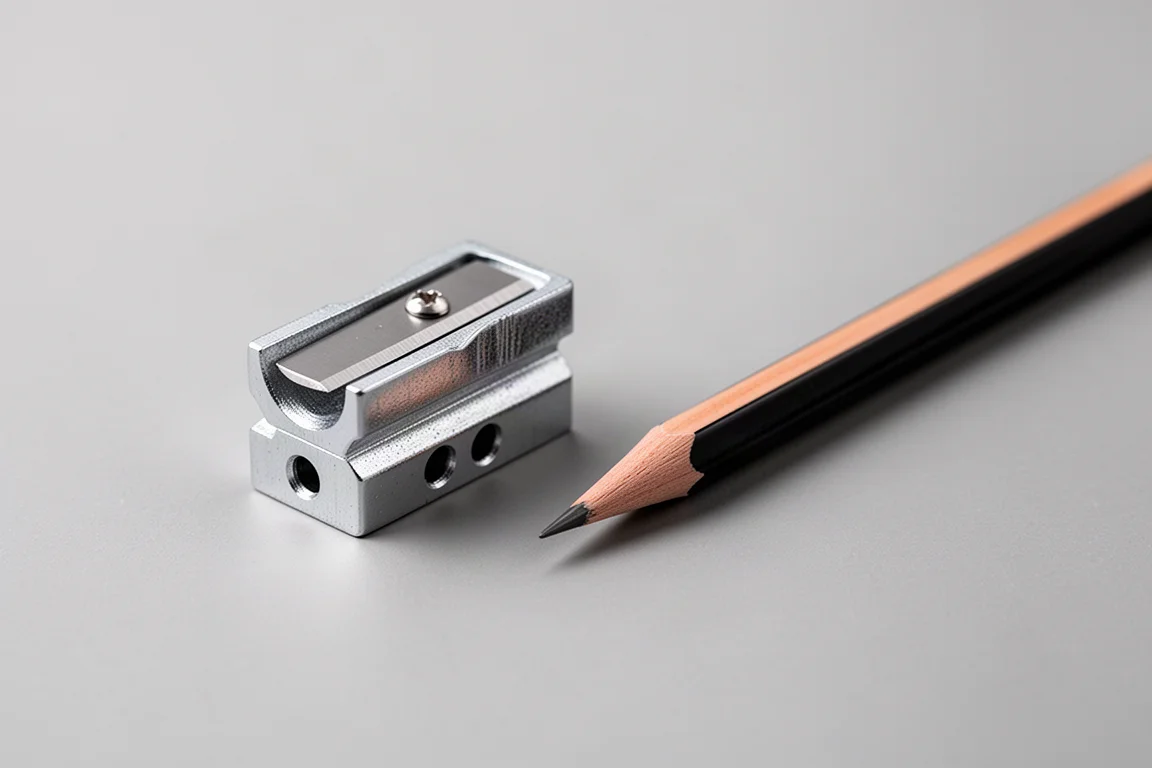
The Kum long point sharpener is a two-stage metal sharpener with numbered holes. The first hole shaves the wood with a 35-degree barrel angle; you keep turning until it stops, then move to the second hole, which cuts only the core to refine and extend the point. Repeating the process two or three times produces a very long point, so it suits light-handed artists working on harder cores.
It is also useful for clutch pencil leads: the two tiny holes on the side sharpen clutch graphite, with the red hole giving a longer point and the other giving a shorter one. Be gentle with soft cores here, because a very long point on a soft core is easy to snap. The main trade-off is that it takes more back-and-forth work than a bullet-type sharpener to reach the finished point.
Derwent Super Point Sharpener
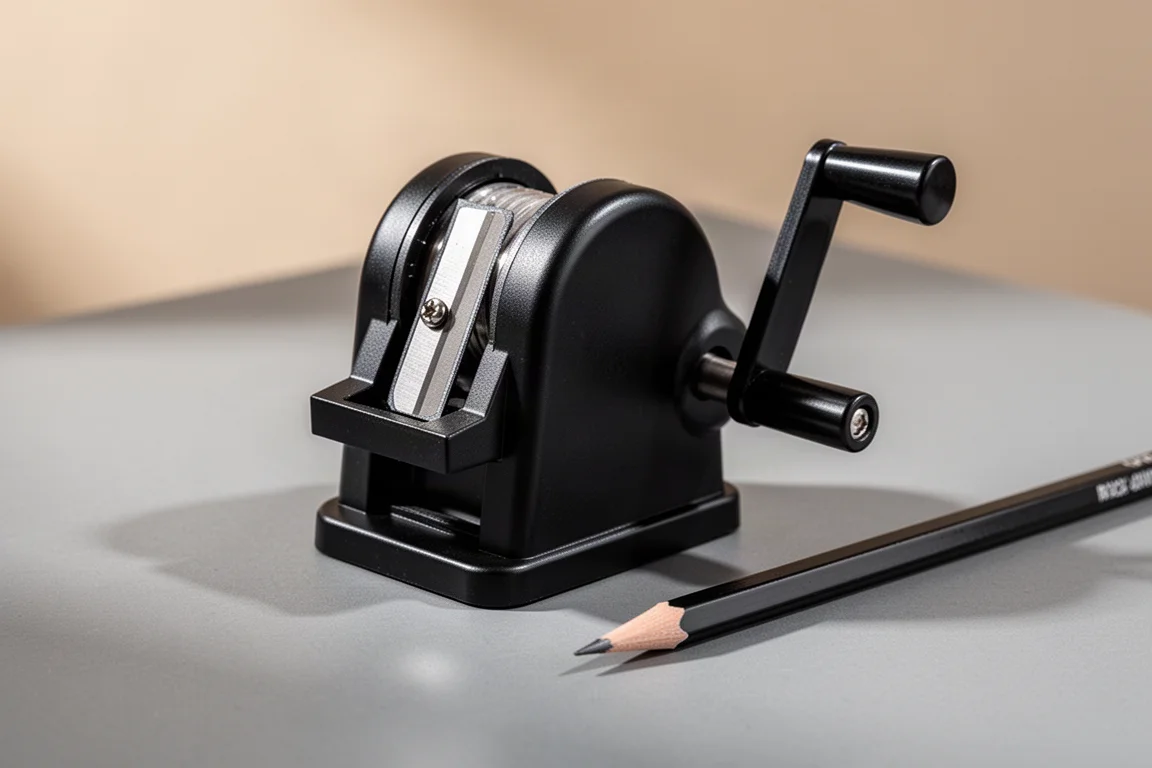
The Derwent Super Point hand crank sharpener produces a very long point and performs outstandingly on hard-core pencils such as the Derwent Artist, Derwent Procolour, Faber-Castell Polychromos, and Caran d’Ache Pablo. For those pencils it is an excellent choice.
The caution is with soft cores. On pencils like Prismacolor, Derwent Drawing, or Derwent Coloursoft, that long point becomes difficult to control, and very little pressure will snap it. Worse, a long soft point can split in half the moment it hits the paper rather than just nicking. If your drawing style is light-handed, that may be acceptable; if you press harder, choose a shorter-point sharpener instead. Note that this model is no longer available to the writer after being dropped and smashed, so treat it as a proven but fragile desktop tool.
AFMAT Electric Sharpener
Battery-operated and electric sharpeners work on the same principle as a hand crank: the blades rotate around the pencil while you simply hold it in place. That makes them the natural choice when speed matters, such as when you need to sharpen a large set of pencils for a big project and cannot spend time twisting each one by hand.
The AFMAT electric sharpener has proven reliable in use, and a new model is on the way to test as well. As with hand cranks, the blade-around-pencil motion is gentler on cores than handheld twisting, which helps with both soft and brittle cores. If you sharpen a lot of pencils in one sitting, this is the category to look at.
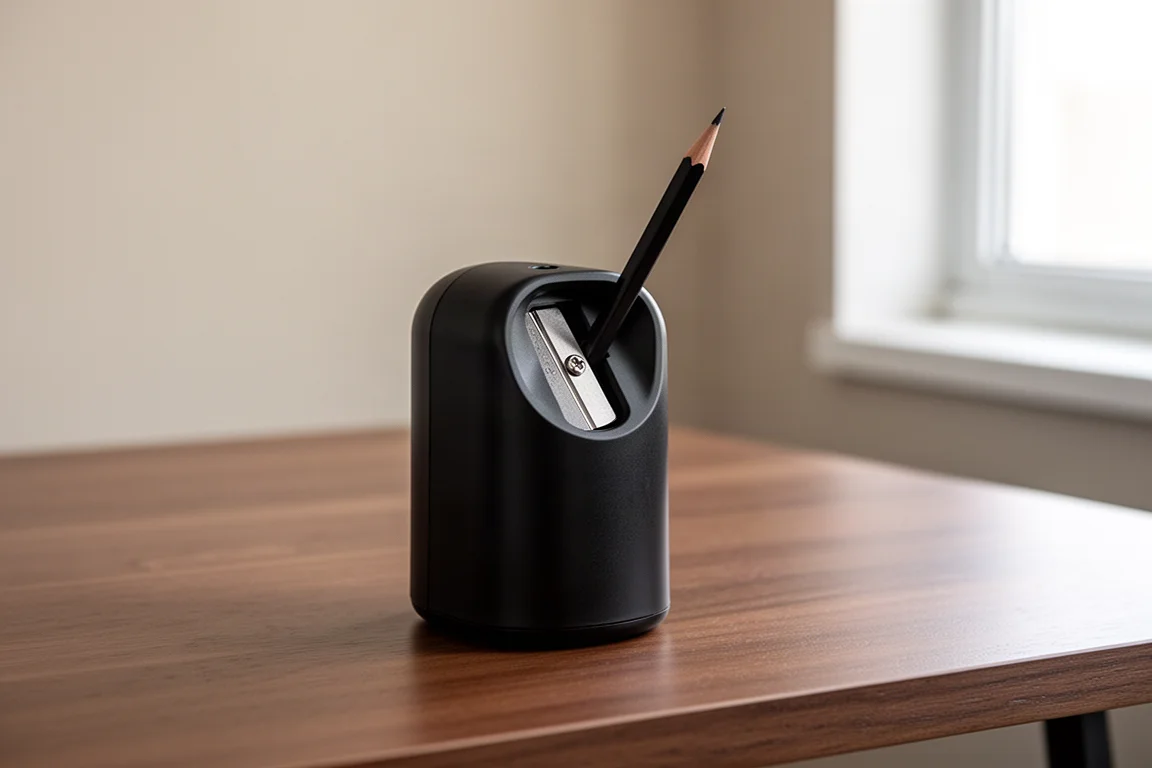
Hovville Pencil Plane Sharpener
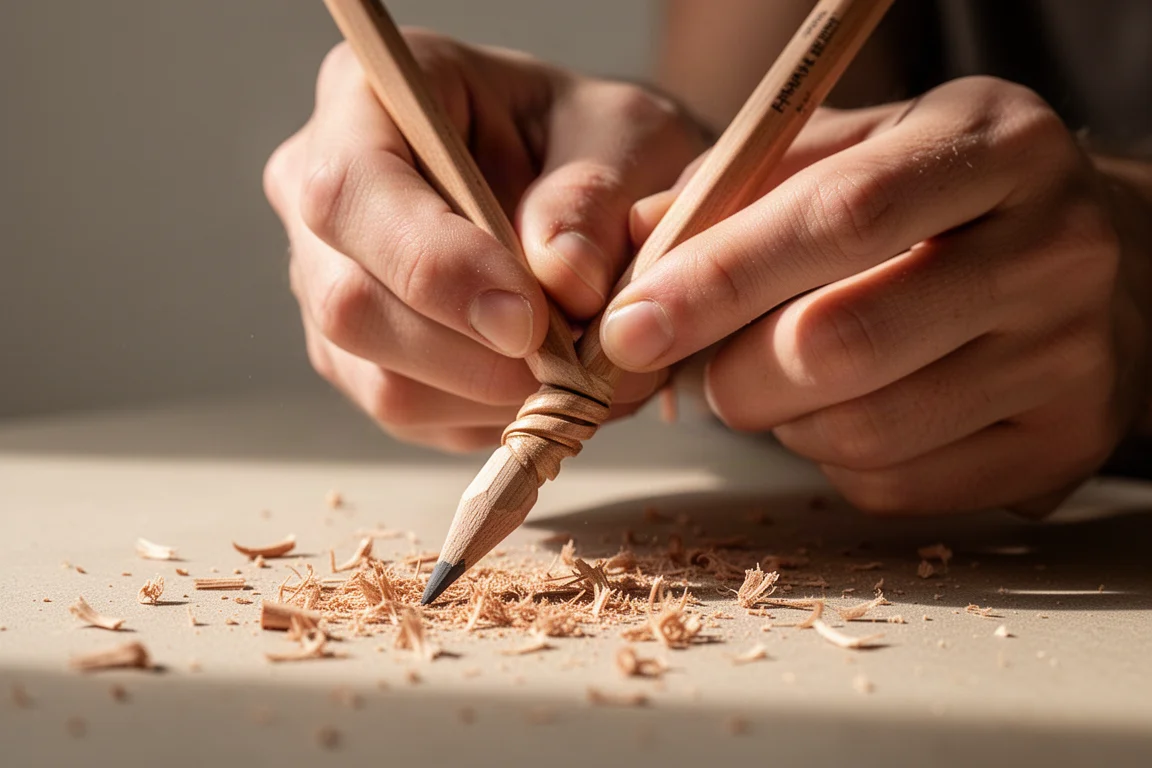
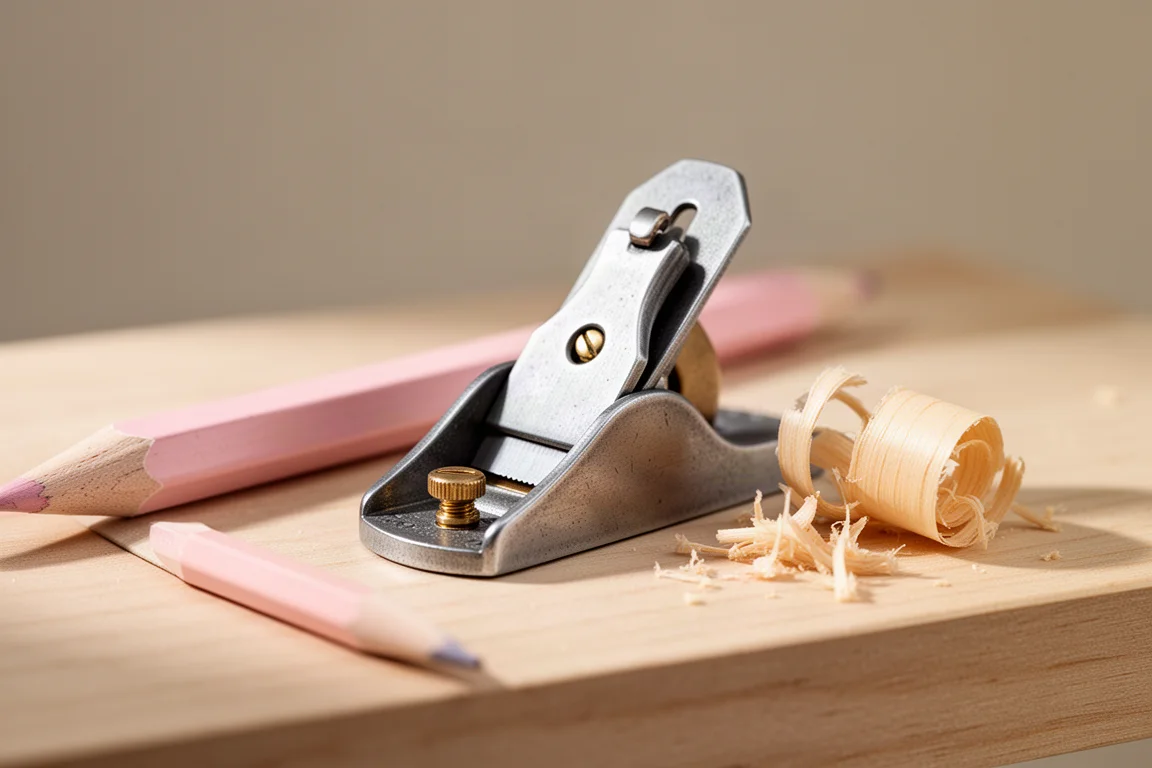
The Hovville is essentially a tiny woodworker’s plane with a blade in the base. You run it along the pencil while twisting, shaving the wood and refining the point much as you would with a craft knife. There is also a technique of turning it upside down on a wooden block and drawing the pencil back and forth across the blade, which collects shavings inside, though this method is not for everyone.
For colored and graphite pencils, other sharpeners are simply faster. Where the Hovville genuinely shines is pastel pencils, whose brittle cores defeat almost every conventional sharpener. Use a hand crank or bullet sharpener to get an initial point, then use the Hovville to refine it without cutting through more of the barrel. It is a niche tool, but for pastel artists it fills a real gap.
Staedtler Clutch Pencil Sharpener
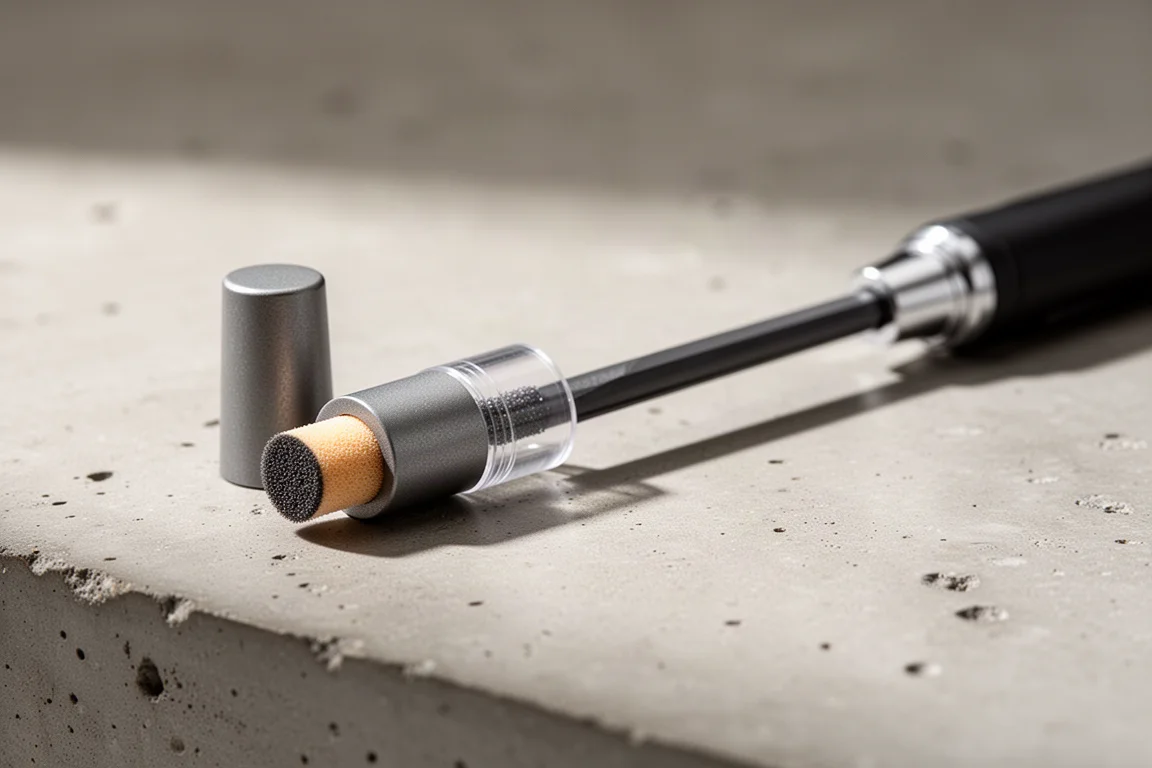
Clutch pencils hold a long 5mm or 7mm graphite lead rather than a wood barrel, and their claws grip the lead when you press the end. They last a long time and, with a fine point, are excellent for detailed graphite work. The Staedtler clutch pencil sharpener is a small dedicated tool that lifts onto the lead: insert the lead with about half an inch exposed, rotate gently, and lift out to a clean fine point.
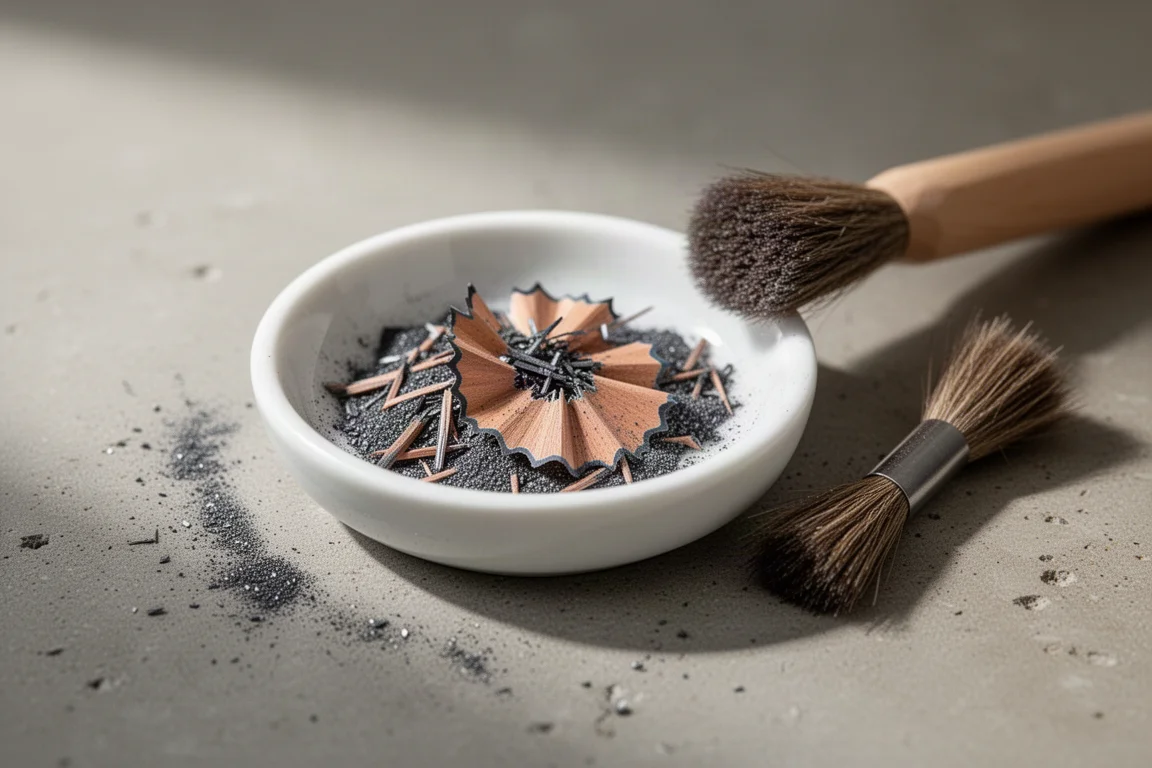
The built-in sponge at the tip removes excess dust from the lead. A bonus is that the dust chamber collects graphite powder, which can be poured out and applied to artwork with a brush. The Kum long point sharpener’s side holes offer a second way to sharpen clutch leads, with the trade-off of a slightly shorter point.
Sharpening Pastel Pencils
Pastel pencils deserve their own note. The core is extremely brittle, and most sharpeners chew it up. A sharp bullet-type blade can produce a decent point if you work carefully, and a hand crank also gets reasonable results, though the mechanism can chug as pastel powder clogs the blade teeth. For thicker pastel barrels, larger holes up to around 12mm work but tend to give a stubbier point.
The most reliable approach is to use a hand crank or bullet sharpener to establish a point, then refine it with the Hovville pencil plane or a craft knife. For many pastel artists, sharpeners alone are simply not worth the wasted pencils.
Overall Buying Advice
Match the sharpener to the core. For a soft-core workhorse that handles almost everything, the M+R bullet-type sharpener with fresh blades is hard to beat. For brittle hard cores and off-centre pencils, choose a hand crank, and remember the Caran d’Ache model is a premium version of a design many cheaper hand cranks share. For long points on harder pencils and for clutch leads, the Kum two-stage sharpener earns its place. For speed on large projects, look at electric sharpeners. For pastel pencils, combine a conventional sharpener with the Hovville plane. And whatever you buy, keep spare blades on hand, because a fresh blade makes more difference than almost anything else.
Conclusion
No single sharpener suits every pencil, and the right choice depends on whether your cores are soft, hard, or pastel, and whether your hand is light or heavy. Start with a quality bullet-type sharpener and spare blades, add a hand crank if you work with brittle cores, and fill the specialist gaps only if you actually need them. That way, every pencil in your set gets a point you can actually draw with.
Further reading
Related Reviews
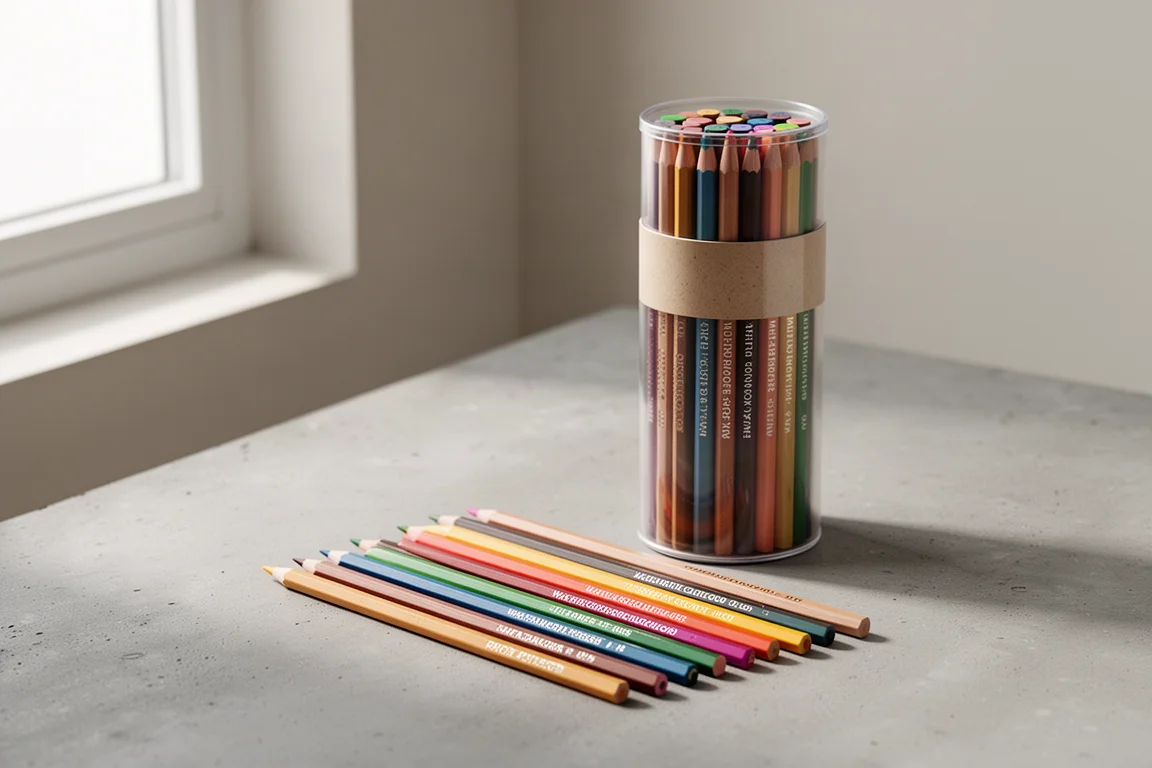
Art Supplies
Art Pop Watercolor Pencils 48-Color Set: A Thoughtfully Designed Student-Grade Option
The Art Pop 48-color watercolor pencil set blends well, dissolves smoothly, and includes artist-friendly details like barrel-printed color names, all at an affordable price.
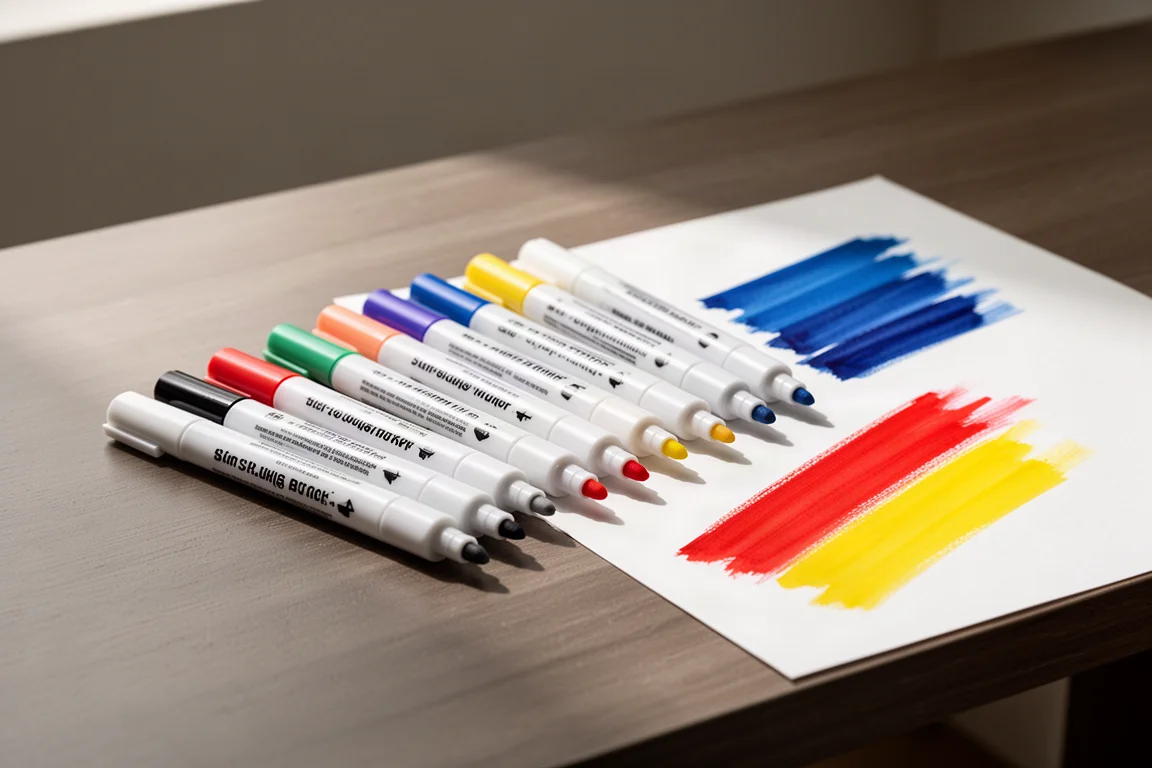
Art Supplies
Artics Acrylic Markers 3mm Review: Versatile Paint Markers With a Few Caveats
A 48-color set of water-based acrylic paint markers that blend while wet, dry permanent, and keep the price low, though safety transparency remains a question.
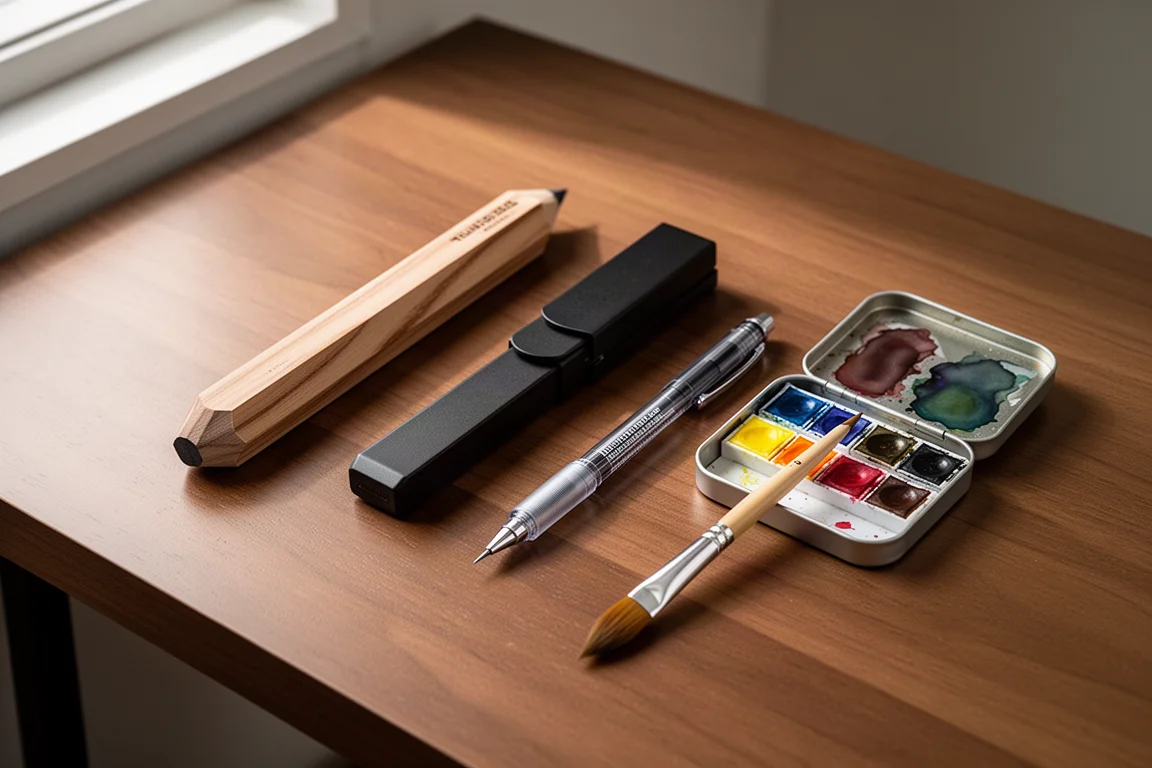
Art Supplies
Best Art Supplies Worth Your Money: Pencils, Pens, Paints, and Paper That Earned Their Spot
After years of daily use and testing, these are the pencils, pens, watercolors, gouache, brushes, sketchbooks, and erasers that stand above the rest.