Running Shoes
Best PEBA Foam Training Shoes: Five Standout Options for Fall Marathon Prep
PEBA foam has trickled down from race day into daily trainers and tempo shoes. Here are five of the best options and who each one suits.
Introduction
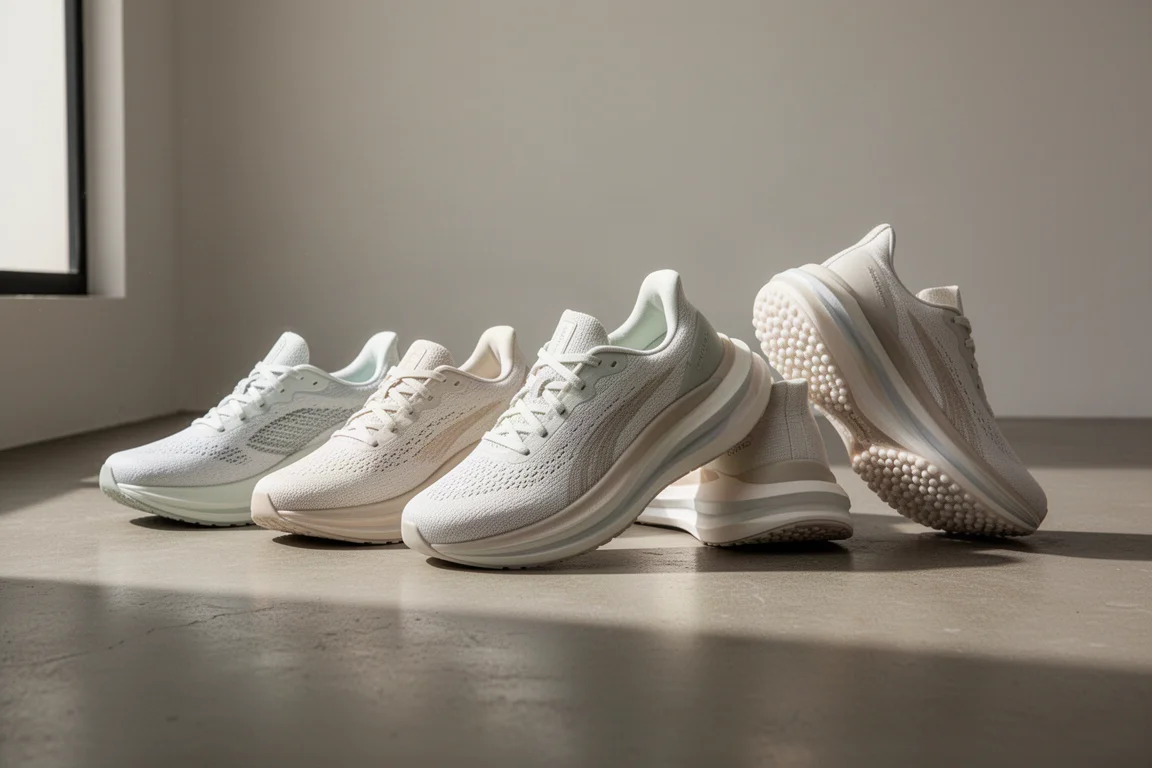
PEBA foam started life at the very top of the market, powering the fastest race day shoes on the start line. Over the past few seasons it has trickled down into daily trainers, tempo shoes, and even recovery shoes, which means runners now have an unusually wide range of ways to enjoy that soft, bouncy, energetic ride without saving it only for race day.
This guide takes a technology-first approach rather than a brand-by-brand one, looking at five training shoes that use PEBA-based construction in noticeably different ways. Some layer it under a plate for structure, some keep it simple and controlled, and some lean into cushioning for high mileage. The goal is to help you match the right shoe to the kind of training you actually do.
How PEBA Foam Changes a Training Shoe
PEBA-based foams are lighter, softer, and more resilient than the EVA and TPU compounds traditionally found in daily trainers. In race shoes that translates into obvious speed, but in training shoes the benefit is subtler: long runs feel less punishing, tempo days feel more effortless, and recovery miles feel more comfortable.
The trade-off is that very soft, bouncy platforms can feel unstable or wobbly, especially in non-plated stacks. That is why several of the shoes below add plates, firmer base layers, or moderate foam applications to keep the ride controlled. Understanding that balance is the key to choosing well.
Saucony Endorphin Speed 3: The Overall Best PEBA Training Shoe
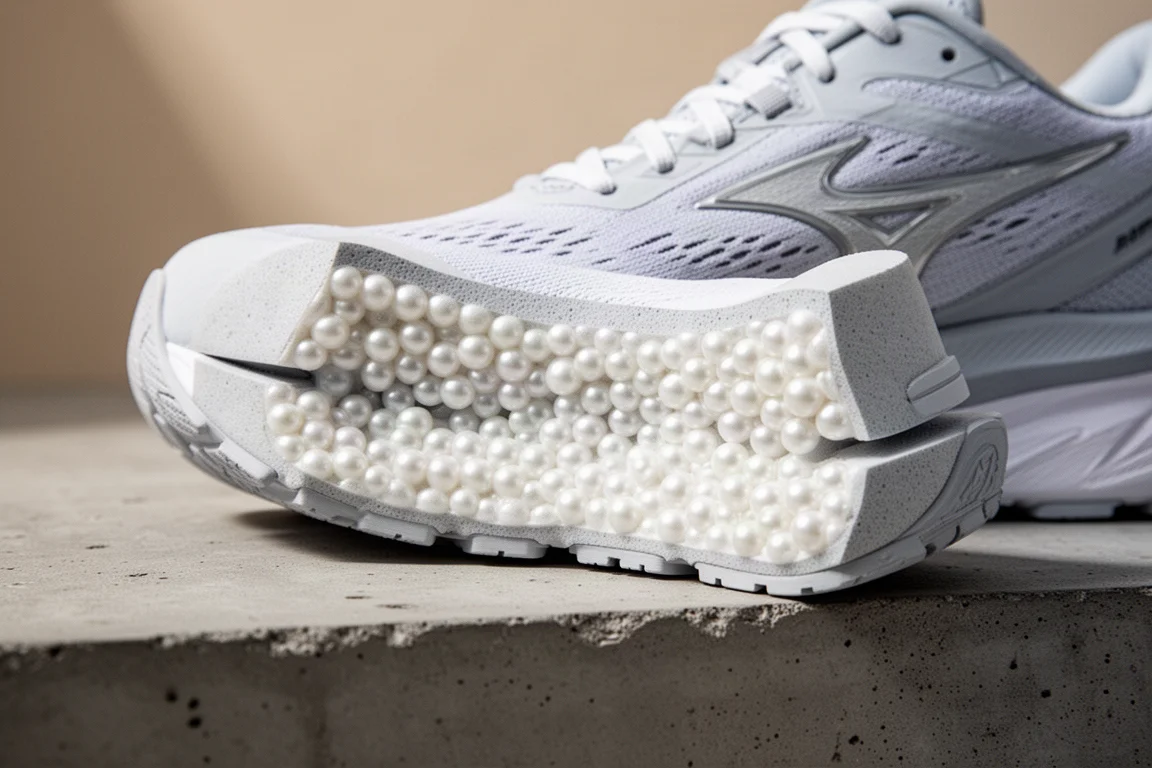
The Saucony Endorphin Speed 3 is an established favorite, and for good reason. It uses Saucony’s PWRRUN PB beaded PEBA foam, which delivers a soft and bouncy feeling underfoot, paired with a winged nylon plate that adds stability and structure to the platform without making it overly rigid the way a carbon fiber plate would.
Durability is a genuine strength: a well-used pair with around 300 miles on it can still feel like it has plenty of life left, and most runners should comfortably reach 400 to 500 miles. It works for long runs and tempo days, and it is even a credible race option if you prefer not to race in a carbon-plated shoe.
Tracksmith Eliot Runner: A Controlled Daily Trainer
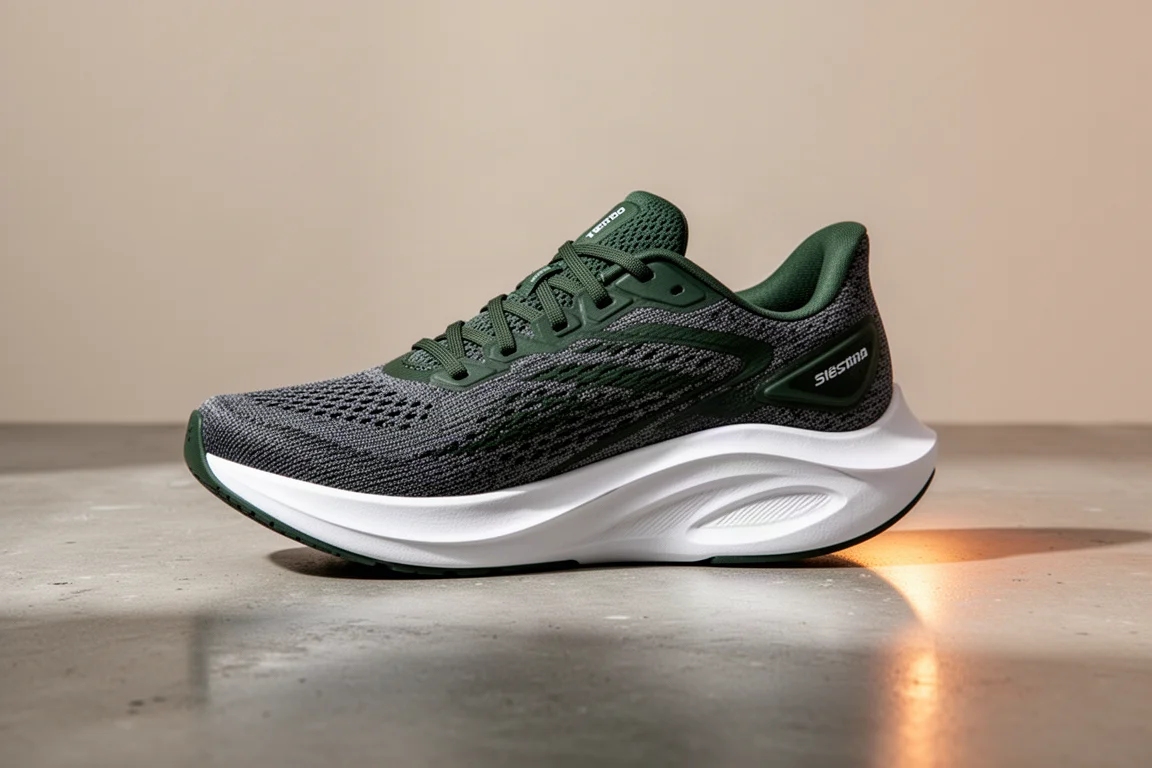
The Tracksmith Eliot Runner takes the classic daily trainer formula familiar from shoes like the Adidas Adios SL or Nike Pegasus and swaps the basic EVA or TPU midsole for standard PEBA. Inside, a supercritical PEBA sockliner makes the step-in feel noticeably soft, both when running and when walking around town.
Compared to the Endorphin Speed 3, the ride is not as soft and bouncy or as energetic, but that is part of the appeal. It feels more relaxed, a bit firmer, and more controllable on the run, which makes it a strong choice for runners who want PEBA benefits without a plate or an aggressive rocker feel. The outsole is also built with durability in mind.
Topo Athletic Cyclone 2: Soft and Bouncy Without the Plate
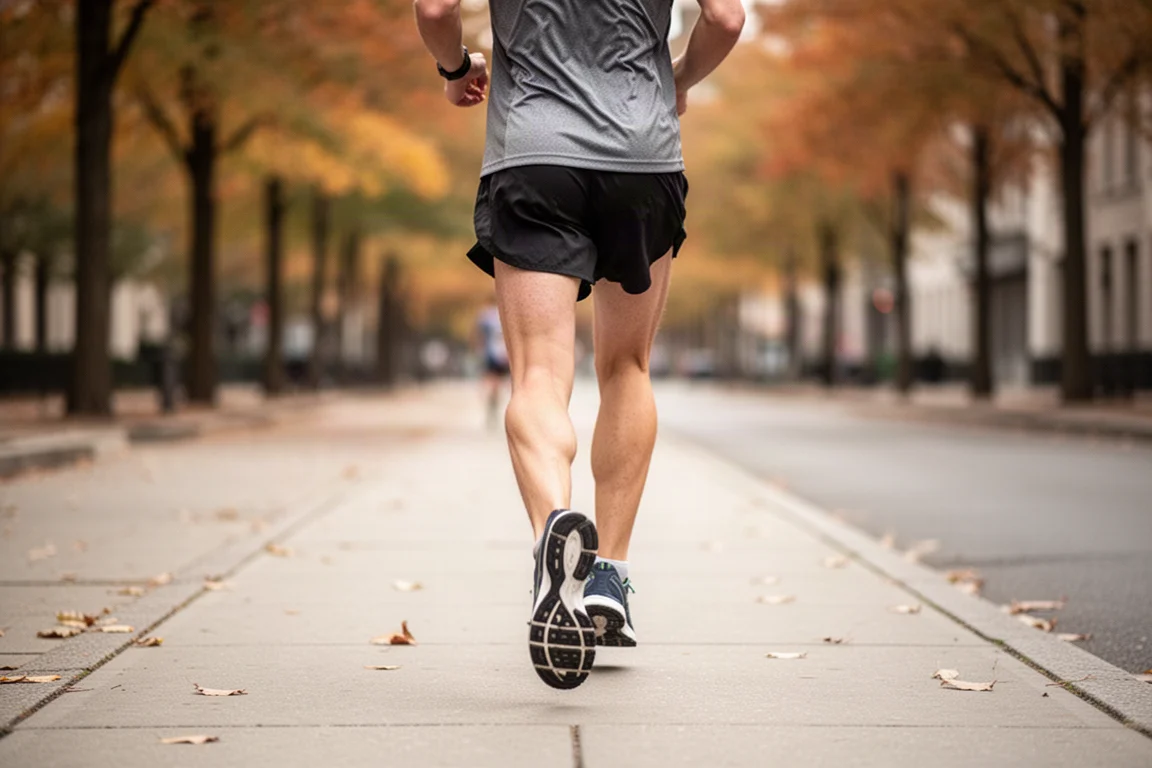
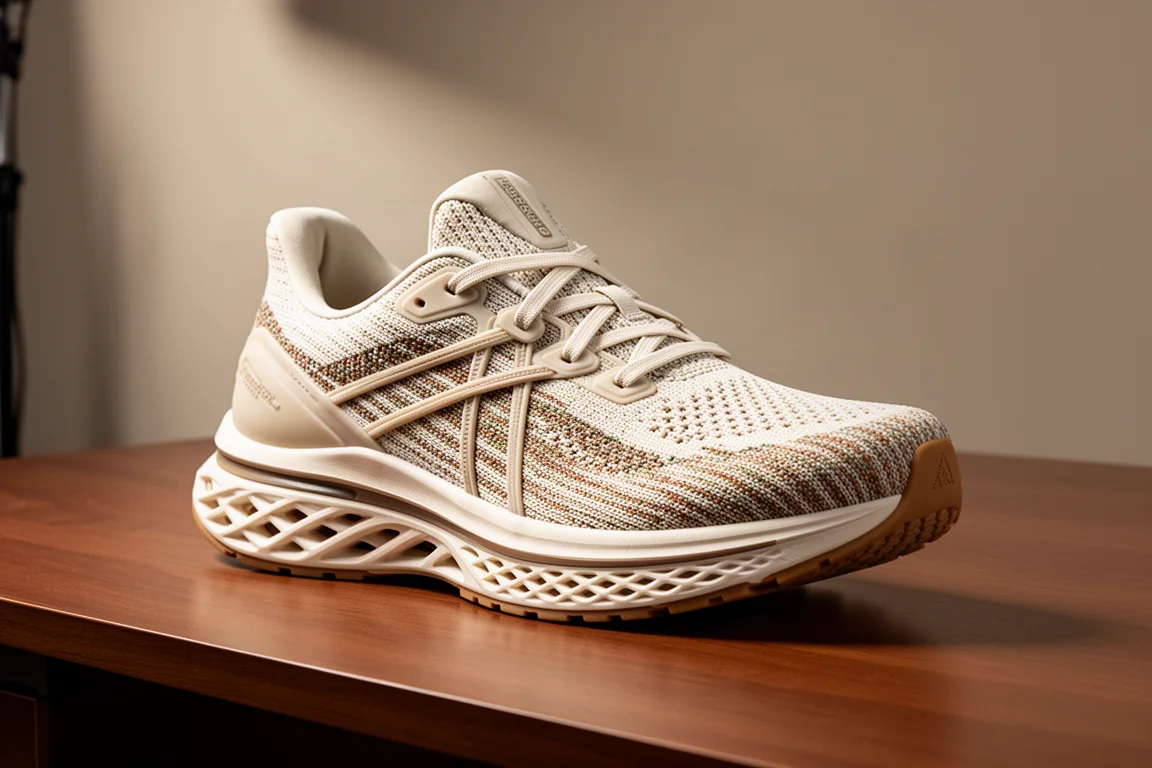
The Topo Athletic Cyclone 2 is best described as something like an Endorphin Speed 3 without the plate. It uses PwrPad-style PEBA foam, sourced from the same manufacturer behind Nike ZoomX, in a non-plated stack with a more moderate, minimal application than many other PEBA-based shoes.
The result is a shoe that still feels soft and bouncy, but is less cushioned and less high and wobbly than some peers. It shines on shorter interval runs and medium runs, and efficient runners can stretch it to long runs, though most will want something more cushioned for longer efforts. Topo is known for wider toe boxes and an anatomical fit, so this is a great pick for wider feet or anyone who wants comfort without giving up speed.
Hoka Mach X: Dual Foam for High Mileage
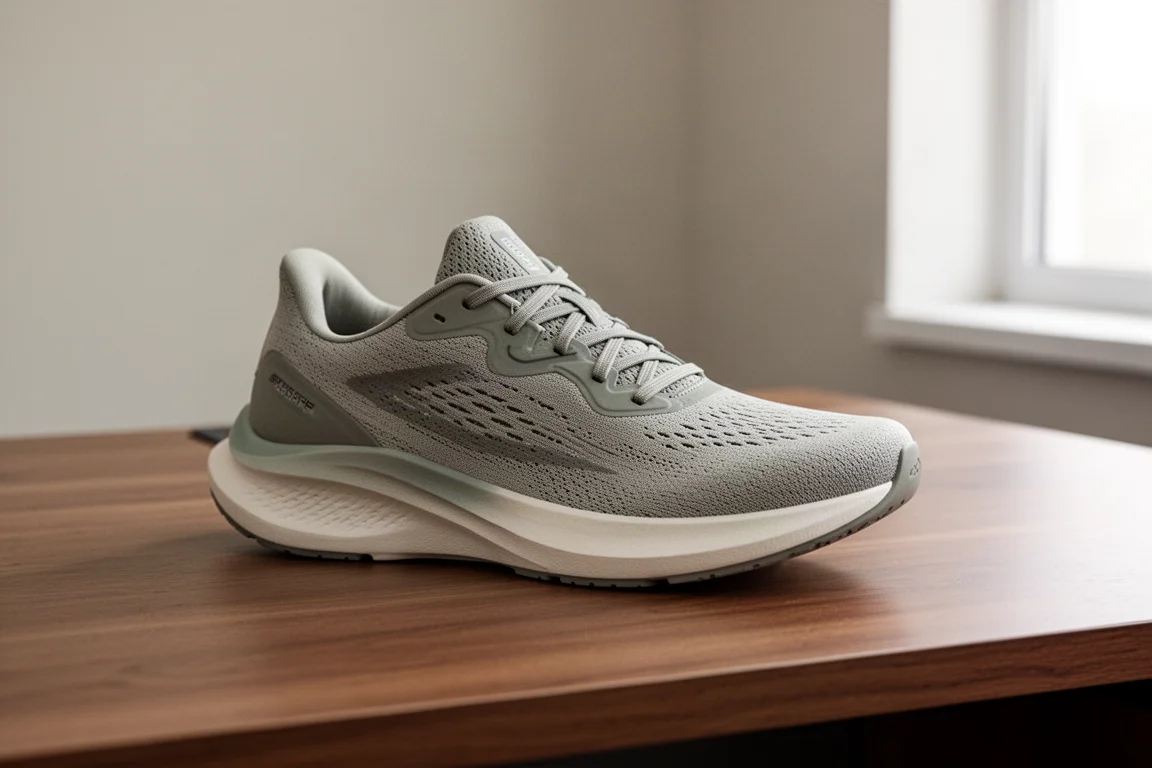
The Hoka Mach X belongs to the latest crop of dual-foam, high-mileage trainers that also includes shoes like the Adidas Boston 12 and Saucony Tempus-style constructions. The formula is simple but effective: a top layer of PEBA, a plastic plate in the middle, and EVA on the bottom.
That EVA base layer makes the ride firmer, more controlled, and smoother rather than bouncy, a useful contrast to a two-layer PEBA build. The Mach X is a great option for long runs, and it can also handle everyday runs and recovery runs. If you do not mind running in plates regularly, it could even serve as an all-around daily trainer. A decent covering of rubber on the outsole should help most runners reach 300 to 400 miles.
Puma Deviate Nitro 2: Durable and Versatile
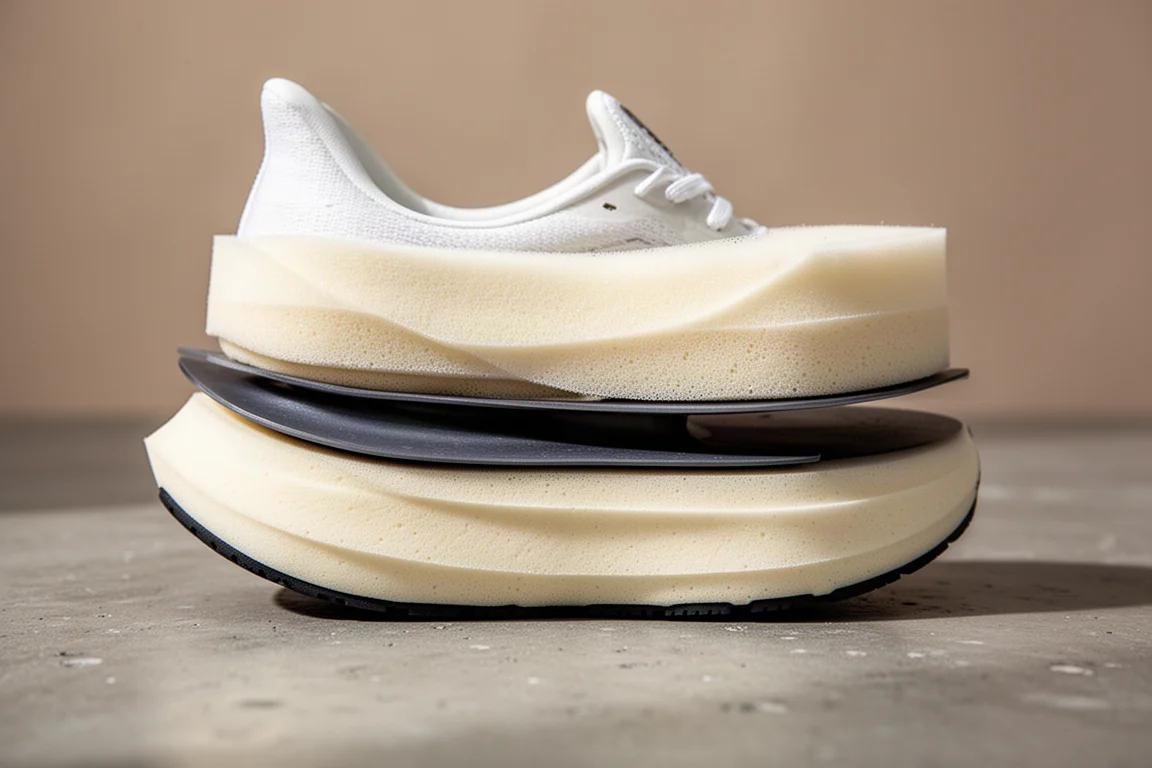
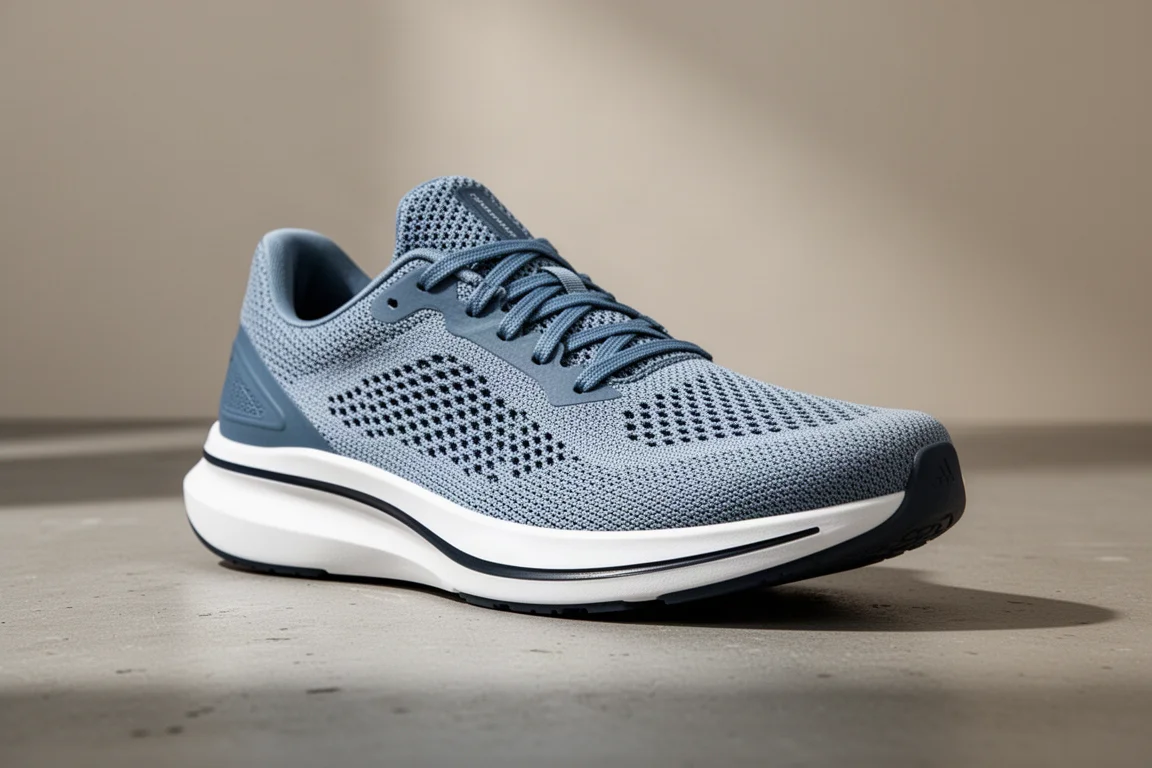
The Puma Deviate Nitro 2 is one of the most durable shoes in this group thanks to Puma’s grip outsole, one of the best rubber compounds in the game, applied here in a decently thick layer. The construction puts PEBA on the top layer, a firmer supercritical Nitro foam in the heel, and a carbon composite plate in the middle.
That combination produces a nice, smooth ride that handles a wide range of training, from everyday runs to harder efforts. It is not the first choice for long runs, but as an all-around everyday trainer it is versatile, hard-wearing, and easy to recommend.
Overall Buying Advice
Choosing between these five comes down to how much structure you want around your PEBA foam. If you want the most complete package for tempo days and long runs, the Endorphin Speed 3 remains the benchmark. If you prefer a calmer, plate-free daily trainer, the Eliot Runner delivers a controlled PEBA ride.
For shorter, faster sessions on a moderate stack, the Cyclone 2 is a natural fit, especially for wider feet. High-mileage runners who want cushioning with a firm, smooth base should look at the Mach X, and anyone prioritizing outsole durability above all else will get the most out of the Deviate Nitro 2.
Conclusion
PEBA foam has genuinely changed what a training shoe can feel like, and these five options cover the full range of ways to use it: plated and structured, smooth and controlled, moderate and fast, or durable and versatile. Match the construction to your training week, and any of them can earn a long-term spot in your rotation.
Further reading
Related Reviews

Running Shoes
Best Road-to-Trail Running Shoes: Three Versatile Options for Mixed Terrain
A practical guide to three road-to-trail running shoes that handle both pavement and mild trails, with clear strengths and trade-offs for different runner types.

Running Shoes
Best Running Shoes for Achilles Tendonitis: Three Options Explained
Three running shoes with different heel drops and support features designed to help reduce Achilles tendon pain during walking and running.

Running Shoes
Best Running Shoes for Women: Five Top Choices Ranked
A ranked guide to five women's running shoes, from versatile daily trainers to high-performance racing options, with real strengths and trade-offs for each.