Snowboarding Gear
Best Park Snowboards: Five Top Picks and Three Honorable Mentions
A practical look at five park snowboards built to press easily, pop hard, and stay predictable on transitions, plus three strong alternatives that just missed the cut.
Introduction
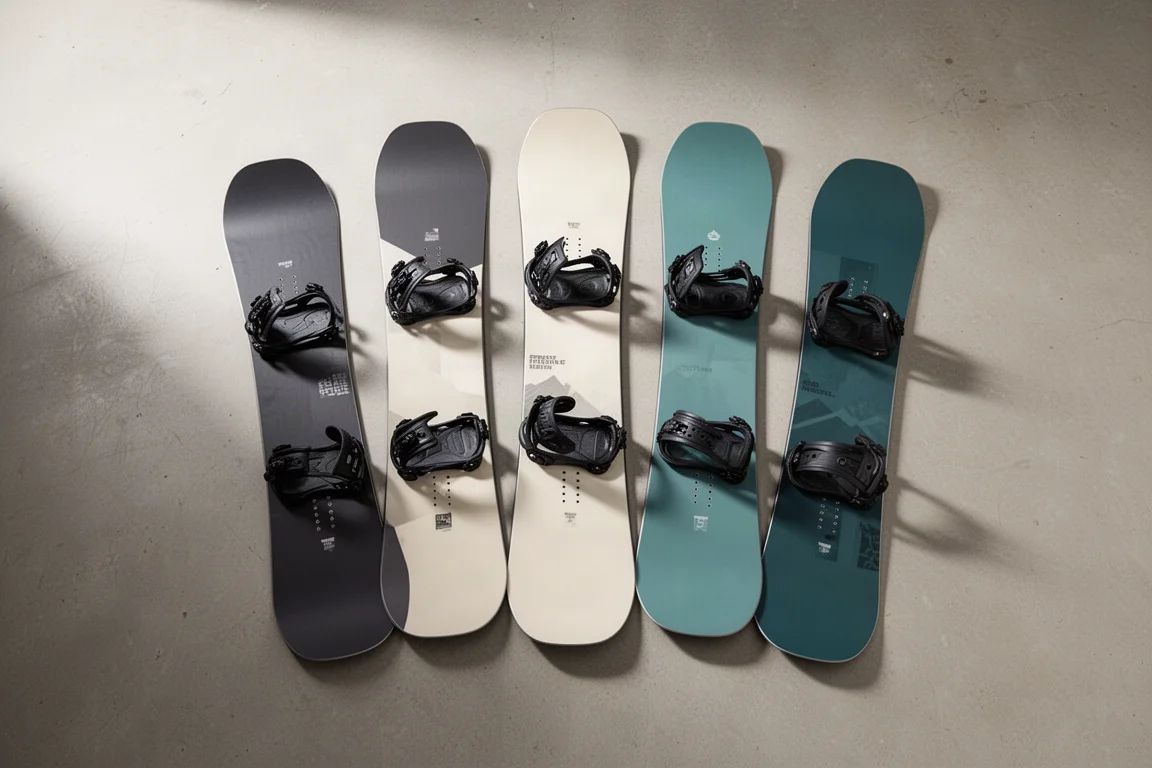
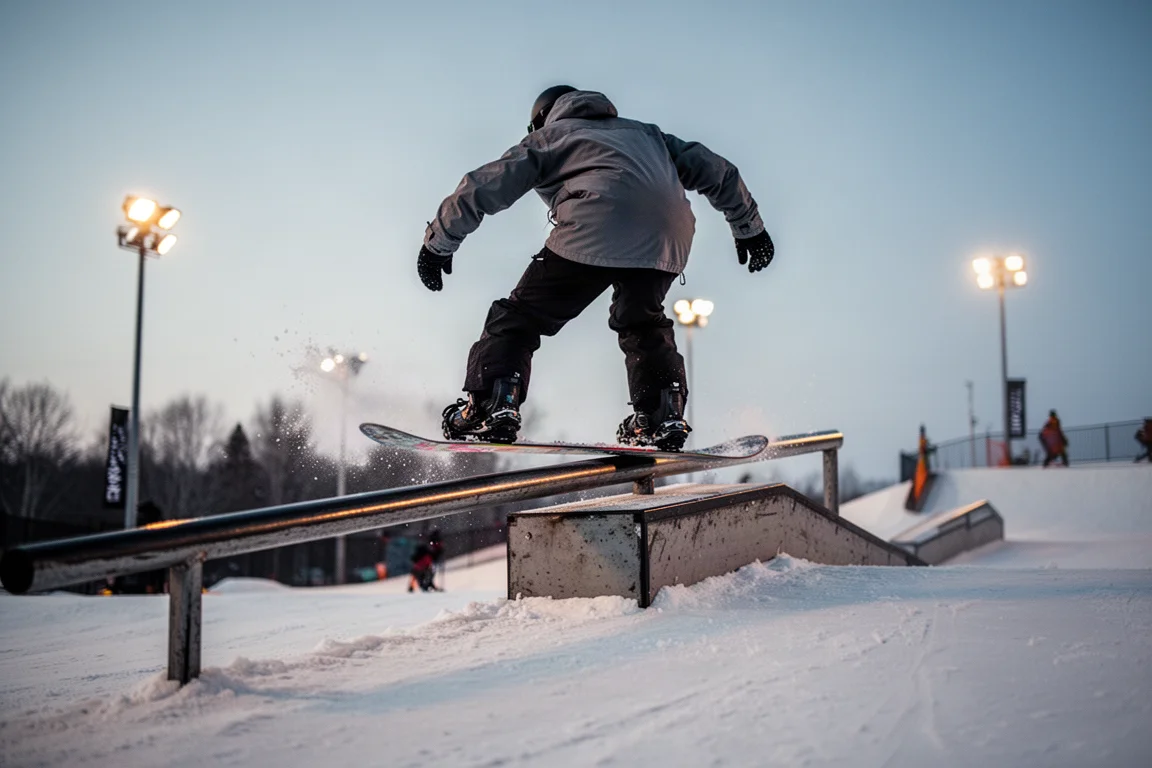
Park riding is its own discipline. Rails, boxes, side hits, and transitions reward a board that presses without fighting back, pops when you load it, and stays predictable when you are sideways on a feature. The five boards below were chosen with exactly that in mind, and each one brings a slightly different balance of pop, pressability, and edge feel.
You will find a ranked top five, followed by three boards that came close but just missed the cut, and a short buying section to help you work out which profile suits the way you ride.
What to Look For in a Park Snowboard
Three things matter most. First, the profile. Camber stores energy and gives you pop and rebound, while flat sections and rocker loosen the tip and tail and make pressing easier. Second, flex and shape. A blunted nose and tail gives you more material to press into and changes how the board swings when you spin. Third, edge hold. Aggressive sidecuts can trade a little grip on ice for a looser, more playful feel underfoot.
None of these choices is universally right. A camber-dominant board rewards riders who like to load a board and feel it snap back. A flatter or rockered profile suits riders who want something looser and more forgiving. The boards on this list sit at different points along that scale, so the right pick depends on how you like your park laps to feel.
5. Salomon Huck Knife
The Huck Knife earns its place on the strength of its energy. It pops, it snaps, and it jibs, which makes it a natural fit for riders who spend their days on transitions, rails, and side hits. The trade-off is edge hold on ice, where its sidecut design does not bite as firmly as more carving-oriented shapes.
If your riding lives in the park and you like a board that reacts the moment you load it, this one is worth a closer look.
4. Arbor Westmark
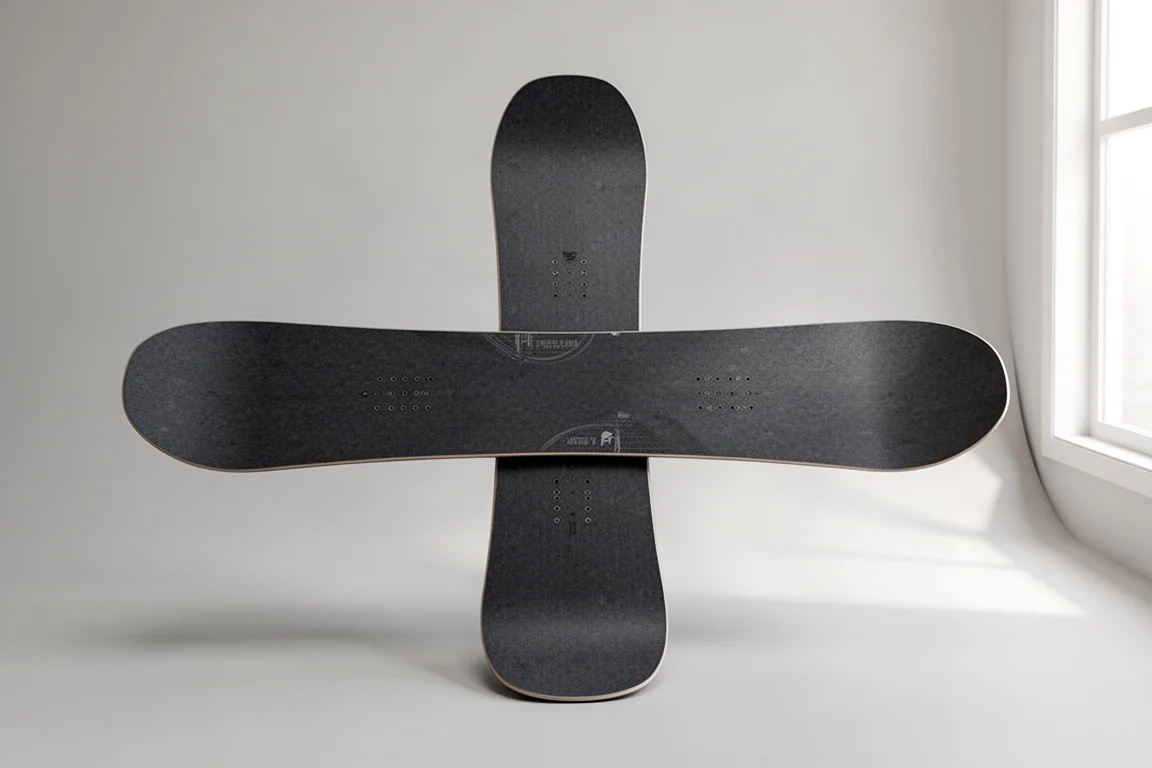
The Westmark comes in a choice of camber or rocker, which lets you tune the feel before you buy. The rocker version is worth noting: it does not ride like a full reverse camber board, so it keeps more of a planted and predictable character than the profile name might suggest.
Pressing comes easily, and Grip Tech underfoot gives it a skate-like steering feel that makes it adaptable across features. The blunted nose and tail shape is a real advantage here, since it gives you more material to press into and shifts the swing weight in a way that suits spinning.
Between the two profiles, the decision comes down to how much pop and edge engagement you want against how loose you want the board to feel. Both versions handle everything you would reasonably ask of a park board.
3. Capita Indoor Survival
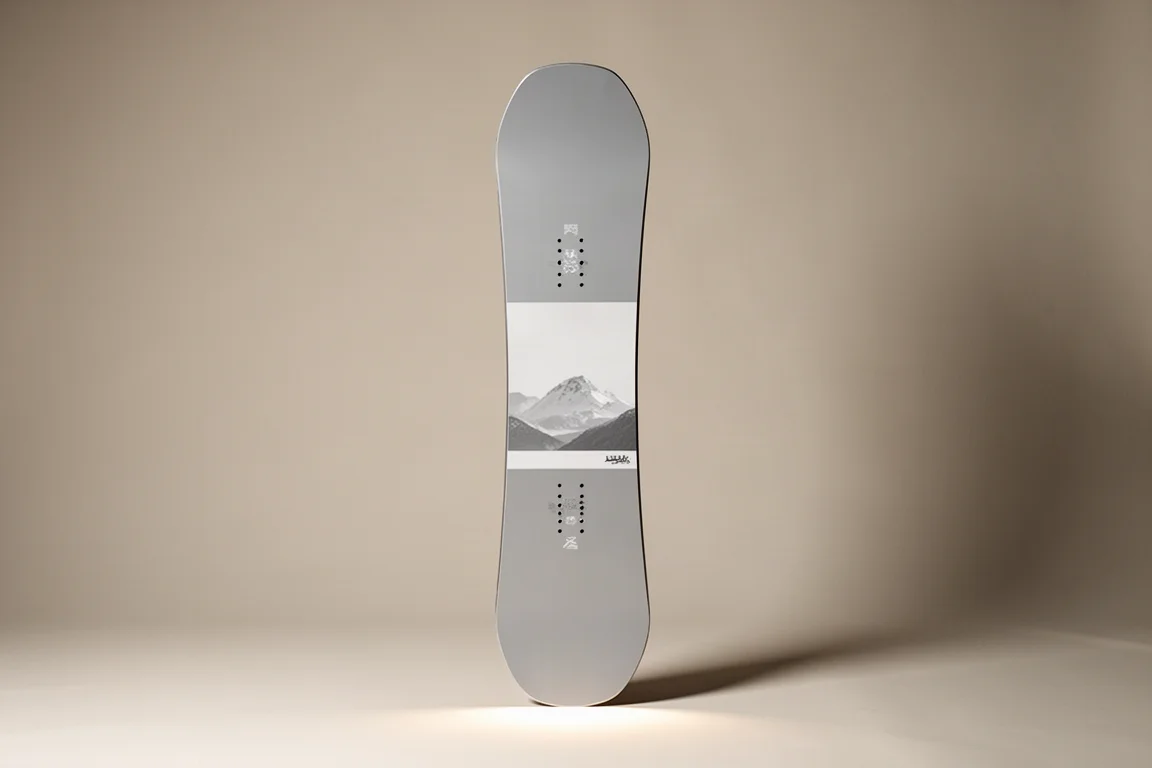
The Indoor Survival is built around its camber profile, its shape, and its sidecut, and that combination is a lot of fun on transitions. It stays jibby enough in the nose and tail that you can press into it and get the rebound camber gives back, and when you go sideways on a feature it cradles the landing just right.
This is a good pick for riders who want camber’s energy without giving up playfulness in the tips.
2. Yes Jackpot
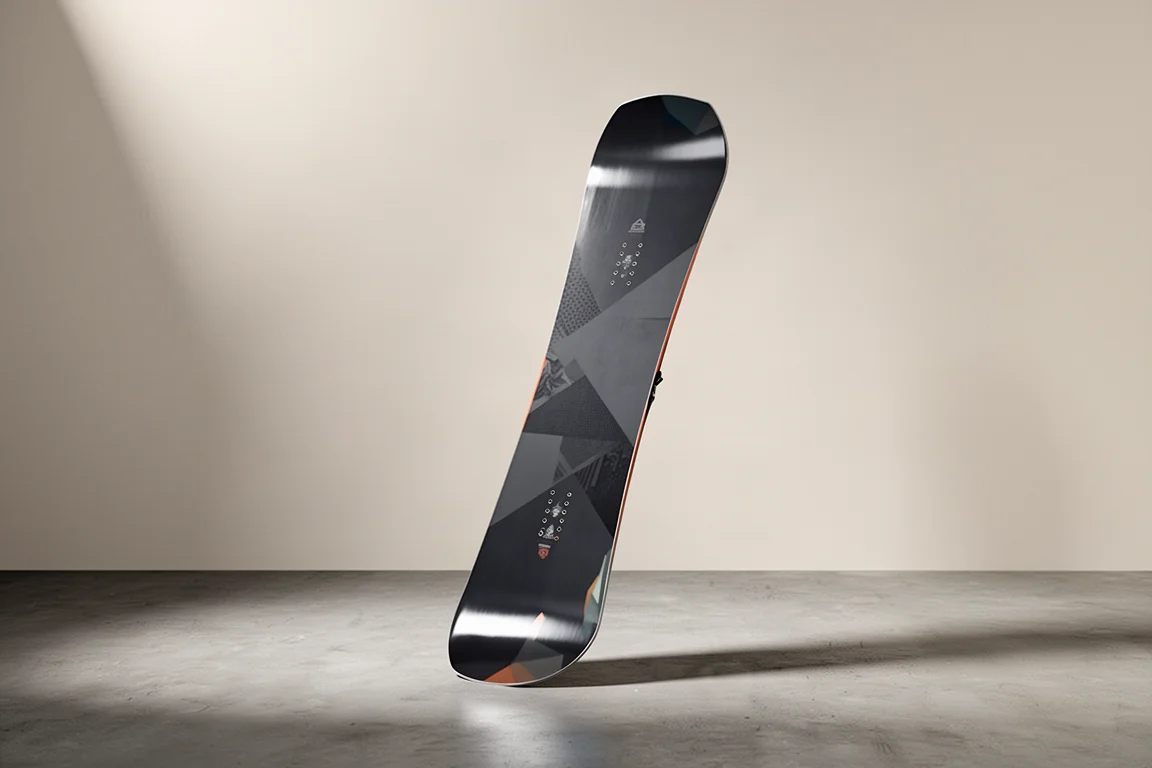
The Jackpot is full camber, and it leans all the way into that. Load it up and it pops. Press it hard and you feel the rebound come straight back at you. For riders who want the most direct connection between effort and response, this is the profile that delivers it.
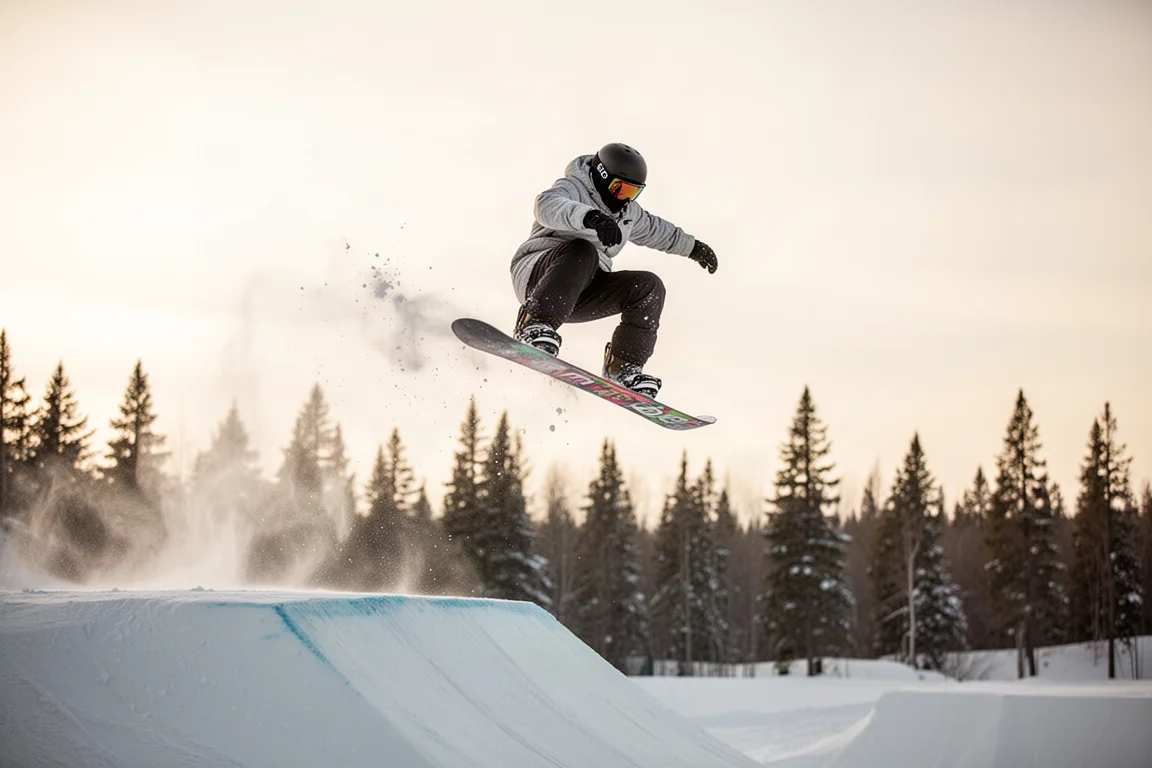
It sits high on this list for exactly that reason. If you have been riding flatter profiles and want to feel what camber does for your pop, the Jackpot is a clear place to start.
1. Rome Party Mod
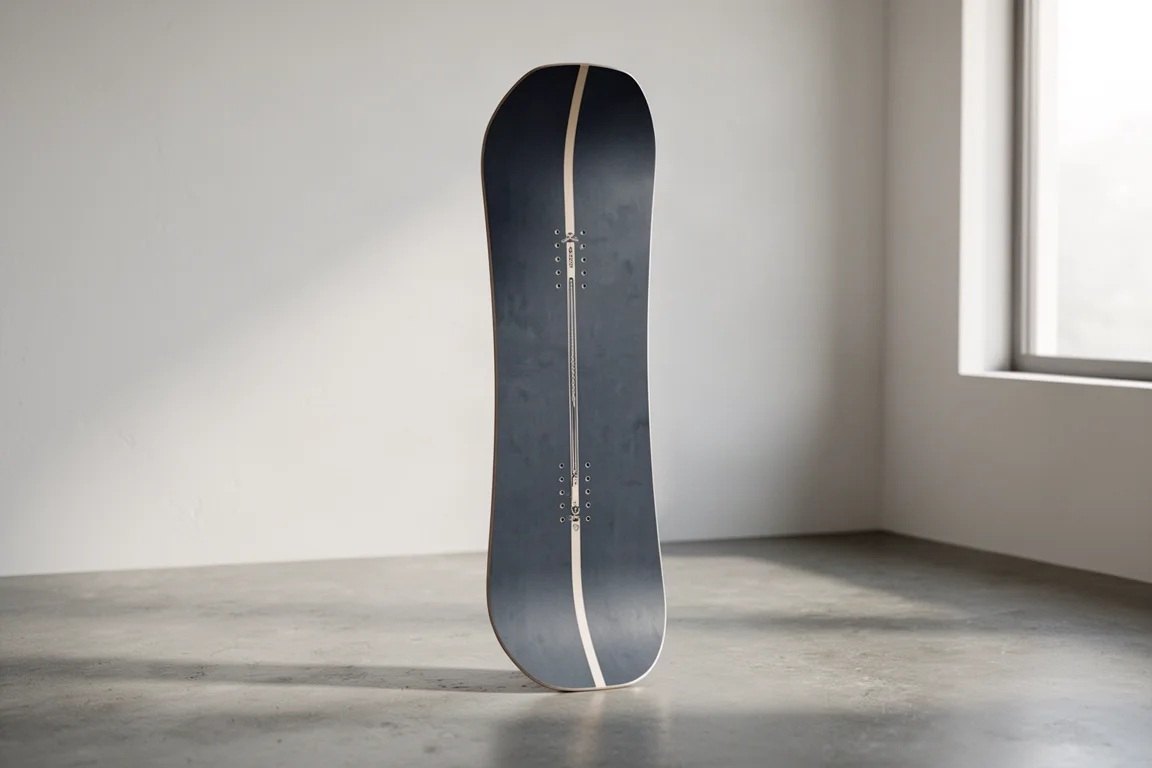
The Party Mod takes the top spot because it balances two things that usually pull against each other. It is a twin, so it rides the same switch as it does regular, and it uses a flat-to-rocker profile with rods in the tip and tail. Those rods add a lot of snap, while the flat section underfoot keeps the stability of a flat board and the rockered tip and tail give you a loose, easy press.
The result is a board that presses without much effort but still has something to give back when you load it up.
View more details for Rome Party Mod
Honorable Mentions: Three Boards That Just Missed the Cut
These three did not crack the top five, but they are all strong options in their own right. If none of the boards above matches how you ride, one of these may be a better fit.
Lib Tech Box Knife
A capable park board that landed just outside this list. It is worth a closer look if you want a different take on the freestyle formula than the five picks above.
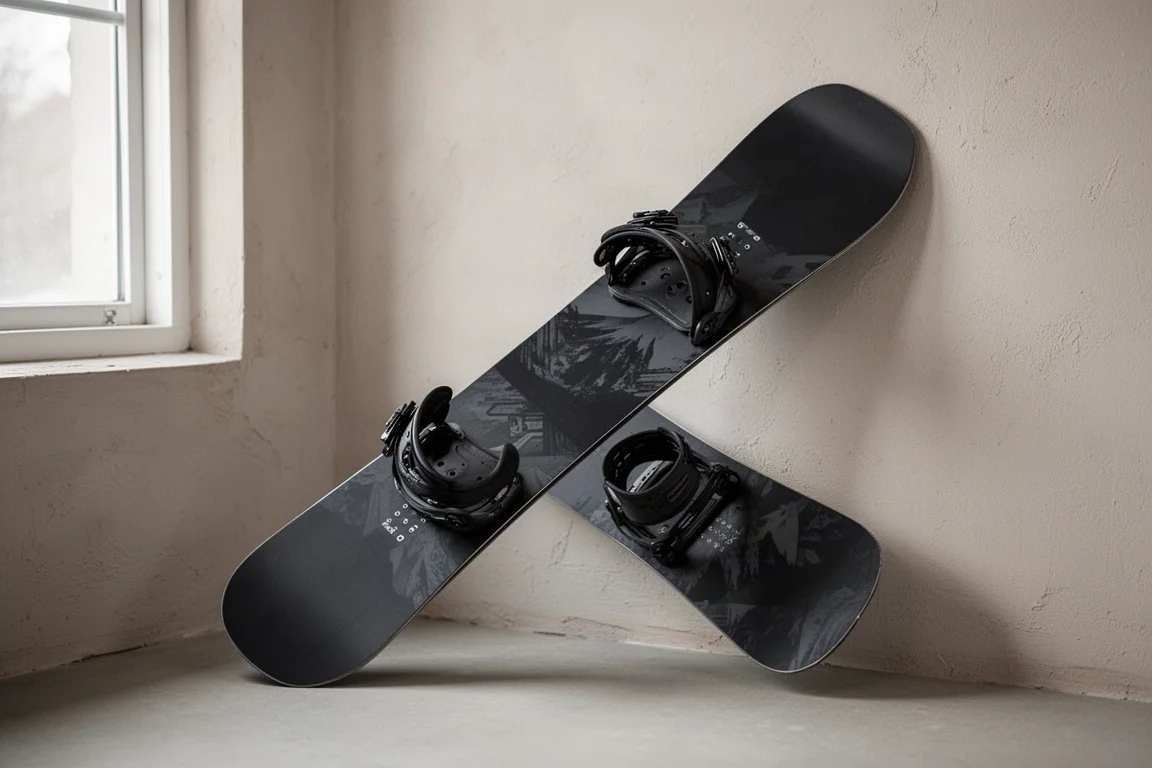
Nitro T1
Another board that came close. It belongs in the same conversation as the picks above, even though it did not make the final cut here.
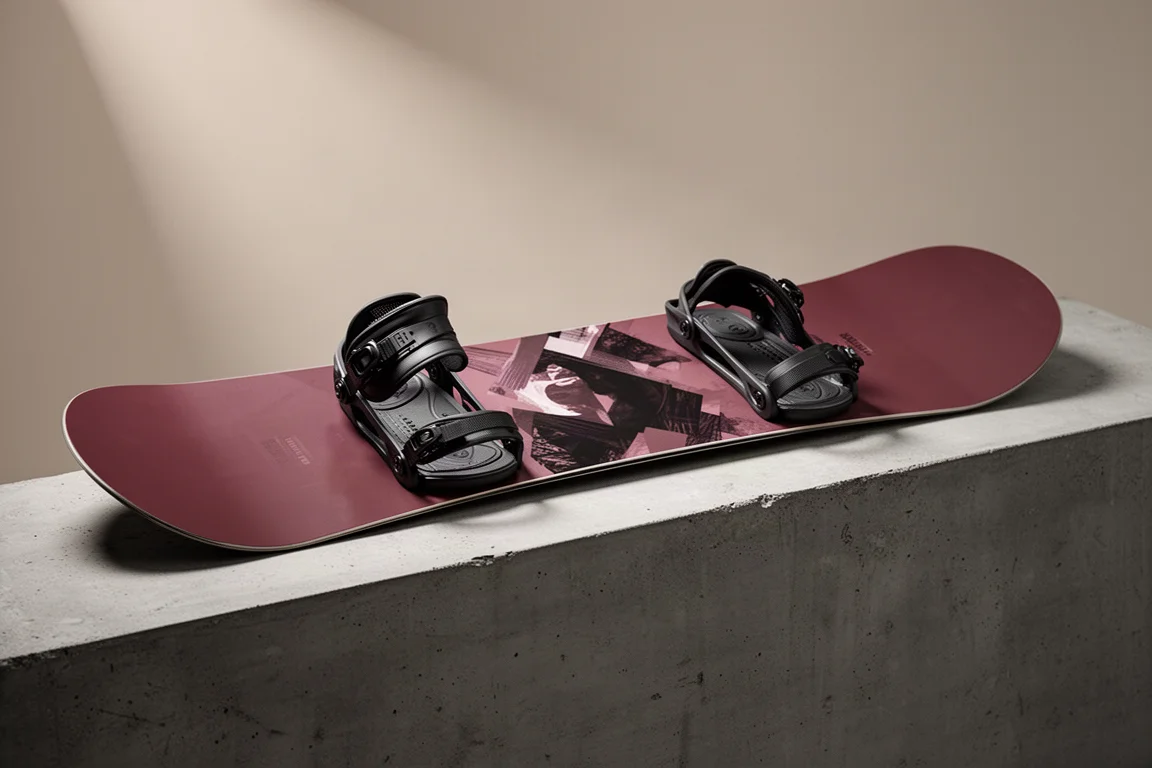
Ride Zero
The Zero rounds out the honorable mentions. Like the other two, it is a genuinely good option that simply missed this particular top five.
Buying Advice: Matching the Board to Your Riding
Start with the profile, because it shapes everything else. If you want pop and rebound and you are comfortable loading a board, a camber-forward shape such as the Yes Jackpot or the Capita Indoor Survival will feel right. If you would rather have something looser that presses with less effort, a flat-to-rocker design like the Rome Party Mod gives you snap in the tip and tail without a fully cambered feel.
Shape and swing weight matter just as much once you are spinning. Blunted tips, like the ones on the Arbor Westmark, give you more material to press into and change how the board rotates, which is worth weighing if you spend a lot of time on rails and boxes.
Finally, think about where you actually ride. Boards with aggressive sidecuts trade some grip on ice for a looser feel, so if your home mountain is often firm or icy, balance edge hold against pop and pressability rather than chasing one quality alone.
Conclusion
The park boards on this list all solve the same problem in different ways. The Rome Party Mod leads because it pairs a twin shape and a flat-to-rocker profile with tip and tail rods that give it real snap. The Yes Jackpot and the Capita Indoor Survival make the case for camber, the Arbor Westmark offers a choice of profiles with a shape built for pressing, and the Salomon Huck Knife brings energy to transitions and jibs. The Lib Tech Box Knife, Nitro T1, and Ride Zero are all worth a look if the top five do not quite match your riding.
Whichever you choose, match the profile to how you like to ride. That single decision matters more than anything else on the spec sheet.
Further reading
Related Reviews
Snowboarding Gear
686 Smarty Pants vs 686 Dispatch Bib: Traditional Pants or Bib Pants?
A head-to-head look at two 686 snow pants, weighing warmth, comfort, durability, and breathability to help you pick the right style for your riding.
Snowboarding Gear
Bataleon Thunderbolt Review: A Powerful All-Mountain Freeride Snowboard
A deep-camber freeride snowboard with 3BT and SideKick shaping, tested in powder, chop, ice and soft groomers. Here is who it suits and what to weigh up.
Snowboarding Gear
Best All-Around Park Snowboards: Five Balanced Freestyle Picks
Five park snowboards that balance jumps, rails, and everyday freestyle riding, plus three honorable mentions worth a closer look.