Camping Gear
Best Overnight Camping Gear for Wet and Windy Trips: Four Picks Worth Knowing
Four pieces of overnight hiking kit put through a wet, breezy night on the moor, with honest notes on what held up and what did not.
Introduction
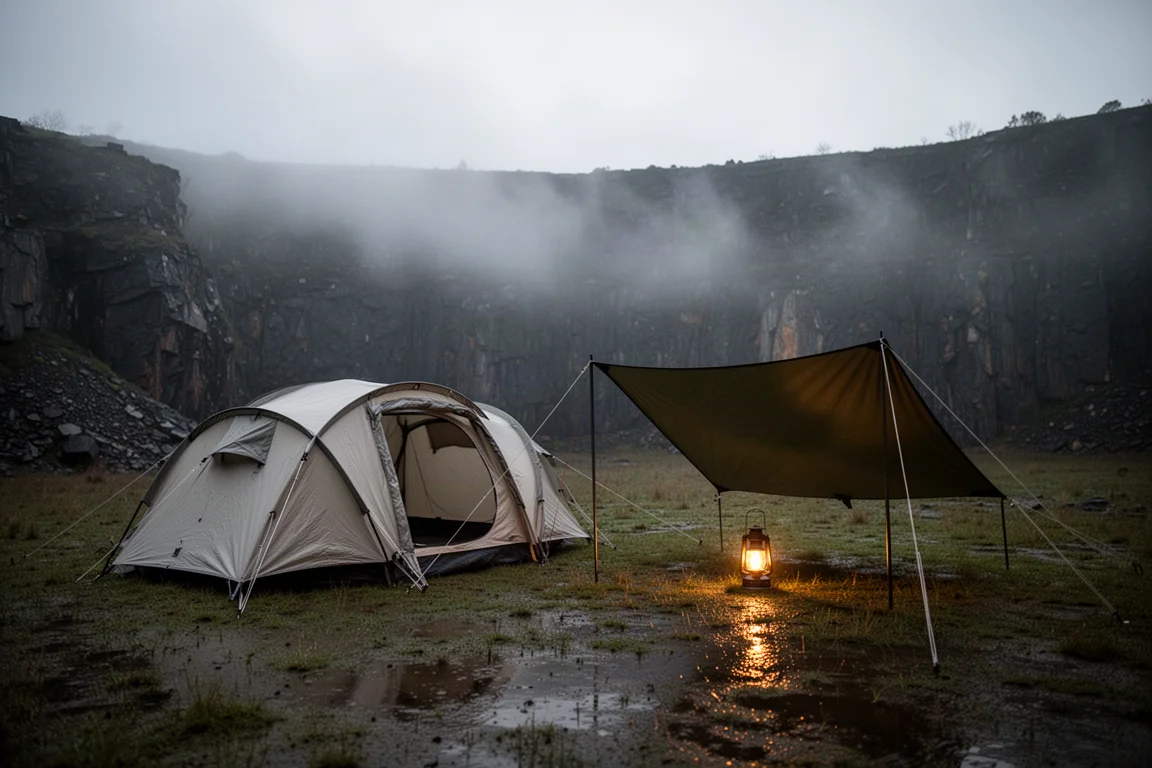
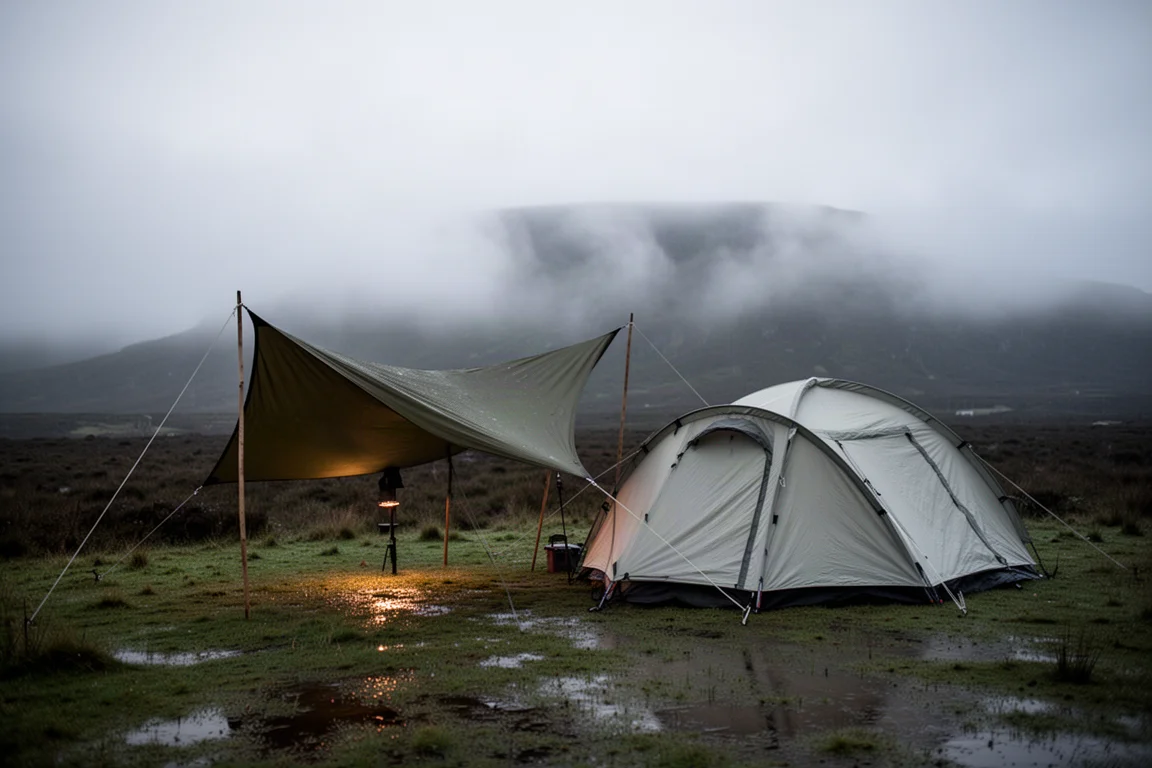
Some overnight camps are shaped by the forecast rather than the plan. A wet and breezy night on the moor is a fair test of camping gear, because nothing gets used gently. The shelter takes the rain and the gusts, the footwear deals with wet grass and mud, and the lighting has to make a small space feel comfortable once it is dark.
Four pieces of kit came out of that trip with clear stories. Two earned their place in a pack, one is an interesting design with an awkward compromise, and one failed in a way that is worth knowing about before you spend money.
What Matters Most in Wet-Weather Camping Gear
When the weather turns, the checklist changes. Shelter has to manage wind as well as rain, because a tent or tarp that flaps and bows becomes noisy and, over a full night, harder to trust. Footwear has to stay comfortable on wet ground without leaving feet sore. Lighting has to be warm enough to make an evening inside a tent feel liveable rather than merely lit.
Weight and packed size still matter, but only when the item performs. A shelter that saves grams and then sheds its tie-outs is not a saving at all. Each of the four items below sits at a different point on that trade-off, and each one makes its compromise fairly visible.
A useful question before buying anything for a wet-weather camp is this: what does this item do on the second night, when it is soaked, windy, and you are tired? Gear that answers that question well is usually the gear worth carrying.
Vivo Barefoot Magna Forest: Barefoot Grip for Rough Trails
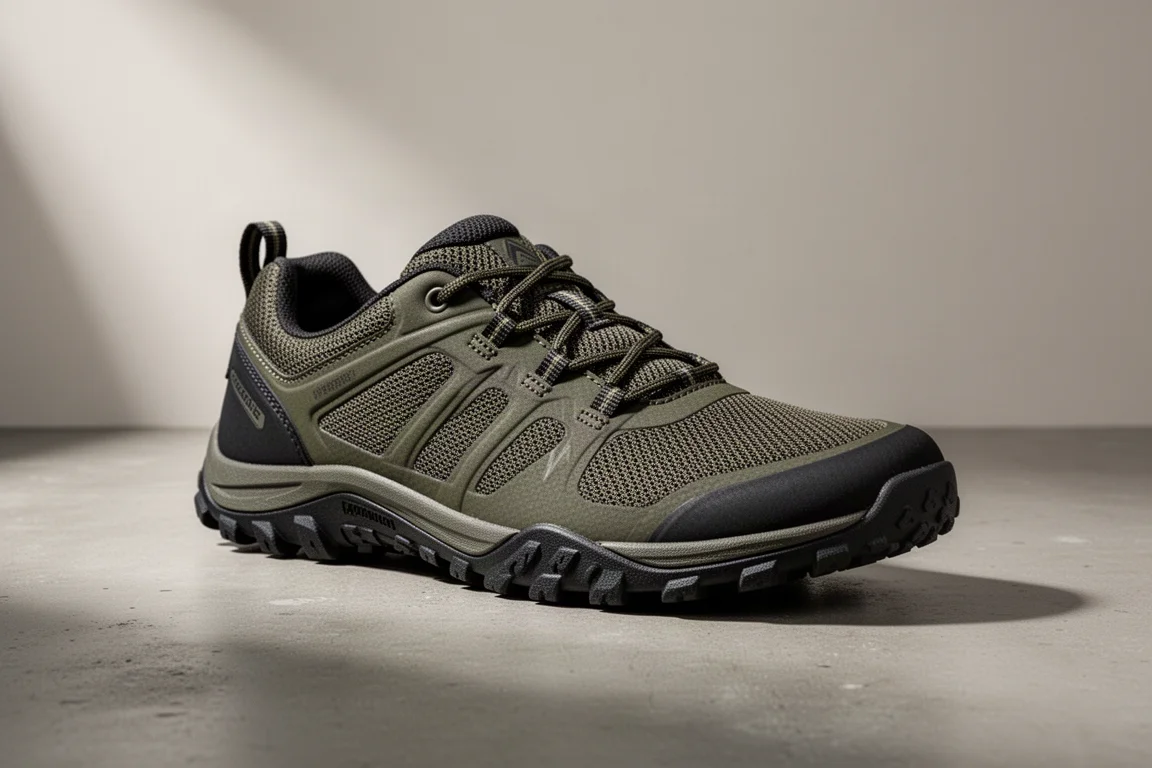
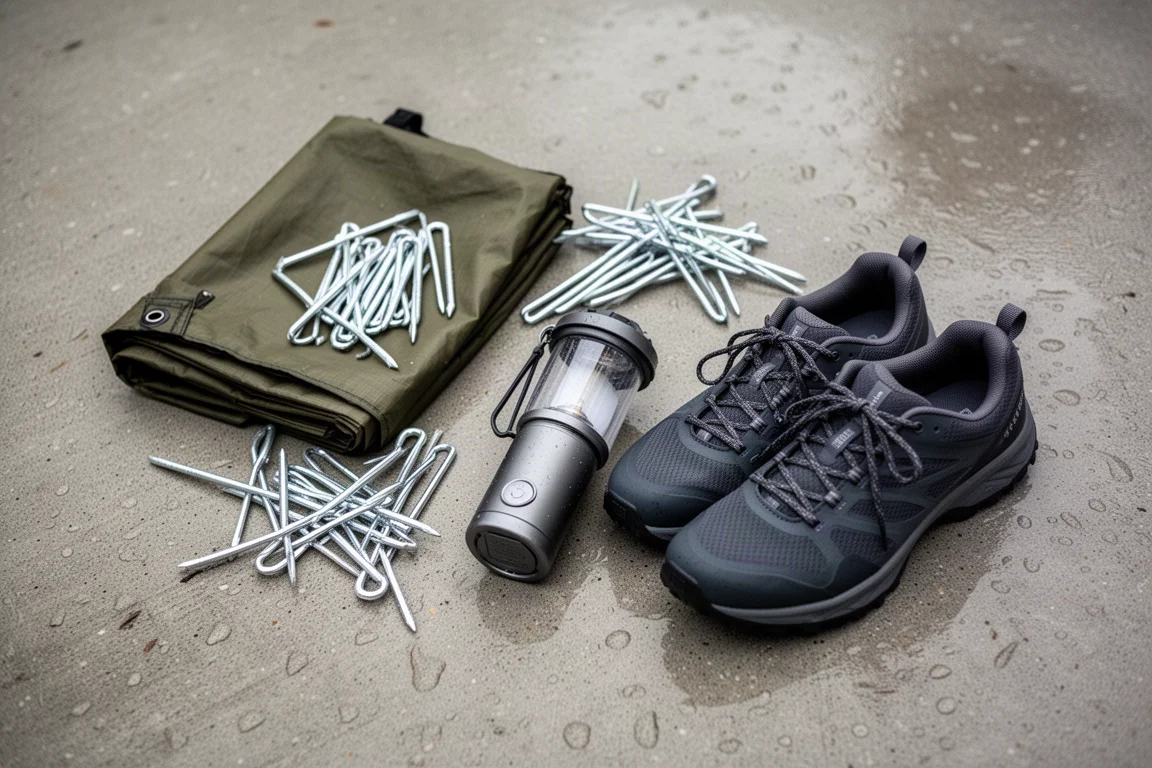
The Magna Forest is a barefoot hiking shoe, which means minimal cushioning and a lot of ground feel. That is a genuine change for anyone used to a conventional trail shoe, and it comes with an adaptation period rather than an overnight conversion. The pair on this trip had been worn through a week of local walks before its first proper hill day.
The early signs were positive. Despite the lack of cushioning, there was no pain underfoot, and the roomy fit left plenty of space for toes to spread. The tread, made by Michelin, bit well on wet rock and mud, and the shoe handled damp ground noticeably better than the trail shoes it replaced.
The longer-term picture comes from a walking partner who has used a barefoot pair for around six months: calf pain that used to appear on longer walks has stopped. That matches the general advice that the switch takes time and changes how you walk, with a shorter, lighter stride rather than a heel-first landing.
3FUL Shell 2: A Huge Tent With an Unusual Pole Setup
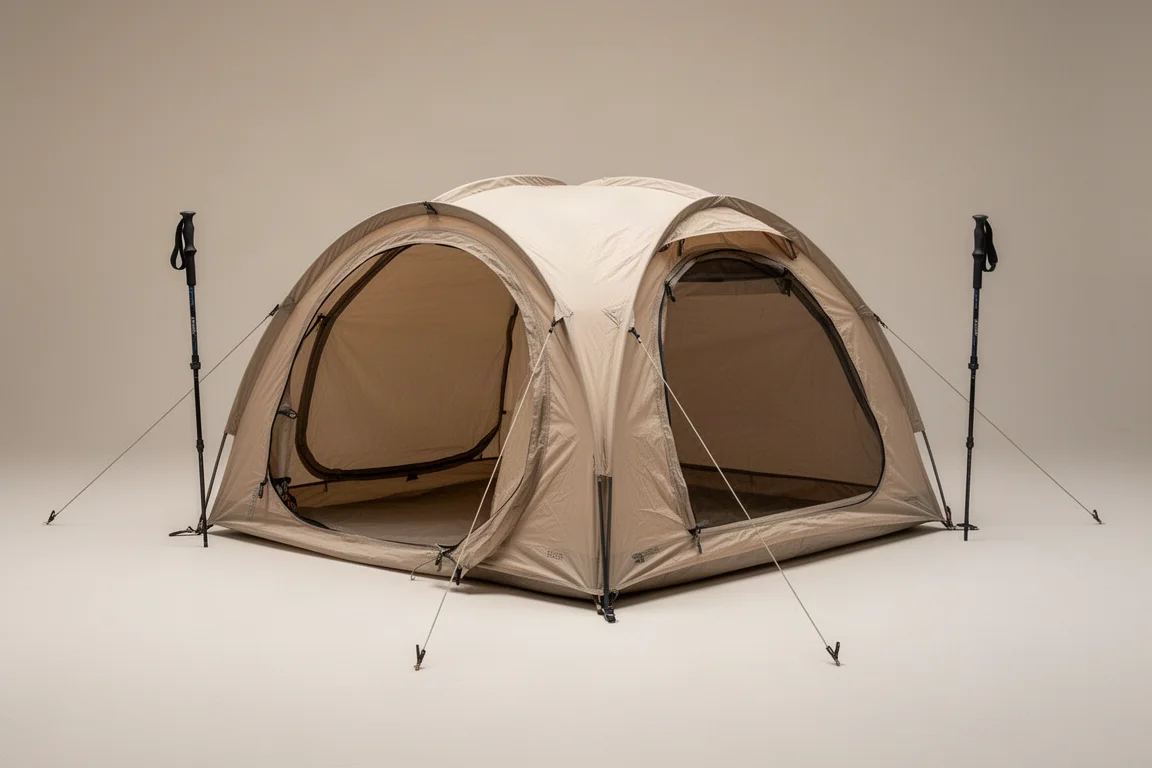
The Shell 2 is a single hoop tent with a claimed weight of 1.5 kg. It arrives as three separate pieces, inner, outer and footprint, joined by bungee connectors rather than a fixed assembly. Pitching takes around three minutes, and the first surprise is the size. For a tent sold as a two-person shelter, the footprint is enormous, roughly two metres across, with generous headroom and space at both ends so the inner does not press against your face overnight.
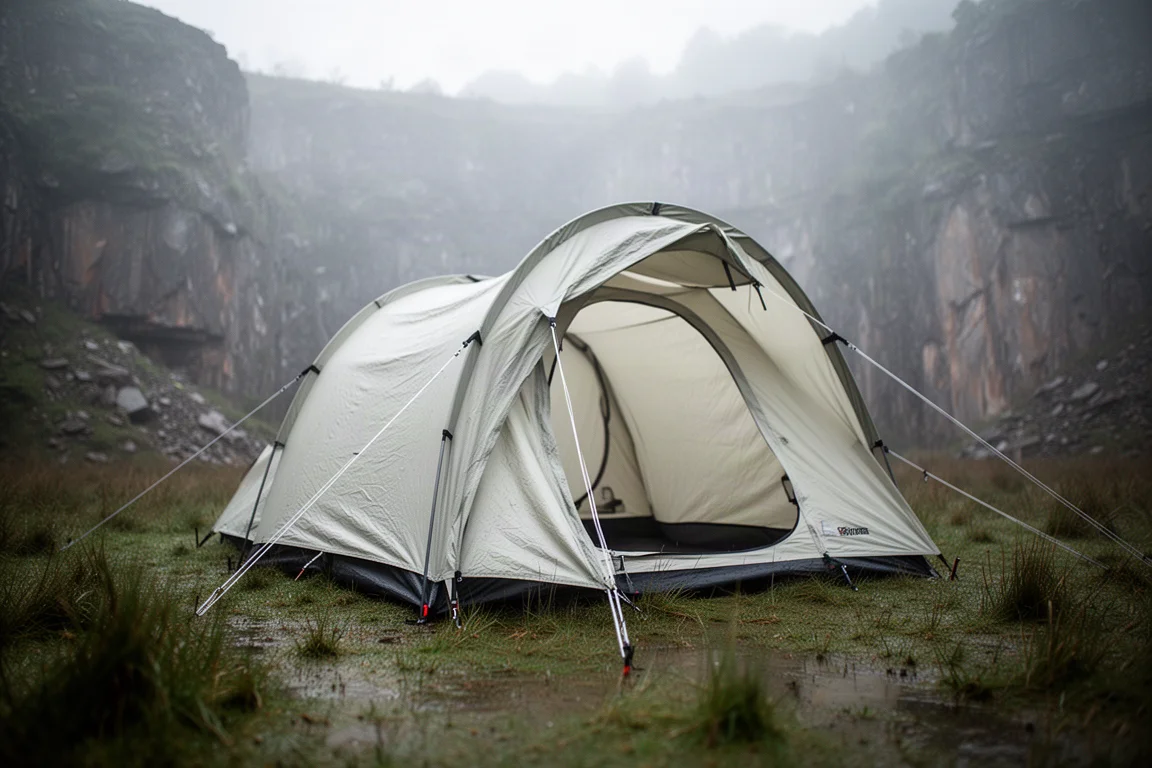
The second surprise is the pole arrangement. The tent needs trekking poles in addition to its own main pole, and that is the compromise that defines it. A trekking pole tent usually exists so you do not have to carry a dedicated pole, while this design asks for both. Once the poles are counted, the carried weight climbs past two kilograms.
Inside, the layout is genuinely comfortable. There are two doors and two vestibules, each with a cutout wing that creates a dry pocket for boots or a stove. Ventilation is limited to a vent at one end, and because there is no two-way zip, opening the door fully is the only way to move air through the tent.
In wind, the large single hoop flexes and flaps, and the noise carries through the night. It is not a shelter for exposed summits. In a protected spot or on a campsite, with the space and the price of roughly £135 to £140 in mind, it makes considerably more sense.
Bushman 3x3 Tarp: Light, Packable, and Let Down by Stitching
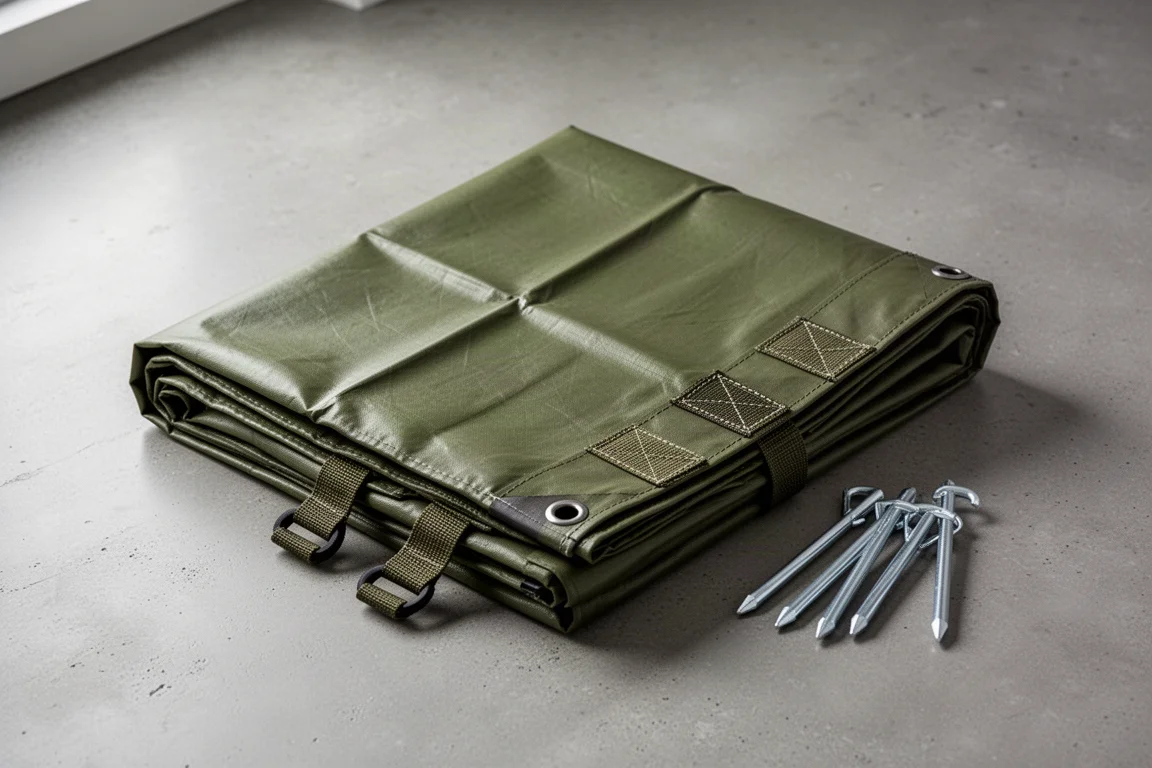
A three by three metre tarp is one of the most flexible pieces of shelter you can carry, and this one packs down very small. Pitched over camp with an aluminium pole, it created a large dry living space that kept an evening going through steady rain and gave two people somewhere to sit, cook and talk instead of retreating to separate tents.
The problem appeared in the morning. In a breeze where gusts stayed under roughly 20 mph, the stitching along the tie-out points tore straight through the nylon and opened up the whole edge. This was after around half a dozen outings.
For a shelter whose entire job is to hold tension, that is the wrong failure in the wrong place. The pack size and the pitching versatility are real, and the tarp goes up easily in a number of configurations, but the reinforcement at the tie-outs is the thing to inspect closely before buying.
BioLite AlpenGlow: Warm Light for Long Evenings
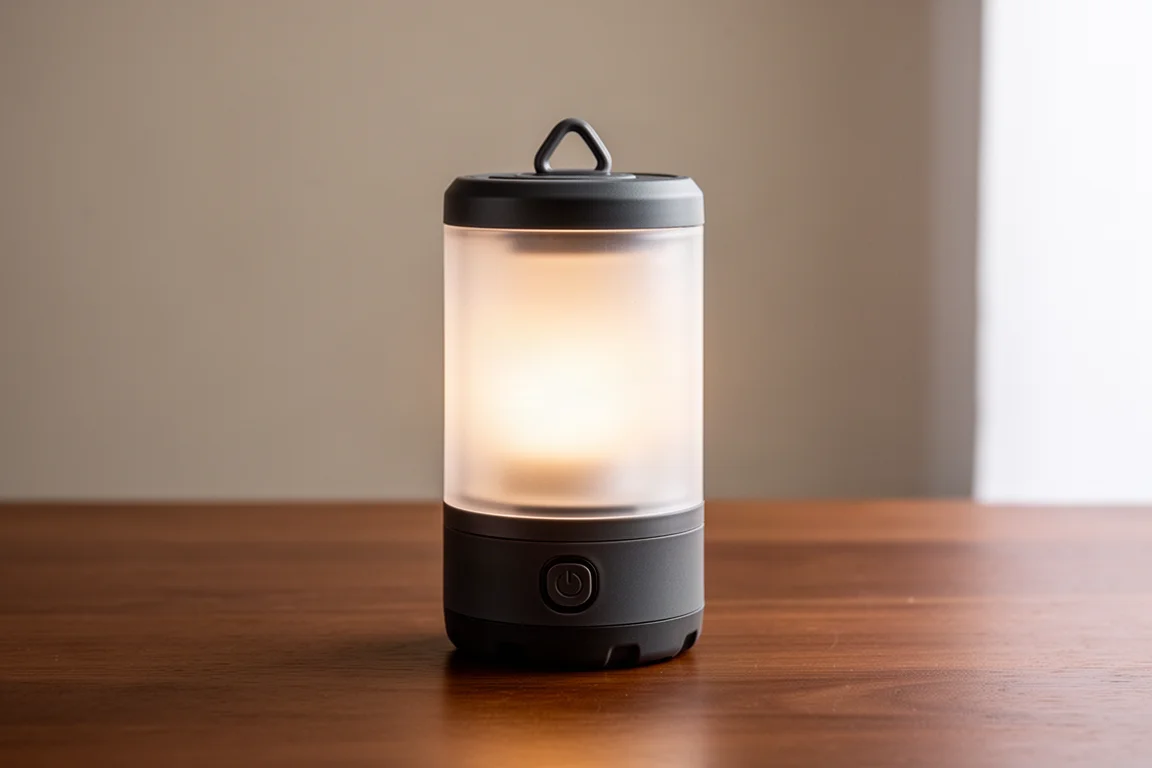
A lantern is a small thing that changes a lot. The AlpenGlow gives off a warm, even light that makes the inside of a tent feel like a room rather than a bag, which matters on a long dark evening. There is a straightforward white mode for cooking and sorting kit, and a party mode that cycles through colours when the lantern is shaken, a small and genuinely enjoyable extra.
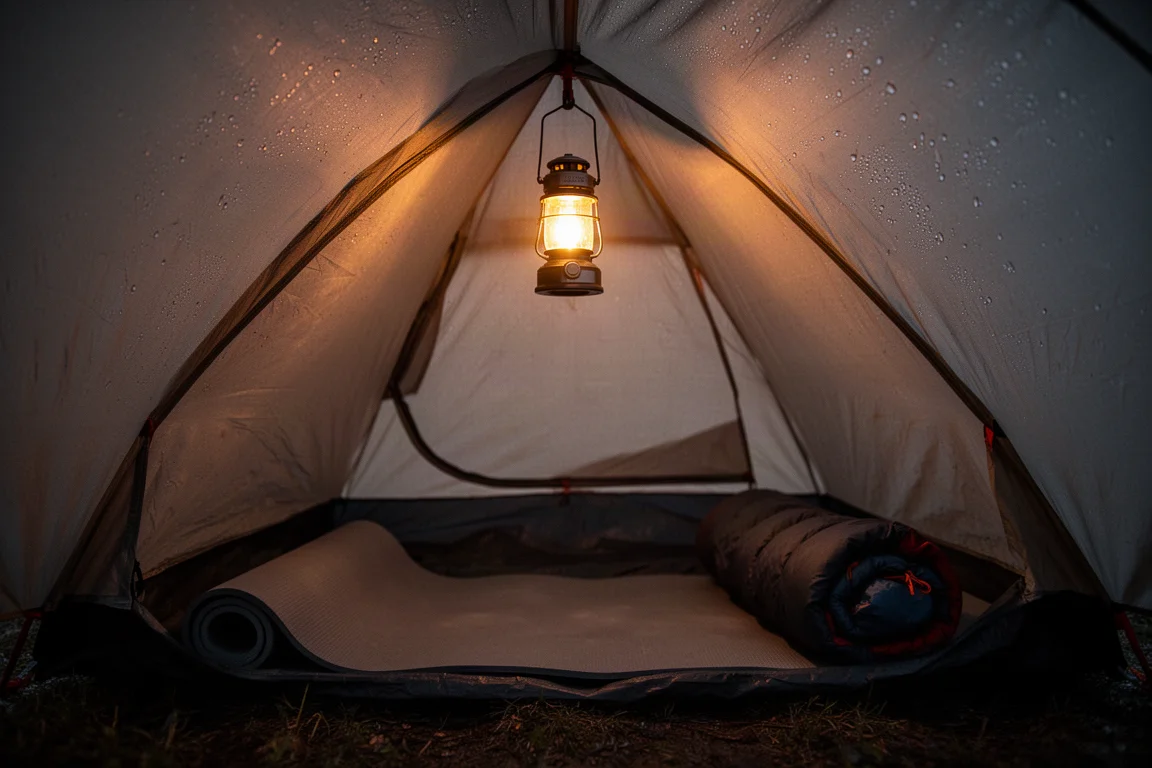
It hangs easily, so it works under a tarp as well as inside a tent, and the warm setting is the one that suits a slow evening best.
Where the other items on this list ask you to think about weight, pole systems or stitching, the lantern simply does its job quietly and takes up almost no room in a pack.
Packing and Weight Considerations
Packed size is where these items differ most. The Shell 2 folds down small for a shelter of its size, but the trekking pole requirement means the real carried weight is over two kilograms rather than the 1.5 kg on the label. The tarp packs smaller still and takes up very little space, which is part of why the torn stitching was such a disappointment.
Footwear is the opposite case. Barefoot shoes occupy about the same space as any trail shoe, but the cost shows up in adaptation time rather than in grams. Lighting is the easy one: a compact lantern adds almost nothing to a pack and changes how an evening feels.
Buying Advice: What to Check Before You Commit
Start with how you already walk. If trekking poles are part of your routine, a shelter like the Shell 2 offers a lot of interior space for the money, provided you mostly camp in sheltered places. If you do not carry poles, the same tent asks you to buy and carry something you would otherwise leave at home, and the appeal drops sharply.
For tarps, check the stitching and the tie-out reinforcement before you rely on one in wind, and pitch it once at home so any weak point shows up somewhere convenient rather than halfway up a hill.
For footwear, treat a barefoot shoe as a transition rather than a straight swap. Build up distance gradually, expect your stride to change, and give your calves time to adjust. The reward, for walkers who adapt well, is a roomier and more connected feel underfoot along with better wet-weather protection than many conventional trail shoes provide.
Conclusion
The clearest lesson from a wet and breezy overnight camp is that shelter has to be judged on its worst night, not its best. The Shell 2 delivers remarkable space and a quick pitch for around £135 to £140, but it asks you to carry trekking poles as well as its own frame, and it flutters in anything gusty. The Bushman tarp packs beautifully and creates a superb dry living area, yet its tie-out stitching gave way in modest wind.
The two items that raised no such doubts were the simplest. The Vivo Barefoot Magna Forest handled wet ground comfortably with a grippy Michelin tread and plenty of toe room, with the caveat that barefoot walking takes time to get used to. The BioLite AlpenGlow turned a dark tent into a warm, usable space and earned its place in the pack without argument.
Match each piece to the trips you actually take, and the kit will do more for you than any specification sheet suggests.
Further reading
Related Reviews
Camping Gear
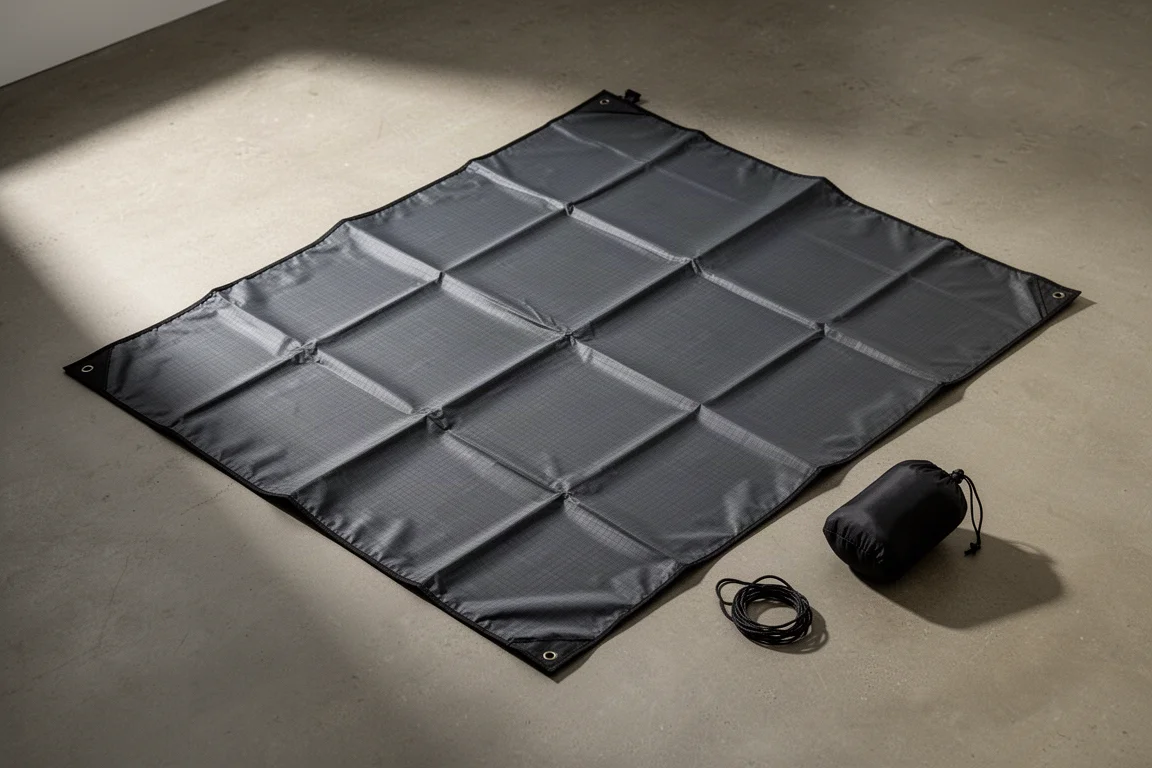
3FUL Ultralight Ground Sheet Review: A Two-Person Footprint Worth Packing
A 6.7 oz two-person ground sheet in ripstop silnylon, priced around $30. Here is what it protects, what it does not do, and who should pack it.
Camping Gear
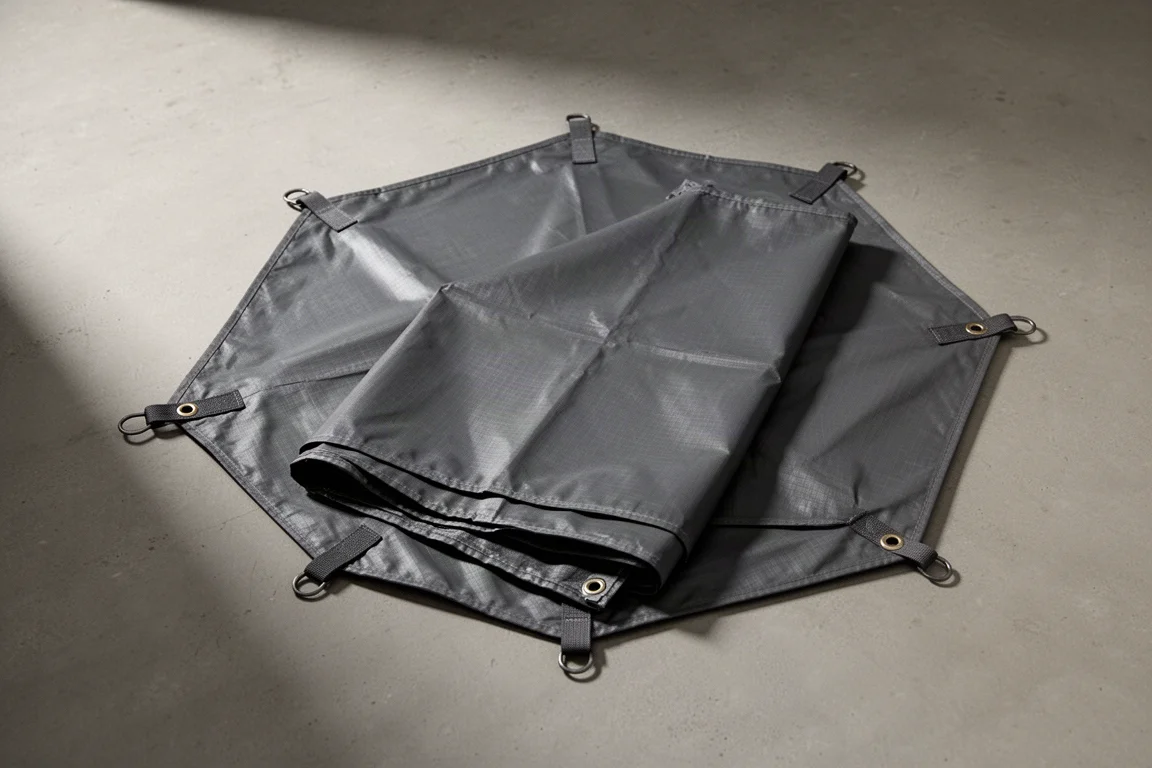
Backcountry Light Dual-Function Tarp and Floor Review: A Footprint First
A dual-purpose tent floor and tarp that keeps falling rain off you, but cannot block wind. Here is where it works and where it does not.
Camping Gear
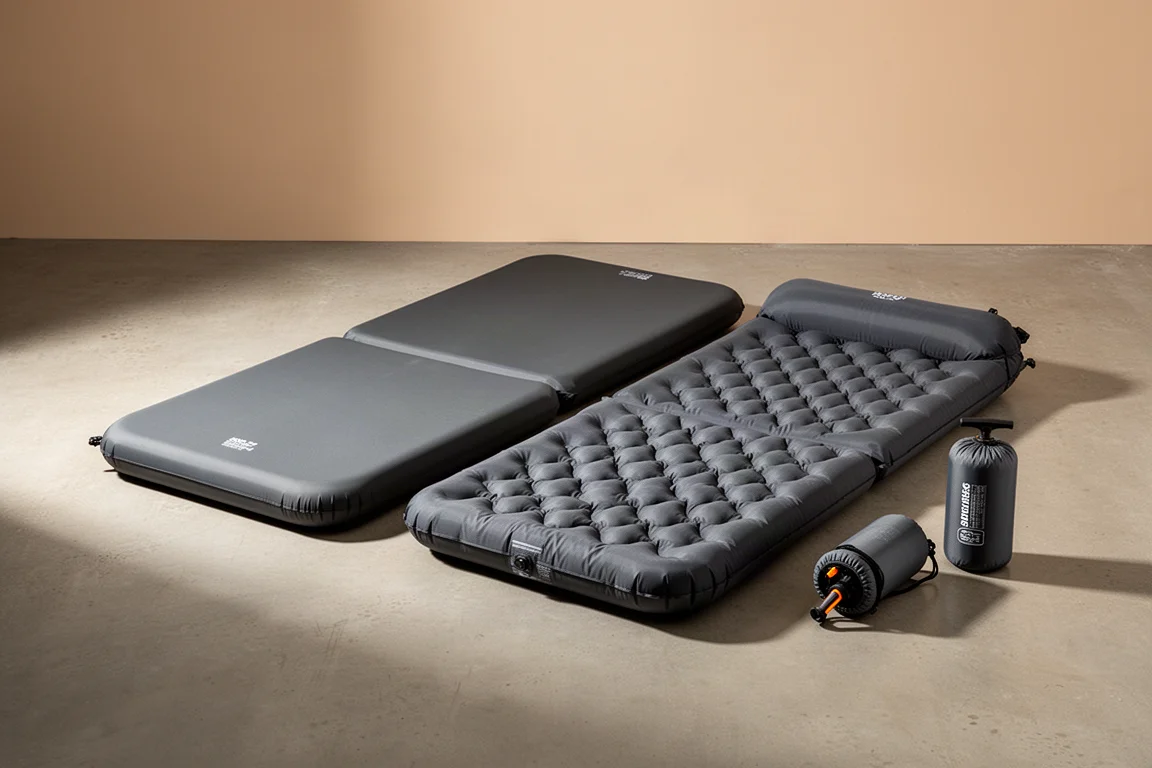
Best 2-Person Camping Mattresses for Couples: 10 Options Compared
A practical comparison of ten two-person camping mattresses, covering self-inflating pads, air pads and air mattresses for couples.