Running Shoes
Best One-Shoe Daily Trainers: 8 Versatile Running Shoes for Every Pace
Eight daily trainers that can handle easy runs, speed sessions, and the occasional race day start line, across four price brackets.
Introduction
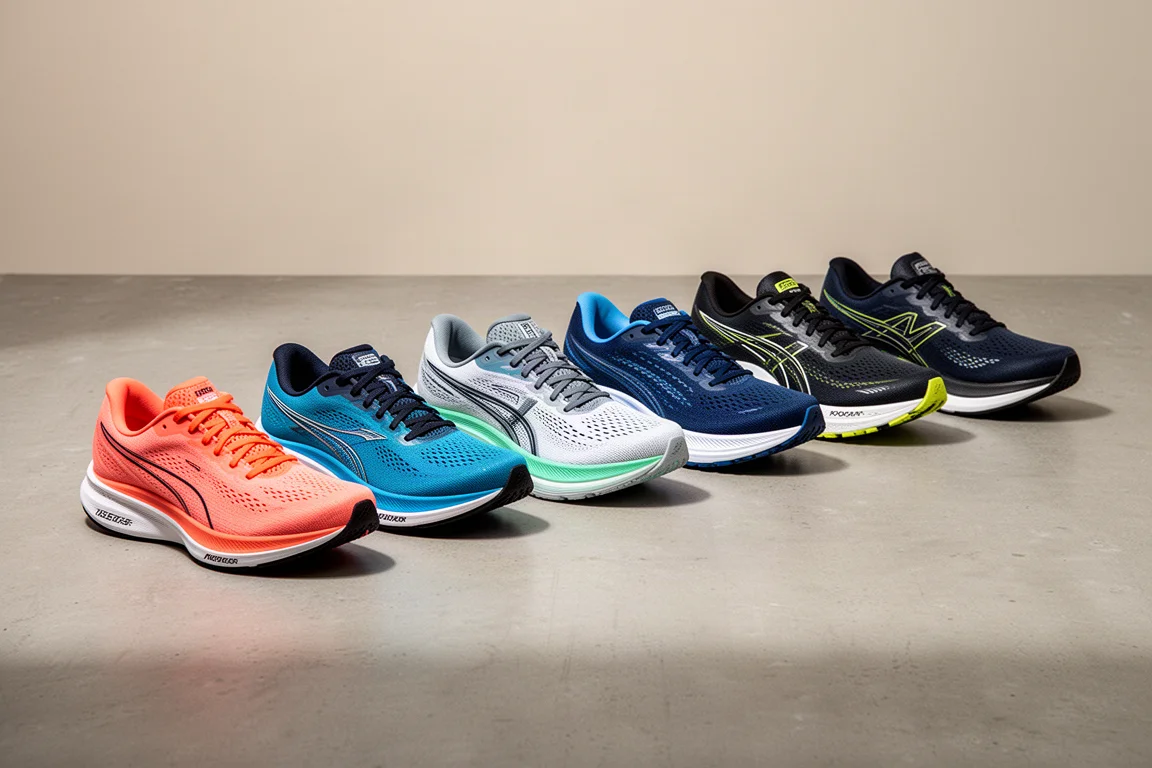
The running shoe market is packed with options these days. There is a shoe for every type of run: racing shoes, long run shoes, speed session shoes, recovery run shoes. Manufacturers love this because it encourages massive shoe rotations, but for many runners that is simply not possible or even necessary. What they want is one shoe to do it all.
If you are after a single pair of running shoes that can handle just about everything pretty well, this roundup is for you. We have picked eight daily trainers that are reliable, versatile, and comfortable, shoes you can jog easy in, pick up the pace in, and even line up on a start line with if you want to. They are grouped across four price brackets, from budget-friendly picks to premium max-cushion options.
Why One Shoe Can Be Enough
A good do-it-all trainer needs to hit a tricky balance: cushioned enough for long runs, light enough to feel lively at tempo pace, durable enough for heavy weekly mileage, and comfortable enough that you actually want to put it on. The eight shoes below all manage that balance in different ways, with different trade-offs in ride feel, fit, and grip.
We have grouped them from cheapest to most expensive so you can start where your budget sits. Within each bracket, the differences usually come down to ride character: some are soft and squishy, some firmer and closer to the ground, and some add rods or plates for a more assisted feel.
Budget Bracket: Adidas SL2
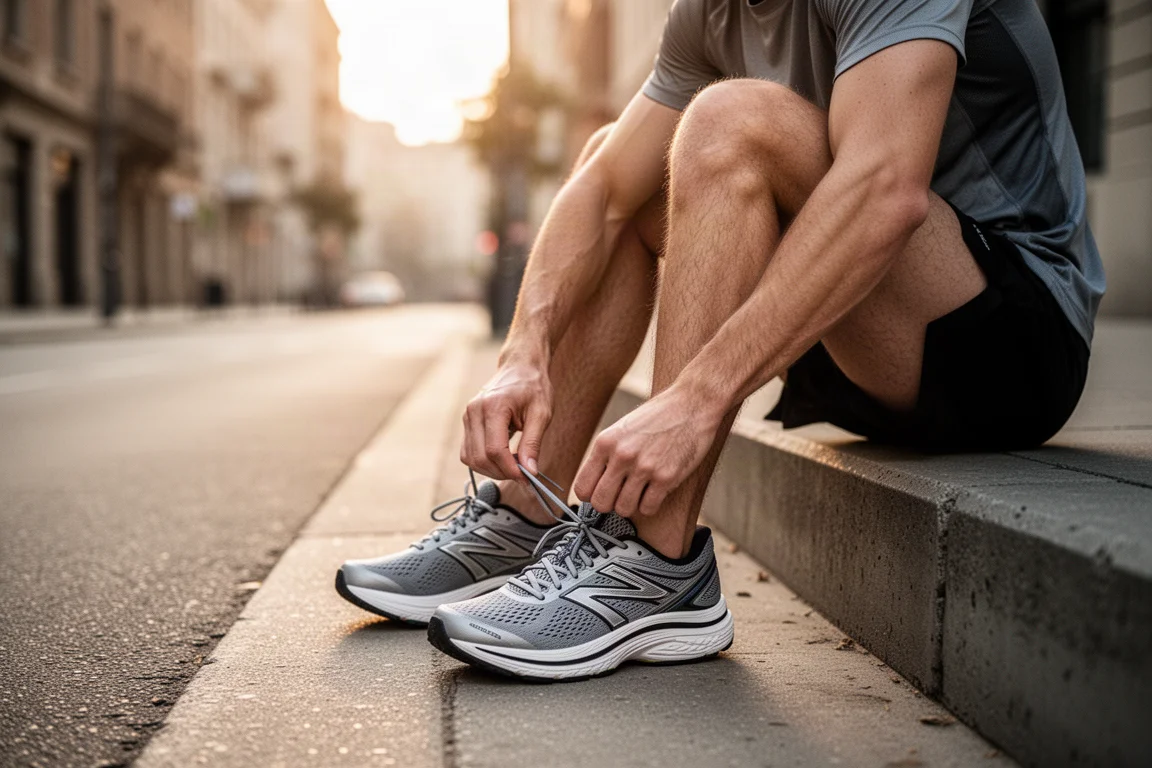
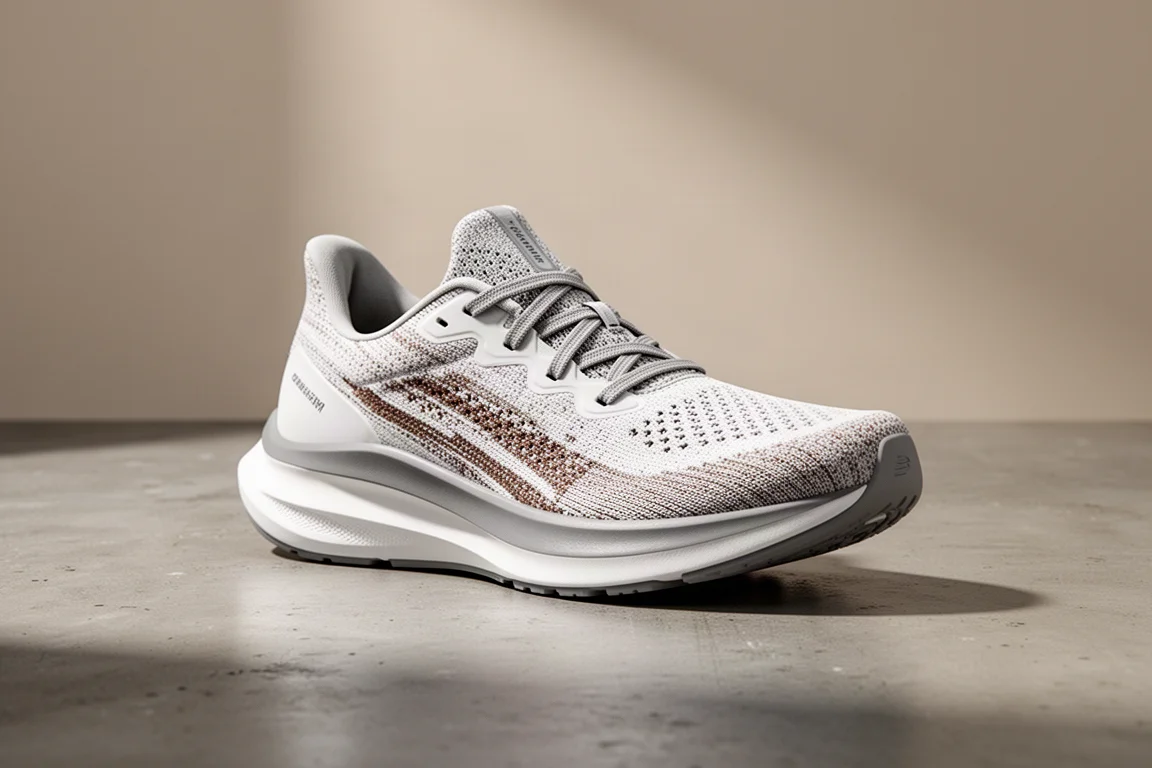
The Adidas SL2 is the cheapest shoe here at around £110, and one of the standout surprises of the year. It has a 36 mm heel stack with a 9 mm drop, and weighs a lovely 287 g, which is remarkably light for this money.
The midsole sandwiches a layer of Lightstrike Pro, Adidas’ most premium foam, between two layers of Lightstrike 2.0 for durability. There is no plate at all. On the road that translates to a lightweight, snappy, genuinely fun ride with a surprisingly good turn of speed for the price, plus solid durability and excellent outsole grip that makes it a strong winter option.
The trade-offs: it runs small, so going half a size up is wise, and it is especially narrow, so wide-footed runners will want to look elsewhere. It can also feel a touch soft and slightly unstable in corners because of that narrow platform. Still, at this price it is hard to beat for getting the majority of your runs done well.
Budget Bracket: Puma Velocity Nitro 3
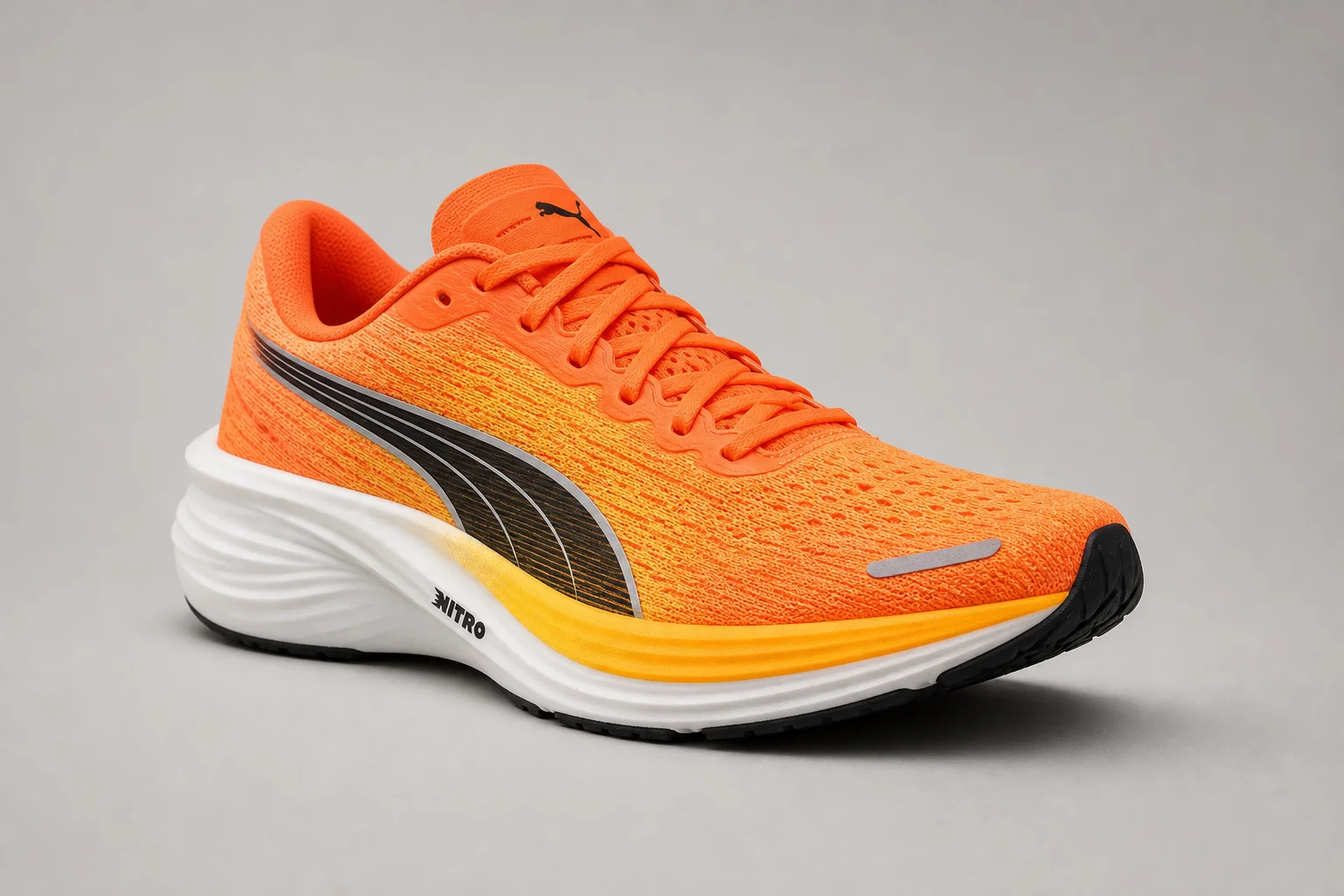
The Puma Velocity Nitro 3 sits at around £110 and is often found even cheaper. It matches the SL2’s 36 mm heel stack with a 10 mm drop, but weighs a bit more at 336 g and runs true to size.
It uses Puma’s standard entry-level Nitro foam with no carbon plate, on top of Puma Grip, one of the best outsoles in the running shoe market full stop. That grip makes it brilliant in the winter, especially as conditions turn wet.
The ride is comfortable, fun, and bouncy, and it feels happy at all different paces and distances, particularly the long run. It is a little firmer than the Adidas and slightly narrower than ideal, but nothing like as extreme as the SL2. Honestly, this shoe feels massively underpriced: if you like a firmer, more ground-connected ride at this price point, it is a superb pick, while soft-shoe fans should lean toward the Adidas.
Mid-Range All-Rounders: Asics Novablast 4
At around £135, the Asics Novablast 4 is a classic all-round trainer with no plates and no rods, just a lot of well-tuned foam: FF Plus Eco Plus cushioning, a 41 mm heel stack, an 8 mm drop, and a reasonable 300 g weight.
It strikes a great balance of light, cushioned, and responsive while staying super comfortable. It has a good width for most feet, handles a pickup in pace nicely, and is a genuinely good option for marathon training long runs. For anyone just starting to take their running more seriously and unsure about fancy tech, this is a really good option. The main weakness is wet grip, though Asics does make a TR trail version with the same shoe and different rubber underneath.
This is probably the most comfortable shoe on the whole list, and the one we end up recommending to new runners more than any other.

Mid-Range Assisted Ride: Adidas Boston 12
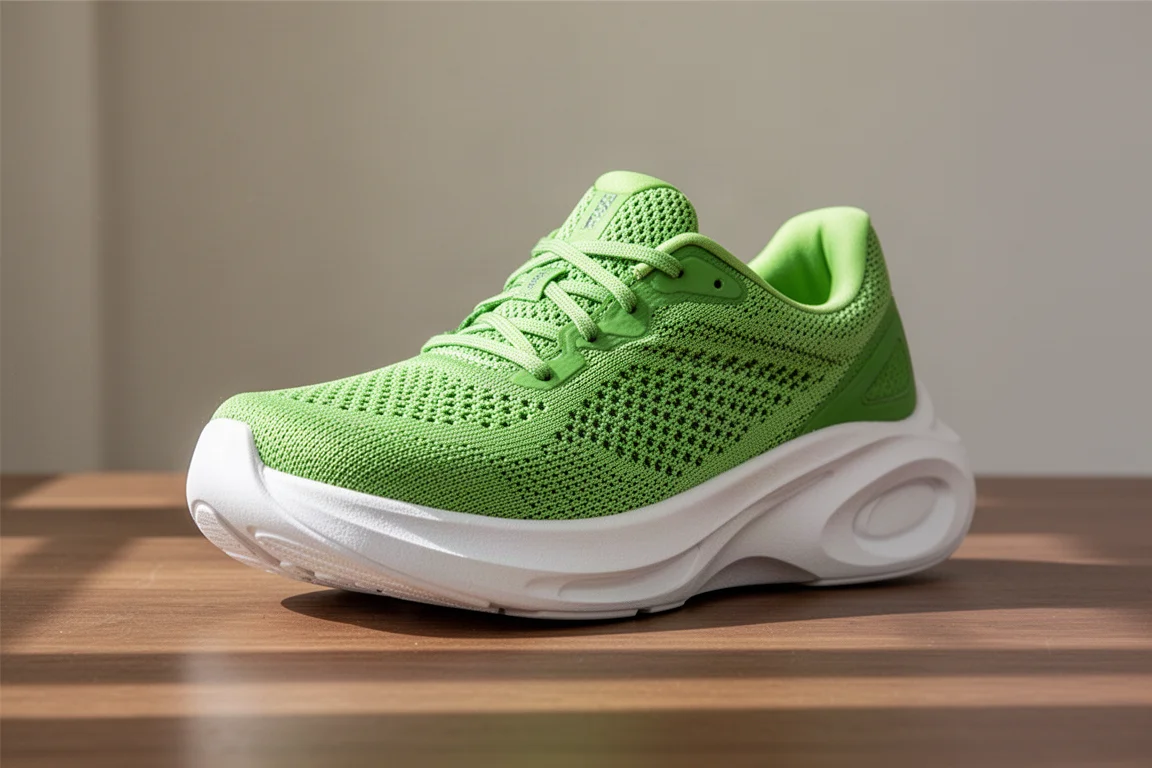
The Adidas Boston 12 costs around £140 and brings glass-fiber infused Energy Rod technology into the mix. It has a 38 mm heel stack, a 7 mm drop, and weighs 318 g, a bit more than the Novablast thanks to those rods.
It uses Adidas’ Continental rubber outsole, which is fantastic in wet weather and rivals Puma Grip as the best grip option out there. The ride is fun and engaging, eager to pick up the pace, and stability is much improved over the outgoing model, especially in corners thanks to a slightly wider base and a more accommodating upper, which is unusual for Adidas.
This is a shoe you could genuinely see someone racing in, from a 5K or 10K right up to a marathon, without needing a full flagship carbon racing shoe. It is not as comfortable as the Novablast, but it can go faster. The main caveat is minimal heel padding: no heel slip in our wear, but some runners report issues, and heel-lock lacing is worth trying. Note that sizing is odd here too, as it runs slightly big, the opposite of the SL2. Worth noting Adidas is also launching the more affordable Evo SL, a lightweight daily speed shoe at around £130.
Premium Fun: Nike Pegasus Plus
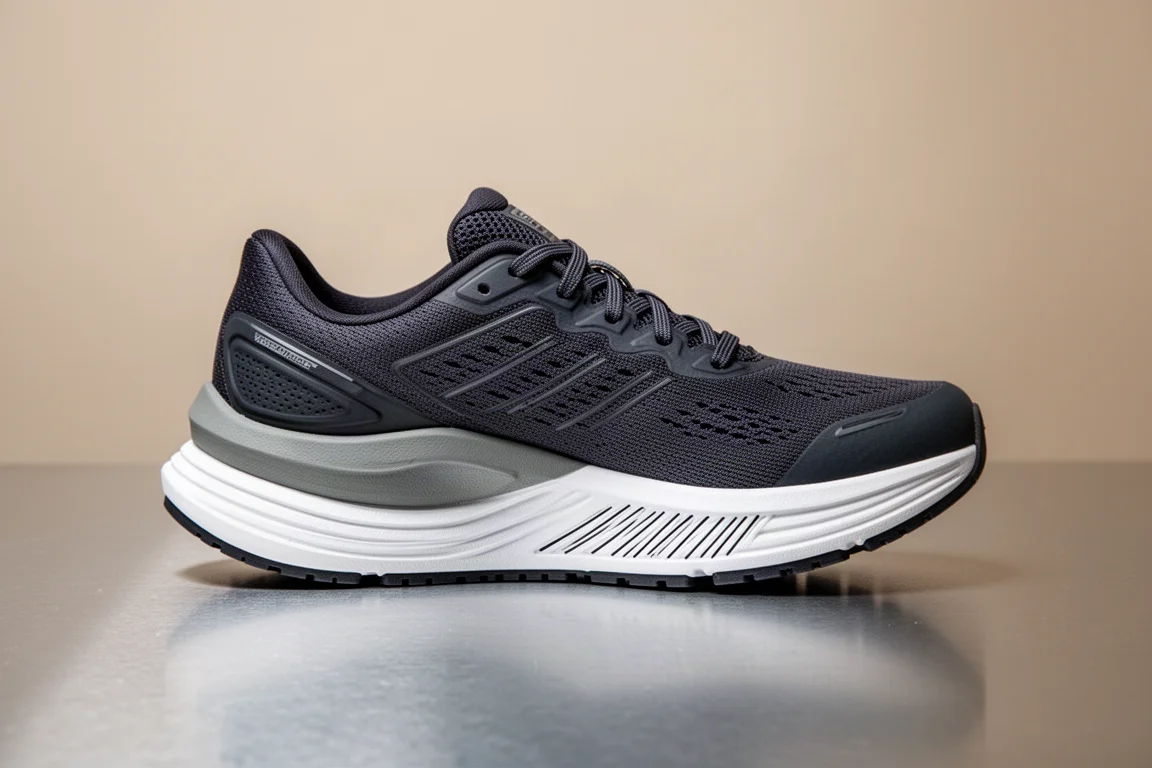
The Nike Pegasus Plus costs around £165 and brings a full-length slab of Nike’s flagship ZoomX foam, the same premium foam used in the Vaporfly and Alphafly super shoes, into a daily trainer. There is no plate, a 36 mm heel stack, a 10 mm drop, and a 313 g weight, true to size.
ZoomX foam is a fan favorite for good reason: it delivers a fun, engaging, bouncy, soft ride. This shoe can handle easy runs, speed work, tempos, and longer runs well, it looks good enough to wear casually around town, and it is head and shoulders better than the standard Pegasus, making it well worth paying a little more.
It is a little firmer and lower-slung than modern max-stack shoes, giving a more traditional, old-school feel with very high quality foam on top. If you would rather have a plate at this price point, the Saucony Speed 4 is the alternative to look at.
Ultralight Speed: Saucony Speed 4
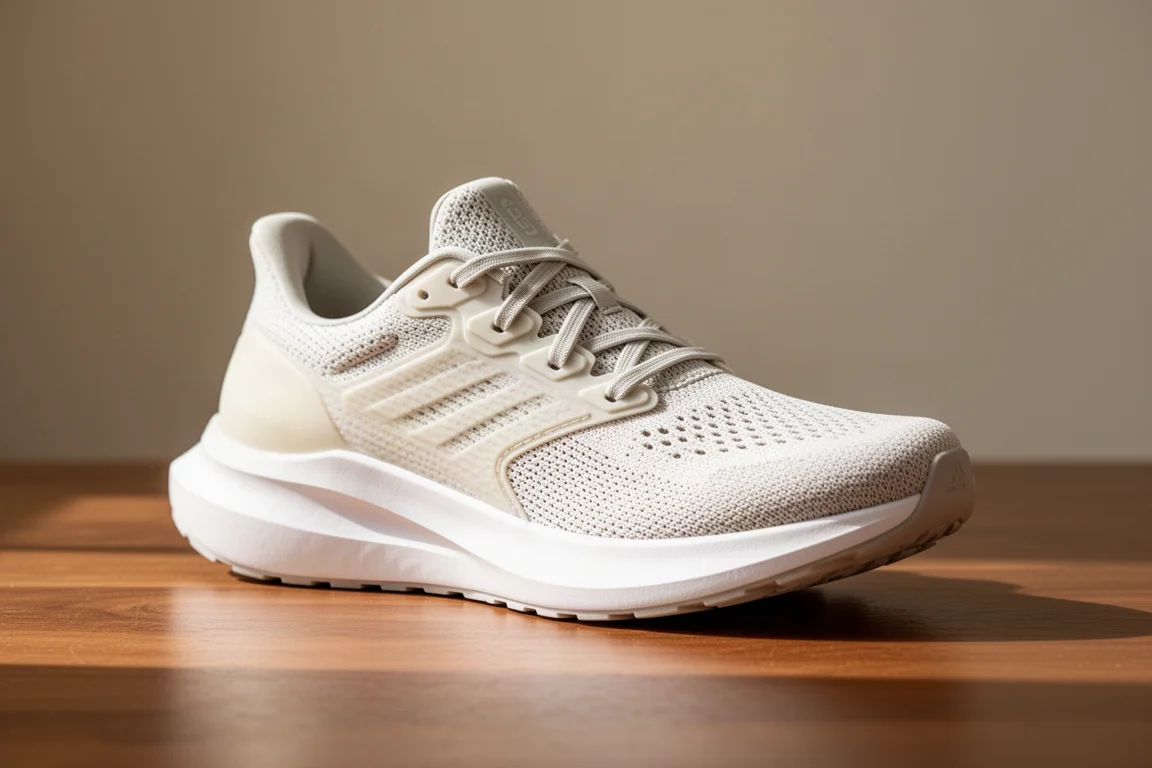
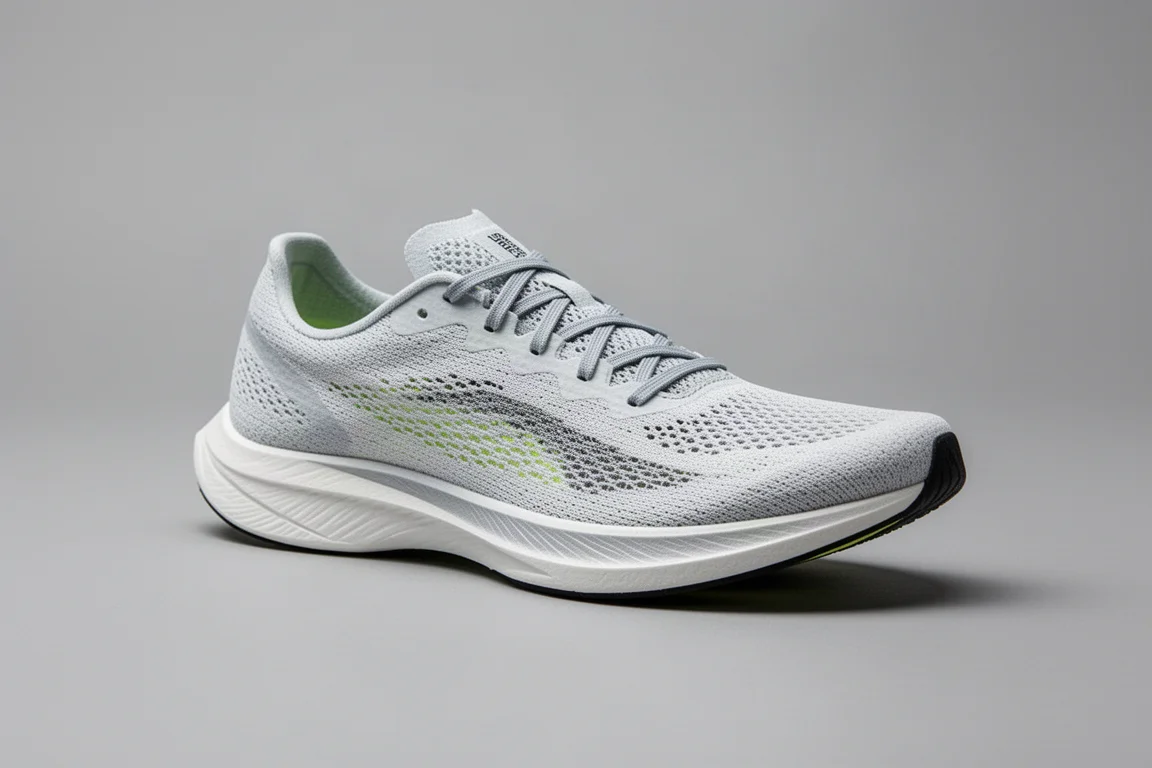
The Saucony Speed 4 is a lightweight plated speed-day daily trainer, with a 36 mm heel stack, an 8 mm drop, and a featherweight 285 g build. The midsole combines PowerRun PB foam with a nylon plate that is not too aggressive, and the fit ran true to size.
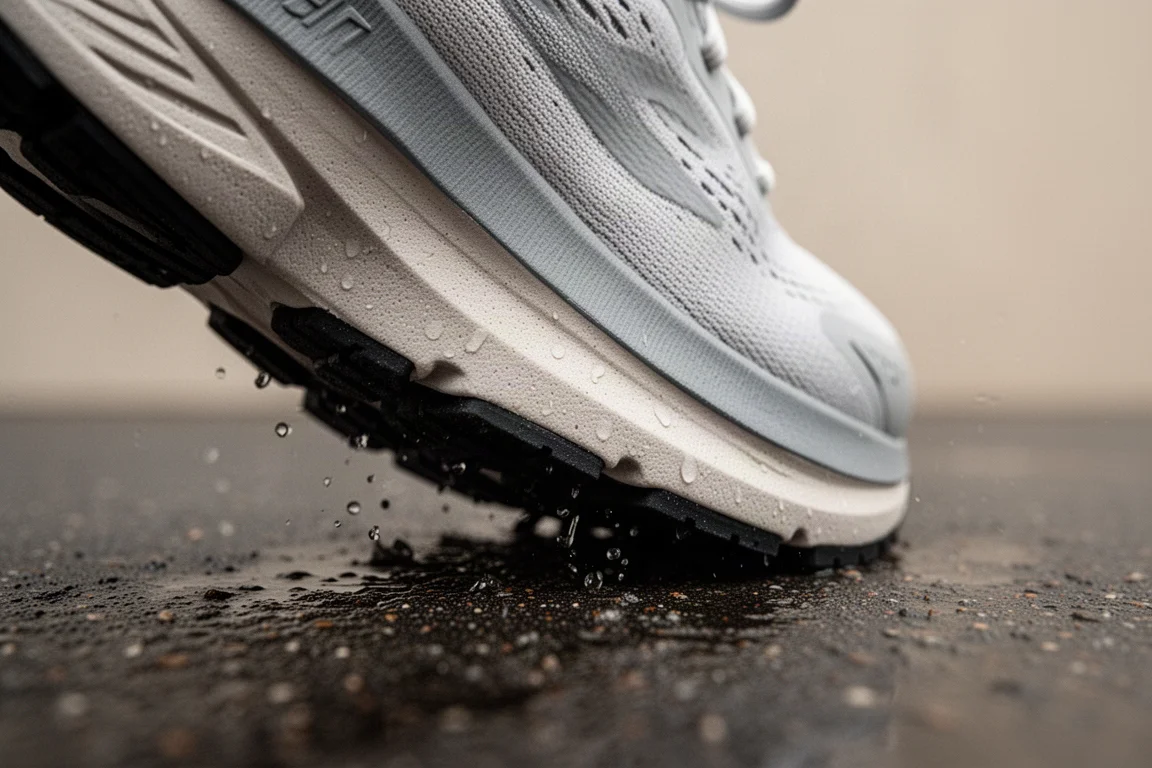
This shoe works well at all different paces, shining at short snappy workouts while still cruising happily at marathon pace. Saucony pitches it as their speed shoe for faster workouts, 5Ks, 10Ks, and half marathons, but it can absorb plenty of easy miles too if you want a more engaging, ground-connected ride. The plate adds snappy speed and a good amount of stability in corners, and the grip is excellent.
The caveats: the upper has started to bunch for us, requiring occasional adjustment, and the firmer, low-stack ride is probably too firm for marathon training or marathon racing by modern standards. It is a great option for runners who love tempo and threshold work and favor 5K to half marathon distances over super long runs.
Premium Picks: Asics Superblast 2
The Asics Superblast 2 costs around £200 in the UK and is genuinely hard to get hold of because it sells out almost immediately. It is probably the favorite shoe of the year: a 45 mm heel stack, 8 mm drop, and a lovely lightweight 288 g.
The midsole uses FF Turbo foam, Asics’ most premium foam, also found in their high-end racing shoes, with no plate at all. It is firm enough that it does not need one, which suits runners who do not like doing easy and training miles in a plated shoe and prefer to get their stiffness from the foam itself. Sizing runs snug, so going half a size down works well.
What makes it special is sheer versatility: it is the single shoe to take travelling, comfortable enough for the airport, capable of marathon training long runs, and even race-ready. It handles every type of run and pace brilliantly, and durability is strong too, with a realistic 800 solid training miles on tap. The downsides are simply the price and availability.
Premium Picks: New Balance SC Trainer v3
The New Balance SC Trainer v3 is a strange one on pricing: £230 in the UK, but just $180 in the US, and similarly steep in Australia. If you live in the US or Canada, it effectively sits in the category below.
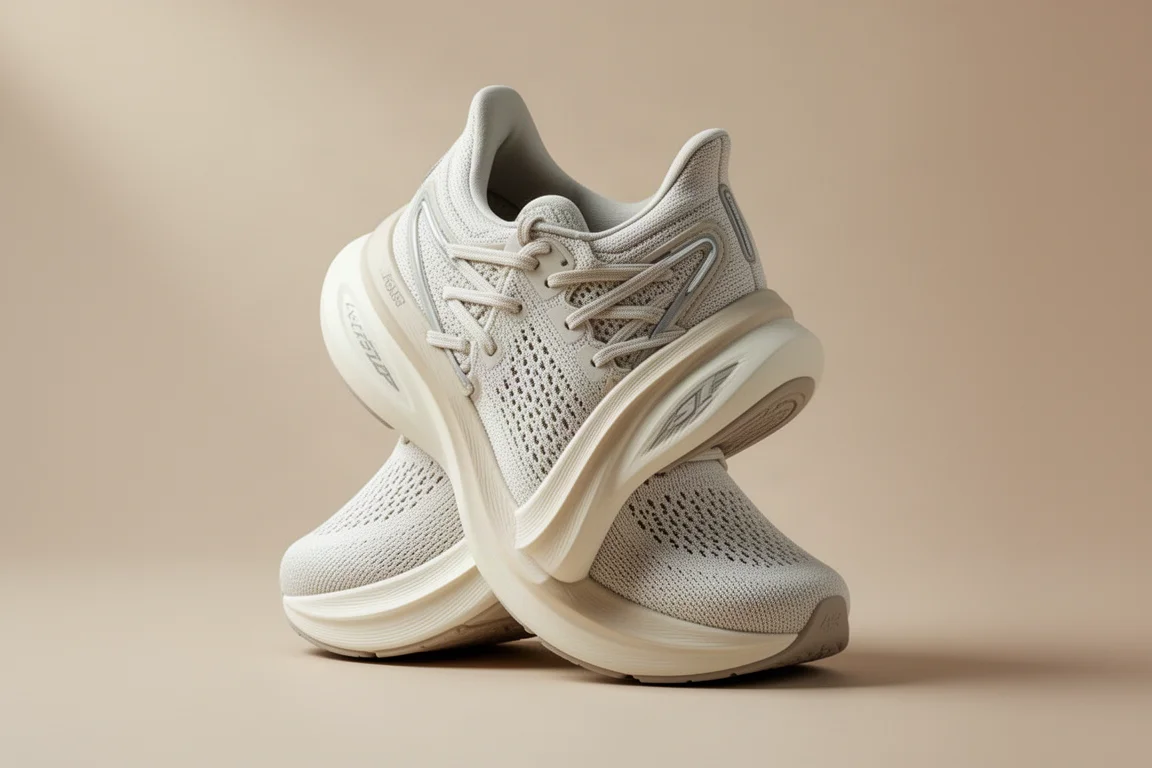
It combines an EVA and Pebax midsole for a good compromise of softness, responsiveness, and durability, plus a carbon plate that adds rigidity and stability in cornering rather than all-out speed. There is a 40 mm heel stack, a 6 mm drop, and a slightly heavier 325 g weight.
It is super comfortable straight out of the box and built for long runs. New Balance pitches it as the training companion to their SC Elite racer, the shoe for speed sessions and easy miles alike. It is really soft and will look after your legs well on those long efforts, feeling best at marathon and half marathon pace or slower, including recovery jogs. It is not the shoe for 5K and 10K speed work; the Saucony Speed 4 is better there. Outside the US, the price is hard to justify, but American runners get an excellent long-run-focused daily trainer.

Final Verdict
The favorite pick of this list has to be the Asics Superblast 2. It has been an absolute joy, and the versatility and durability make up for the price. If you cannot get hold of a pair, the Novablast 4 is a great fallback and the shoe most likely to suit the widest range of runners at a solid price point.
Conclusion
Every shoe on this list earns its place, but the right one depends on what you value: the SL2 or Velocity Nitro 3 for budget value, the Novablast 4 for comfort and versatility, the Boston 12 or Speed 4 for speed-hungry runners, the Pegasus Plus for premium foam without a plate, and the Superblast 2 or SC Trainer v3 for premium max-cushion mileage. Pick the ride character that matches your training, and one shoe really can do it all.
Further reading
Related Reviews

Running Shoes
Best Road-to-Trail Running Shoes: Three Versatile Options for Mixed Terrain
A practical guide to three road-to-trail running shoes that handle both pavement and mild trails, with clear strengths and trade-offs for different runner types.

Running Shoes
Best Running Shoes for Achilles Tendonitis: Three Options Explained
Three running shoes with different heel drops and support features designed to help reduce Achilles tendon pain during walking and running.

Running Shoes
Best Running Shoes for Women: Five Top Choices Ranked
A ranked guide to five women's running shoes, from versatile daily trainers to high-performance racing options, with real strengths and trade-offs for each.