Backpacking Tents
Best One-Person Tents 2026: Seven Award Winners for Backpacking
A category-by-category look at the standout one-person tents of the year, from freestanding and ultralight picks to budget value, storm-worthy designs, and the most innovative shelter of the season.
Introduction
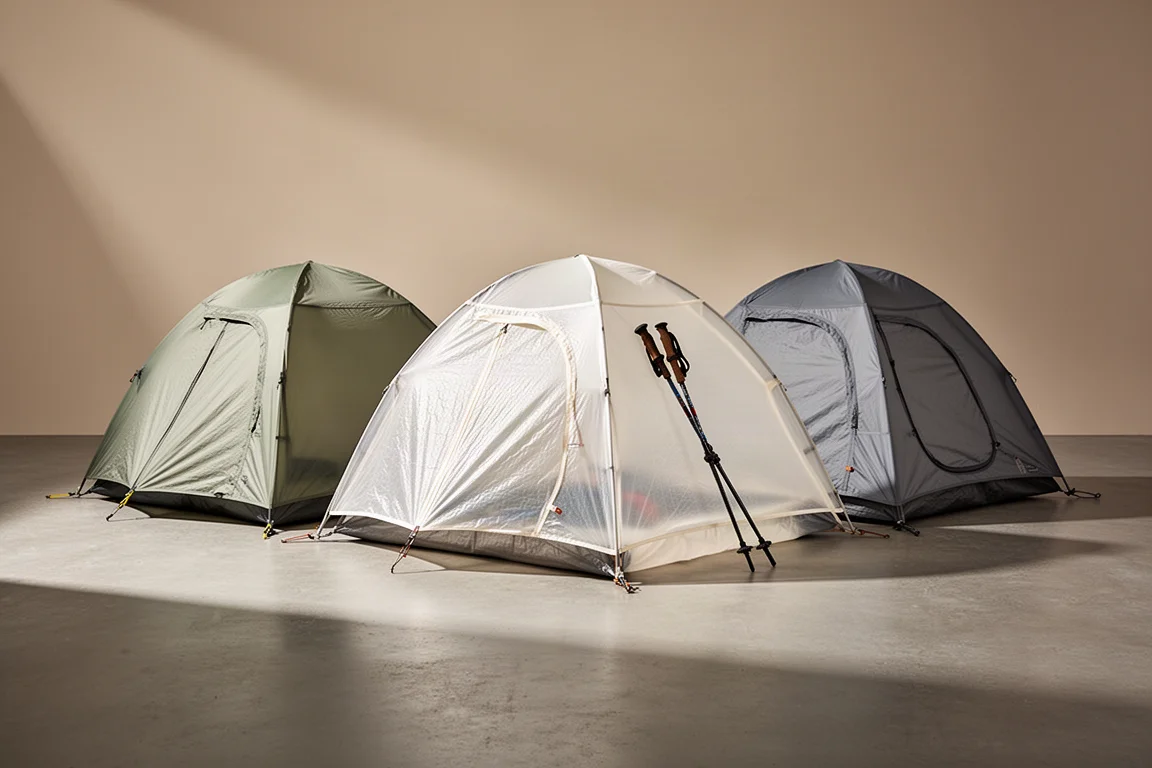
This year brought a genuinely strong crop of one-person tents, with fresh contenders in almost every category and meaningful updates to tents that were already favorites. That makes a category-by-category approach more useful than a single ranking, because the right tent depends on whether you care most about freestanding convenience, all-out low weight, storm performance, budget value, or a balanced compromise across all of them.
The awards below cover seven categories, from the best freestanding tent to the best ultralight tent to the most innovative design of the year. Each pick is judged on the job it is meant to do rather than on one headline number.
How These Awards Were Evaluated
Weight matters, but it is rarely the whole story. For the freestanding category, the bar was a tent that can be pitched without stakes and without needing the vestibules staked out to hold its structure, while still working as an all-rounder for storm readiness, weight, and interior size.
Across every category, an all-in-one pitch or a fly-first pitch was a priority. Being able to keep the inner protected while the fly goes up first makes a real difference when you are setting up in rain.
For the ultralight and super ultralight awards, the priorities were low weight plus ease of use and reliability. Long trips and thru-hikes are exactly where a fiddly or fragile shelter becomes a problem, so a tent that is hard to pitch or prone to failure is not a win no matter how little it weighs.
The budget category added price, ease of use, and availability to the list, while the storm-worthy award focused on handling 100 km/h plus winds and heavy rain or snow without relying on an unreasonable number of guy lines. Innovation was judged on risk-taking: companies trying genuinely new approaches, even when the result still needs refinement.
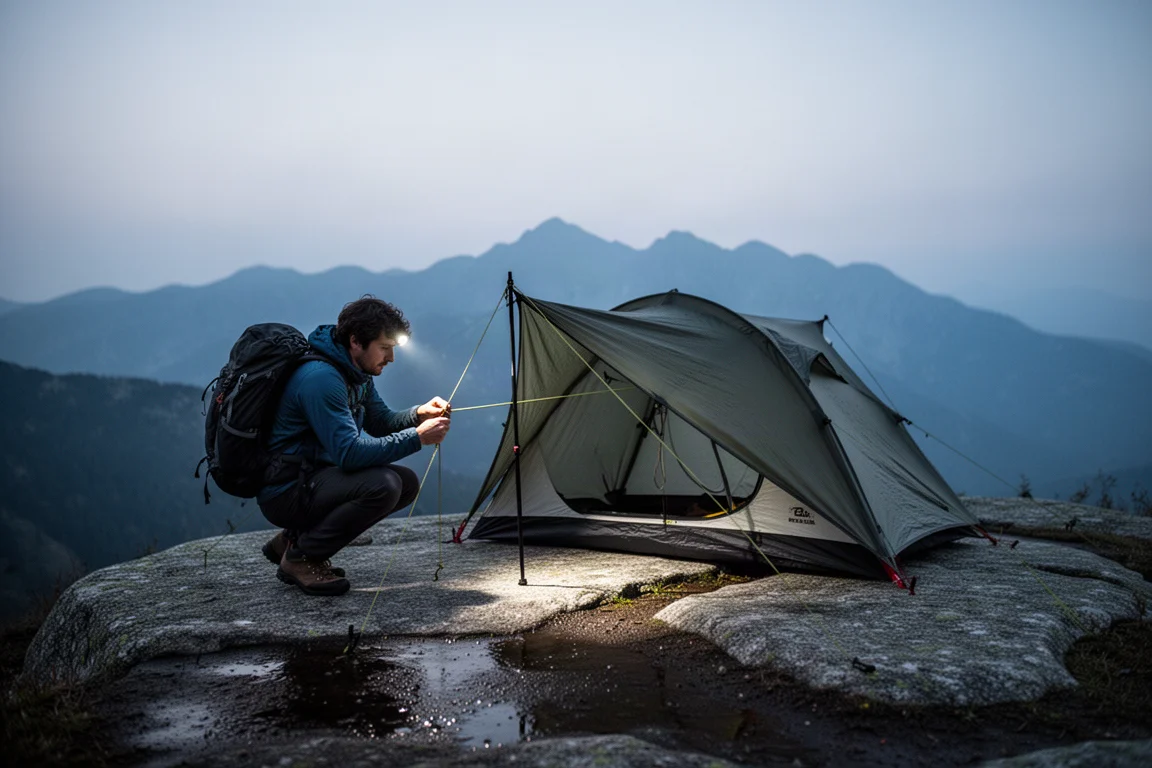
One further consideration shaped several awards: availability. A tent that is difficult to buy or that comes with a long lead time is a real drawback, which is why the budget category weighted accessibility so heavily.
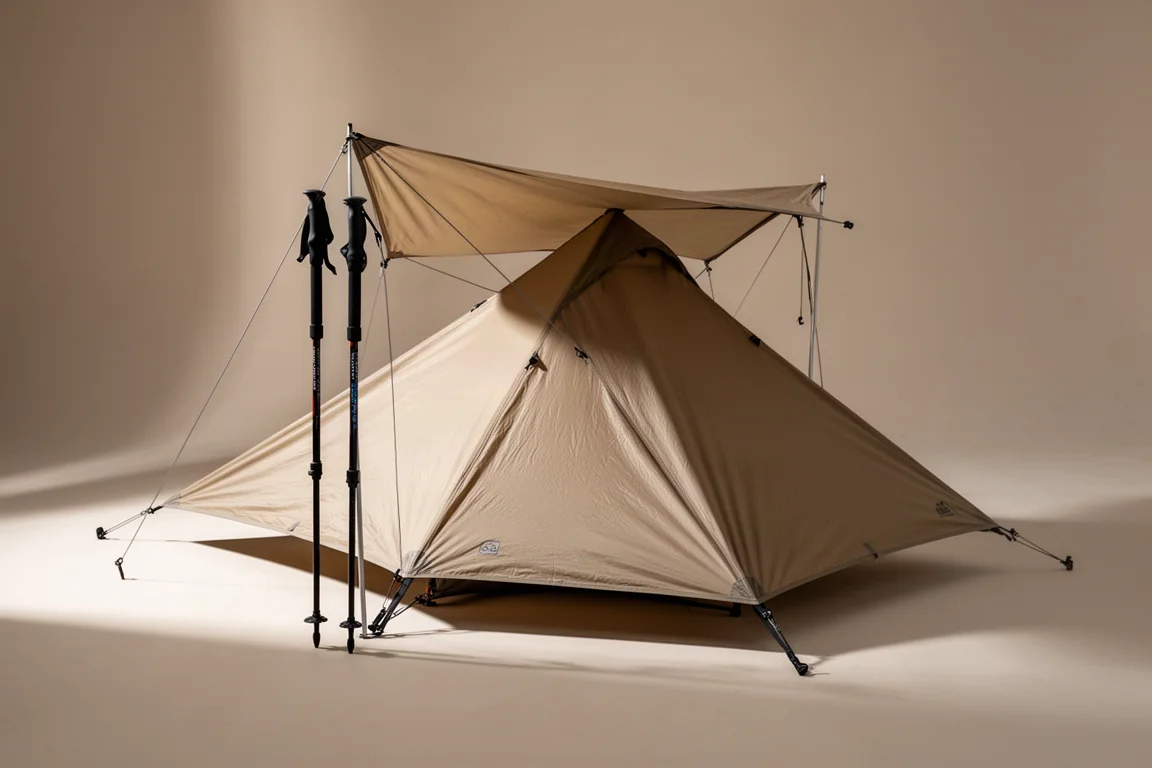
Best Freestanding Tent: Durston X-Mid 1 Plus
The Durston X-Mid 1 Plus won the freestanding category on the strength of an unusual combination: it is very light at under a kilogram, and it is among the lightest fully freestanding tents in this class, yet it does not behave like a fair-weather shelter.
It has been tested in a wind tunnel at speeds up to 100 km/h, and it has been used on a winter glacier traverse in blizzard conditions with extreme wind. It held up well under wind and snow loading. Part of that comes from a useful detail: trekking poles can be inserted into the sides of the tent to add support to the door panel and the rear panel, the two largest surfaces exposed to wind.
The silpoly fly also behaves well in wet conditions. Rather than absorbing water and then sagging or stretching, it keeps its shape through rain and condensation.
Interior space is generous for a tent this light. A 30-inch wide sleeping pad fits with room left on the floor for gear, and the vestibule is large. Interior height makes getting in and out easy and gives you room to sit up and change.
Recent versions have addressed earlier weak points. The door is now seam sealed, so there is no dripping through the door zipper seam. Pole inserts are now carbon fiber rather than aluminum, which resolves the glue failures that could previously leave you repairing poles in the field. There is also a new aluminum pole option and an improved silnylon floor.
The main things to consider: the feet that the poles seat into are finicky, since the poles have to be inserted into two different feet. And with a very thick sleeping pad plus winter-rated insulation, the tent may not be long enough for taller users.
Best Ultralight Tent: Zpacks Plex Solo Lite
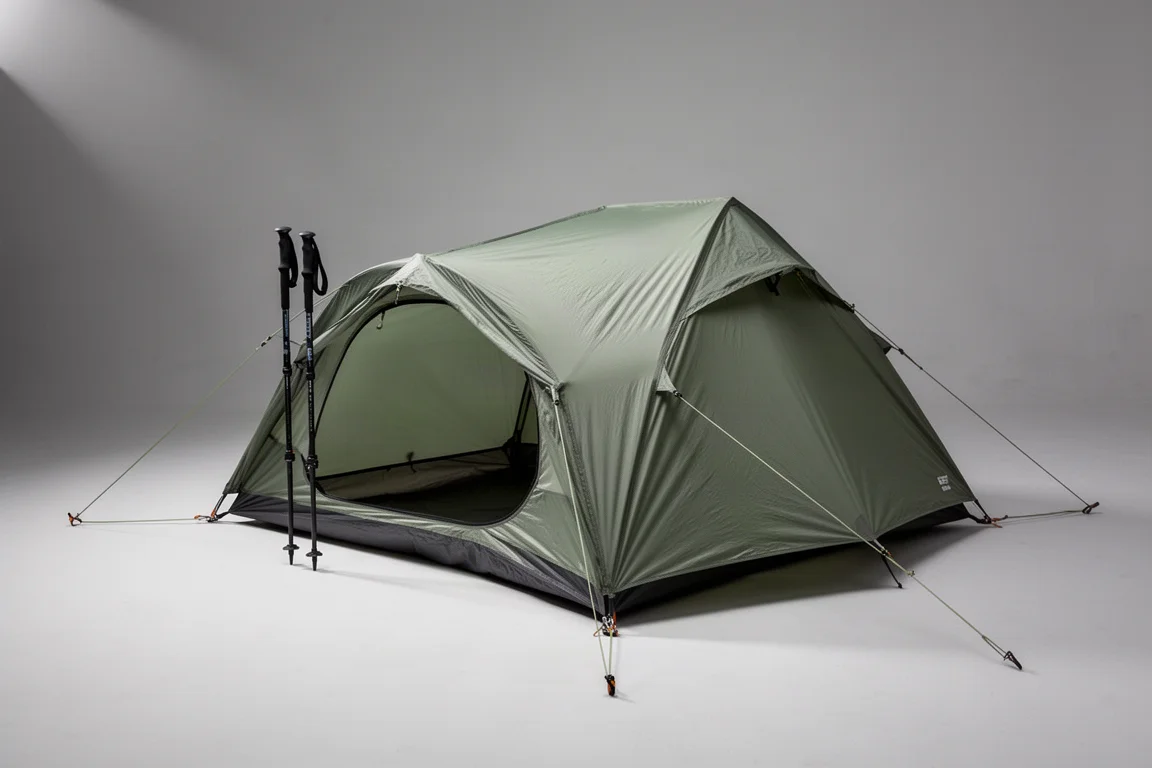
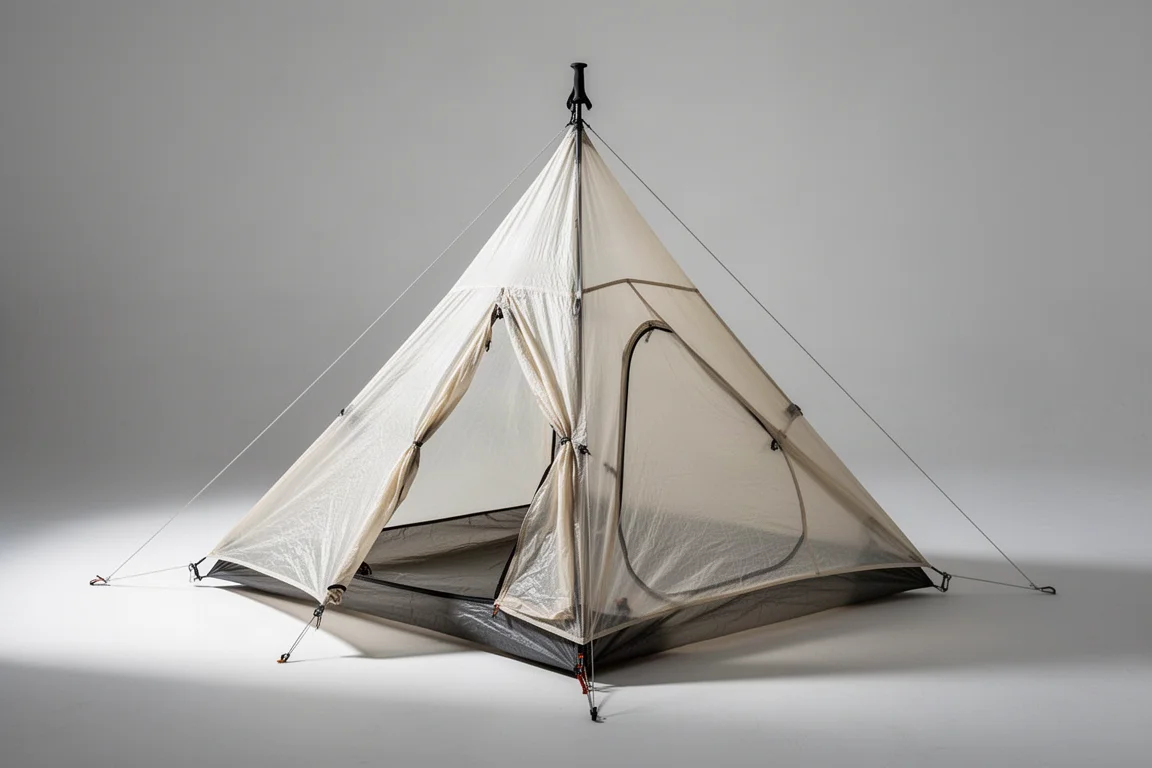
The Zpacks Plex Solo Lite takes the ultralight award at 334 g, and it stays fully enclosed, so bugs are not a concern and rain protection is adequate.
Reliability is where it stands out, and not always for the obvious reasons. It pitches with a single trekking pole, which means a broken pole does not leave you without a shelter. It also has no zipper on the door, which is a genuine advantage in sandy conditions where zippers tend to clog, and it removes a point of failure.
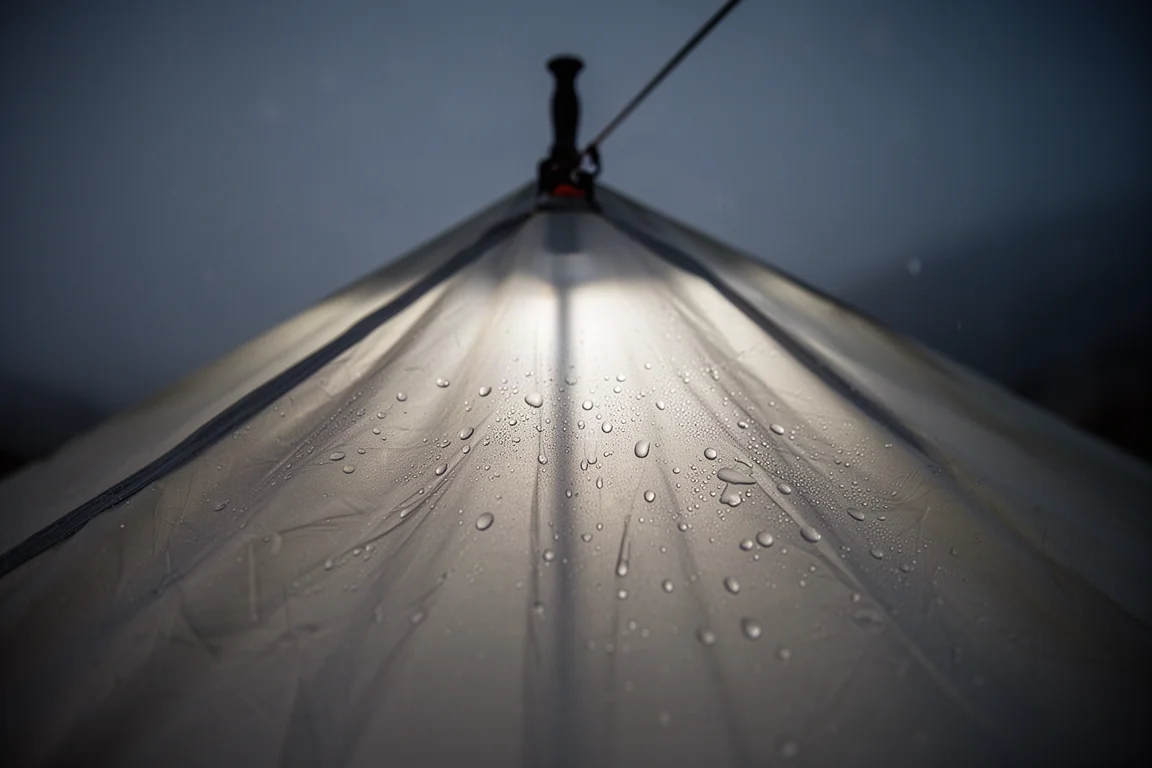
The pyramid shape is very storm-worthy. It has been used in winds over 70 km/h and barely moved, with good confidence that it could take more. Space is reasonable for users around 6’2” or shorter who are not using a very thick sleeping pad, and the mid-section is a little wider so you can store gear beside you. The Dyneema fabric and single-wall fly make it easy to wipe condensation off the inside or rain off the outside.
Two trade-offs are worth knowing. Users over 6’2” will likely find it too small and may want to look at the Zpacks Altaplex instead. And because it is a single-wall design, there is no physical barrier between you and any condensation that forms on the fly, so you need to stay centered and avoid touching the walls.
The Durston X-Mid Pro 1 was the runner-up here. It is a strong tent, but it requires two trekking poles to pitch, in either the one-person or the two-person version.
Best Super Ultralight Tent: Gossamer Gear Whisper
At 285 g, the Gossamer Gear Whisper won the super ultralight category, and it earns that win by keeping some usability that other shelters in this weight class give up.
A mesh skirt runs around the entire perimeter. It keeps bugs out and also acts as a partial wind barrier, so you are not fully exposed on a breezy night. A small pole at the foot end adds interior space and volume, which makes a noticeable difference: many super ultralight shelters feel cramped at the head and foot, and using a trekking pole plus the foot pole opens the Whisper up considerably. It also has usable height and a fully zippered door.
The trade-offs are real. It needs two poles to pitch, whether that is a trekking pole and a stick, a trekking pole plus the optional pole from Gossamer Gear, or two trekking poles. And there is no floor, so you will want a ground mat such as polycro, or a sleeping pad you trust on whatever ground you are camping on.
The Zpacks Hexamid, with or without a skirt, is the alternative if you want to go even lighter and more compact and can accept those sacrifices.
Best Budget Tent: 3F UL Lanshan 1 Pro
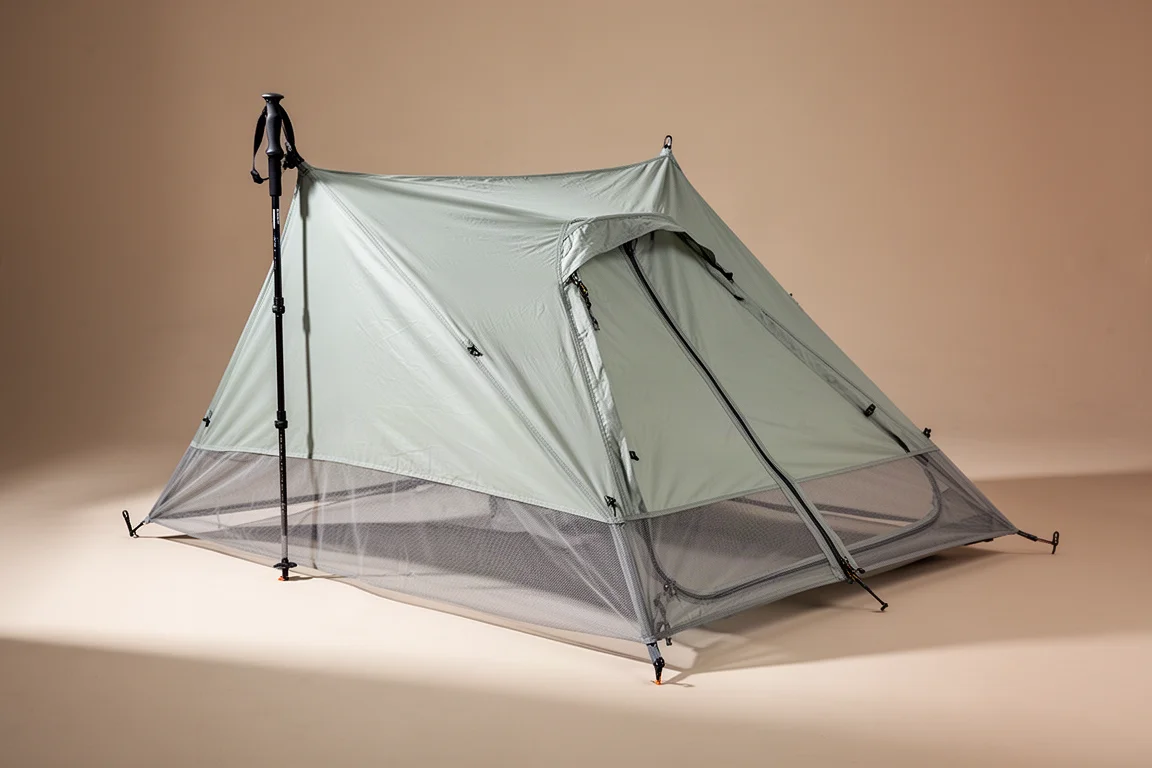
The 2026 3F UL Lanshan 1 Pro won the budget category, which weighed price alongside ease of use, usability, and availability. The goal was a tent you can actually buy without long lead times from a small cottage brand, and without shipping limitations.
The headline update for 2026 is a silpoly fly. For a trekking pole tent that matters a lot, because silpoly does not sag or stretch when it gets wet from rain or condensation. The new version also adds a T-shaped door, so you can enter from either side, which helps in tighter pitches. Guy lines and hardware have been updated, and there are three adjustable flaps at the foot end, head end, and back wall that let you create a physical barrier between yourself and the wall and block wind.
The previous version has been in use for years and remains a solid tent: easy to pitch once you are used to it, solid construction, roomy enough for most people, and a very good price.
Two things to plan for. It is a trekking pole tent, so expect a few practice pitches; once you are used to it, a one-pole trekking pole tent like this can actually be easier to pitch than a traditional pole tent. And you have to seam seal it yourself, running seam sealer along the seams so it is fully waterproof.
If you want a double-wall option that costs a little less, the Lanshan 1 non-pro is the closest alternative.
Best All-Rounder: Durston X-Mid 1P
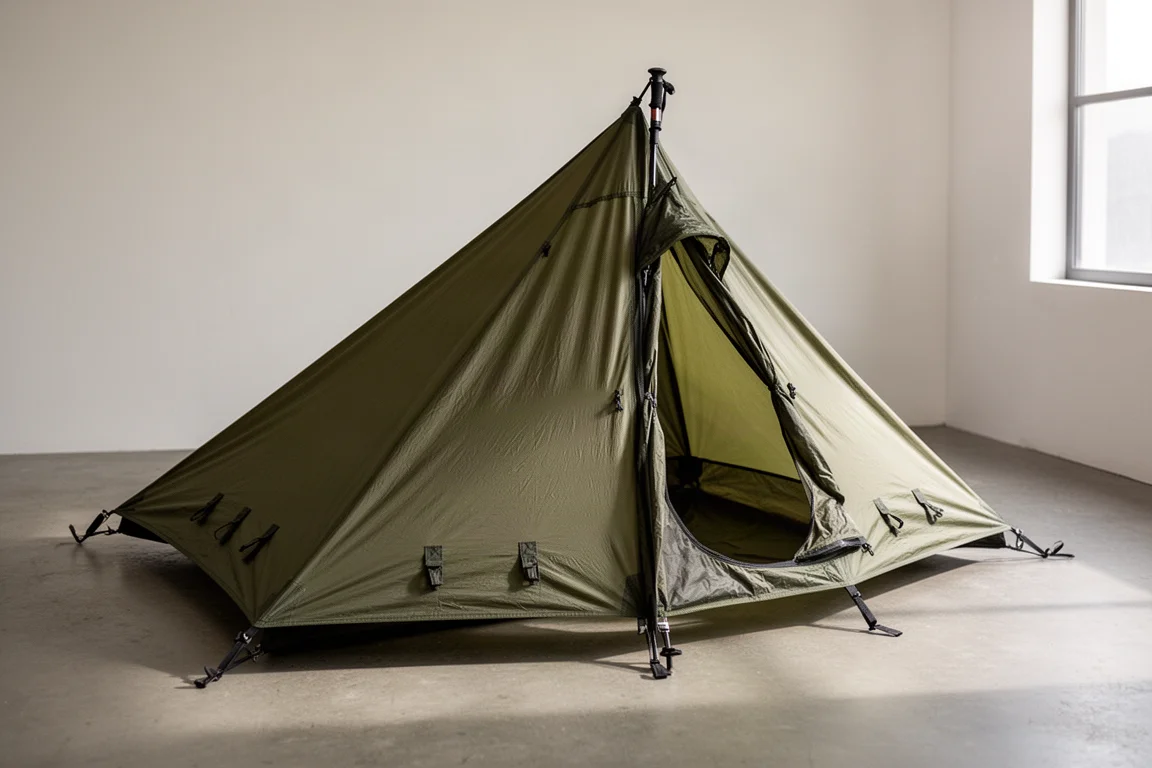
The Durston X-Mid 1P took the all-rounder award for the second time. This category balances weight, price, ease of use, storm-worthiness, and space, and the X-Mid 1P is the tent that does all of it well rather than winning any single metric outright. It is also one of the easiest tents to pitch.
A detail worth calling out is the range of pitching options. You can pitch it inner first like a traditional tent, as an all-in-one pitch with the inner and fly attached, or fly first and then attach the inner afterwards. You can also leave the inner at home entirely to save weight. Many backpackers value being able to detach the fly from the inner, because after rain you can pack the dry inner inside your pack and keep the wet fly on the outside with the rest of your wet gear.
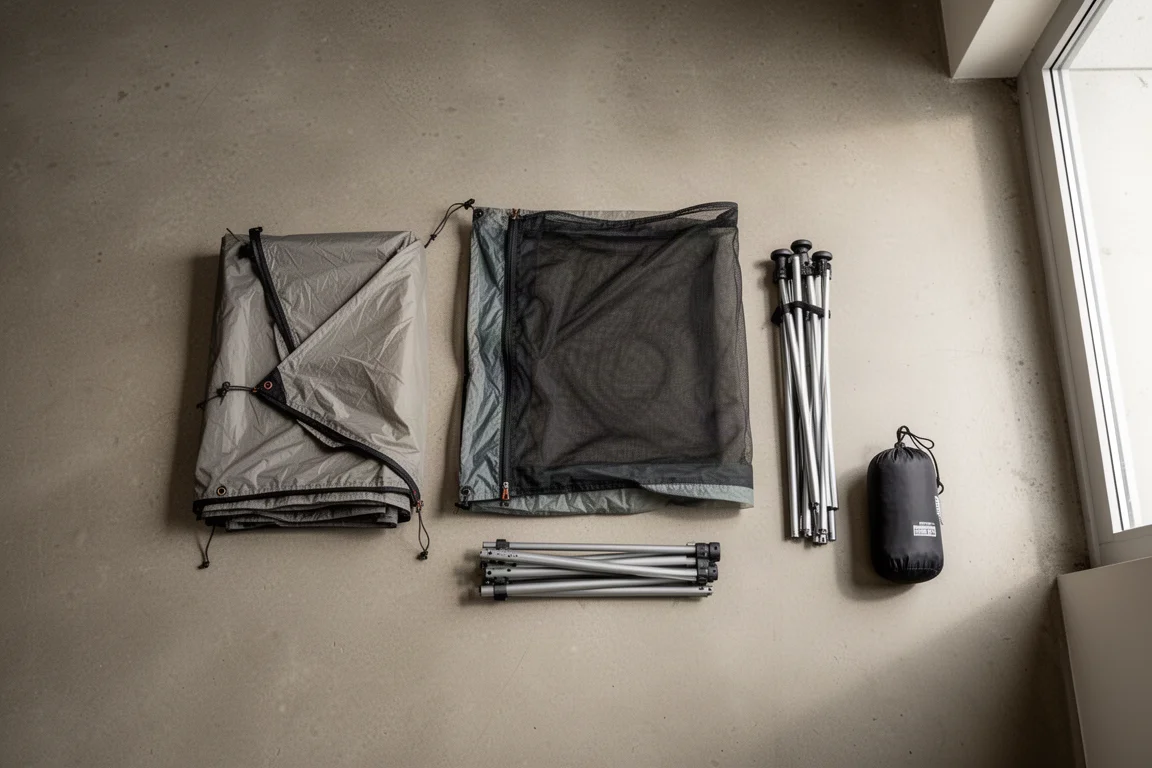
The updates made since the tent first launched have added polish, and the result is a tent that is fully freestanding, weighs under a kilogram, and handles a wide range of conditions. The trade-offs are the same ones that show up in the freestanding category: the pole feet take some fiddling, and very thick sleeping pads combined with winter insulation can make the interior feel short.
The Tarptent Rainbow is the alternative to consider. It is longer, which suits taller users, and it is very light with a single-ply fly that can be supported with trekking poles. The main differences are that it is not freestanding and it does not offer the same range of pitching options.
Best Storm-Worthy Tent: Tarptent ArchDome 1
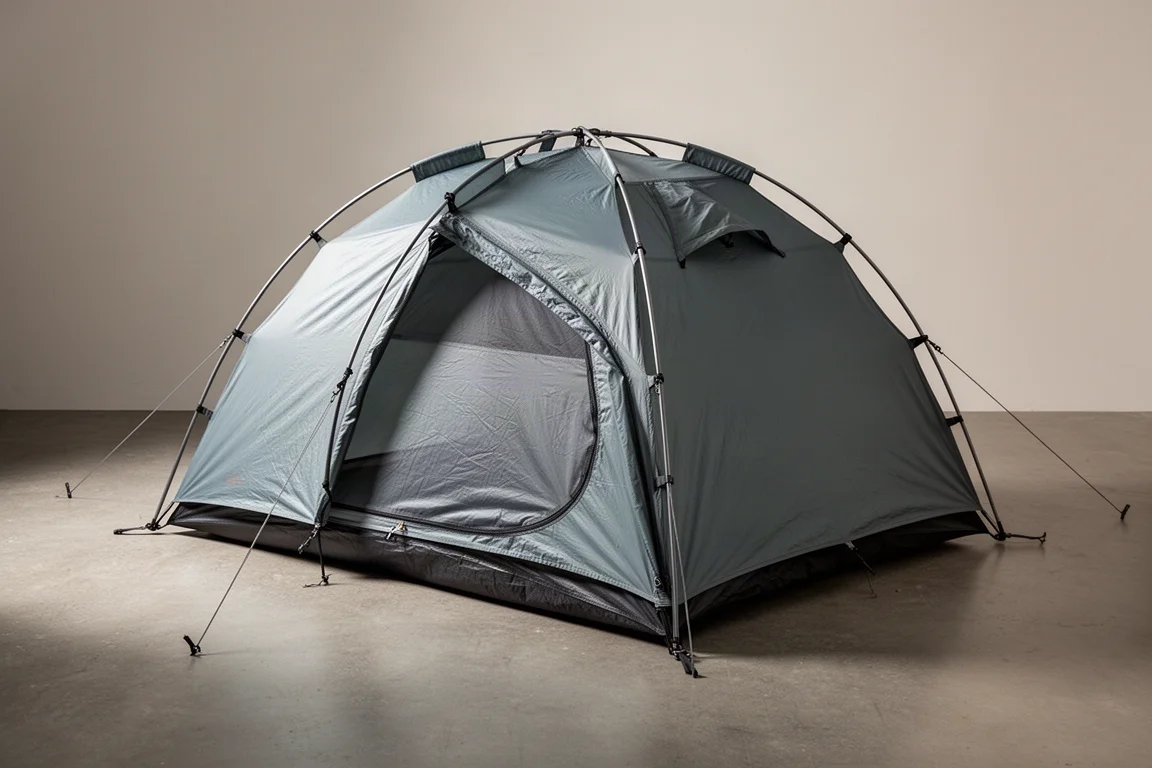
The Tarptent ArchDome 1 won the storm-worthy category. The criteria were demanding: handling 100 km/h plus winds and heavy rain or snow, being pitchable in bad conditions, and staying roomy enough that hunkering down is not miserable, all without relying on an excessive number of guy lines.
The ArchDome 1 gets there through structure. It offers different pole options, so you can choose the pole strength you want, and it combines full pole sleeves that overlap with a generous set of guy-out points and strong materials. Pressing on the top or shaking it makes clear how solid it feels. The two-person version has handled winds over 100 km/h without trouble, and while the one-person has not yet been pushed in comparable winds, it has performed well in winter conditions and rain.
It is also effectively a one-plus tent. A unique floor plan with a cutout in the middle creates a good spot at either the head or foot end to store gear beside you. The switch to a silpoly fly is a practical win in winter, where materials like DCF or Ultra TNT are awkward because they have to be folded and rolled; silpoly can simply be stuffed into a stuff sack. With aluminum poles and the silpoly fly, it weighs under 1,500 g, which is impressive for how storm-worthy it is.
The downsides are that it is a little heavy, and the pole sleeves can be finicky to use.
The Samaya 2.0 was the runner-up. It is a two-person tent that behaves more like a one-plus, with a lower profile that catches less wind, and it is very easy to pitch. The ArchDome 1 edges it out on interior space and, most likely, on storm performance.
Most Innovative Tent: Big Agnes Pitch Pine 1.5
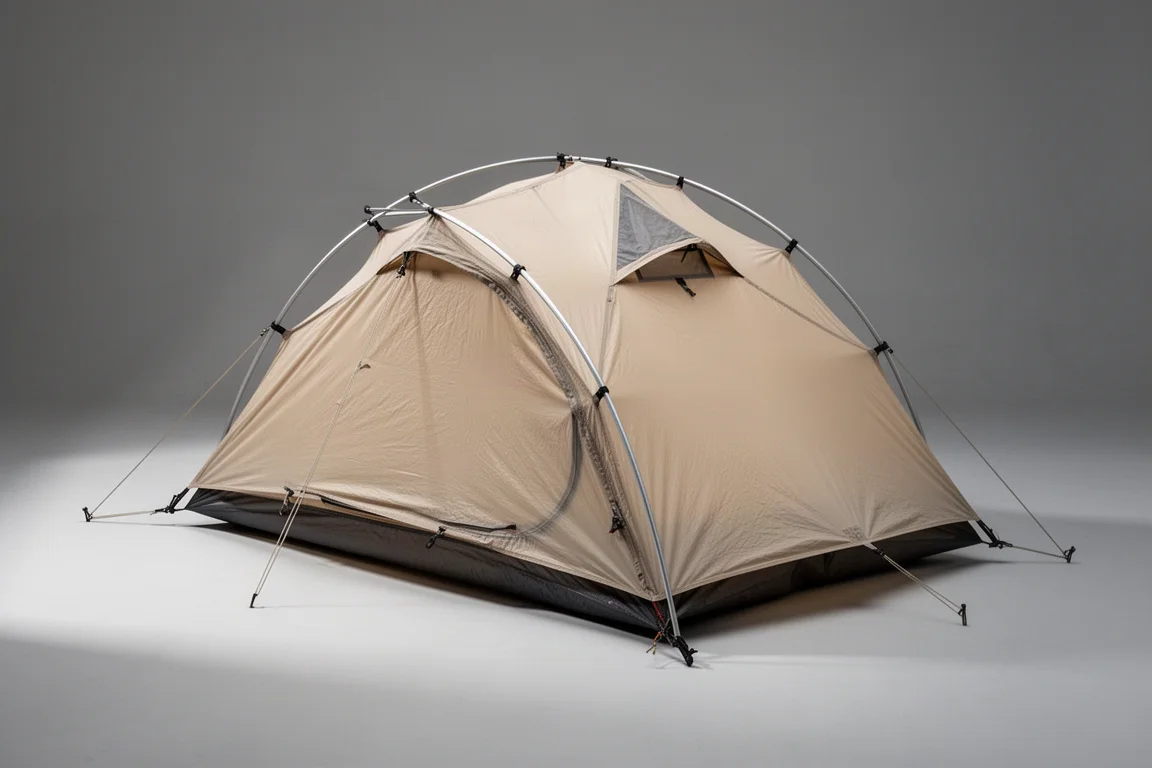
The Big Agnes Pitch Pine 1.5 won the innovation award, a category that rewards companies for taking risks and trying new approaches even when the results still need work.
The Pitch Pine 1.5 is an ultralight tent that does not use trekking poles. One pole is included and forms an arch that provides the structure. It is not semi-freestanding or freestanding, though: it still has to be fully staked out, and with only the pole set up it will fall over. It also has an unusual vent and ventilation system that looks unlike anything else on the market. That system is still being tested and still needs to prove itself, but it is a genuinely different approach.
The silpoly fly is another welcome choice. Silpoly is normally seen on more affordable tents from large brands rather than ultralight models, and it is one of the better materials available for ultralight shelters.
Several things need refinement, and the tent is a little short, so taller users may not fit well. If the feedback from this first version feeds into a second version, and the price comes down, Big Agnes could have a very strong tent here.
The Tarptent ProTrail was the runner-up, with an innovative design and interesting details around the fly and doors. It has not been tested yet.
Buying Advice: Matching a Tent to Your Trip
The right choice comes down to which compromise you are willing to make.
If you want the convenience of a freestanding pitch and a tent that can handle serious weather, the Durston X-Mid 1 Plus and the Durston X-Mid 1P are the two strongest options here, with the X-Mid 1P offering the broadest balance and the most pitching flexibility.
If your priority is covering long distances with as little weight as possible, the Zpacks Plex Solo Lite is the pick, provided you are around 6’2” or shorter and comfortable with a single-wall design. If you want to go even lighter and accept more compromise, the Gossamer Gear Whisper and the Zpacks Hexamid are the ones to look at.
If budget is the deciding factor and you want something easy to buy, the 3F UL Lanshan 1 Pro is the clear value pick, as long as you are willing to practice pitching a trekking pole tent and seam seal it yourself.
For exposed, high-wind trips where you expect to sit out real weather, the Tarptent ArchDome 1 trades some weight for a level of structural solidity that few tents in this class match.
And if you are curious about where one-person tent design is heading, the Big Agnes Pitch Pine 1.5 is the most interesting design of the year, with the caveat that it is a first-generation product.
Two general points apply to all of them. A fly-first or all-in-one pitch is worth prioritizing if you often camp in rain, and a tent that is easy to pitch is worth real weight, especially at the end of a long day.
Conclusion
This was a strong year for one-person tents, and the awards reflect how competitive the category has become. The Durston X-Mid 1P remains the best all-rounder, the Durston X-Mid 1 Plus is the freestanding standout, and the Zpacks Plex Solo Lite is the ultralight benchmark at 334 g. The Gossamer Gear Whisper pushes weight even lower, the 3F UL Lanshan 1 Pro delivers the best value, the Tarptent ArchDome 1 is the one to trust in serious weather, and the Big Agnes Pitch Pine 1.5 is the most inventive design of the year.
Choose based on the trips you actually take, and any of these can be a shelter you rely on for years.
Further reading
Related Reviews
Backpacking Tents
3F UL Lanchan Pro 1 Review: A 1 lb 8 oz Single-Wall Trekking Pole Tent
A practical look at the 3F UL Lanchan Pro 1, a single-wall trekking pole shelter with a 1 lb 8 oz weight, 20D silnylon fabrics, and a roomy 90 x 31 x 49 inch interior.
Backpacking Tents
3F UL Taiji 2-Person Tent: A Convertible Backpacking Shelter Worth a Closer Look
A practical look at the 3F UL Taiji two-person tent, covering its materials, true two-person interior, fly-first pitching, and the seasonal inner swap that lets one shelter cover more of the year.
Backpacking Tents
3FUL Lanshan Twoerson Pro Review: A Light Trekking Pole Shelter That Struggled in Rain
A two-person trekking pole shelter with a 2026 redesign, pitched with sticks and put through a night of steady rain. Here is what worked, what did not, and what to check before buying.