Backpacking Tents
Best One-Person Backpacking Tents: 7 Standout Picks for Solo Adventures
Seven solo backpacking tents compared by weight, interior space, ease of setup, and storm performance, with a clear pick for each type of trip.
Introduction
Choosing a one-person tent for solo backpacking is really a question of matching the shelter to the trip. A tent that shines on a long-distance thru-hike is not the same tent that makes sense for a first season of weekend overnights, and neither is ideal for exposed alpine camps above the tree line.
The picks below are organised by the job each shelter does best. Some are true freestanding designs that go up without a single stake. Others are trekking-pole shelters that cut weight to the bone. One is a genuine budget option, and one is built for the kind of weather that flattens lesser tents. Together they cover the main decisions a solo camper has to make.
How These Picks Were Chosen
Four qualities did most of the work in narrowing the field: weight, usable interior space, durability, and how quickly the tent goes up. Ease of setup matters more than it sounds. A shelter that takes twenty minutes in calm weather takes considerably longer when the wind is up and your hands are cold.
Stormworthiness was weighed alongside simplicity. A tent that needs a dozen guy lines and extra poles to stay stable is a different proposition from one that holds its shape with four stakes and can be reinforced from there. Price was the final filter, particularly in the budget category, where the target was roughly $100 US.
Category awards were then assigned to the shelters that were strongest in each of these areas rather than to the lightest or cheapest tent overall. The result is a shortlist where every pick has a clear reason to exist and a clear type of trip it suits.
Best Freestanding and Best All-Around Tent: Durston X-Dome 1+
The X-Dome 1+ earns two awards here because it solves two problems at once. It is a true freestanding tent, which means it holds its complete structure without any stakes at all. Many freestanding tents still need their vestibules pegged out before they take their real shape. This one does not.
That behaviour comes from the geometry: the fly is rectangular and the inner is offset within it, so the corners of the offset inner form the vestibules. The practical benefit is a shelter you can pick up and move, pitch on rock, snow, or ground too hard to take a stake, and still have fully formed.
Setup is flexible. You can pitch it the traditional way, inner first with the fly over the top, or attach the inner to the fly and raise the whole thing with the poles on the outside. The second option is the one that matters in bad weather, because the inside of the tent stays dry while you build it.
At under a kilogram it stays genuinely light while remaining roomy, with a large vestibule and plenty of interior space. It is not a four-season tent, but it handles weather well beyond its weight class. With trekking poles installed to support the side panels and all guy lines deployed, it has come through winds of up to 60 km/h without issue.
The materials support that confidence. Carbon fibre poles keep the structure light, and the silpoly fly resists sagging and stretching when it gets wet, so the pitch you set in the evening is still the pitch you have at dawn.
The main thing to know before buying is that the feet at the ends of the poles, where they seat into the corners, are fiddly and take a little practice. Buyers also choose between a mesh inner and a solid inner. On the mesh version, a solid panel running across the door and sitting a little higher would do more to block wind and drifting sand.
Best Ultralight Tent: Zpacks Plex Solo Lite
At 334 g, the Plex Solo Lite is the lightest shelter in this roundup by a wide margin. It is a trekking-pole tent that needs a single pole to stand, and it is built from Dyneema fabric.
Weight is not the only thing it gets right. Setup is simple enough to complete in under two minutes, and the tent is durable, partly because trekking poles are considerably more robust than conventional tent poles. There is also no zipper on the door, which is a quiet advantage in sandy environments where zippers clog and jam.
The pyramid shape sheds wind effectively, and the tent has held up in winds measured at 73 km/h. Dyneema brings a second benefit: condensation on the inside or rain on the outside can be wiped away with a cloth. That matters when the tent itself weighs 334 g, because nobody wants to carry an extra few hundred grams of trapped water.
The trade-off is interior size. Taller campers may find it tight. There is a wider section through the middle, which makes it possible to bring a reasonable amount of gear inside and store it beside you, but very large users should look elsewhere. For thru-hikers, fastpackers, and anyone counting grams, it is a compelling choice, and it suits solo trips where covering distance and scrambling over rough ground make weight a real factor.
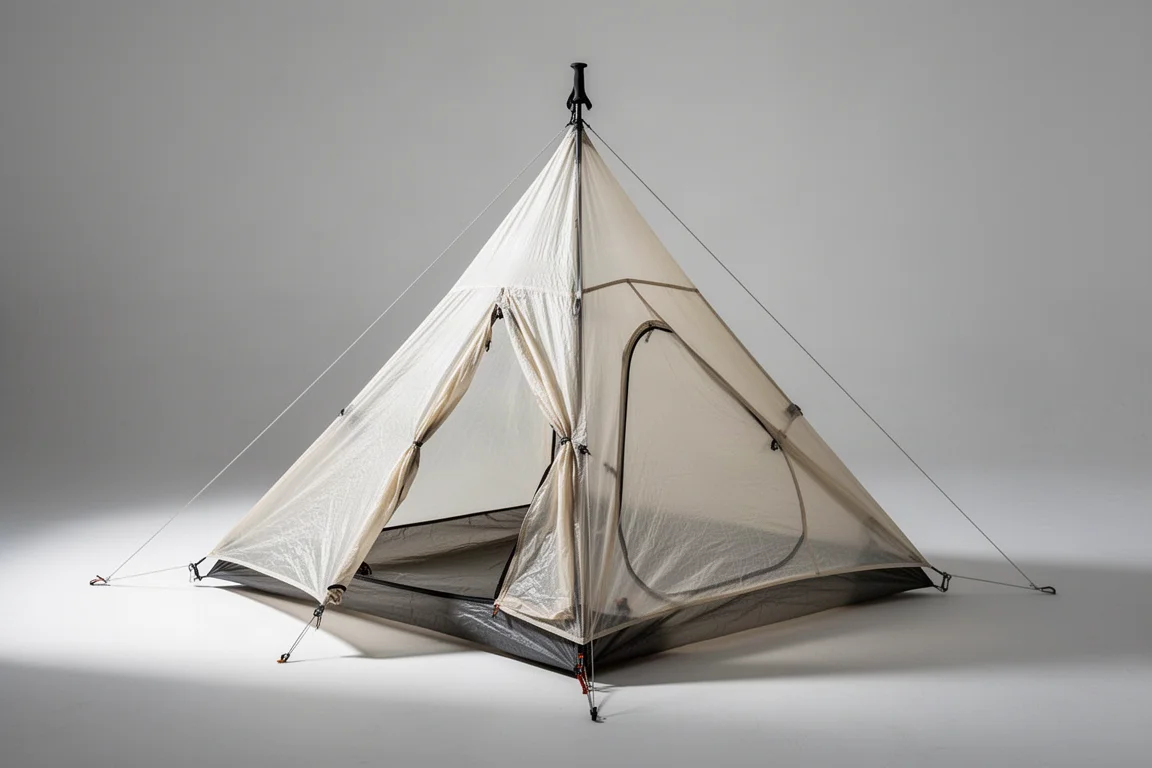
Best Budget Tent: 3F UL Gear Lanshan 1
The Lanshan 1 has been near the top of budget tent lists for a long time, and the reason is straightforward: it lands around the $100 US mark while remaining reliable and easy to use.
Like the Plex Solo Lite, it is a trekking-pole tent built around a single pole and a pyramid shape, which gives it good wind resistance for the price. The 2024 update is roomy inside, with T-shaped doors that make getting in and out easier.
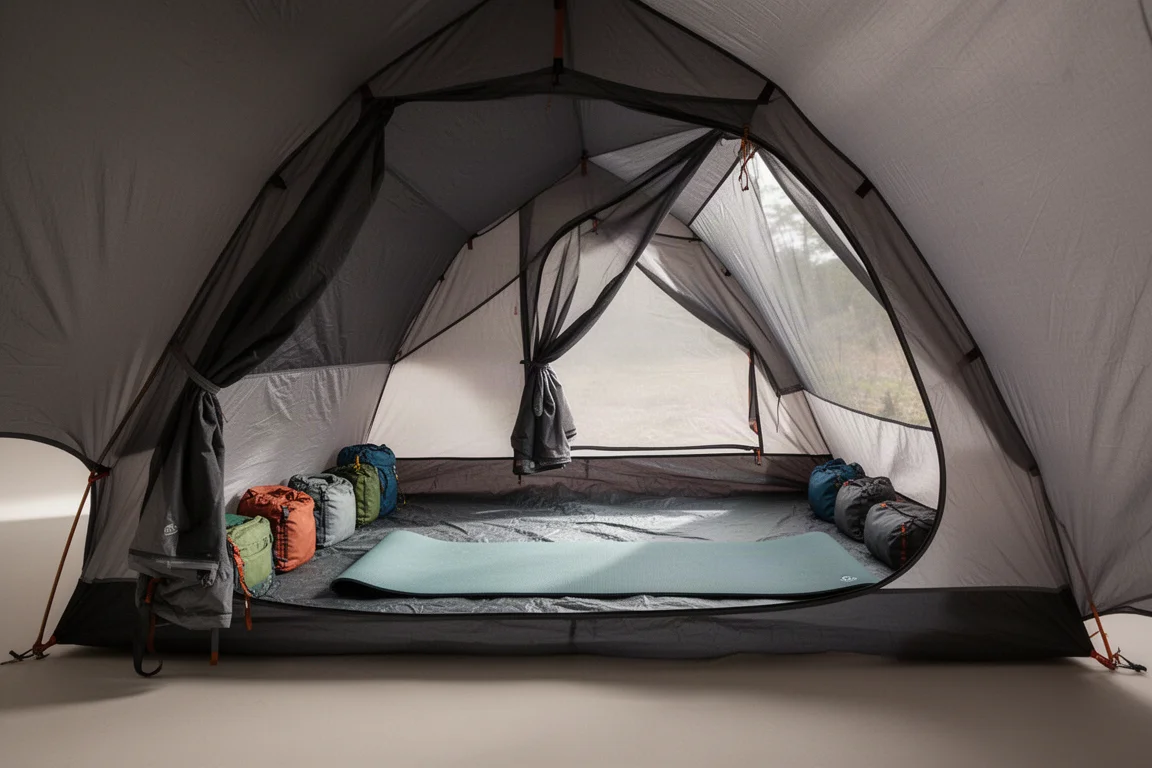
The one caveat is familiarity. Backpackers moving from a traditional tent will need a little time to get comfortable with a trekking-pole pitch. Once that learning curve is behind you, these shelters go up quickly and hold up well. The Lanshan 1 can be trusted on essentially any three-season trip, which is why it works as a general-purpose first backpacking tent as well as a budget pick.
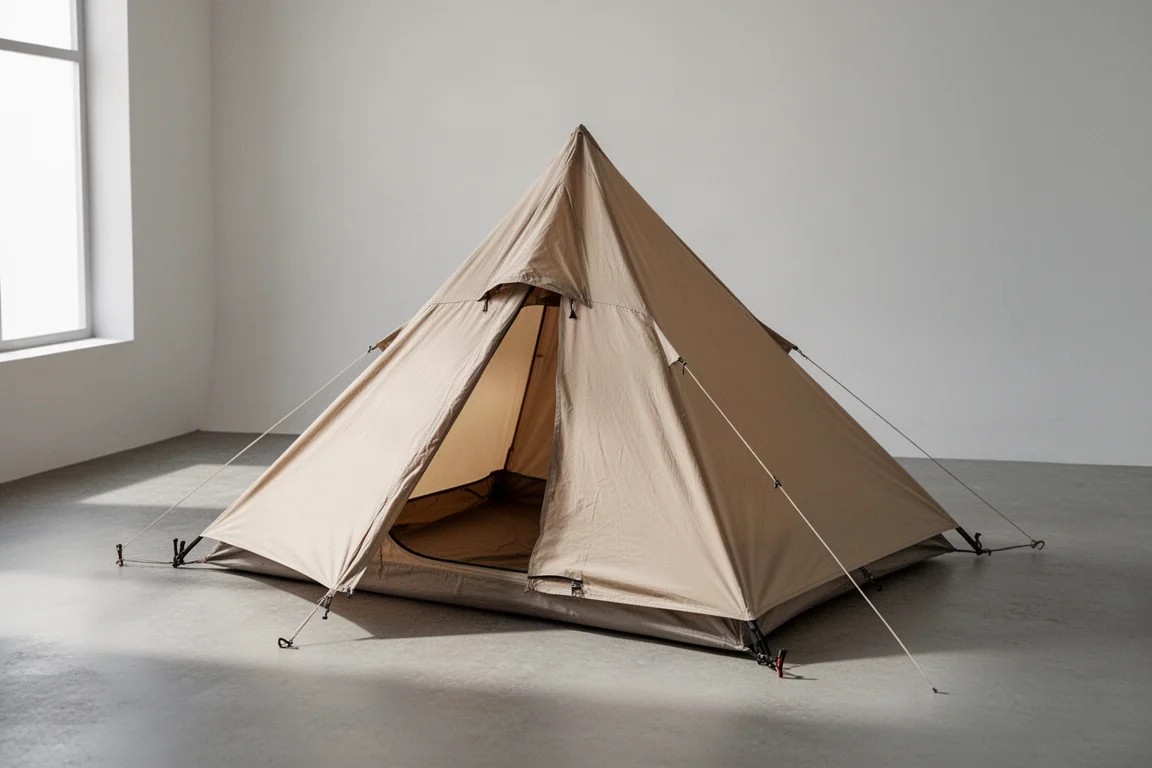
Best Stormworthy Tent: Samaya 2.0
The Samaya 2.0 is technically a two-person tent, but it is tight for two: occupants would need 20-inch wide pads and would be shoulder to shoulder with little spare room. Used as a one-person shelter it makes far more sense, and it still comes in at just over a kilogram.
Setup is about as simple as it gets. Two cross poles pass over one another, there are four stake-out points at the corners and four guy-out points, and the tent can be made essentially bombproof without drama. It is also a true freestanding design, so there are no vestibules that must be pegged out to complete the structure.
It has been used through winter conditions and in winds measured at 73 km/h, and it handled both. The two things to weigh carefully are price, which is high, and bulk. Because Dyneema fabric is part of the build, the packed tent is noticeably bulky even before poles are added.
Where it earns its keep is in genuinely exposed places: above the tree line in alpine terrain, or in the Arctic Circle where there is little natural shelter and wind is a constant. In those settings, the combination of easy pitching and dependable stability is worth the compromises.
Notable Alternatives Worth Considering
Not every trip fits neatly into one of the categories above. These three shelters are worth a look if your priorities sit slightly differently.
Nemo Dragonfly
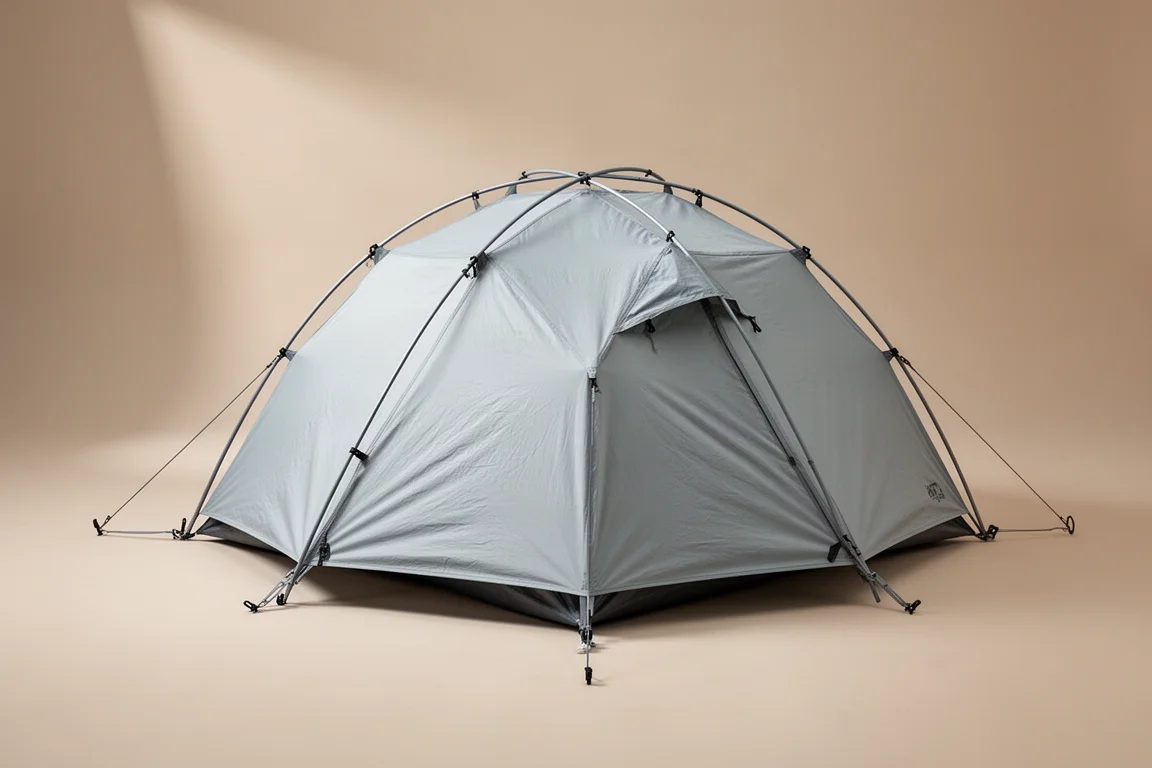
The Dragonfly is the alternative to the X-Dome 1+ for freestanding convenience. It is not a true freestanding tent, so the vestibule still needs staking out, and it is heavier with less interior room. For campers who want a familiar, conventional freestanding design, it remains a reasonable option.
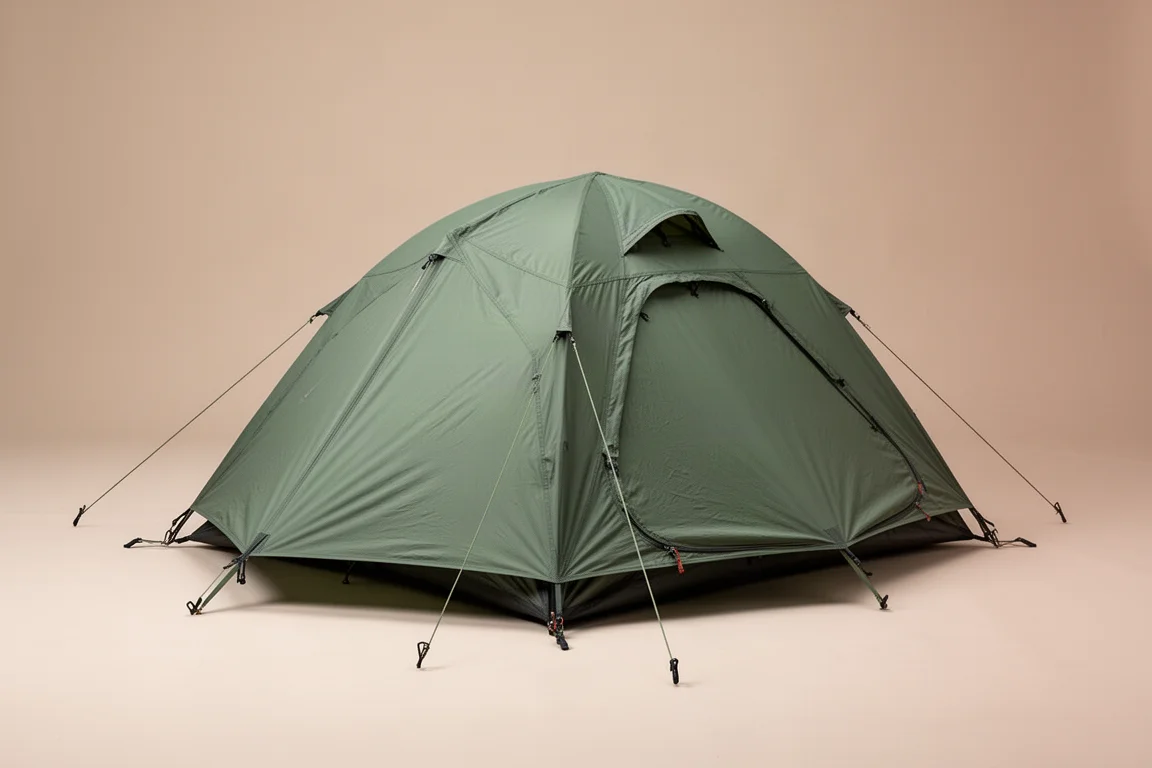
Durston X-Mid Pro 2
The X-Mid Pro 2 is another trekking-pole shelter made with Dyneema, and it is technically a two-person tent. The interesting part is the weight: 515 g. That makes it a way to get considerably more interior space without giving up much on the scale, and it is expected to be one of the most popular thru-hiking tents of the season.
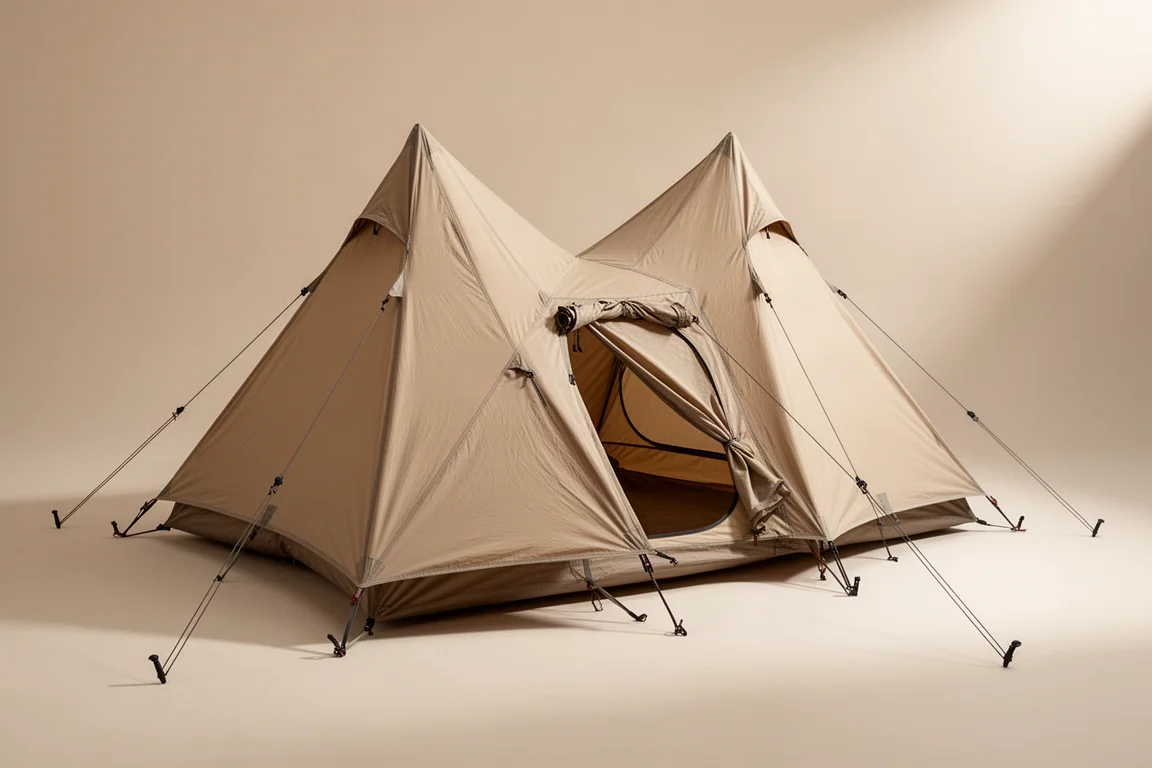
Six Moon Designs Lunar Solo
The Lunar Solo is the alternative all-arounder: a trekking-pole tent at 740 g, made with sil fabric. It is roomy inside, handles storms well, and comes in at a sensible price, which makes it a strong middle ground between the budget pick and the premium ultralight options.
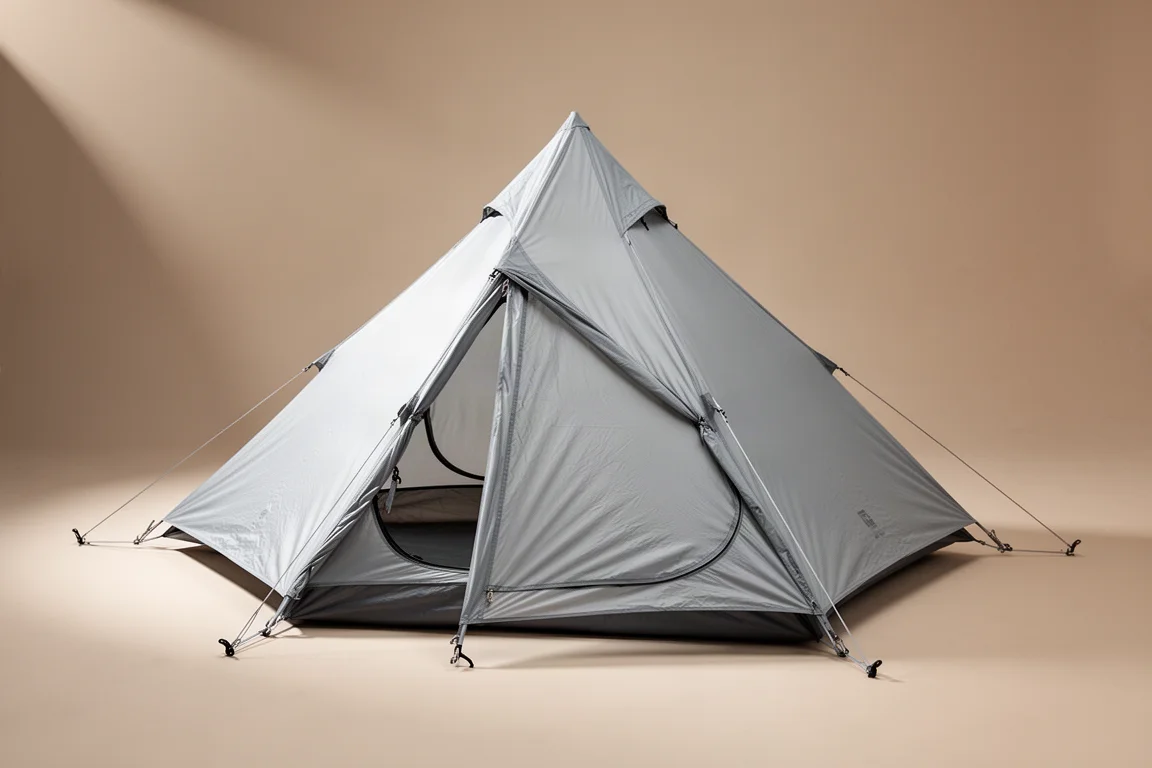
Buying Advice
The single most useful question to answer before buying is how you will pitch the tent. If your trips regularly involve rocky ground, snow, or surfaces where stakes will not go in, a true freestanding design removes a real source of frustration. If you are covering long distances and every gram counts, a trekking-pole shelter is the more efficient choice.
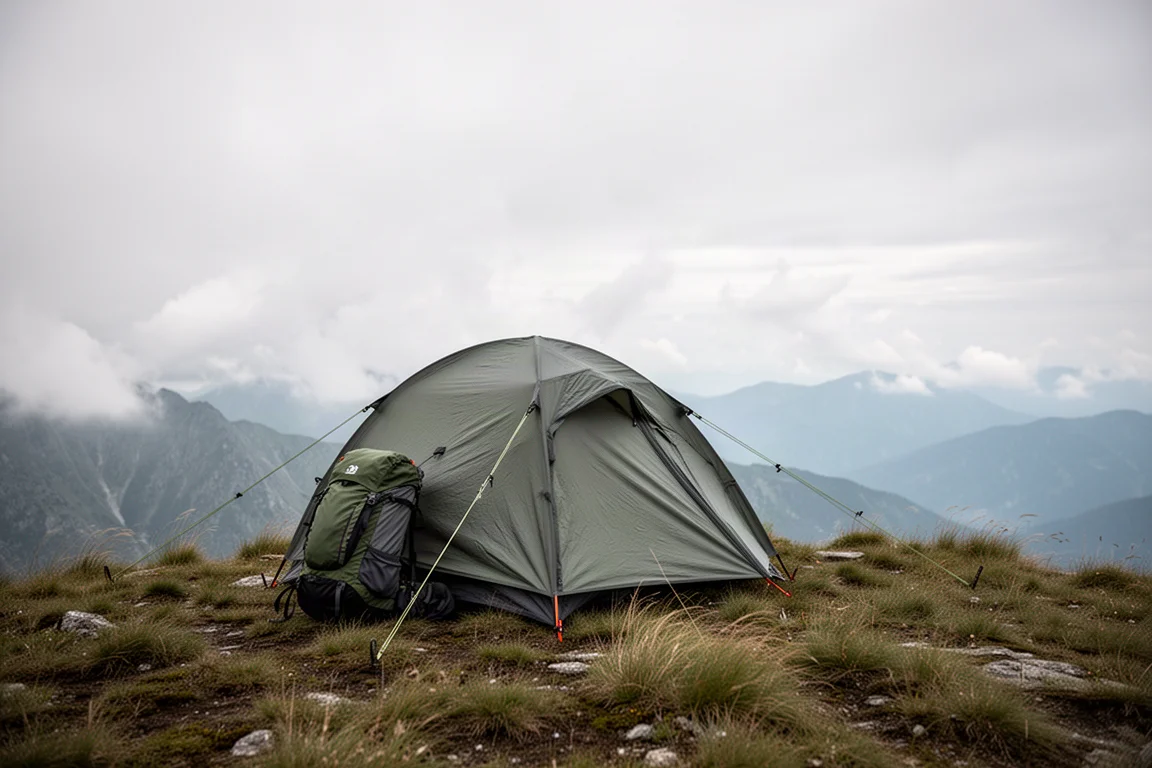
Think about interior space honestly. Ultralight shelters are often narrower than they look in photographs, and taller or broader campers should pay attention to the dimensions and the shape of the sleeping area. A wider mid-section, like the one on the Plex Solo Lite, helps, but it does not replace overall size.
Finally, decide how much storm protection you actually need. A tent that handles strong wind with four stakes and a few guy lines is easier to live with than one that demands a complex web of lines and extra poles, and for most three-season trips a well-designed pyramid or freestanding shelter is enough. Only genuinely exposed, above-tree-line camping justifies paying for the most weather-resistant option here.
Conclusion
Solo shelter choice comes down to what you are willing to carry and what conditions you expect. The Durston X-Dome 1+ takes the top spot overall: it pitches without stakes, keeps its interior dry in an all-in-one setup, stays under a kilogram, and stiffens up well when the wind rises. The pole feet take a little getting used to, but the rest of the design is hard to fault, which is why it also stands as the most versatile tent in this group.
If weight is the priority, the Zpacks Plex Solo Lite is unmatched here at 334 g. If budget matters most, the 3F UL Gear Lanshan 1 delivers a reliable three-season shelter for around $100 US. And if your camping happens above the tree line in serious wind, the Samaya 2.0 is built for exactly that.
Further reading
Related Reviews
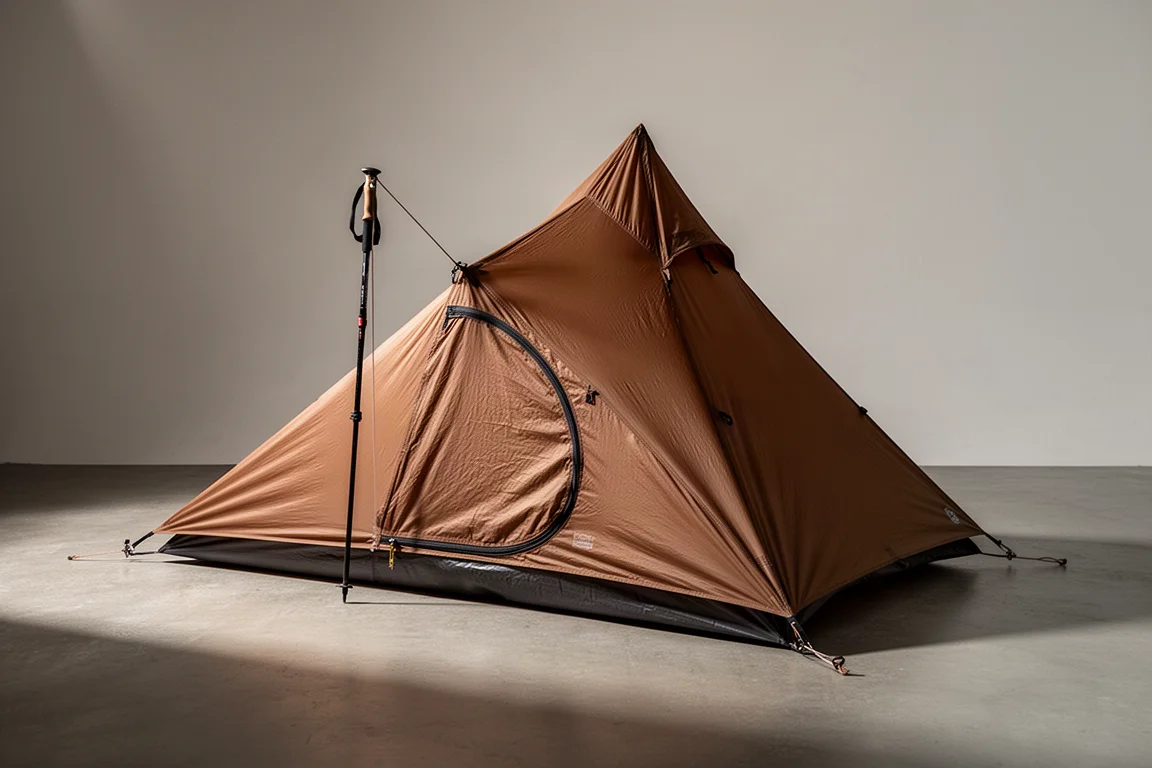
Backpacking Tents
3F UL Lanchan Pro 1 Review: A 1 lb 8 oz Single-Wall Trekking Pole Tent
A practical look at the 3F UL Lanchan Pro 1, a single-wall trekking pole shelter with a 1 lb 8 oz weight, 20D silnylon fabrics, and a roomy 90 x 31 x 49 inch interior.
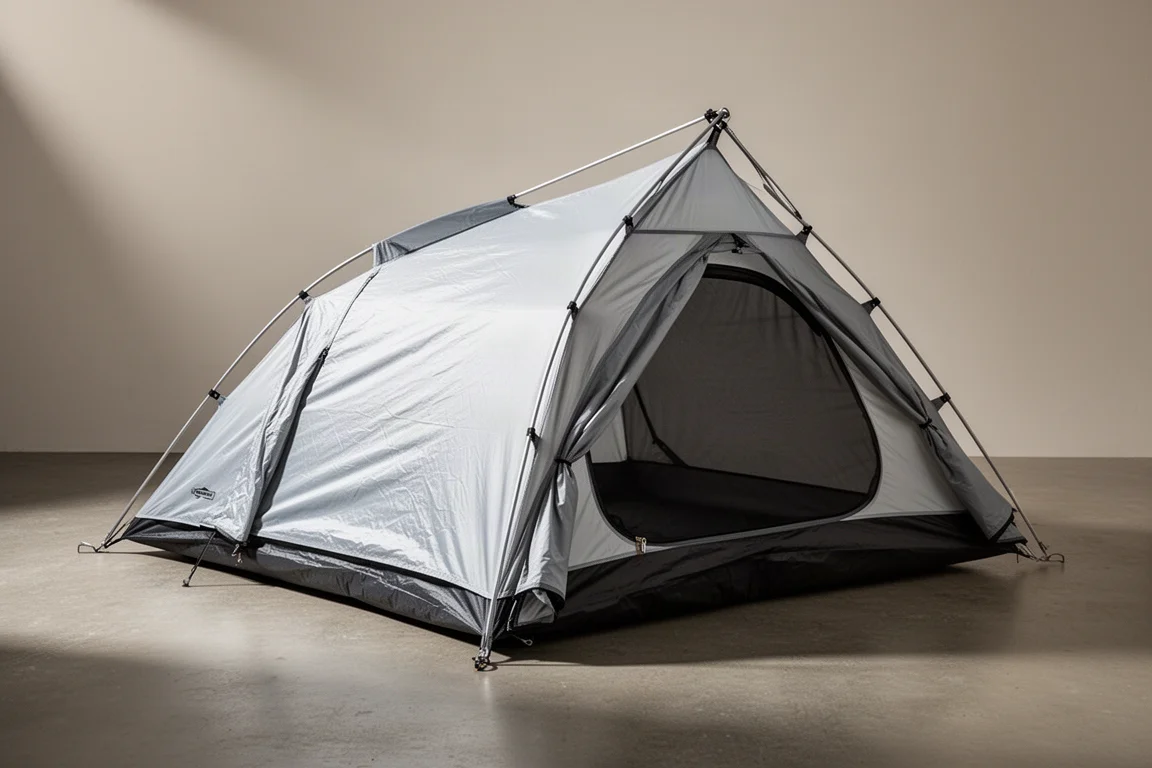
Backpacking Tents
3F UL Taiji 2-Person Tent: A Convertible Backpacking Shelter Worth a Closer Look
A practical look at the 3F UL Taiji two-person tent, covering its materials, true two-person interior, fly-first pitching, and the seasonal inner swap that lets one shelter cover more of the year.
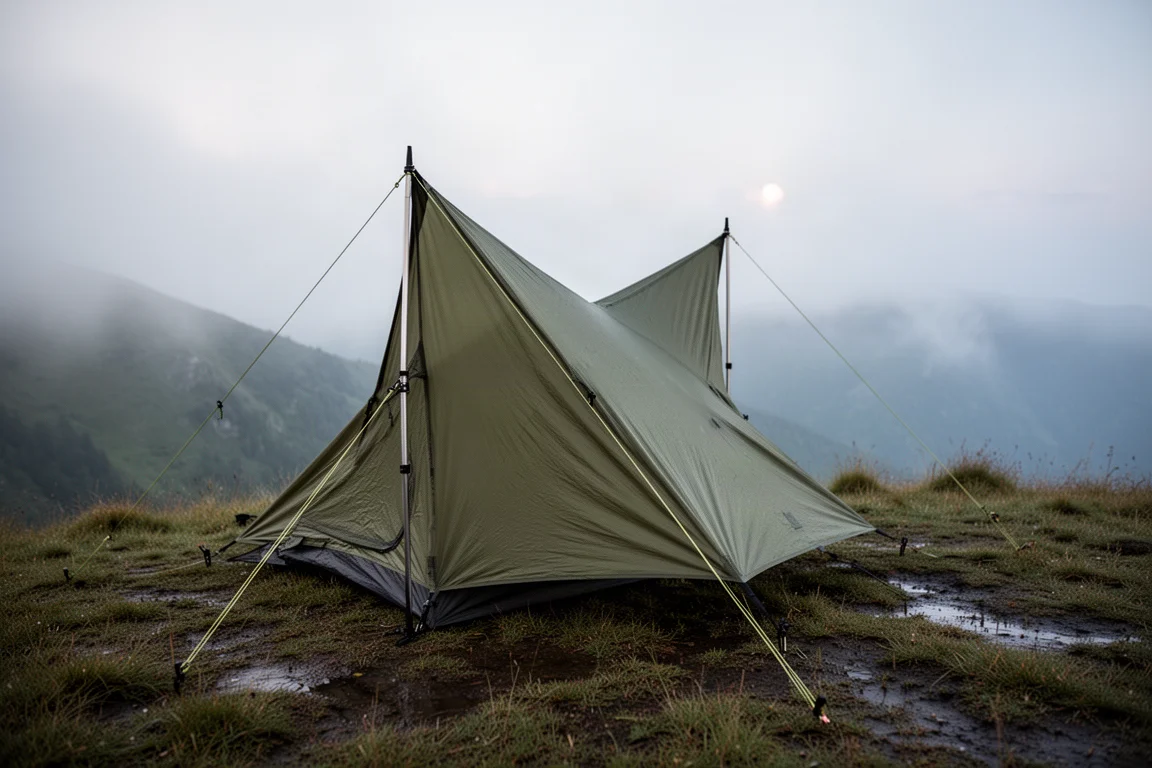
Backpacking Tents
3FUL Lanshan Twoerson Pro Review: A Light Trekking Pole Shelter That Struggled in Rain
A two-person trekking pole shelter with a 2026 redesign, pitched with sticks and put through a night of steady rain. Here is what worked, what did not, and what to check before buying.