Backpacking Tents
Best One-Person Backpacking Tents 2026: Award Winners for Every Kind of Trip
Six standout one-person shelters, from a 285 g floorless tarp to a fully freestanding all-rounder, with the trade-offs that matter before you buy.
Introduction
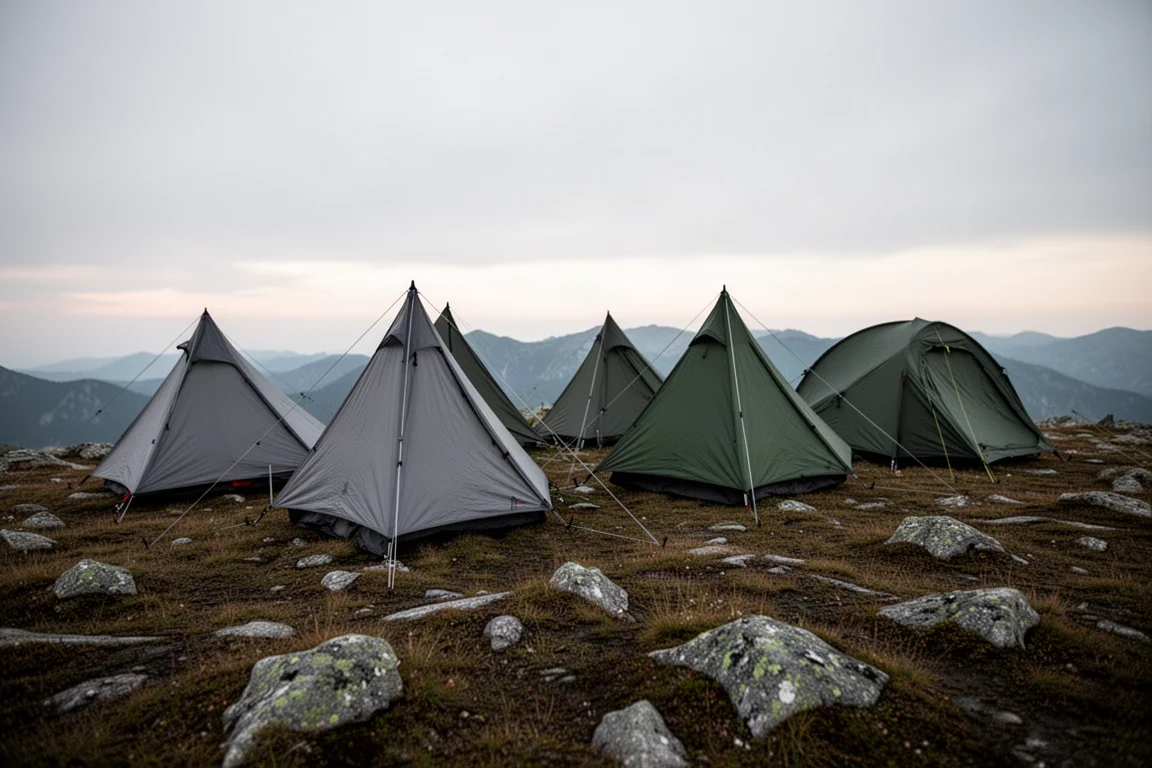
This has been a strong year for one-person shelters, with genuinely new contenders arriving alongside meaningful updates to designs that were already proven. The picks below cover the categories that matter most to backpackers: freestanding convenience, ultralight efficiency, super ultralight minimalism, budget value, storm worthiness, and outright innovation. Almost every category saw either a serious new challenger or a refreshed previous winner, which is exactly why a structured roundup is useful. There are a lot of tents on the market, and narrowing the field to a handful of well-defined use cases makes the decision far easier.
Each tent here solves a different problem. A shelter that disappears into a pack on a 30 km day is not the same shelter you want when a storm rolls in above the treeline, and neither is the one you want if you are buying your first trekking pole tent on a tight budget.
How These Awards Were Judged
Every category was judged against a specific set of priorities rather than a single headline number. For the freestanding category, a tent had to stand up with no stakes at all. Plenty of freestanding shelters still need their vestibules staked out before they hold full structure, and those were set aside. The freestanding winner also had to work as an all-rounder, balancing storm readiness, weight, and interior size.
A priority that carried across nearly every category was the ability to pitch as an all-in-one setup or fly first. When you are setting up in rain, that is the difference between a dry inner tent and a soaked one.
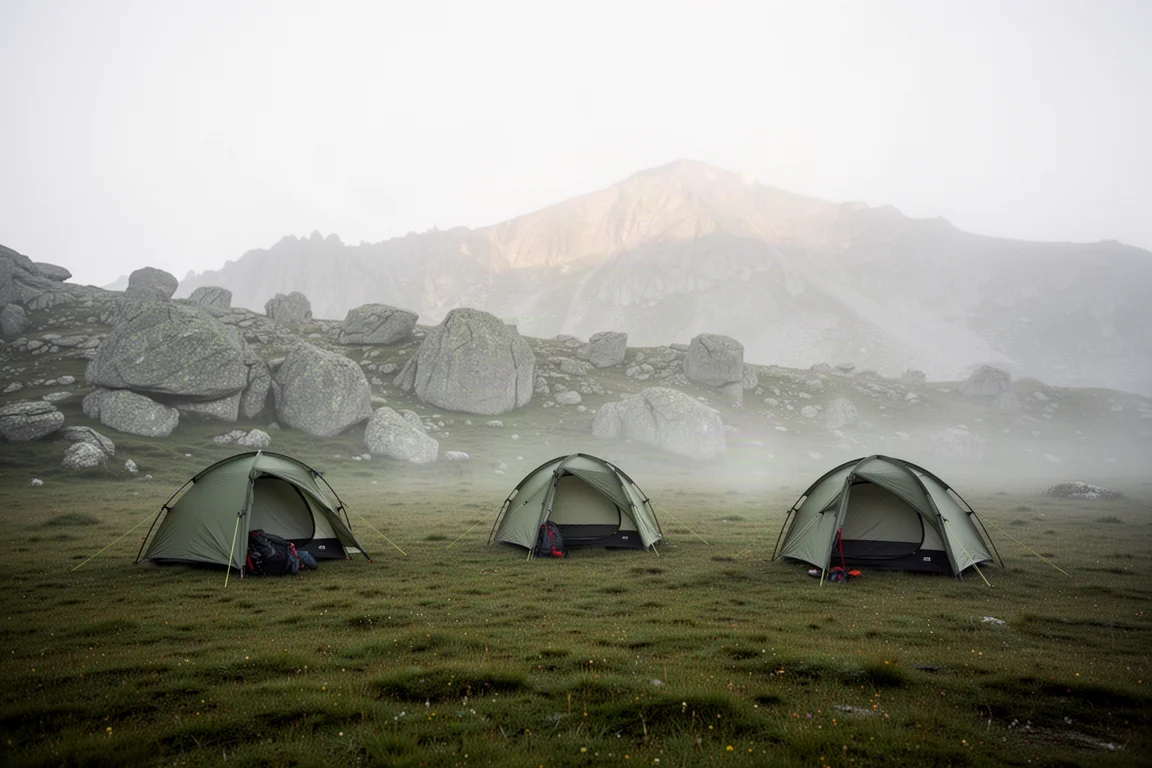
For the ultralight category, weight was the starting point, but ease of use and reliability carried equal weight in the decision. An ultralight shelter gets used on trips where you cover a lot of miles, and the last thing you want at the end of a long day is a finicky pitch. Reliability matters even more on multi-week routes, where a tent failure in the middle of a trip is a serious problem. The super ultralight category pushed weight to the extreme while still requiring enough protection that rain and bugs would not ruin the trip.
The budget category weighed price alongside ease of use, usability, and availability. The goal was a tent almost anyone can buy without long lead times from a small maker, and without running into shipping limits in certain countries. The storm-worthy category required a shelter that handles winds above 100 km/h, heavy rain and snow, and pitching in genuinely bad conditions, without leaning on an excessive number of guy lines and without feeling cramped inside when you are stuck waiting out the weather. The innovation category rewarded companies taking real risks and trying new approaches, whether or not every idea lands perfectly on the first attempt.
Best Freestanding Tent and Best All-Rounder: Durston X-Mid 1P
The Durston X-Mid 1P takes both the freestanding award and the all-rounder award because it balances the factors most backpackers weigh against each other: weight, price, storm worthiness, and interior space. It comes in under a kilogram, which places it among the lightest fully freestanding tents available. Freestanding here means it stands on its own without stakes, so you are not forced to guy out the vestibules just to give the shelter its structure. That makes pitching easier on rock, on a hut floor, or on a wooden platform.
Storm performance is a large part of the case. The tent has been wind tunnel tested at speeds up to 100 km/h, and it has held up through blizzard conditions and extreme wind on a winter glacier traverse, where wind and snow hit it hard without the structure giving way. Trekking poles can be inserted into the sides to brace the two largest panels, the door side and the back wall, which are the surfaces that catch the most wind. The silpoly fly does not absorb water, so rain and condensation do not leave it sagging and stretching.
Space is generous for a one-person shelter. A 30 inch wide sleeping pad fits with floor room left over for gear, and there is a large vestibule plus enough height to sit up and change comfortably. The most recent version adds a seam-sealed door so the zipper seam does not drip, and carbon fiber pole inserts replace the earlier aluminum inserts, whose glue could loosen and fail in the field. An aluminum pole option and an improved silnylon floor round out the current package. Setup is unusually flexible: inner first like a traditional tent, all-in-one with the inner and fly attached, or fly first with the inner added afterward, which keeps the sleeping area dry in rain and lets you leave the inner at home entirely to save weight.
Two caveats are worth knowing before you buy. The pole feet are finicky, since each pole has to be seated into two separate feet, and that is a fiddly step in cold or wet conditions. With a thick winter sleeping pad and a long sleeping bag, taller sleepers may also find the interior short enough to touch the ends. If you want a freestanding shelter with a slightly different balance, the Nemo Dragonfly 1P requires its vestibule to be guyed out and is a little heavier and less roomy, while the Tarptent Rainbow is longer for taller sleepers but is not freestanding and does not offer the same range of setup options.
Best Ultralight Tent: Zpacks Plex Solo Lite
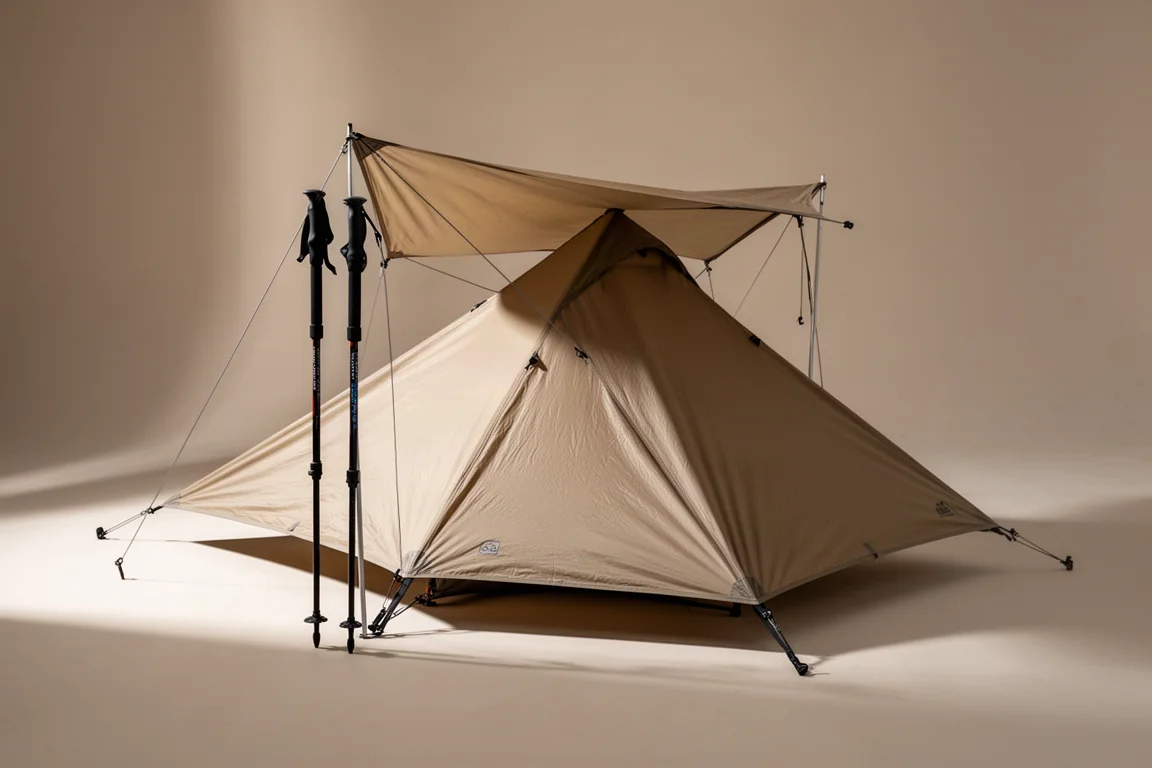
The Zpacks Plex Solo Lite wins the ultralight category, where the priorities are low weight, easy handling at the end of a long day, and reliability over multi-week trips. At 334 g it is remarkably light, yet it remains a fully enclosed shelter, so you are not dealing with bugs and you still get adequate protection from rain.
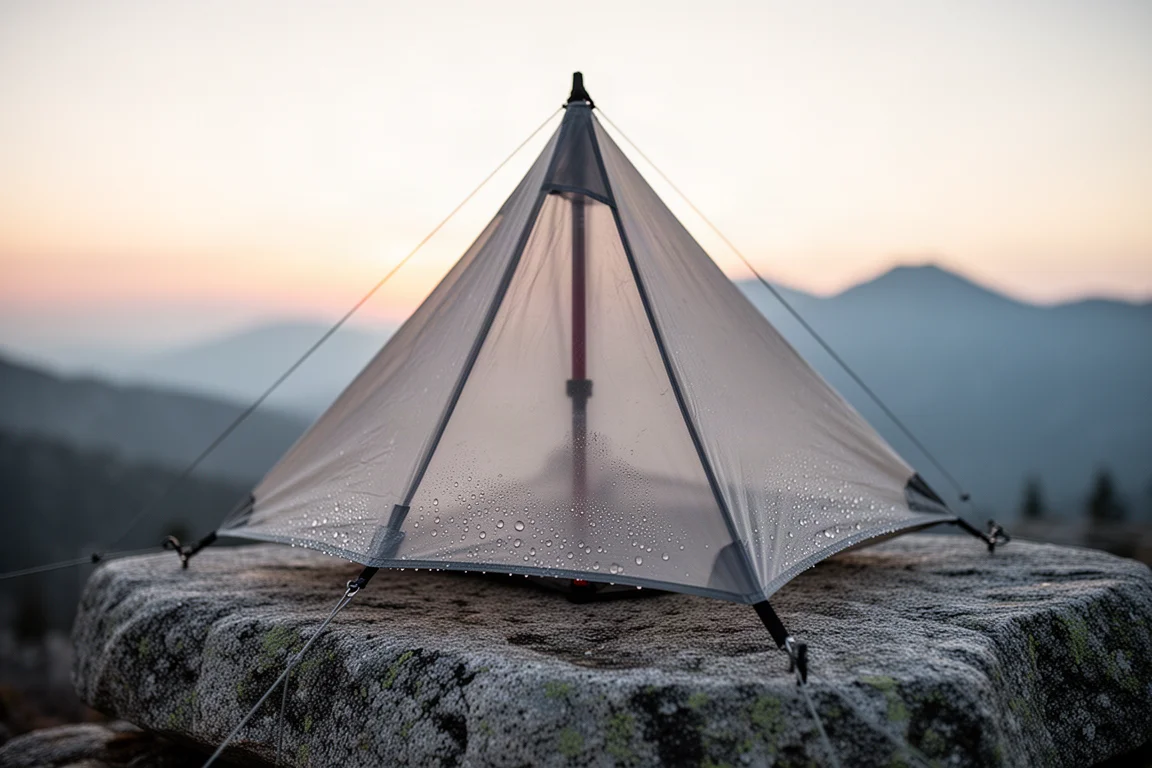
Reliability comes from a few deliberate design choices. The shelter pitches with a single trekking pole, which means a broken pole still leaves you a spare for the tent. The door has no zipper at all, which removes a point of failure and avoids the grit and sand that clog zippers in dusty conditions. The pyramid shape is genuinely storm worthy: this shelter has been used in winds above 70 km/h and barely moved, and it is built to handle more than that. The Dyneema fabric keeps weight down, and the single wall fly can be wiped down on the inside or the outside to clear condensation or rain, which saves meaningful weight compared with a double wall design.
Interior space suits sleepers around 6 ft 2 in or shorter who are not using a very thick sleeping pad. The mid-section is a little wider, giving you room to keep some gear beside you. Taller sleepers should look at the Zpacks Altaplex instead, since they are unlikely to fit comfortably here. The trade-off of a single wall design is that there is no physical barrier between you and any condensation that forms on the fly, so you need to stay centered and avoid pressing against the walls, though condensation wipes off easily when it does appear. The Durston X-Mid Pro 1 remains a popular alternative for long-distance hikers, but it requires two trekking poles to pitch.
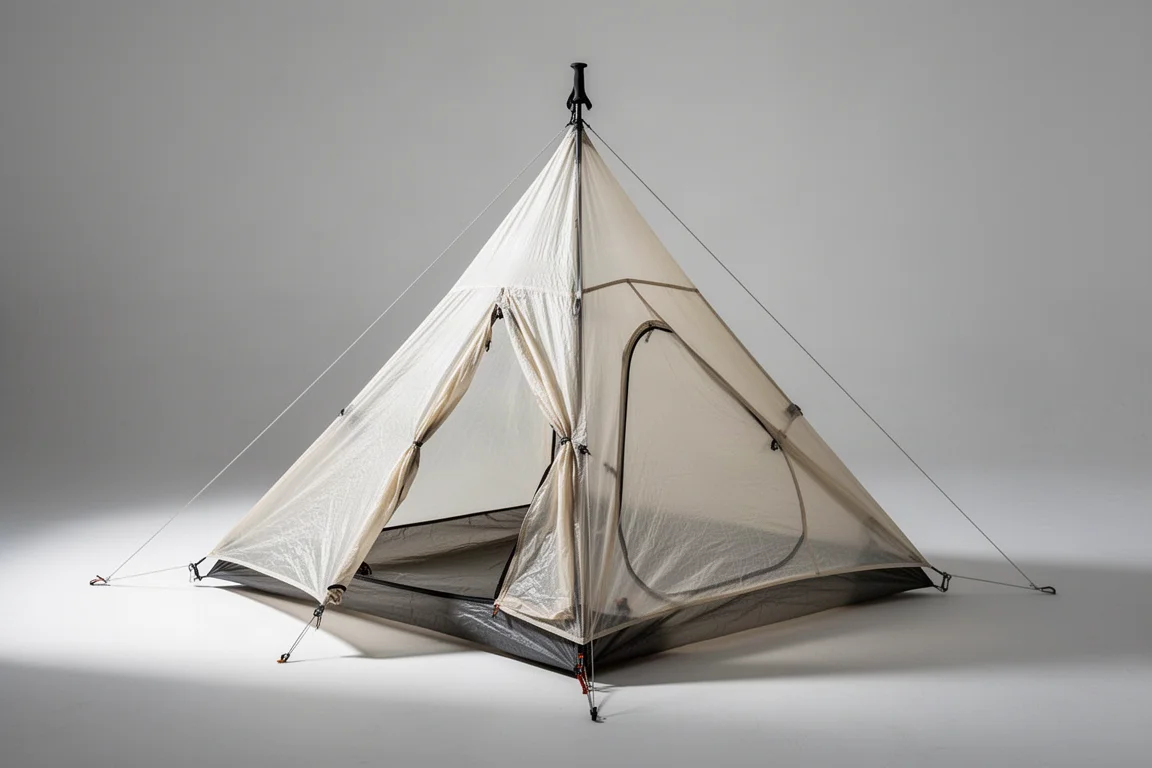
Best Super Ultralight Tent: Gossamer Gear Whisper
The Gossamer Gear Whisper takes the super ultralight award, a category where weight is pushed to the extreme but the shelter still has to keep you reasonably comfortable in rain and around insects. At 285 g it is the lightest of the contenders, and it adds a few usability features that the others do not.
A mesh skirt runs the full perimeter, which keeps bugs out and takes some of the edge off the wind on a gusty day. A small pole at the foot end adds interior volume, and it makes a noticeable difference: many super ultralight shelters feel cramped around the head and foot, while the Whisper opens up considerably once a trekking pole and the foot-end pole are both in place. It also has decent height and a fully zippered door, which is more than you can say for several shelters in this weight class.
The trade-offs are real and worth accepting deliberately. It needs two poles to pitch, although a trekking pole plus a stick, a trekking pole plus the dedicated pole from Gossamer Gear, or two trekking poles all work. There is no floor either, so you need to bring a ground sheet such as polycro, or use a sleeping pad you trust on the terrain you are camping on. The Zpacks Hexamid, with or without a skirt, is even lighter and more compact for anyone willing to go more minimal and accept the sacrifices that come with it.
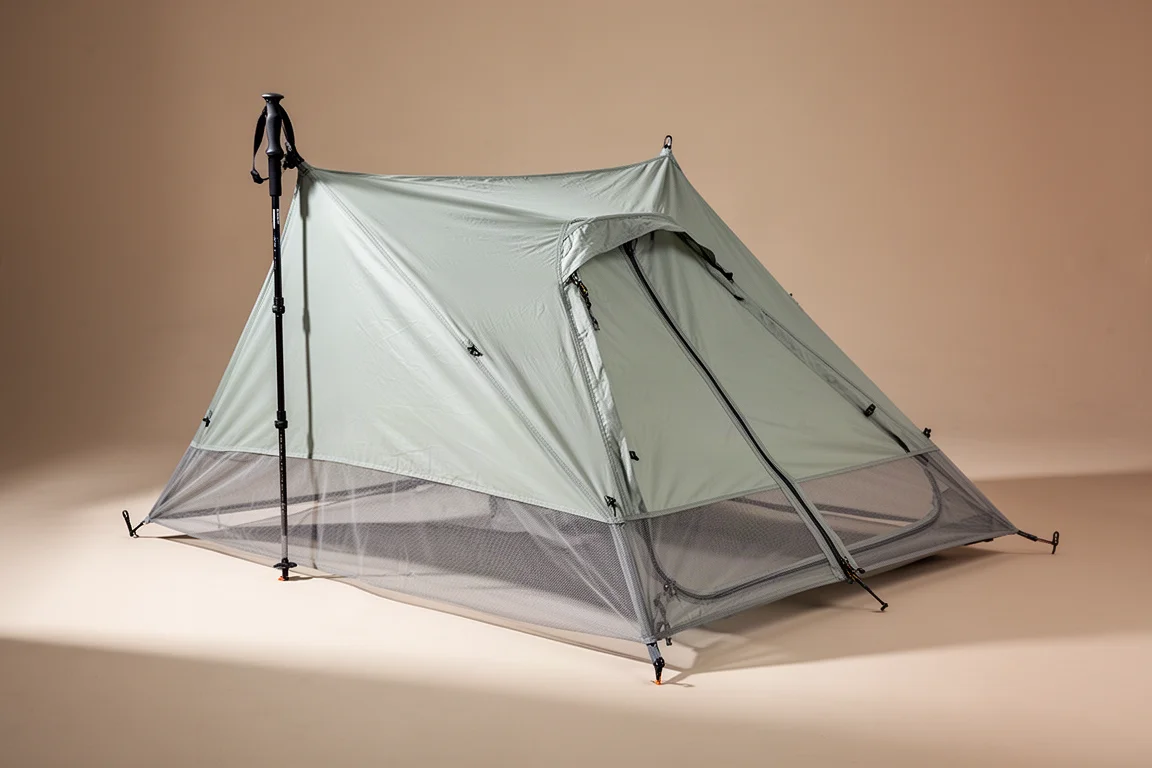
Best Budget Tent: 3F UL Lanshan 1 Pro
The 3F UL Lanshan 1 Pro takes the budget award, where the priorities were price, ease of use, usability, and straightforward availability without long lead times or regional shipping restrictions. The 2026 version moves to a silpoly fly, which is a significant upgrade for a trekking pole tent because silpoly does not sag or stretch when it takes on rain or condensation.
The new version also adds a T-shaped door that lets you enter from either side of the tent, which is a genuine advantage in tighter pitches. Guy lines and hardware have been updated as well. Three adjustable flaps at the foot end, head end, and back wall create a physical barrier between you and the wall of this single wall shelter, and they also block wind when conditions pick up. The previous version has been in use for years and remains a solid tent: easy to pitch once you are used to it, well built, roomy enough on the inside for most people, and very well priced.
Two things to plan for. It is a trekking pole tent, so expect a few practice pitches before it feels natural, although many people find that one-pole trekking pole designs like this are quicker to pitch than conventional poled tents once they are familiar. You also have to seam seal it yourself, running seam sealer along the seams to make it fully waterproof. The non-pro Lanshan 1 is a double wall alternative at a slightly lower price if you prefer a separate inner.
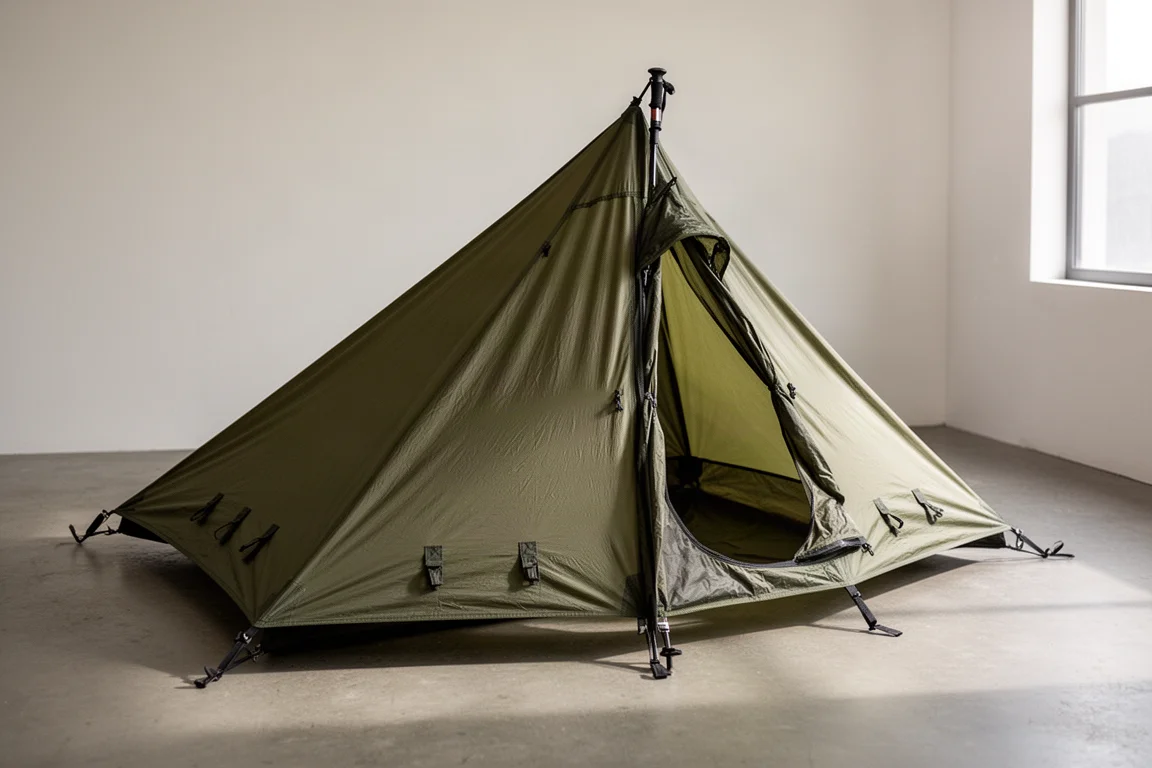
Best Storm-Worthy Tent: Tarptent ArcDome 1
The Tarptent ArcDome 1 takes the storm-worthy award. This category called for a shelter that handles winds above 100 km/h, heavy rain and snow, and pitching in genuinely bad weather, without depending on a huge number of guy lines and without feeling cramped when you are hunkered down inside. Plenty of storm-focused tents exist, but many of them solve the problem purely with weight, and that was not the goal here.
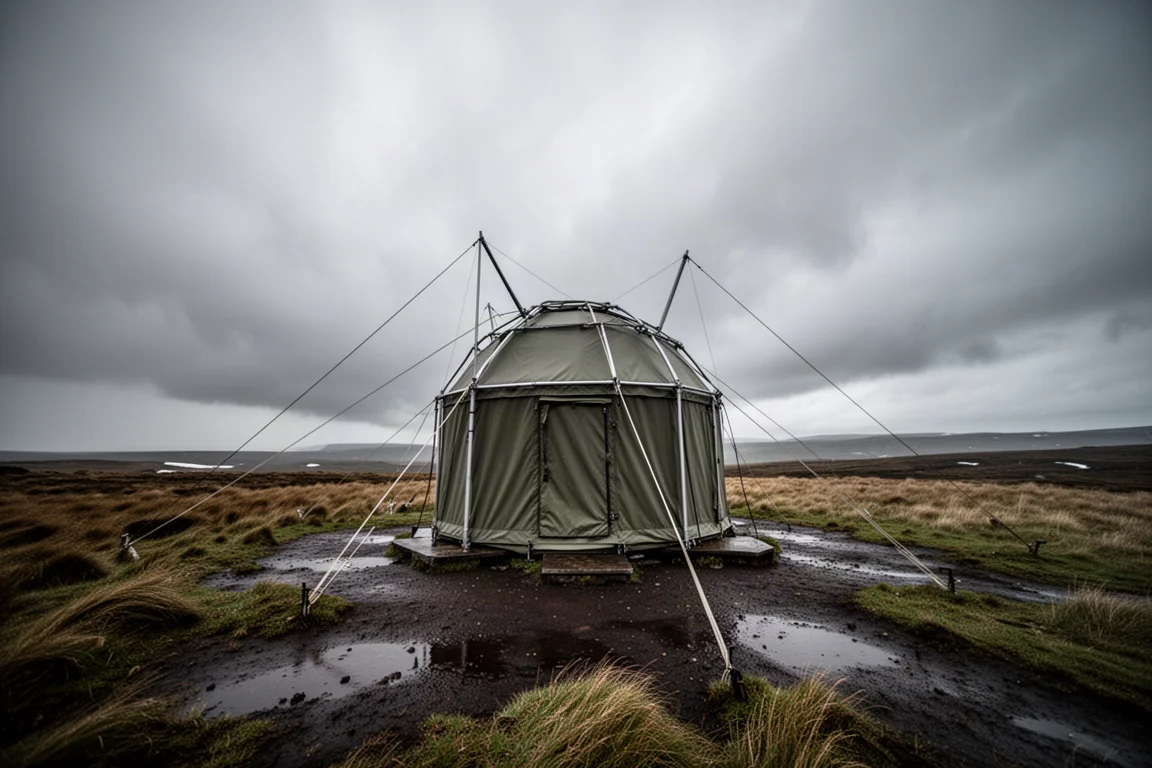
The ArcDome 1 earns the award through structure. It offers different pole options so you can choose the pole strength that matches your trip, and full pole sleeves that overlap, combined with a large number of guy-out points and strong materials, make it extremely capable in wind. Press on the top of a fully guyed-out ArcDome 1 or shake it, and you can feel how solid it is. The two-person version has been used in winds over 100 km/h without trouble, and the one-person version has handled winter conditions and rain well. The switch to a silpoly fly also matters in cold weather: DCF and Ultra TNT have to be folded and rolled, while silpoly can simply be stuffed into a sack, which makes packing up in winter far easier.
Interior space is closer to a one-plus than a strict one-person. A cutout in the middle of the floor plan gives you a usable spot at the head or foot end to keep gear beside you. With aluminum poles and the silpoly fly, it weighs under 1,500 g, which is impressive given how storm worthy it is.
The compromises are weight, which is higher than the ultralight picks here, and pole sleeves that can be finicky to feed. A sleeve and clip hybrid would make setup easier. The Samaya 2.0 is a lower-profile alternative that pitches very easily and performs well in wind, though the ArcDome 1 offers more interior space.
Most Innovative Tent: Big Agnes Pitch Pine 1.5
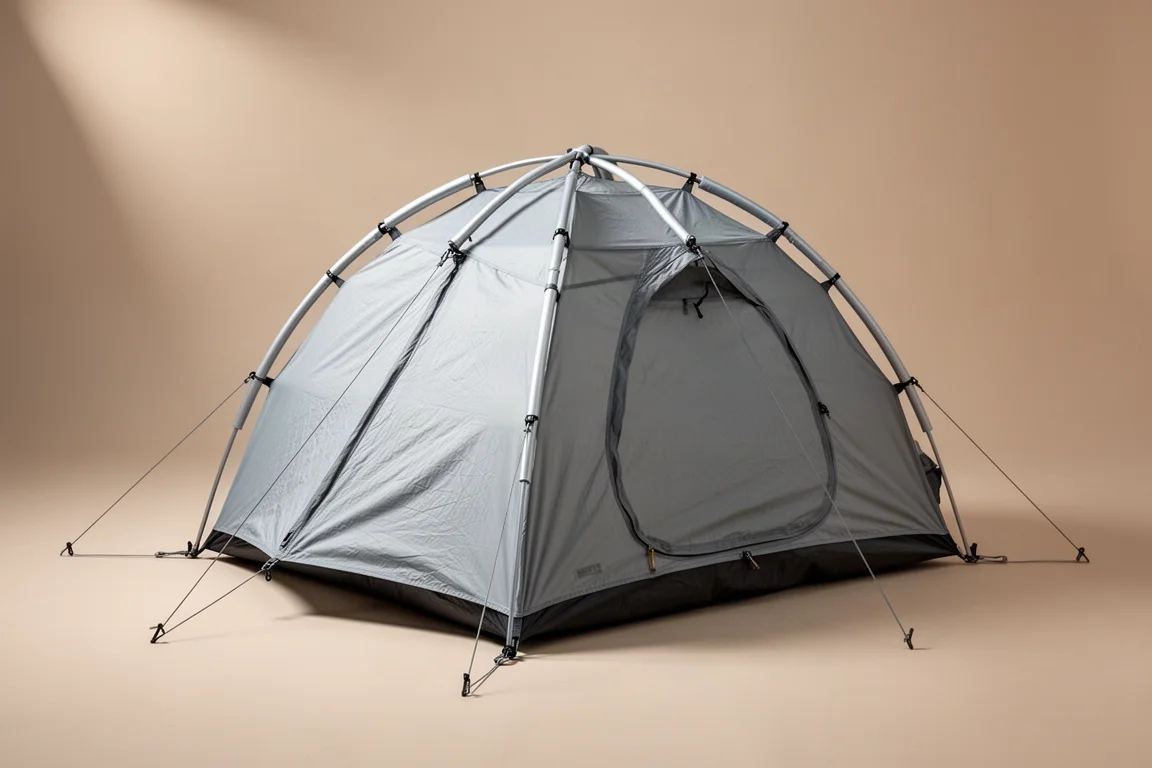
The Big Agnes Pitch Pine 1.5 takes the most innovative award. It is an ultralight tent that does not rely on trekking poles: a single included pole forms an arch and provides the structure. It is not freestanding or semi-freestanding, so it still has to be fully staked out, and with only the pole in place the shelter will fall over.
Ventilation is where the design really departs from convention. The tent uses vents and an airflow system that looks unlike anything else currently on the market. That system is still being proven over time, but the approach itself is genuinely new and worth rewarding. The fly is silpoly, which is a welcome sight on an ultralight tent from a large brand. Silpoly is one of the best materials available for ultralight shelters because it does not absorb water and sag the way some fabrics do.
This first version needs refinement, and it runs short, so taller campers are unlikely to fit comfortably. A second version that takes the feedback on board, ideally at a lower price, could be a serious contender. The Tarptent ProTrail is another design taking an inventive approach to its fly and doors.
Buying Advice: Matching a Tent to Your Trip
The fastest way to choose is to start from the trip rather than the tent. If you camp on platforms, hard rock, or hut floors, or you simply want the simplest possible pitch at the end of a long day, a fully freestanding shelter like the Durston X-Mid 1P removes the most friction. If you are covering big miles and counting every gram, the Zpacks Plex Solo Lite and the Gossamer Gear Whisper deliver far lower weights, with the Whisper asking you to accept a floorless setup and two poles.
Exposure should drive the next decision. For alpine terrain, winter trips, and forecasts that look doubtful, the Tarptent ArcDome 1 is built around wind and snow loads rather than around a weight target. If your budget is the tightest constraint, the 3F UL Lanshan 1 Pro keeps costs down while still giving you a silpoly fly and a well-established design. And if you would rather not use trekking poles at all, the Big Agnes Pitch Pine 1.5 shows where ultralight design is heading, even if this first version still needs polish.
Two details are easy to overlook and worth checking before you commit. First, your own height and the thickness of your sleep system matter as much as the tent’s stated capacity, since several shelters here are tight at the ends for taller sleepers using thick winter pads. Second, think about how many poles you want to carry and what happens if one breaks, because single pole shelters leave you a spare while two pole designs do not.
Conclusion
The strongest one-person shelters this year are not separated by one spec but by intent. The Durston X-Mid 1P remains the most complete all-rounder, holding up in extreme wind while staying light enough and roomy enough for most trips. The Zpacks Plex Solo Lite and the Gossamer Gear Whisper strip weight to the bone for fast, long-distance routes. The 3F UL Lanshan 1 Pro keeps a capable trekking pole shelter within reach on a budget, the Tarptent ArcDome 1 is the one to trust when the weather turns serious, and the Big Agnes Pitch Pine 1.5 shows a large brand willing to try something new.
Pick the shelter that matches the trips you actually take, accept its specific trade-offs knowingly, and any of these six will serve you well.
Further reading
Related Reviews
Backpacking Tents
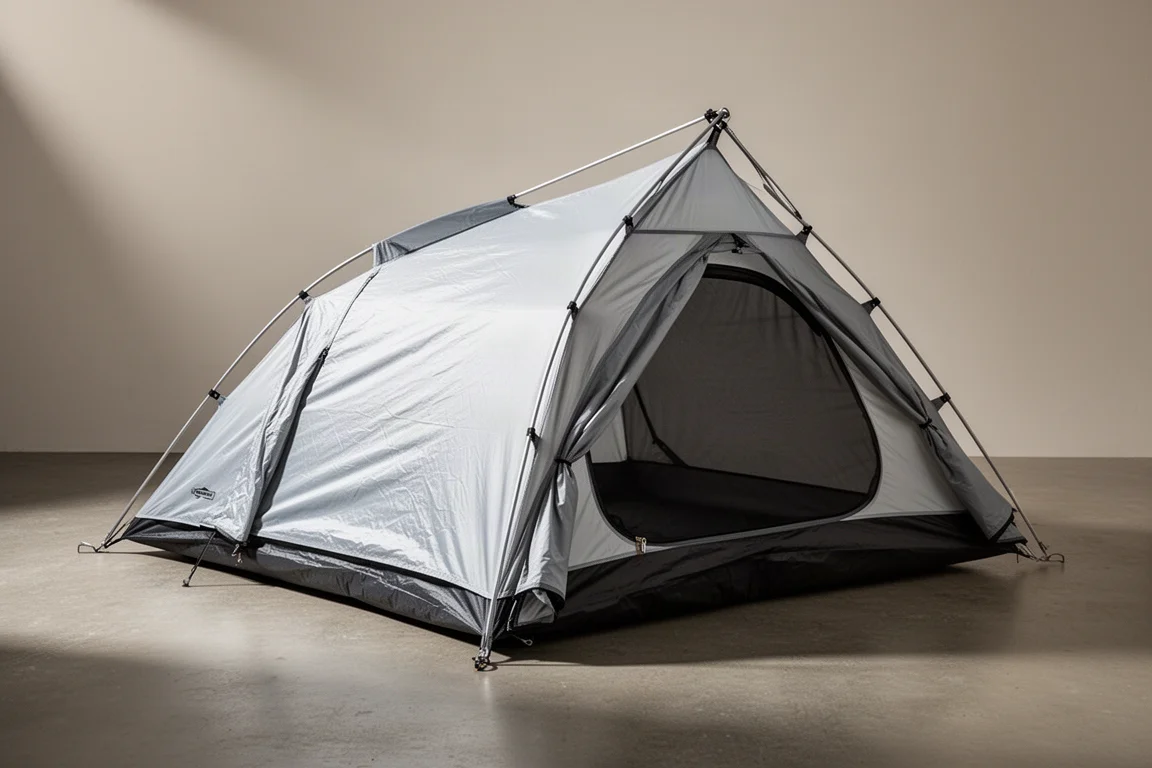
3F UL Lanchan Pro 1 Review: A 1 lb 8 oz Single-Wall Trekking Pole Tent
A practical look at the 3F UL Lanchan Pro 1, a single-wall trekking pole shelter with a 1 lb 8 oz weight, 20D silnylon fabrics, and a roomy 90 x 31 x 49 inch interior.
Backpacking Tents
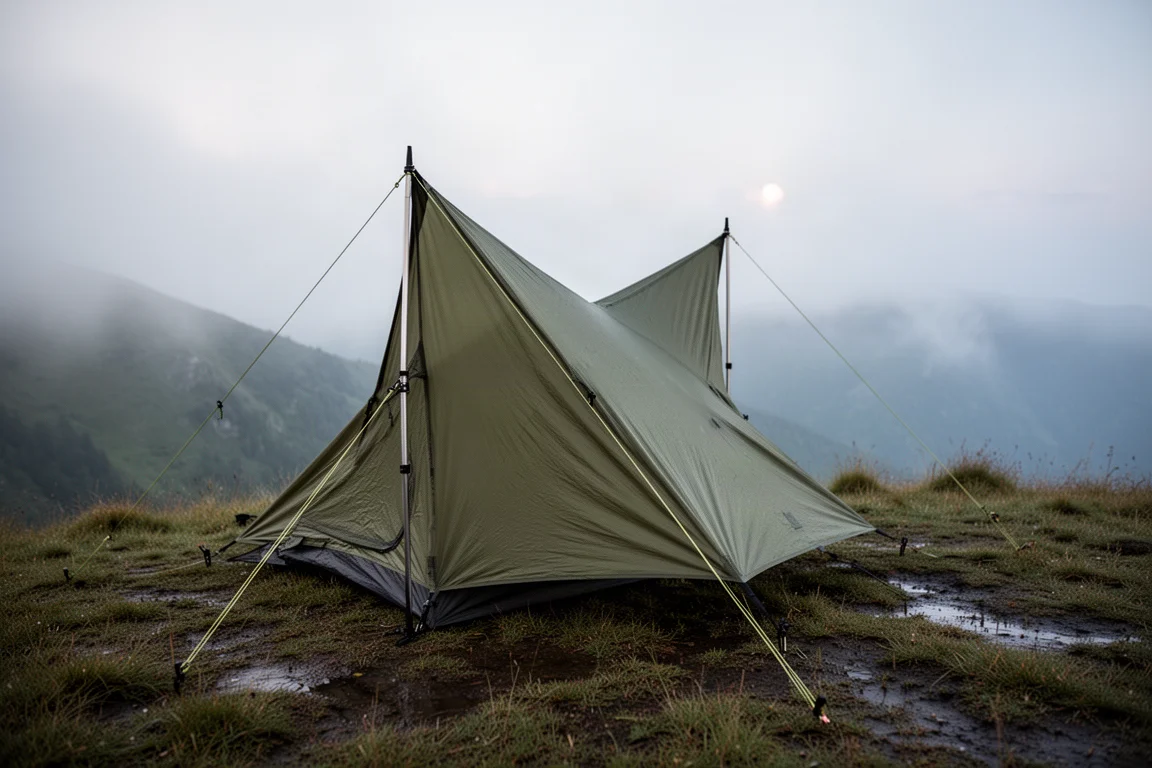
3F UL Taiji 2-Person Tent: A Convertible Backpacking Shelter Worth a Closer Look
A practical look at the 3F UL Taiji two-person tent, covering its materials, true two-person interior, fly-first pitching, and the seasonal inner swap that lets one shelter cover more of the year.
Backpacking Tents
3FUL Lanshan Twoerson Pro Review: A Light Trekking Pole Shelter That Struggled in Rain
A two-person trekking pole shelter with a 2026 redesign, pitched with sticks and put through a night of steady rain. Here is what worked, what did not, and what to check before buying.