Gaming Monitors
Best OLED Gaming Monitors 2026: Top Picks for Every Budget
A practical guide to the best OLED gaming monitors of 2026, covering 4K, 1440p, budget, and ultrawide options with clear buying advice.
Introduction
OLED gaming monitors have matured significantly in 2026. With multiple panel technologies, aggressive pricing in the budget segment, and new ultrawide options, there has never been a better time to consider an OLED display. This guide covers the best options across every major category, from 4K and 1440p to budget picks and ultrawides, based on hands-on testing and verified performance data.
Understanding OLED Panel Types
Before diving into specific recommendations, it helps to understand the two main OLED panel technologies available today. QD-OLED panels offer wider color volume, higher color brightness, and better screen uniformity. They also tend to be more affordable. However, they have a known issue where blacks can appear gray in brighter rooms.
WOLED panels, particularly the newer tandem WOLED variants, do a better job of preserving black levels in all lighting environments. They also offer more consistent HDR brightness without the panel dimming seen on some QD-OLEDs. The trade-off is that tandem WOLED panels can suffer from dark gray banding, which varies in severity between individual units.
For most buyers, both technologies deliver excellent gaming experiences. The right choice depends on your room lighting, budget, and whether you prioritize HDR performance or screen uniformity.
Best Overall 32-Inch 4K OLED: Asus ROG Strix XG32UCW
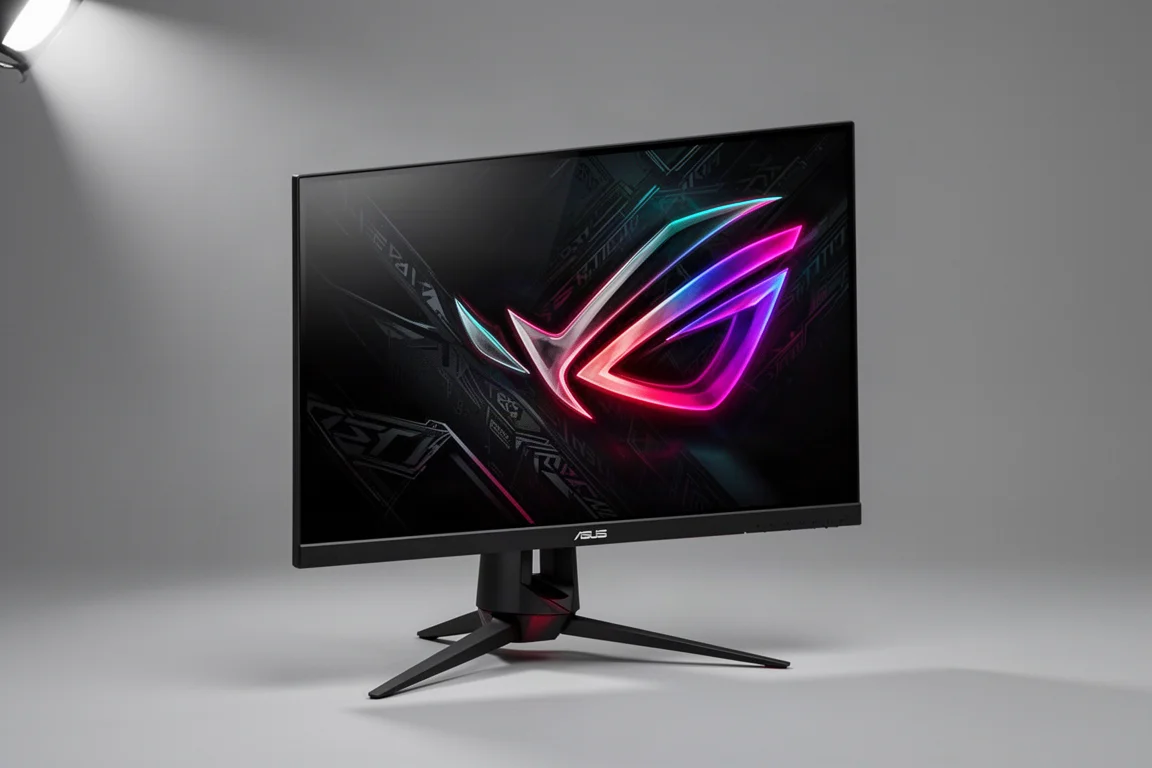
The Asus ROG Strix XG32UCW remains the best overall 32-inch 4K OLED monitor. This 32-inch 4K WOLED display runs at a 240Hz refresh rate and delivers an excellent feature set that justifies its position at the top.
The glossy true black finish is superior to QD-OLED glossy panels, doing a better job of preserving blacks in all usage environments. QD-OLED’s tendency to show gray blacks in brighter rooms is a complete non-issue on this WOLED-based monitor.
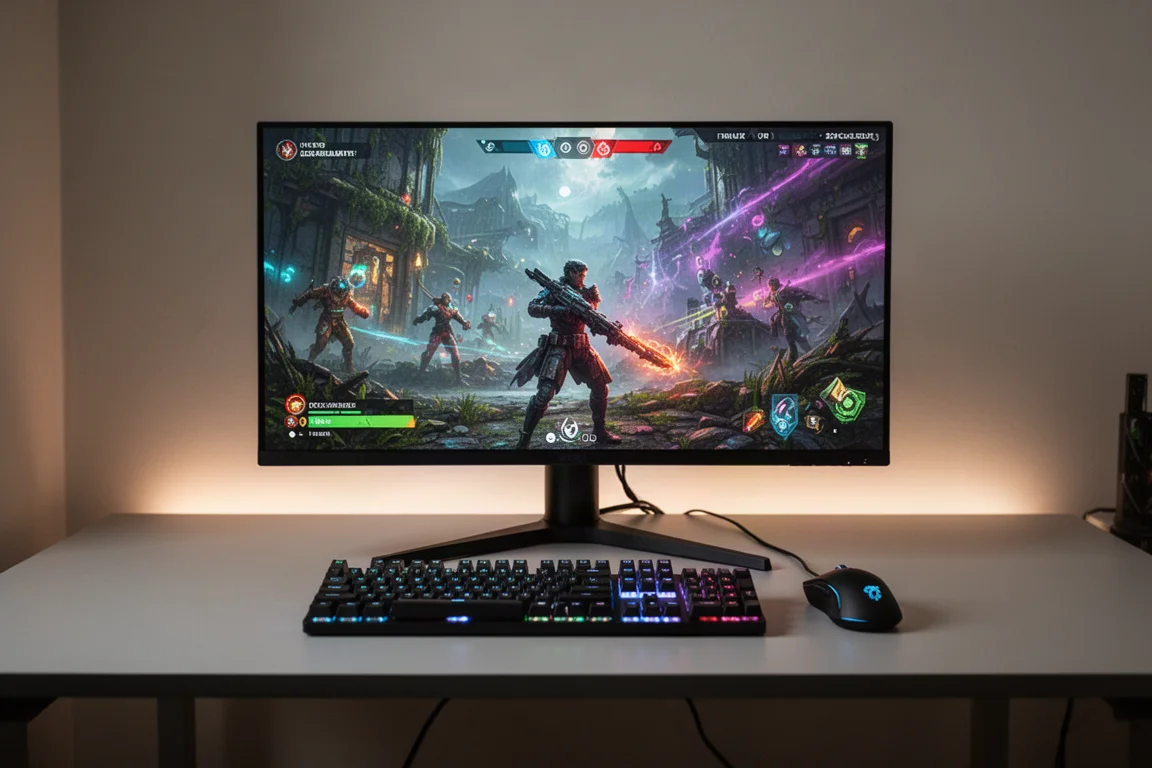
HDR performance is another strong point. The XG32UCW delivers more consistent brightness output with no panel dimming in bright scenes, and peak brightness still reaches 1,000 nits. The dual mode support allows the monitor to run in a 1080p 480Hz configuration, which is super clear for competitive gaming and adds versatility for those who play multiple types of games.
Asus includes several useful features like a near proximity sensor, OLED anti-flicker mode, ELMB, and unlocked color controls. While QD-OLED does offer a wider color volume with higher color brightness and better uniformity, the overall package of the latest glossy WOLED panels is the best on the market.
The XG32UCW typically retails for $1,000 US in mid-2026, which is on the higher end of 32-inch 4K pricing. QD-OLED alternatives start around $800, so you will find better bang for buck there. However, if you are after a premium 4K model, spending 25% more on this tandem WOLED is reasonable.
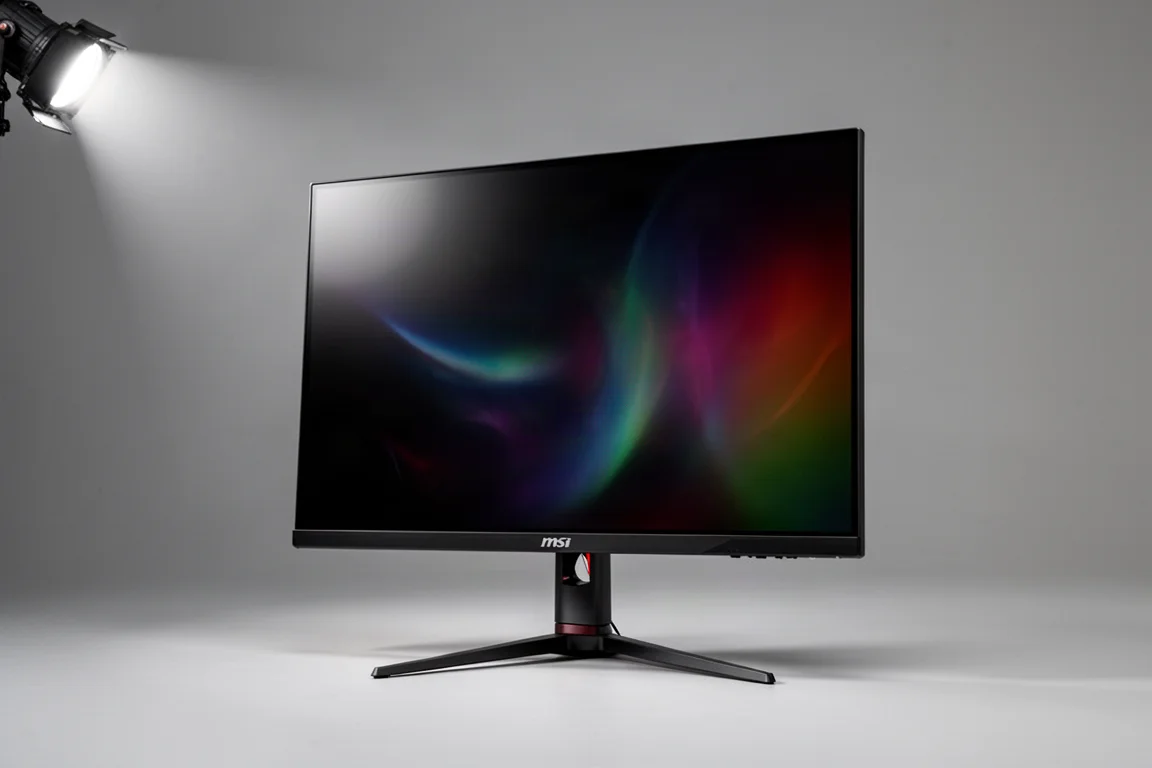
Best Value 32-Inch 4K OLED: MSI 321UPX
For those seeking the best value in the 32-inch 4K OLED category, the MSI 321UPX is the model to beat. This monitor uses the original 2024 panel variant, which offers great performance at a significantly lower price than newer models.
There are two main 32-inch 4K 240Hz panel variants available in 2026. The newer panel, first seen in the Asus PG32UCDM Gen 3, offers higher full-screen brightness at 300 nits versus 250 nits, slightly improved black levels in bright rooms, and is about 8% brighter in HDR content. You can distinguish the new panel by its DisplayHDR True Black 500 rating, while the 2024 panel carries a 400 tier rating.
The new panel is better, but not by much. It is not worth a significant price premium. The MSI 321UPX is just $800 US, while the newer 322URX24 debuts at $1,100 US. In this situation, saving the $300 and getting the older 321UPX model makes more sense for most buyers.
The 321UPX is routinely a great value buy whenever pricing is checked. There are other options worth considering, including the MSI 321URX, the Dell AW3225QF for those who want a curved version, and the Samsung G81SF for a matte finish. Most variants offer great performance, so choosing the most affordable model with the features you want is a solid approach.
It may be worth waiting before purchasing a 32-inch 4K OLED, as new tandem WOLED panels are expected to hit the market in the coming months. These panels should offer even better performance than the XG32UCW, but unless you see a particularly stunning deal, waiting could be the smarter move.
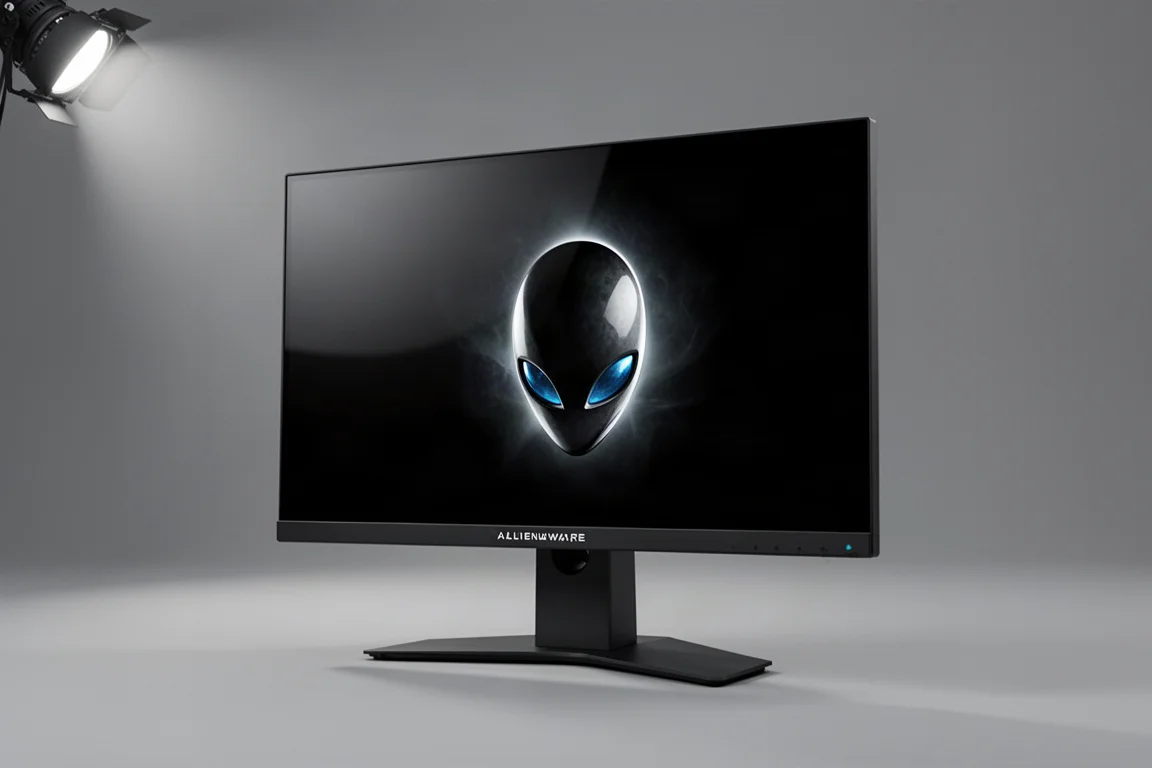
Best 27-Inch 4K OLED: Dell Alienware AW2725QF
For those who prefer a smaller 27-inch panel, the Dell Alienware AW2725QF continues to offer outstanding value. This is the only available 27-inch 4K OLED panel, using QD-OLED technology in a shrunk-down version of the first-gen 32-inch panels. Performance is similar to the larger versions but in a more compact, higher-density format.
Throughout most of 2026, the AW2725QF has been available for just $700 US, making it the cheapest 27-inch 4K OLED on the market. It has even dipped down to $650 at times. There is cyclical pricing here, so it occasionally shoots back up to its $900 MSRP, but waiting a few weeks for the $700 part of the cycle offers great value.
The AW2725QF offers similar performance to other options in this category. It is just as bright as other models, looks excellent for HDR gaming, and uses a glossy panel with deep blacks. The only real downside is that it lacks some features found on premium models, like a USB-C display signal input.
The overall best 27-inch 4K OLED is still the Asus ROG Swift PG27UCDM, but at $1,100 US, it is not competitive with the Dell model. The ROG Strix XG27U D MG is a more compelling option at $800 US, offering additional features like a near proximity sensor, KVM switch, and unlocked sRGB mode. However, panel performance is very similar between these options, making the Alienware the value pick.
A 27-inch 4K WOLED competitor is set to enter the market within the next six months, offering tandem WOLED technology at 240Hz with an RGB stripe subpixel layout. It could be worth waiting to see how those monitors perform before deciding.
Best 1440p OLED: Gigabyte MO27Q28GR
The 1440p OLED segment is the most competitive on the market, with the most options and the best prices. Fourth-generation tandem WOLED is the best overall 1440p OLED panel type, offering a better balance of qualities compared to QD-OLED.
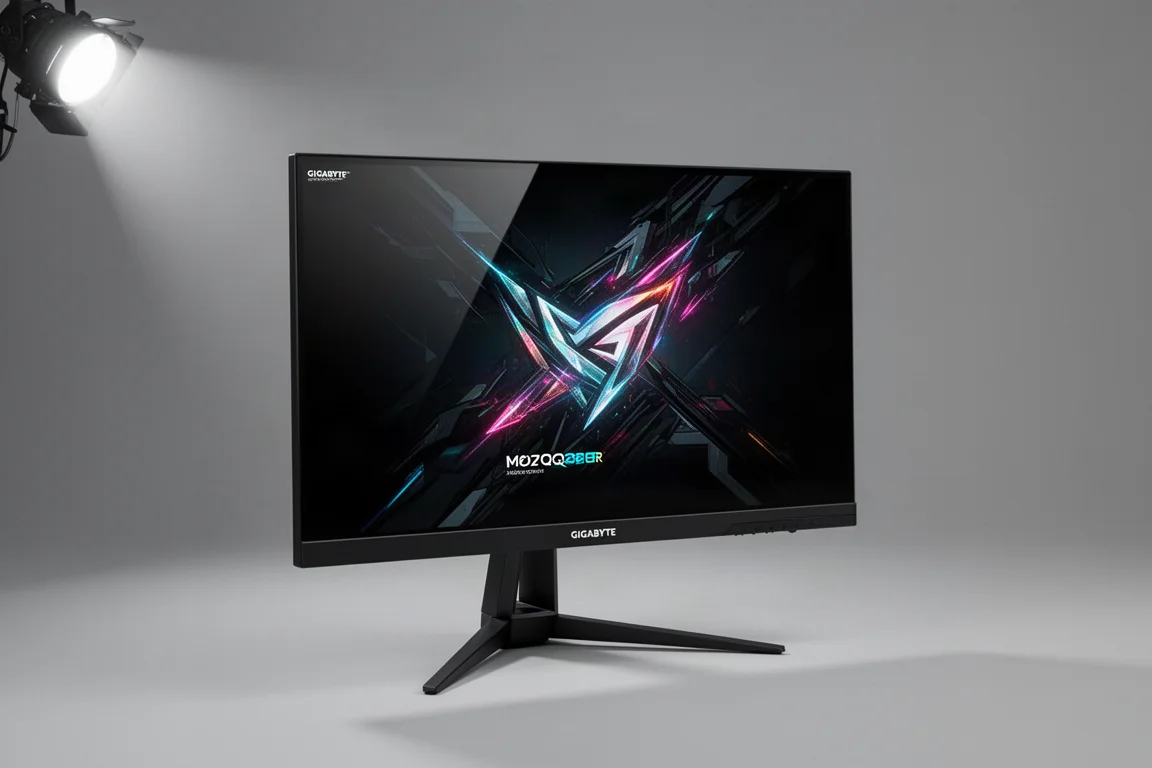
The primary recommendation in this category is the Gigabyte MO27Q28GR. This 27-inch 1440p 280Hz tandem WOLED uses the glossy panel variant, which preserves black levels in brighter environments much better than similar QD-OLED monitors while retaining excellent clarity with no coating grain. Reflections are a bit more problematic than QD-OLEDs in some situations, but Gigabyte also offers a matte version, the MO27Q28G, for maximum reflection reduction.
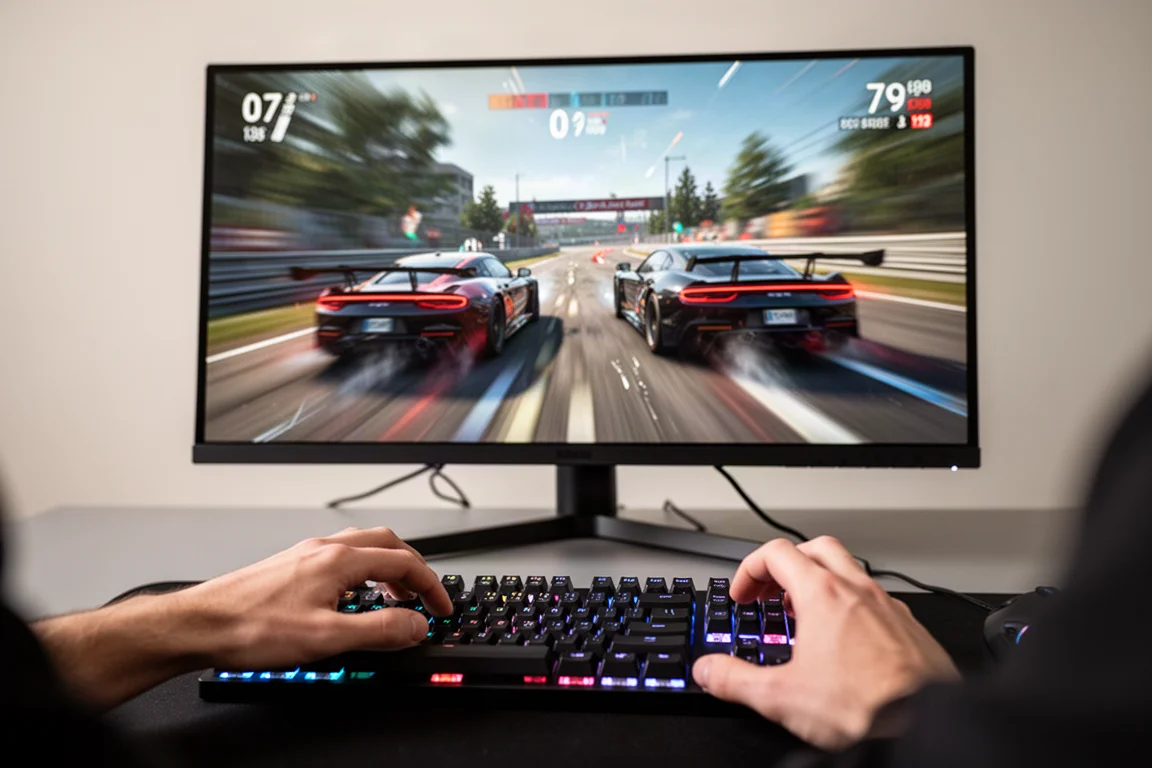
The MO27Q28GR provides great brightness across SDR and HDR modes, typically offering a brighter experience than QD-OLEDs. HDR brightness is much more consistent between different types of scenes, with no QD-OLED-like panel dimming. This means a combination of higher peak brightness in favorable conditions and better punch with better accuracy in bright scenes.
Gigabyte offers a good set of features including a black frame insertion mode, anti-flicker mode, USB-C input, and KVM switch. Color accuracy is good, and the usual great motion clarity and input lag are present. The base MSRP of $600 US is highly competitive, and sales down to $480 put it in true bang for buck territory.
The Asus ROG Strix XG27AQWMG is a similar option using the same glossy tandem WOLED panel variant. It is probably the slightly better monitor overall with a few more color customization options and a handy proximity sensor, but it is more expensive at $650 US and rarely goes on sale. If the two are the same price, the Asus is the grab, but the Gigabyte is expected to be noticeably cheaper most of the time.
One significant flaw to be aware of with tandem WOLED monitors is dark gray banding. All tandem WOLED monitors suffer from this problem to some degree, and it is a lottery as to how badly the screen will be affected. In many cases, the unit you get will probably be fine, but in some outliers, the issue is really bad.
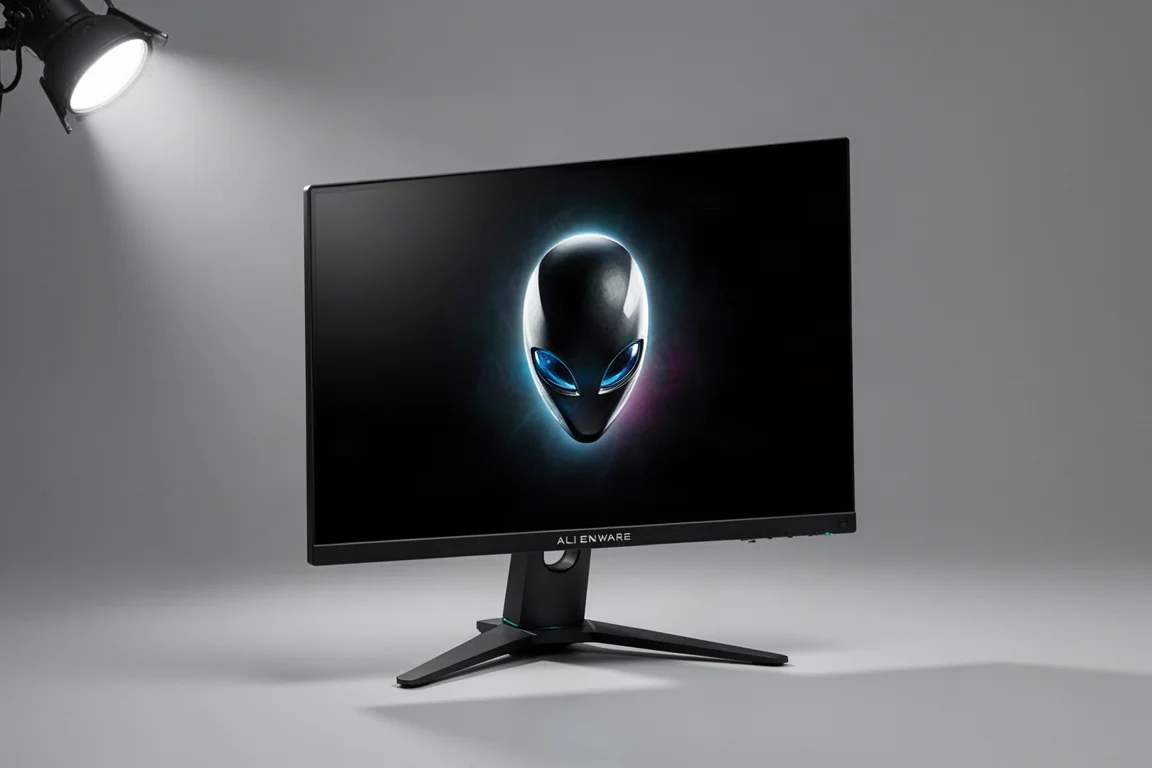
Best Budget OLED: Dell Alienware AW2726DM
For budget-constrained gamers, the Dell Alienware AW2726DM is the undisputed champion. Priced at just $350 US, this is the cheapest 1440p OLED available, and provided you are aware of the drawbacks, it is well worth considering.
The AW2726DM uses the lower-spec QD-OLED panel variant with no DisplayHDR certification. In testing, it reached just 190 nits of full-screen SDR brightness, and HDR brightness never exceeded 380 nits, far lower than the 1,000 nits seen from other 1440p QD-OLED panel variants. This means it is not a very good HDR gaming monitor and falls short of offering a true HDR experience.
However, OLEDs are great for gaming even without true HDR. Relative to an LCD in the same price tier, the AW2726DM is faster, clearer, higher contrast, and more vivid. As a 1440p 240Hz QD-OLED, motion clarity is excellent, beating all LCDs with a similar refresh rate. There is no need to worry about overdrive settings or overshoot artifacts.
Image quality overall is also just better. Even without high levels of brightness, the AW2726DM has deep zero-level blacks and per-pixel control, leading to outstanding contrast. Viewing angles are better, uniformity is better, color gamut is better, and the monitor uses a glossy, grain-free coating.
The price is key. The AW2726DM is a great buy because it is $350 US. At a higher price, it runs into much stronger competition from tandem WOLEDs and the better QD-OLED panels. Right now in the US, this Alienware model is about 30% cheaper than True Black 400 QD-OLEDs, which is the sort of price difference to look for.
Best Premium 1440p OLED: Asus ROG Swift PG27AQWP-W
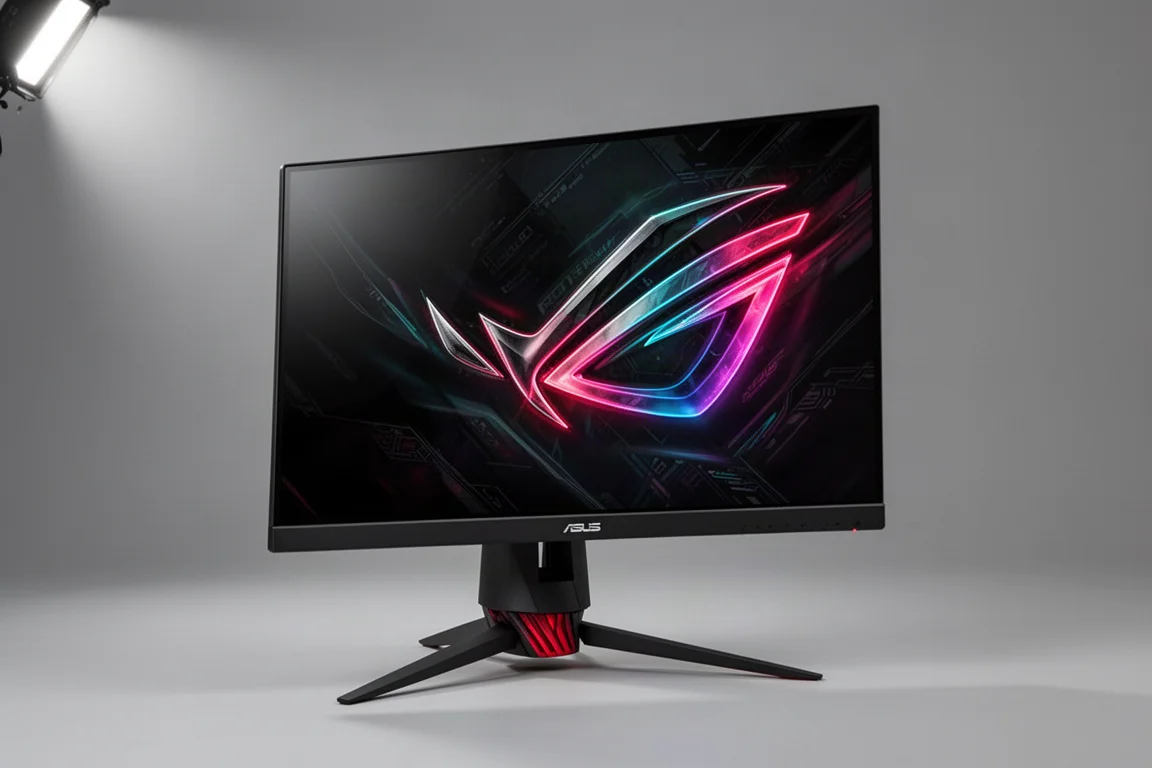
If money is no object and you want the absolute best 1440p gaming monitor, the Asus ROG Swift PG27AQWP-W is the current champion. This monitor uses the same fourth-generation tandem WOLED panel technology but bumped up to a 540Hz refresh rate.
All the benefits of the tandem WOLED panels apply here, including the True Black glossy coating and fantastic WOLED panel. There is also a 720Hz 720p dual mode, increasing clarity even further compared to the standard 540Hz 1440p mode. The resolution is quite low at 720p, which is problematic in some games with small text or UI elements, so sticking with the 540Hz configuration is recommended for the most part.
The major downside is the price. The PG27AQWP debuted at $1,100 US late last year and has remained at that price into 2026. That is at least $500 more, or an 83% premium over a 280Hz WOLED, for what is otherwise a very similar monitor outside of the refresh rate. If you will not play games above 280 FPS regularly, there is not much point spending that sort of cash on 540Hz.
For those who want high refresh rates without the premium price, current-generation 500Hz QD-OLED monitors start around $650 US and can be found slightly below $600 US on sale. There is little difference between 500 and 540Hz, so motion clarity is just as excellent at a whopping 40% lower price. The MSI 272QPX50 is around $650, the slightly higher-end 271QRX50 is only $50 more, and the Samsung G60SF with a matte screen coating has been down at $600.
Best 39-Inch OLED Ultrawide: LG 39GX950B
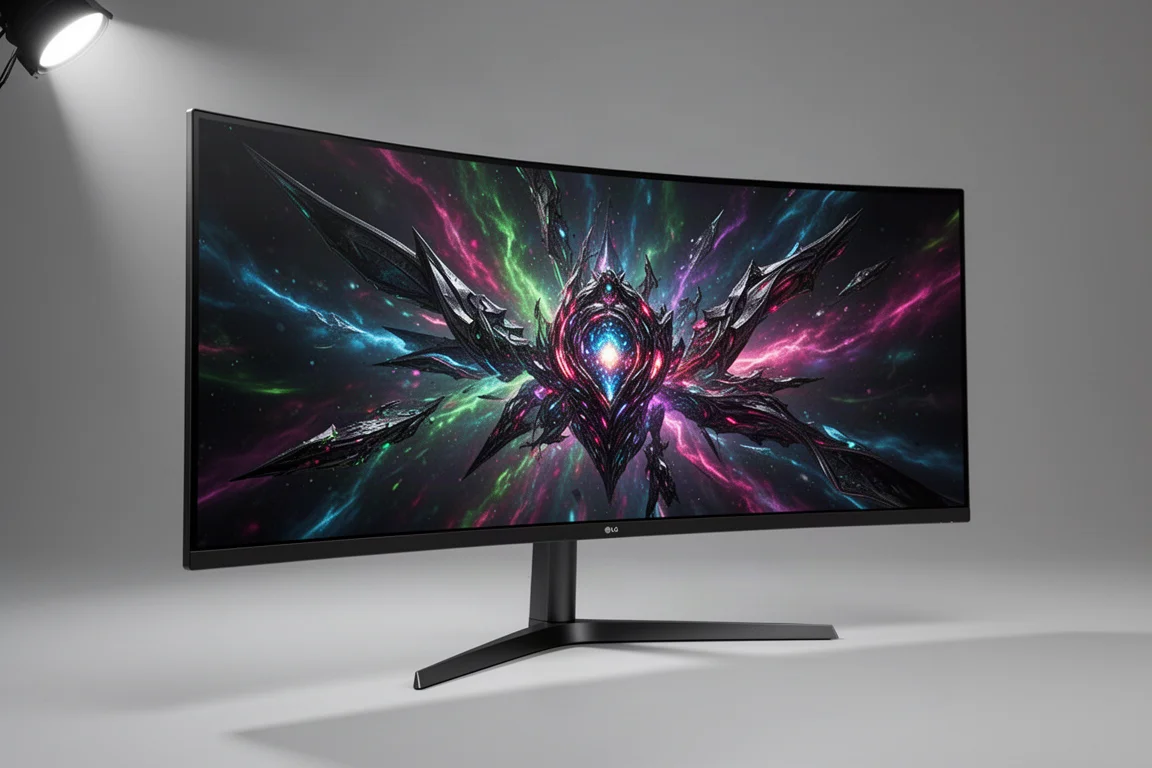
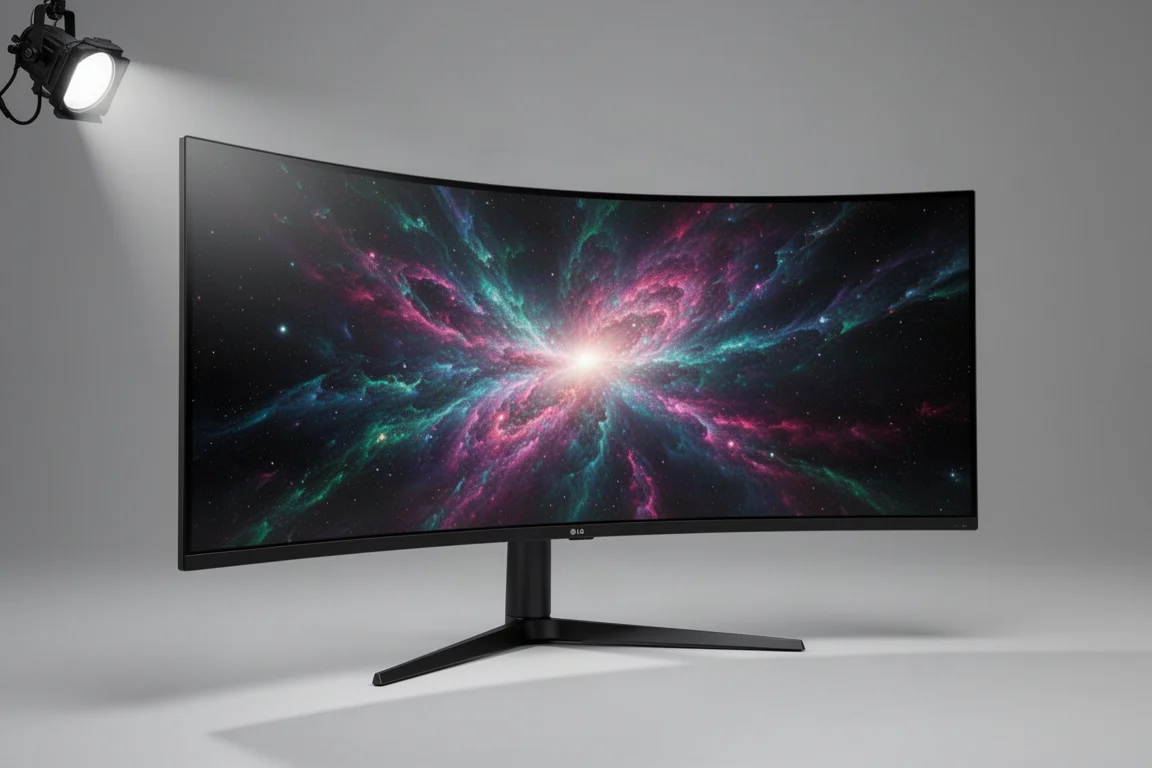
2026 is the year OLED ultrawides finally matured. The overall best ultrawide right now is the LG 39GX950B. This 39-inch 5120 by 2160 tandem WOLED runs at a 165Hz refresh rate, and 39 inches is the best size for an ultrawide, offering the same height as a 32-inch 16:9 monitor with additional width.
This LG monitor has an excellent 5K2K resolution, deep blacks in all environments, and consistent HDR brightness across most scenes, avoiding pitfalls like panel dimming. The 1500R curve is really pleasant for gaming and application use, the subpixel layout is good for text rendering, and there is dual mode functionality that boosts the refresh rate to 330Hz at 2560 by 1080.
The main downsides are the relatively low 165Hz refresh rate at native resolution and the extremely high price tag of $1,800 US. Dell just announced the Alienware AW3926QW, also a 39-inch 5K2K tandem WOLED with an RGB stripe subpixel layout and glossy finish, priced at just $1,100 US. It may be worth waiting to see how this upcoming model performs before making a purchase.
Best 34-Inch OLED Ultrawide: MSI MPG 341CQRX36
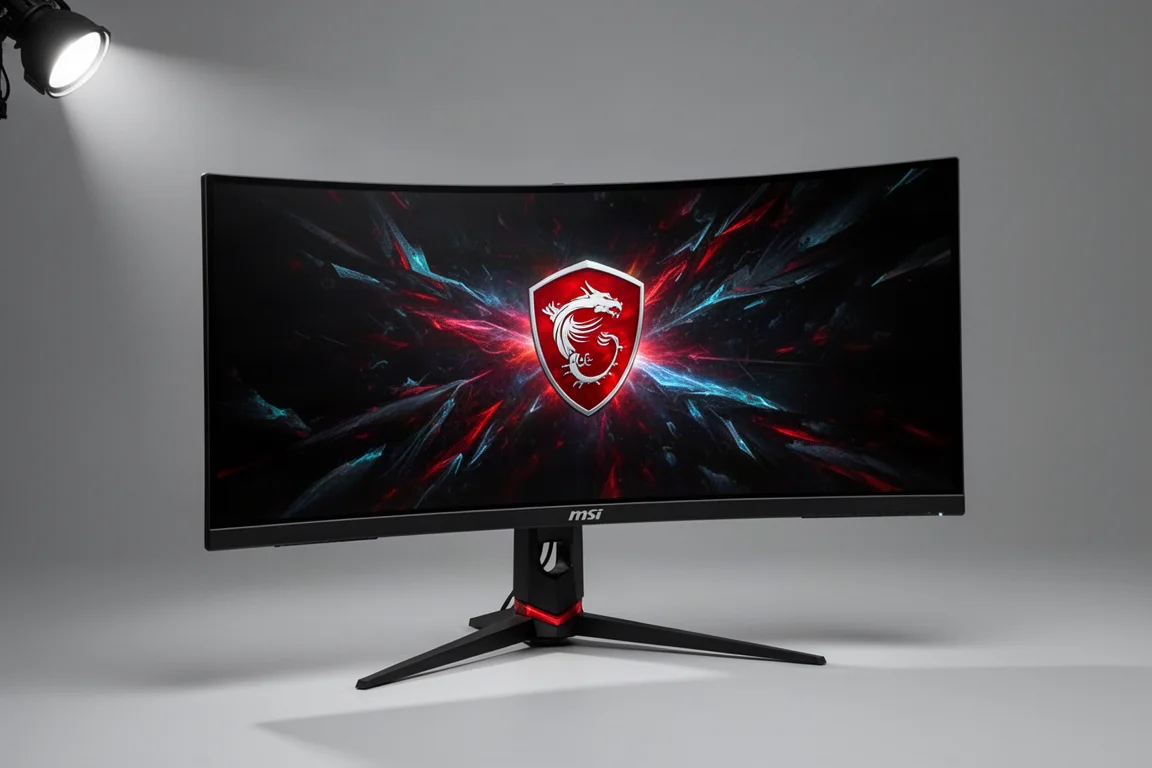
In the 34-inch category, the best monitors use the latest 3440 by 1440 QD-OLED panel released at the start of 2026. This new panel features a high 360Hz refresh rate, an RGB stripe subpixel layout, and improvements in areas like brightness and panel coating.
The MSI MPG 341CQRX36 and the Asus ROG Swift PG34WCDN are both excellent options that are very difficult to separate. Both provide excellent calibration across SDR and HDR modes along with identical brightness and general panel performance. In games and applications, they look pretty much the same, with only small feature differences.
These monitors are quite pricey, typically costing over $1,000 US. For something more affordable at the same size, Samsung Display is preparing a 280Hz version of the new V-stripe QD-OLED panel for lower-cost ultrawides, such as the upcoming Dell Alienware AW3426DW. These monitors should be in the $800 US range and offer very similar performance to the 360Hz model.
Best 45-Inch OLED Ultrawide: LG 45GR95QE
For those interested in a larger ultrawide, the best 45-inch OLED ultrawide is still the LG 45GR95QE. It has a massive 45-inch 5120 by 2160 WOLED panel running at 165Hz, providing insane levels of immersion.
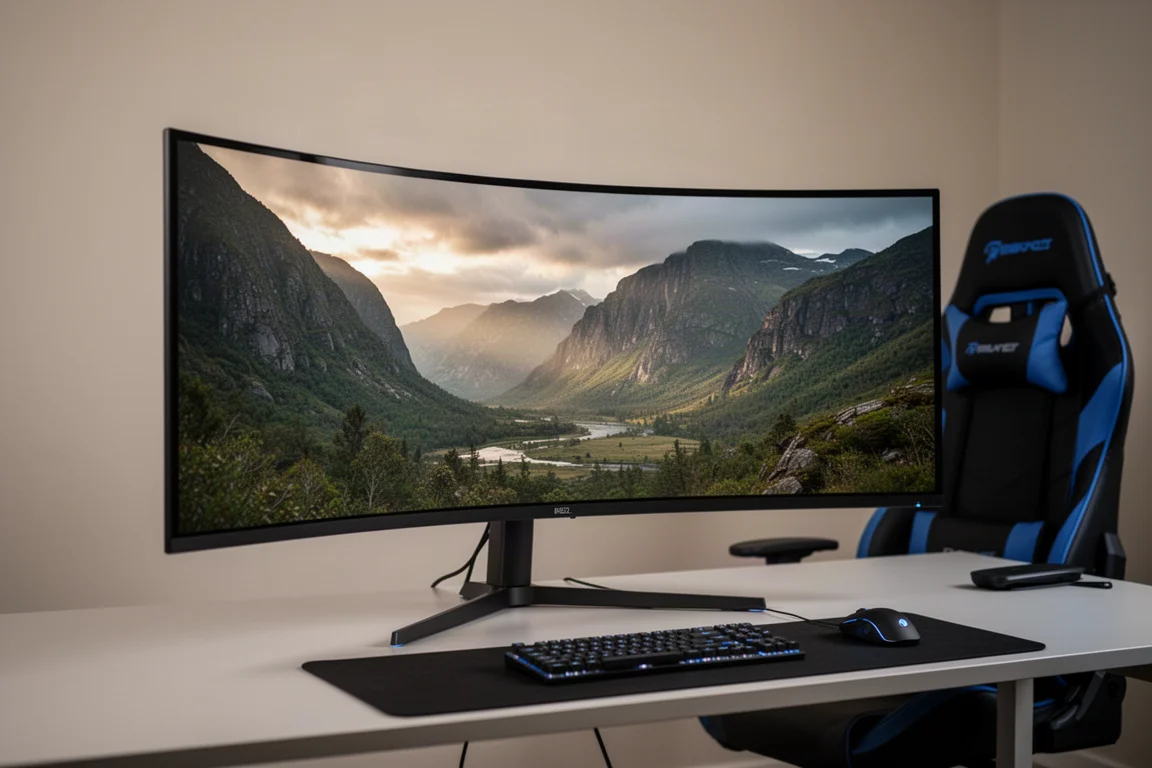
This monitor is not as well-liked as the 39-inch version. It uses slightly older panel technology and has a more aggressive 800R curve, but it is still a decent display for those building simulator rigs or other setups that require a huge monitor.
Buying Advice
When choosing an OLED gaming monitor, consider your room lighting first. If you game in a bright room, WOLED panels with glossy finishes preserve blacks better than QD-OLEDs. If you have a darker room, QD-OLED’s wider color volume and better uniformity may appeal more.
Budget is the next consideration. The Dell Alienware AW2726DM at $350 US is an incredible entry point into OLED gaming, even with its limited brightness. The MSI 321UPX at $800 US offers the best value in the 32-inch 4K category, while the Dell Alienware AW2725QF at $700 US is the pick for 27-inch 4K.
For those who want the best HDR experience, tandem WOLED panels like the Gigabyte MO27Q28GR and Asus ROG Strix XG32UCW deliver more consistent brightness without panel dimming. Just be aware of the dark gray banding issue that affects all tandem WOLED monitors.
Conclusion
The OLED gaming monitor market in 2026 offers exceptional options across every price point and size category. From the budget-friendly Dell Alienware AW2726DM to the premium Asus ROG Swift PG27AQWP-W, there is an OLED display that fits nearly every need and budget. The key is matching the panel technology and features to your specific gaming habits and room environment. With new panels on the horizon, there are also reasons to wait if you are not in a hurry, but the current generation delivers outstanding performance that will satisfy most gamers.
Further reading
Related Reviews
Gaming Monitors
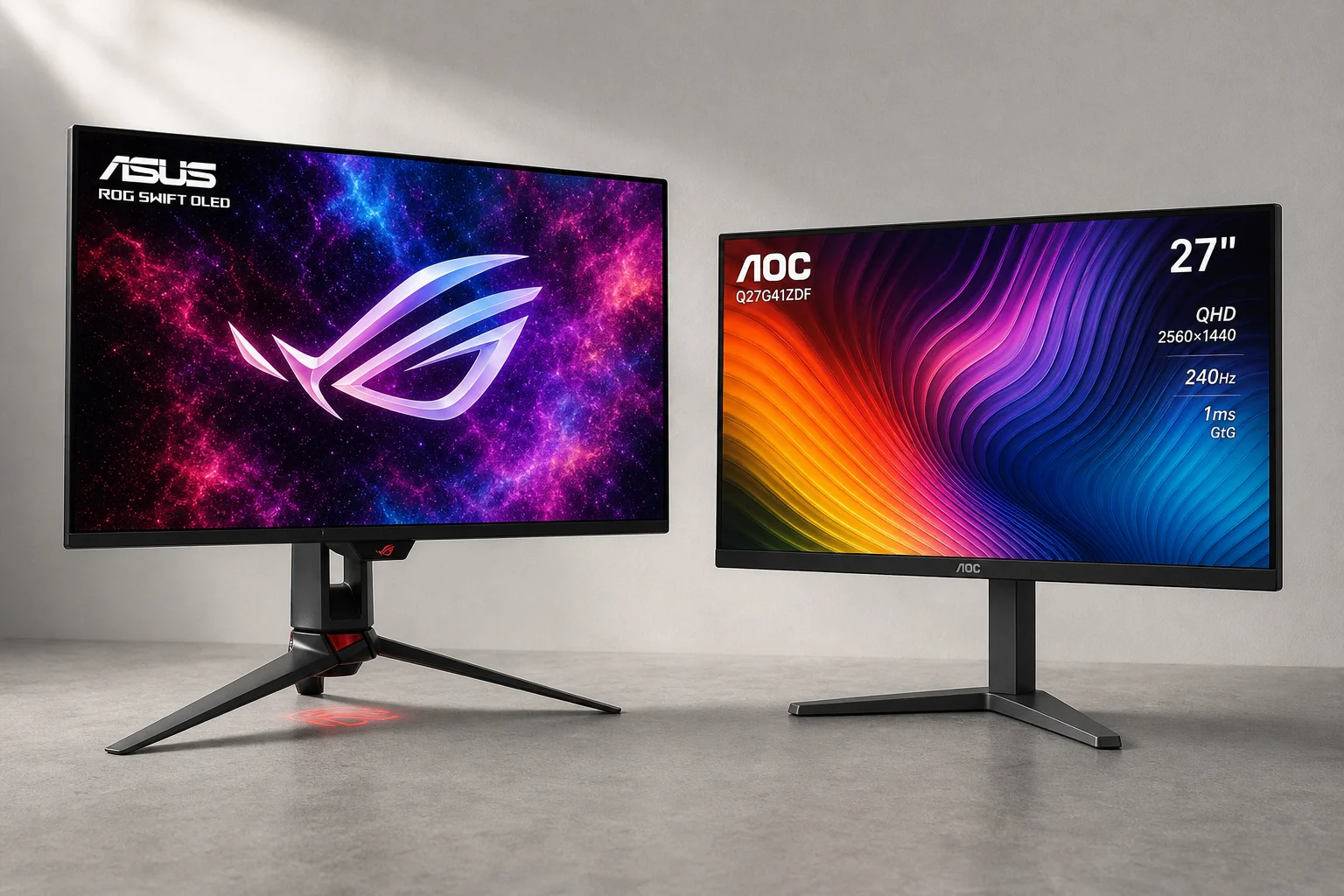
AOC Q27G41ZDF vs Asus ROG Swift OLED PG27AQDP: Budget vs Premium OLED Gaming
Two 27-inch 1440p OLED gaming monitors at vastly different price points. We compare brightness, color accuracy, text sharpness, refresh rates, and real-world performance to see what justifies the premium.
Gaming Monitors
ASUS ROG OLED Gaming Monitors 2026: New Panels, Sizes, and Brightness
ASUS announced several new ROG OLED gaming monitors at Computex 2026, including a 24.5-inch esports panel and a 32-inch 4K RGB stripe model.
Gaming Monitors
ASUS ROG Swift PG32UCWM Review: A New Direction for W OLED
The first 32-inch 4K OLED gaming monitor with an RGB stripe subpixel layout brings sharper text and better color brightness, but brightness regressions and a high price hold it back.