Art Supplies
Best Oil Pastel Brands Compared: 5 Sets Ranked for Real Drawing Work
Five oil pastel and wax pastel sets compared on pigment strength, softness, layering, and handling, with clear advice on which set to buy first.
Introduction
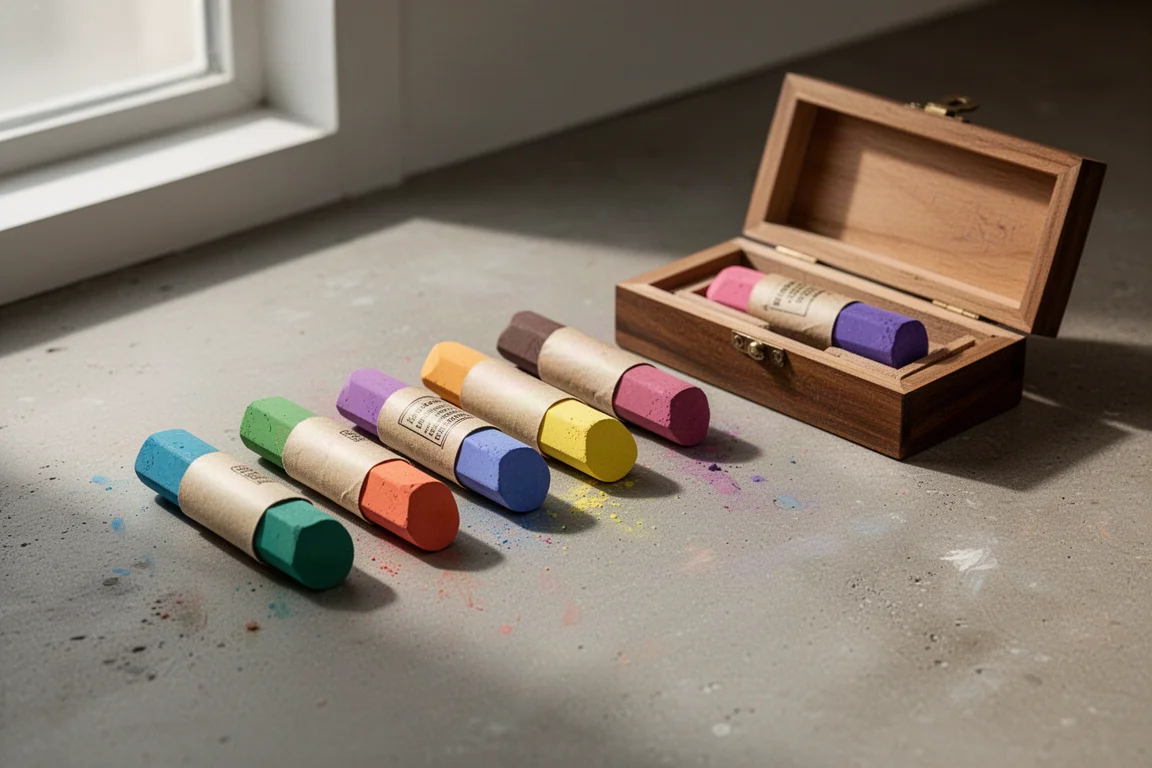
Oil pastels are one of those categories where you genuinely get what you pay for. Any oil pastel that is very cheap is probably not going to get you very good results, and the differences between brands are so dramatic that in many circumstances it can feel like you are using completely different drawing materials. Some are rock-hard and gritty, others are so soft and sticky they practically melt in your hand.
This comparison ranks five sets: Caran d’Ache, Holbein, Sennelier, Sakura Cray-Pas, and Marabu wax pastels. The single most important skill in oil pastel drawing is layering, and cheap brands often fail here because weak pigment load means the pastel cannot build up the way it should. If you cannot layer, you are only using a fraction of what the material is actually capable of.
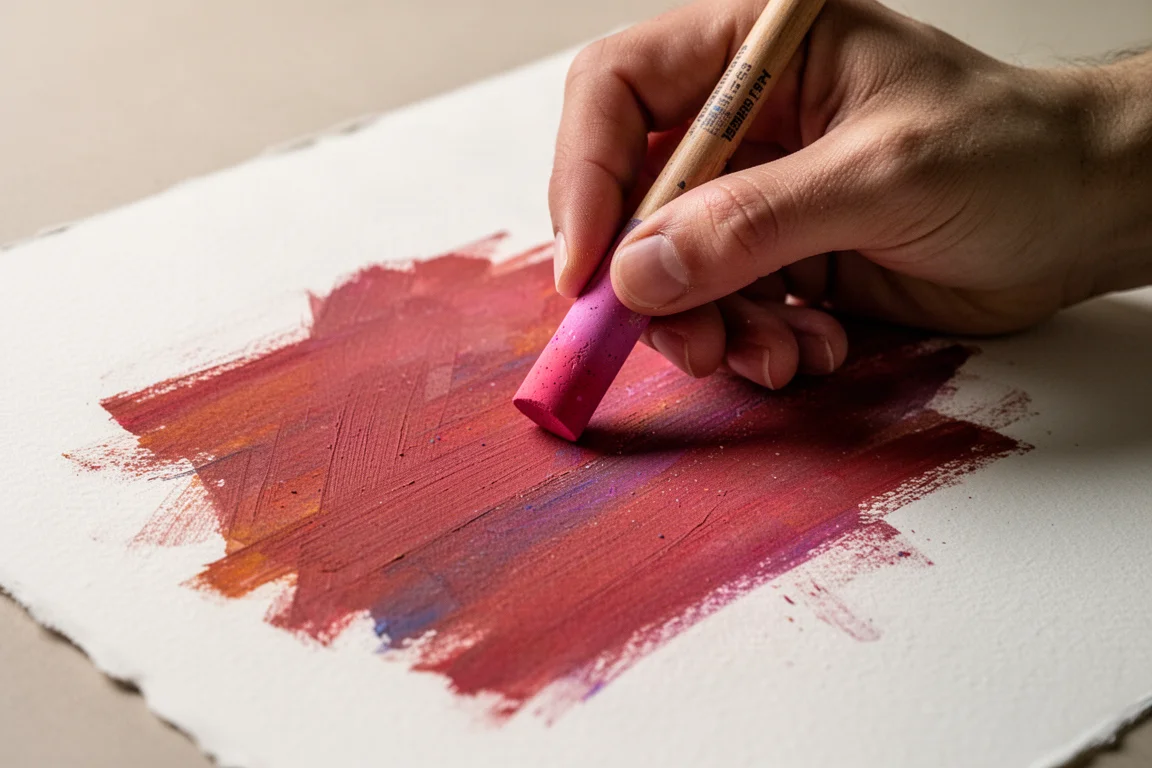
One honest note before the rankings: no serious oil pastel drawing sticks to just one brand. Every brand brings a different physical property to the table, and many artists combine them within a single piece.
Caran d’Ache Oil Pastels: Best Overall Starter Set
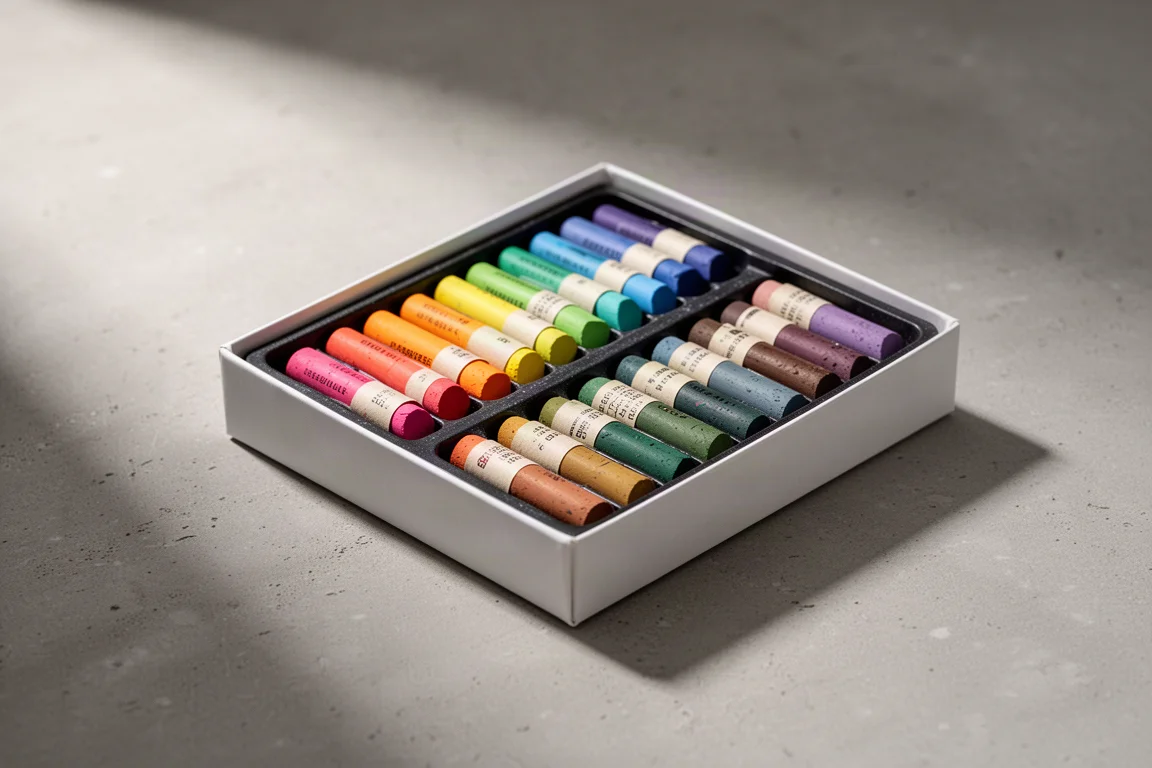
Caran d’Ache is the recommendation if you can only buy one pack of oil pastels. The set offers a really great range of color types: nicely saturated colors alongside plenty of muted tones, a balance that some other brands simply do not have. You do not need a 48-color set; a 24 set is fine, though 36 is the sweet spot.
The texture is soft, but not super soft, and that is exactly why it works so well as a first layer. Most oil pastels, no matter how soft they are, can go right on top of Caran d’Ache. The pigment load is strong, and the stick has just enough bite to give you good texture. If you want a smoother, smeared effect, a tiny drop of baby oil on your finger loosens the pastel so you can blend it out.
Holbein Oil Pastels: Comparable Quality, One Big Frustration
Holbein is pretty comparable to Caran d’Ache in performance, and either one would work fine as a beginning layer. The problem is the packaging. The sticks arrive completely unwrapped, with no paper sleeve at all, which is genuinely unusual for oil pastels.
That matters more than it sounds. Oil pastels get messy fast even when they do have paper on them, and the paper wrapper is what keeps parts of the stick clean while you work with the rest. Wrapping them yourself is an annoying chore, and for some artists this alone is a deal breaker that stops them from buying the brand again. Notably, even within a 36-pastel Holbein set, most of the colors lean muted, so if you crave the saturated colors that Caran d’Ache offers prominently, you may find yourself missing them.
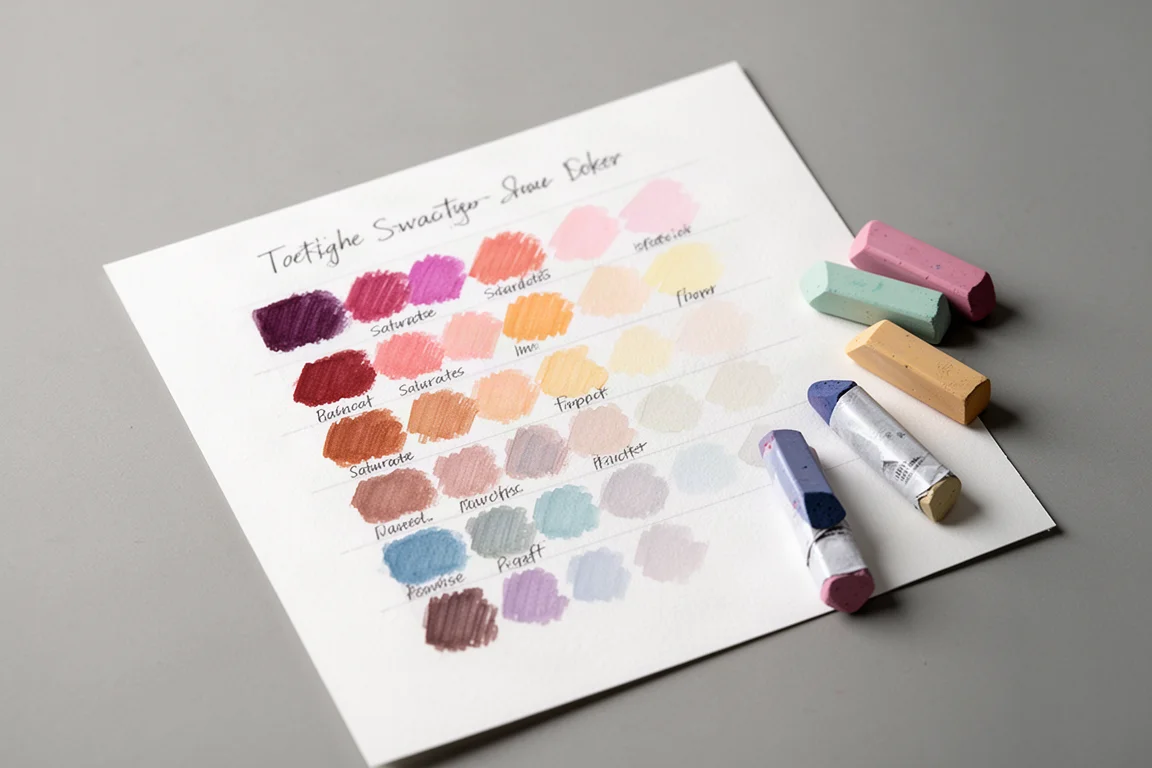
On pure handling, Holbein and Caran d’Ache are nearly tied. It is the unwrapped sticks that push Holbein down the ranking.
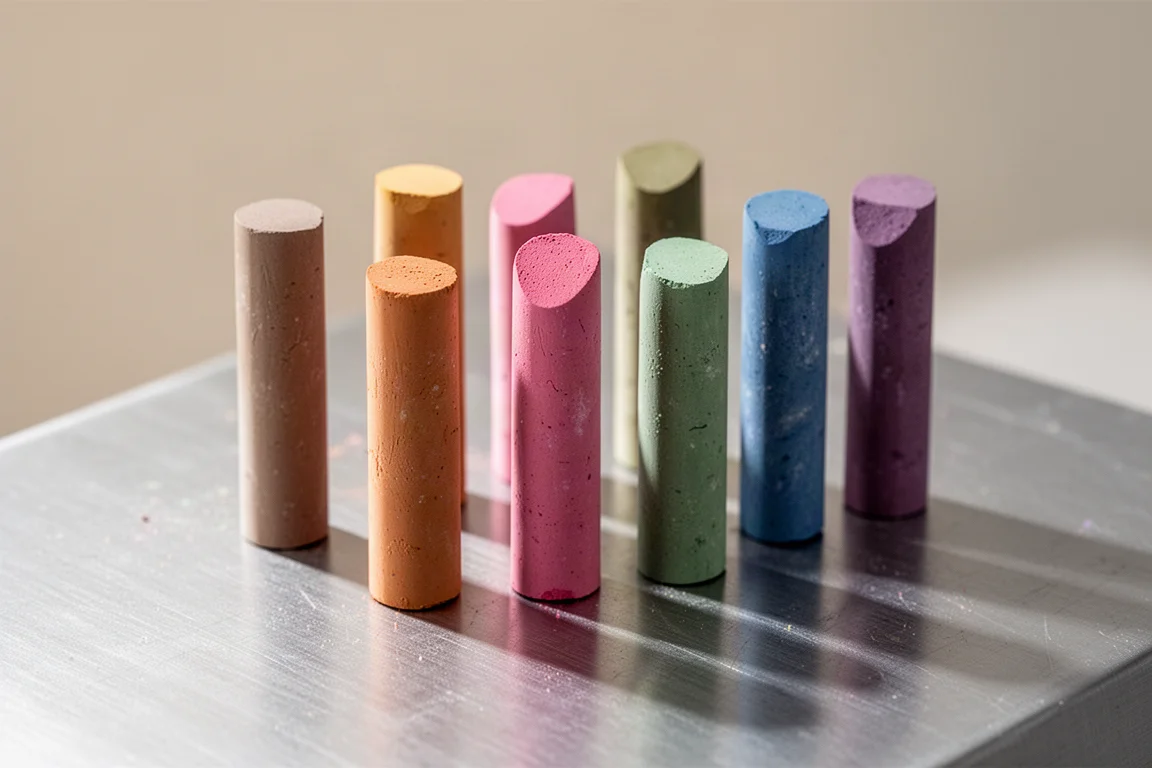
Sennelier Oil Pastels: A Different Beast Entirely
Sennelier pastels contradict the “you get what you pay for” logic in an interesting way: they are pricey, but the extra cost does not buy “better,” it buys “different.” These are crazy soft, almost lipstick-like to draw with, and so sticky that they can be difficult to hold because they seem to melt in your hand. Press on one and you could make a thick paste just by moving it around.
Used for an entire drawing, they are frustrating to control. But in small quantities they are genuinely useful: do most of a piece with a firmer brand like Caran d’Ache, then add a couple of touches of very thick, high-opacity pastel with Sennelier. Thick white highlights in particular are where these shine.
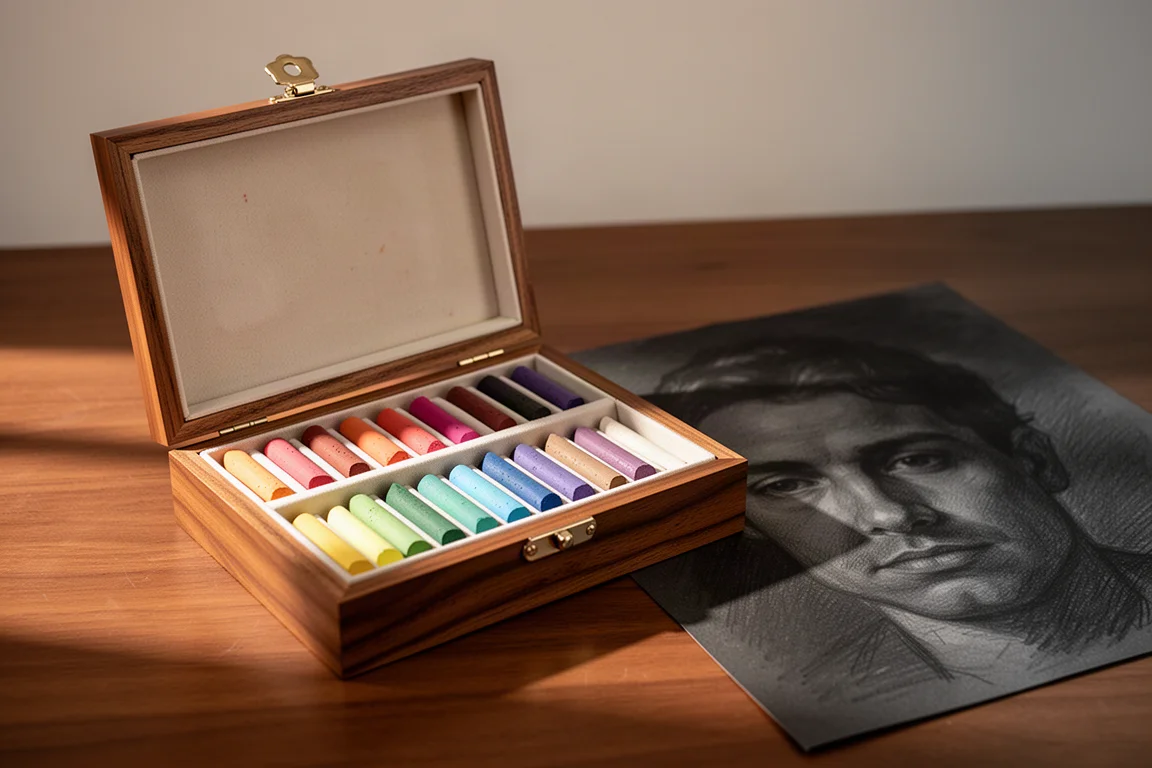
They are not better or worse than the others, they just have to fit the way you draw. As a full-drawing material, they were not the best fit; in moderation, they earn a place in the kit.
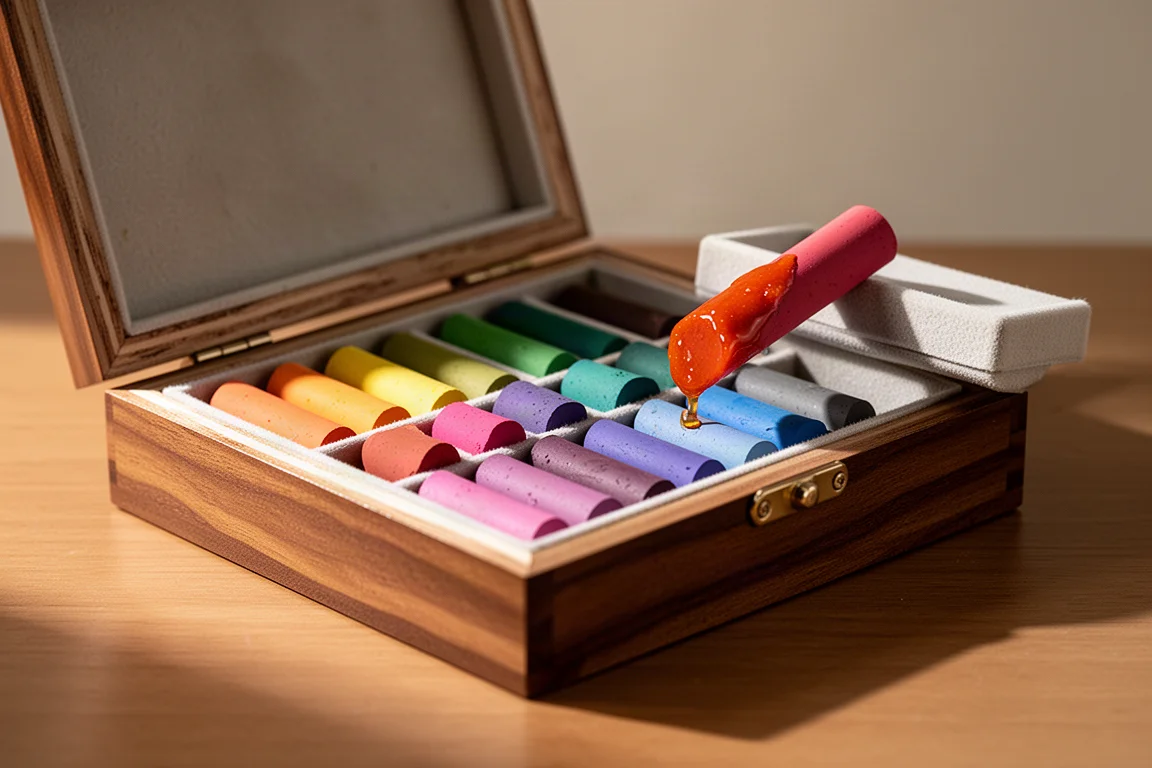
Sakura Cray-Pas: The Budget Cautionary Tale
Sakura Cray-Pas sits at the bottom of this ranking. It is the oil pastel many people remember from elementary school, and it shows what cheap brands get wrong: the pigment is not very strong, and the pastels often do not layer well because they lack the weight of pigment needed to build up.
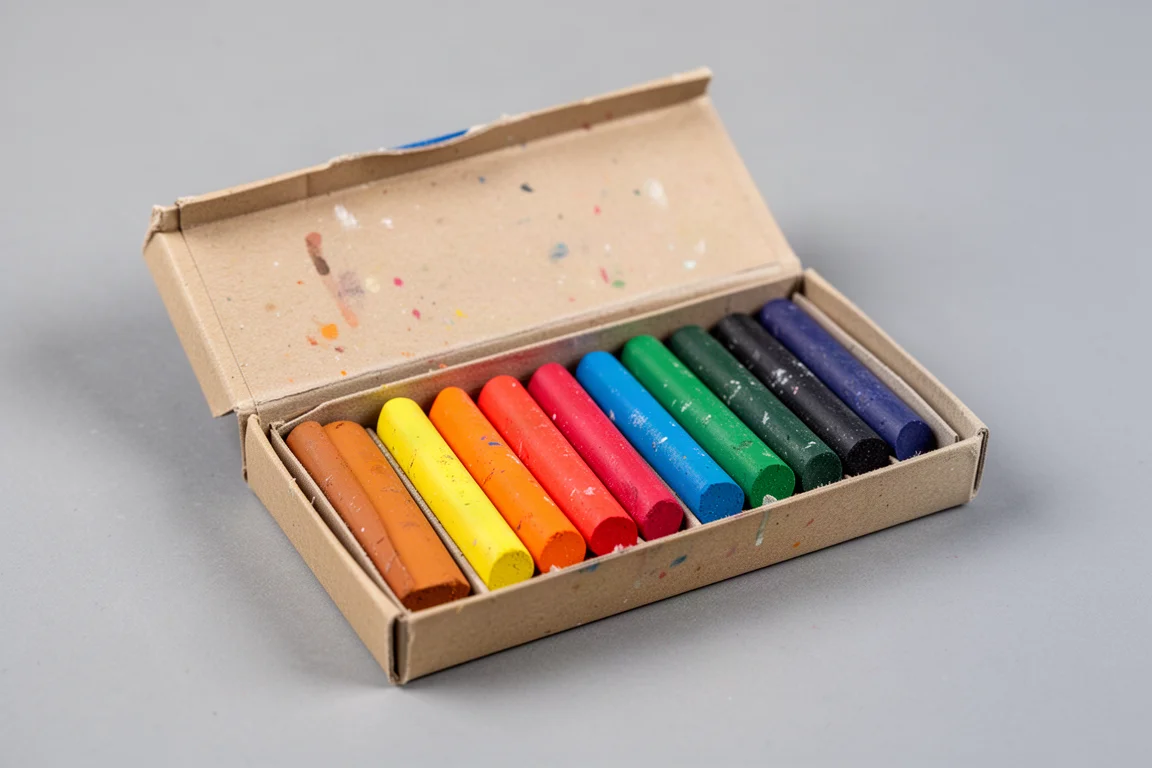
If you are serious about oil pastel work, this is the set to skip in favor of one of the firmer artist-grade options above.
Marabu Wax Pastels: Oil Pastel or Not?
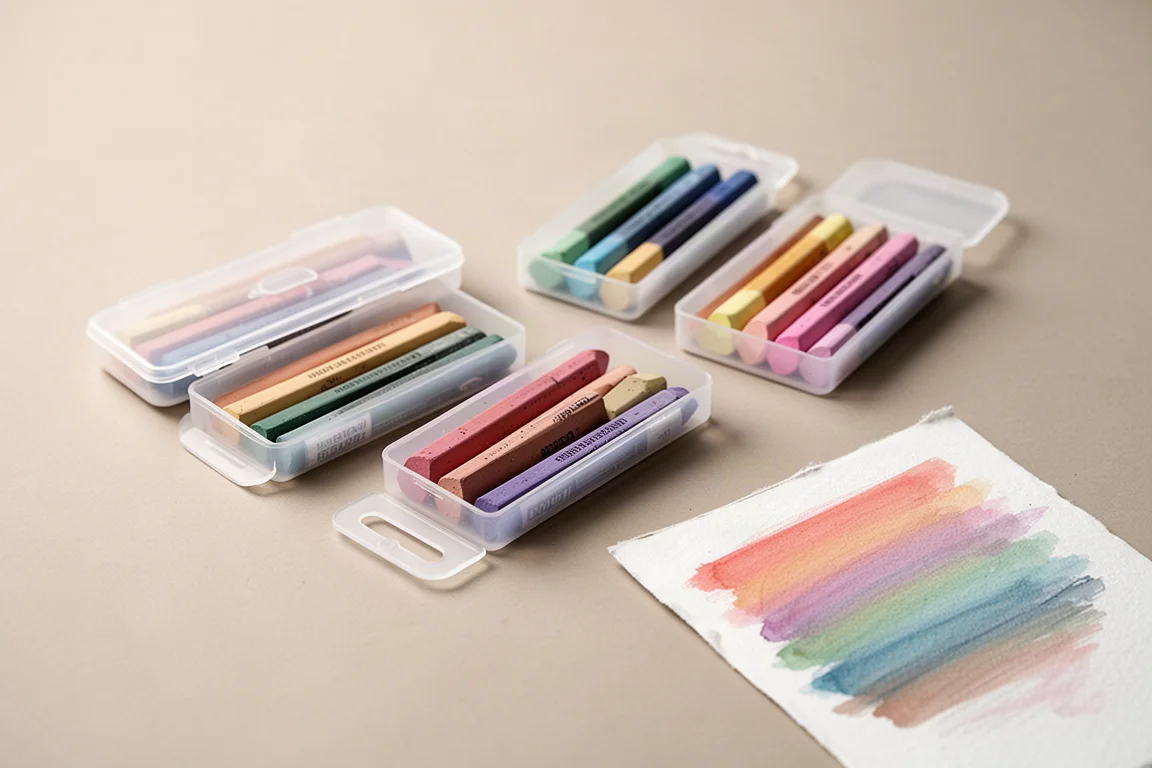
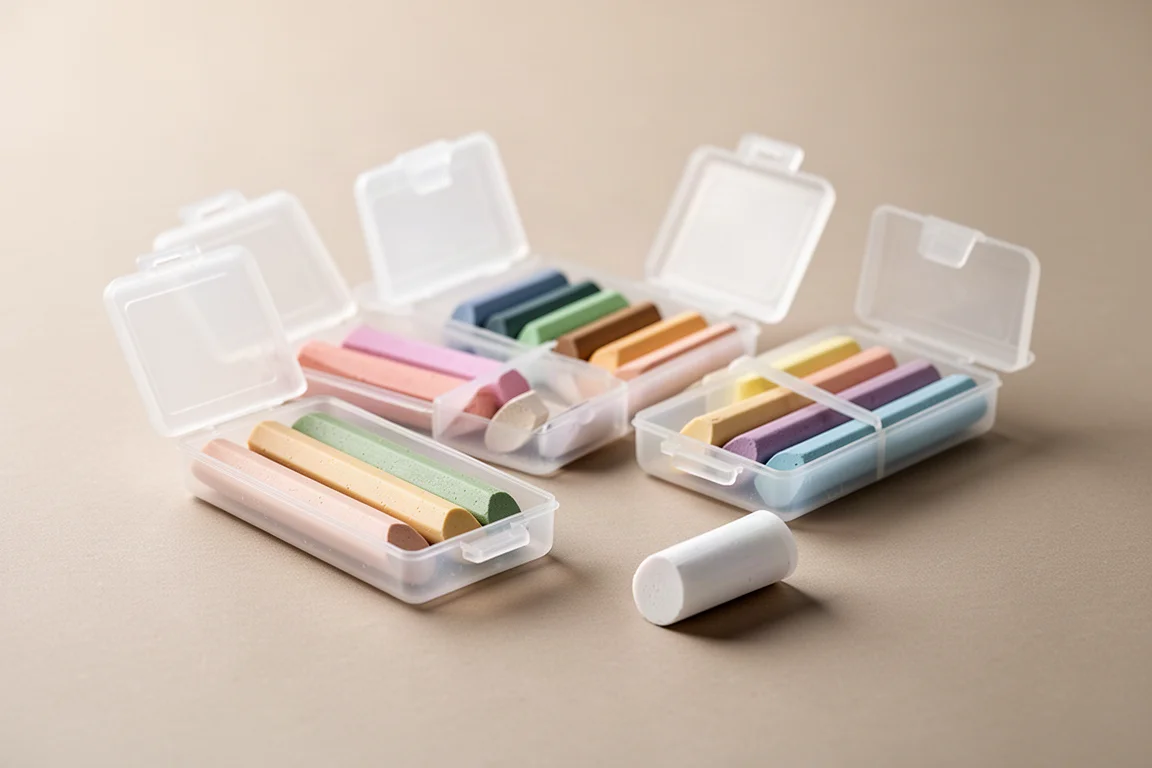
Marabu crayons are the wildcard of this comparison. The packaging describes them as buttery smooth, wax-based soft pastels, but they are clearly not soft pastels in the powdery chalk sense, and they do not quite behave like true oil pastels either. They come in plastic pull-cases that make them feel almost like markers, and the marketing never settles on what they actually are.
In use, they draw smoothly and buttery, and you can layer with them, but not to the messy, gritty degree you would expect from a true oil pastel. They are not really crayons either: they glide like a wax crayon, but with some texture to the stroke. Think of them as something between the two, closer to an oil pastel in softness but without the grip. They are an interesting supplementary tool, but confusing as a primary oil pastel choice.
Buying Advice
If you can only buy one set, make it Caran d’Ache: strong pigment, the right amount of softness, and enough bite for good texture, all in a color range that balances saturated and muted tones. Add Holbein if you want a second firm brand for layering, and accept that you may be wrapping the sticks yourself. Keep Sennelier for occasional thick, opaque accents rather than full drawings. Skip Sakura Cray-Pas for serious work, and treat Marabu as a curious hybrid tool rather than a true oil pastel replacement.
Conclusion
The biggest lesson from comparing these five brands is that quality is only half the story; physical properties like softness, stickiness, and pigment weight vary so much between brands that the right choice depends on how you draw. Caran d’Ache remains the most reliable all-around pick for most artists, with the others best used as complements rather than core sets.
Further reading
Related Reviews
Art Supplies
Art Pop Watercolor Pencils 48-Color Set: A Thoughtfully Designed Student-Grade Option
The Art Pop 48-color watercolor pencil set blends well, dissolves smoothly, and includes artist-friendly details like barrel-printed color names, all at an affordable price.
Art Supplies
Artics Acrylic Markers 3mm Review: Versatile Paint Markers With a Few Caveats
A 48-color set of water-based acrylic paint markers that blend while wet, dry permanent, and keep the price low, though safety transparency remains a question.
Art Supplies
Best Art Supplies Worth Your Money: Pencils, Pens, Paints, and Paper That Earned Their Spot
After years of daily use and testing, these are the pencils, pens, watercolors, gouache, brushes, sketchbooks, and erasers that stand above the rest.