Car Tools
Best OBD-II Readers with Battery Testing for DIY Mechanics
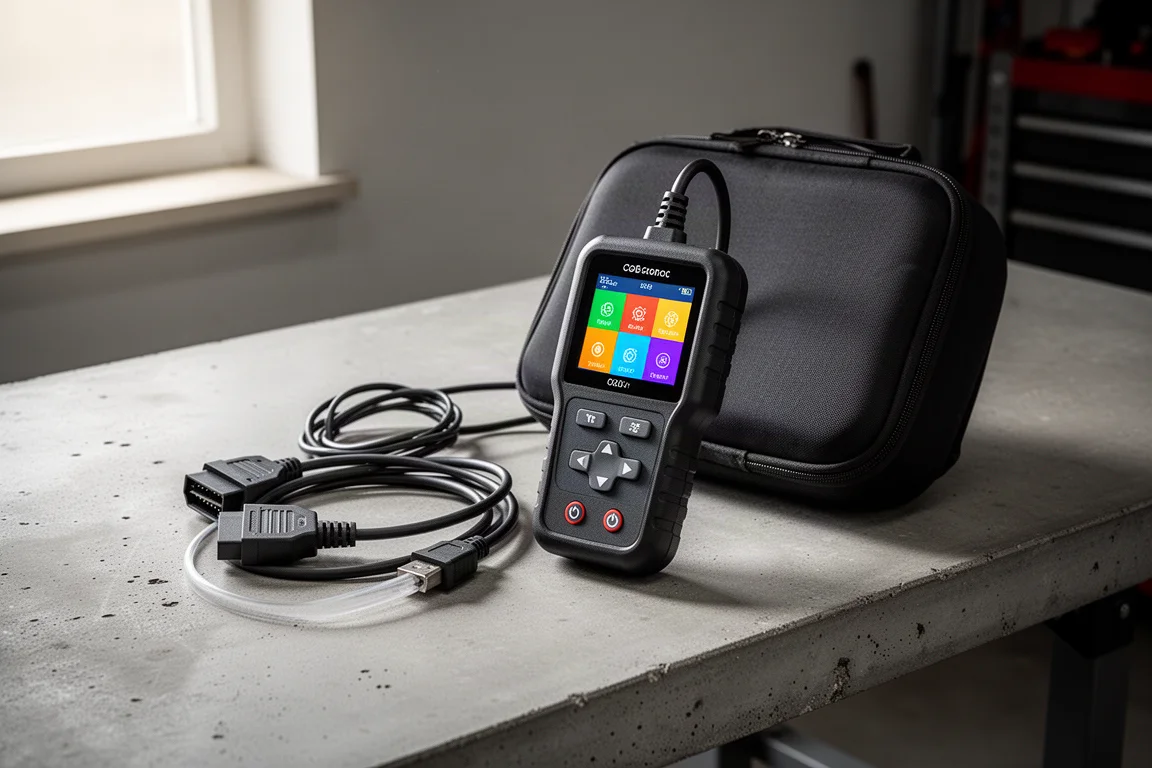
Two OBD-II scanners that also test your battery: a budget-friendly Vpeak and a sturdier Foxwell alternative for weekend wrenching.
Introduction
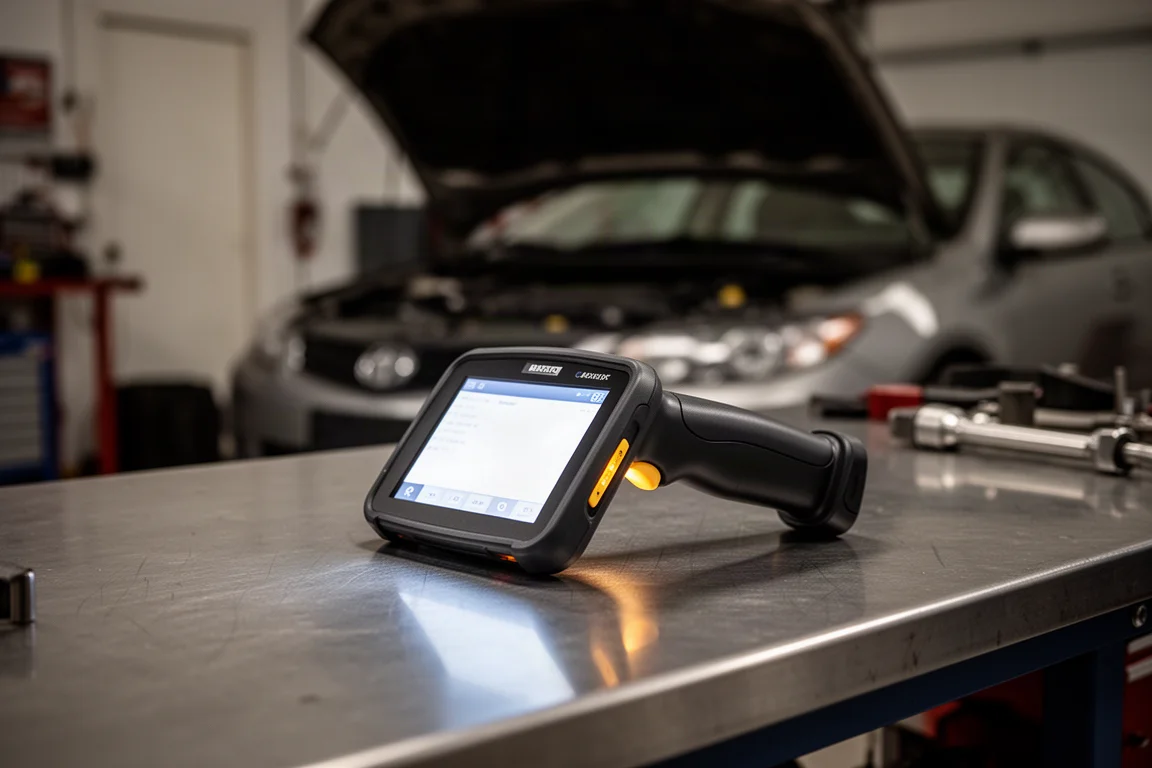
Most budget OBD-II readers do one job: read and clear trouble codes. That is fine, but two models in this space go further and add battery testing, which turns them from a code reader into a genuine diagnosis tool for a used-car purchase or a charging-system problem. After extended hands-on use, including testing across two different vehicles, here is how the Vpeak and Foxwell stack up for DIYers and weekend mechanics.
What Makes a Scanner Worth Buying for Home Use
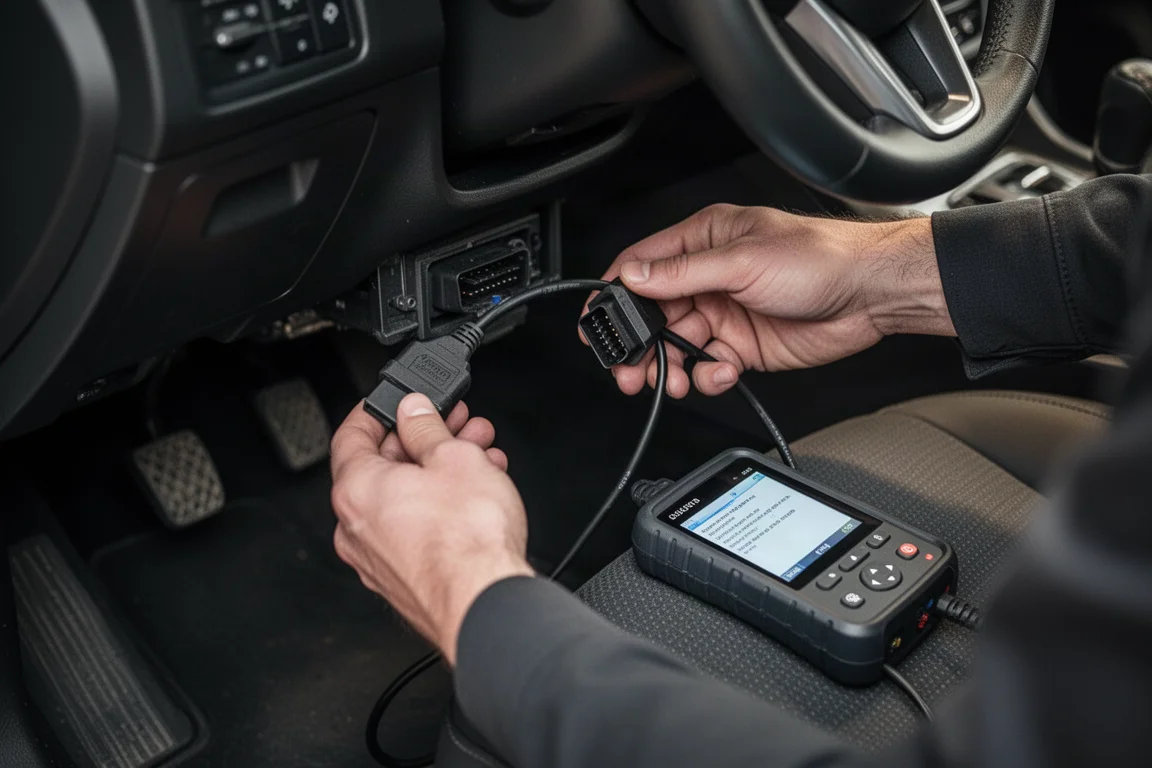
For shade tree mechanics, the goal is not Snap-on shop-level capability. It is covering the essentials: pulling codes, seeing what they mean, checking voltage and charging behavior, and doing it without guesswork. During testing on a recently purchased truck, the scanner pulled four stored codes, including a coolant thermostat code, a catalyst efficiency code (P0420), a fan control circuit fault, and a lost-communication code (U0167), all read out clearly.
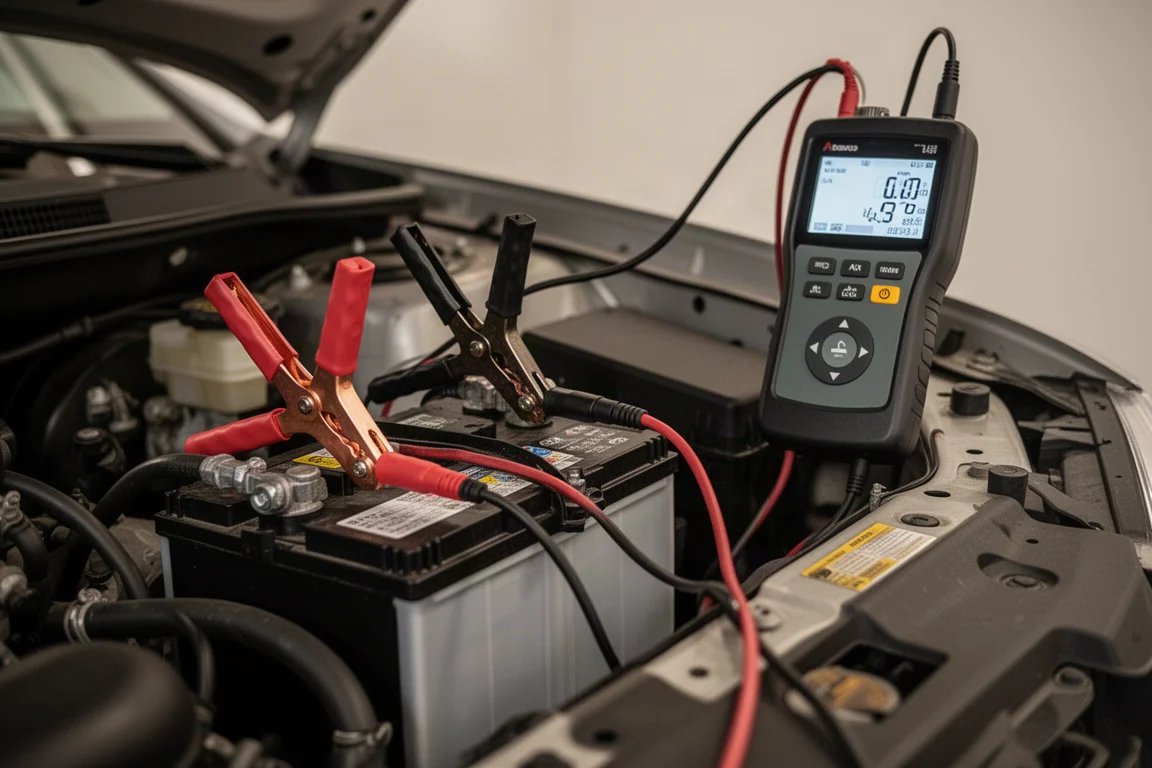
The battery side proved just as useful. On a weak battery reading 10.41 volts, the tester measured 354 cold cranking amps, showed a state of charge at zero, and flagged that the battery was good but needed charging. A follow-up check at the negative terminal read 13.85 volts while running and about 14.6 from the alternator, confirming the charging system was working. That is real diagnostic value in one handheld package.
Vpeak OBD-II Reader with Battery Tester
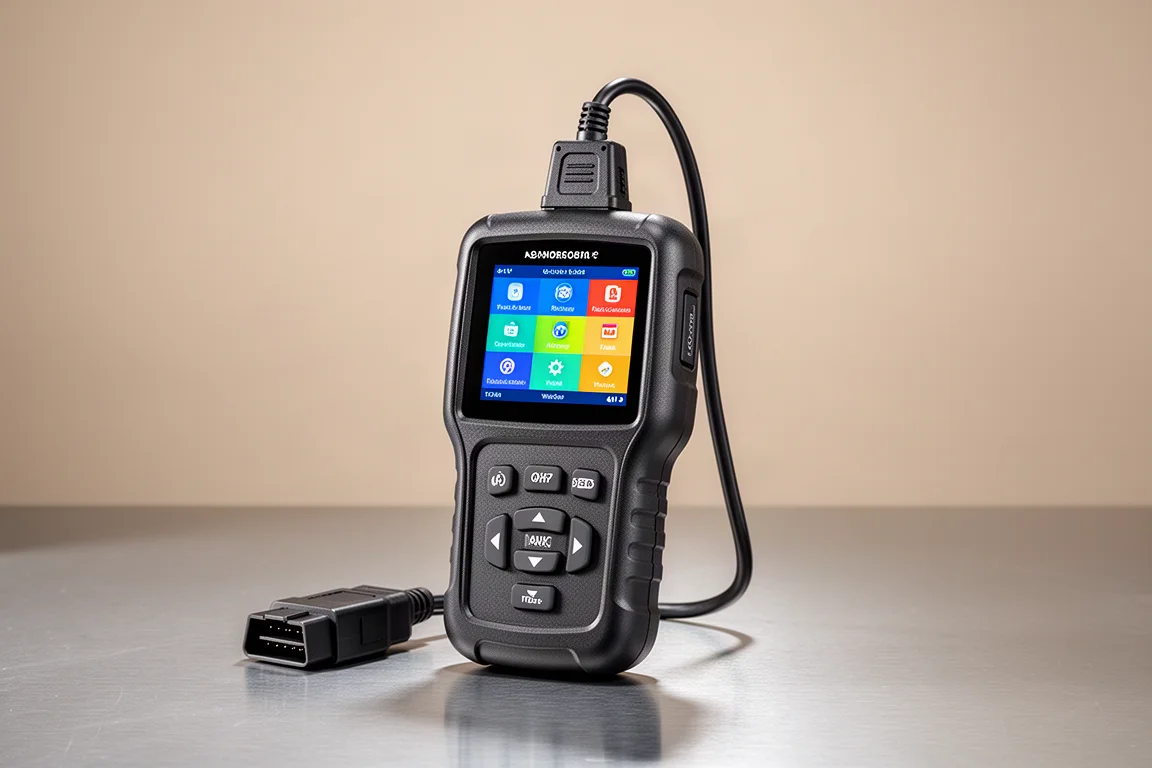
The Vpeak combines OBD-II code reading with a built-in battery tester, something not commonly bundled at this price. It typically sells for around $53 to $54, and with frequent discounts it can land in the low $40s. Vpeak got its start making very cheap Bluetooth plug-in adapters, so expectations should be calibrated accordingly: this is not a ruggedized pro tool, and some buyers have noted the construction feels a bit flimsy.
In practice, though, it held up well. It ships in a genuinely nice case, the cables are good quality, and the connections felt solid throughout testing. After months of continuous use by a car-flipping friend who relies on it for every purchase, it has had no problems. It has even caught a car that had a pile of stored codes plus battery and alternator issues before money changed hands. Amazon ratings sit at four stars, with some reviewers reporting it would not read codes on their vehicle and complaints about build quality, so it is not perfect, but for DIY use with reasonable care it is a strong value.
Foxwell OBD-II Reader with Battery Tester
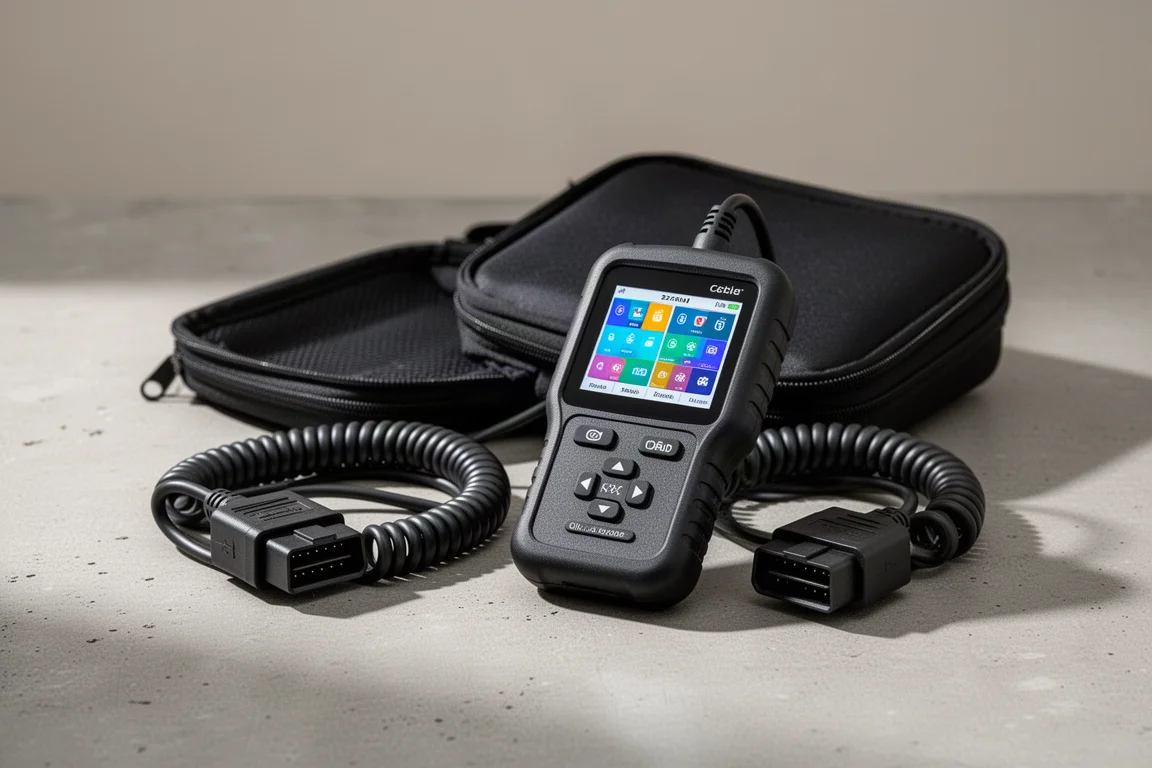
If you want something with a bit more heft, Foxwell makes a model that does all the same things, including the battery testing, in a sturdier package. It typically runs around $106, and with a 15 percent discount it lands near $90. Foxwell has a good reputation in this space, and the more robust construction reflects it, at least based on experience with their other readers.
The trade-off is straightforward: you pay roughly double for a heavier-built tool. Whether that matters depends on how you treat your tools. If you are careful, store it in its case, and avoid dropping it, the cheaper route is hard to argue against. If you want something that can shrug off a bit more abuse, the Foxwell is the safer pick.
Which One Should You Buy
Both are aimed squarely at DIYers and weekend warriors, not professionals running a shop. If budget matters most and you handle your tools with reasonable care, the Vpeak at roughly $40 to $54 is a very good deal, especially for anyone who buys used cars and wants to check codes, battery condition, and alternator output before committing. If you want more durable construction and have the extra money, the Foxwell near $90 is the better-built option.
Whichever you choose, use the included case, keep it out of the dirt, and it should serve you well for years of garage duty.
Conclusion
An OBD-II reader that also tests your battery covers the two most common questions a DIY mechanic faces: what is wrong with the car, and is the electrical system the culprit. The Vpeak gets you there for around $40 to $54 with solid cables, a nice case, and proven reliability for used-car checks. The Foxwell adds sturdier construction for about $90. Either one is a sensible addition to a home toolbox.
Further reading
Related Reviews
Car Tools
Top 10 Car Tools 2025: The Best Gear We Tested This Year
From dash cams and jump starters to ceramic coatings and tire gauges, these are the ten car tools that impressed us most in 2025.
Automotive Tools
ALAIAL 1/2" Digital Torque Adapter Review: Turn Any Ratchet Into a Precision Tool
A practical look at the ALAIAL 1/2" digital torque adapter, an affordable way to add torque measurement to your existing ratchet.
DIY Tools
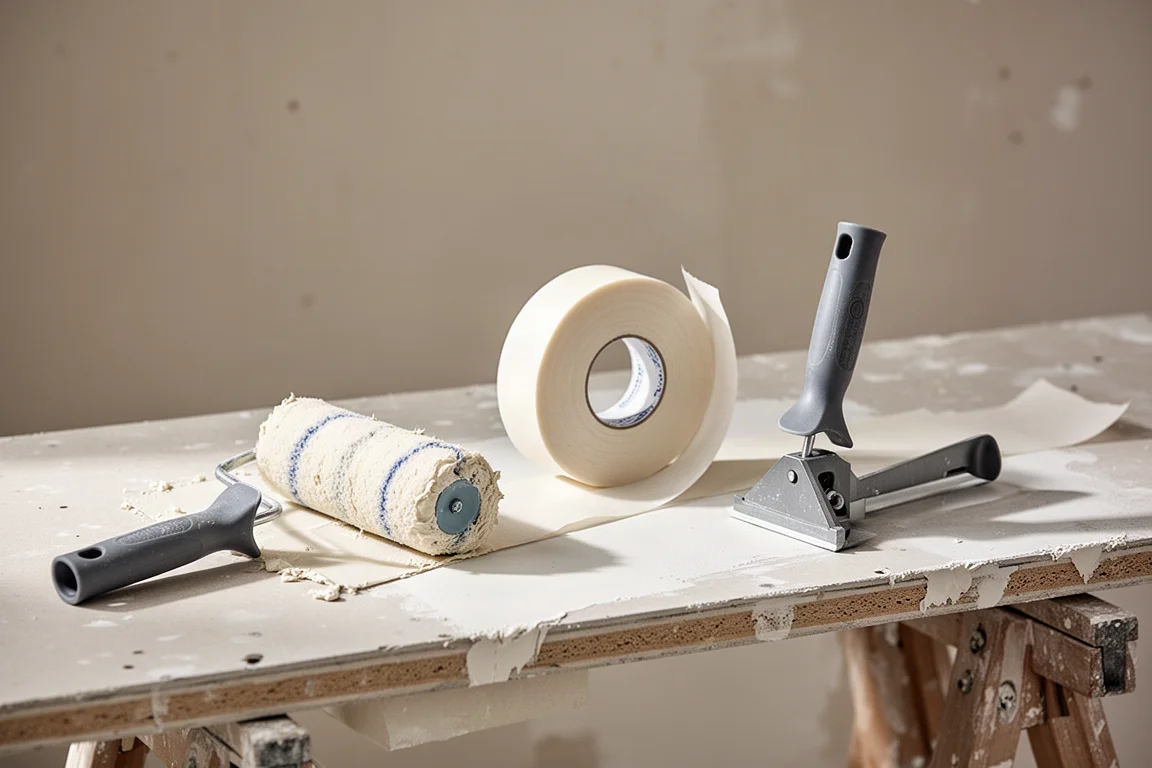
Beginner's Guide to Taping Drywall with Rollers and Corner Tools
A practical walkthrough of drywall taping using rollers and affordable corner tools, designed for first-time DIYers.