Cookware
Best Non-Stick Skillets: Traditional Teflon vs Ceramic Compared
Four non-stick skillets that passed rigorous egg-release and durability testing, plus what to know before choosing between traditional PTFE and ceramic coatings.
Introduction
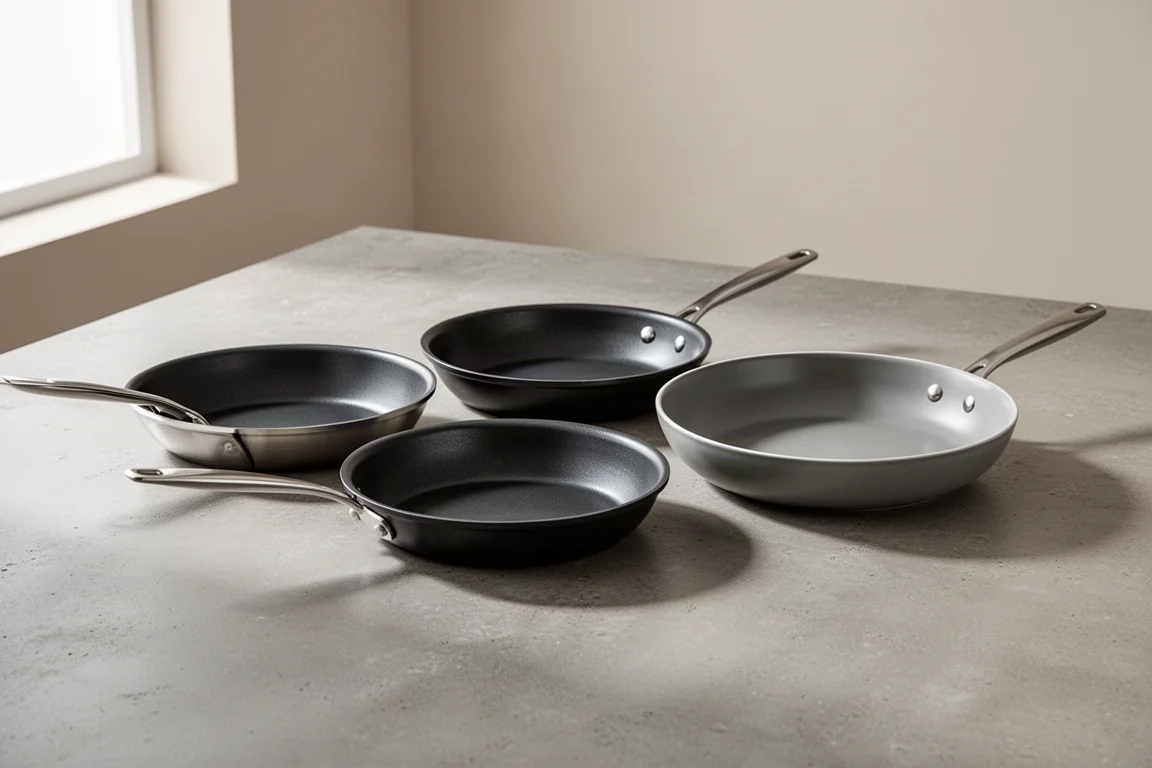
Non-stick skillets remain among the most popular pans in the world because they are inexpensive, easy to use, and effortless to clean. But growing questions around the traditional PTFE coating, often sold under the Teflon name, have pushed many cooks toward ceramic alternatives. After testing more than 20 traditional non-stick brands over the years and a recent round of 14 ceramic skillets, four models clearly stood out: three traditional picks from OXO, All-Clad, and Tefal, and one ceramic winner from GreenPan.
How We Evaluated These Skillets
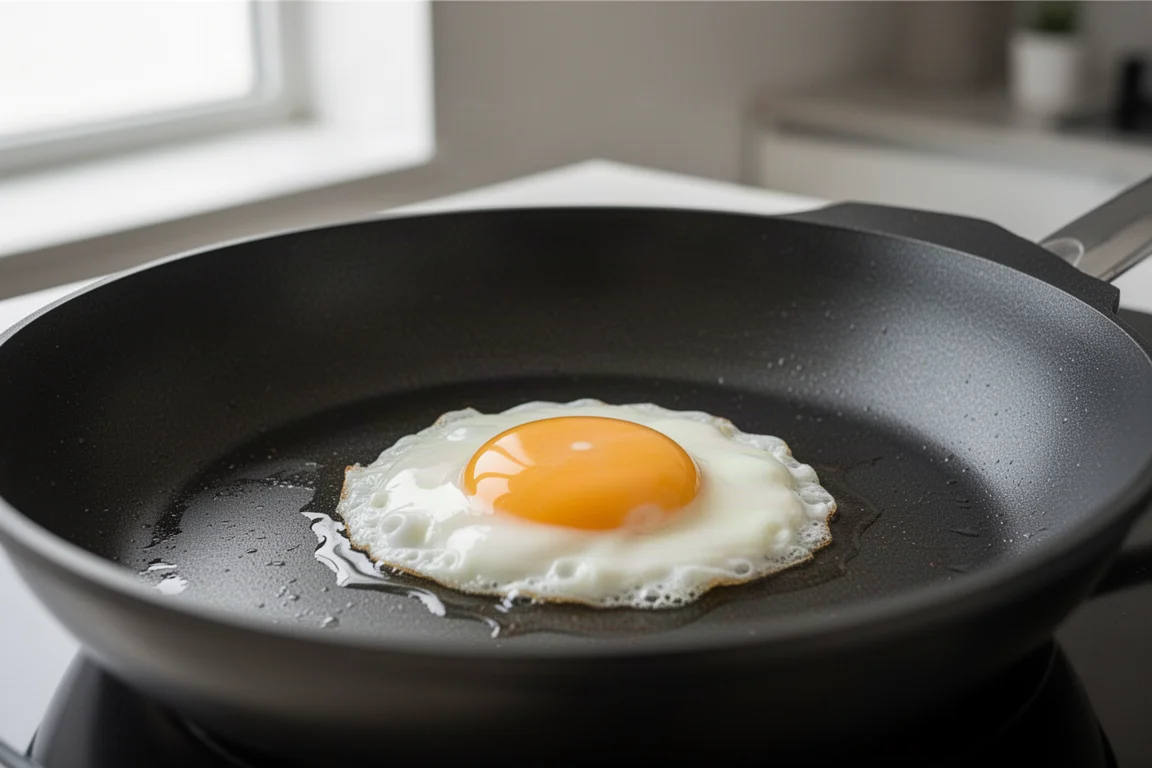
The core test is simple but brutal: fry eggs without any fat, one after another, up to 50 eggs or until the first one sticks. That test was repeated at the end of all other cooking tests to see whether coatings degraded with use. All of the traditional skillets aced those egg tests, arriving slick and staying that way.
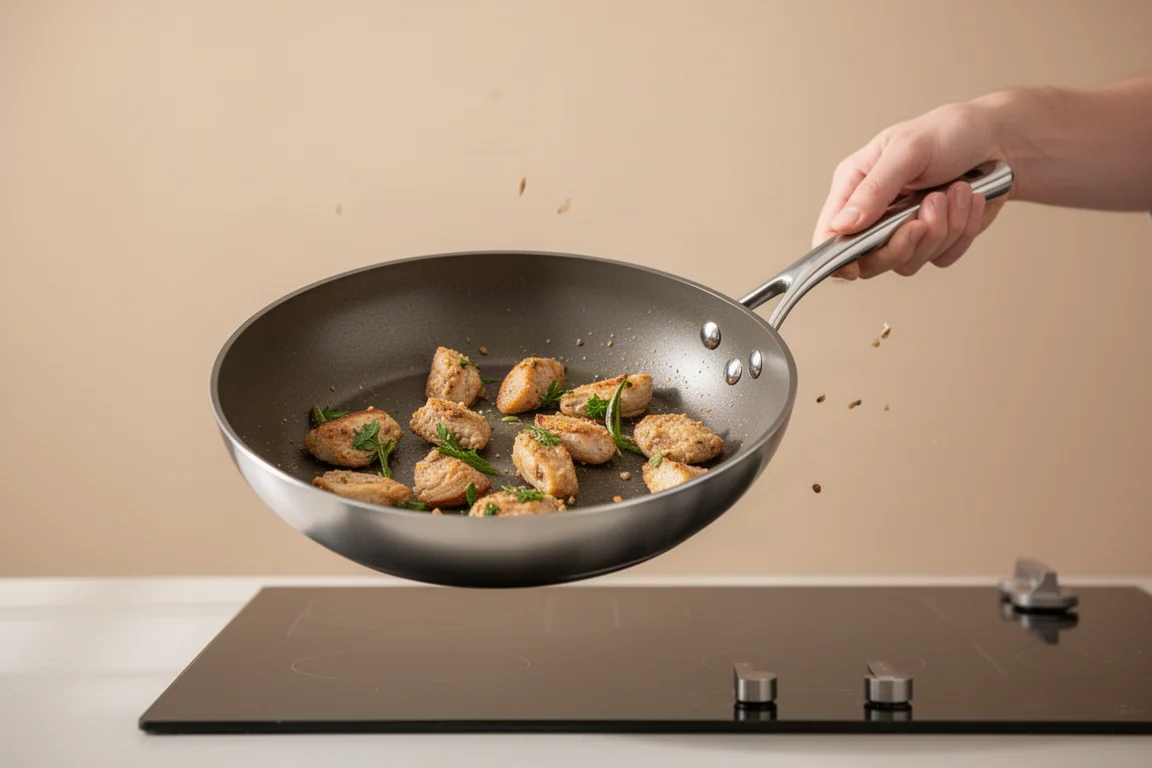
Beyond the coating itself, pan design matters: gently sloped walls, a lightweight build, a generous flat cooking surface, and a durable stainless steel handle.
What to Look for in a Non-Stick Skillet
Coatings are not all alike. Manufacturers spray a plain aluminum pan with one to five layers of PTFE depending on the quality target, and you cannot judge the number of layers by looking. That is why thorough release testing matters more than appearance.
Design details matter too. The best pans have walls just tall enough to contain food and sloped at an angle that makes tossing easy without spills. A 12-inch skillet should weigh around 2.5 pounds so it can be maneuvered with one hand. Because rim-to-rim measurements hide how much flat cooking surface you actually get, aim for a cooking surface diameter of nine to ten inches, which gives food room to spread and brown for up to six people. Stainless steel handles beat silicone-coated ones for durability, heat safety, and easy cleaning.
The Traditional Pick: OXO Non-Stick Skillet
The OXO non-stick skillet has been the long-standing favorite, performing perfectly across egg-release tests and all of the design checks above. It is not induction compatible, which is worth noting for some kitchens.
One important caveat: OXO has announced it is discontinuing this pan in favor of a new ceramic model that has not yet been released. If you can still find it, it remains a top performer.

The Ceramic Pick: GreenPan Ceramic Skillet
If you want to minimize exposure to PTFE, ceramic non-stick cookware is worth a look. Ceramic coatings are made from a glass-like ceramic material derived from beach sand, and there is no risk of toxic fumes even at high temperatures.
Ceramic is not without trade-offs. In general it is slightly less non-stick and less durable than PTFE, more brittle, and more prone to microscopic surface cracks over time. Of the 14 ceramic skillets tested recently, only three passed the 50-egg test, with others starting to stick around egg seven. The GreenPan winner aced the test, releasing each egg beautifully, and stayed slick through cooking and abuse testing. It also has a broad cooking surface, gently sloped walls, and a comfortable handle.
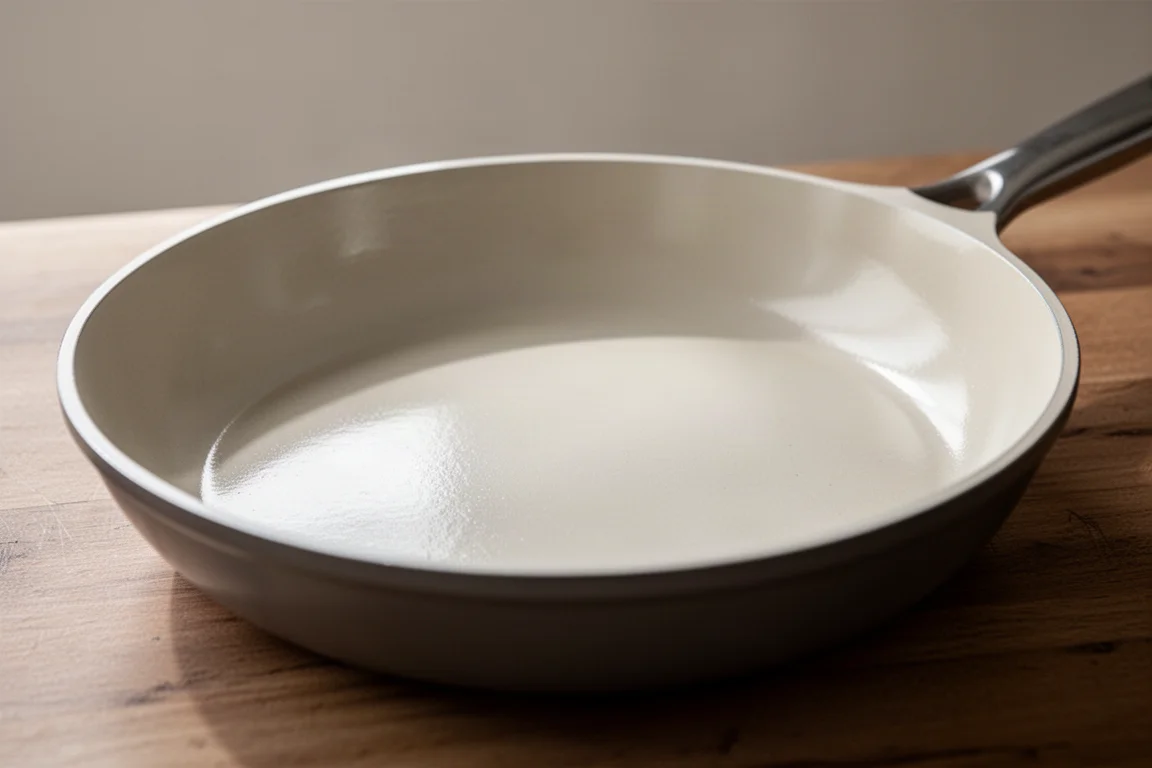
One adjustment to know about: ceramic coatings conduct heat to food more quickly than PTFE, which acts as a thermal insulator. Ceramic pans run hotter, so you may need to lower the flame or pull the pan off the heat sooner than a recipe calls for. For a confident cook, these are easy adjustments.

Also Excellent: All-Clad Non-Stick Skillet
Alongside the OXO, both All-Clad and Tefal models were highly recommended in testing. The All-Clad non-stick skillet is induction compatible, which the OXO is not, and it delivered the slick, reliable release expected of a top traditional non-stick pan.

Also Excellent: Tefal Non-Stick Skillet
The Tefal non-stick skillet is the other highly recommended traditional alternative, also induction compatible. Like all the traditional winners, it aced the egg tests and met the same pan design criteria.

Buying Advice: Which Type Should You Choose?
If you are looking purely for performance, traditional PTFE non-stick still wins by a small margin. But if peace of mind is your priority, ceramic offers fewer concerns when cooking at high temperatures such as in the oven.
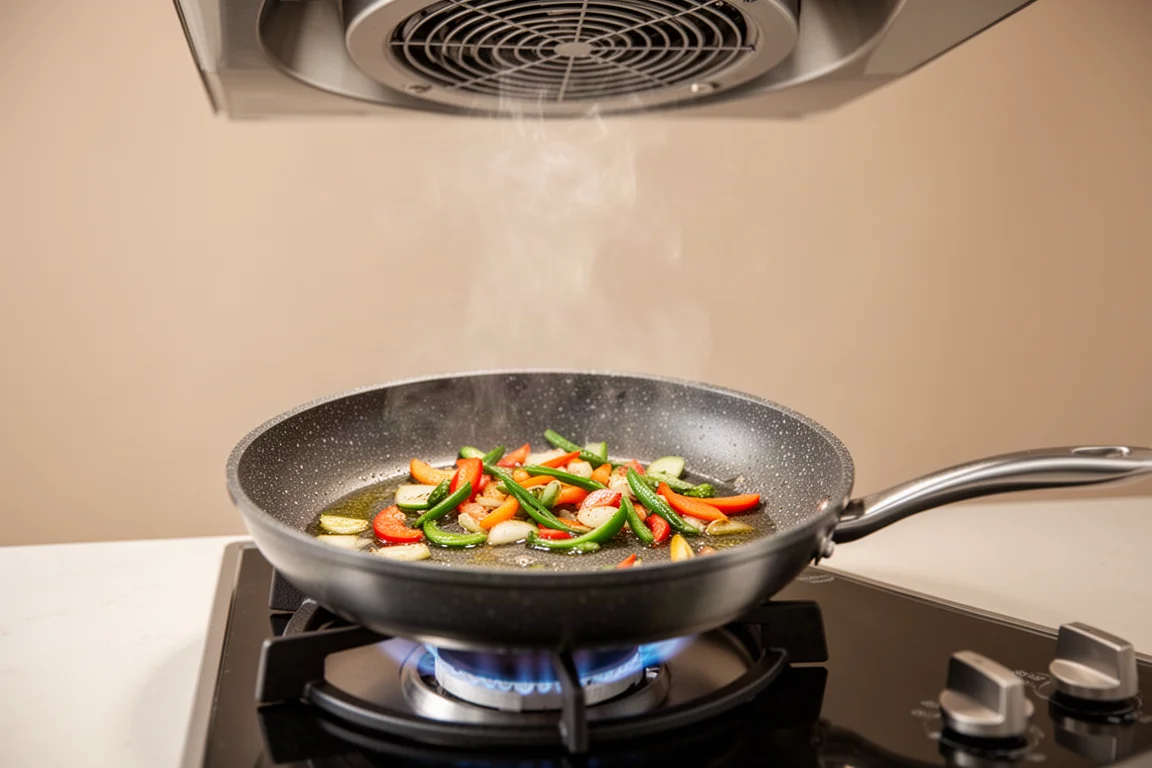
Either way, safety and longevity habits matter. Never heat an empty non-stick skillet; always add oil or butter, which smokes at around 350 to 400 degrees, well before a pan gets dangerously hot. Do not broil or exceed 500 degrees, and if you use a non-stick pan in the oven, keep it no higher than 450 because oven temperatures cycle up and down. Turn on the hood fan and crack a window while cooking.
To make any non-stick pan last: never use non-stick sprays, which build up and make the pan stickier over time. Avoid metal utensils, skip the dishwasher, and stay away from abrasive sponges or cleaners. When stacking pans, place paper plates or paper towels between them, and buff a thin coat of vegetable oil onto a warm pan to refresh a worn surface.
Conclusion
The OXO, All-Clad, and Tefal skillets represent the best of traditional non-stick performance, with All-Clad and Tefal adding induction compatibility. The GreenPan is the ceramic pick for cooks who want to avoid PTFE entirely, accepting only a small durability trade-off. Choose based on whether raw performance or cooking peace of mind matters more to you.
Further reading
Related Reviews
Cookware
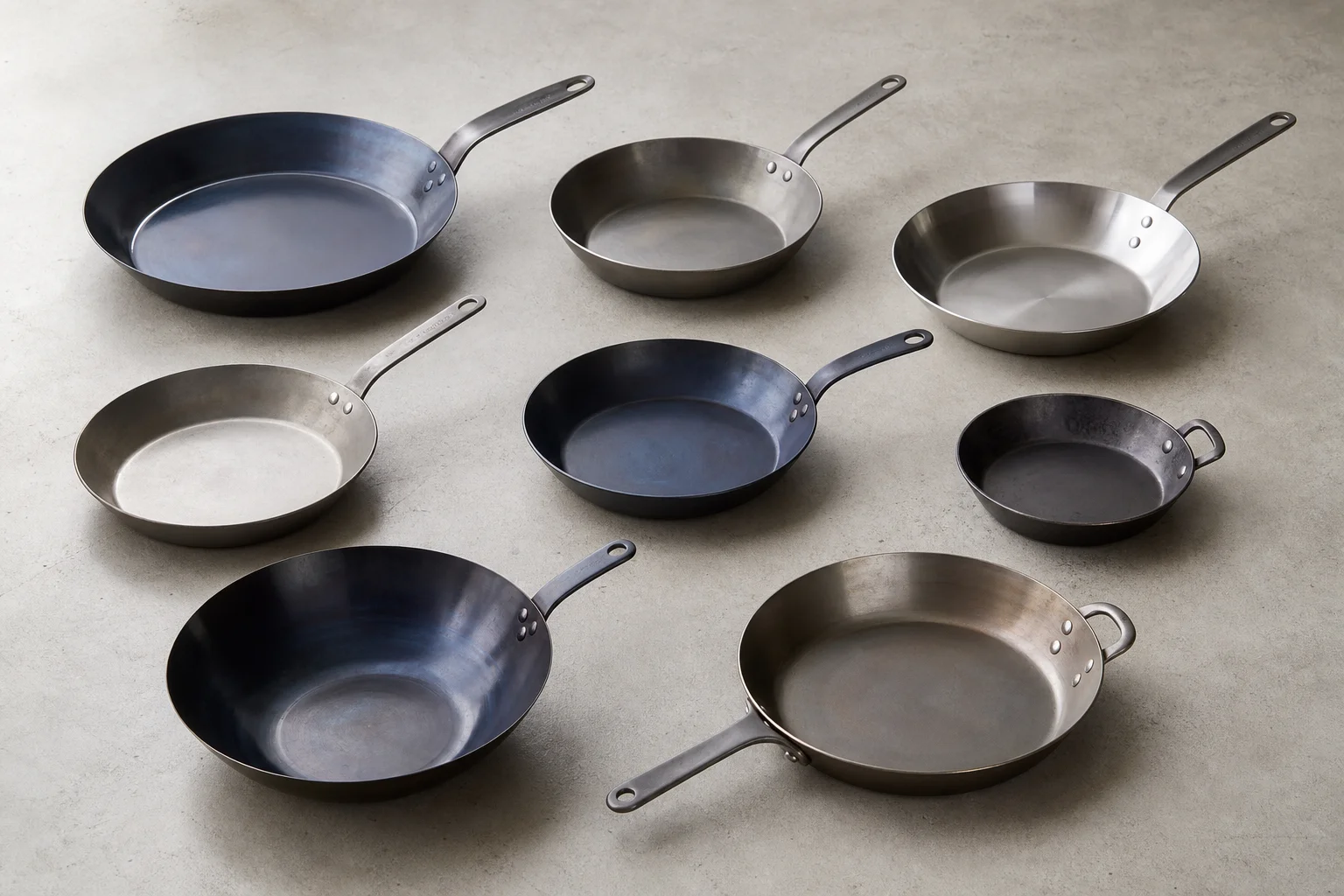
Best Carbon Steel Pans Tested: Which Brands Deliver Real Value
We tested eight popular carbon steel pans with controlled durability, heat, and cooking tests. Here's which ones perform best and which to avoid.
Cookware
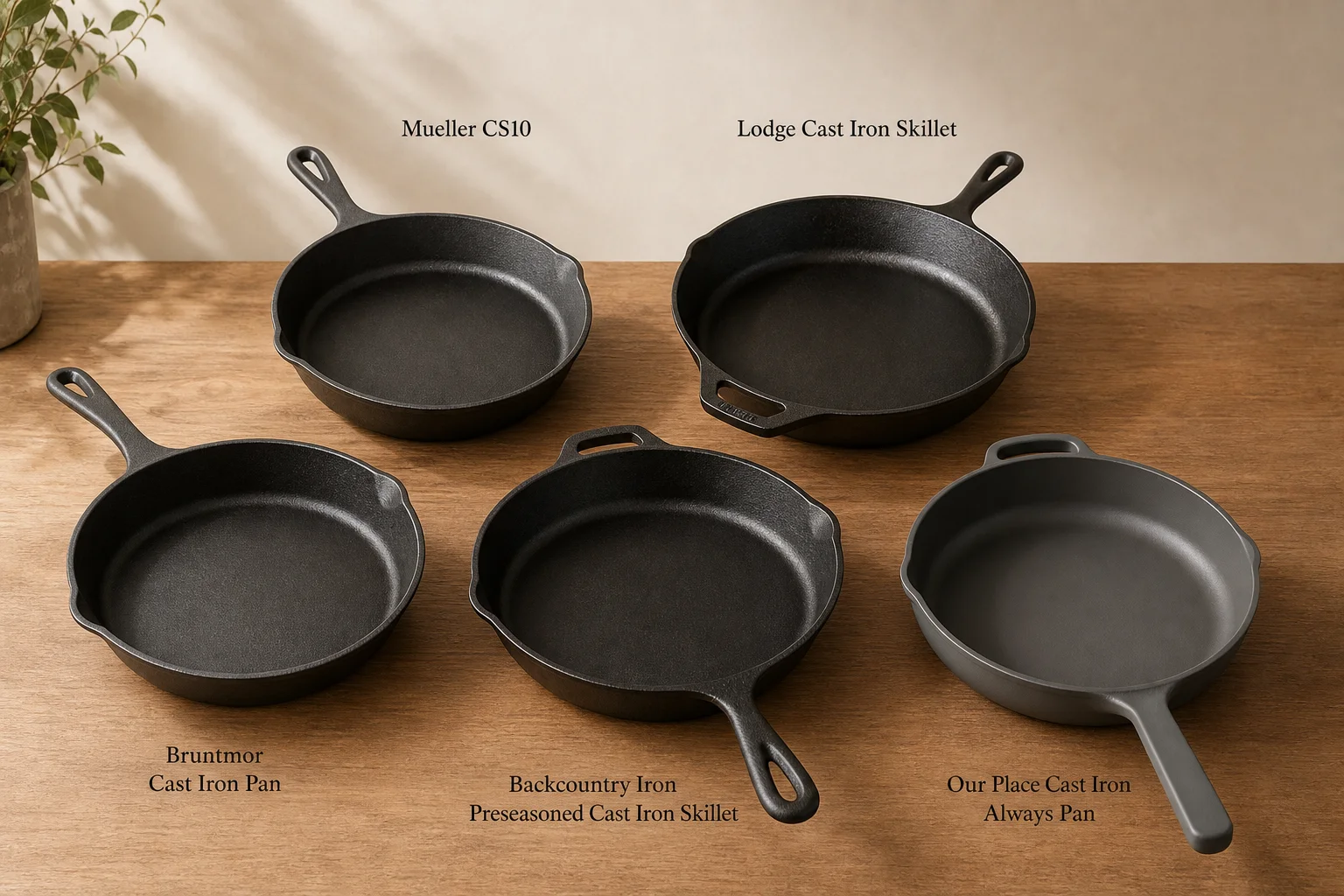
Best Cast Iron Pans 2026: Five Options from Budget to Premium
A practical breakdown of five cast iron skillets, from affordable Mueller to premium Our Place, with clear strengths and trade-offs for different cooking needs.
Cookware
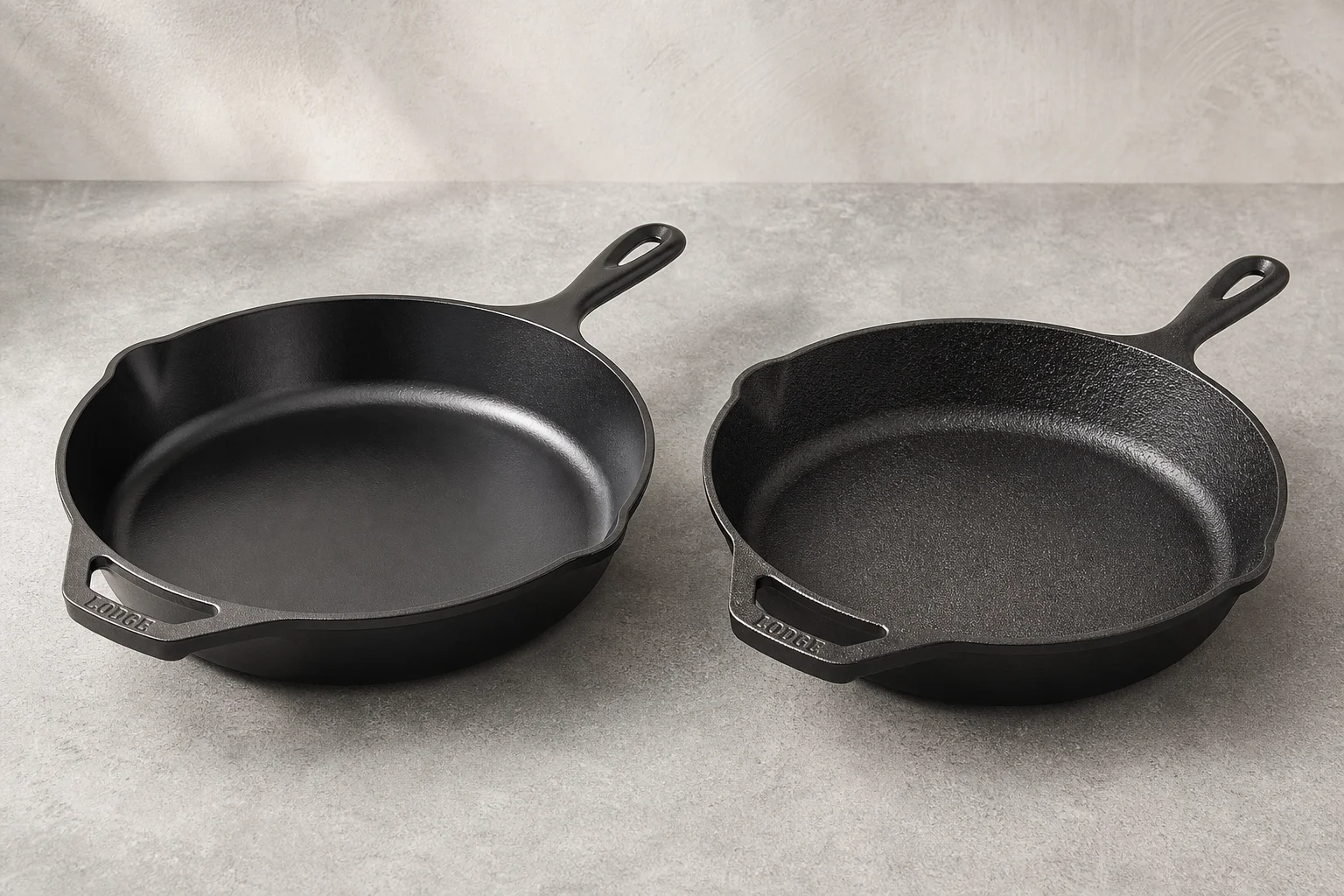
Best 12-Inch Cast Iron Skillets: Premium Craftsmanship vs. Reliable Budget Option
Two standout 12-inch cast iron skillets tested for heat retention, surface finish, and durability. One premium choice and one budget-friendly alternative that both deliver.