Running Shoes
Best Non-Plated Running Shoes for Long Runs: 7 Plate-Free Daily Trainers
Seven plate-free running shoes built for comfortable, protective long runs, from wide-platform max-cushion trainers to firm daily trainers that still handle a faster pace.
Introduction
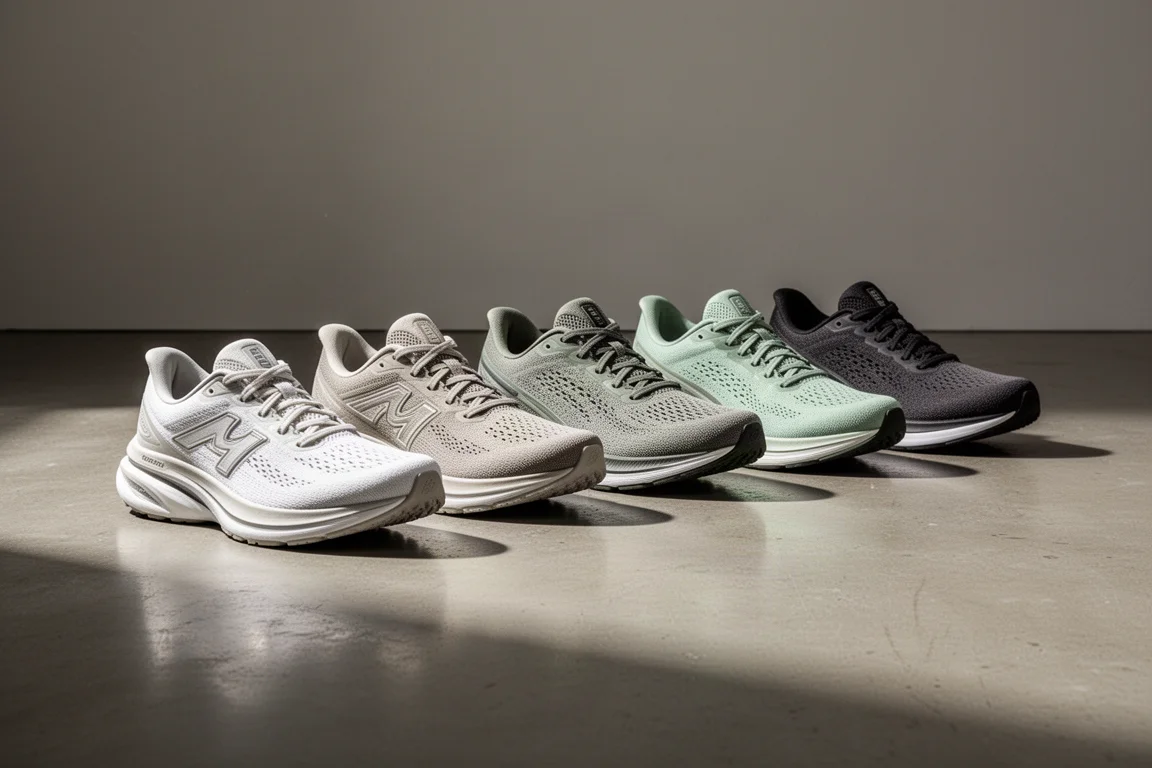
Long runs do not have to be fast to be productive. When the goal is time on feet, aerobic development, and a durable base, the shoes that make the most sense are usually the ones without a plate: softer, more forgiving, and far less aggressive than a racing shoe. Plated racers are built to help you hit pace, and that focus on speed can cost comfort over long distances.
This roundup collects the plate-free shoes that have proven themselves on long, relaxed efforts, ordered from least aggressive to most aggressive. Some are pure max-cushion cruisers. Others are firm enough to handle a faster mile or two. All of them are designed to make three hours of running feel far more manageable than it sounds.
What Defines a Good Non-Plated Long Run Shoe
Three qualities matter most. The first is stability: on a tall, soft shoe, a wide platform keeps the ankle from wandering, and a broad base still feels secure after fatigue sets in. The second is protection. A long run shoe should insulate the foot from the road without feeling dead, so look for deep cushioning that does not bottom out. The third is weight sensitivity. Some runners barely notice an extra 40 to 50 grams, while others feel it on every stride, and that single preference decides which shoe on this list will suit you.

That is also why the list is ordered by aggression rather than by price. The first few shoes are happy to cruise at a relaxed, conversational effort. Toward the bottom, the foam gets firmer and the geometry gets more purposeful, until you reach shoes that can genuinely handle marathon pace work without a plate. Rocker geometry is the other variable worth understanding: a pronounced rocker keeps the foot rolling through the stride, while a flatter, more flexible shoe gives back more ground feel and asks a little more of your calves.
Puma MagMax Nitro: Maximum Protection for Time on Feet
The MagMax Nitro is the most protective shoe in this group, and the one that best suits a long run where speed is not part of the plan. Its platform is noticeably wider than almost everything else here, wide enough that it could easily have been sold as a stability model. The heel sits deep in the shoe and stays there, and there is more bounce underfoot than the brand’s walking-oriented stability shoes offer.
On a relaxed three-hour effort in the 7:40 to 8:00 per mile range, the fit disappears entirely and there is essentially no ground feel through the midsole. The trade-off is weight: this is the heaviest shoe on the list, and runners who are sensitive to extra grams should look at the next entry instead.
Asics Novablast 4: The Same Comfort at a Lower Weight
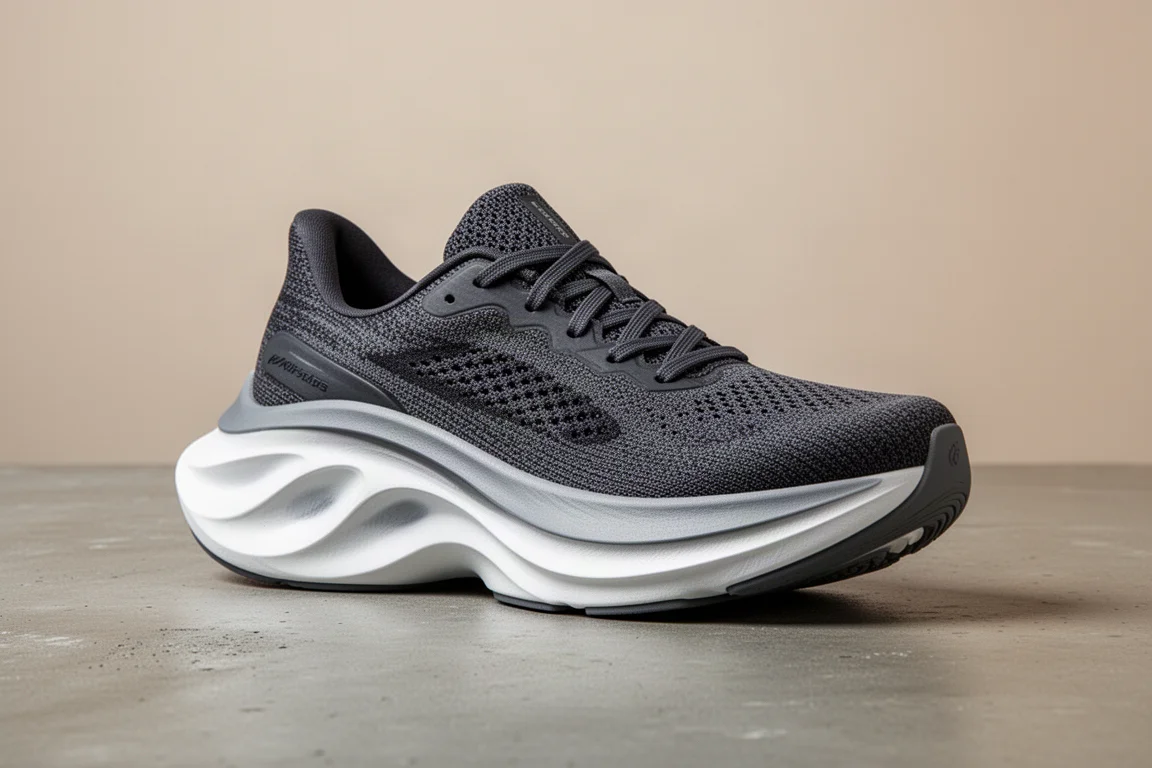
The Novablast 4 covers similar ground to the MagMax Nitro, with a wide, stable base and plenty of protection, but it does so roughly 40 to 50 grams lighter, which works out to about 10 to 20 percent. You get much of the same foam depth without the penalty, and that is the entire appeal.
It is not a fast shoe and it is not meant to be. It works best as a time-on-feet shoe for relaxed mileage, and it is comfortable enough to serve as a four-hour marathon or just-finish marathon choice. The character takes a while to appear: the first 30 minutes can feel flat and slightly dull, and the cushioning only makes itself known once you settle into a rhythm. Give it an hour and it rewards you.
Saucony Tempest: Stability With a Bit of Speed
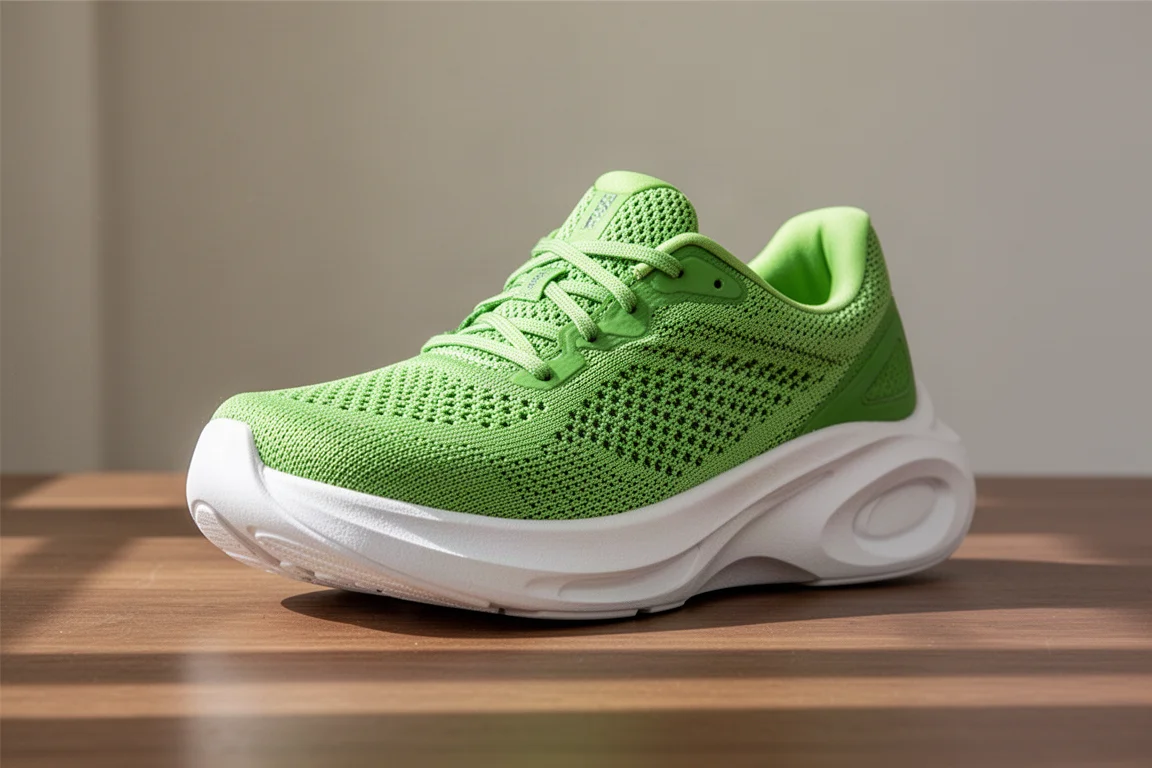
The Tempest is a stability shoe with some racing foam mixed into the midsole, and it is the entry to consider if you want support and a little pace in the same package. The heel area is locked down firmly, more prescriptively than in a neutral shoe, which is exactly what makes it useful for flat feet or for running through niggles. It was the shoe of choice for a 20-mile long run completed with heel pain, where the extra support made the effort more tolerable rather than making the discomfort disappear.
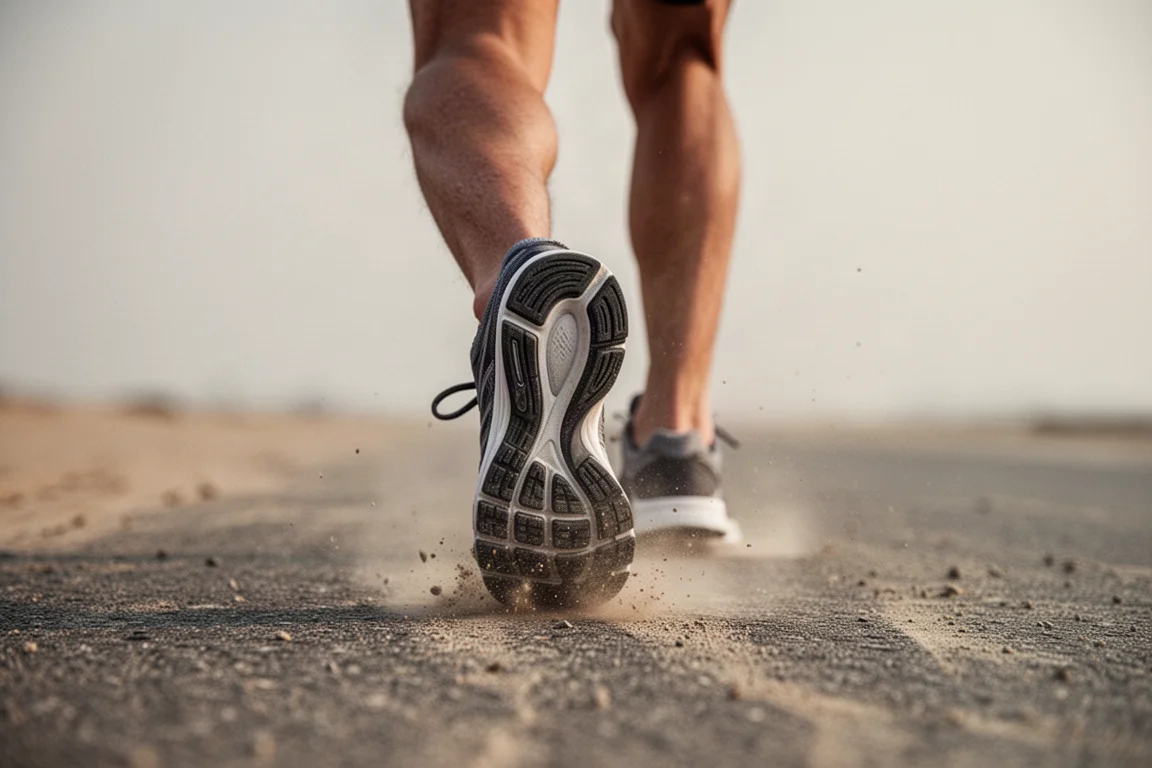
What separates it from a typical stability trainer is the rocker, which is among the best available and gives the shoe a genuine rolling sensation from landing to toe-off. That combination makes this one of the quickest supportive shoes on the market, comfortable enough for marathon pace work and a strong plate-free option for a marathon itself.
The second version has since arrived, but the update is limited to the upper while the midsole carries over, and with the first version often $40 to $50 cheaper, the older shoe is the better value of the two. Runners who need a plastic plate in the midsole for support will have to look elsewhere, since plated stability shoes fall outside the scope of this list.
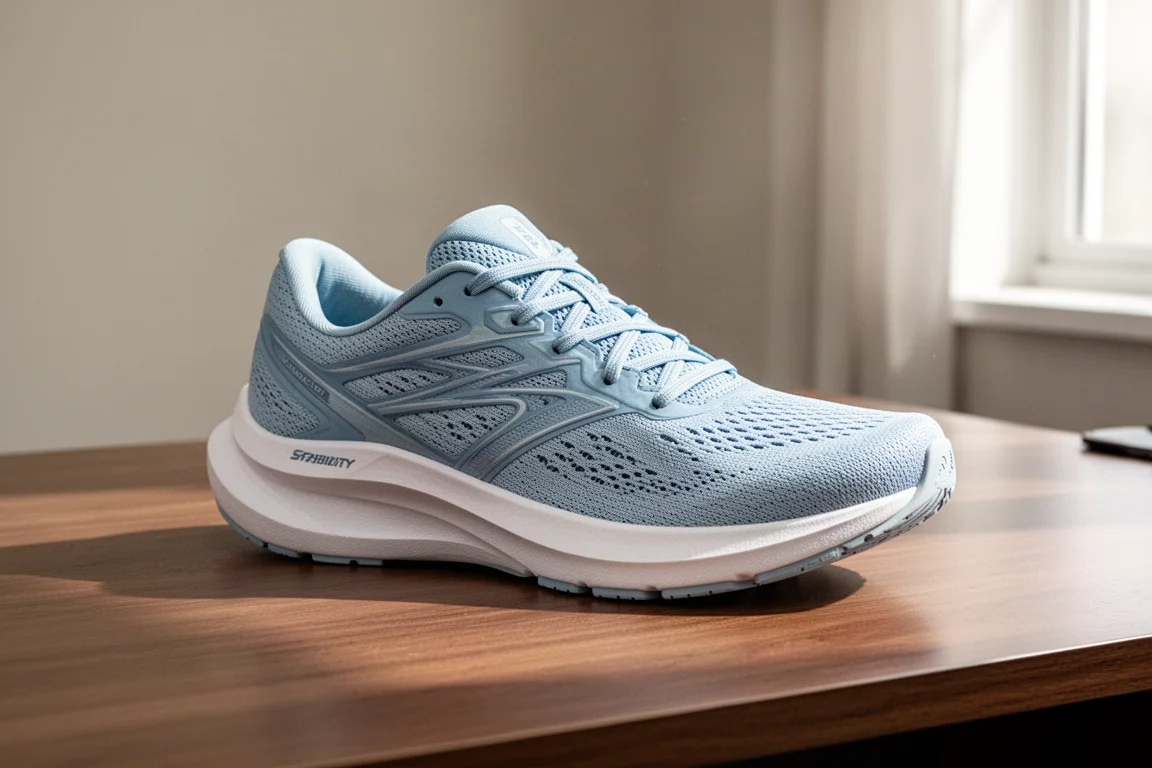
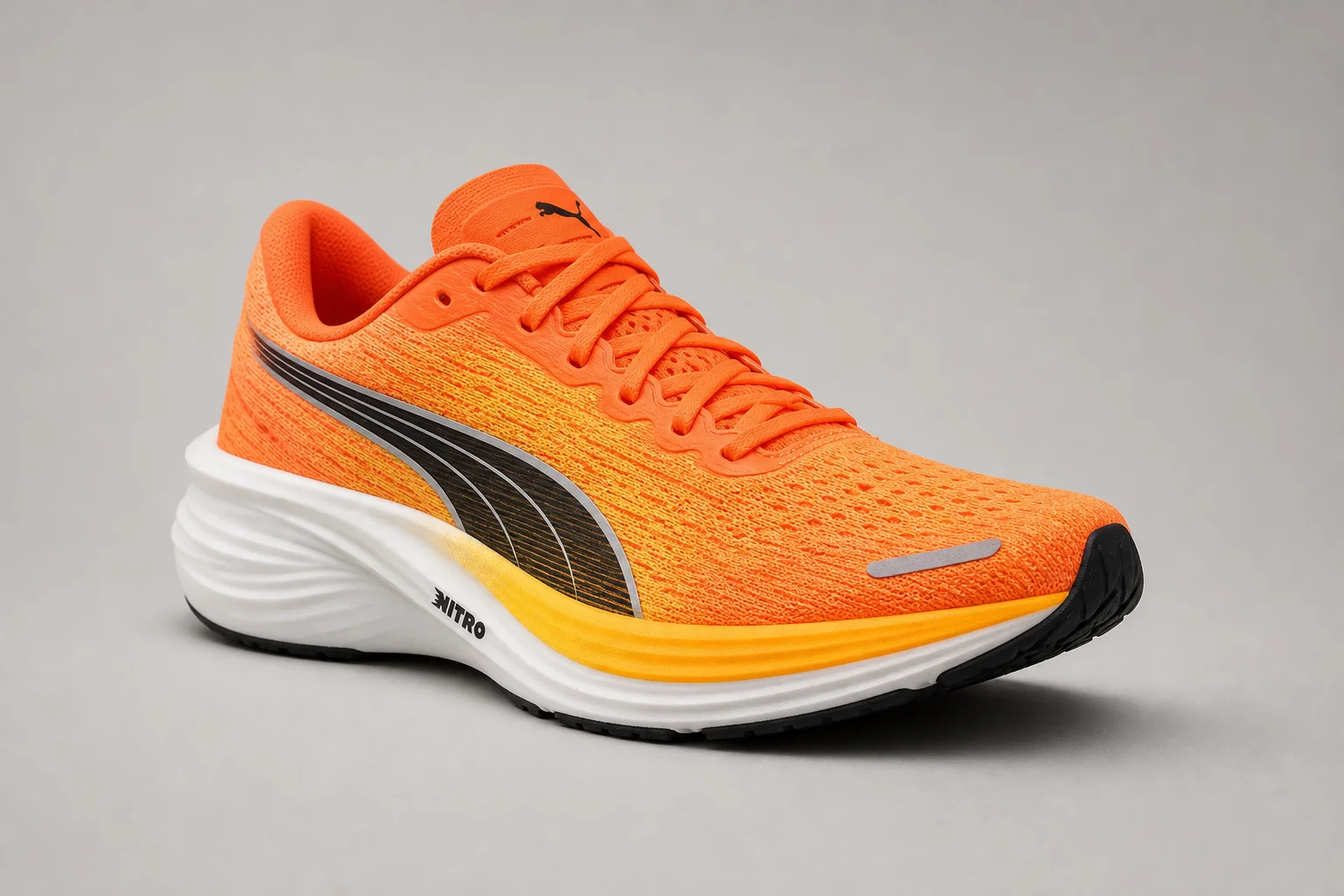
Puma Velocity Nitro 3: A Firm Daily Trainer That Still Moves
Not everyone wants a soft shoe. At $135, the Velocity Nitro 3 is the firmer daily trainer in Puma’s line, and it is a lot more fun than its plain looks suggest. It is supportive rather than plush, with a modest rocker and a ride that feels traditional in the best sense.
It handled a 22-mile treadmill long run during a 100-mile training week, including roughly 16 miles at around 6:20 pace and stretches down near 6:00 to 6:10, without bottoming out. The outsole rubber offers exceptional traction in the wet, and the shoe stays composed when you dig into a faster gear. If your preference is a lighter, faster-feeling trainer that can still cover long distances, this is the one to try.
Adidas Adizero SL2: Light, Flexible, and Affordable
At $130, the Adizero SL2 is the value option in this roundup and a genuinely different ride from everything above it. It is lighter and more flexible, with noticeably more ground feel and less rocker than the max-cushion shoes, plus a narrower, more locked-in fit.
That makes it better suited to shorter, faster efforts than to three-hour grinds, but it works surprisingly well as a one-shoe solution: enough cushioning for long runs, enough connection for workouts, and light enough to feel quick. If you would rather not spend $200 on a soft daily trainer, this is the sensible alternative.
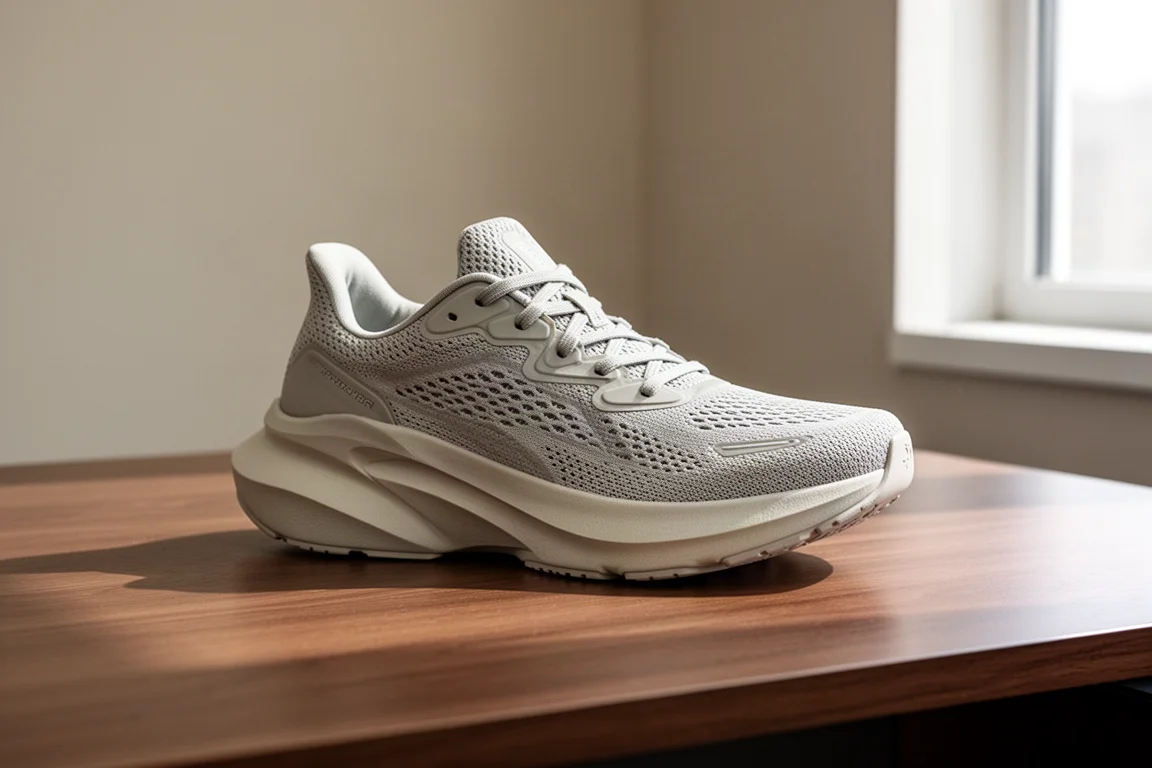
On Cloudmonster Hyper: The Fastest Plate-Free Option Here
The Cloudmonster Hyper is the most expensive shoe in this roundup at $220, and the fastest. Its midsole uses two foams: a training foam through the rear and a lighter, more reactive racing foam in the front, with a visible gap between them. Landing midfoot to forefoot puts you directly onto the responsive foam and the rocker, and the result is a smooth, almost floating ride at the right pace.
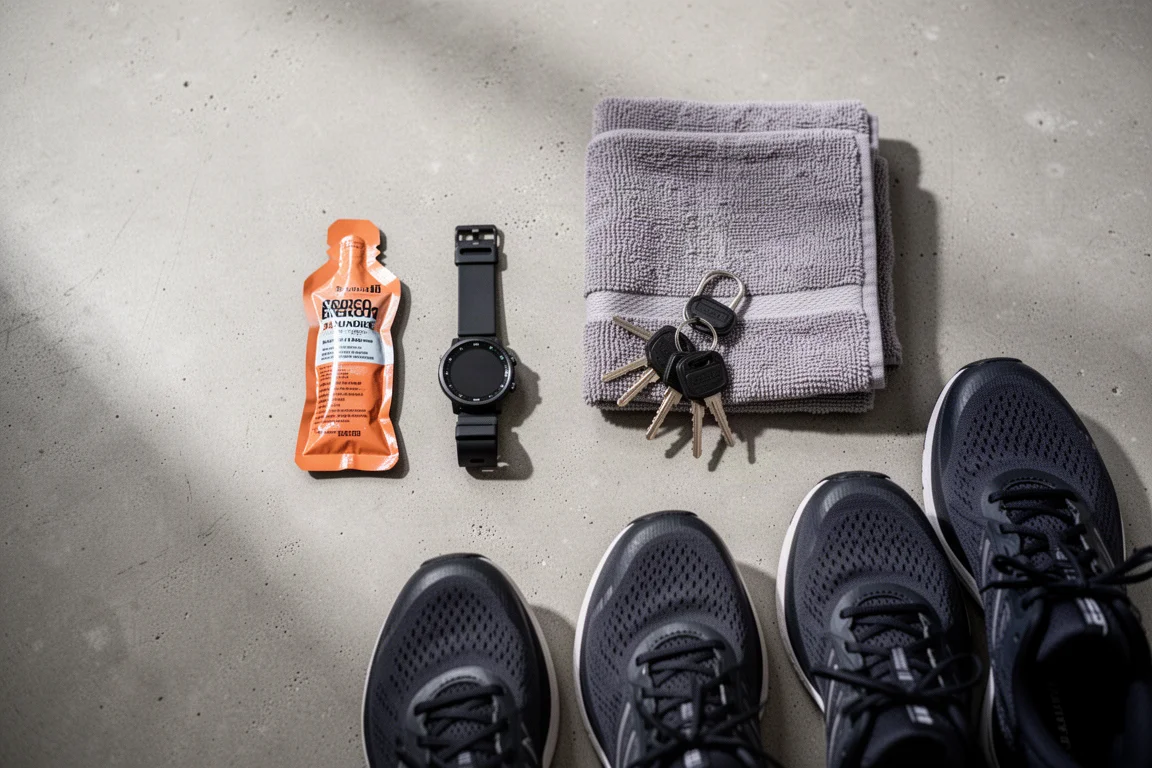
It is not a shoe that flatters every effort. Cold and stiff at the start of a run, it comes alive once it is warmed up and you are running with intent. The upper, laces, and fit have quirks that will not work for everyone, and it is neither as soft as a max-cushion cruiser nor as immediately comfortable as the MagMax Nitro, so it can feel firm and harsh at easy paces. On a long day split into two runs, it was at its best on the second effort, holding a steady seven-minute pace. Plated shoes with a similar ride can cost around $30 less, so the reason to choose this one is specifically the plate-free feel.
Brooks Ghost Max 2: A Supportive Pick for Walk-Run and Recovery
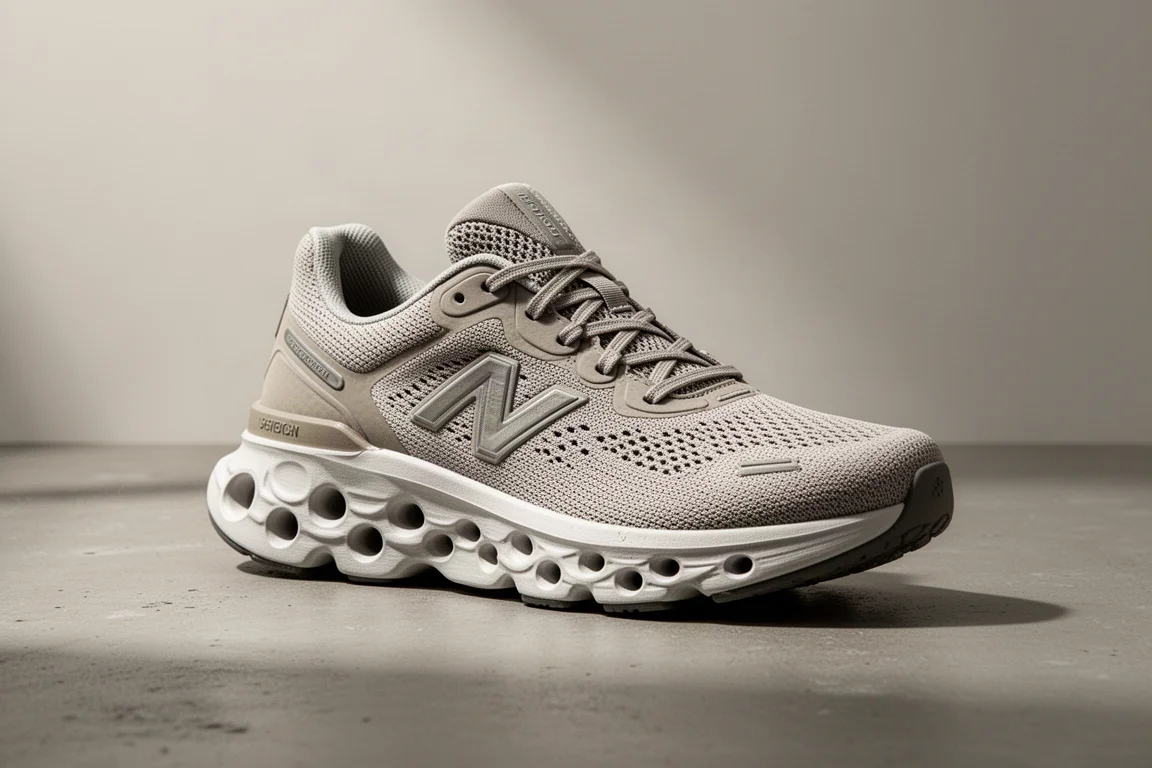
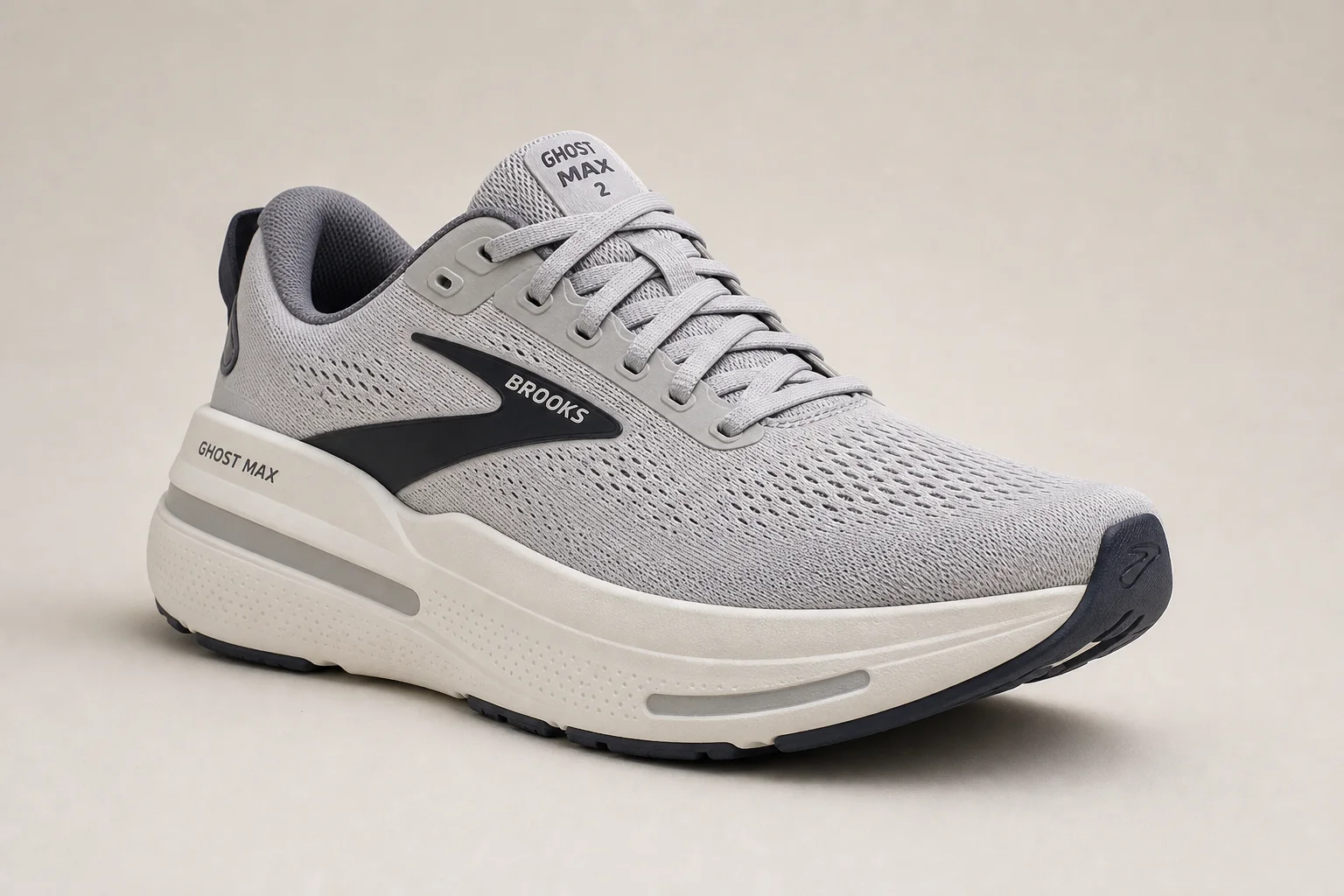
The Ghost Max 2 is the pick for anyone in a walk-run phase, rebuilding after time off, or running long runs of 45 minutes to an hour. It does not have a single spectacular feature; it simply does its job. There is a pronounced rocker and a smooth roll, and the foam responds the harder you push into it, which makes it especially supportive for heavier runners and for anyone building mileage back up.
Traction is strong and the cushioning is generous. At $150 it undercuts most premium trainers, and if your running is mostly walking, the original Ghost Max at around $120 covers that use case. It would not be the first choice for a 23-mile long run with marathon pace miles built in, but for comfortable, everyday long efforts it is an easy recommendation.
Buying Advice: Matching the Shoe to the Long Run
Start with how you feel about weight. If you are not sensitive to a few extra grams and want the most comfort and protection available, the MagMax Nitro is the obvious answer, with the Novablast 4 as the lighter route to a very similar ride. If you prefer something lighter still, the Adizero SL2 trades some cushioning for flexibility and ground feel at a lower price.
If support is the priority, the Tempest delivers stability without giving up pace, and it remains one of the few plate-free shoes that feels genuinely quick in the heel-supported category.

If you want a firm, fast-feeling trainer and have nothing against going plate-free, both the Velocity Nitro 3 and the Cloudmonster Hyper are worth a look, the first for traditional ride character and the second for a more modern, dual-density feel. And if you are walking more than running, or building back from scratch, the Ghost Max 2 will not let you down. Whichever you choose, remember that long runs get easier through habit as much as through footwear: fuel every 30 minutes, protect your sleep, keep the days before a long run easy, and build distance gradually. Three months of 90-minute runs make two hours feel simple, and consistent two-hour runs make the jump to 20 miles far less daunting.
Conclusion
Long runs do not have to be terrible. A plate-free shoe that matches your weight sensitivity, your need for support, and the pace you actually intend to run will make those hours far more pleasant than any racing shoe designed for something else. Pick the entry that fits how you train right now, then let the miles do the rest.
Further reading
Related Reviews

Running Shoes
Best Road-to-Trail Running Shoes: Three Versatile Options for Mixed Terrain
A practical guide to three road-to-trail running shoes that handle both pavement and mild trails, with clear strengths and trade-offs for different runner types.

Running Shoes
Best Running Shoes for Achilles Tendonitis: Three Options Explained
Three running shoes with different heel drops and support features designed to help reduce Achilles tendon pain during walking and running.

Running Shoes
Best Running Shoes for Women: Five Top Choices Ranked
A ranked guide to five women's running shoes, from versatile daily trainers to high-performance racing options, with real strengths and trade-offs for each.