Running Shoes
Best Non-Plated Lightweight Trainers for Workout Days: 7 Shoes Worth a Spot in Your Rotation
Seven lightweight, non-plated trainers that can handle faster workouts, save your super shoes for race day, and help you get more from training.
Introduction
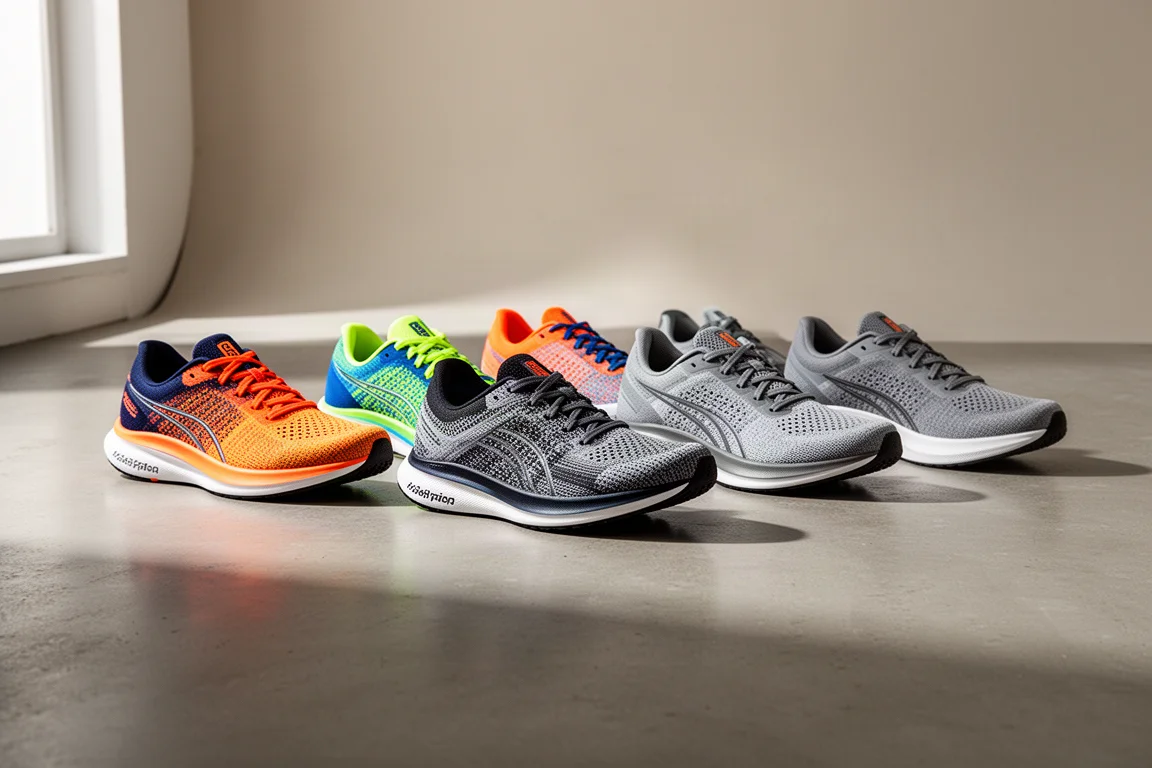
Plated shoes are everywhere right now, and for good reason: stiffness can be a useful tool. But more runners and clinicians are noticing that doing every workout in a plated or super shoe delivers diminishing returns. Some people respond well to stiff shoes, others find that the stiffness does not line up with their mechanics, and many simply get so used to the feeling that the workout stimulus stops landing as hard as it used to. The idea behind this list is simple: use lightweight, non-plated shoes for most of your faster training, then let your super shoes feel special again on the days that count.
Why Non-Plated Shoes Deserve a Place in Your Rotation
Training in firmer, lighter, non-plated shoes can leave you more sore, but also seems to deliver more benefit: better economy work, more honest mechanics, and more noticeable gains when you finally lace up the fast stuff. A shoe rotation may also help spread stress across tissues, and wearing your race shoes only on key days keeps that race-day feeling genuinely special. If you can only afford one shoe, some daily trainers below are fast enough to double as workout shoes, with a super shoe reserved purely for racing.
Topo Cyclone 2
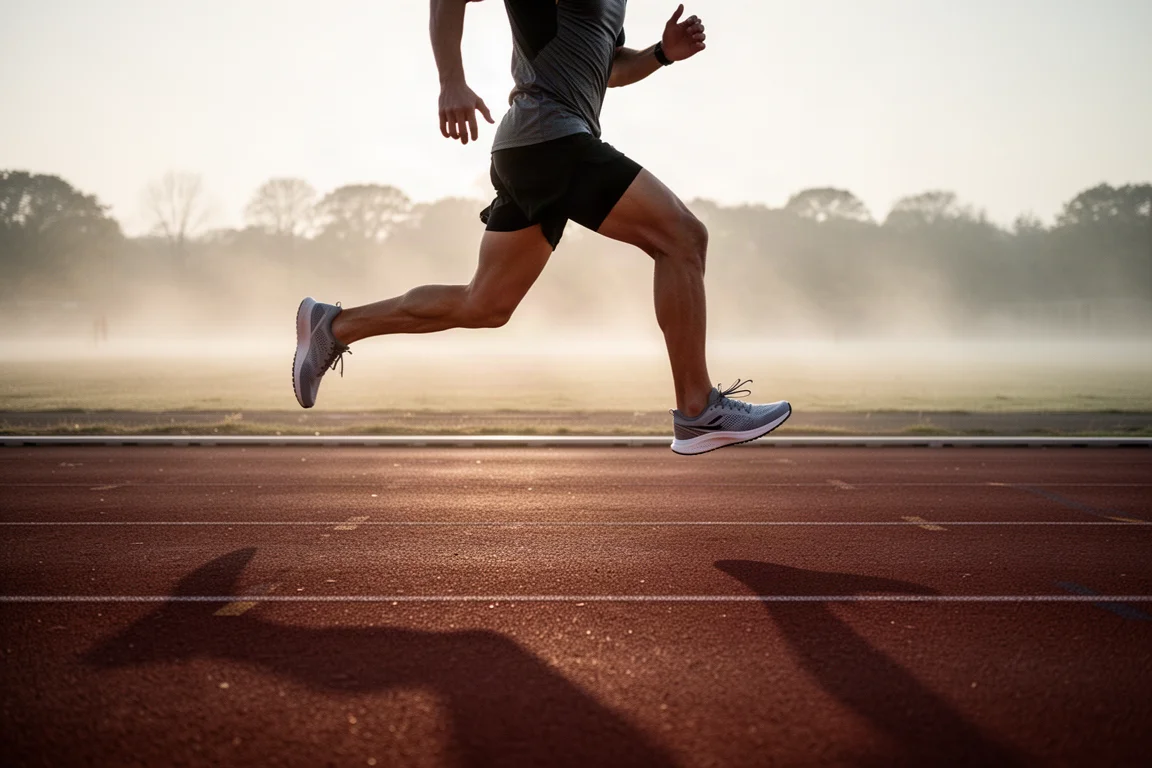
The Topo Cyclone 2 meets in the middle of the non-plated conversation. It is a lower-profile design by today’s standards, but it still uses a super foam without a plate. The shoe is very flexible through the forefoot and midfoot, feels natural underfoot, and has minimal outsole rubber: just enough to grip without getting in the way of your mechanics. For runners who want a wide toe box workout racer, this is one of the best options around. It shines as a track shoe and for short intervals, shorter tempos, and hill repeats. It does bottom out a little on longer tempo work, so it is best kept to the shorter end of the workout spectrum.
Saucony Kinvara 15
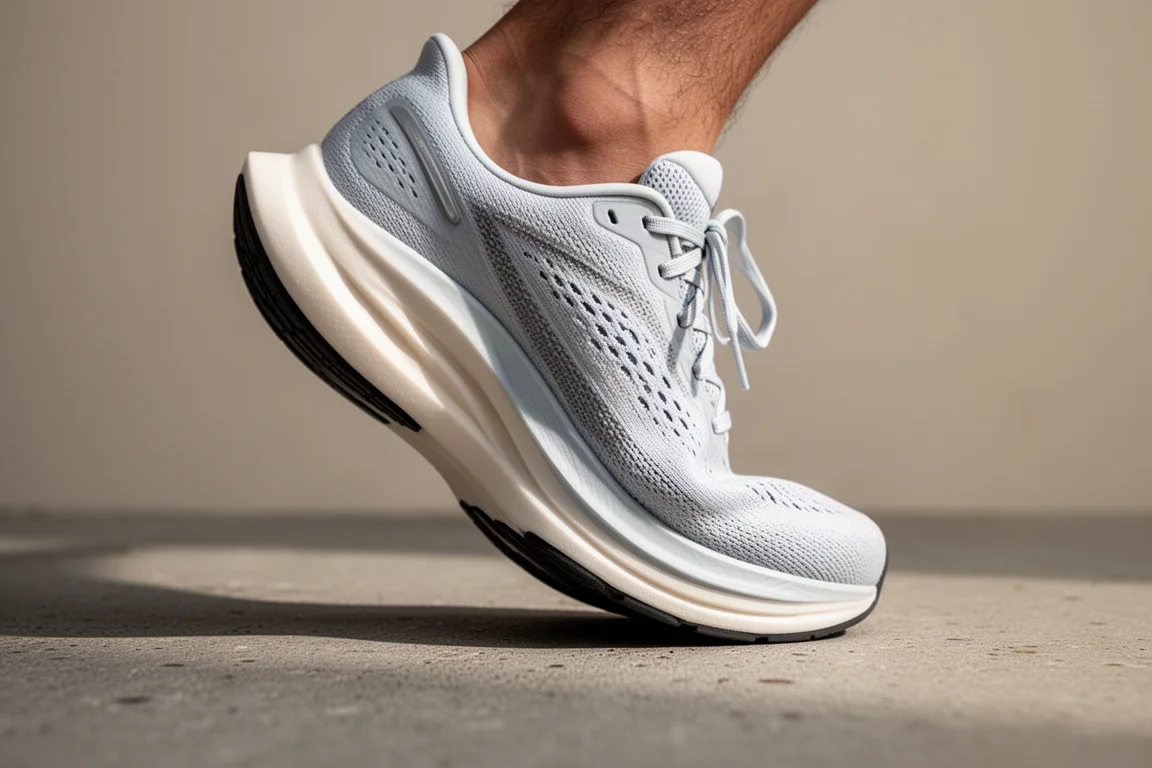
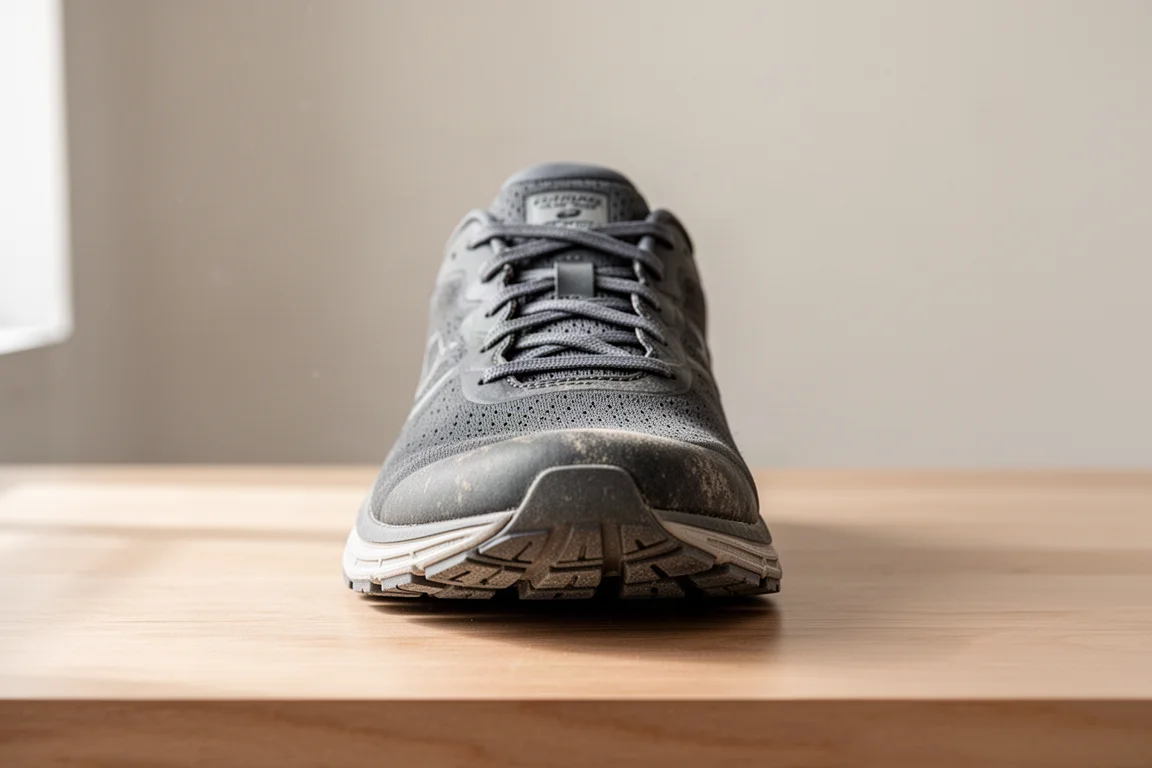
The Saucony Kinvara 15 lowered the stack height slightly compared to the previous version and stays genuinely light, weighing in around 6.8 to 7.1 ounces depending on size. The PWRRUN foam has a nice snappiness to it, and the shoe feels nimble through tempo runs, hill repeats, and intervals. It is not a maximal, super-stacked shoe, and that is part of the appeal: it is a simple, fun, light shoe that earns its place in workouts and even some easy training miles. The fit runs a little semi-snug, so keep that in mind, and durability has held up better than expected for a shoe with an exposed midsole. For runners who want a lightweight non-plated shoe that could even work as a race option, this fits the bill.
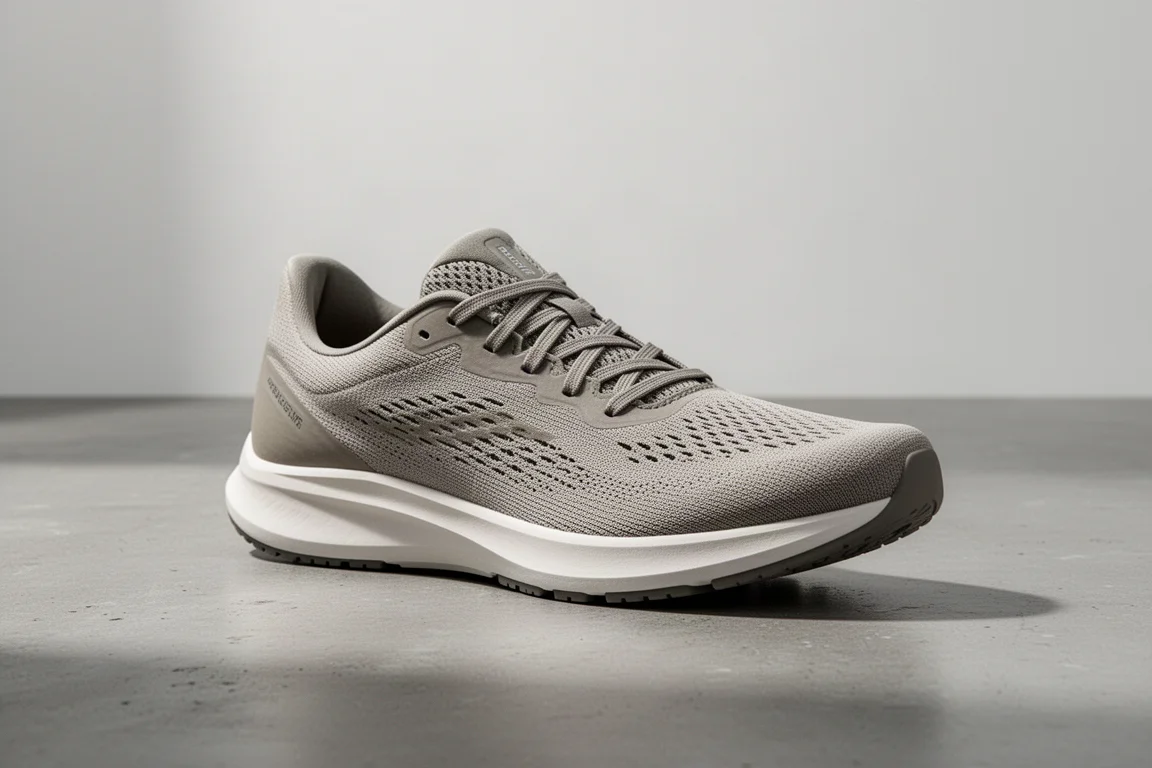
ASICS Noosa Tri 16
The ASICS Noosa Tri 16 is the stiffer option on this list, even without a plate. It has a bit more toe spring than the others, which gives it more of a rolling feel through the forefoot, closer to a super shoe geometry. The FF Blast Plus foam is on the firmer side, though slightly softer than the previous version, and traction underfoot is reliably good. The stack height is moderate by today’s standards, making it a strong tempo and track shoe that can also handle longer distances than some of the more flexible options here, with 10 to 13 miles being a comfortable range for many runners. As always with the Noosa line, expect bold, unapologetically bright colorways.
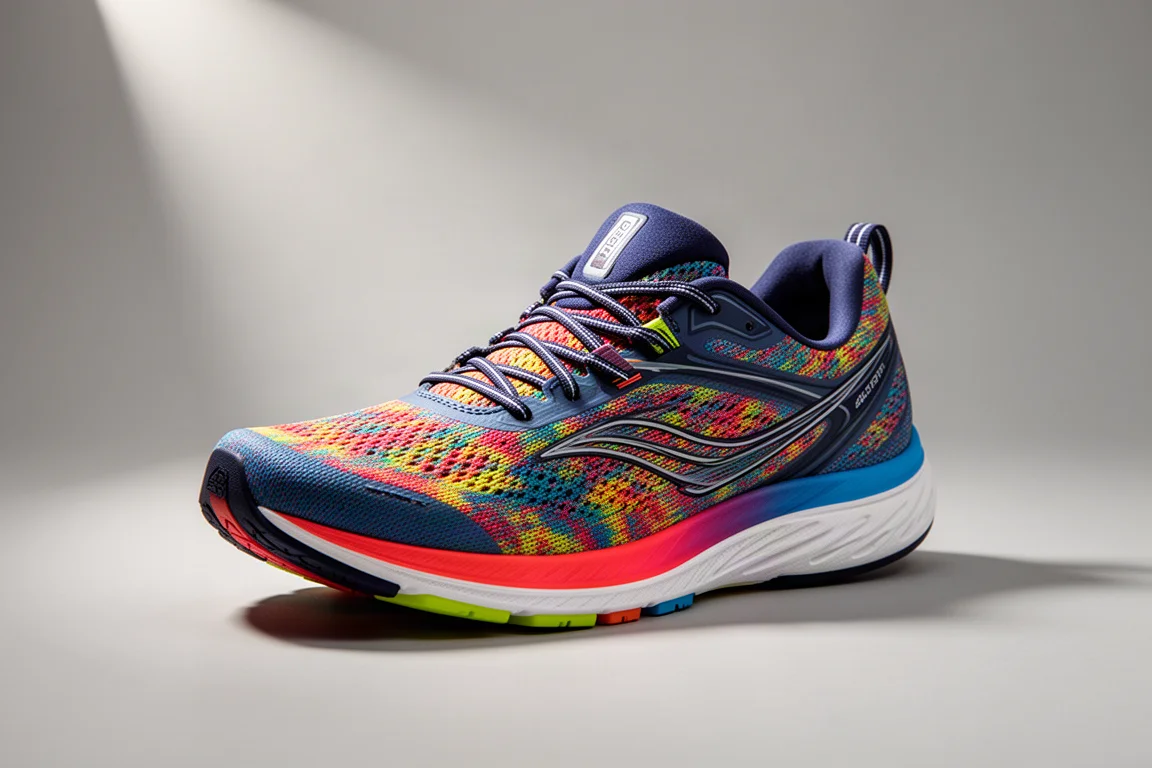
New Balance Rebel v4
The New Balance Rebel v4 is a significant improvement over its predecessor for runners who found the previous version too narrow. The new version is wider, especially through the midfoot, which makes it noticeably more stable and better suited to a wider range of foot shapes. There is a PEBA influence in the FuelCell midsole, though not at super foam levels, and the moderate stack height keeps the shoe flexible. It handles workouts easily and has even proven capable over a 14-mile long run. If you want a light trainer with a little PE influence, no plate, and enough cushioning for distance, this is a strong pick and another potential race-day option for runners who prefer non-plated shoes.
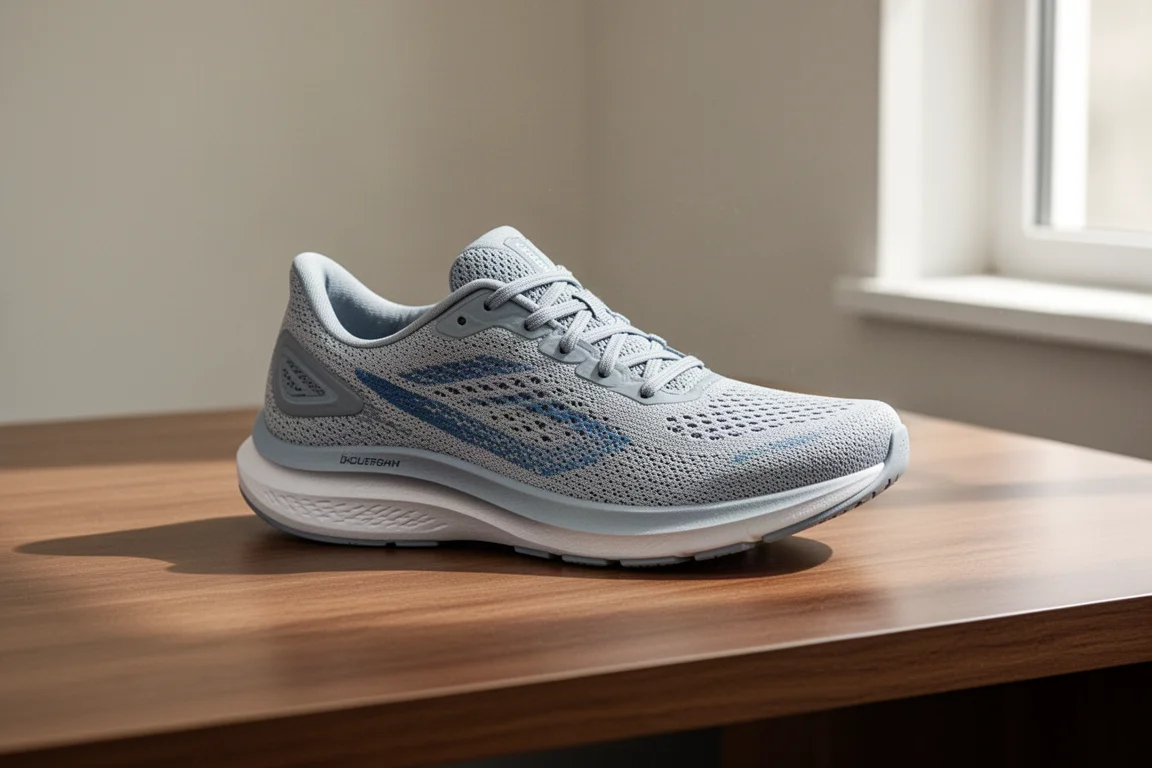
Hoka Mach 6
The Hoka Mach 6 has a distinctly track-ready feel: low volume, snug, and grippy. The super critical EVA midsole is not PE-based, but it delivers noticeably more bounce and kickback than earlier versions, which felt firmer. On the track, it is excellent, handling sprints and 5K pace with ease and feeling like a well-tuned workout weapon. The snug, tapered fit and low volume make it less comfortable beyond roughly the 10-mile mark, so it is best suited to shorter and mid-distance workout days. Some runners have found going up a half size helps for longer efforts. Like several shoes here, it is light enough to double as a race shoe for people who do not want a plate.
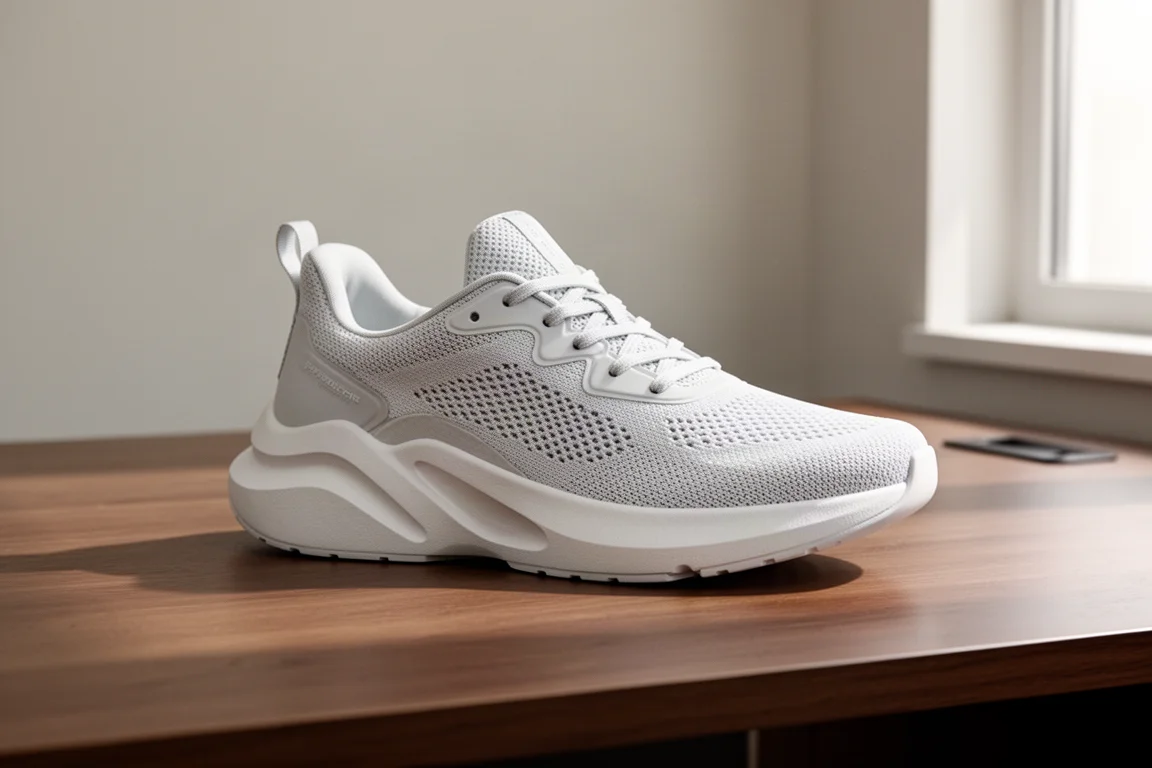
Brooks Hyperion GTS 2
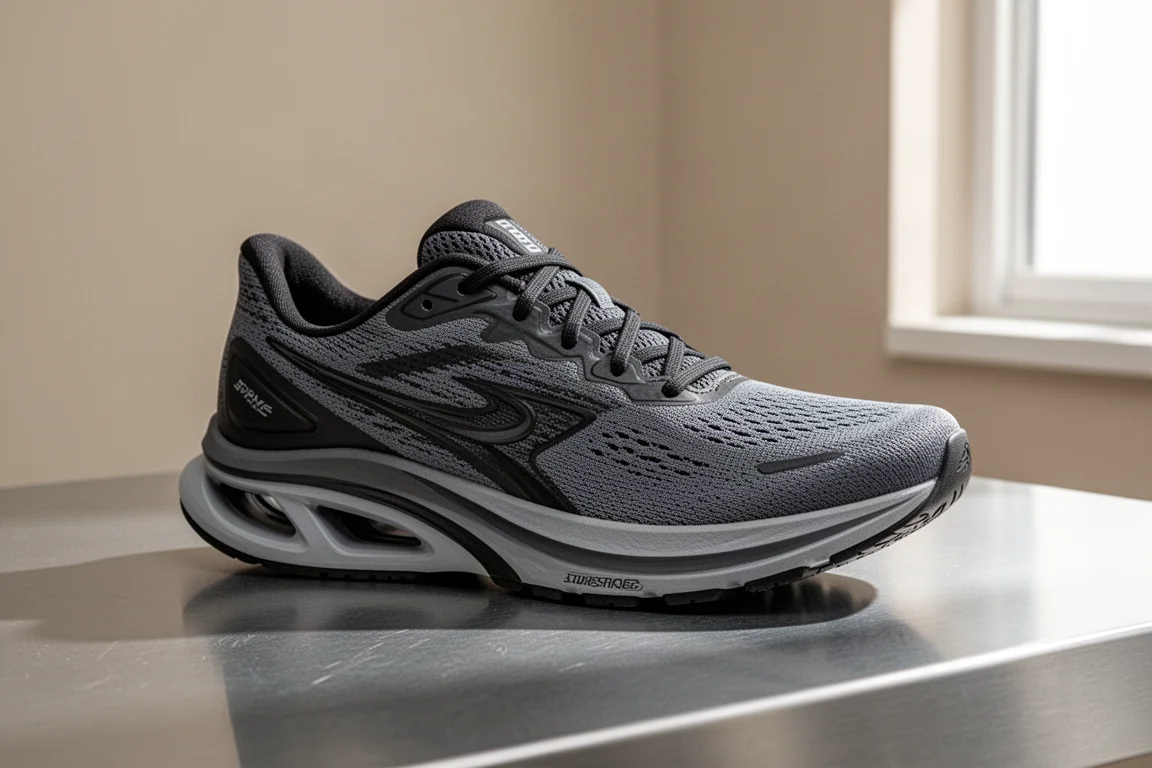
The Brooks Hyperion GTS 2 is the updated version of the lightest fast stability shoe on the market, coming in around 7.5 to 7.6 ounces for a men’s size 9. The mild stability racing category has all but disappeared, which makes this shoe genuinely rare: moderate stack height, DNA Flash midsole that is not a super foam, and guide rails providing subtle guidance through the heel and midfoot. The ride is natural but still snappy and responsive, especially on the track, and durability has been strong. The fit is slightly more forgiving than some rivals here, with a comfortable toe box that suits a wider range of feet, though very narrow feet may prefer a more tapered alternative. Best for lower to mid-distance workouts rather than long runs.
Saucony Ride 17
The Saucony Ride 17 is technically not a lightweight trainer, but it earns its place because it can genuinely move. The PWRRUN+ foam has real bounce once you load it, and the shoe was refreshed with the intention of being a durable workhorse, yet it handles faster paces remarkably well. It locks down securely, has good traction, and is simply a bit heavier and sturdier than the other shoes on this list. For runners who can only afford one shoe, this may be the smartest pick: it handles daily training, transitions easily into workout paces, and leaves you free to add a super shoe later purely for race day. Several testers have logged some of their fastest workouts in it, even though that is not its primary purpose.
Overall Buying Advice
Super shoes are not free energy. They can improve running economy, but the force you put into the ground still has to go somewhere, and muscles feeling good does not guarantee everything else is recovering. The practical approach is to use super shoes strategically: key workouts and race day, not every Tuesday session. If you can build a rotation, spread the stress. If you can only buy one or two pairs, a durable, responsive trainer like the Ride 17 plus a dedicated race shoe covers most needs.
Conclusion
Non-plated lightweight trainers are not a step backwards. They are a way to train more honestly, get more from each workout, and make your super shoes feel fast again when it actually matters. Pick the shoe that matches your fit preferences and typical workout distance, and let the race-day pair stay special.
Further reading
Related Reviews

Running Shoes
Best Road-to-Trail Running Shoes: Three Versatile Options for Mixed Terrain
A practical guide to three road-to-trail running shoes that handle both pavement and mild trails, with clear strengths and trade-offs for different runner types.

Running Shoes
Best Running Shoes for Achilles Tendonitis: Three Options Explained
Three running shoes with different heel drops and support features designed to help reduce Achilles tendon pain during walking and running.

Running Shoes
Best Running Shoes for Women: Five Top Choices Ranked
A ranked guide to five women's running shoes, from versatile daily trainers to high-performance racing options, with real strengths and trade-offs for each.