Running Shoes
Four New Running Shoes Worth a Look: New Balance, Nike and On Compared
A first-look roundup covering the New Balance FuelCell Propel V4, Nike Pegasus 40, On Cloudsurfer and Nike Winflow 10, with honest verdicts on each.
Introduction
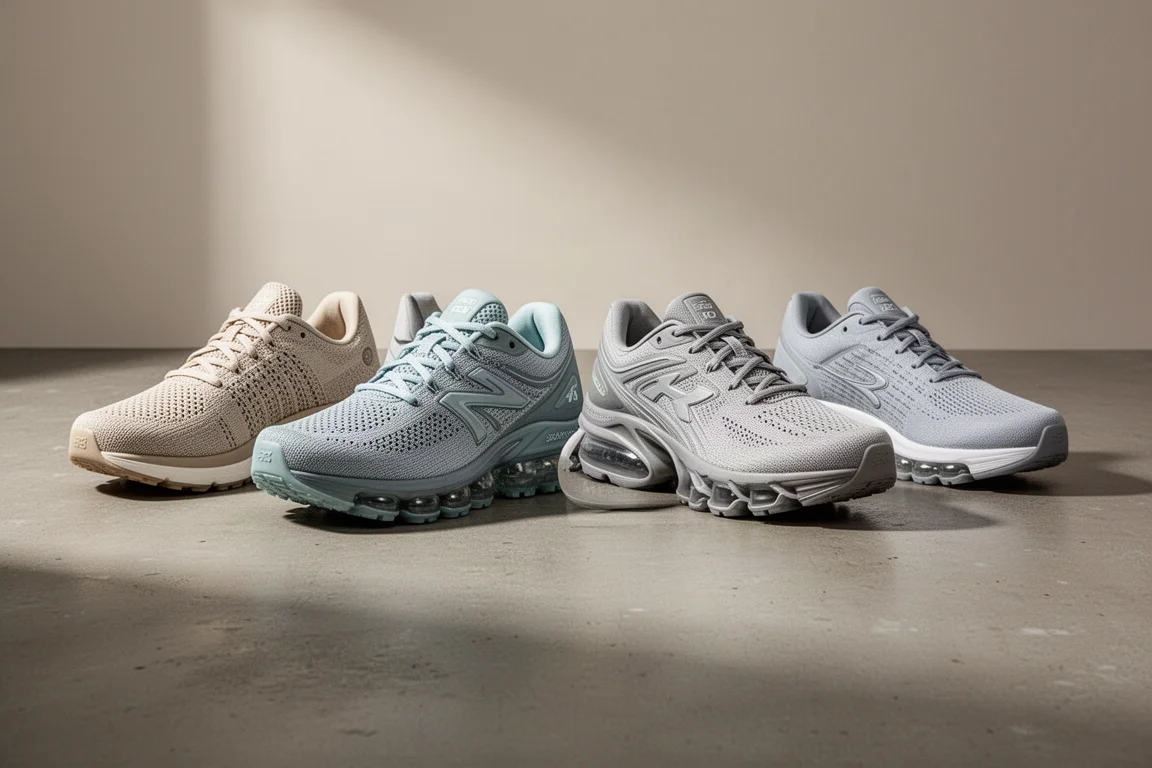
New releases from New Balance, Nike and On have landed, and they cover a surprisingly wide spread of use cases: a soft-foamed tempo option with a TPU plate, an anniversary edition of a daily staple, a midsole experiment from On, and a sub-100-pound Nike daily trainer. Here is how each one shapes up.
New Balance FuelCell Propel V4
The FuelCell Propel V4 was not on many radars until recently, but it is an interesting one. The FuelCell foam appears to be very similar to that found in the SC Trainer based on early adopter feedback: very forgiving, compressive, squashy and pretty light. Amongst the softest foams around on a durometer scale.
The big difference from plated rivals is the absence of any carbon business in the midsole. Instead there is a TPU plate, similar in spirit to what Nike has done with the Zoom Fly series or Saucony’s Endorphin Speed one and two. That plate should give the Propel V4 a little more stability, since the FuelCell foam is rather soft on its own. The claimed stack is 31 millimetres in the heel in sample size with a 6 millimetre drop.
The upper is simplicity itself, with a new bounce logo on the lateral side and that is about it. It seems designed to stay out of the way as much as possible. At 109 pounds in the UK it comes in well under the competition, and for tempo training this could be a great low-budget option that could also pick up the pace when needed in training, without the bulk of some modern daily trainers.
It is a clear yay, and one worth testing given that price.
Nike Pegasus 40
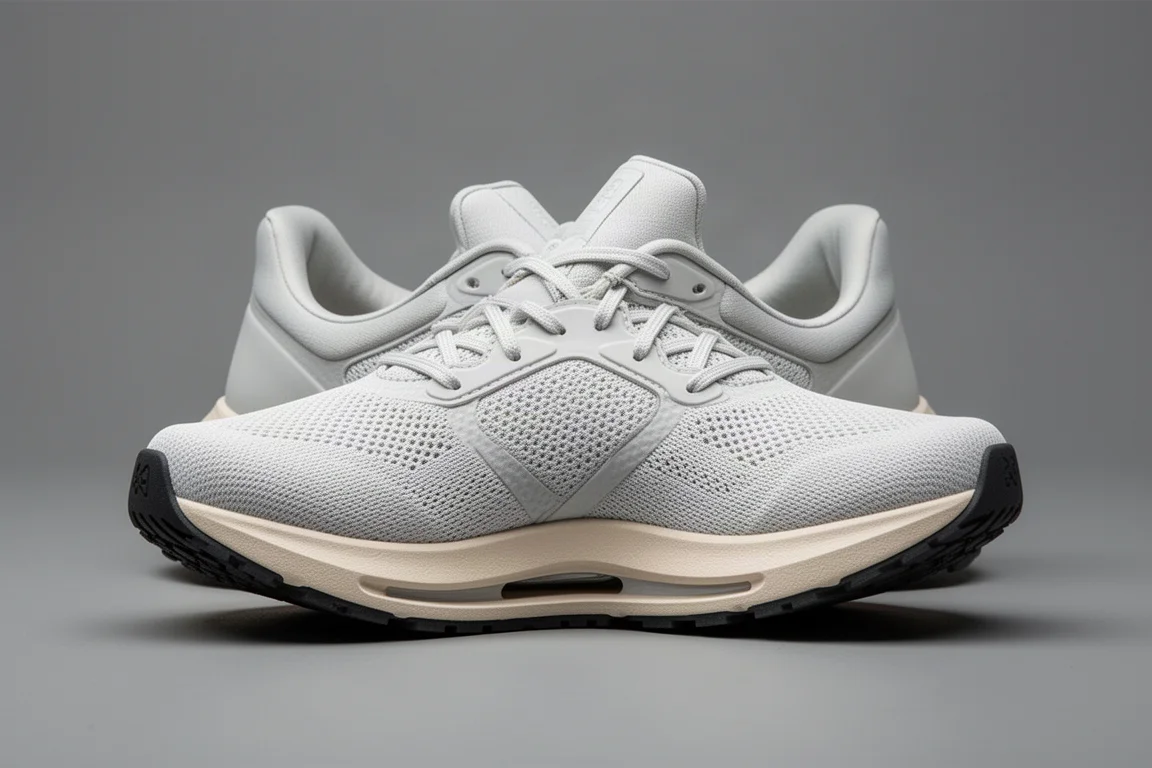
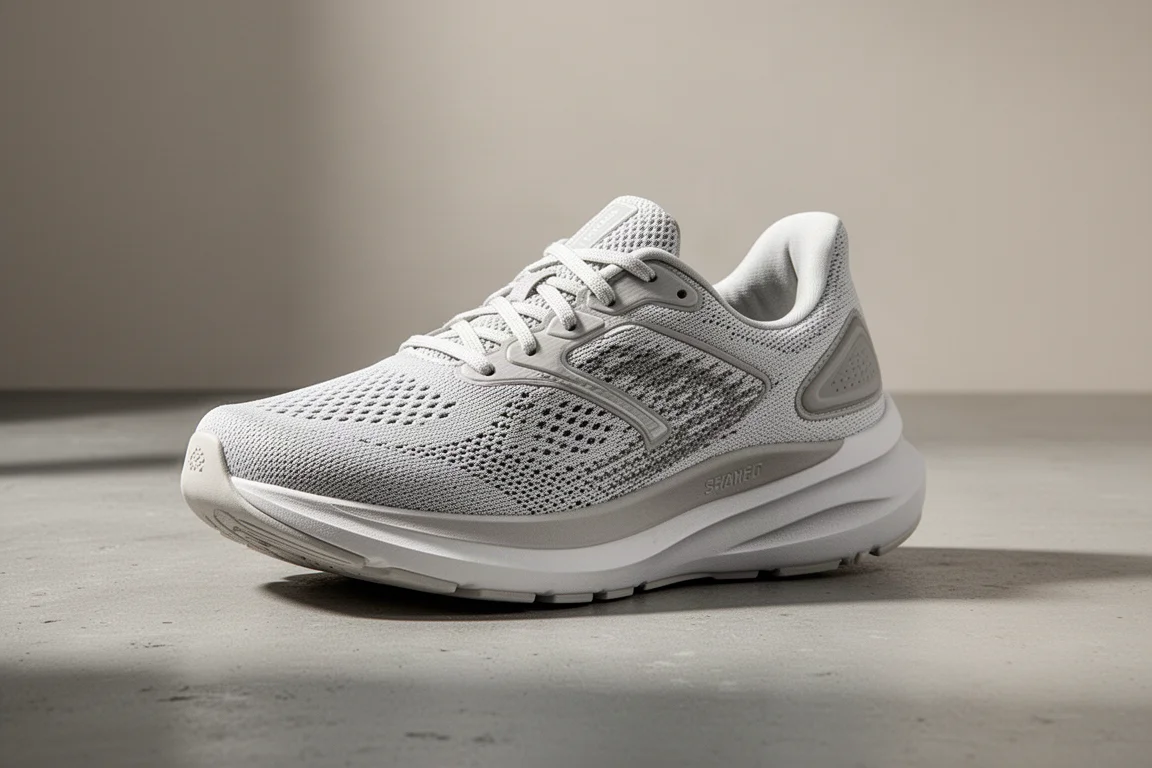
The Pegasus 40 is an anniversary edition of Nike’s shoe for every runner, and it is a fairly conservative update. The midsole and outsole carry over, with air units in both the heel and forefoot and a reasonable stack of React foam. The versatile outsole from the Pegasus 39 has been kept, which worked on just about every application apart from very sloppy muddy trails.
The only major change is in the upper. The fly wires from the 39 are gone, replaced with lace loops and a midfoot band to wrap the foot, taking things back to what the Pegasus 37 offered. One concern is the felt and suede type sections on the lace loops, which look likely to wear quickly given the punishment runners give shoes. Oddly, the kids version is correctly listed as the Air Zoom Pegasus 40 while the adult version listing omits the tech, and the kids version also features a large heel pull tab absent on the adult shoe.
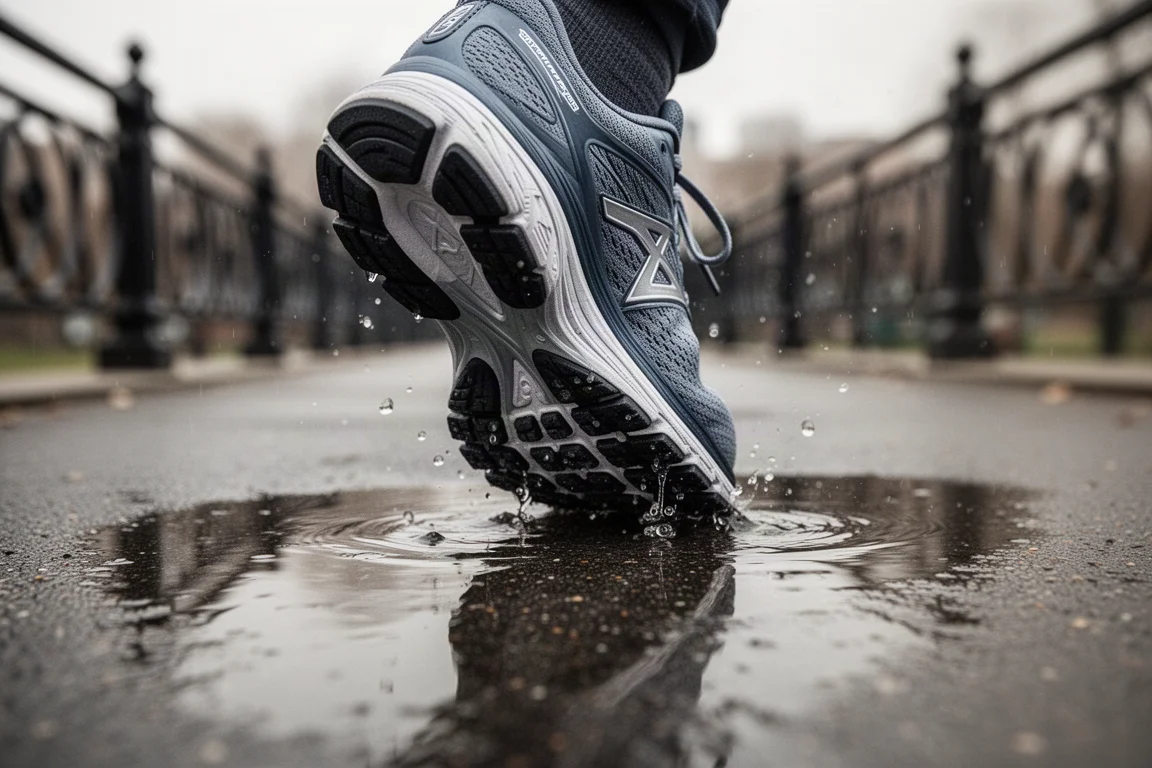
At 115 pounds it is a little more expensive than before, and there is not much here to justify picking the 40 over the currently discounted Pegasus 39, which is almost the same shoe. It is a very tentative yay, mainly for comparison purposes. This is a cookie-cutter update when very little was wrong with the last version.
On Cloudsurfer
After the Cloudmonster disappointed, with a hard ride caused by a plate sitting almost directly under the foot and one of the worst uppers tried in a while, On is back with the Cloudsurfer. Could this be the redemption model?
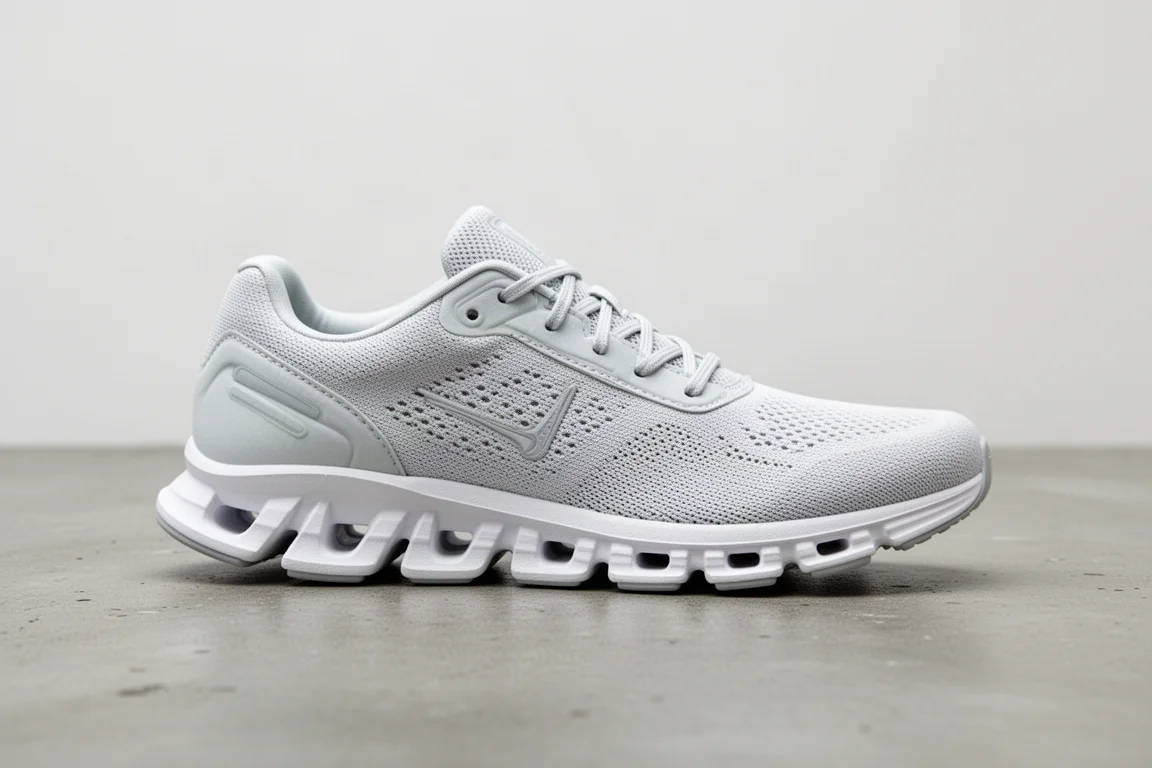
It uses a new midsole foam design called CloudTec Phase, with holes in the midsole arranged so the foam collapses like dominoes. It is one of those concepts you really need to try on foot to judge. The sample size weighs 245 grams with a 10 millimetre drop, which certainly sounds appealing for a shoe with this much cushion. On appears to be using a virtual prototyping system rather than making many physical versions, which is arguably better for the environment.
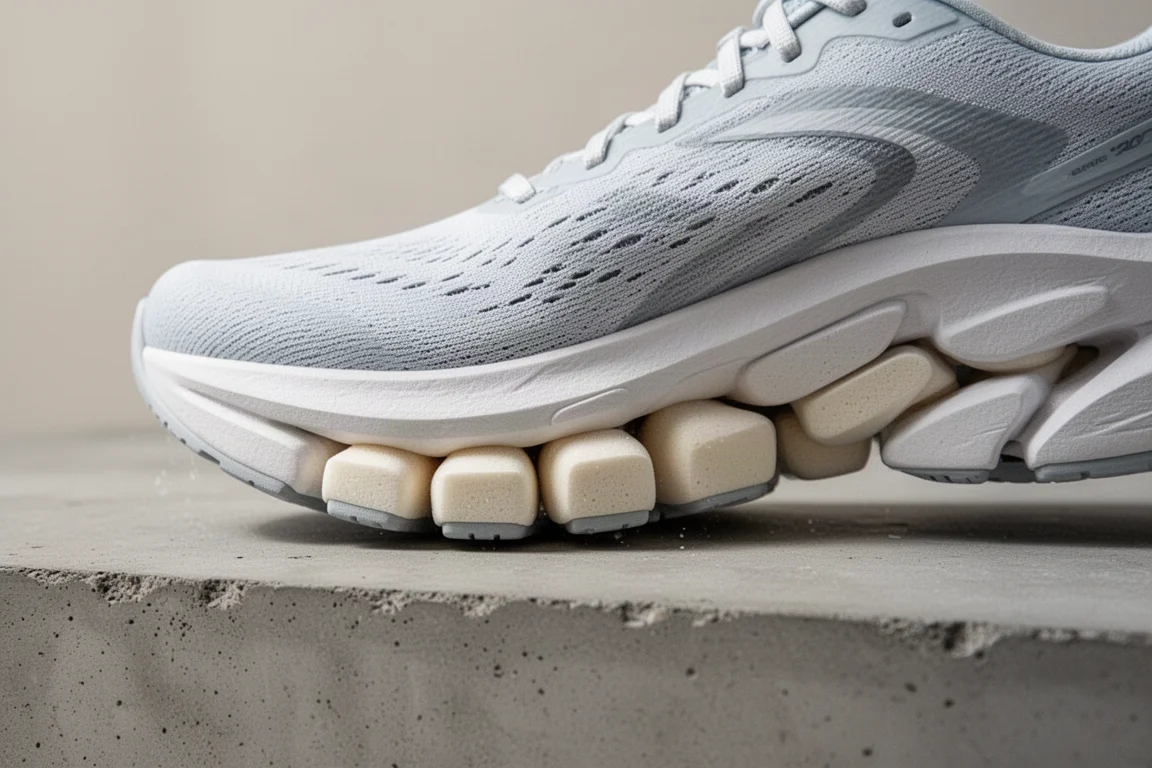
Some compression shots of the midsole look insanely squashy, and plenty of runners have been asking for a full test of this one. The main doubt remains the upper, which has lots of fixtures attached, especially the lace loops, that could fail over time. The verdict here is left open: if you have tried it, let us know how it shapes up on foot.
Nike Winflow 10
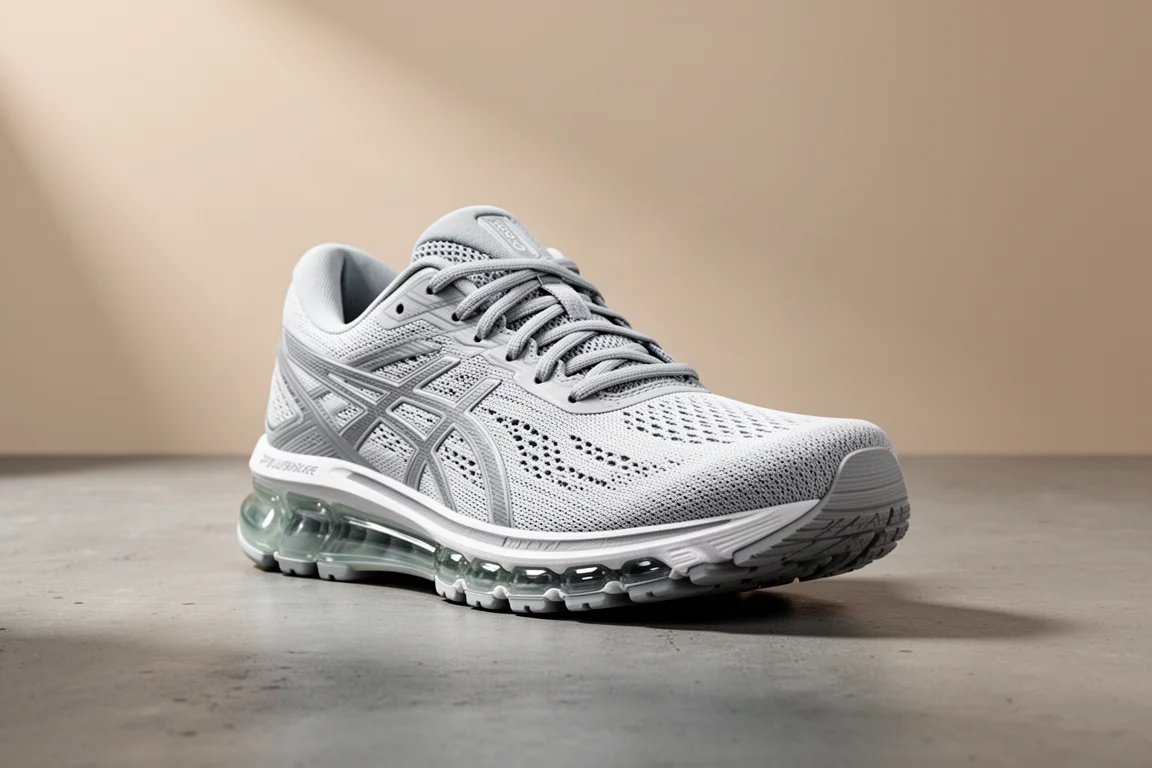
The Winflow 10 is the budget-friendly alternative for anyone looking at the Pegasus and thinking it is just what Nike had last year. It features full Zoom Air underfoot and a sub-100-pound price tag. The walls of the midsole suggest a few stability elements that creep up around parts of the foot.
Nike positions this as a daily use shoe, perhaps for new runners or experienced ones, and it does not seem intended for long runs. The outsole is very similar to past Pegasus models such as the 35 and 36, and the midsole foam is believed to be Cushlon. In effect it is much like the shoe Nike made around 2017 and 2018, with less upper, no React, and a lighter, airier feel. If that era worked for you, it will probably still work now.

There is not much new here to justify a test, so it is a nay, unless one pops up at a nice low price locally. Very few detailed reviews of this shoe exist yet, so if you have run in it, real-world impressions would be valuable.
Buying Advice
If you want the best value of the four, the FuelCell Propel V4 stands out thanks to its low price, soft FuelCell foam and TPU plate for tempo work. If you are loyal to the Pegasus line, the 40 is fine but hardly new, so a discounted 39 is worth considering. The Cloudsurfer is the wildcard, promising cushioning and light weight but with upper durability questions. The Winflow 10 suits budget-focused runners who miss the Pegasus of a few years ago.
Conclusion
The New Balance FuelCell Propel V4 is the most exciting of this batch on price and potential versatility, the Pegasus 40 plays it safe, the On Cloudsurfer is intriguing but unproven, and the Nike Winflow 10 is a nostalgia play at a friendly price. Choose based on what your current rotation is missing.
Further reading
Related Reviews

Running Shoes
Best Road-to-Trail Running Shoes: Three Versatile Options for Mixed Terrain
A practical guide to three road-to-trail running shoes that handle both pavement and mild trails, with clear strengths and trade-offs for different runner types.

Running Shoes
Best Running Shoes for Achilles Tendonitis: Three Options Explained
Three running shoes with different heel drops and support features designed to help reduce Achilles tendon pain during walking and running.

Running Shoes
Best Running Shoes for Women: Five Top Choices Ranked
A ranked guide to five women's running shoes, from versatile daily trainers to high-performance racing options, with real strengths and trade-offs for each.