Running Shoes
Best New Running Shoes of January 2024: 8 Releases Worth a Look
From Mizuno's cutout-heeled racers to a revised daily trainer with bouncier foam, here are the standout running shoe releases this month.
Introduction
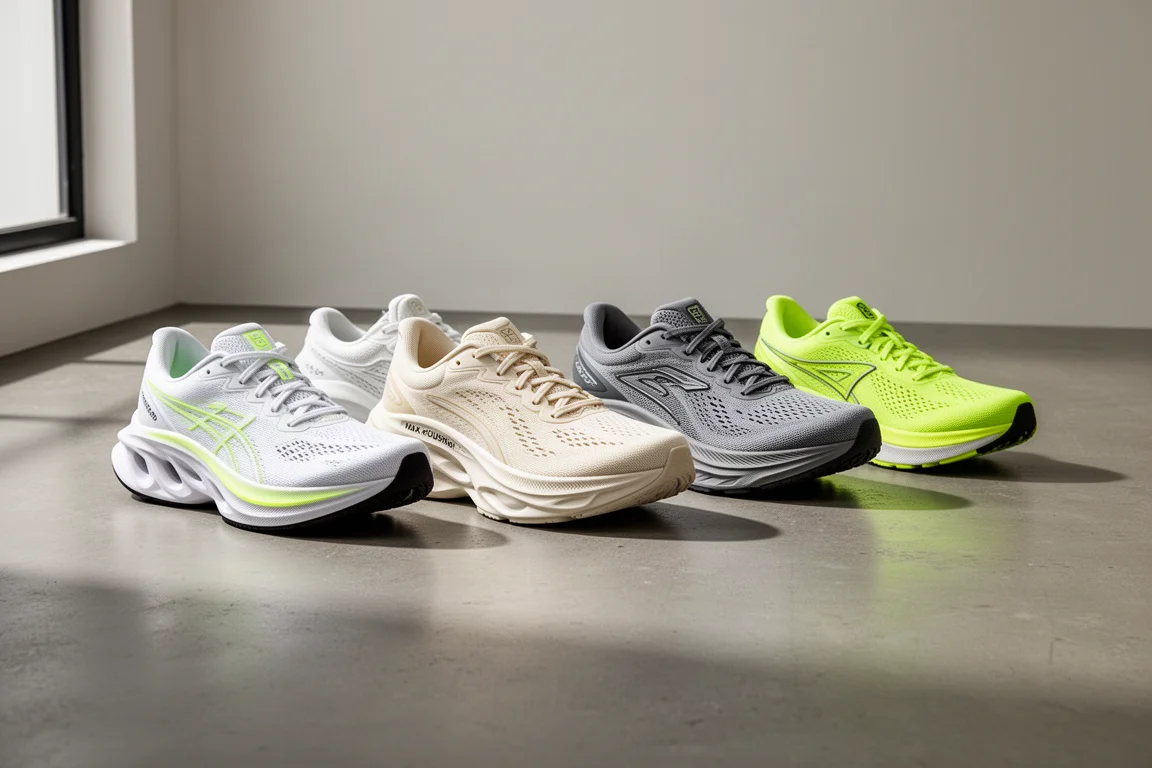
January brings a fresh wave of running shoe releases, and this month’s lineup covers nearly every category: aggressive marathon racers, a premium plated speed trainer, two versions of a beloved max cushion shoe, two stability options, and a revised daily trainer with upgraded foam. One theme stands out across several of these shoes: geometry and foam choices that reward midfoot and forefoot strikers, which makes fit and stride type more important than usual when choosing between them.
Because these shoes are brand new, deep discounts are unlikely for now, so it pays to buy the right model the first time. Most major retailers offer generous return windows, with the best policies stretching to 90 days no questions asked, which is worth using if a shoe does not quite match your stride.
Mizuno Wave Rebellion Flash 2 and Wave Rebellion Pro 2
Mizuno released two updates at once: the Wave Rebellion Flash 2 as its speed day trainer, and the Wave Rebellion Pro 2 as its marathon racer. The defining feature of both is a heel cutout that shifts stack height toward the midfoot. On the Pro 2 the cutout is extremely aggressive, with almost nothing to land on at the heel, and the geometry reportedly allows for roughly 45 to 50 mm of foam under the midfoot while staying within the 40 mm heel stack limit that World Athletics rules enforce. The result is a very bouncy ride for midfoot and forefoot strikers.
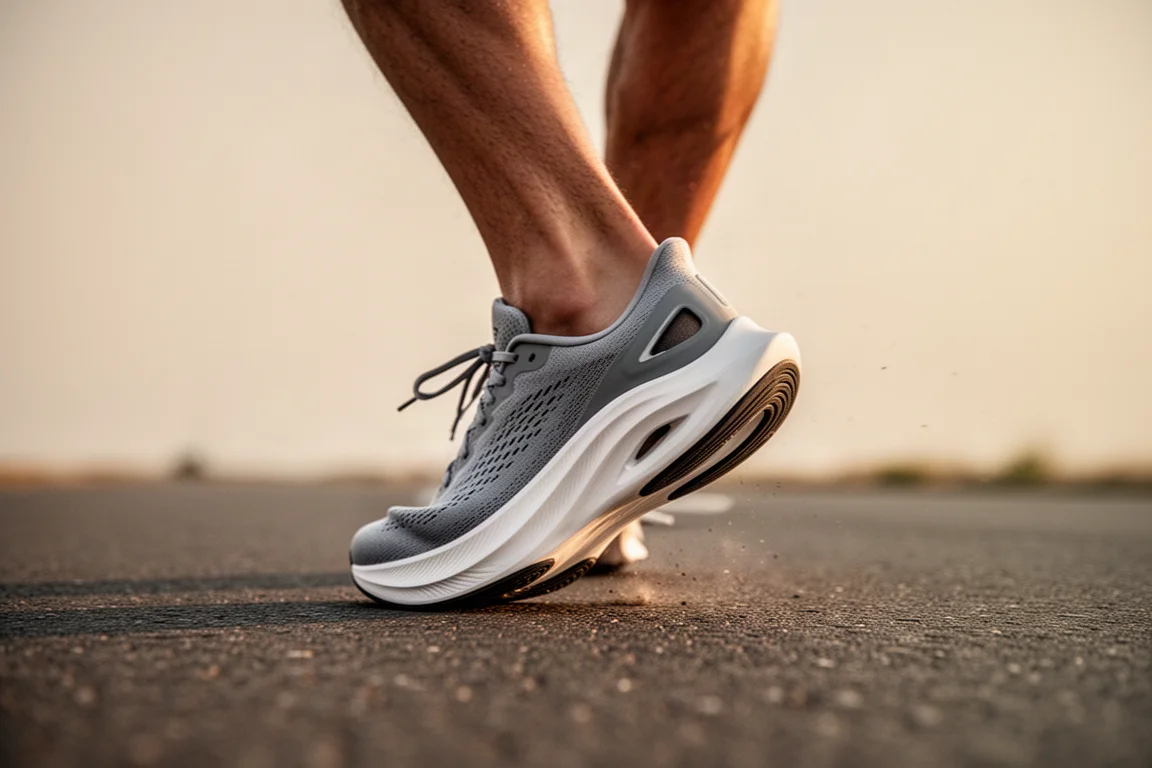
Having put some miles in the Flash 2, it clearly rewards a forefoot and midfoot strike best. The closest comparison is a shoe like the Adidas Takumi Sen: this is not a plated daily trainer in the mold of the Saucony Endorphin Speed or Boston 12, but a shoe for fast track days and shorter efforts where you are running with real strength. The Pro 2, meanwhile, plays more like an Alphafly-style racer, optimized for forefoot strikers targeting a half marathon or marathon.
Pricing is a pleasant surprise. The Flash 2 comes in at $170, and the Pro 2 at $250, which is notably affordable for a race day shoe with this much foam and unconventional geometry. Given where race shoe pricing has been trending, that feels like good value.
ASICS Gel Nimbus 25 vs Gel Nimbus 26
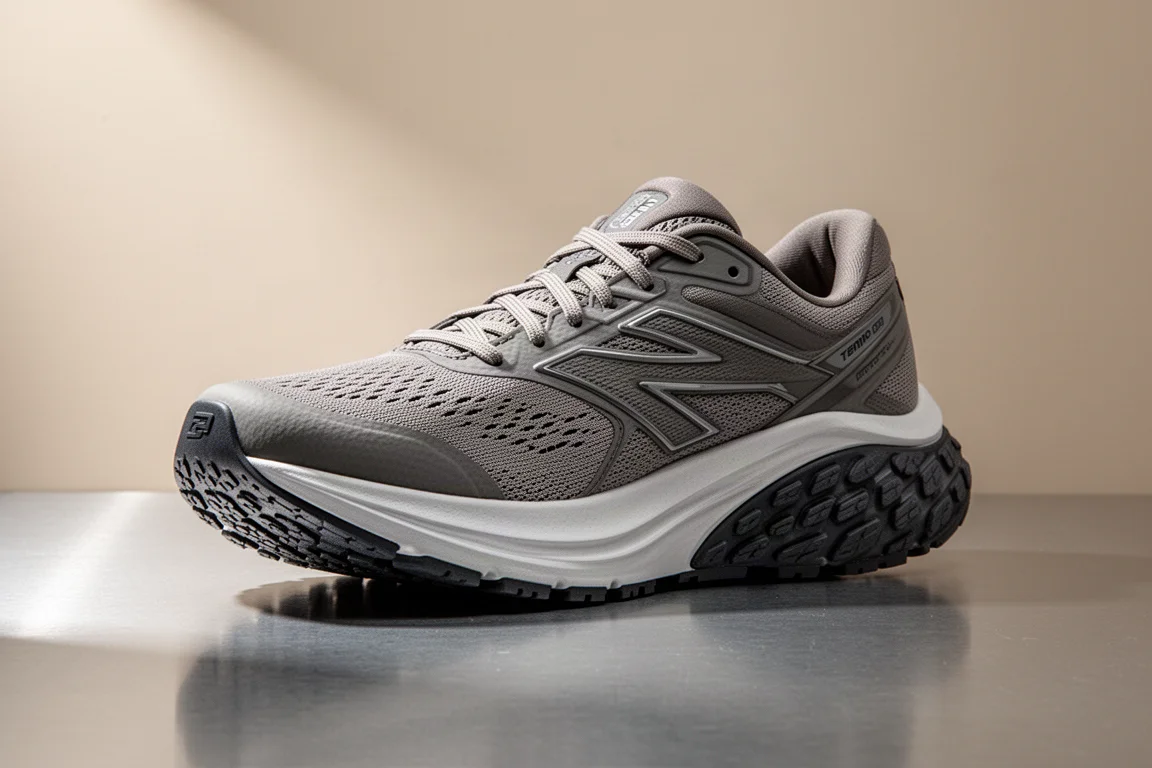
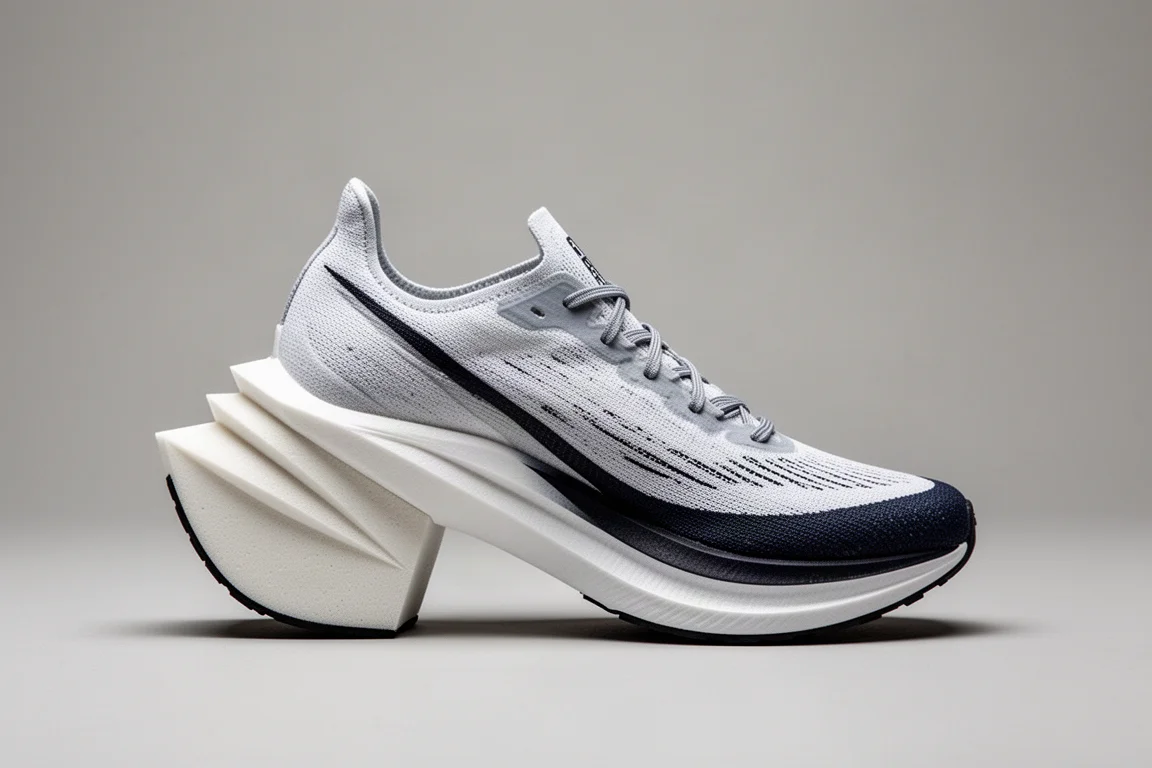
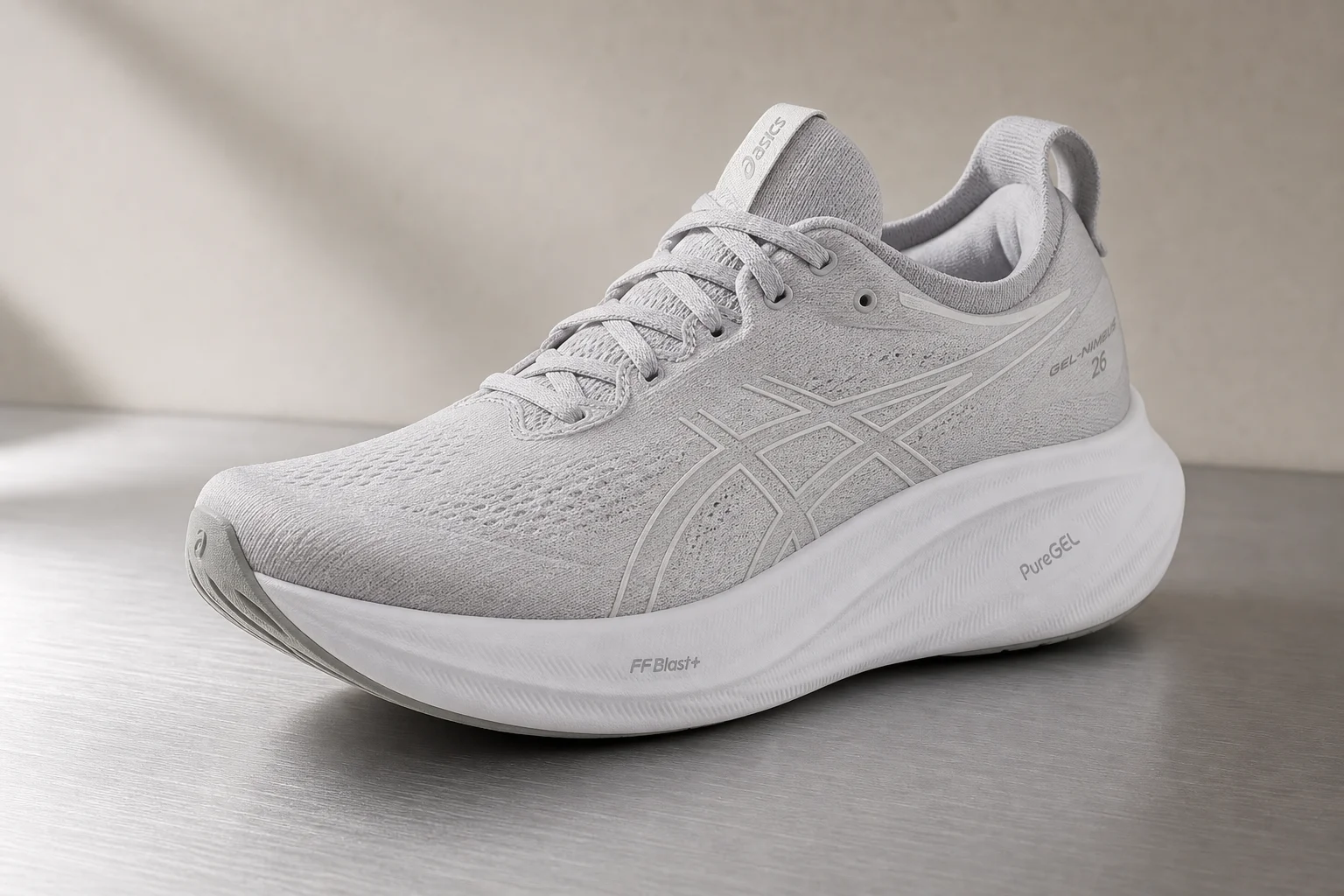
The Gel Nimbus 26 is extremely similar to the 25. ASICS sculpted the midsole foam a little differently, made minor changes to the laces, revised the outsole, and worked on durability, but overall only around 10% of the shoe has changed. The Nimbus 25 remains a soft, pampering max cushion shoe that treats tired legs kindly, though it was not the most durable: for some runners the foam gave out around 250 miles, and lighter runners may get more from it.
That limited change list matters for the price. The Nimbus 25 can currently be found for $120, while the brand new 26 sells for $160. Those updates do not obviously justify a $40 premium. If you want the Nimbus experience, the 25 at $120 is the smarter buy, unless you have your heart set on the latest version.
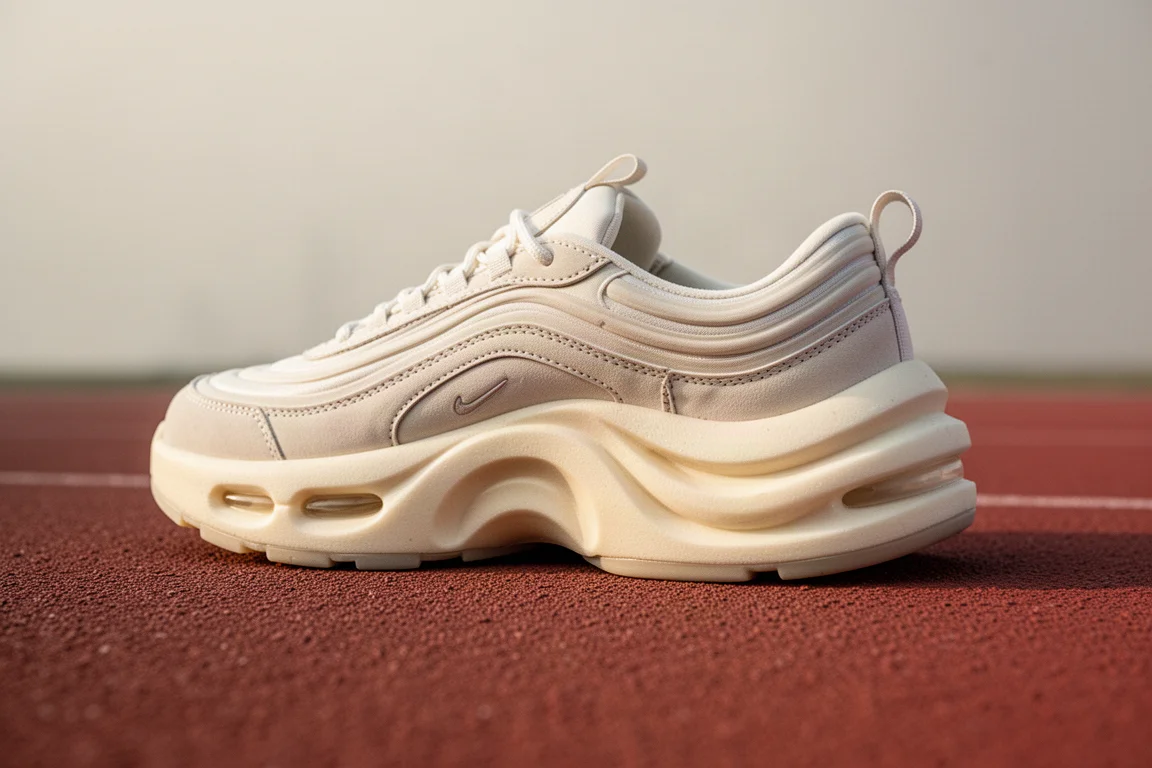
If you are spending $160 in the max cushion category anyway, there are strong alternatives at that price point, including other premium soft trainers that hold up better over long mileage. But if ultimate comfort is the priority and durability concerns do not bother you, the Nimbus 25 delivers.
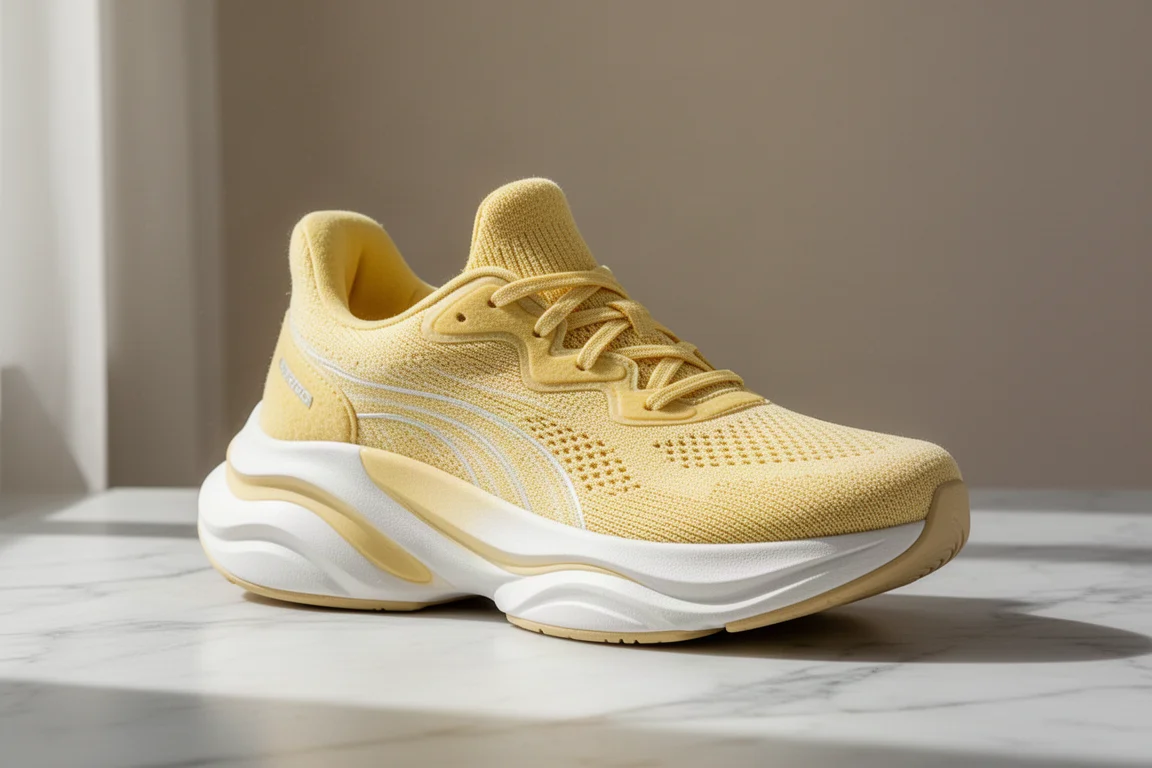
Nike Alphafly 3
The Nike Alphafly 3 released on January 4th in a clean white Proto colorway, and it remains the most aggressive of the current marathon racing shoes. After roughly 50 miles in the shoe, the early impression holds: this is a shoe built for fast running. A longer 18 mile effort at a slower pace showed it can still be enjoyable when the pace drops, but this is fundamentally a racer for runners who do not expect to heel strike late in a race.
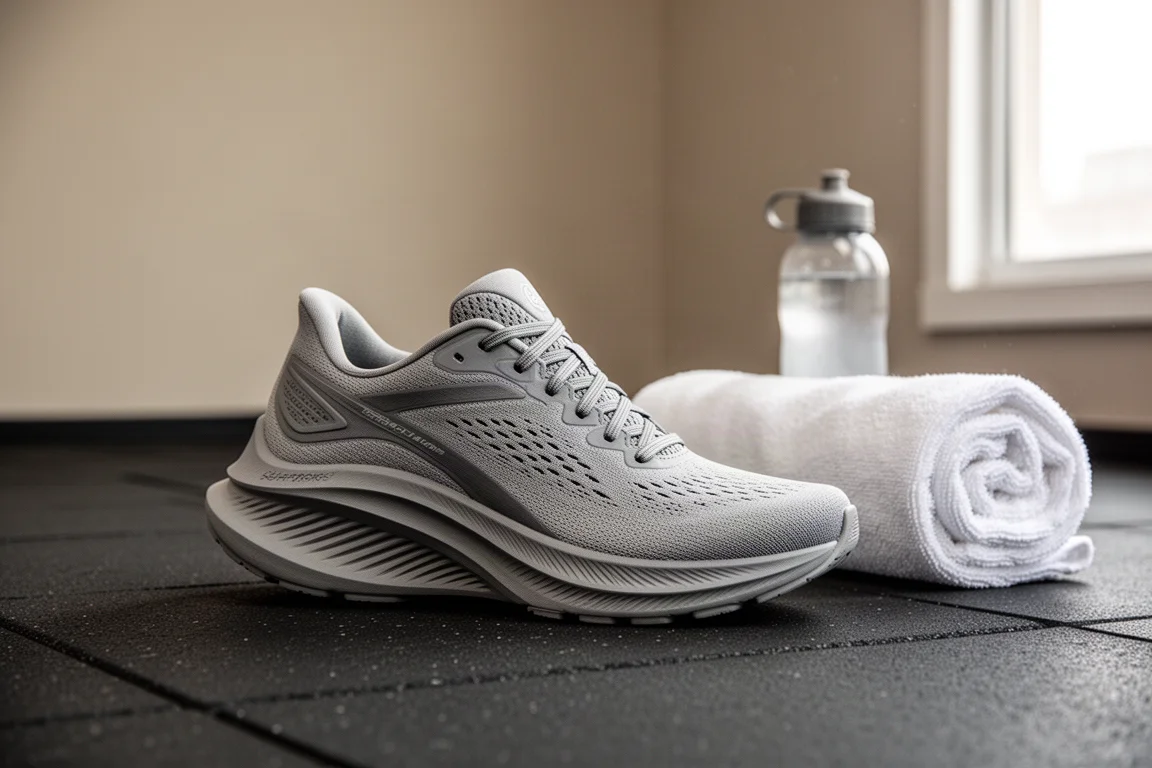
With Zoom Air units in the heel, a full carbon fiber plate, and a genuinely bouncy ride, the Alphafly 3 is arguably one of the best options on the market for runners targeting a sub-three marathon. It comes in at $275, a premium over the current $250 to $260 market standard, but you are paying for that combination of air units and carbon propulsion. More colorways, including a highlighter pack, are expected through spring and April. One practical quirk to note: the outsole design can occasionally trap small rocks, something to be aware of on debris-strewn routes.
Saucony Omni 22
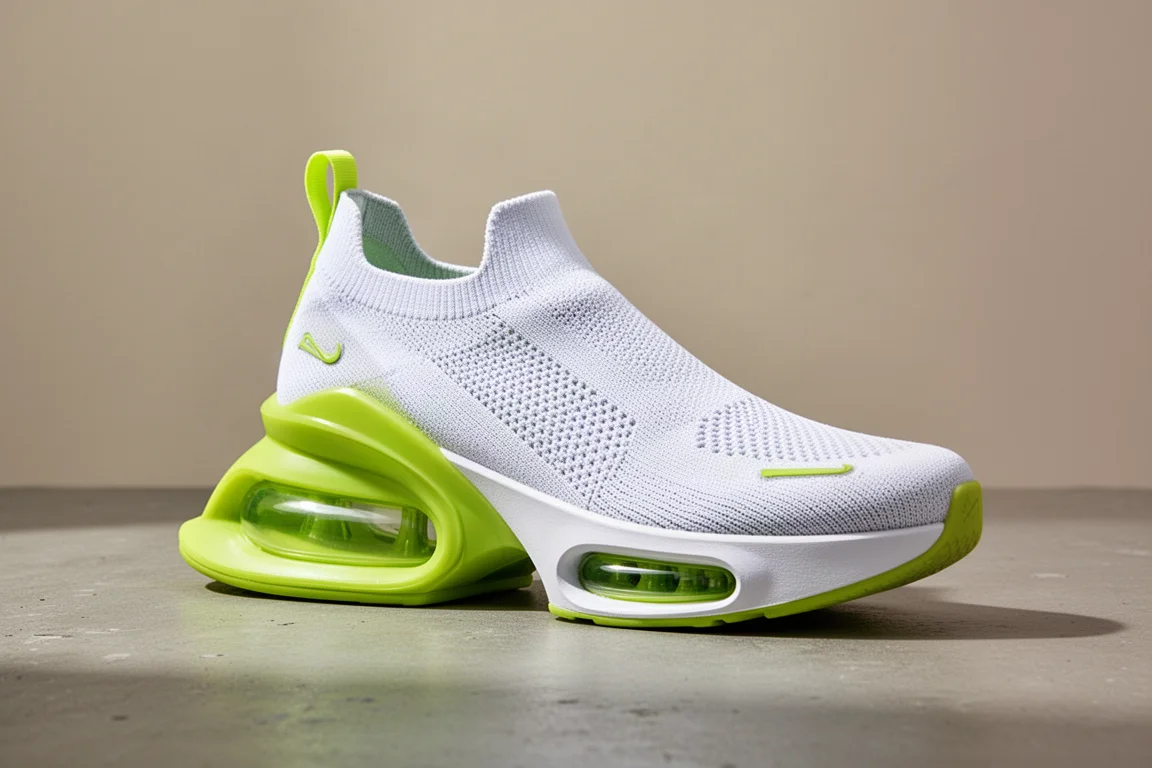
The Saucony Omni has long been one of the brand’s traditional stability franchises, and the Omni 22 brings a fairly big update: a more pronounced rocker combined with Saucony’s firmer PWRRUN foam. For runners who want a traditional stability shoe and dislike overly soft foams, this looks like a compelling option. The firmer foam gives it more structure than much of the current market, without the stiffness and discomfort some stability shoes from other brands can have.
The geometry hits a sweet spot for many runners: a 10.1 oz weight, a 35 mm heel stack, a 27 mm forefoot stack, and a drop in the 6 to 8 mm range that most runners get along with well. It is currently on sale for $140, a strong price when many cushioned shoes are climbing to $150 and $160. There are not many genuinely exciting new stability options arriving right now, which makes this one worth a closer look.
Hoka Arahi 7
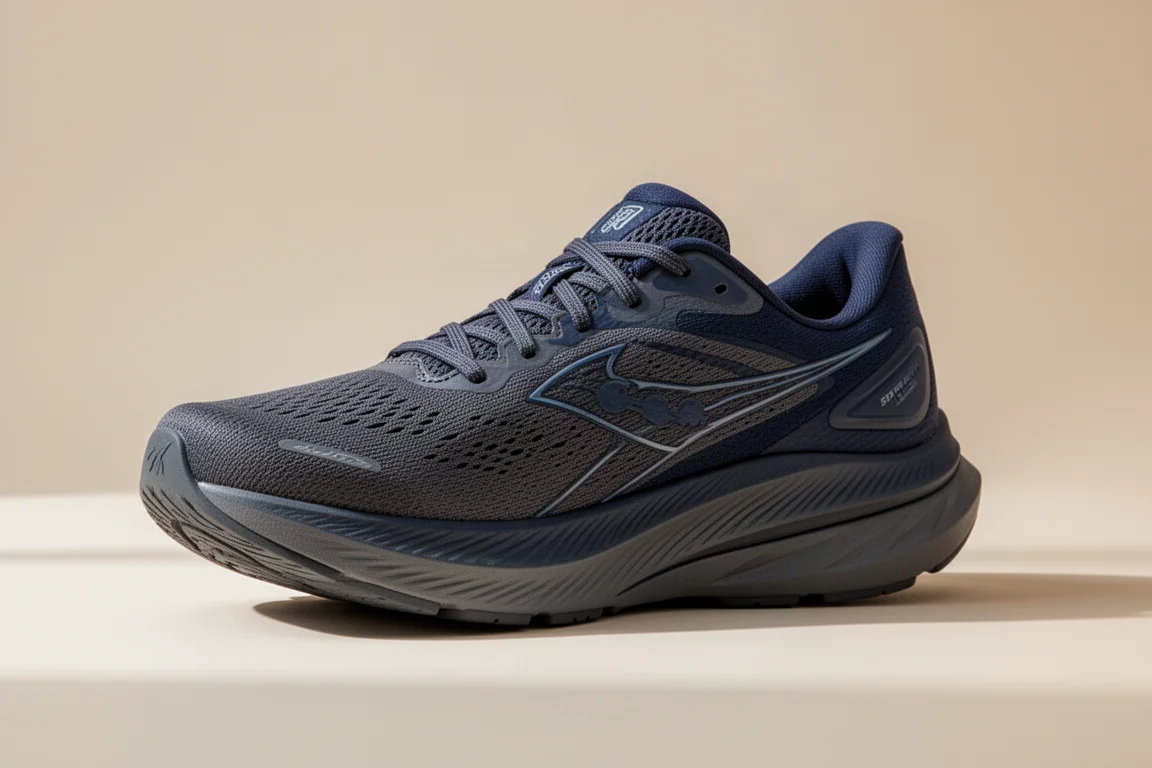
The Hoka Arahi 7 is the brand’s tried-and-true stability shoe, essentially the stable version of the Clifton. Its signature feature is the J-Frame: a firmer, J-shaped piece of foam that wraps and cradles the foot, adding support through the stride. Hoka remains one of the most visible brands in running right now, and the Arahi fills the same role for stability runners that the Pegasus does for neutral runners: a do-everything, go-anywhere shoe.
That said, it is best suited to a hybrid style of use. Feedback from long-term wearers suggests it can feel a bit stiff and firm for dedicated running, with many owners preferring it for walking, gym sessions, and casual wear. It makes sense for run-walk training, runners getting back into it, or anyone who wants a shoe that looks presentable at work and handles treadmill miles after. It is not the pick for ripping off two-hour long runs, where purpose-built stability trainers like the Omni are better suited. The Arahi 7 is available for pre-order at $145, the same price as the neutral Clifton.
Saucony Ride 17
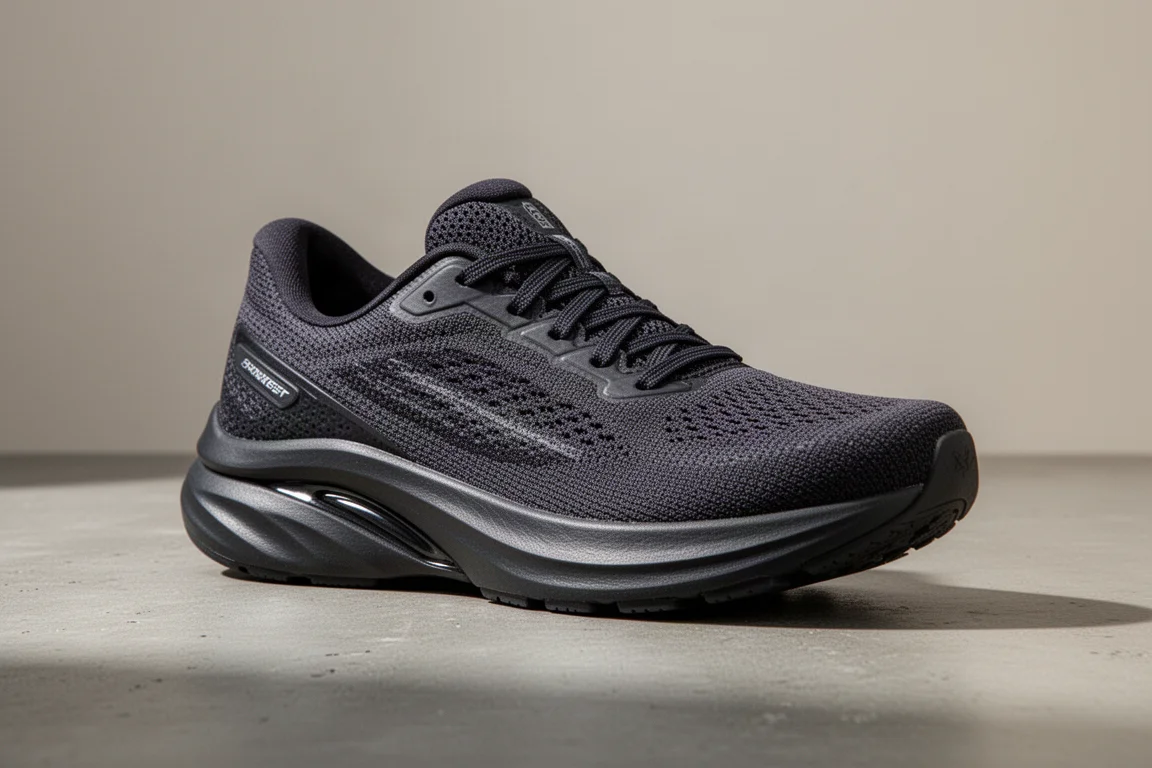
The Ride has long been Saucony’s traditional daily trainer, and version 17 shifts it from PWRRUN to PWRRUN Plus. That foam is an expanded, beaded TPU: visibly pebbled in texture, super bouncy, and very durable, with resistance to temperature changes similar to PEBA and unlike EVA. That matters for cold-weather running, where firmer EVA midsoles can feel harsh. The tradeoff is weight, since this denser foam adds some heft, but what you get back is a more resilient ride across all temperatures.
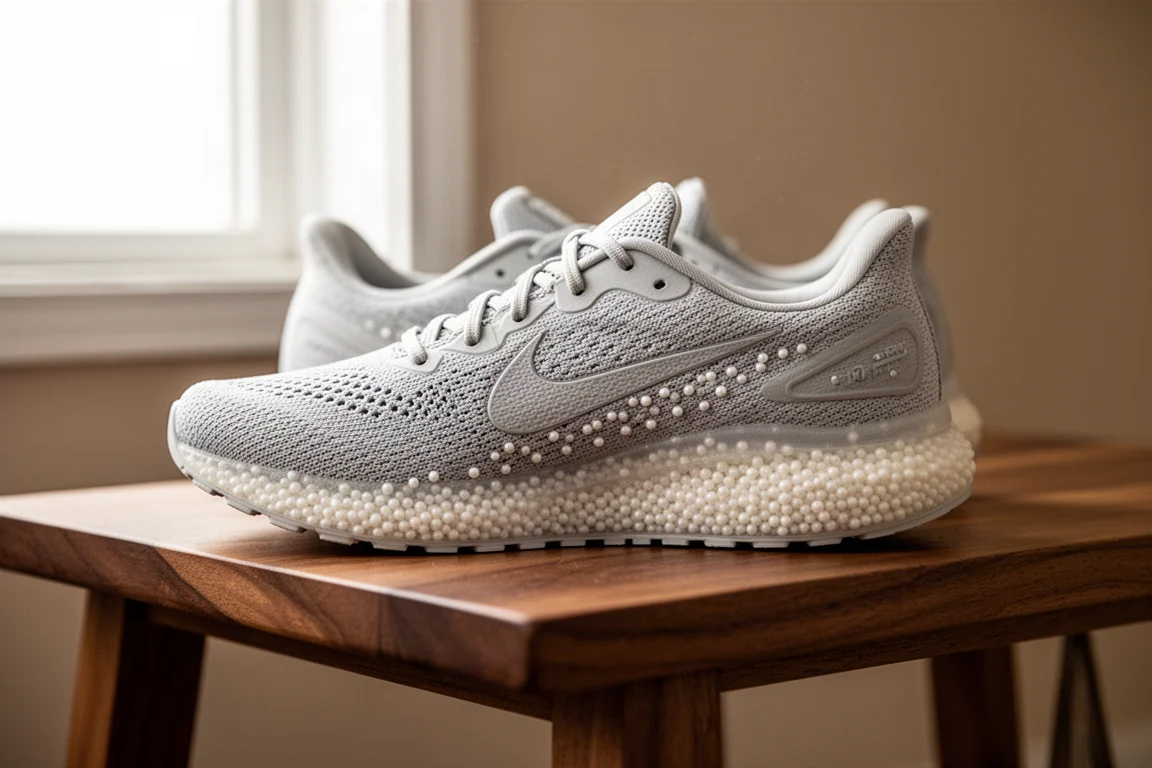
The Ride 17 lands at $140, a great buy for the foam on offer, and it has a bit more of an exciting ride than previous Ride versions. One caveat for shoppers who already own the Saucony Triumph 20 or 21: that shoe uses the same PWRRUN Plus foam, so the Ride 17 will not feel dramatically different, and skipping it is a reasonable call. For everyone else wanting a cushioned daily trainer that leans slightly firm but stays bouncy and hardy, this is a strong workhorse option.
Buying Advice: Which One Fits Your Rotation
Fast runners shopping for race day should look first at the Alphafly 3 if the budget allows $275, or the Wave Rebellion Pro 2 at $250 for a bouncier midfoot-striker-focused alternative. For speed workouts on a trainer budget, the Wave Rebellion Flash 2 at $170 rewards strong, quick strides on shorter efforts.
Max cushion fans face a simple choice: the Gel Nimbus 25 at $120 offers the same comfort as the 26 at a lower price, given how little changed between versions. Stability runners should weigh the firmer, traditional feel of the Omni 22 against the more hybrid, casual-leaning Arahi 7. And for a dependable daily trainer with durable, temperature-resistant foam, the Ride 17 at $140 is the value pick of the month.
Conclusion
January’s releases lean toward specialization. Mizuno’s cutout geometry and the Alphafly 3 push performance boundaries for forefoot strikers, ASICS offers a familiar comfort play where last year’s model is the better deal, and Saucony delivers two of the month’s most sensible buys in the Omni 22 and Ride 17. Match the shoe to your stride and your training first, and use those return windows to confirm the fit before committing.
Further reading
Related Reviews

Running Shoes
Best Road-to-Trail Running Shoes: Three Versatile Options for Mixed Terrain
A practical guide to three road-to-trail running shoes that handle both pavement and mild trails, with clear strengths and trade-offs for different runner types.

Running Shoes
Best Running Shoes for Achilles Tendonitis: Three Options Explained
Three running shoes with different heel drops and support features designed to help reduce Achilles tendon pain during walking and running.

Running Shoes
Best Running Shoes for Women: Five Top Choices Ranked
A ranked guide to five women's running shoes, from versatile daily trainers to high-performance racing options, with real strengths and trade-offs for each.