Running Shoes
Best New Running Shoes 2026: 12 Releases Worth Getting Excited About
From race-day super shoes to reworked daily trainers, here are the 2026 running shoe releases that stand out and who each one is really for.
Introduction
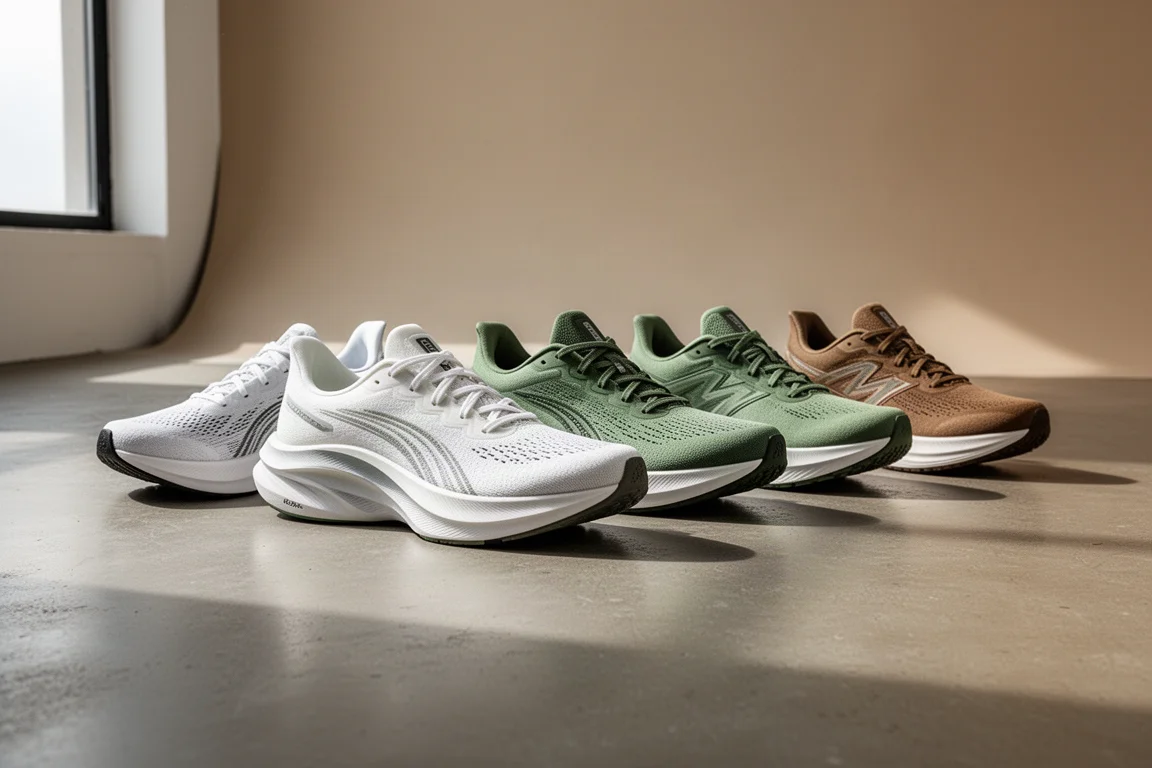
The upcoming year of running shoes looks unusually strong. Brands that once played it safe are pushing new foams, new constructions and, in a few cases, entirely new models, while established favorites are getting updates that address the exact complaints runners had last time around.
This roundup covers the twelve releases that stand out the most right now, spanning race-day rockets, premium daily trainers and a few budget-friendly surprises. As always, prices and release timing can shift, so treat the details here as a guide rather than a guarantee.
Mizuno Hyperwarp Pro
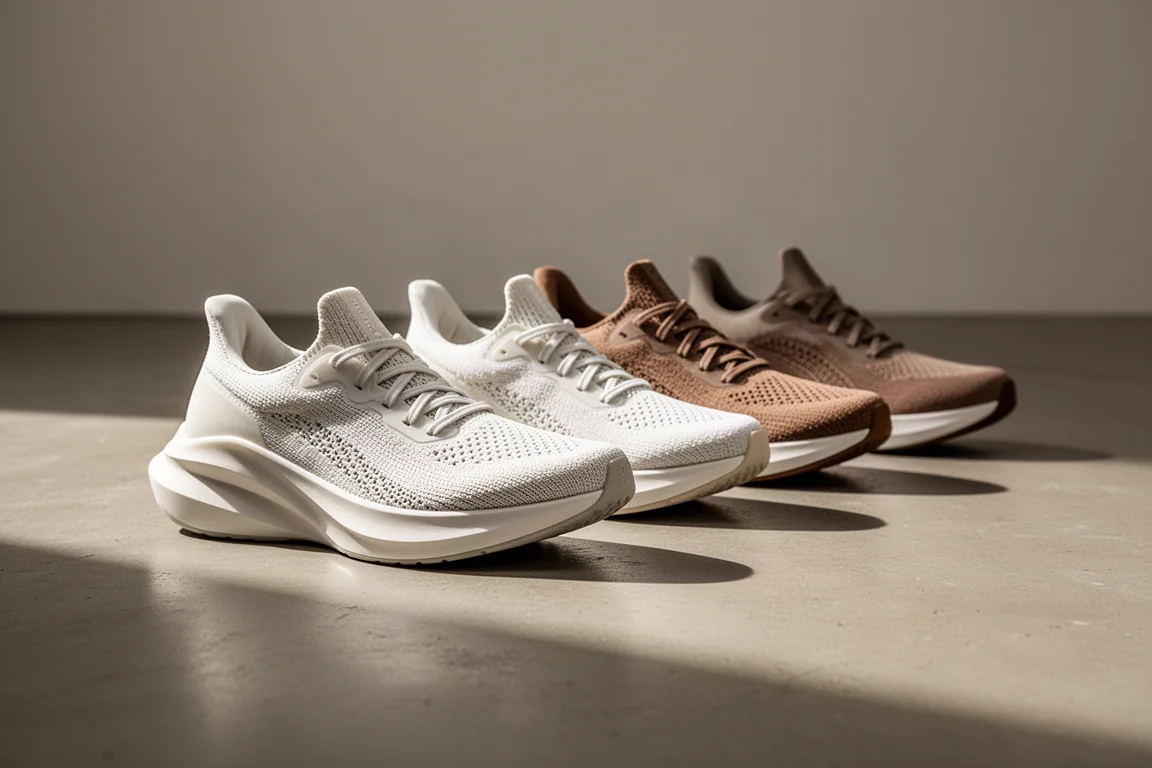
Mizuno has quietly become one of the more interesting brands to watch, and the new Hyperwarp series is its clearest statement yet. It is a trio of race-day shoes spanning roughly the $250 to $300 range, each built with different materials and levels of aggression. The Hyperwarp Pro sits as the most accessible of the three, pairing a TPE midsole with a nylon plate for a more durable, everyday marathon-friendly ride rather than a one-race weapon.
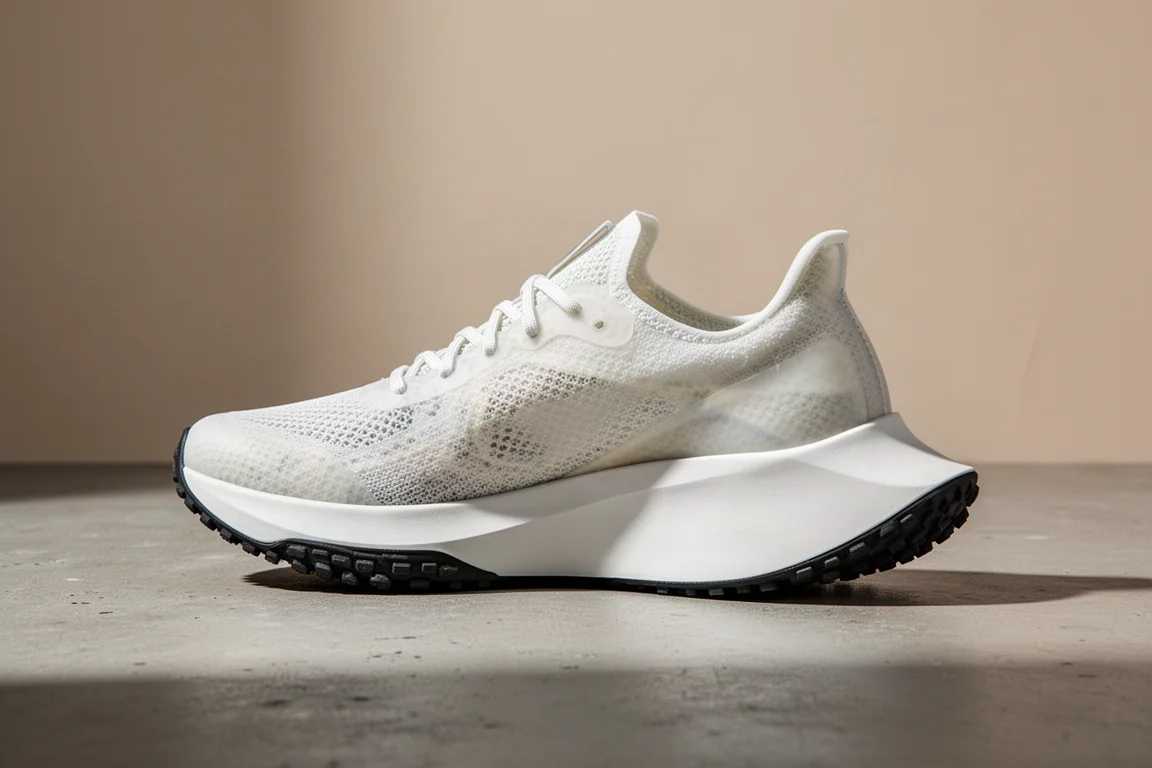
The lineup also includes an ultra-light sub-5-ounce option and a carbon-plated middle tier, so most runners can find their match within the family. One practical note: in the all-white samples, the midsoles carry almost no markings, so double-check exactly which model you are buying.
Mizuno Neo Zen 2
The original Neo Zen was one of the standout super trainers of its debut year, soft and bouncy in a way that made easy miles fly by. Its weakness was stability: the squishy, side-to-side feel could get unruly late in a run as form faded, which bothered some testers’ hips and knees.
The Neo Zen 2 directly targets that problem. Mizuno added forefoot stack, tightened up the platform and toned down the bounce slightly, while also redesigning the upper. The soft, fun character reportedly remains, and early impressions suggest this could land the shoe right in its sweet spot. It is expected in February.
Mount Coast C1
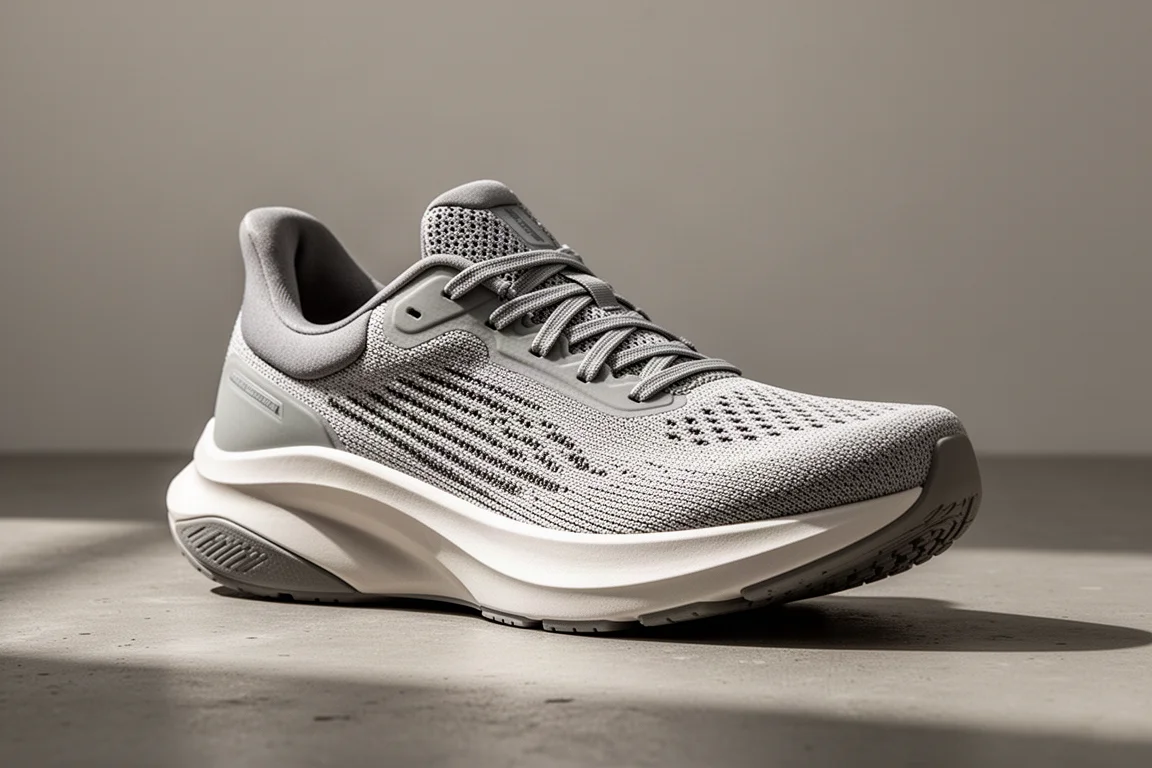
Mount Coast has quickly become one of the buzzier brands in running, and for good reason. Its Circle Cell midsole foam is fully biodegradable, an eco-friendly material that genuinely does not feel like a compromise underfoot, with a lively character often compared to the foam in the Adidas Evo SL.
The C1 is the brand’s max-cushion road model, layering Circle Cell over a firmer rubberized EVA base. That combination adds durability and creates a subtle plate-like feel, similar in spirit to setups like the ASICS Super Blast. Around nine ounces, it is reasonably light for the category, and the styling is clean. If the tweaks made since the prototype carry through, this has real crowd-pleaser potential.
Saucony Endorphin Elite 3
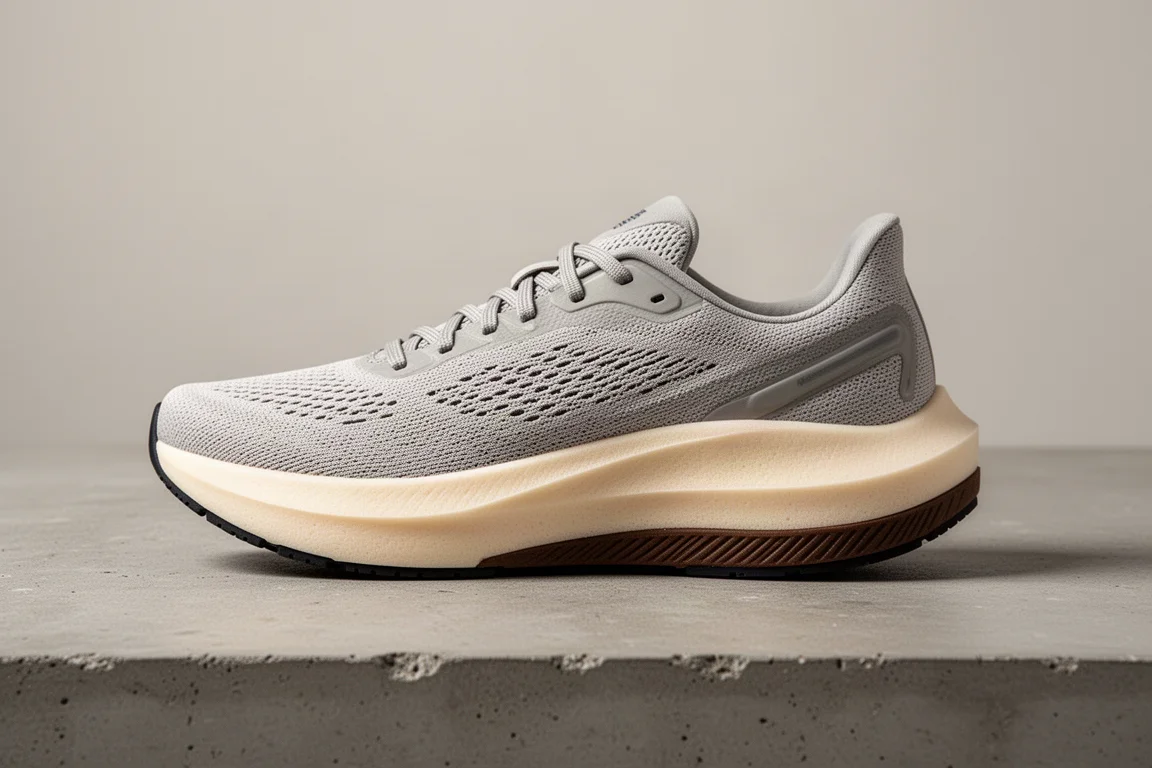
Saucony’s top-tier racer returns at $290, and the big news is a change to the decoupled heel that made the previous version feel squirrelly on soft foam. Saucony has filled in the gaps on the medial and lateral sides to calm things down.
That should make the shoe more predictable for more runners, but it raises a fair question: will taming the design dilute the light, bouncy magic that made the Elite 2 special? At a claimed 7.2 ounces, it stays featherweight, and a release is expected in June. If you loved the previous version’s unfiltered bounce, this update is worth watching closely before committing.
Saucony Azora
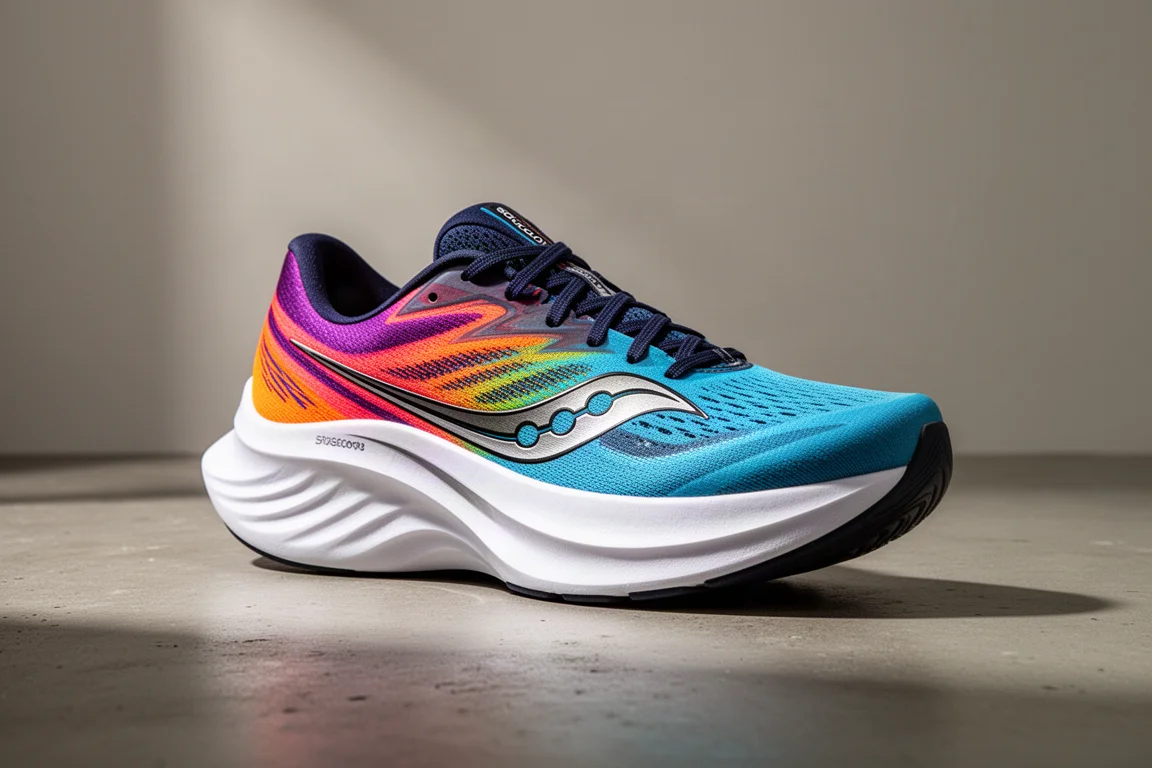
The Azora might be the most quietly exciting shoe in Saucony’s lineup. It drops the plate from the Endorphin Speed formula and simply lets the excellent foam do the work, resulting in a snappy, fun ride that some testers ended up preferring to the Speed itself.
Priced around $150, it fills the role of a low-stack, lightweight uptempo shoe in the spirit of what the Kinvara line once did, without the baggage of that line’s recent missteps. It is not the flashiest-looking shoe on the shelf, but for runners who love the Endorphin family’s feel in a simpler package, it hits hard.
Brooks Glycerin Flex
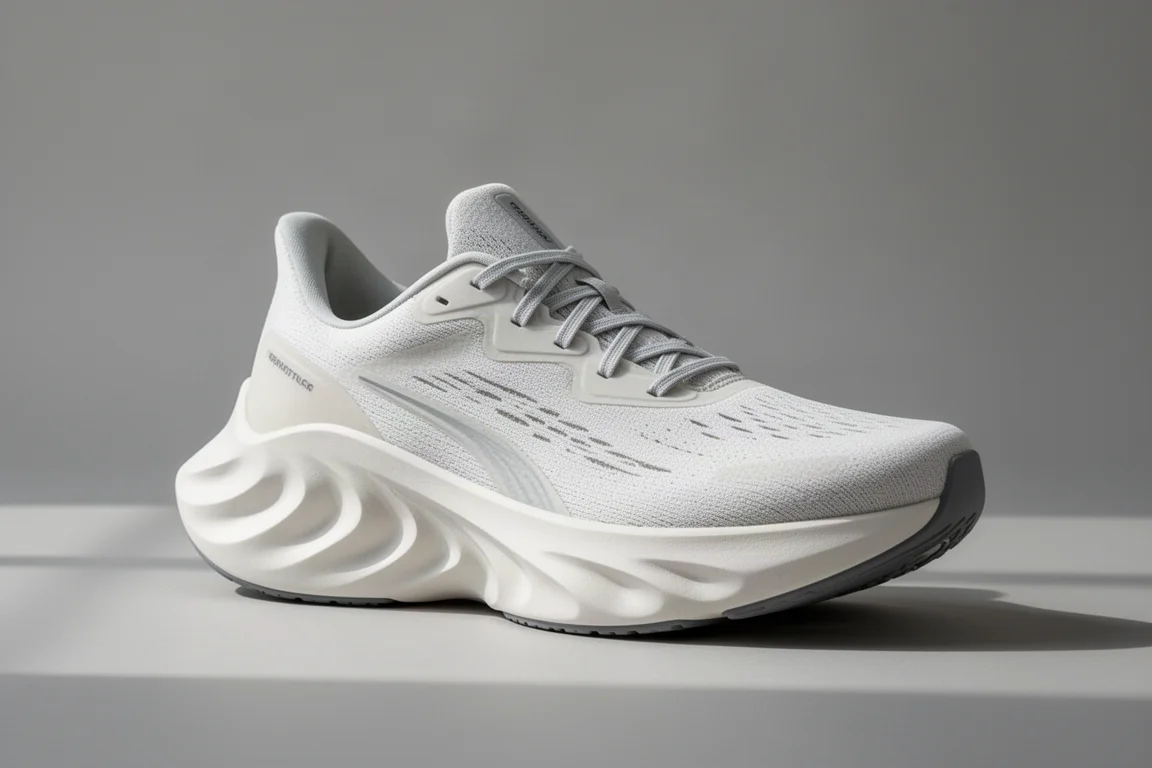
Brooks had one of the biggest booths of the season, and the Glycerin Flex was the clear hero of its lineup. Built on the DNA Tuned midsole with different foam densities tuned to where your foot lands, its defining trait is a segmented construction that lets the shoe genuinely flex.
The result is unusual in today’s max-cushion world: a high-stack shoe where you can actually feel your foot working through the stride instead of riding a rigid rocker. It draws on learnings from earlier Brooks platforms and offers a real alternative for runners who find modern rocker shoes numbing. At $170 it is not cheap, and it arrives in February.

Brooks Ghost AMP
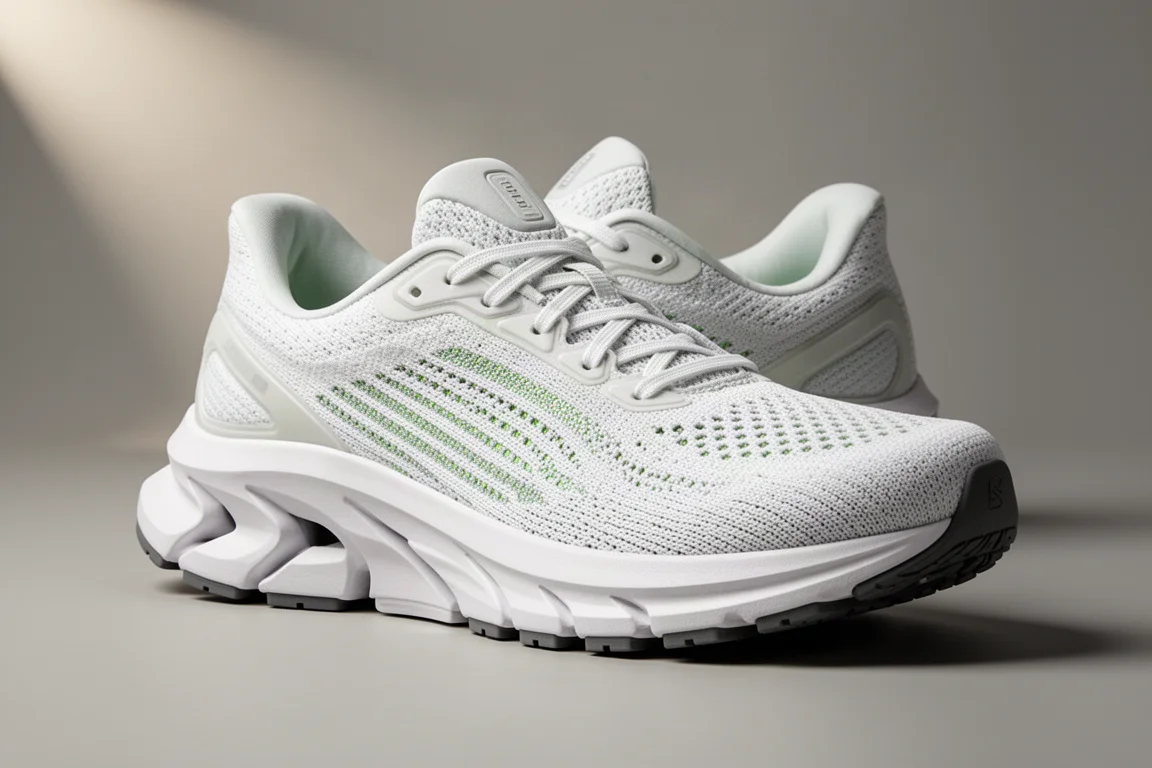
The Ghost is one of the best-selling running shoes of all time, so Brooks is leaving it alone and instead launching the Ghost AMP as a new model beside it. Think of it as the Ghost silhouette streamlined: a sleeker, sportier upper paired with a DNA HYPER midsole blend containing 25 percent supercritical PEBA for noticeably more bounce at around nine ounces.
This puts it squarely in the lightweight, faster-feeling daily trainer category, the same space occupied by the Evo SL and similar shoes, one you can take out for a tempo run when you feel good. With the standard Hyperion line paused, this looks like the shoe meant to fill that role. It is arguably the most interesting new Brooks of the year for everyday runners.
Altra Torin 9
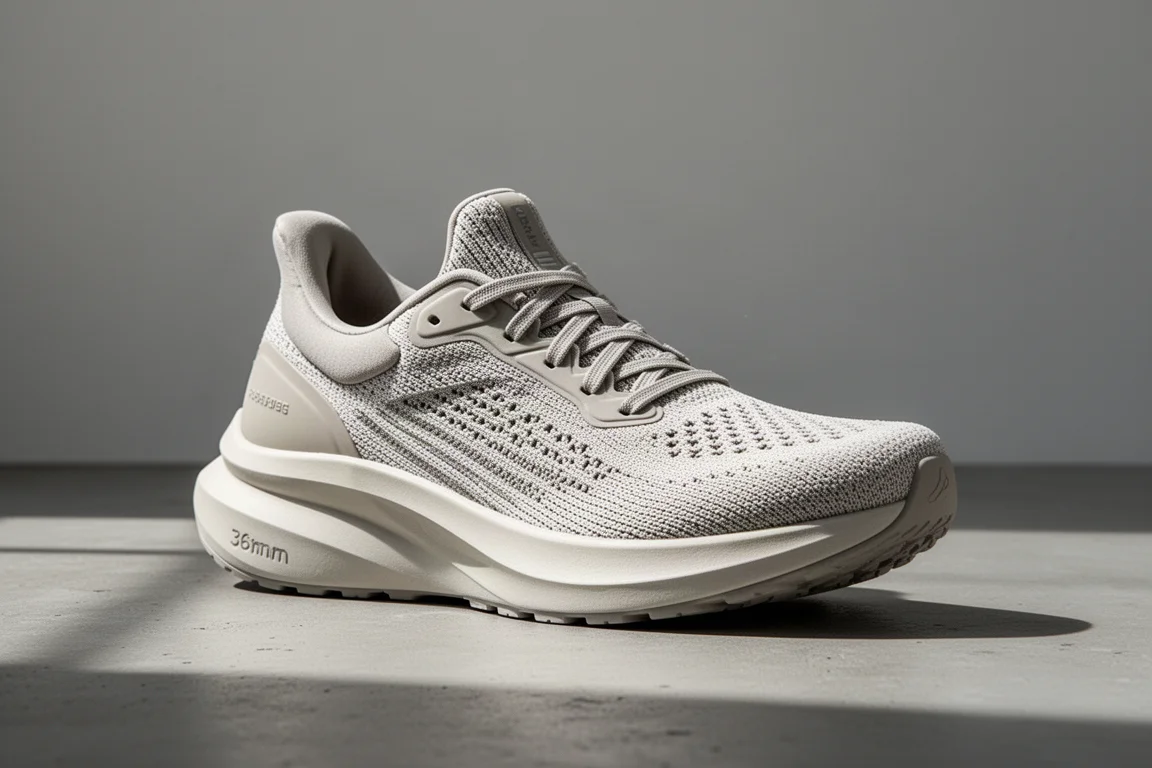
Foot-shaped shoes are enjoying a real resurgence, and Altra fans remain among the most loyal in running. The Torin 9 continues the brand’s zero-drop flagship line at 28 mm of heel stack with a redesigned upper, and it finally looks like a proper modern running shoe rather than the clunky offerings of a few years ago.
The headline change is a Vibram XS Trek all-weather outsole, a genuinely rare sight on a road shoe, paired with a new P35X dual-density midsole. Vibram’s rubber compounds rarely disappoint on grip, which makes this a compelling pick for runners who want zero drop without sacrificing wet-weather traction. It lands at $160.
Skechers Aero Razor
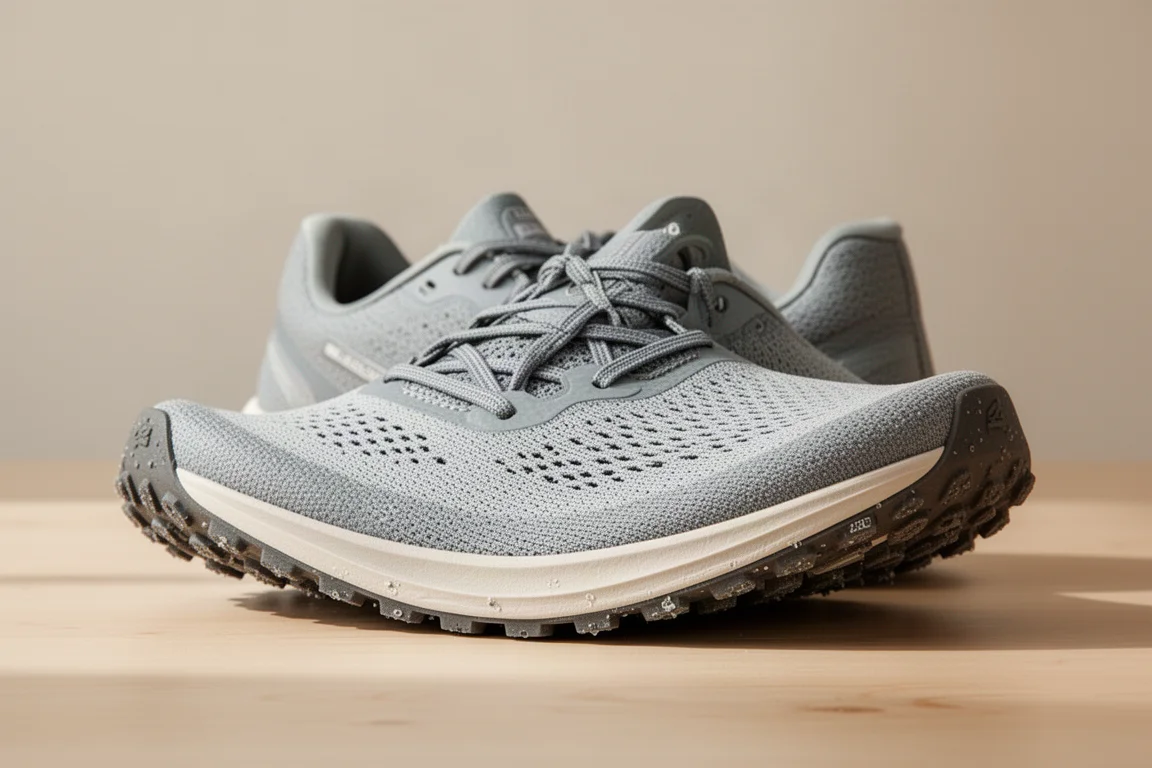
Skechers keeps undercutting the competition on price while delivering real performance, and the Aero Razor at $140 might be the best value in this entire roundup. It continues the long Razor line, notable for being among the first consumer shoes to use supercritical foam, in a daily trainer and uptempo role.
The spec sheet is competitive: 36 mm of stack, a lightweight build around 6.9 ounces, and a Hyperburst Pro TPEE midsole with properties similar to PEBA foams. The H plate is now embedded within the midsole this time, sandwiched between layers, and the shoe is expected in February. For budget-conscious runners who want a light, quick trainer, it deserves a spot on the shortlist.
Tracksmith Elliot Rider
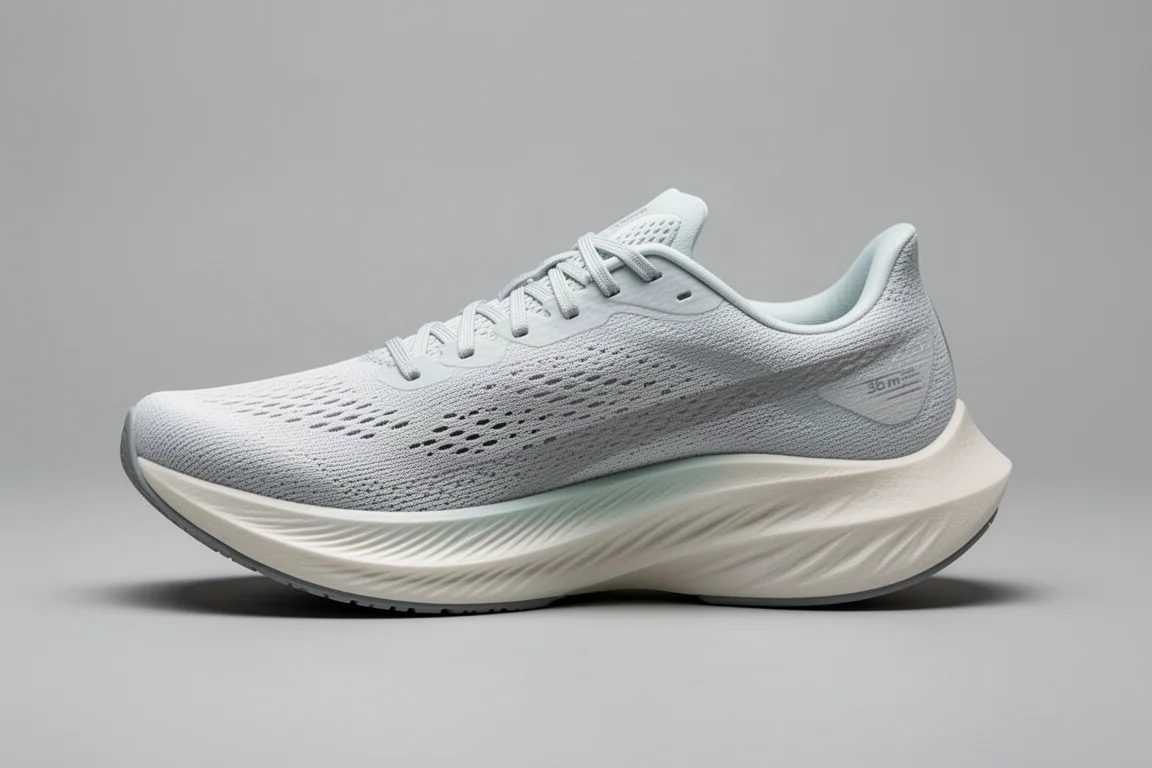
Tracksmith’s Elliot Rider takes the drop-in midsole construction from its race-day sibling and wraps it in a higher-stack daily trainer package. Total stack is a generous 45 mm in the heel with a 37.5 mm forefoot, yet the low-profile exterior makes it look like a much leaner shoe, which is exactly the point.
A full-length rubber outsole with modest lugs even gives it light hybrid trail capability. At just over nine ounces and with a white and green colorway that is genuinely good looking, it is a stylish, slightly nerdy piece of engineering, priced at $220 and expected in April. Runners who want big cushioning without looking like they are wearing a max-stack platform shoe should take notice.
On Cloudsurfer 3
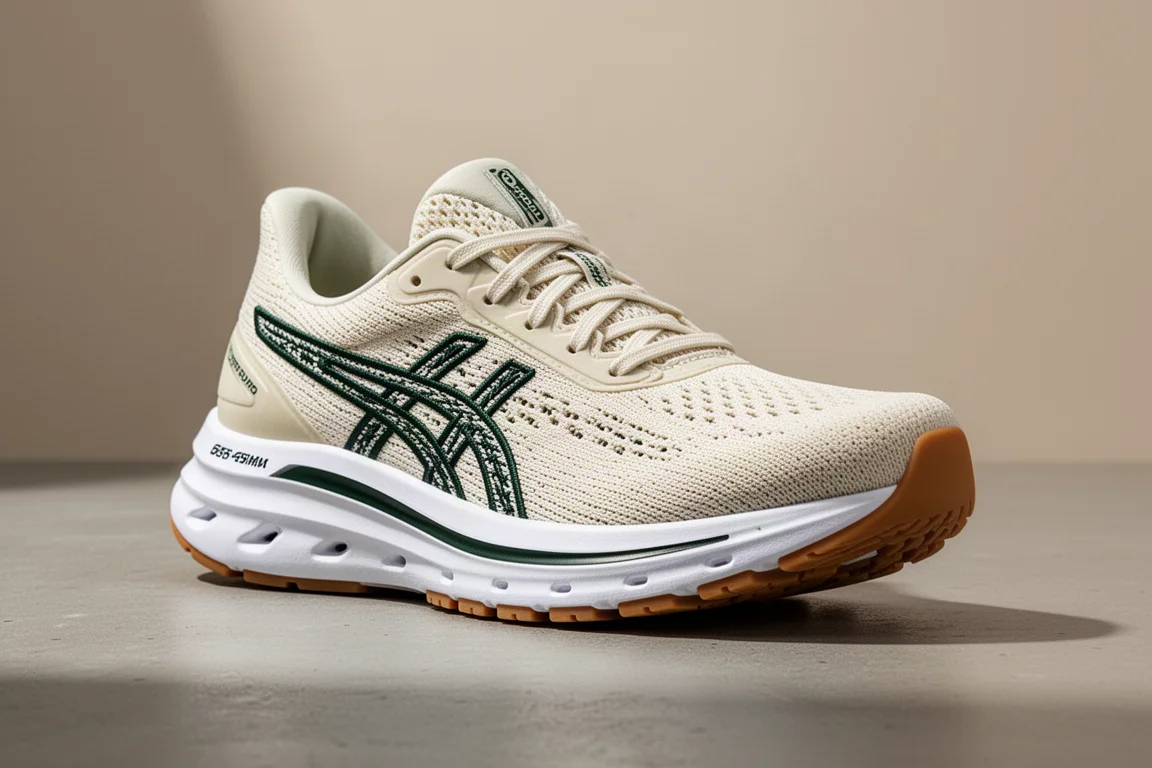
The Cloudsurfer 2 was one of the biggest disappointments of its release year, and On has responded with a full overhaul. The Cloudsurfer 3 finally brings supercritical foam into an On product while retaining the signature Cloudtec geometry, addressing the midsole criticism head-on.
The new upper moves decisively away from last year’s cheap-feeling materials toward a premium, lightweight, comfort-first fit. On has also brought in a new chief innovation officer with a background at other design-led companies, and the brand is going all in on performance across the lineup. For anyone who dismissed On as a fashion brand rather than a running brand, this is the shoe that could change your mind.
Adidas Evo SL
The Adidas Evo SL found something close to a secret sauce, and Adidas is smart enough not to kill it. The shoe stays in the lineup unchanged at its core, with updates, variations and offshoots building on the same winning formula rather than replacing it. A knit-upper version and a trail version are among the variants already emerging.
Part of what makes Adidas’s approach compelling is how the lessons from its loss-leading experimental racing shoes filter down into accessible models like this one. If you want a lively, versatile daily trainer with genuine uptempo capability and do not want to wait on a bigger update, the Evo SL remains an easy recommendation.
More Worth Watching
Several other releases from the year ahead are worth keeping on your radar, including the Saucony Triumph 24 with its new Incred Lux TPEE midsole and 43 mm stack, the Salomon Aero Glide 4 refining an already comfortable ride, the Topo Spectre 3 moving to a full ATPU midsole with a raised stack, the ASICS Super Blast 3, the Hoka Skyward X2 with a cleaner architecture, the On Cloudmonster 3 Hyper with LightSpray technology at a claimed 6.7 ounces and 45 mm stack, the Puma MagMax 2 and Velocity Nitro 4, the Brooks Hyperion Elite 6, the Altra Vanish Pulse at just seven ounces, and the Puma Velocity Nitro line’s continued momentum. Big-name brands also have embargoed race-day projects in the pipeline that could shake up the super shoe tier.
Buying Advice
Match the shoe to the job before anything else. If you want a single versatile trainer that handles easy runs and faster days, the Ghost AMP, Azora and Evo SL are the strongest all-rounders here. If maximum cushioning is the priority, the Mount Coast C1, Glycerin Flex and Torin 9 cover different philosophies within that category.
Runners chasing race-day performance should weigh the raw speed of the Endorphin Elite 3 against the more sustainable everyday marathon character of the Hyperwarp Pro. And if budget matters most, the Skechers Aero Razor offers genuinely competitive performance at a price most of this list cannot touch. Where release timing is listed, patience pays: waiting for the right February or April launch often beats settling now.
Conclusion
The next year of running shoes rewards attention. Whether you are drawn to the flex-forward Glycerin Flex, the corrected Neo Zen 2, the eco-friendly Mount Coast C1 or the quietly brilliant Saucony Azora, there is a credible, well-executed option in almost every niche. Decide what you need the shoe to do, shortlist accordingly, and 2026 looks like a very good year to buy.
Further reading
Related Reviews

Running Shoes
Best Road-to-Trail Running Shoes: Three Versatile Options for Mixed Terrain
A practical guide to three road-to-trail running shoes that handle both pavement and mild trails, with clear strengths and trade-offs for different runner types.

Running Shoes
Best Running Shoes for Achilles Tendonitis: Three Options Explained
Three running shoes with different heel drops and support features designed to help reduce Achilles tendon pain during walking and running.

Running Shoes
Best Running Shoes for Women: Five Top Choices Ranked
A ranked guide to five women's running shoes, from versatile daily trainers to high-performance racing options, with real strengths and trade-offs for each.