Outdoor Gear
Best New Camping and Hiking Gear: 8 Standout Finds Worth Packing
A practical roundup of eight new camping and hiking products, from a card-sized multitool to a powered hiking exoskeleton, with the strengths and trade-offs to weigh before you buy.
Introduction
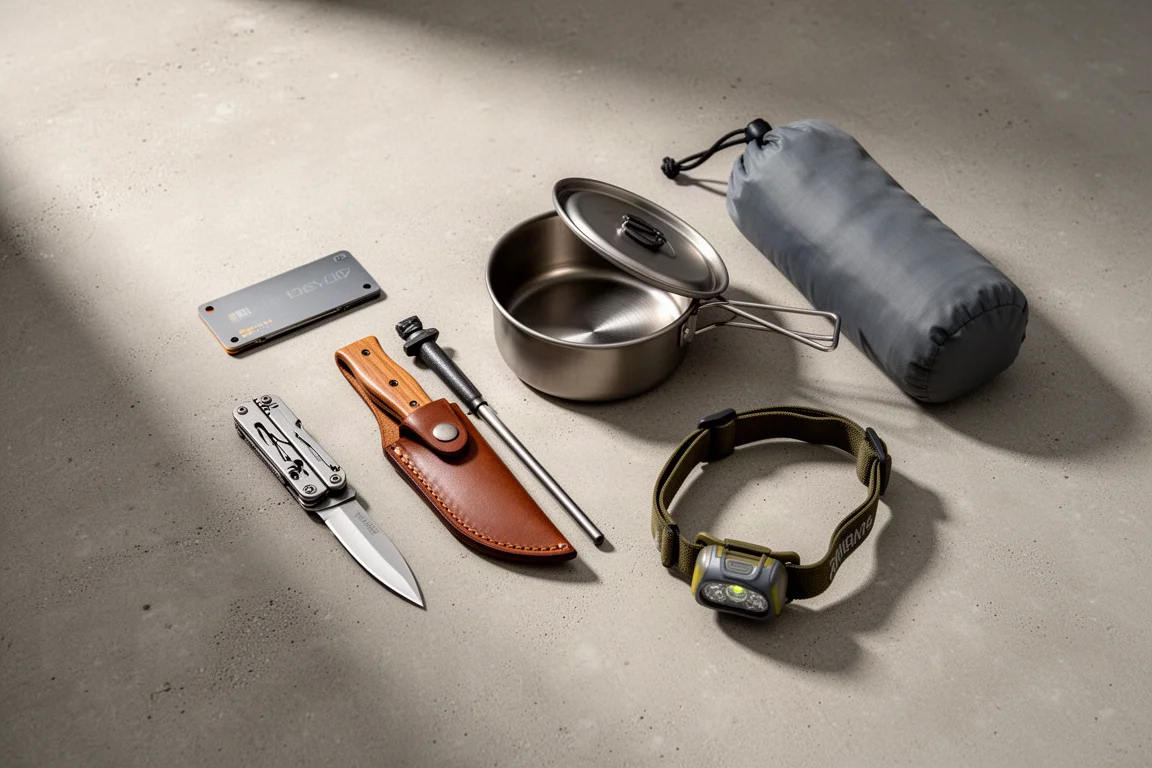
New gear seasons tend to arrive in waves, and this one leans toward small, practical problem solvers rather than big reinventions of the classics. The eight products below cover a wide spread of budgets and trip styles, from a card-sized multitool that costs about as much as a takeaway lunch to a powered exoskeleton built for hikers who want to cover more ground with less effort.
The thread running through the list is a clear use case. Each pick answers a specific question on the trail or at camp: how to start a fire with something already in your pocket, how to cook a hot meal without a flame, how to keep ticks off a dog, how to stop an insect bite from itching, or how to give a family tent a door that closes itself behind the kids.

Most of these products are available now, and several sit at the affordable end of their category. Where a price has been quoted, it appears in the product details below, and where pricing is still a target rather than a confirmed retail figure, that is noted as well.
What We Looked For
Four filters shaped this roundup. The first is the problem each product solves and whether that problem comes up often enough to justify carrying something extra. The second is weight and packed size, which matters most for anything headed into a backpack. The third is simplicity, because gear that depends on a phone, an app, or a specific consumable has to earn that dependency every trip. The fourth is price against the job it does, since a $35 multitool and a $599 exoskeleton deserve very different standards.
Tactica Camping Card Multitool: A Full Tool Kit in a Card
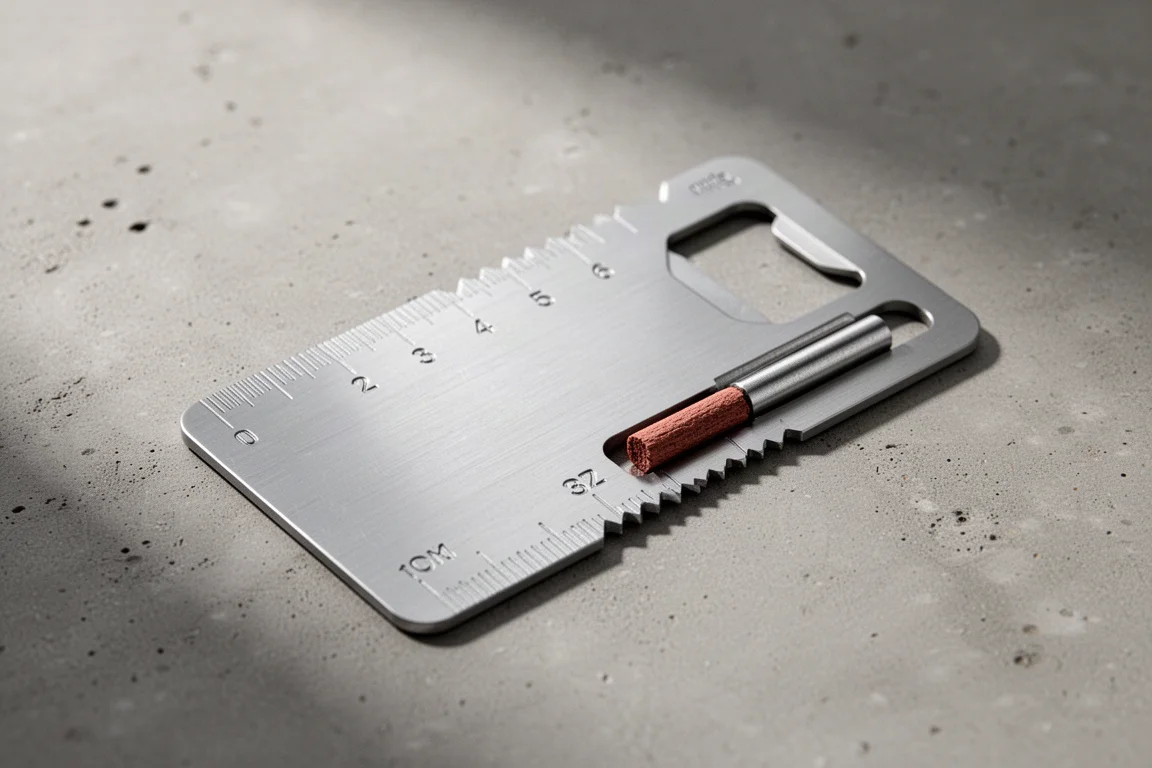
The Camping Card from Tactica squeezes an unusual number of functions into a format that slips into a wallet or a hip pocket. The tool includes flint and steel for fire starting, a tent peg puller, a serrated edge and a cutting edge for rope, angle markings for quick measurements, a bottle opener, and a flathead screwdriver. The tail end doubles as a makeshift can opener.
At around $35, it is one of the most affordable items here, and the appeal is straightforward for anyone who wants a small set of backup tools without adding bulk to a pack. It is a light-duty tool rather than a replacement for a full-size multitool or a proper knife, but as a pocketable kit for small camp jobs it covers a lot of ground.
Flicker Feather Scout Feather: Fire, Signal, and a Sharp Edge
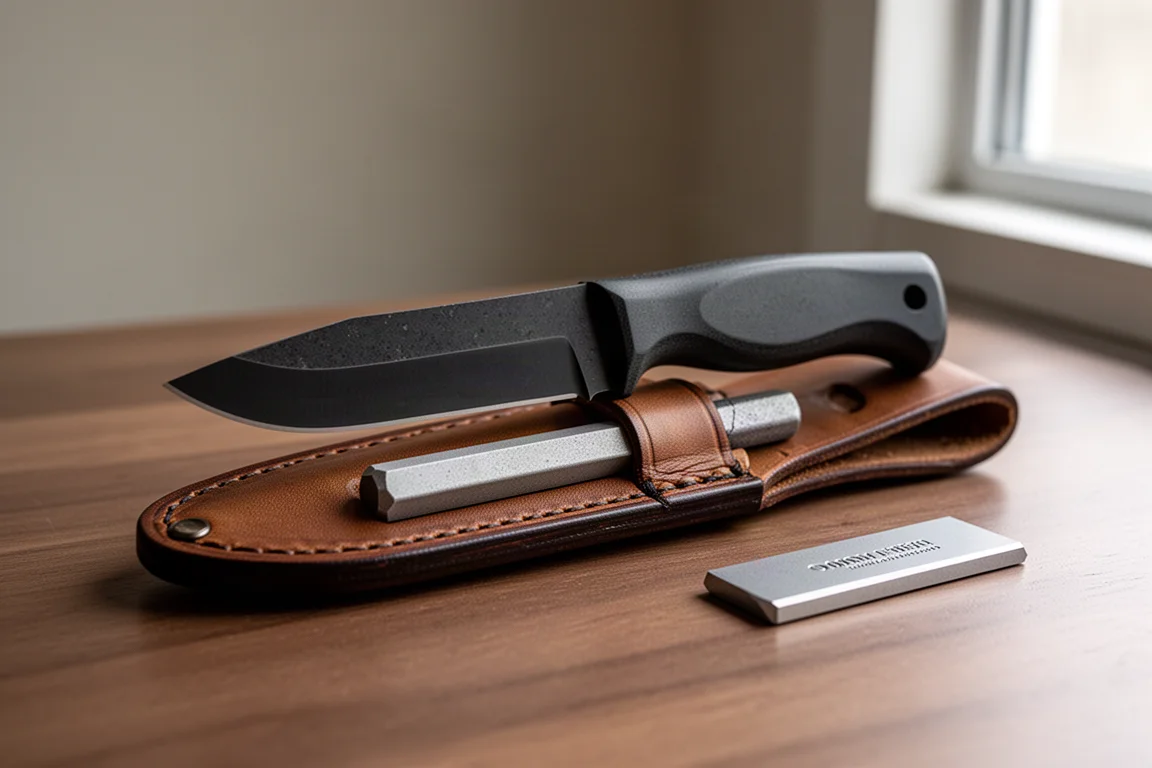
The Scout Feather from Flicker Feather is built around a chisel grind, a profile named after the Northern Flicker and its chisel-shaped beak. The blade uses VG10 material, and an 800-grit diamond plate is included for keeping it sharp in the field.
The sheath carries more than the knife. An integrated ferrocerium rod sits inside on a custom hex thread, and the back of the tool acts as a wrench, so the rod can be swapped out or installed backwards to create a longer handle for casting sparks. The rod is ground to a 90-degree edge for striking, and a whistle is included as well, which covers cutting, fire, and signaling in a single package. Total weight with the sheath is 4.2 oz, light enough to disappear into a day pack or a hunting kit.
Lava Gel Oven: Flameless Cooking Without a Flame
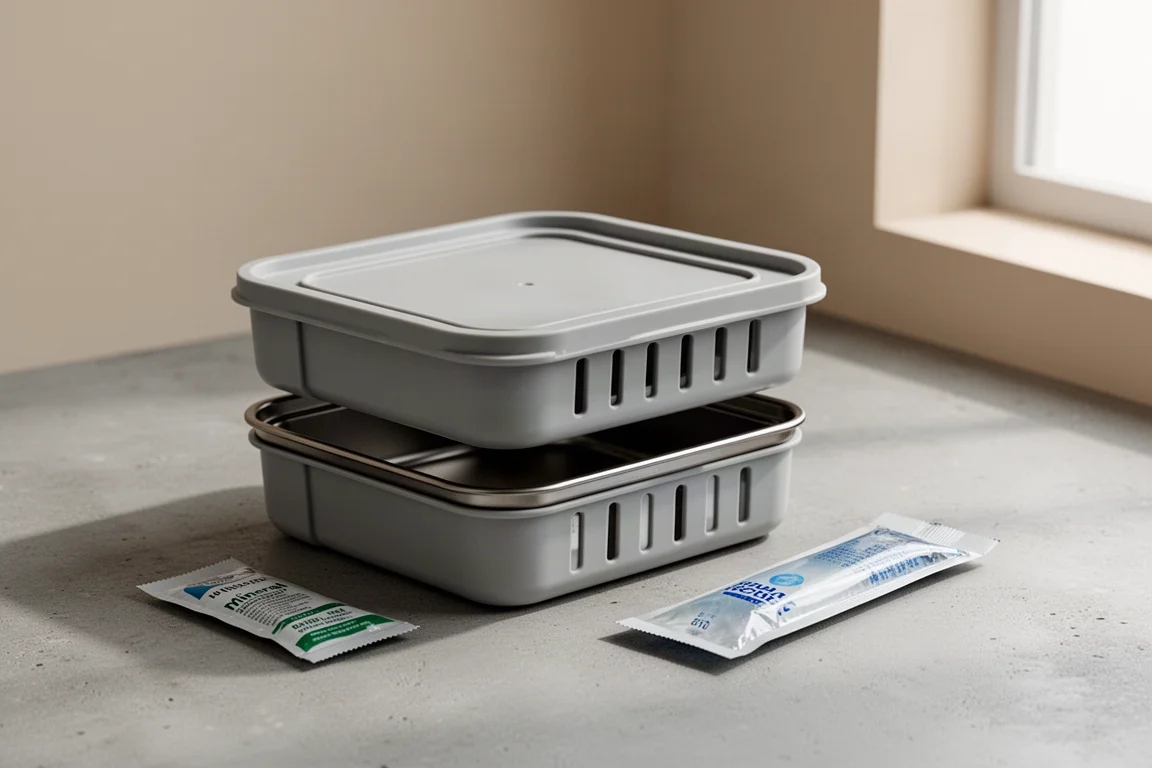
The Lava Gel Oven is a new approach to camp cooking that removes the flame entirely. The system pairs a durable oven with a recharge kit: a sachet of lava gel powder, made from minerals harvested from the earth and the ocean, and a packet of salt water. Combine the two and they form an exothermic gel that heats instantly, with the salt playing an important role in the reaction.

The gel is programmable, running from just above skin temperature up to the boiling point of water. Food heats by conduction through the stainless steel pan sitting directly on the gel, and by convection from the steam, which helps rehydrate rice or noodles and plump them up. Seven to ten minutes is enough to bring cold or dried food up to temperature, and the pad then holds heat for up to 45 minutes. Freeze-dried meals can be rehydrated with cold water before they go in, shelf-stable pouches can be poured straight into the tray, and leftovers work just as well.
The powder is described as non-toxic and safe to handle, and if it ends up in soil it behaves as a moisture-retaining amendment with a mild fertilizing effect. The full kit, which includes the oven, a tote bag, and eight charges covering 16 servings, retails for $34.95. Refills of eight charges come in at under $19, and the system is sold through Amazon and the brand’s own site, with wider sporting goods distribution planned.
Tickless Mini: Ultrasonic Tick Deterrence for People and Pets
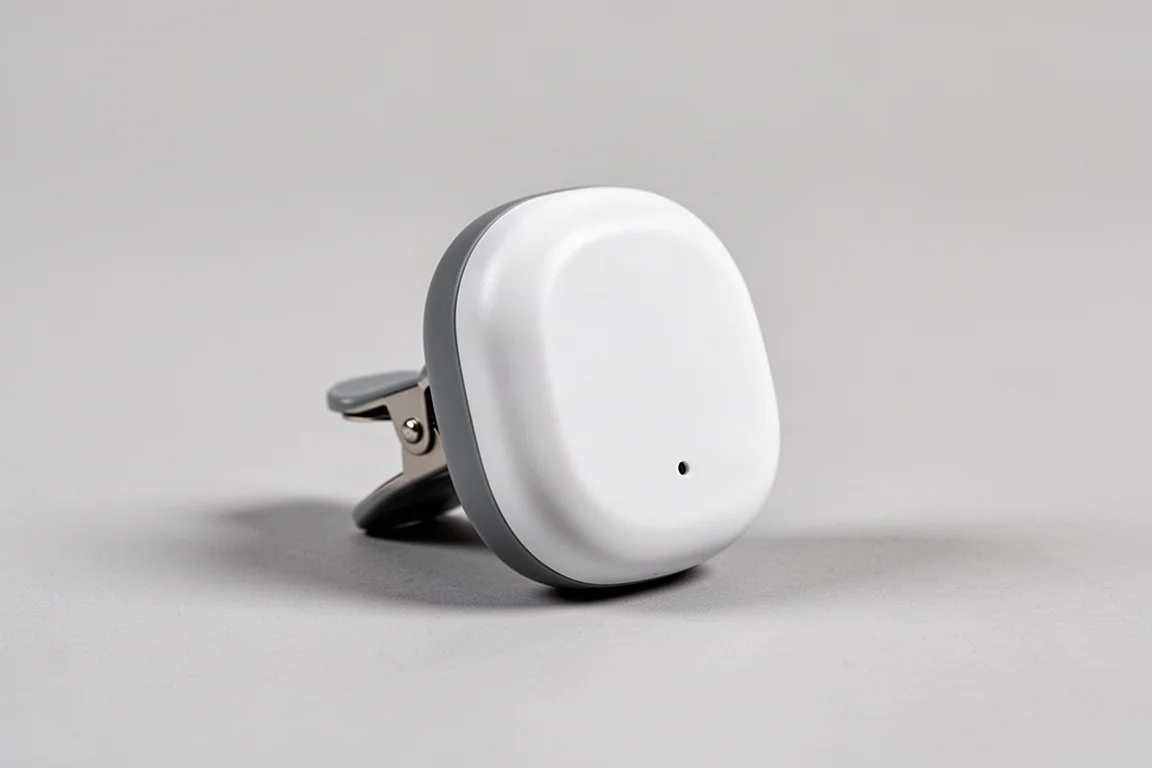
The Tickless Mini is a small ultrasonic device designed to deter ticks. It clips onto a dog collar, a shoe, or a piece of gear, and can be worn by a person or attached to a pet. The rechargeable version is priced at $64.99, while disposable versions aimed at kids and pets are listed at $44.99 for roughly eight months of use.
It works best as one layer in a wider routine rather than a replacement for it. Because it is a deterrent, a tick check after time outdoors still does the heavy lifting.
Hypershell Mountain Exoskeleton: Powered Help for Long Days
The Hypershell Mountain exoskeleton is the most expensive item in this roundup, starting at $599 and available in the United States. It is a wearable assist system designed to save energy while walking, with a claimed maximum of 30 percent reduction in effort. In practice that translates into extending range, carrying more weight, walking more easily, and running faster.
Assistance speed is adjustable, and the system uses an algorithm that learns and adapts how its motors respond to the wearer. Support therefore scales with pace instead of staying fixed, which matters on climbs and on long days when output changes constantly. It is a serious piece of equipment with a premium price, and it makes the most sense for hikers with specific distance or load goals.

Flextail Zero Headlamp: One Battery, Three Devices
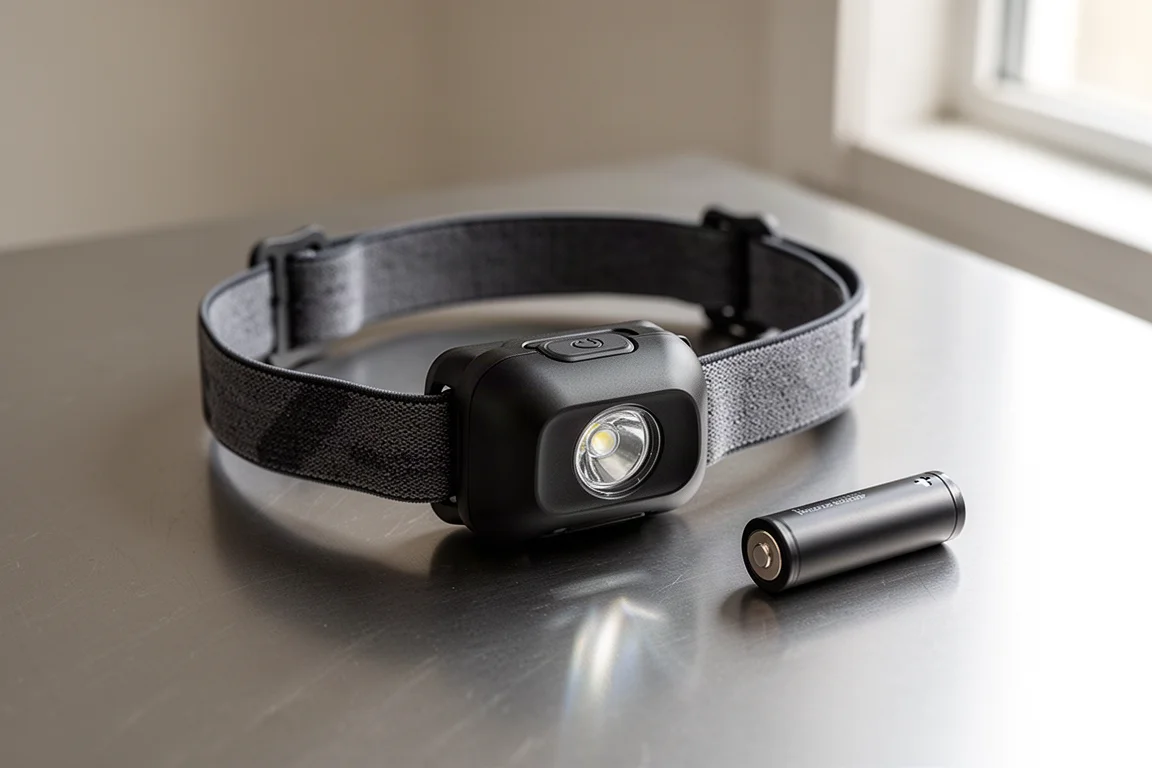
The Flextail Zero line now spans a pump, a flashlight, and a lightweight headlamp, all built around a single rechargeable battery that charges over USB-C and can be swapped between the three devices. The headlamp weighs 1.8 oz including the battery and is rated to 600 lumens, with a red mode alongside the white output.
A cap light is integrated into the design for tasks such as spotlighting fish where that is legal. Sharing one battery across a pump, a flashlight, and a headlamp is the real selling point: it cuts down on chargers and spare cells, and it keeps replacements to a single battery type.
Hypmic Insect Bite Itch Relief: Heat Instead of Creams
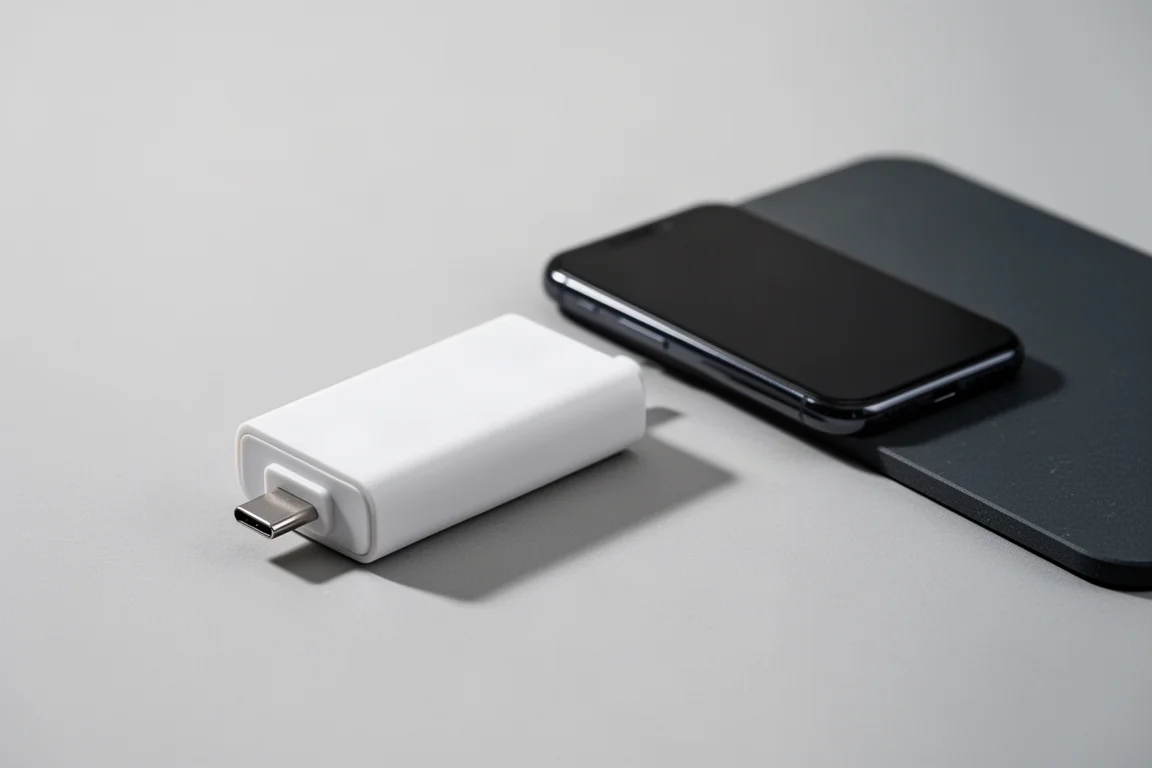
Hypmic takes a different route to insect bites. Rather than a cream or a wipe, it uses controlled heat to interrupt the itch response. When an insect bites, the body releases histamine, and applying a competing heat impulse can override that signal.
The device plugs into a phone and is managed through an app that sets the temperature and the treatment duration. Short, medium, and long settings run for three, six, and nine seconds respectively, with choices suited to adults, children, and sensitive skin. The maximum setting reaches 127 degrees Fahrenheit, which sits well below the threshold for skin damage.

That short treatment window is the appeal: nothing to rub in, nothing to carry in a pocket, and no residue left on skin. The trade-off is that it depends on a phone and the companion app, so it suits people who already travel with a handset.
Teton Henda 8-Person Tent: Family Space With a Self-Closing Door
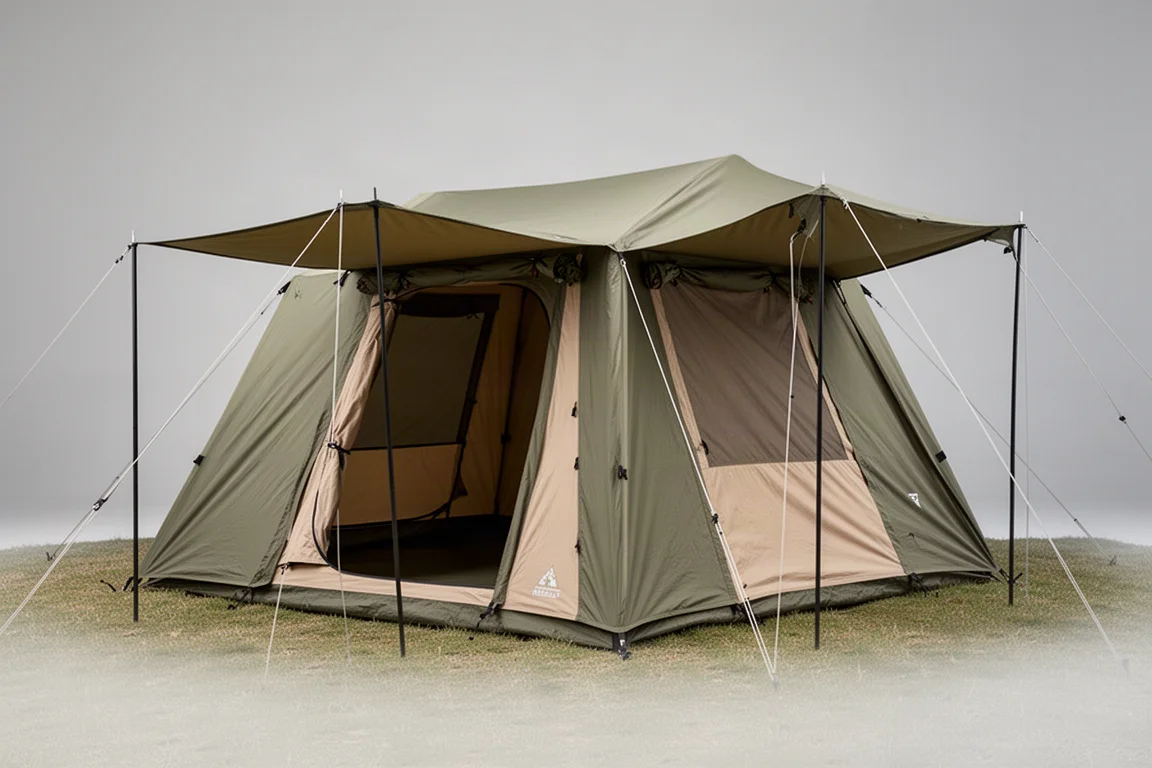
The Henda is Teton’s new eight-person family tent, aimed at a target price of around $380 and expected to land under $400. Its standout feature is a framed door that opens and closes on its own, so the tent seals behind kids as they move in and out and keeps bugs outside where they belong.
Inside, the walls are vertical rather than sloping, which preserves usable space across the full footprint. A person around six feet tall can walk the length of the interior without stooping. This is a car camping tent by nature, so packed size and weight matter less than living space and easy setup.
Overall Buying Advice
Start with the trips you actually take. The budget picks here, the Camping Card at around $35, the Lava Gel Oven at $34.95, and the Flextail Zero headlamp, all solve narrow problems without much outlay, which makes them easy additions to an existing kit. The Lava Gel Oven in particular suits anyone who would rather not manage a flame to get a hot meal, and the shared Zero battery platform rewards campers who already carry a pump or flashlight from the same line.
Move up the price ladder and the trade-offs change. The Hypershell Mountain exoskeleton starts at $599, so it only makes sense if distance or load is the limiting factor on your trips. In the middle, the Tickless Mini and Hypmic address recurring annoyances, ticks and insect bites, that are worth solving if you spend time in tick country or react badly to bites. For families, the Henda tent targets the under $400 mark and prioritizes living space, a self-closing door, and standing height over packability.
Two practical notes before you commit. Devices that depend on a consumable, an app, or a proprietary battery ask for a long-term relationship, so factor that in. And when pricing is described as a target rather than a confirmed retail figure, treat it as a guide until it appears at retail.
Conclusion
The strongest picks in this roundup are the ones with an obvious job. A $35 multitool that lives in a pocket, a flameless oven that turns cold food into a hot meal in under ten minutes, a headlamp that shares a battery with the rest of your lighting, and a family tent whose door closes itself are all easy to justify. The bigger purchases, from ultrasonic tick deterrence to a powered exoskeleton, reward buyers who already know exactly what they need them for. Match the gear to the trips you take, and most of this list earns its place in the pack.
Further reading
Related Reviews
Outdoor Gear
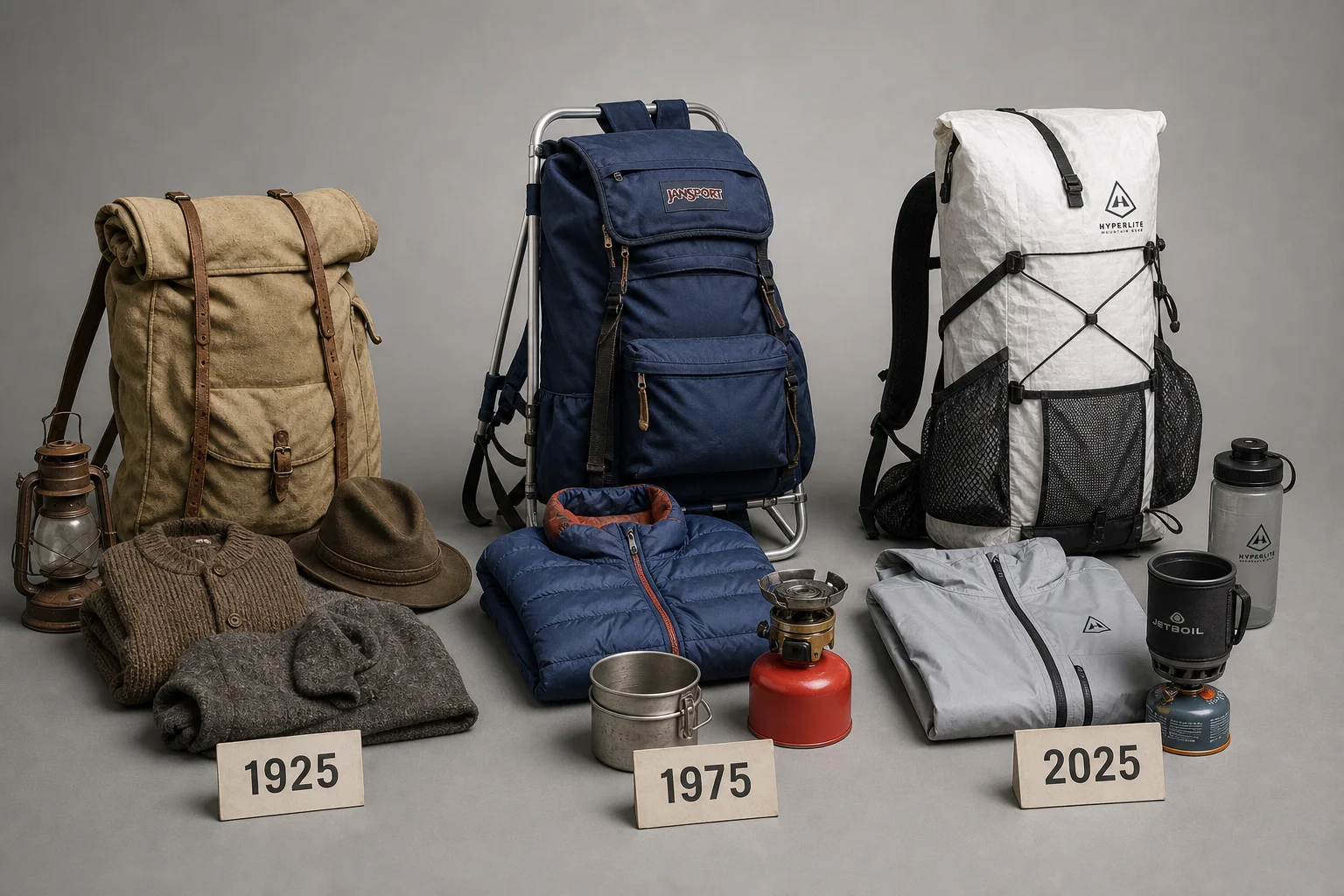
Backpacking Gear Evolution: 100 Years of Technology Compared
We tested backpacking gear from 1925, 1975, and 2025 across a three-day hike in Yosemite. Here's how technology has transformed comfort, weight, and the outdoor experience.
Outdoor Gear
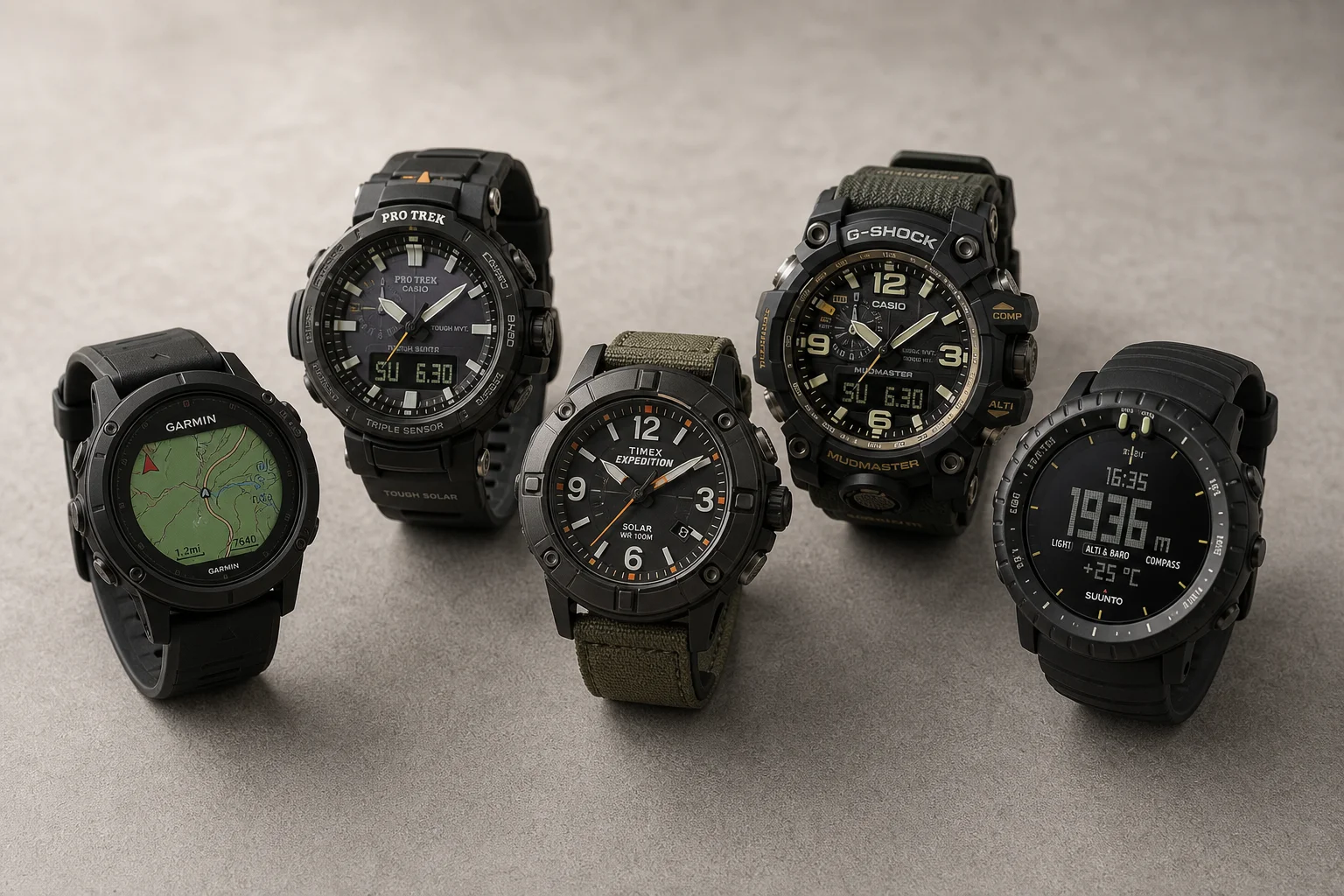
Best Affordable Hiking Watches: Five Rugged Options for Outdoor Adventures
Five durable hiking watches that balance ruggedness, functionality, and value for outdoor enthusiasts who need reliable GPS tracking and weather resistance.
Outdoor Gear
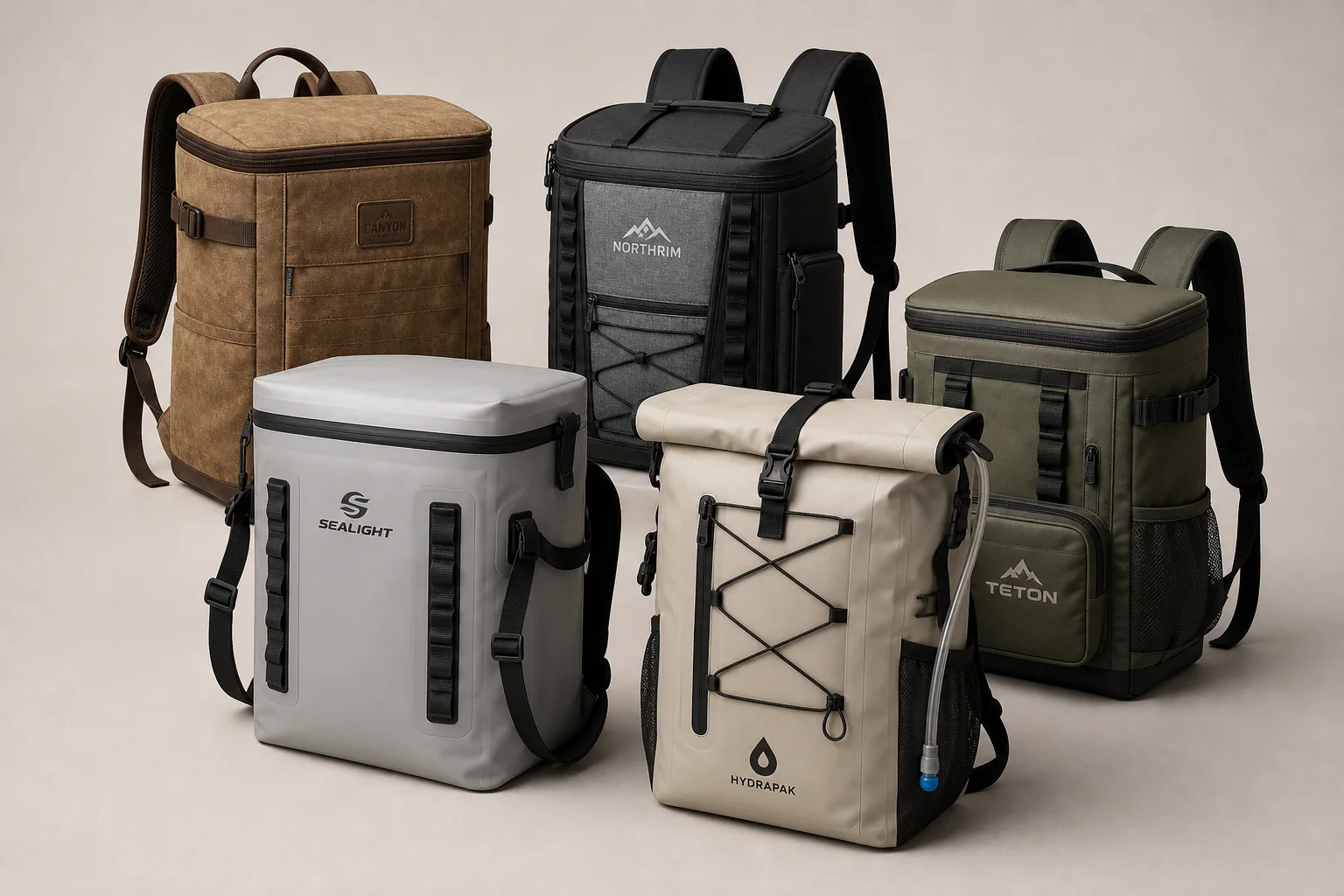
Best Backpack Coolers 2026: Five Practical Options for Outdoor Adventures
Five backpack coolers with distinct cooling capabilities, storage features, and design trade-offs to help you choose the right one for your outdoor needs.