Running Shoes
The New Balance Fresh Foam Line, Explained: Six Shoes and Who Each One Is For
From the premium 1080 v12 to the max-cushion More v4 and a trail-ready Hierro, here is how the Fresh Foam family breaks down and which model fits your running.
Introduction
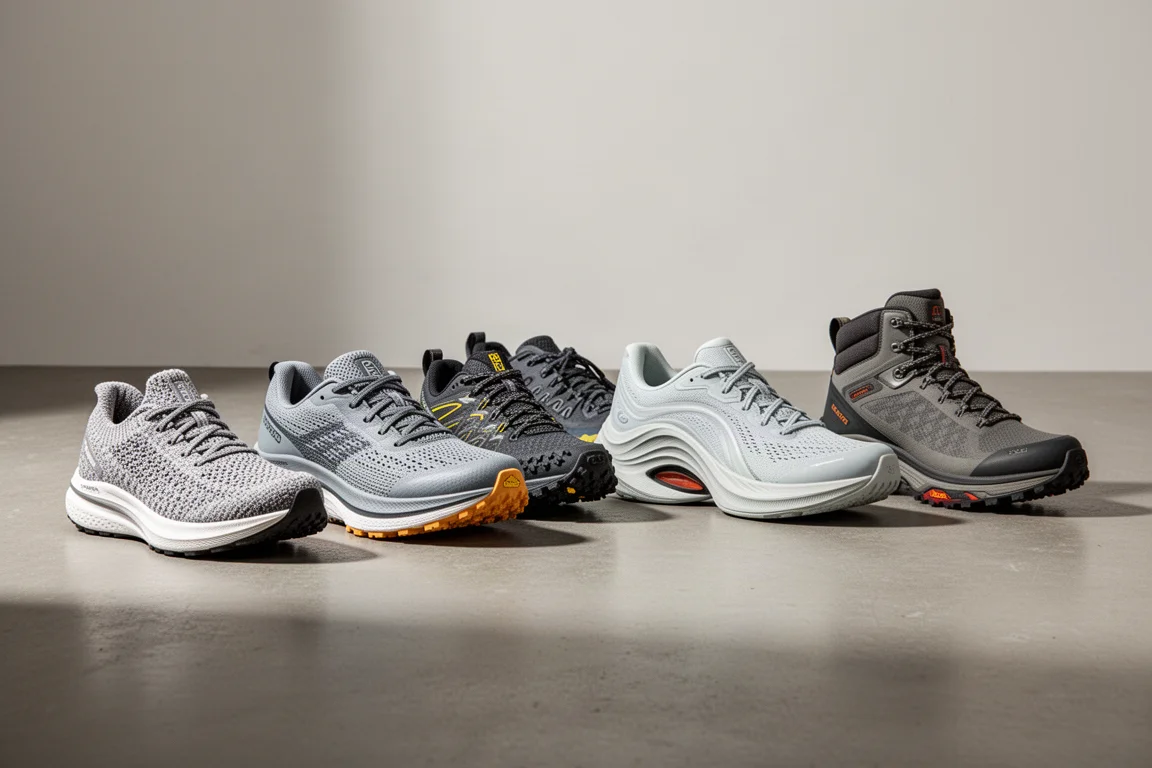
New Balance’s Fresh Foam line covers a surprising amount of ground: premium daily trainers, an affordable workhorse, max cushion, road stability, trail running, and even a sporty hiking boot. Here is how the six models in the current family break down, what changed in each update, and which one makes sense for the way you actually run.
New Balance Fresh Foam X 1080 v12: The Premium Daily Trainer
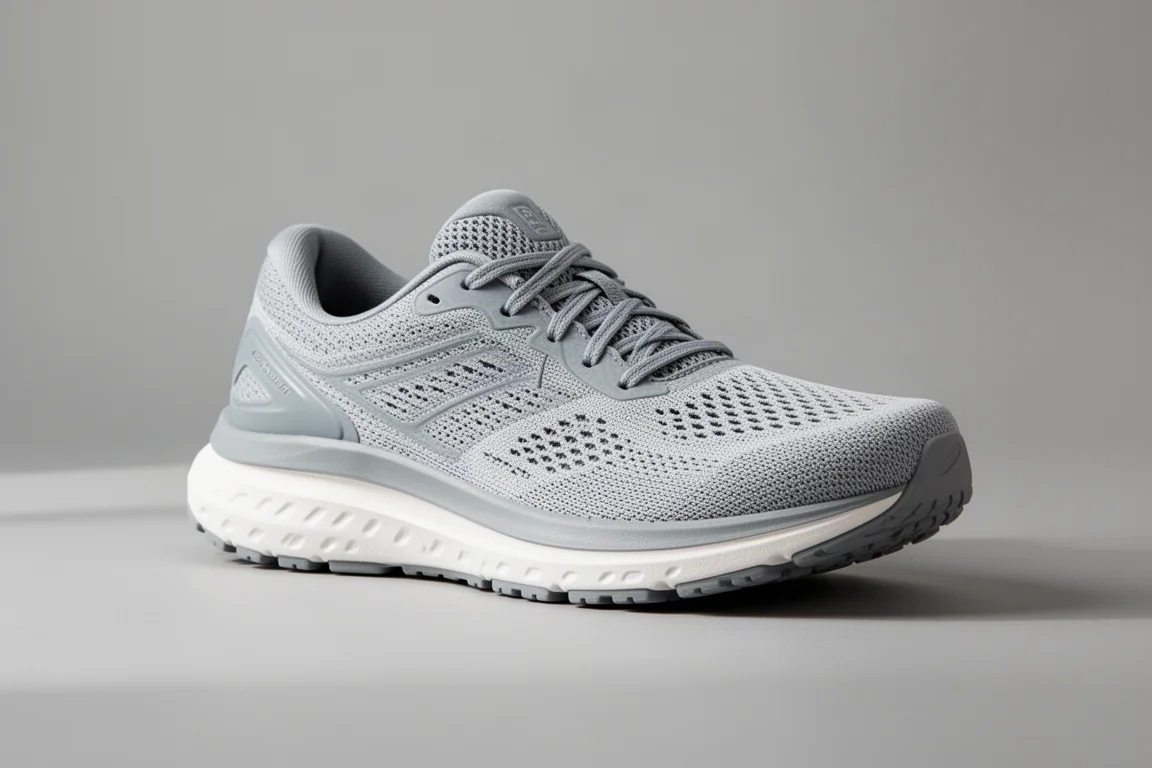
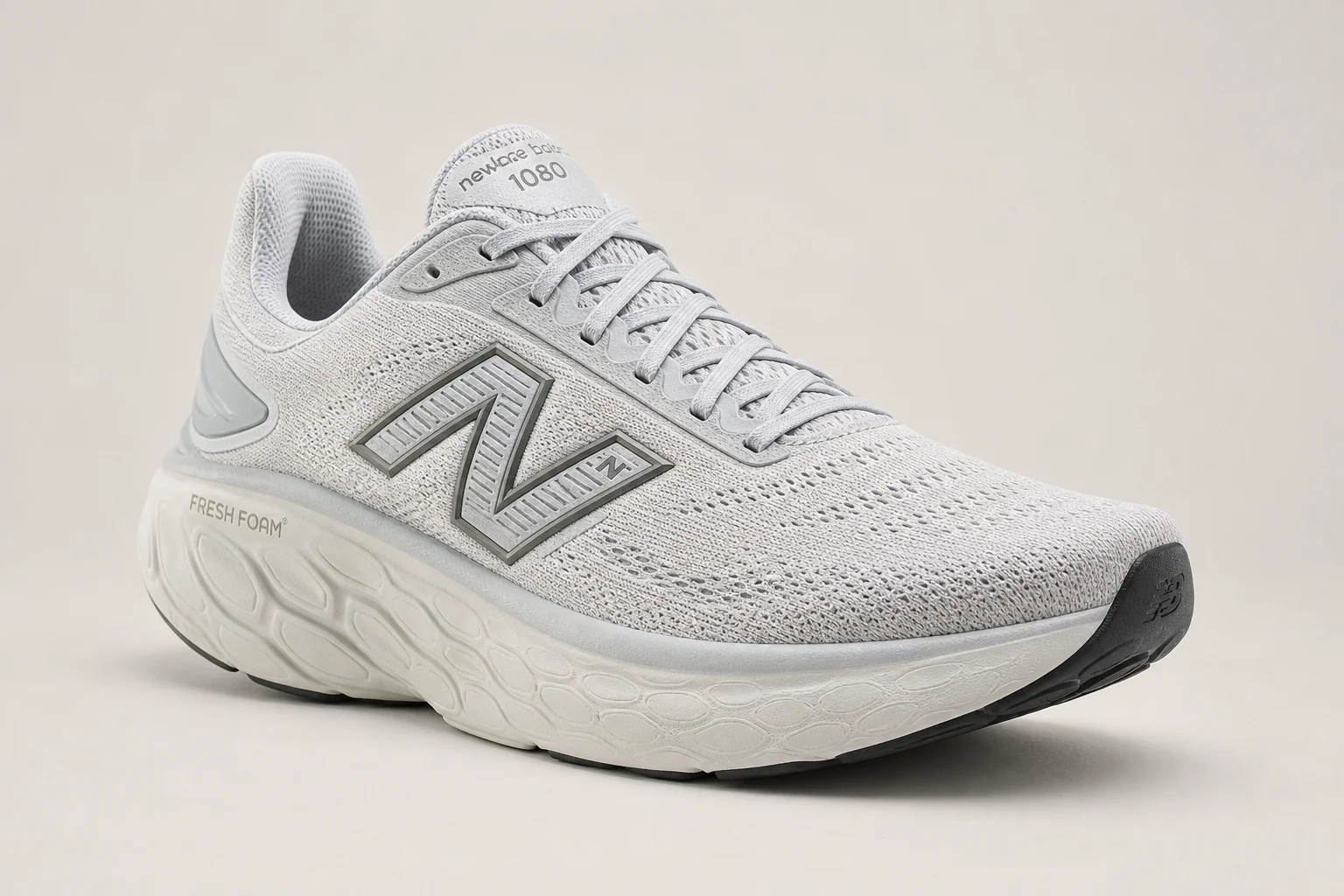
The 1080 has long been the flagship trainer of the line, and the v12 is positioned as the shoe that best represents the signature Fresh Foam ride. It keeps a similar stack height to its predecessor at 27mm in the heel with an 8mm drop, but the midsole geometry is reworked with cushioning and flexibility zones, including a donut-shaped heel curvature and flex grooves in the forefoot, for a smooth heel-to-toe transition.
Weight comes in just under 10 ounces, roughly in line with previous versions. The upper moves from a low flex knit to a high flex knit, which adds dynamic stretch and a more comfortable step-in feel. One long-running complaint is also addressed: the Ultra Heel is gone, replaced with a more traditional heel construction that keeps the higher, protective Achilles shape of the v10 and v11 without the low molded fit points that bothered some runners.
At $160, this is the premium option in the family. If you prefer a knit upper over mesh and want the most refined underfoot experience in the line, this is the one to look at.
New Balance Fresh Foam X 880 v12: The Everyday Workhorse
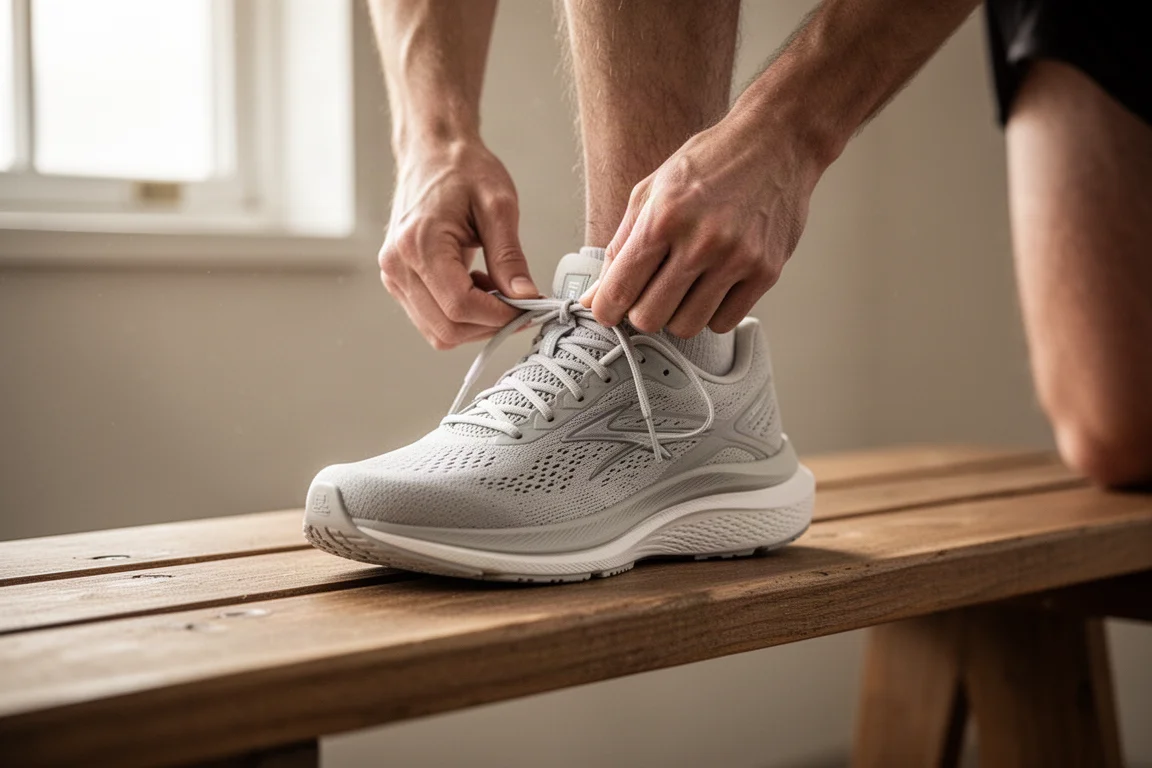
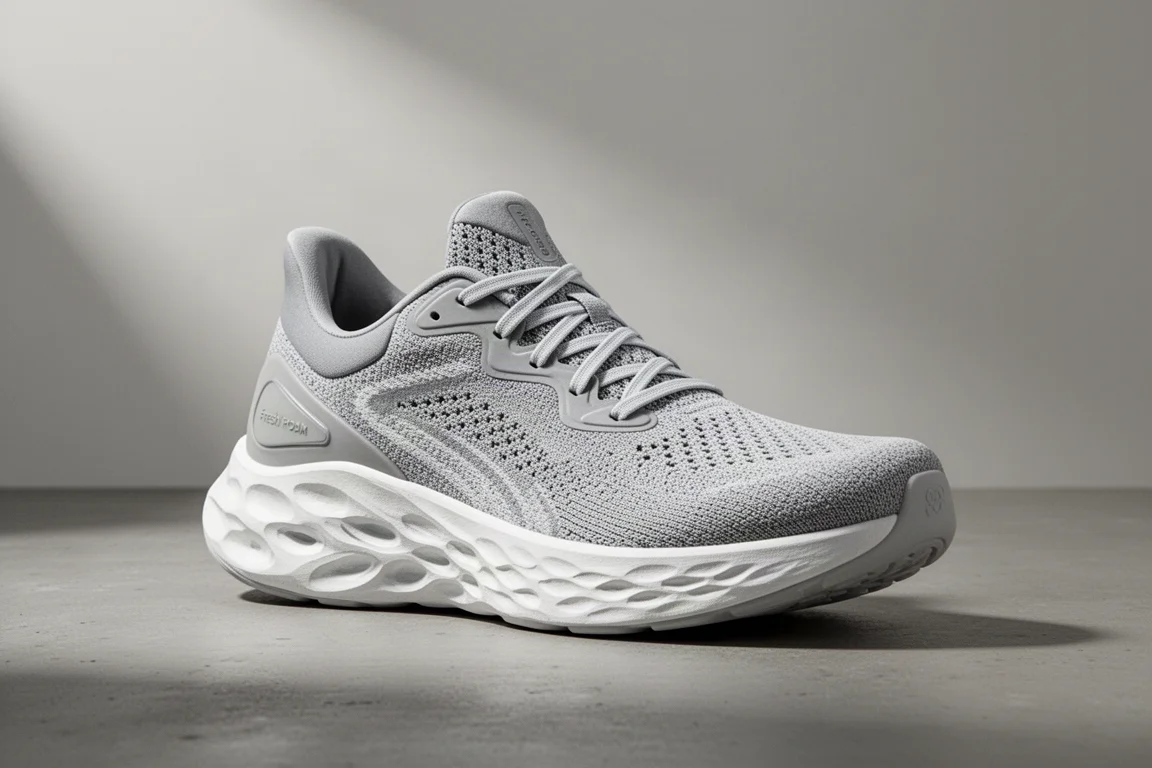
The 880 series has always used a dual-layer midsole setup, and the v12 reimagines that formula rather than replacing it. A softer Fresh Foam compound runs through the heel and top bed for a softer step-in feel, while the denser bottom layer from midfoot to forefoot is built for more energetic toe-offs. The forefoot uses an EVA blend rather than full Fresh Foam.
This is the balanced everyday trainer of the group, and the one to consider if you are just getting into running or need a shoe that can handle five days a week of everything. It sits lower in stack than the 1080 or More, but carries more outsole rubber coverage than most of the others, which should also help durability. At $130 it undercuts the 1080 while sharing the same 8mm drop, making it the sensible starting point before you learn what you actually want out of a shoe.
New Balance Fresh Foam Hierro v7: The Trail 1080
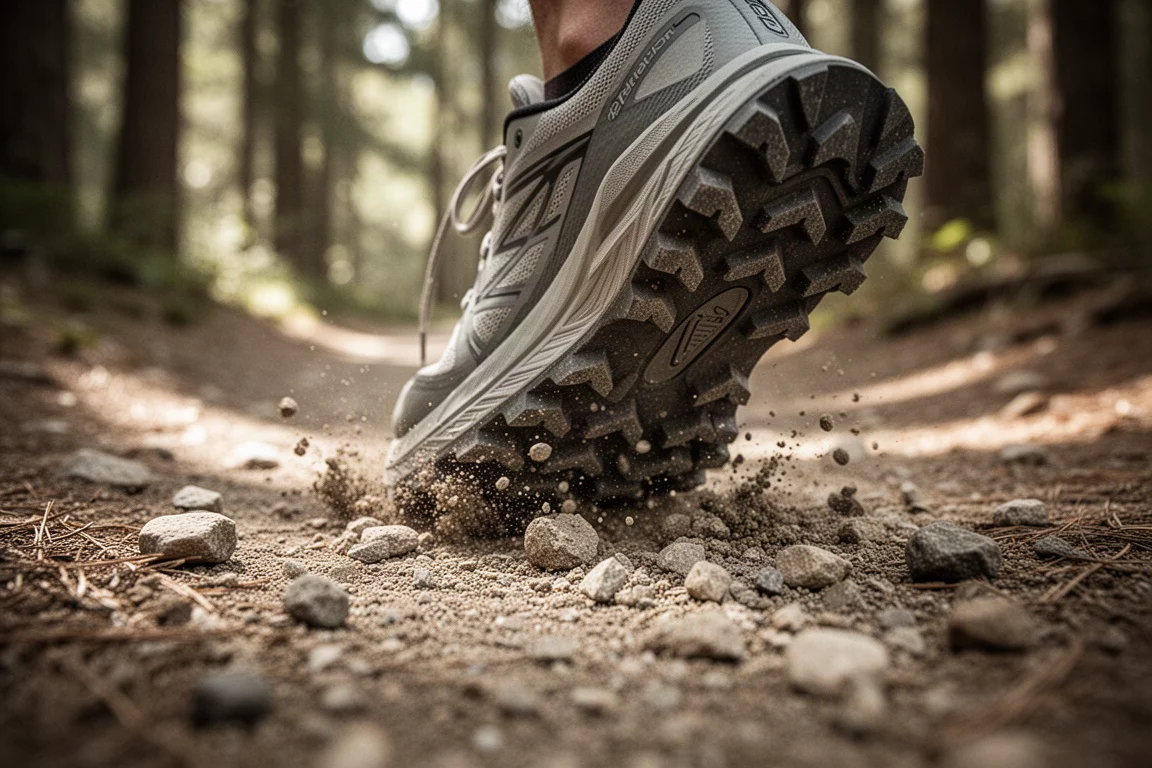
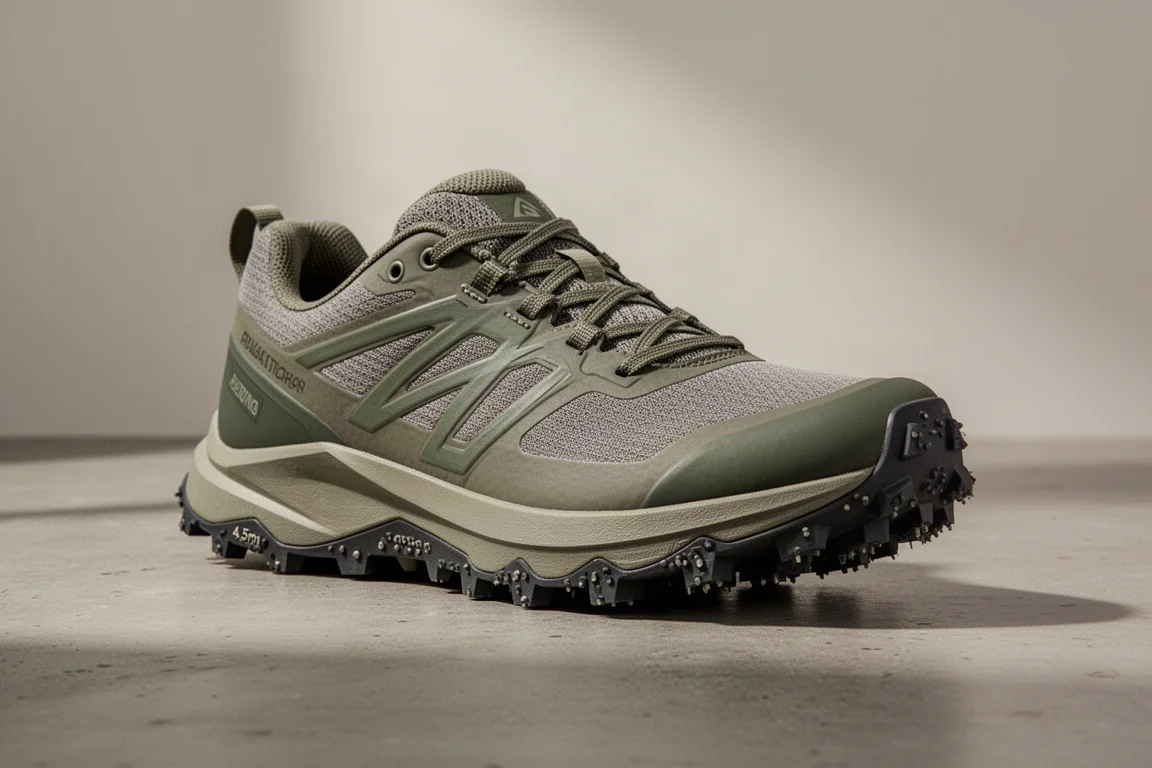
If the 1080 is the signature road ride, the Hierro v7 is that same soft, smooth Fresh Foam experience translated to the trail. The headline update is the Vibram MegaGrip outsole, which has a noticeably tacky, grippy feel straight out of the box.
Weight was a major focus. Previous versions had some heft to them, so the v7 uses a new upper and midsole package to cut weight, and the outsole sheds roughly 20% of the lugs compared to its predecessor without giving up traction. Lug height actually increases from 3.5mm to 4.5mm, and small micro-traction nubs along the leading edges add extra grip in soft ground and gravel.
At $135 with an unchanged 8mm drop, it is a strong value for a trail shoe with this much rubber, and a natural pick for 1080 fans who want grip underfoot.
New Balance Fresh Foam X More v4: Max Cushion, Reimagined
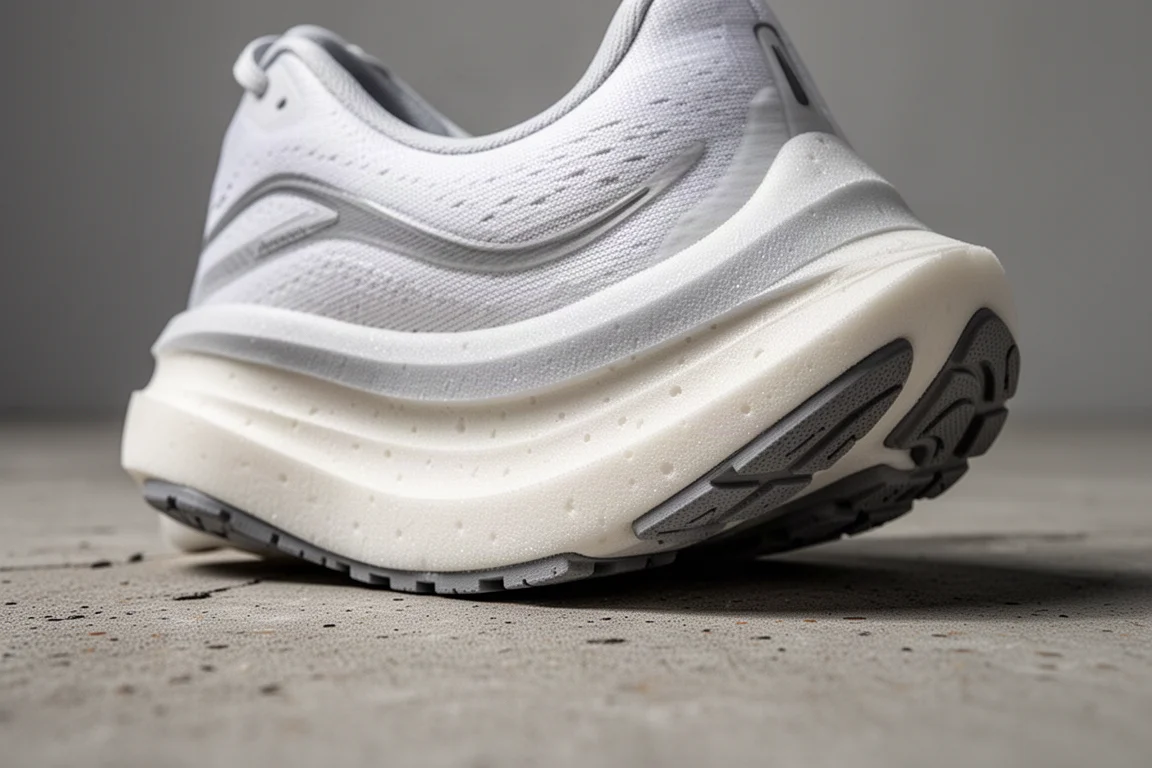
The More v4 is the most visually striking shoe in the group, with sculpted midsole shaping and the highest stack heights New Balance has ever built into a Fresh Foam shoe, plus one additional millimeter of centerline stack over the v3. It also uses the softest Fresh Foam compound in the lineup, and it is lighter than the previous version despite the extra stack.
The predecessor was a favorite as an easy-on-the-legs recovery shoe, and this version adds more energy return, so it can pick up the pace on days when you want a little tempo work in a max-cushion platform. It is set to release around September or October 2022, and it is one of the most anticipated updates in the family.
New Balance Fresh Foam 860 v12: Stability With a Softer Step-In
The 860 is the stability-minded cousin of the 880, built for runners who pronate a bit more than others. It inherits the same goal as the 880 v12: a softer Fresh Foam compound underfoot at impact with an energetic feel, which represents a larger departure from previous 860 versions.
Stability comes from two places. The dual-density medial post is still there, but it is shaped more naturally rather than plugged straight under the arch, so it feels less intrusive during the try-on and in the gait cycle. Midsole geometry adds a lateral flare through the heel that biases inward, creating inherent stability without stacking more dense foam under the arch. It retails at $135 and lands in September or October 2022.

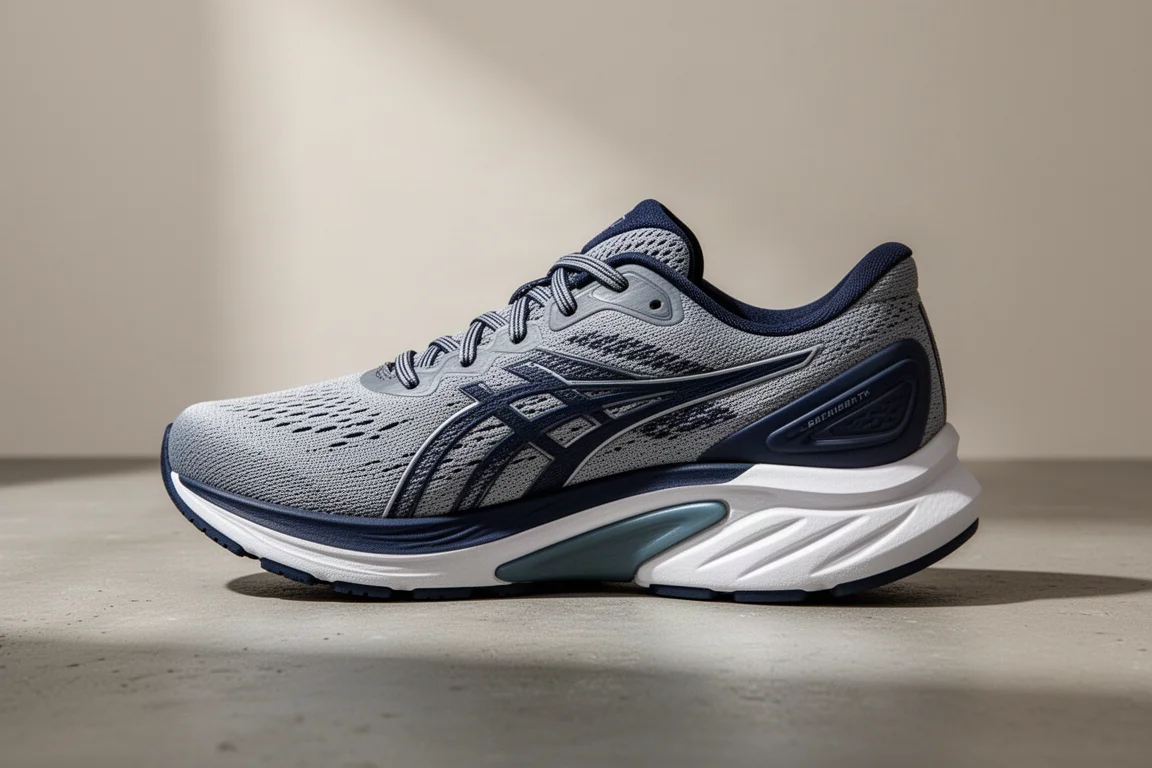
New Balance Fresh Foam Hierro Mid: A Sporty Trail Boot
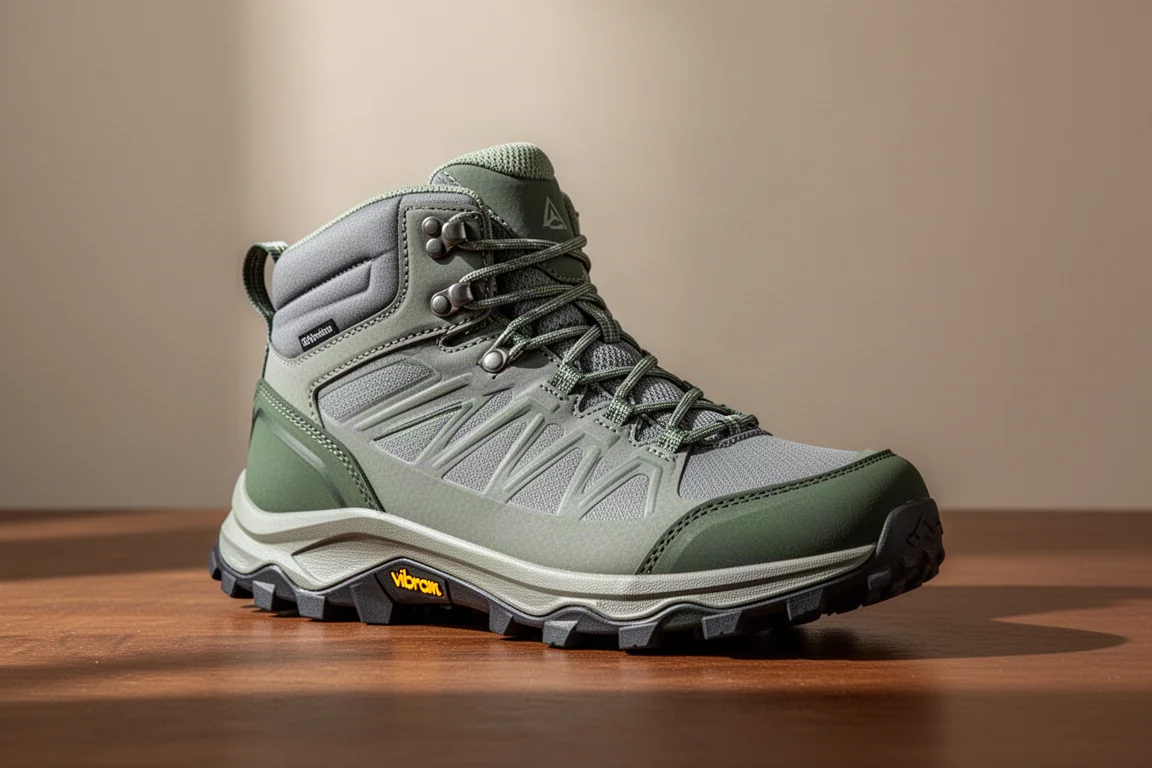
The Hierro Mid takes the Hierro’s outsole and midsole formula and wraps it in a brand-new mid-cut upper with a bit of ankle support. It is aimed at today’s hikers, who want performance running benefits rather than a traditional heavy leather boot: sporty, lightweight, and quick to move in.
Because it carries the Vibram outsole and Fresh Foam midsole, you get real trail grip with a comfortable feel underfoot, and there is no reason you could not jog in it. It suits light hikes, performance hikes, and mixed run-hike days, such as run-jogging up and down a mountain trail.
Which One Should You Buy?
A simple way to choose: start with the 880 v12 if you want one affordable shoe for all-purpose daily running, and step up to the 1080 v12 if cushioning, upper comfort, and that signature Fresh Foam ride matter more than price. Runners needing stability should look at the 860 v12, while max-cushion fans waiting on the More v4 should expect the softest, tallest ride in the family. Off the road, the Hierro v7 covers trail running and the Hierro Mid handles hiking with a running-shoe feel.
Conclusion
The Fresh Foam line is now clearly tiered rather than overlapping: a premium knit daily trainer, a workhorse trainer, a soft stability option, a max-cushion update, and two trail entries. Matching the shoe to your weekly mileage and surfaces is the easy part, because each model now has a distinct identity of its own.
Further reading
Related Reviews

Running Shoes
Best Road-to-Trail Running Shoes: Three Versatile Options for Mixed Terrain
A practical guide to three road-to-trail running shoes that handle both pavement and mild trails, with clear strengths and trade-offs for different runner types.

Running Shoes
Best Running Shoes for Achilles Tendonitis: Three Options Explained
Three running shoes with different heel drops and support features designed to help reduce Achilles tendon pain during walking and running.

Running Shoes
Best Running Shoes for Women: Five Top Choices Ranked
A ranked guide to five women's running shoes, from versatile daily trainers to high-performance racing options, with real strengths and trade-offs for each.