Backpacking Food
Best New Backpacking Meals: Eight Trail-Ready Options Ranked
Eight new backpacking meals assessed for rehydration, flavor, calories and prep effort, then ranked from favorite to least favorite.
Introduction
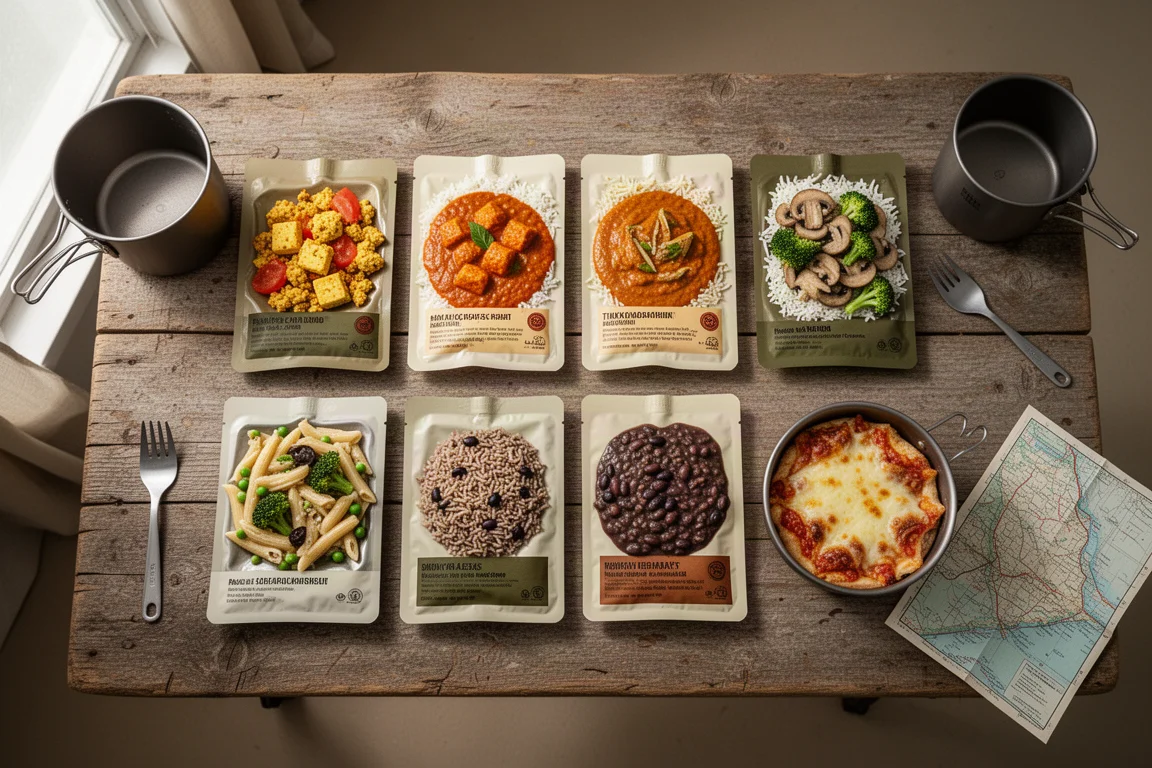
Backpacking meals have quietly become one of the most competitive corners of outdoor food. The new arrivals include Indian vegetarian dishes, a fully vegan stew, a powdered complete meal mixed with cold water, and the first new Mountain House recipe in ten years. All eight meals below were prepared exactly as directed and assessed side by side for rehydration, texture, flavor, spice, calories, protein and prep effort, then ranked from favorite to least favorite.
They fall into three practical groups: cook-in-the-bag meals, pot-cooked meals, and a single no-cook shake. That split matters more than any individual flavor note, because pot meals demand a stove that can genuinely simmer and a pot worth cleaning at the end of a long day.
How These Backpacking Meals Were Evaluated
Four of the eight cook in the bag: add boiling water, stir, wait a few minutes. Two require a pot and three to four minutes of simmering over a low flame. One mixes with room-temperature water and needs no stove at all. Preparation method, rehydration quality, flavor depth, spice level, calorie density and price all fed into the final order.
Ranking weighed taste first, then calories and protein per bag, then the likelihood of a meal earning space in a pack on a real trip. A 385-calorie pouch and an 860-calorie pouch take up nearly the same room in a bear canister, but they do very different jobs.
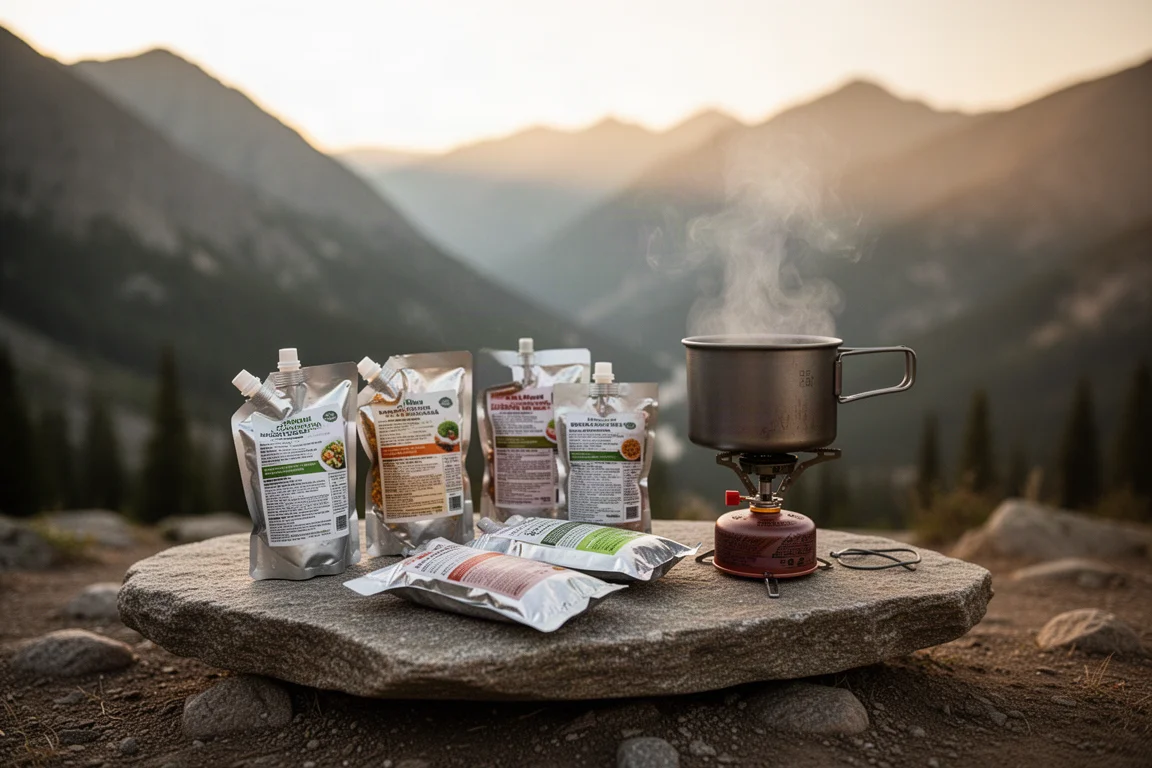
Rehydration is where backpacking meals are usually won or lost. Dry pockets, chalky sauces and rubbery proteins are common complaints, and the meals here largely avoid all three.
Good Detour Paneer Scramble
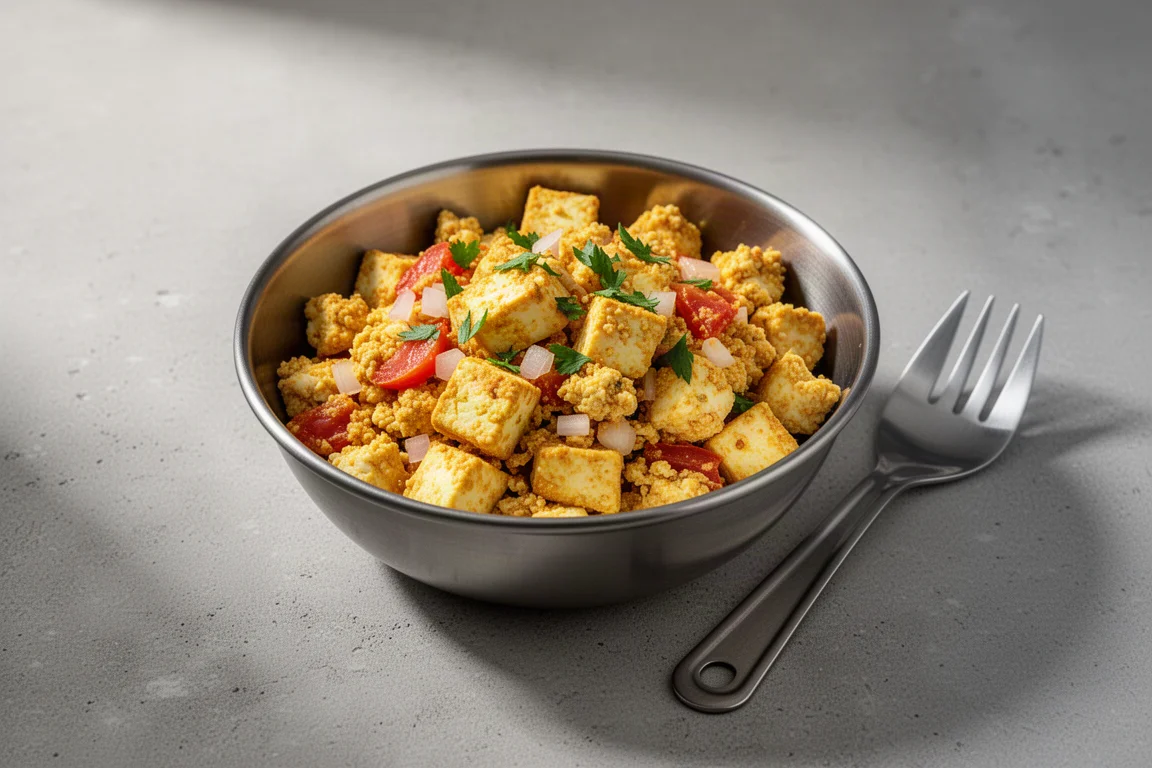
Good Detour is a new brand built entirely around Indian vegetarian food, and its paneer scramble takes the top spot. Each bag delivers 457 calories and 20 grams of protein, rehydrates in about five minutes, and counts as one full serving. The packaging artwork is inspired by the folk painting tradition of South Gujarat, where the founders are from.
It tastes like takeout from a favorite Indian restaurant. Tomato and onion come through clearly, the texture lands close to a savory grits, and there are no dry pockets. Spice sits around three out of five, which will feel genuinely hot for anyone with a low tolerance. This is the meal most likely to make someone forget it came out of a bag.
Bowl & Kettle Chicken Tikka Masala
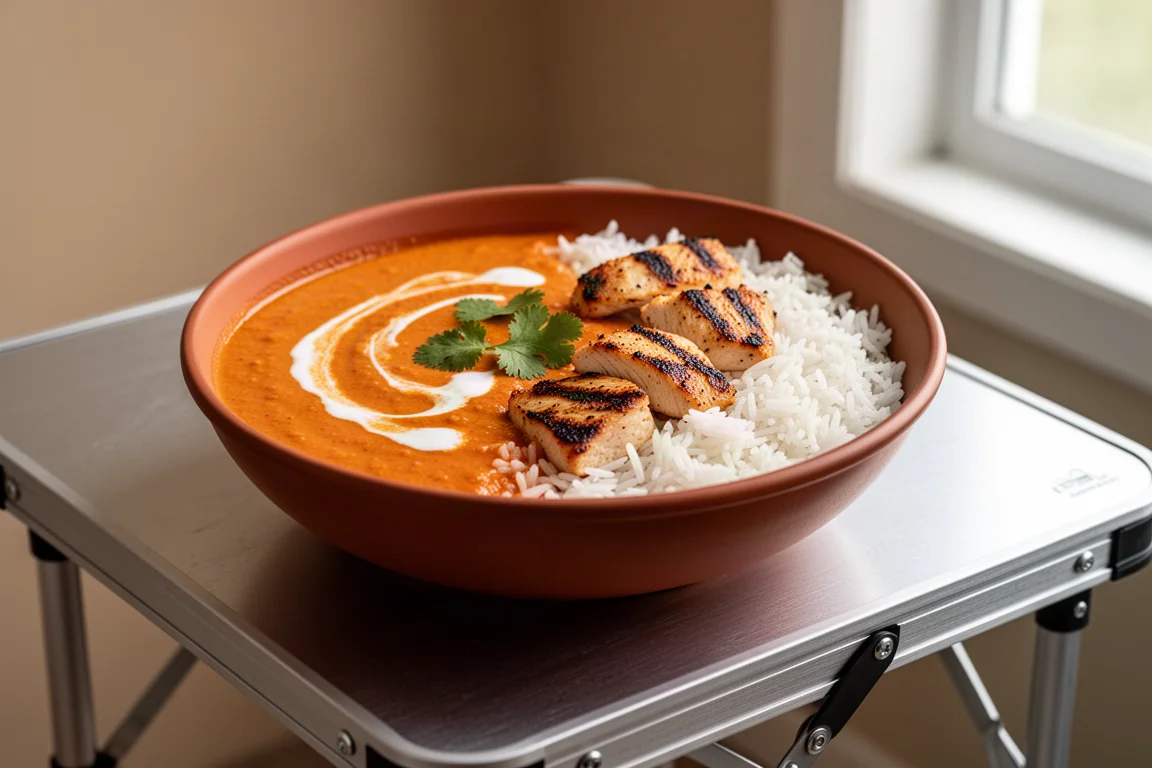
Bowl & Kettle’s chicken tikka masala is the heavyweight of the lineup at 860 calories and 47 grams of protein, and at $17 it is also the priciest bag here. It ships with a separate cilantro packet, easy to leave out for anyone in the cilantro-tastes-like-soap camp.
The chicken is the highlight. It rehydrates cleanly and carries a faint char that reads as tandoori, which is rare in a dehydrated meal. The sauce is mild with essentially no heat, and the basmati holds its shape. It is less layered than the paneer scramble, but it grew more appealing with each bite, and the calorie and protein numbers are hard to argue with on a big day.
Ponco Coconut Chickpea Stew
Ponco’s coconut chickpea stew is fully vegan and plant based, and it is the lightest meal here at 390 calories and just 6 grams of protein for $12. It also rehydrates closer to a soup than a stew, so measuring the water carefully makes a real difference.
Flavor is where it falls short. The coconut and chickpea notes stay in the background and the overall result is mild and slightly underwhelming, though nothing about it tastes off. Anyone who wants a bold plant-based dinner should plan on adding their own heat or pairing it with something with more character.
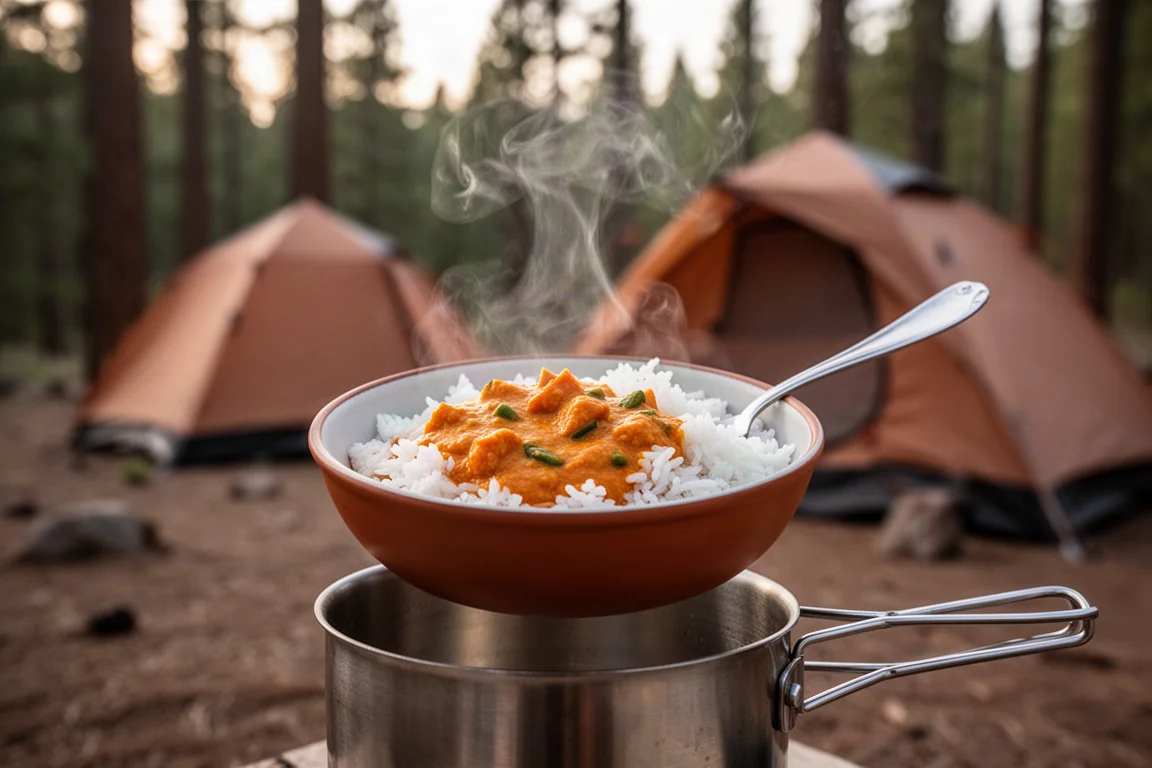
Texture is pleasant and the stew goes down easily, which makes it a reasonable light lunch rather than a full dinner on a hard day. Adding a tortilla or a handful of nuts would close much of the calorie gap.

Yum Pouch Decadent Shroom and Roux Pasta
Yum Pouch’s shroom and roux pasta is vegetarian and one of the most convincing dishes in the group: 410 calories, 22 grams of protein and $15 per pouch. The rosemary-accented white wine cream sauce carries the mushroom and broccoli notes well, and the pouch is high in fiber.
Rehydration is close to perfect, with no standing water left in the bag and no dry pasta. Broccoli, peas and generous slices of mushroom survive the process intact, and the sauce stays creamy rather than grainy. The texture reads like freshly cooked food, which is about the highest compliment a dehydrated meal can earn.
WreckPac One Complete Meal Coffee Flavor
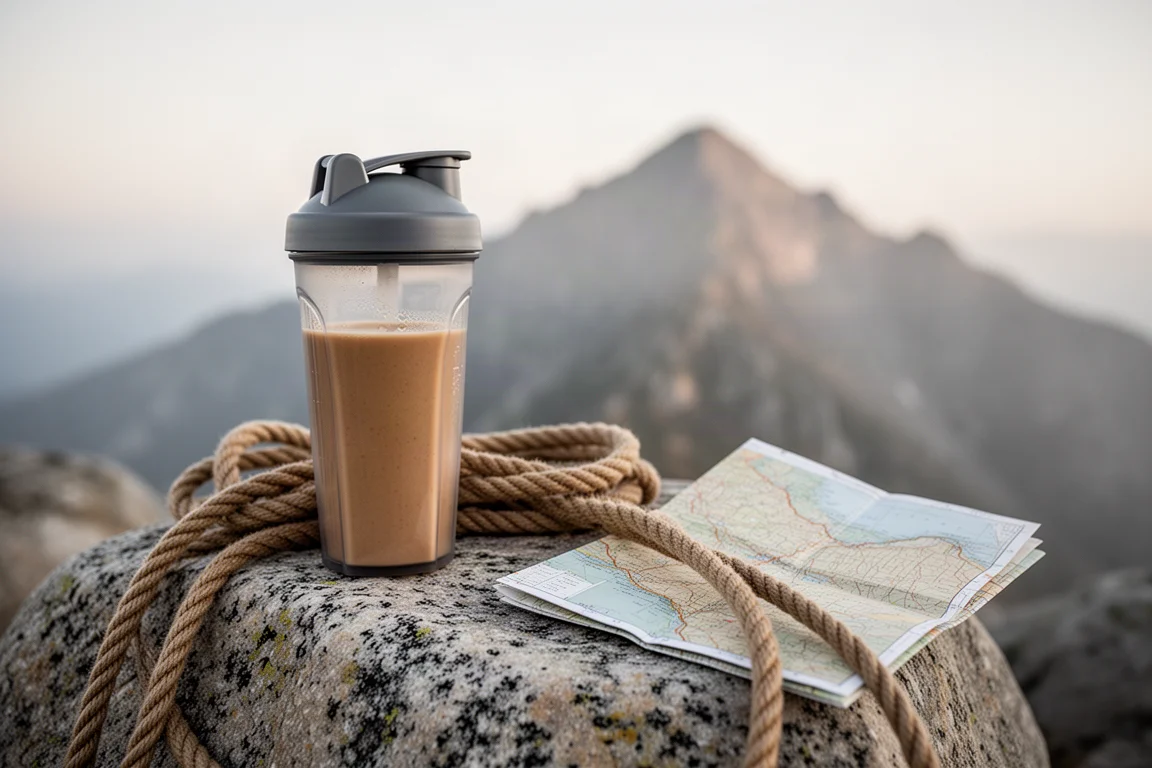
WreckPac takes a different approach entirely. Its One Complete Meal is a powder rather than a pouch of rehydrated food, with 700 calories and 42 grams of protein for $13. Add roughly 12 ounces of room-temperature water, shake, and let it settle for a few minutes. No stove, no pot, no cleanup.
The company was founded by two brothers, one a veteran and one a first responder, and the product is designed as a high-calorie ultralight meal replacement for strenuous activity. The ingredient list runs from whole oat flour and whey protein isolate to pea protein, collagen peptides, flax, casein and a vitamin and mineral blend, with caffeine in the coffee version. It tastes like a coffee milkshake rather than chalk, though the texture stays slightly chunky unless it is allowed to rest. Consumption windows are a few hours in hot weather, two days in moderate weather, and up to four days in cold weather. Chocolate and vanilla chai versions exist as well.
RightOnTrek Bechamel Style Mac and Cheese
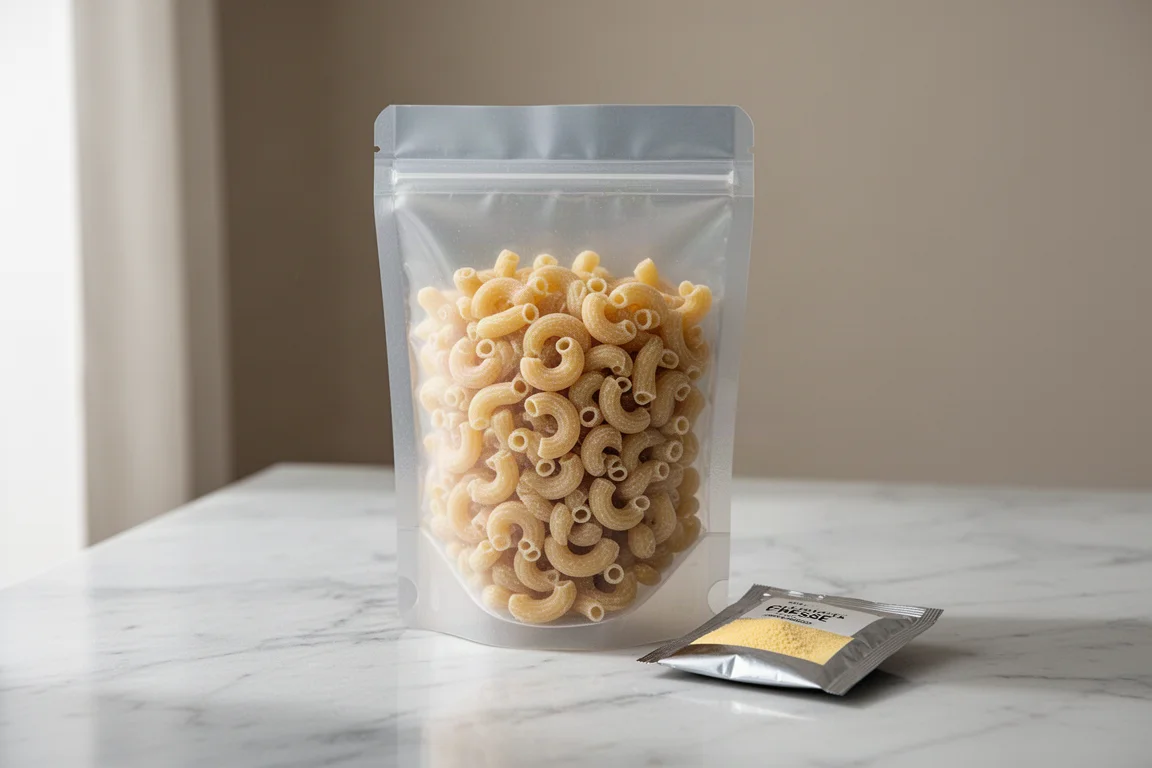
RightOnTrek’s bechamel style mac and cheese needs a pot: boil about eight ounces of water, add the elbow pasta, boil for four minutes, turn off the stove, then stir in the cheese powder and herbs without draining. It lands at 540 calories and 22 grams of protein for $10, making it one of the better values here.
The result is creamy and properly cheesy rather than watered down, and it ranks among the better backpacking mac and cheeses around. It is hearty and comforting in exactly the way a cold evening calls for. The trade-offs are practical: it needs a stove that can hold a low simmer, and it leaves a pot to clean.
A pot-based meal also means carrying fuel for a four-minute boil, which is worth factoring into a trip plan. For anyone already cooking dinners in a pot, the extra effort is minimal.
Yumbini Smoky Chipotle Black Beans and Rice
Yumbini’s smoky chipotle black beans and rice is the value pick at $5 per pouch, roughly half the price of the mac and cheese and about a third of the most expensive meals here. It carries 385 calories and 15 grams of protein, and the pouch includes a fill line marking the three-quarter cup of cold water needed.
Preparation is simple: empty the pouch into a pot, add the water, bring it to a boil, take it off the heat, and wait three minutes. The chipotle and onion come through strongly, the spice level is genuinely hot, and the rice and beans rehydrate cleanly with the liquid fully absorbed after a stir. At 385 calories it works best as a base rather than a full dinner, and it is clearly built to be eaten with something else. A tortilla, a few chips, a squeeze of lime or a carried-in avocado turns it into a substantial meal.

Mountain House Cheesy Pepperoni Pizza Bowl
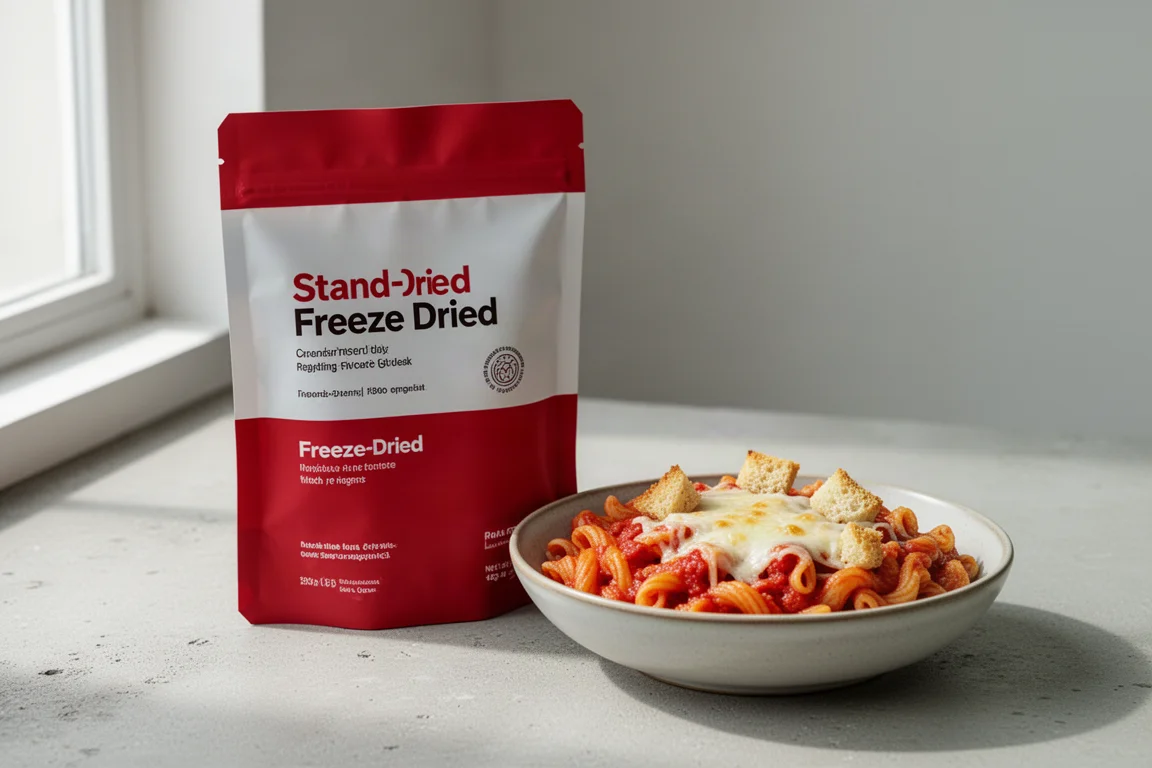
The Mountain House cheesy pepperoni pizza bowl is the first new recipe from the brand in ten years, and it is the most novel thing in this group: 740 calories, 28 grams of protein, about $10, and a nine-minute wait after adding 11 ounces of boiling water.
It is a strange and enjoyable dish. Chunks of pizza crust rehydrate into something close to biscuit dough, the sauce brings a clear tomato note, and the cheese is abundant. The closest comparison is biscuits and gravy where the biscuits are pizza dough and the gravy is pizza sauce and cheese. Pepperoni is scarce for a meal with pepperoni in the name, and the meat pieces read more like sausage. As a comforting, high-calorie dinner on a cold trip, it works.
Buying Advice: Matching a Meal to Your Trip
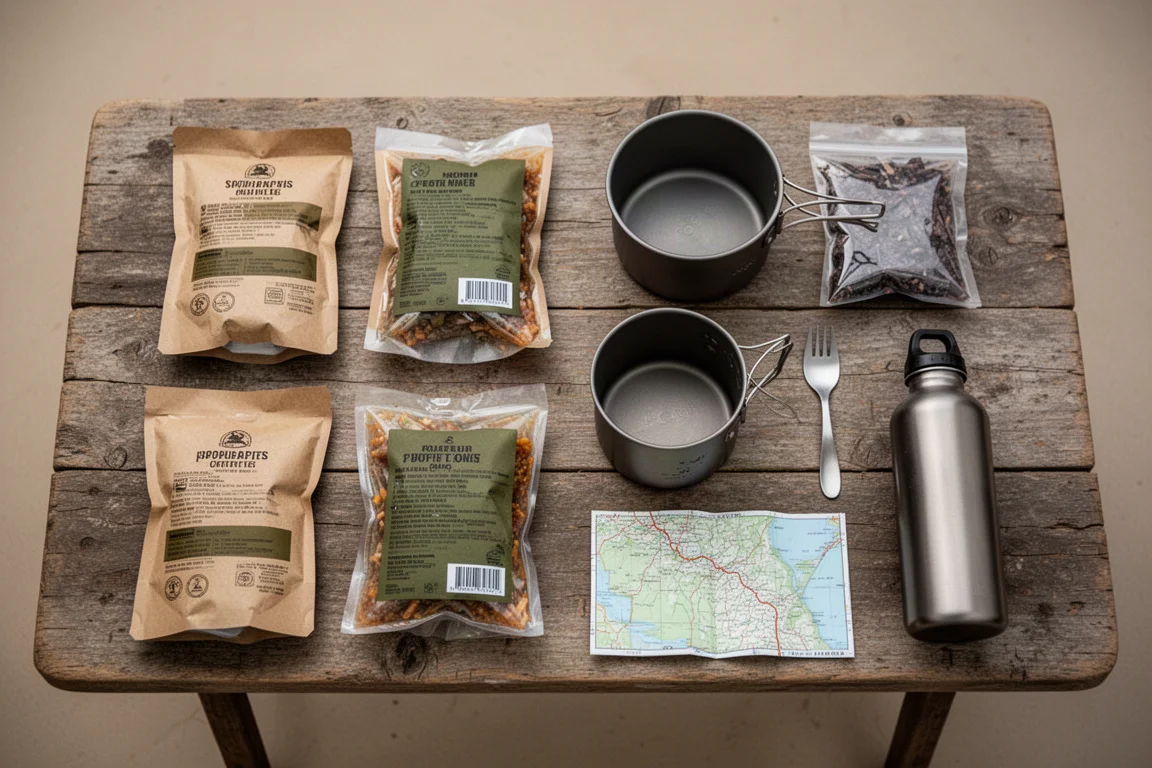
The right meal depends less on flavor rankings than on how the day is shaped. Cook-in-the-bag meals suit anyone who wants one pot of boiled water, a spoon and nothing to wash. Pot-cooked meals cost less per calorie and deliver a heartier plate, but they require a stove with a real simmer setting and a willingness to scrub a pot afterward.
Calorie density matters on long or cold days. Bags in the 700 to 860 calorie range, like the chicken tikka masala and the pizza bowl, can carry a dinner on their own. Lighter pouches in the 385 to 410 calorie range are better as part of a larger meal, which is why the beans and rice rewards a tortilla, chips or an avocado.
The powdered complete meal is a category of its own. It is the only option here that needs no stove and can be sipped while walking, which makes it a strong fit for cold-weather trips and long days of continuous effort. For anyone who dislikes cleaning cookware on trail, that alone can be decisive.
Spice tolerance is worth checking before ordering. Two of these meals carry real heat, and a mild dish is far easier to fix with a packet of chili flakes than a hot one is to tame.
Conclusion
The strongest bag in this group is Good Detour’s paneer scramble, a genuinely restaurant-quality dish that happens to rehydrate in five minutes. Bowl & Kettle’s chicken tikka masala finishes close behind on the strength of its cleanly rehydrated chicken and its 860 calories. Yum Pouch’s shroom and roux pasta and RightOnTrek’s mac and cheese both deliver convincing, comforting textures, while Yumbini’s beans and rice offers the best value per pouch and the most flexibility. WreckPac covers the no-stove case, and Mountain House’s pizza bowl is the one to pack when comfort beats authenticity.
Pick by trip type first and flavor second, and the bag that fits the day will almost always taste better at camp.
Further reading
Related Reviews
Backpacking Food
Best Backpacking Food for Thru-Hikes: 7 Options That Stay Appetizing
Seven trail-tested foods that hold their appeal over a long thru-hike, from calorie-dense breakfasts and easy snacks to cold-soak lunches and electrolyte drink mixes.
Backpacking Food
Weird Backpacking Food Worth Trying: 11 Trail Snacks and Meals That Earn Their Weight
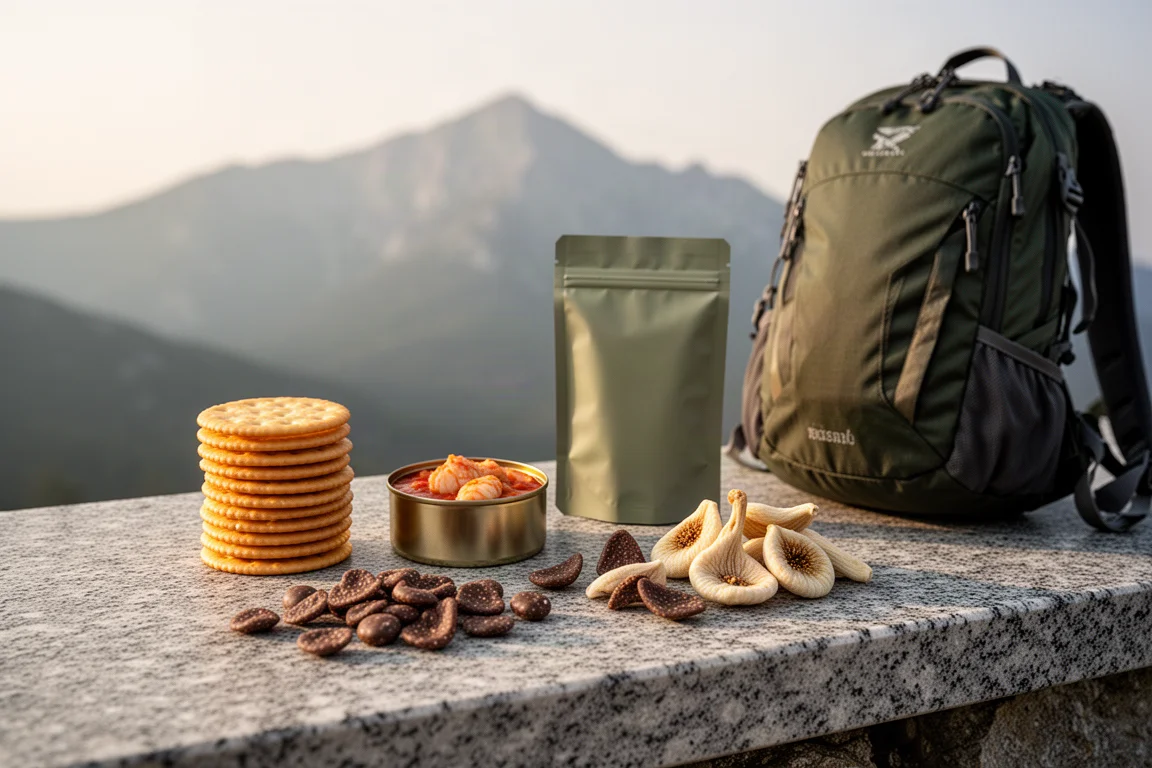
Eleven unusual backpacking foods, from tinned spicy mussels and fermented crackers to chocolate-covered banana chips, judged on weight, calories, prep time and flavor.
Backpacking Food
Backpacker's Pantry Dehydrated Meals: 13 Backpacking Dinners Compared
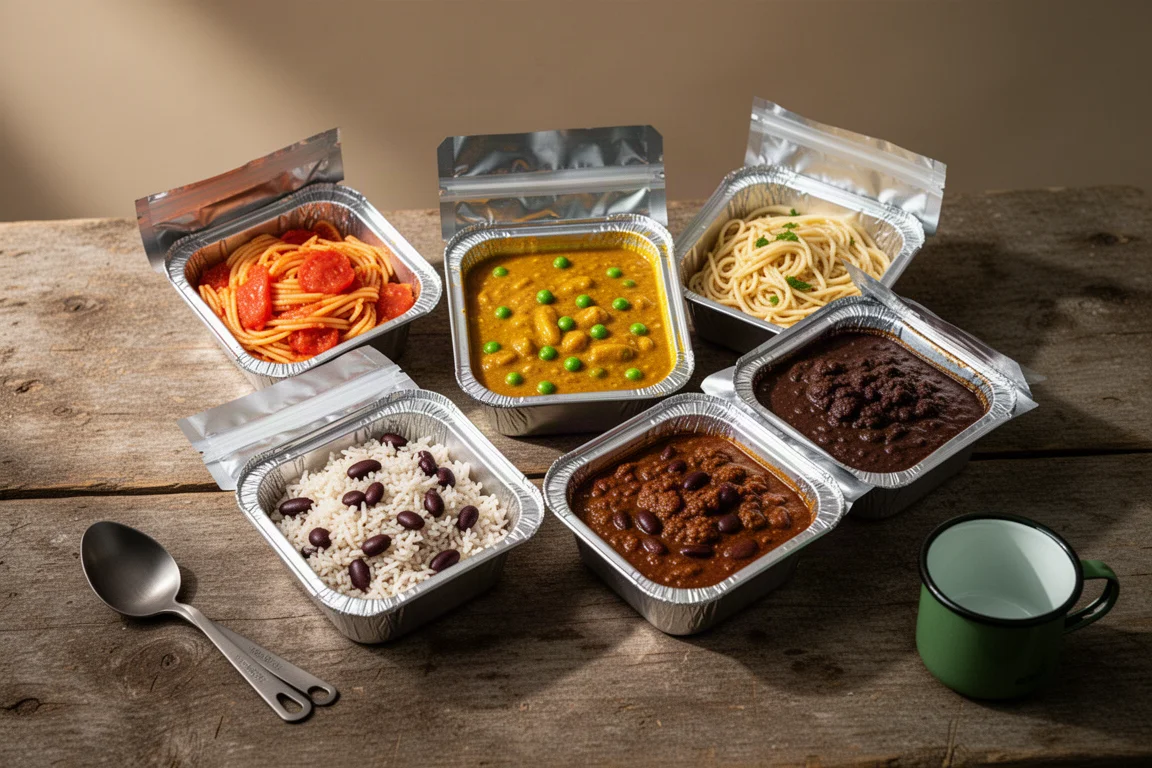
Thirteen Backpacker's Pantry dehydrated meals compared on flavor, texture, portion size, and variety, with clear picks for different trip styles.