Running Shoes
Neutral Daily Trainer Showdown: Five Road Running Shoes Compared
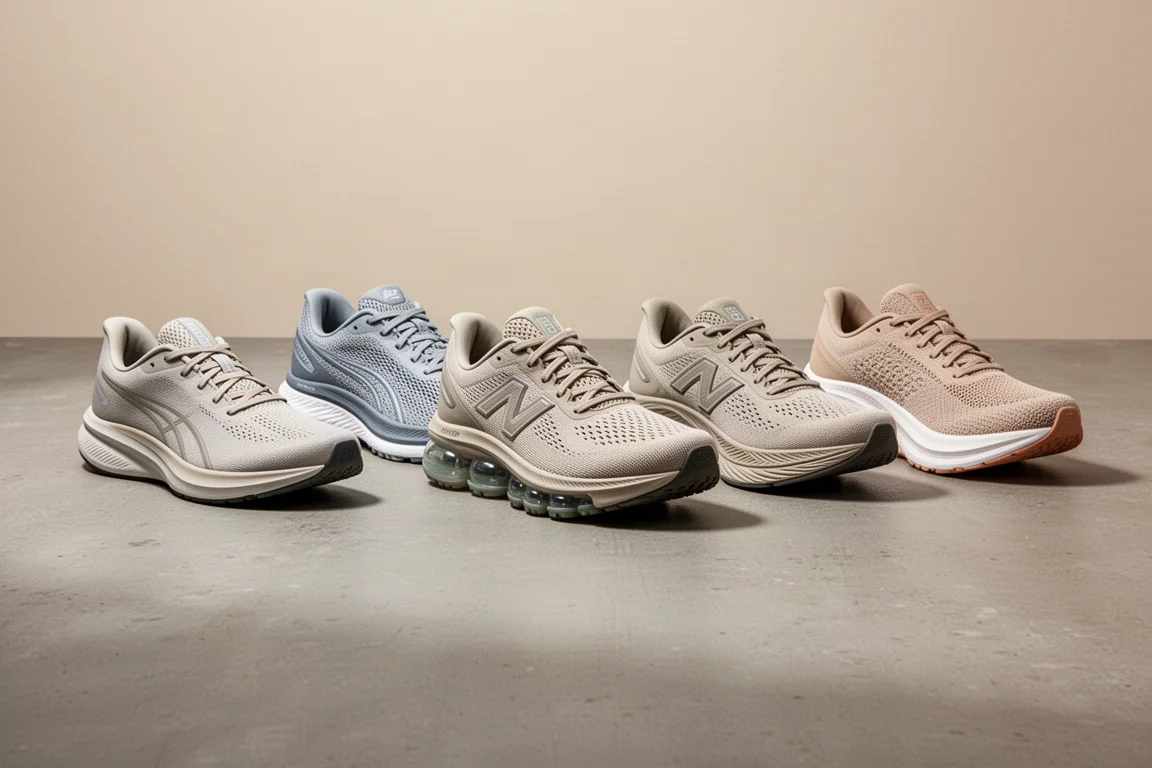
Five neutral daily trainers tested head to head: Saucony Ride 15, Reebok Floatride Energy 4, Nike Pegasus 39, Salomon Glide Max and Asics Gel-Cumulus 24.
Introduction
Neutral daily trainers are the workhorses of any running shoe rotation. They soak up the steady weekly miles, handle easy runs and quicker tempos alike, and rarely get the spotlight despite doing most of the work. We pulled together five of the strongest options into one head-to-head comparison: the Saucony Ride 15, Reebok Floatride Energy 4, Nike Pegasus 39, Salomon Glide Max and Asics Gel-Cumulus 24. All five are neutral in structure, all are built as daily trainers, and each scored on price, comfort and performance, and durability.
Saucony Ride 15
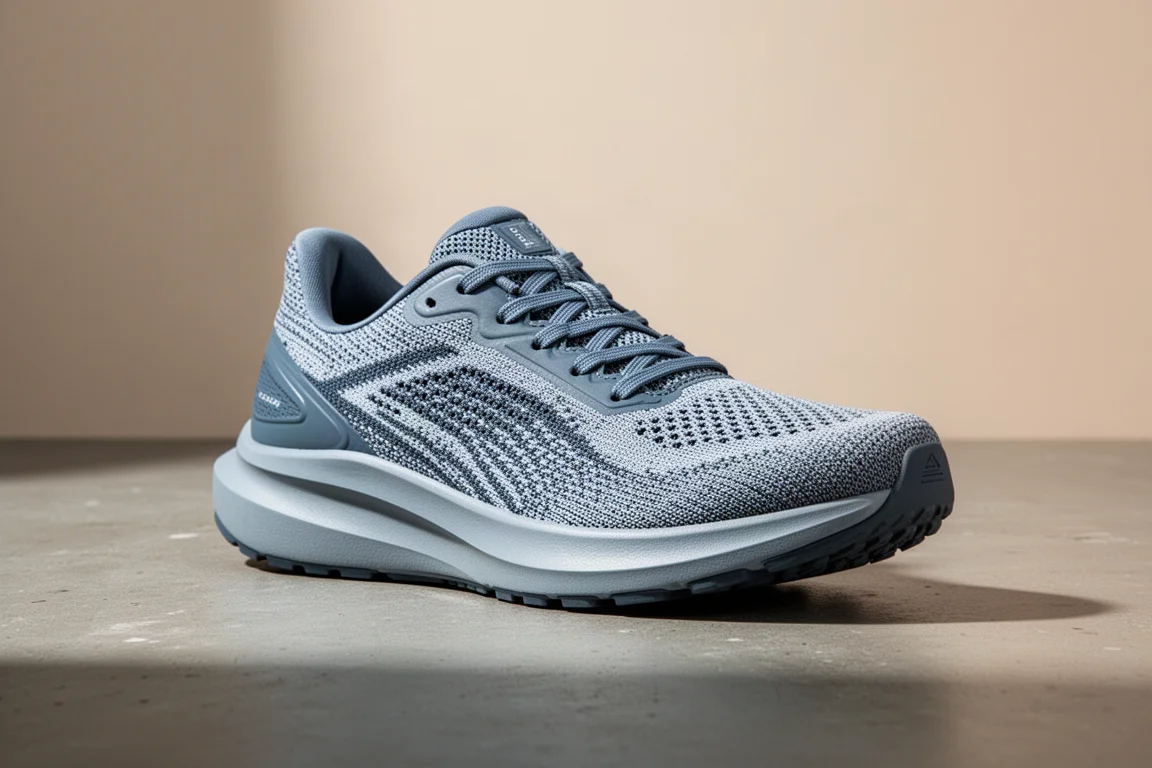
The Ride 15 retails in the UK for 130 pounds and comes in at a pretty light 266 grams in a UK 9.5, with an 8mm offset (35mm heel, 27mm forefoot). Compared with the Ride 14 this is essentially a brand new shoe from the ground up. Saucony used a softer blend of its PWRRUN compound, its lightest and highest energy returning daily-trainer foam to date, plus a bouncy PWRRUN+ sock liner. The reworked midsole geometry adds more forefoot flex for a smoother transition, and the new engineered mesh upper with FormFit technology and a reworked lacing system gives a plush, personalised midfoot lockdown.
It is a genuinely versatile daily trainer that can handle longer slower runs and still spring to life on quicker sessions. Seen online for under 90 pounds, it is brilliant value for such an adaptable shoe.
Reebok Floatride Energy 4
The Floatride Energy 4 retails for 75 pounds, though discount codes have brought it down to a remarkable 56 pounds. It weighs 268 grams in a men’s UK 9.5 with a 9mm heel offset, and at least 30 percent of the shoe is made from recycled or repurposed materials, a nice touch at this price. The full Floatride Energy foam midsole delivers a cushioned but responsive ride, the carbon rubber outsole should offer good traction and durability, and the lightweight, nearly translucent upper is highly breathable with a sturdy heel cup and padded ankle collar.
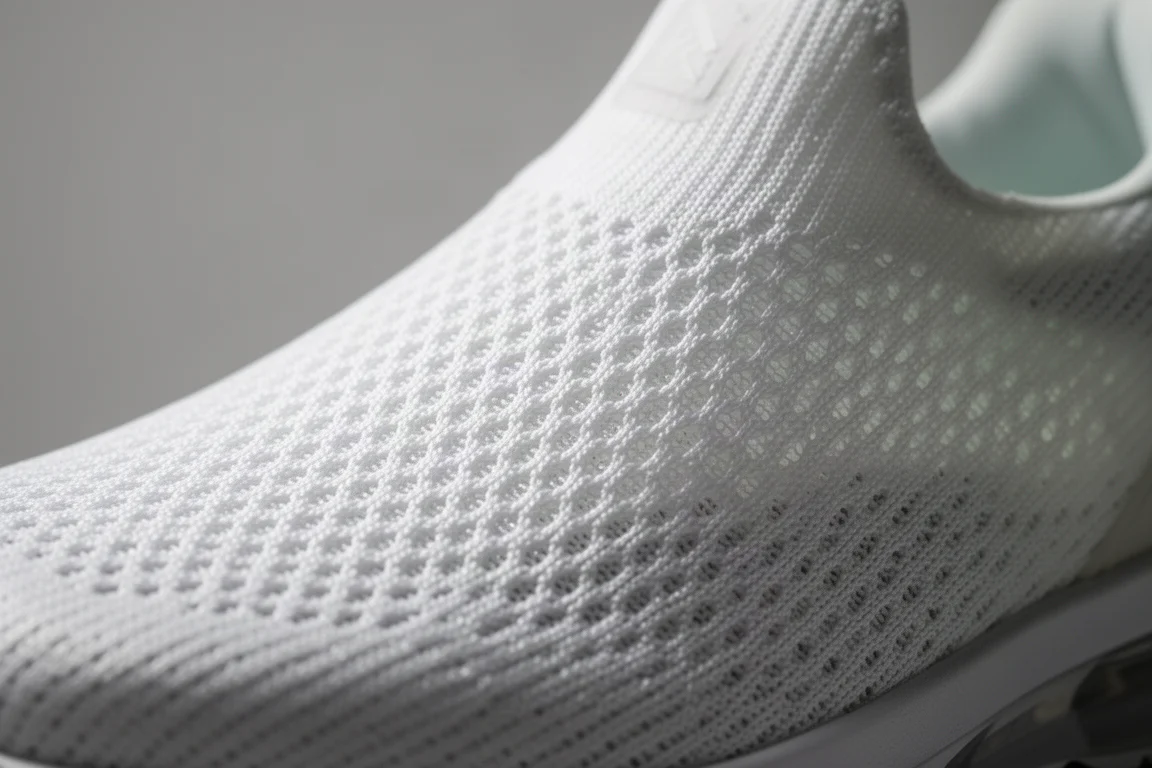
The main caveat is fit: the upper felt a little sloppy with limited structure around the midfoot, which caused some side-to-side slippage for a narrower foot shape, and the midsole felt flatter than the others on test. On pure value, though, it is hard to beat.
Nike Pegasus 39
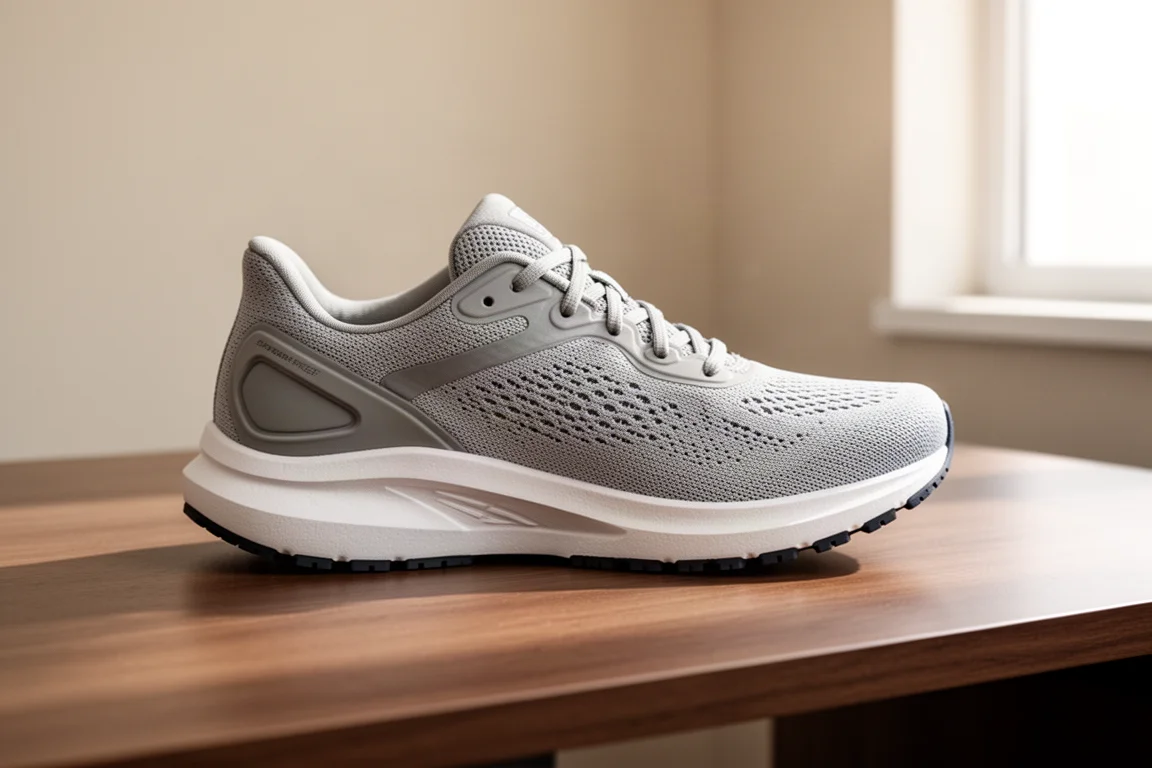
The Pegasus 39 is a daily trainer steeped in history, retailing for 110 pounds in the UK and often seen online for under 70 pounds. At 280 grams in a UK 9.5 it is one of the heavier shoes here, though noticeably lighter than the Pegasus 38. Nike does not publish stack height or offset details, but the shoe uses a full React midsole paired with two Zoom Air units, one under the forefoot and one under the heel, for an energised feel at toe-off and a smooth heel-to-toe transition.
The reworked engineered mesh is stronger and more flexible, and Flywire technology integrates with the lacing for an improved, locked-in midfoot fit. A flared heel design takes pressure off the Achilles and adds depth at the back of the shoe, so it felt secure and comfortable straight out of the box. It handled slow steady runs comfortably and came alive at faster paces, making it a solid, durable workhorse for weekly mileage.
Salomon Glide Max
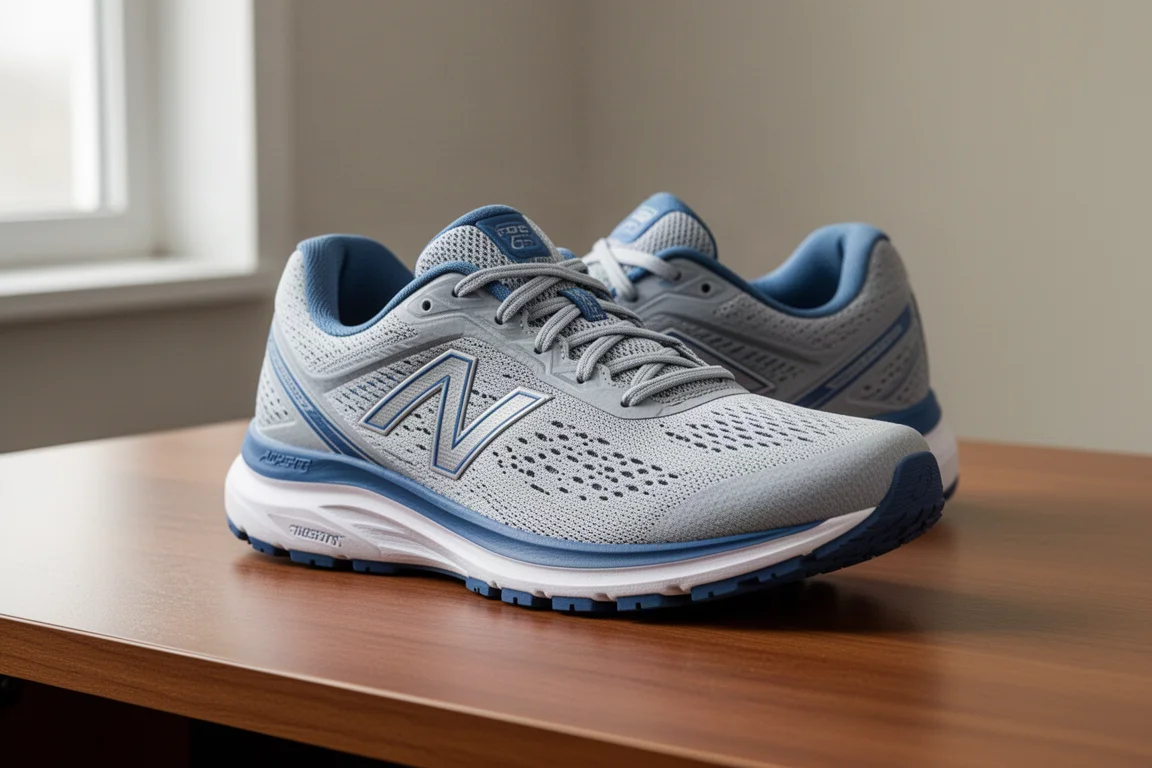
The Glide Max is Salomon’s first deeply cushioned, lightweight road trainer, retailing for 140 pounds at 280 grams. It has a deep 37.4mm heel stack with 27.4mm under the forefoot for a 10mm offset. The full Energy Surge midsole, a compound we first enjoyed in the Ultra Glide trail shoe, feels plush, bouncy and remarkably well balanced for the amount of cushioning, and the rocker geometry helps the shoe roll efficiently through to toe-off. The Contagrip road rubber has wide, chunky lugs for grip on hard surfaces and durability in harsh road conditions.
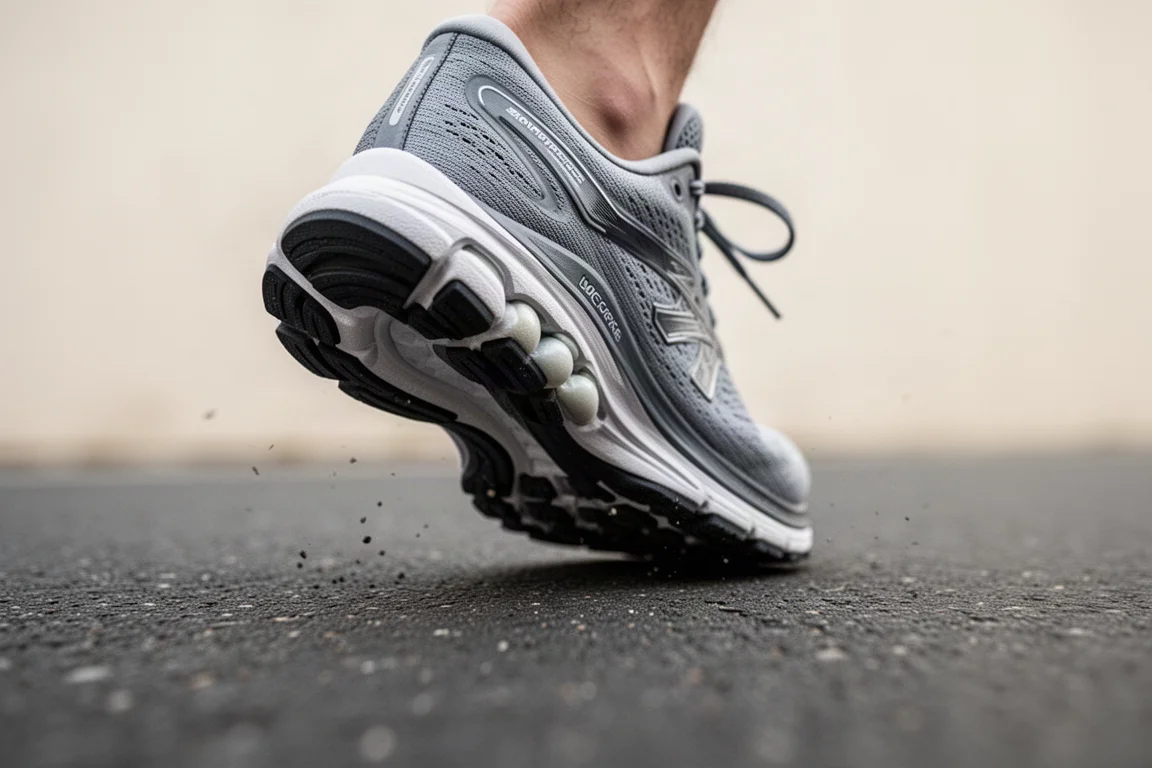
The upper is where the shoe stumbled: the bulky, padded tongue is not gusseted, which is rare nowadays, and lockdown around the midfoot kept working loose on most runs. There was also some irritation from a narrow toe box and a harsh overlay on the inside edge, which caused a blister on longer runs. Early durability is a minor concern too, with a little wear on the outer heel edge of the Contagrip rubber. It is also the priciest shoe here, which is worth weighing up.
Asics Gel-Cumulus 24
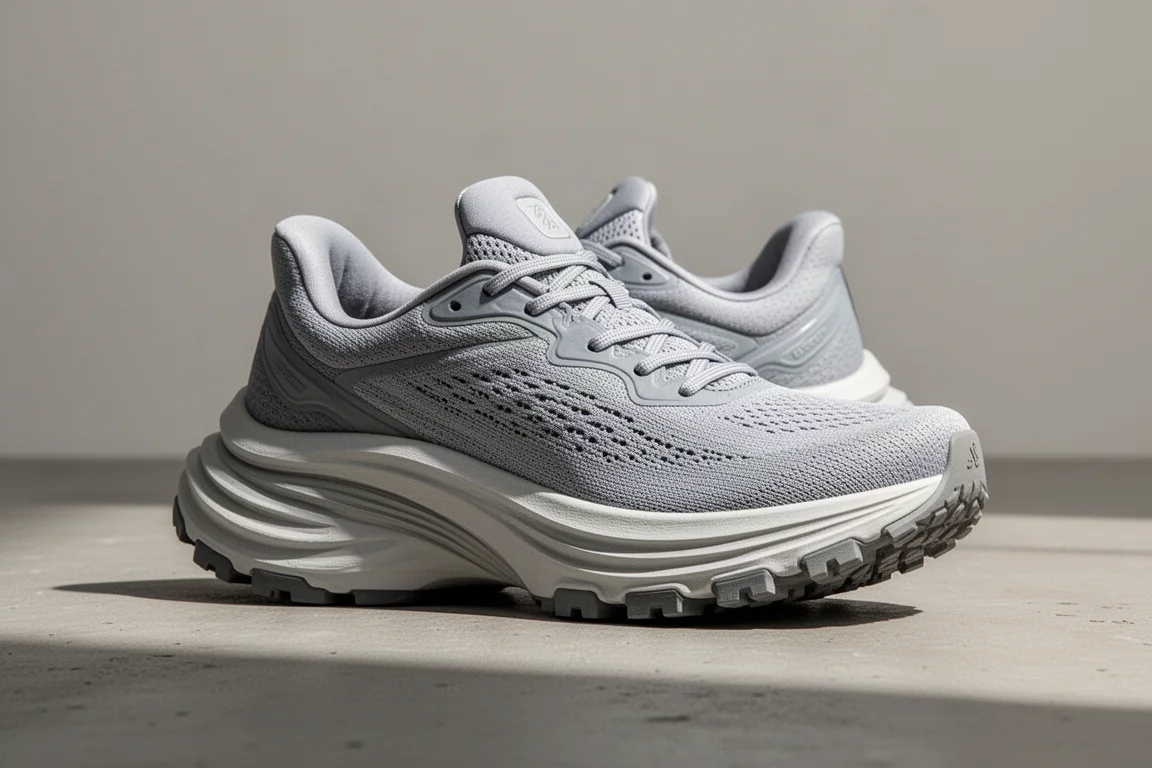
The Gel-Cumulus 24 retails for 135 pounds and was one of the biggest surprises in this lineup. It runs an 8mm offset (24mm heel, 16mm forefoot) and weighs 301 grams in a UK 9, making it the heaviest shoe here by some margin, though a half size up would have been the better fit and no length issues appeared while running. Asics set out to make this the softest and lightest Cumulus yet, adding a top layer of FF Blast foam to the dual-compound midsole alongside Gel units in the heel and forefoot. ASICS light rubber on the outsole sheds grams while keeping grip, and flex grooves smooth out the ride.
The knitted woven mesh upper is softer than the Cumulus 23 while staying highly breathable thanks to micro perforations, and the padded gusseted tongue, ankle collar and heel cup make it one of the plushest uppers in the group. No irritation at all in this pair. Shedding 15 to 20 grams would elevate it further, but it is already a super comfortable, responsive daily trainer available online for under 90 pounds.

Overall Buying Advice
Scores across the group tell a clear story. On price, the Reebok leads at 9/10 thanks to its discount pricing, with the Pegasus 39 at 8/10, the Ride 15 and Gel-Cumulus 24 both at 7/10, and the Glide Max at 6/10. On comfort and performance, the Ride 15 and Gel-Cumulus 24 top the group at 8/10 each, the Pegasus 39 scores 7/10, and the Floatride Energy 4 and Glide Max each take 6/10. On early durability at around 30 miles per pair, everything held up well apart from slight outer heel wear on the Glide Max, which scored 7/10 against 8/10 for the rest.
If every pound counts, the Floatride Energy 4 is the pick, especially if you can find a discount code around the 56-pound mark. If you have a bit more budget, the Saucony Ride 15 and Asics Gel-Cumulus 24 are the two most versatile and well-rounded daily trainers here, particularly at their frequently discounted online prices. The Pegasus 39 is a dependable, durable alternative if you value a locked-in fit, and the Glide Max will appeal most if you love a big cushioned, bouncy midsole and can live with the upper quirks.
Conclusion
This year’s neutral daily trainer market is in great shape. Five very different shoes, five distinct price points, and something for nearly every runner: budget-friendly value from Reebok, all-round versatility from Saucony and Asics, dependable heritage from Nike, and maximal cushioning from Salomon with a few fit caveats. Match the shoe to your budget and foot shape, and any of these could happily anchor your weekly mileage.
Further reading
Related Reviews

Running Shoes
Best Road-to-Trail Running Shoes: Three Versatile Options for Mixed Terrain
A practical guide to three road-to-trail running shoes that handle both pavement and mild trails, with clear strengths and trade-offs for different runner types.

Running Shoes
Best Running Shoes for Achilles Tendonitis: Three Options Explained
Three running shoes with different heel drops and support features designed to help reduce Achilles tendon pain during walking and running.

Running Shoes
Best Running Shoes for Women: Five Top Choices Ranked
A ranked guide to five women's running shoes, from versatile daily trainers to high-performance racing options, with real strengths and trade-offs for each.