Backpacking Tents
Best Nemo Backpacking Tents: Dagger 2P and Hornet 1P Compared
A practical comparison of two Nemo backpacking tents, the roomy Dagger two person and the lightweight Hornet one person, based on four years of real trail use.
Introduction
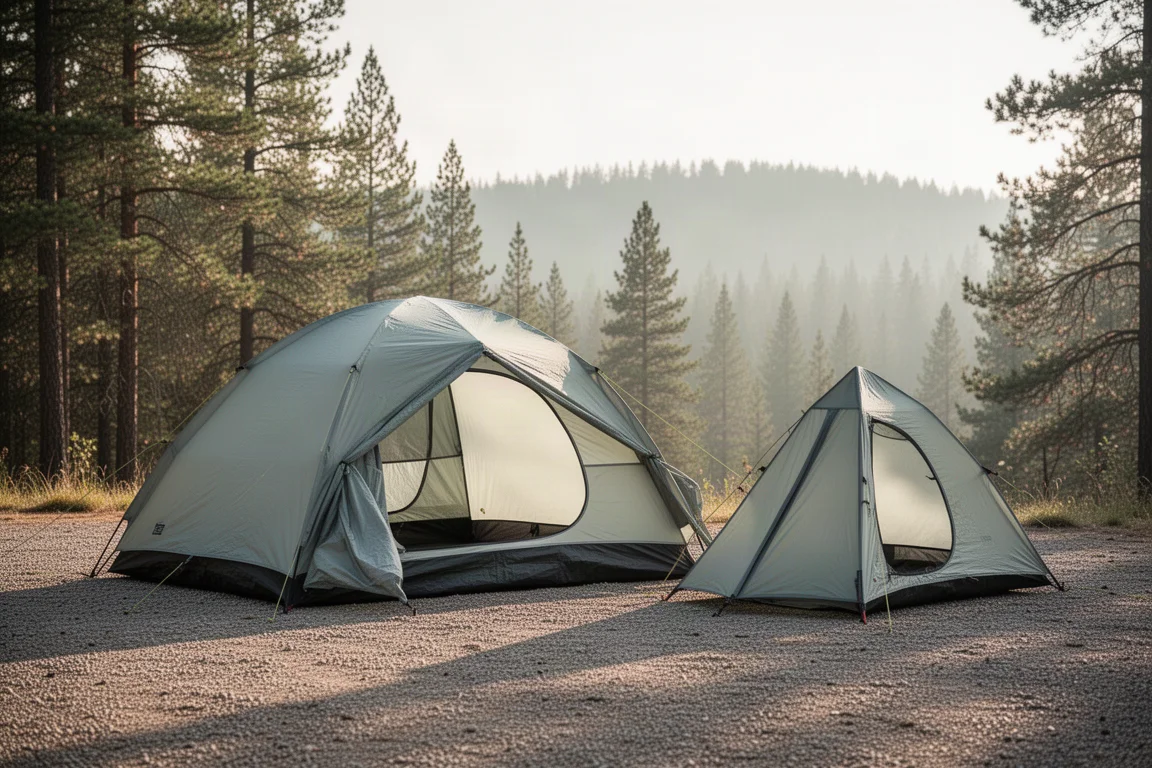
Choosing a backpacking tent usually means weighing interior space against packed weight, and then hoping the shelter holds up season after season. Two Nemo models sit at opposite ends of that trade-off: the Dagger two person tent and the Hornet one person tent. They share a design language and a set of small interior details, but they are built for different kinds of trips.
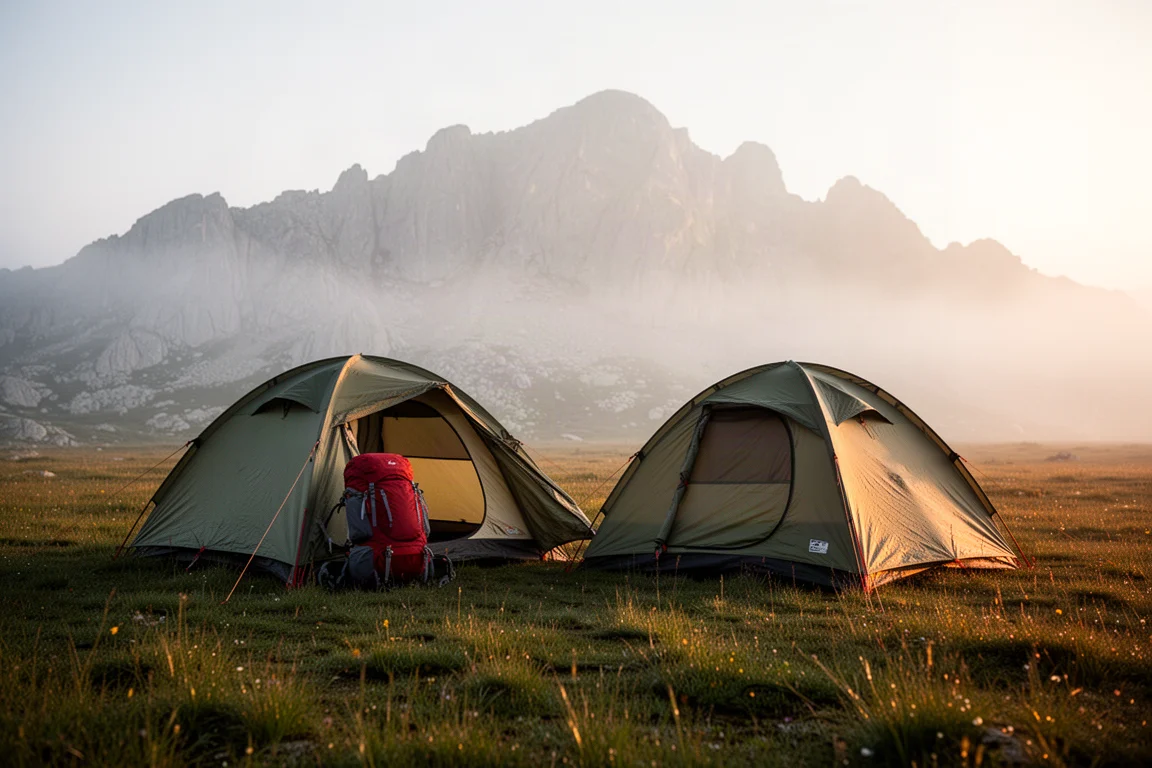
Both have been in steady use for more than four years of backpacking, and neither shows leaks, holes, rips, or tears. Everything still works, and both look close to how they did when they were new. That record is the main reason they are worth a closer look, and it is also why the differences between them matter more than any single specification.
What Sets These Nemo Tents Apart
Nemo was founded in 2004 in Rhode Island. The name is inspired by Captain Nemo from Jules Verne’s writing, and it also stands for New England Mountain Outfitter. The company is still small enough that you can reach its customer service team directly, which matters more than it sounds when something goes wrong far from a trailhead.
Durability is the first thing that speaks to the quality here. After four years and a lot of nights out, there are no leaks, no holes, no rips, and no tears. The only failure came from a tent pole section that broke during a high wind storm. A single email to Nemo was enough to get a free replacement pole section sent out for the repair. That kind of support is easy to overlook at the point of purchase and hard to replace later.
Nemo Dagger Two Person Tent
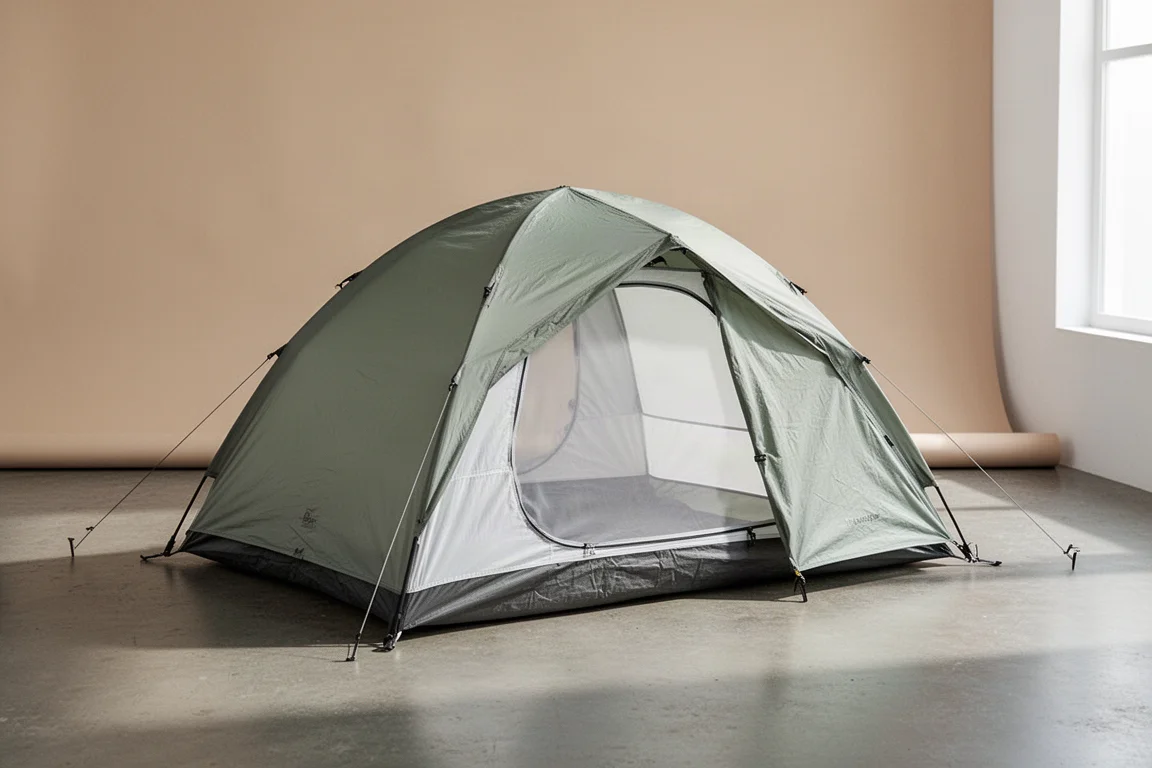
The Dagger is the more versatile of the two. Packed weight comes in at 4 lb 2 oz, and the interior stands 42 inches high, which is enough to sit up inside while changing or sorting gear. Two doors and two vestibules mean each sleeper has their own entry and their own place to store a backpack, which keeps the sleeping area clear.
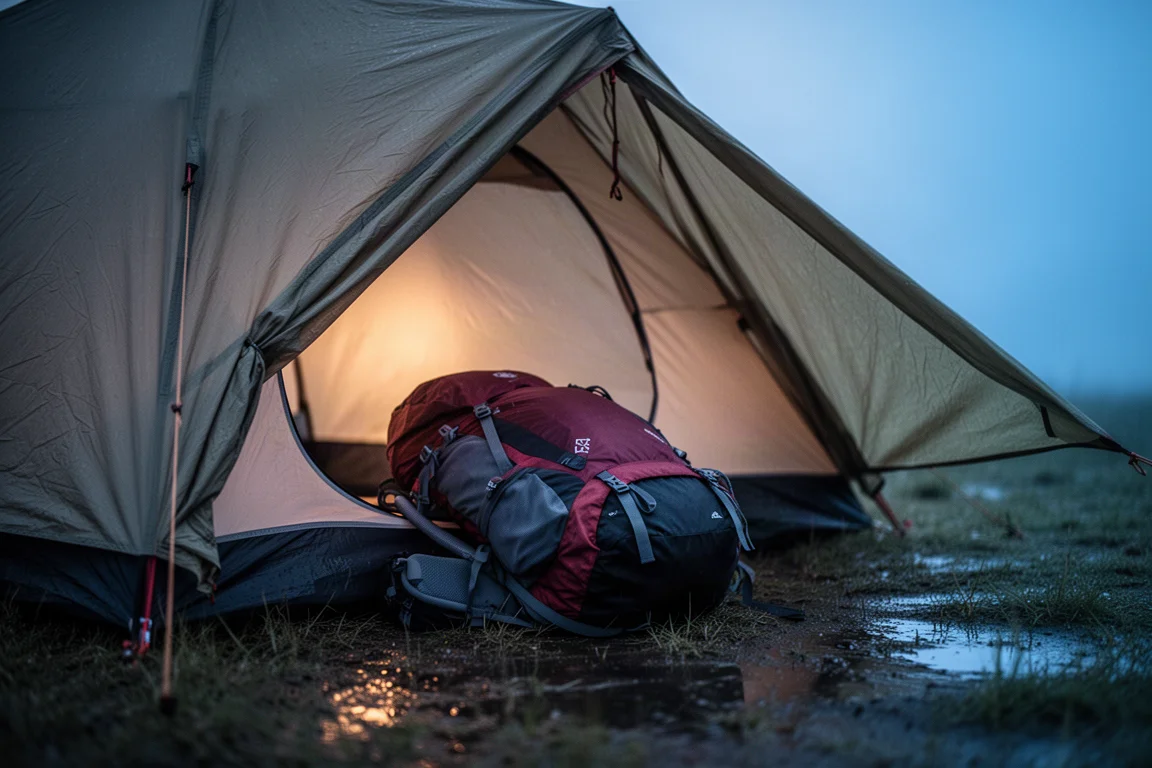
Because it is still compact enough for solo trips, the Dagger works well as a first backpacking tent. It leaves room to add a partner, a friend, or a dog later without buying a second shelter. In strong wind the extra structure and larger footprint make it noticeably more stable than a one person design, and the four corner pockets keep small items off the floor.
Nemo Hornet One Person Tent
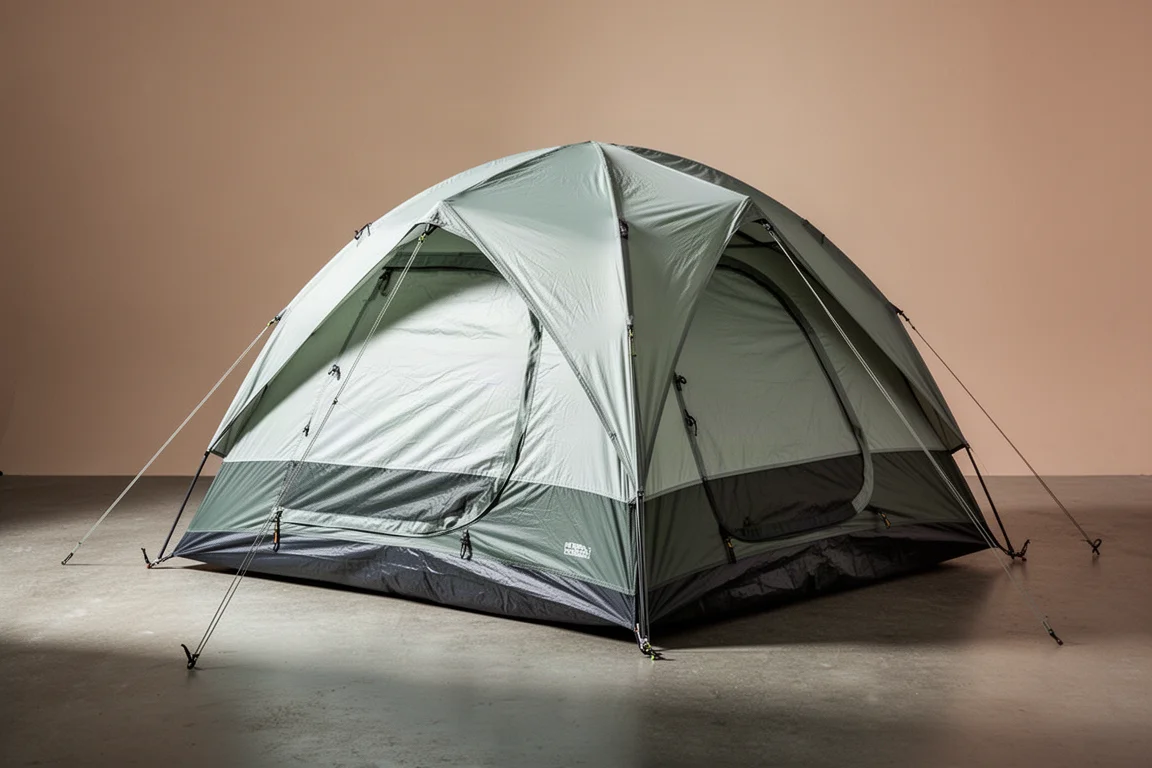
The Hornet is the smaller, faster option at 2 lb 4 oz packed. It has a single vestibule and a single door, so it is strictly a one person shelter, and the interior is a much tighter squeeze. It is built for speed rather than comfort, and the smaller structure means it is less sturdy than the Dagger once the wind picks up. It is still a very capable tent and remains a strong choice for solo trips.
Interior Features That Improve Camp Comfort
Nemo’s interior details are small on their own, but they add up to a better night out. Headlamp diffuser pockets on either side of the Dagger let you slot in a headlamp and turn it into a soft overhead lamp instead of wearing it for hours while reading or changing. The lower edge of the tent uses a dark, non-see-through fabric raised higher than on many backpacking tents, so you keep privacy even though most rainflies stop short of the ground.
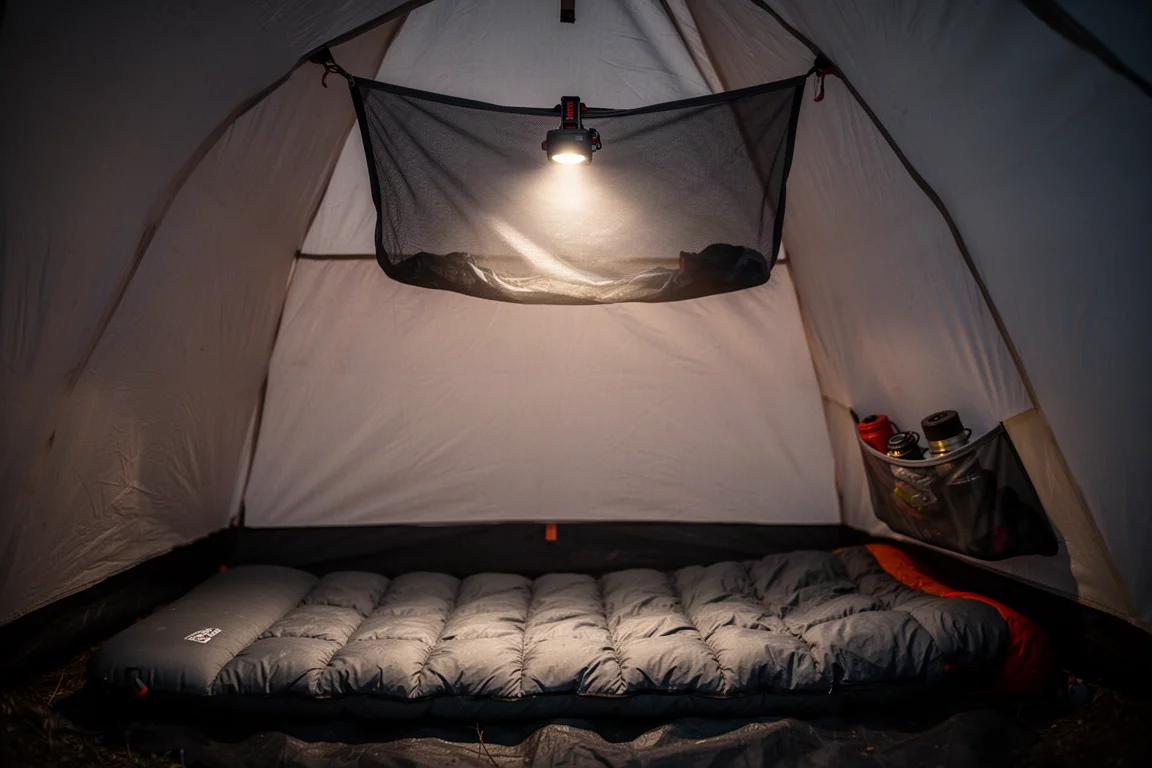
The mesh body is a white see-through material that keeps the view open, which is useful if you prefer to sleep without the rainfly and watch the stars. A gear net, sold separately as an accessory, is handy for a phone or a knife at night. The Dagger has four corner pockets, while the Hornet has one, so most of your gear stays in the vestibule in the smaller tent. The Hornet also adds a foot box at the end, which keeps the floor closer to a rectangle and gives your feet more room.
Setup, Poles, and Stakes
Both tents use a one pole design and go up quickly. The pole ends snap into a small knob rather than the traditional rings and loops, which is faster to pitch and easier to break down in poor weather. Nemo’s stakes have a single notch on one side, where a traditional stake has three sides. If you hammer stakes in with a rock from beside your campsite, the Nemo design holds up far better at the thin part of the metal, and that sturdiness is worth the single guyline notch.
Buying Advice: Choosing Between the Dagger and the Hornet
If this is your first backpacking tent, start with the Dagger. It is light enough for solo trips at 4 lb 2 oz, yet roomy enough for two people or for one person plus a dog, so it covers more of the trips you are likely to take in the next few years. The two vestibules and two doors make shared trips far more comfortable than a single door layout.
The Hornet makes more sense once solo trips become the norm and packed weight starts to matter more than interior space. It is roughly half the packed weight of the Dagger and rewards a fast, minimal setup, as long as you accept tighter quarters and less stability in strong wind. The Hornet is also available in two person and three person versions now, so the same design can scale with your plans.
Nemo has updated the fabric on both models over the years, but the tents remain essentially the same designs. Both share the same practical strengths: long term durability, straightforward pitching, and customer service that responds when something breaks.
Conclusion
The Dagger and the Hornet are not competing so much as covering two different styles of backpacking. Pick the two person Dagger for flexibility, shared trips, and better wind stability. Pick the one person Hornet for solo speed and a lighter pack. Either way, the small interior details and the durability record are what make these tents worth the investment.
Further reading
Related Reviews
Backpacking Tents
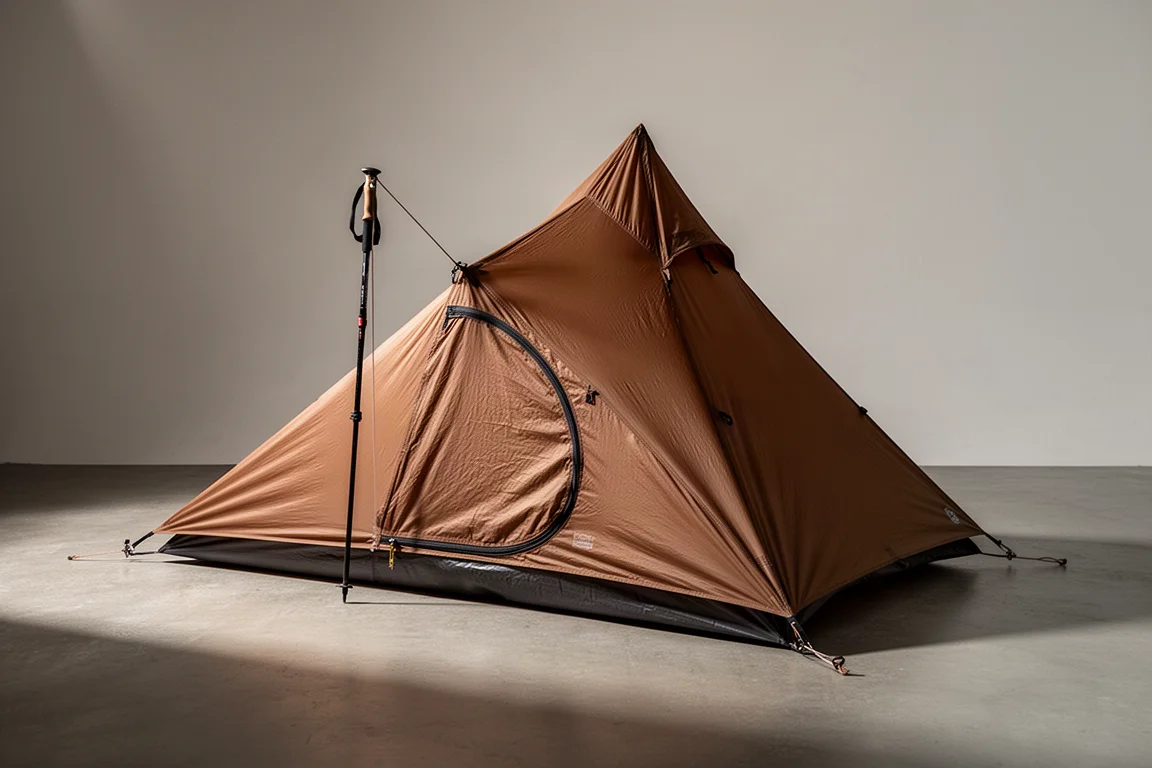
3F UL Lanchan Pro 1 Review: A 1 lb 8 oz Single-Wall Trekking Pole Tent
A practical look at the 3F UL Lanchan Pro 1, a single-wall trekking pole shelter with a 1 lb 8 oz weight, 20D silnylon fabrics, and a roomy 90 x 31 x 49 inch interior.
Backpacking Tents
3F UL Taiji 2-Person Tent: A Convertible Backpacking Shelter Worth a Closer Look
A practical look at the 3F UL Taiji two-person tent, covering its materials, true two-person interior, fly-first pitching, and the seasonal inner swap that lets one shelter cover more of the year.
Backpacking Tents
3FUL Lanshan Twoerson Pro Review: A Light Trekking Pole Shelter That Struggled in Rain
A two-person trekking pole shelter with a 2026 redesign, pitched with sticks and put through a night of steady rain. Here is what worked, what did not, and what to check before buying.