Backpacking Tents
Best Naturehike Backpacking Tents 2026: Five Standout Models Compared
A practical comparison of five Naturehike two-person backpacking tents, covering season rating, weight, pack size, vestibule space and value.
Introduction
Naturehike has built a strong following among backpackers and wild campers by taking proven tent designs and delivering them at a fraction of the price of the originals. The appeal is straightforward: you get a well-considered layout and dependable materials without paying premium money for them.
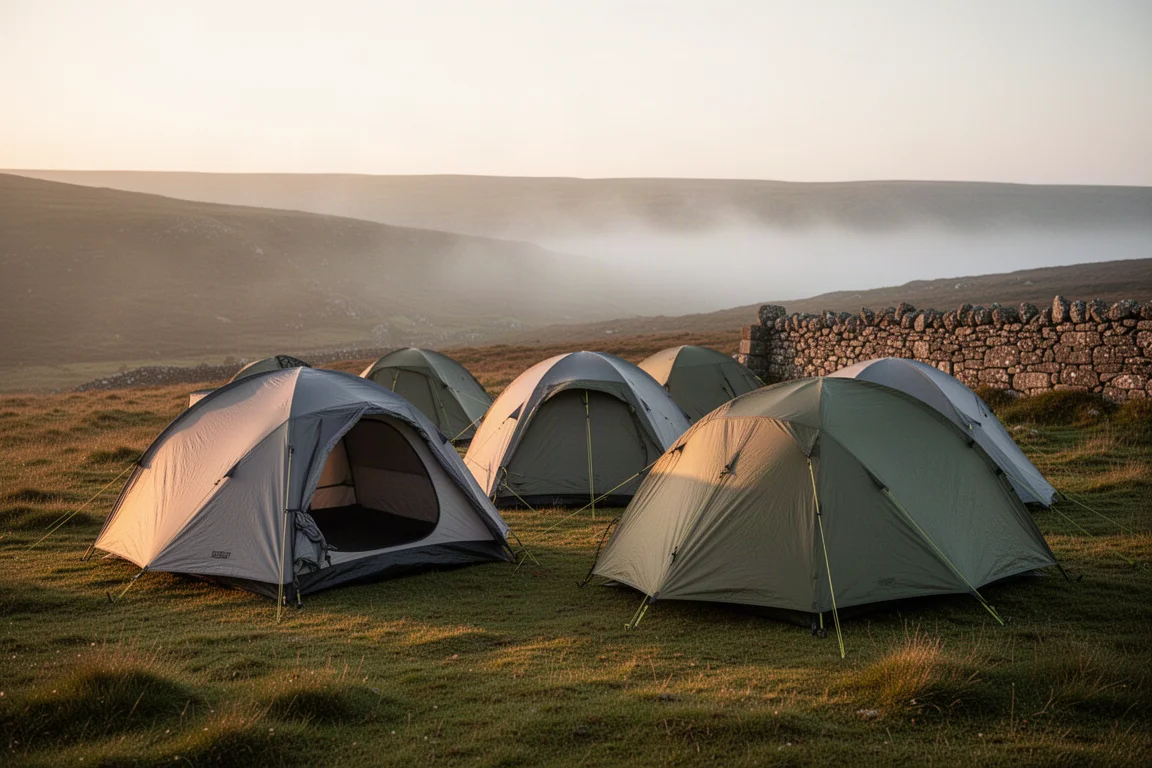
This guide covers five Naturehike two-person tents that stand out from the range in 2026. They span a dedicated summer shelter at one end and a three-plus season tent that has handled genuinely rough weather at the other. All five are compared below on season rating, weight, pack size, vestibule space and internal dimensions.
What These Tents Have in Common
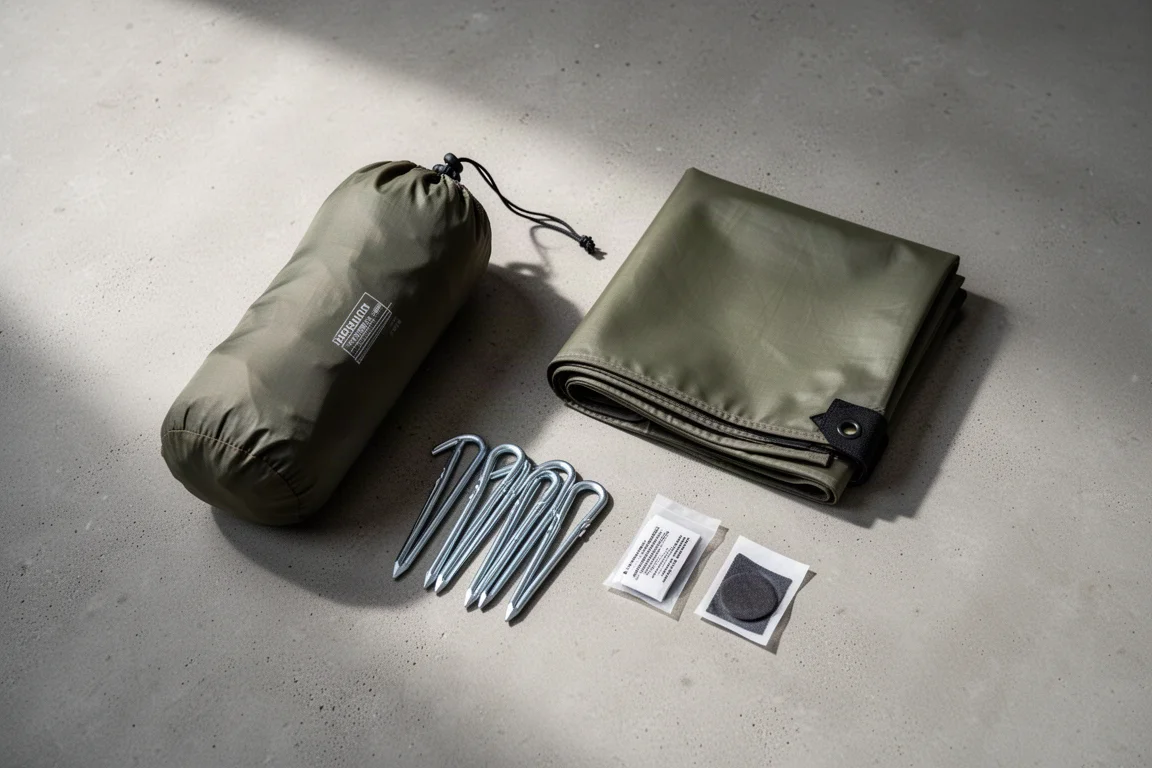
Every tent here is built from a 20D inner fly and a 20D bathtub floor, and each one ships with a groundsheet included. They also share the same 4,000mm hydrostatic head rating, so baseline rain protection is consistent across the whole group.
Where they differ is in how much solid fabric lines the inner tent, how the tent pitches, how large the vestibules are, and how small each one packs down.
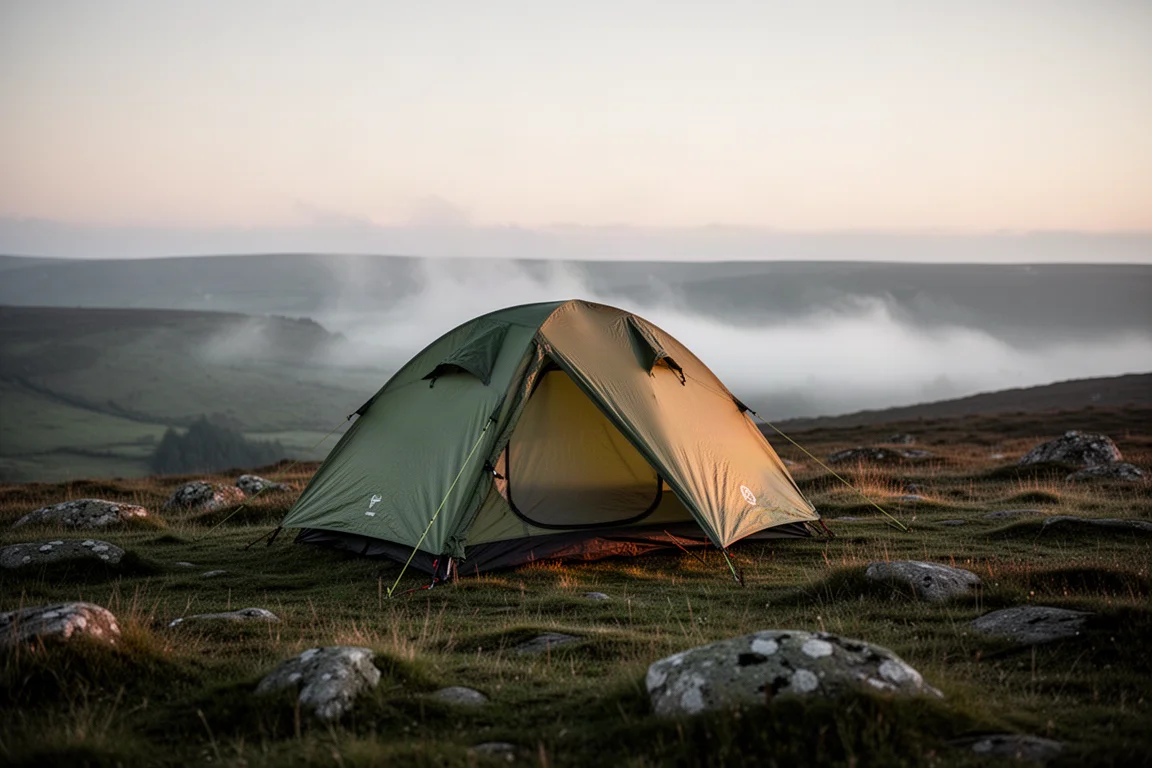
The solid fabric question matters most for anyone camping outside high summer. A higher proportion of solid fabric blocks cold drafts and extends the usable season, while a mesh-heavy inner improves ventilation and reduces condensation in warm, humid conditions.
Best Overall: Naturehike Cloud Peak 2
The Cloud Peak 2 takes its layout from the Hilleberg Allak 2. For 2025 the Hilleberg version costs around £1,300, while the Cloud Peak 2 sits at £157, and that gap is the main reason it takes the top spot here.
It is a two-door, two-vestibule design with guy-out points on every pole and three individual poles of the same length, which keeps pitching simple. The outer and inner pitch together as one unit. The vestibule measures 72cm, the largest in this group alongside the Star River 2.
Inside, the inner tent is built for cooler conditions. A deep bathtub floor and solid fabric rise roughly two thirds of the way up the walls, which makes this a genuine three-plus season tent. The T-zip door rolls right back to open up the whole front. Internal dimensions are 210cm long, tapering between 120cm and 130cm wide, with 105cm of head height. At 2,113g it is the heaviest tent here, though that weight buys the most weather protection in the range.
Best for Backpacking: Naturehike Cloud Up 2
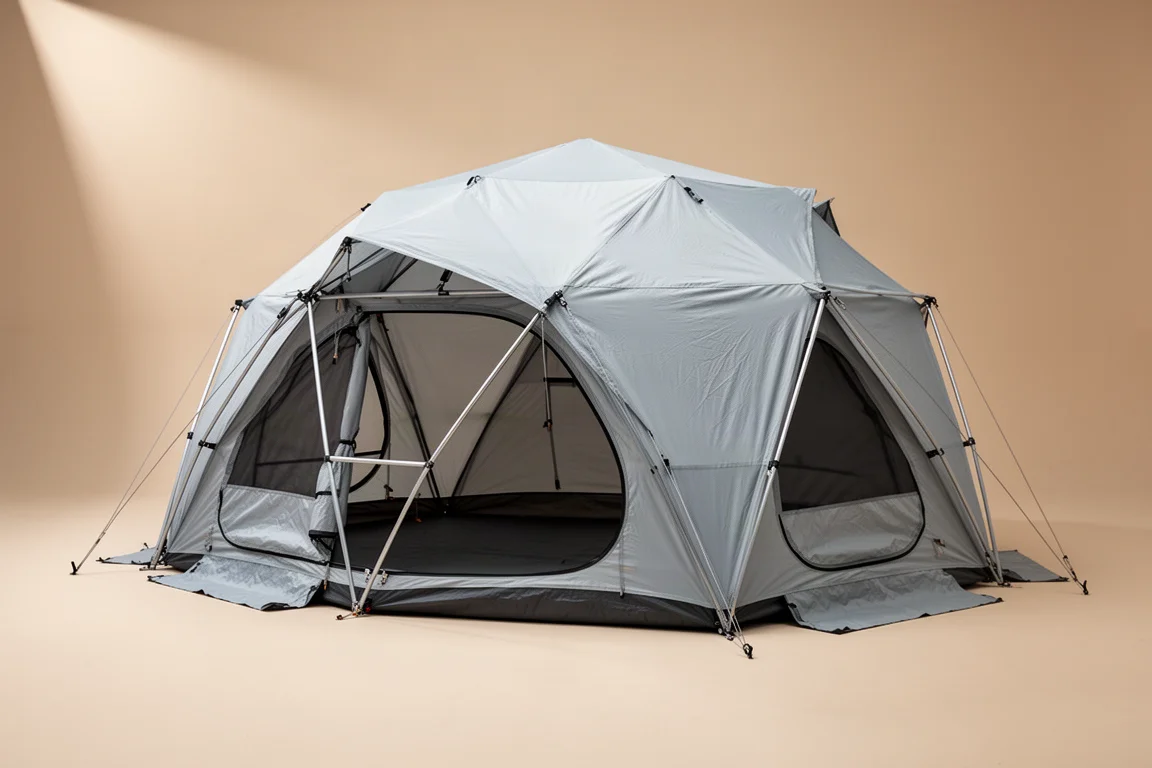
If distance and pack weight matter most, the Cloud Up 2 is the one to look at. At 1,556g it is the lightest tent in this roundup and it packs down smaller than any of the others.
The shape is tunnel-like, with a single door at the front and two poles that combine into one structure. There is a vent at the rear and side guy points, which make a real difference when the wind picks up. The vestibule is 60cm deep. It pitches inner first, with the fly clipping onto the groundsheet.
The inner balances solid fabric and mesh well: a reasonable bathtub floor, mesh at the rear, roughly half of the sides in mesh and a fully mesh front. That makes it a dependable three-season tent rather than a specialist. Internal space is 210cm by 125cm with 100cm of height, and there is a pocket just above the front doorway.
Best All-Rounder: Naturehike Star River 2
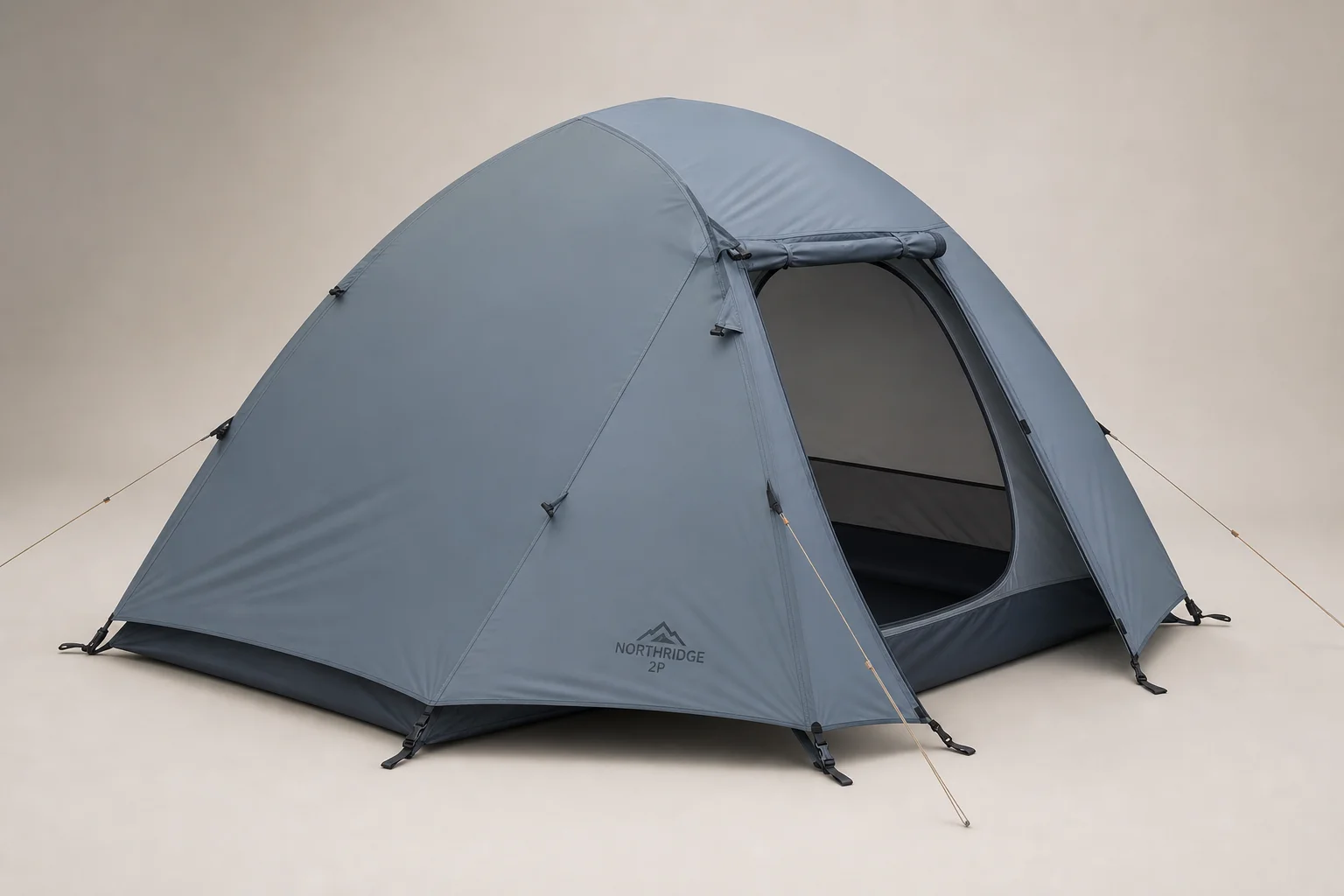
The Star River 2 has a little of the Big Agnes feel about it, and it is the most spacious tent of the five. It uses an all-in-one pole structure with two doors and two vestibules, plus a vent for airflow.
It pitches inner first, and the fly clips simply into the bathtub floor. The vestibule is 60cm. Inside, a deep bathtub floor and solid fabric come up to about halfway, with mesh above that. This roughly 50/50 split is a good compromise for three-season and three-plus season use because it keeps chilly drafts out while still venting warm air.
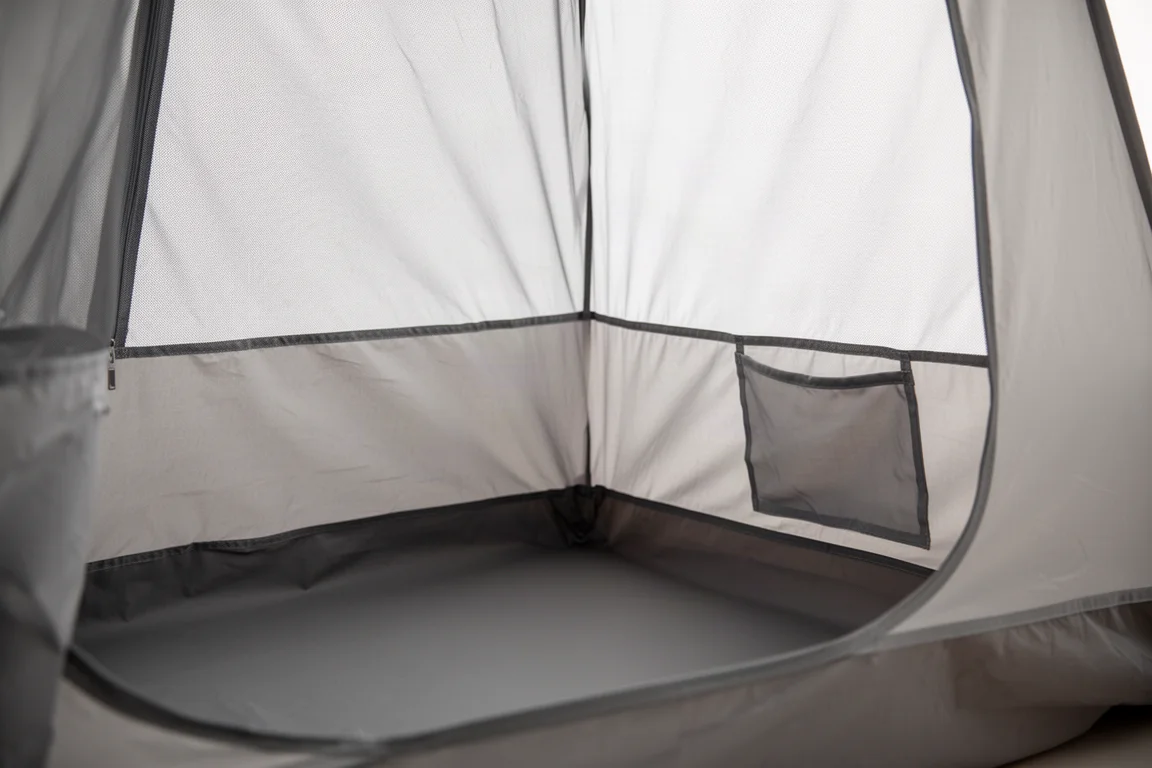
Internal dimensions are the largest here at 215cm long, 135cm wide and 110cm tall, so it works as a proper two-person tent rather than a squeeze. There are a couple of small pockets for organising kit. It weighs 1,870g and costs £131, which makes it the cheapest tent in this guide.
Best Weather Protection: Naturehike Nebula 2
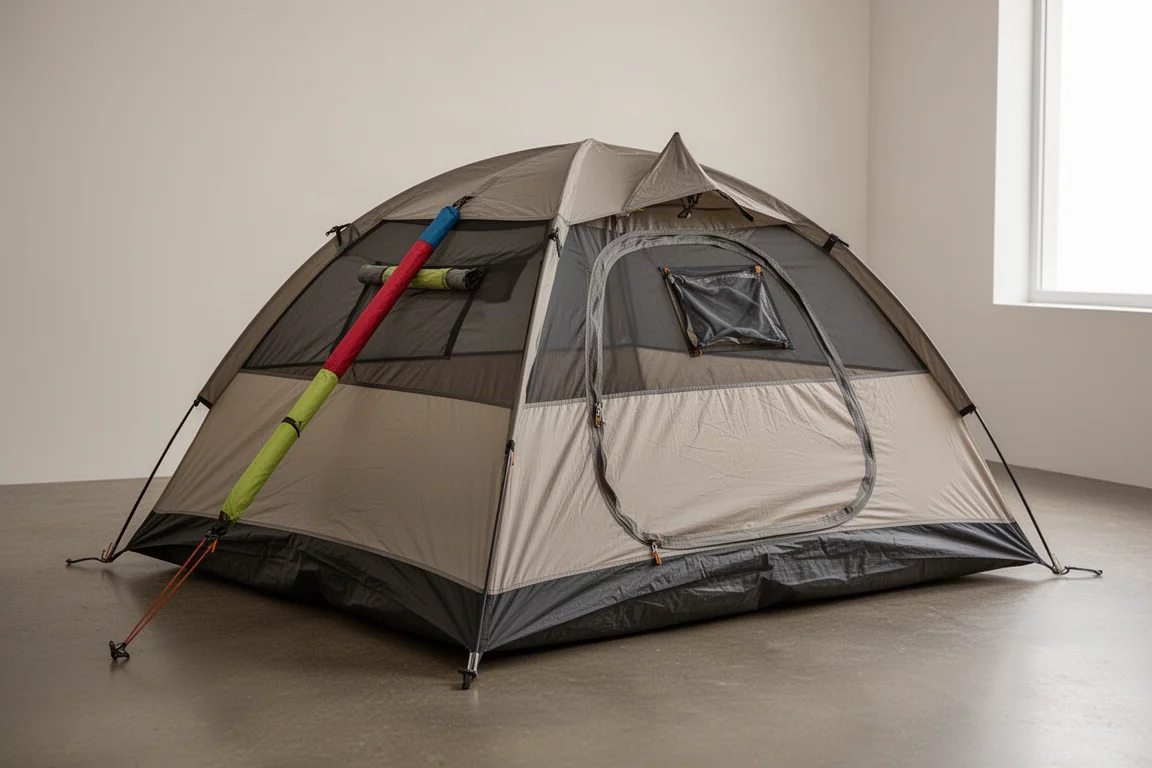
The Nebula 2 is the least commonly seen tent of the group, and it deserves more attention. It is a two-door, two-vestibule design that pitches outer first using two long poles and a short pole, with a canopy over the top.
Its fly drops low towards the ground, and it has been used through stormy conditions in the Lake District, so it is a good answer to anyone who assumes budget tents cannot handle unpleasant weather. The vestibule is 60cm.
Inside, the mix of solid fabric and mesh changes along the length of the inner: solid fabric rises higher at one end and gives way to mesh at the other. The width tapers from 135cm to 110cm with 105cm of head height, and there are pockets at either end. It weighs 2,111g and costs £220, the highest price in this roundup.
Best Summer Tent: Naturehike Monga 2
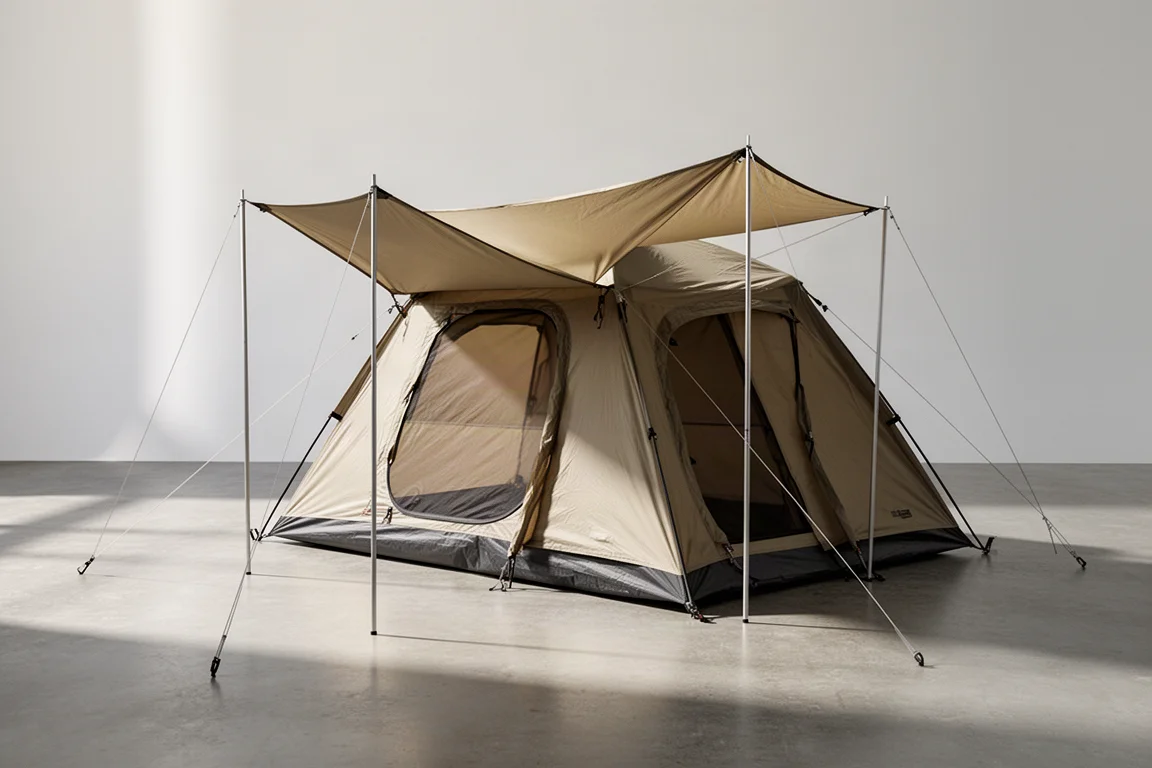
The Monga 2 closely follows the MSR Hubba Hubba NX2 layout. Two doors, two vestibules, a couple of vents and guyline attachment points add up to a tent that looks sharp and feels roomy. It pitches inner first.
The inner is the key difference. The bathtub floor is reasonably high, but everything above it is see-through mesh, which makes the Monga 2 far more suited to summer than the rest of the group. The vestibule is 60cm.
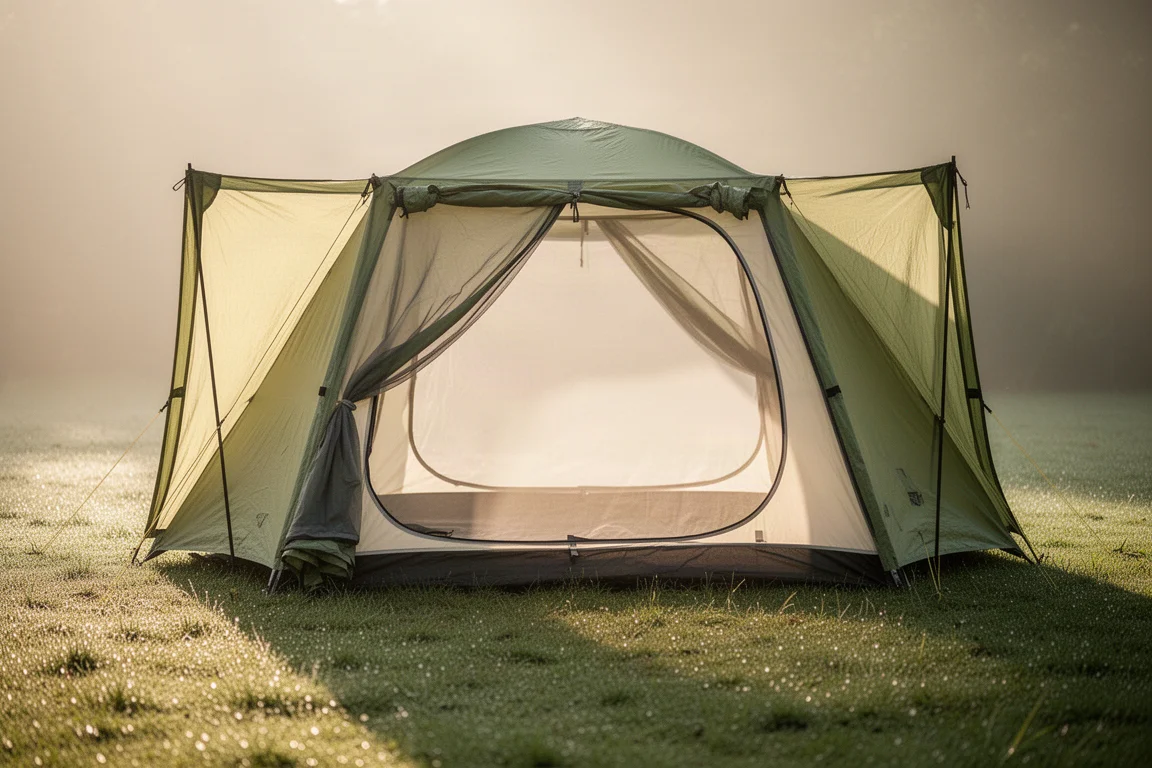
Internal dimensions are 210cm long, 135cm wide and 105cm tall, with a ceiling pocket and a pocket at each end for small items. It weighs 1,919g and costs £137.
Pack Size and Weight Compared
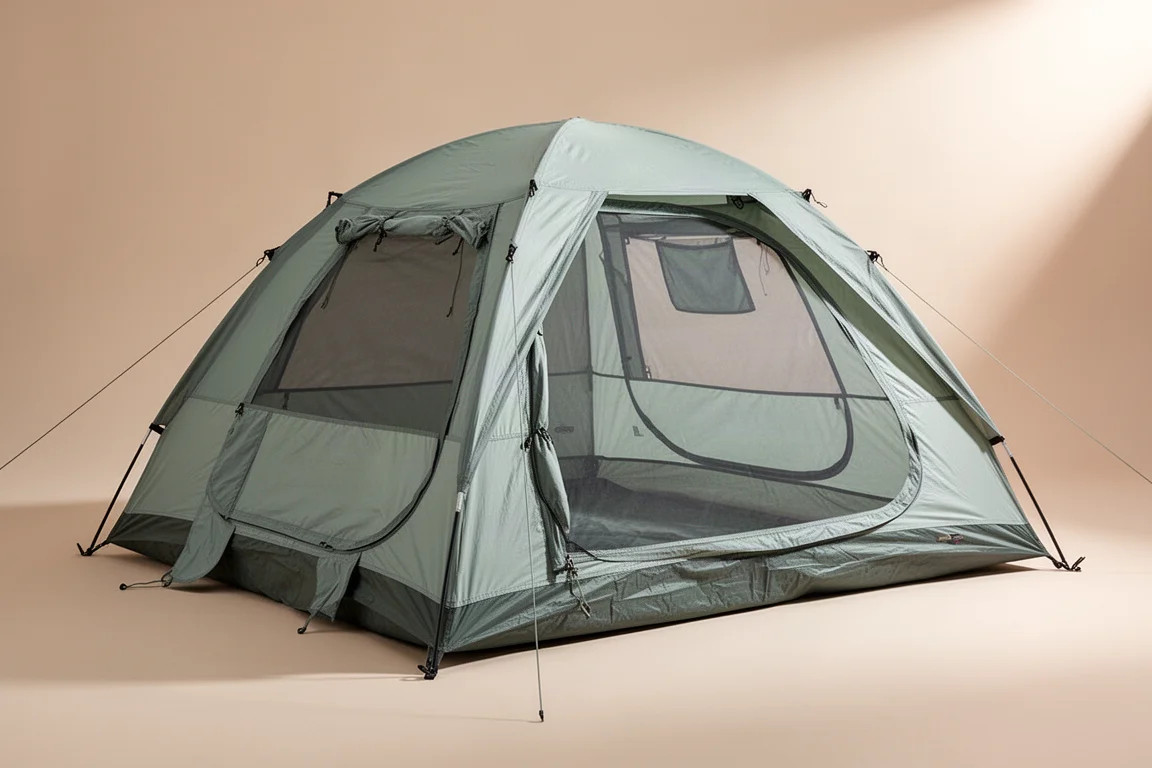
Ordered from smallest packed size to largest, the sequence runs: Cloud Up 2, Nebula 2, Star River 2, Cloud Peak 2, then Monga 2. There is very little between the three largest, so pack size alone is not a strong reason to choose between them. The Nebula 2 is the awkward one to compare directly because it uses a different style of bag with compression straps, and the poles are carried separately.
On the scales, the Cloud Up 2 is the clear winner at 1,556g. The Star River 2 follows at 1,870g, then the Monga 2 at 1,919g, the Nebula 2 at 2,111g and the Cloud Peak 2 at 2,113g.
Buying Advice
Start with the season you actually camp in. The Monga 2 is a summer tent and little more. The Cloud Up 2 is a solid three-season option for long-distance backpacking, where its low weight and small pack size matter most. The Star River 2 sits between three and three-plus seasons and offers the most interior space. The Cloud Peak 2 is the three-plus season choice and the strongest tent here for ordinary weekend camping where a little extra weight is acceptable. The Nebula 2 is a capable all-round performer whose low fly is offset by a large amount of mesh inside.
Prices quoted here come from Collins Outdoors and include delivery and taxes. Buying from a trusted retailer is worth the small premium: marketplace listings on sites such as Temu, Alibaba or AliExpress leave you unsure what will arrive, when it will arrive, and whether extra taxes will be charged.
Pro versions of the Monga, Cloud Up and Star River are also available. They do not appear to be significantly lighter, but they add useful features and lean further towards three-season use.
Conclusion
All five of these tents deliver strong value, and the right pick depends on where and when you camp. For a dedicated summer shelter, the Monga 2 is the obvious choice. For long-distance backpacking, the Cloud Up 2 keeps weight and bulk to a minimum. The Star River 2 is the roomiest and the cheapest option. The Cloud Peak 2 earns first place overall for its three-plus season inner, generous vestibules and the sheer gap between its price and the design it follows. The Nebula 2 remains a close, well-made alternative for anyone who wants a low fly and does not mind more mesh inside.
Further reading
Related Reviews
Backpacking Tents
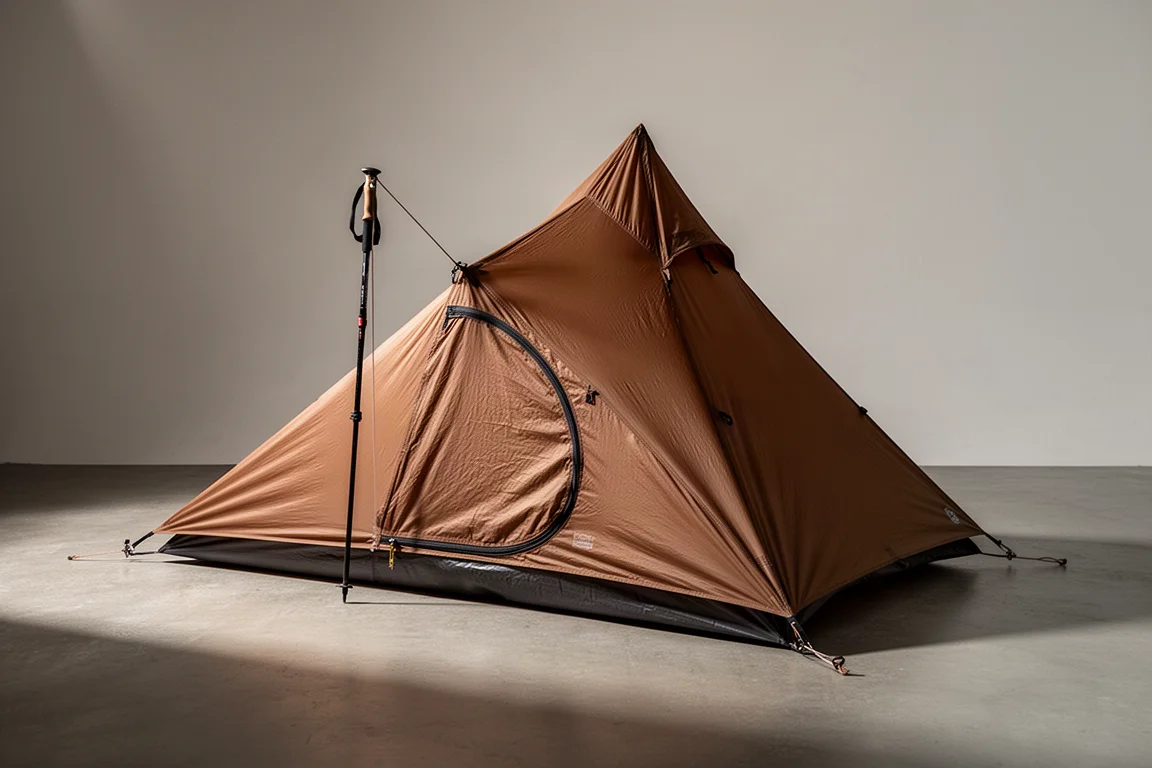
3F UL Lanchan Pro 1 Review: A 1 lb 8 oz Single-Wall Trekking Pole Tent
A practical look at the 3F UL Lanchan Pro 1, a single-wall trekking pole shelter with a 1 lb 8 oz weight, 20D silnylon fabrics, and a roomy 90 x 31 x 49 inch interior.
Backpacking Tents
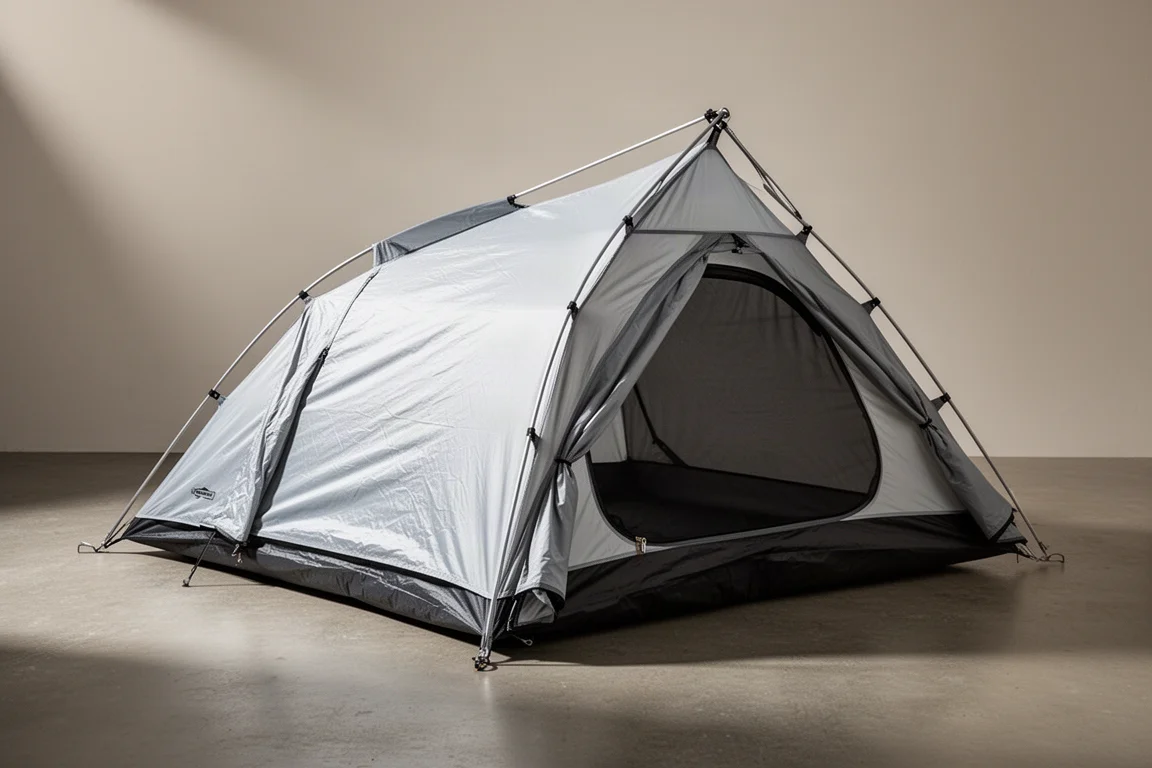
3F UL Taiji 2-Person Tent: A Convertible Backpacking Shelter Worth a Closer Look
A practical look at the 3F UL Taiji two-person tent, covering its materials, true two-person interior, fly-first pitching, and the seasonal inner swap that lets one shelter cover more of the year.
Backpacking Tents
3FUL Lanshan Twoerson Pro Review: A Light Trekking Pole Shelter That Struggled in Rain
A two-person trekking pole shelter with a 2026 redesign, pitched with sticks and put through a night of steady rain. Here is what worked, what did not, and what to check before buying.