Home & Cleaning
Best Natural and Eco-Friendly All-Purpose Cleaners: Four Picks That Actually Work
After months of hands-on testing plus independent lab checks, these four cleaning sprays and concentrates stood out for performance, comfort, and a smaller environmental footprint.
Introduction
Most of us keep a multipurpose cleaning spray under the sink and reach for it without thinking twice. The catch is that some conventional cleaners rely on ingredients that can irritate skin or lungs, and every big bottle ships a lot of water around the country in single-use plastic.
Natural and eco-friendly options promise a gentler alternative, but they vary wildly in quality. To separate the good from the gimmicky, our testing covered months of hands-on use plus independent third-party lab testing of every formula. The short version: the best natural sprays cleaned just as effectively as harsher conventional chemicals, often with fewer streaks, and the best eco-friendly concentrates dramatically cut plastic waste.
How We Evaluated the Cleaners
A good all-purpose spray has to balance several things at once. We tested material compatibility first, making sure each product worked across a wide variety of surfaces without damaging countertops. Bottle design mattered too: some sprayers forced fingers into awkward grips or felt heavy after a few squeezes, while the best bottles were streamlined and comfortable to hold.
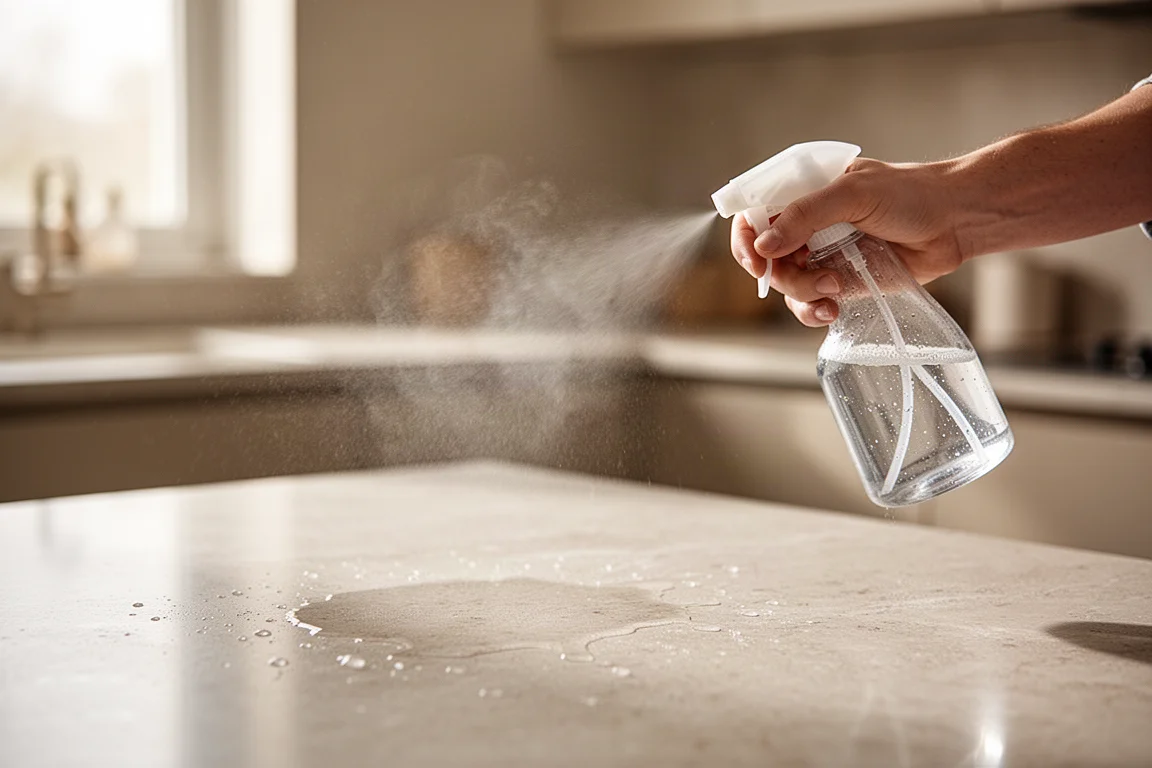
We also wanted a powerful, even spray that did not require a hard pull on the trigger, quick and easy coverage, and a formula that cleaned aggressively without an overpowering scent. Streaking was a tiebreaker: multipurpose cleaners commonly leave streaks behind, so anything that left pristine, shiny surfaces scored higher.
How Cleaning Sprays Actually Work
Multipurpose cleaners draw from three main chemical groups. Surfactants alter the surface tension of grease and grime, which lets the solvents, usually water, break messes up and rinse them away. Buffering agents keep the mixture stable and hold the pH at the right level so the formula breaks down the mess without breaking down your countertop.
Conventional cleaners such as Lysol, 409, and Clorox typically use quaternary ammonium compounds, known as quats, as antimicrobials. They work well, but they can irritate skin or lungs and can make asthma worse. Natural sprays instead rely on citric acid in concentrations high enough to kill germs, and “natural” itself is an unregulated term that usually signals plant-based rather than petroleum-based ingredients.
Do Natural Formulas Really Kill Germs?
This was the biggest surprise of the whole test. We sent every cleaning spray to an independent lab to measure how effective the formulas actually were, and the natural, citric-acid-based formulas matched the harsher chemicals on germ killing.
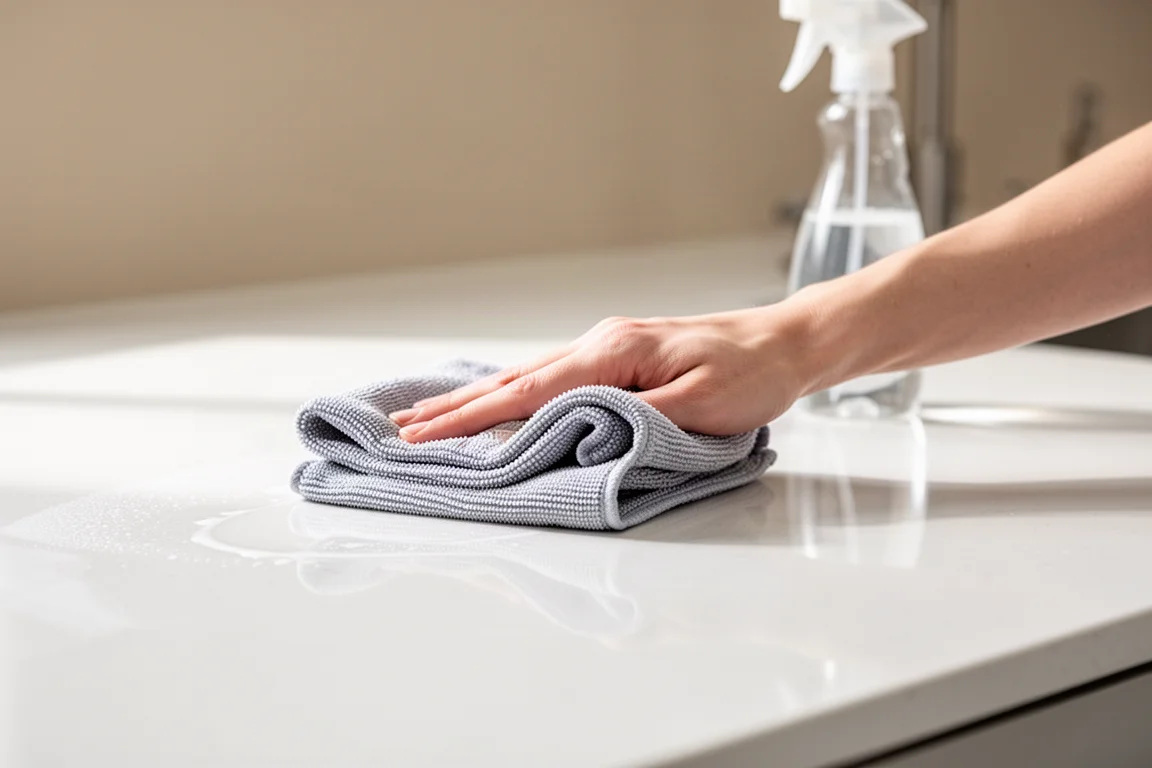
In everyday cleaning, they performed even better, leaving fewer streaks behind than the conventional options. If you have been hesitant to swap, the lab results give you a solid reason to make the switch.
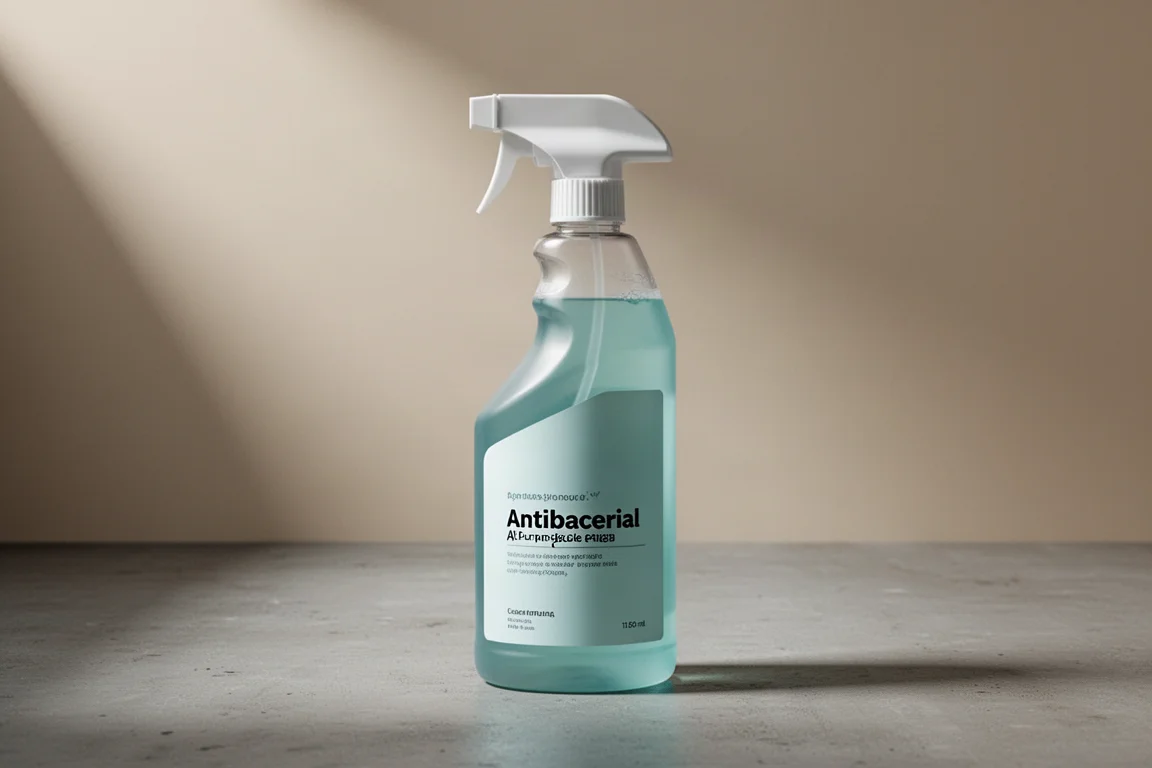
Best Antibacterial Pick: Method Antibacterial All-Purpose Cleaner
Method’s antibacterial spray is the one to reach for when sanitizing matters. It is the natural pick we would use after handling raw chicken or when wiping down doorknobs while a family member is sick. Like the rest of Method’s lineup, it is still sold in plastic, though bulk refills soften that a bit: one large refill bottle covers roughly two and a half spray bottles.
Best Everyday Natural Spray: Method All-Purpose Cleaning Spray
The standard Method all-purpose cleaner is the everyday workhorse of the group. It was just as effective as the harsher conventional chemicals in lab testing, left fewer streaks, and avoids the quats that can irritate skin or lungs. If you want one bottle that lives on the counter and handles most kitchen messes, this is it.
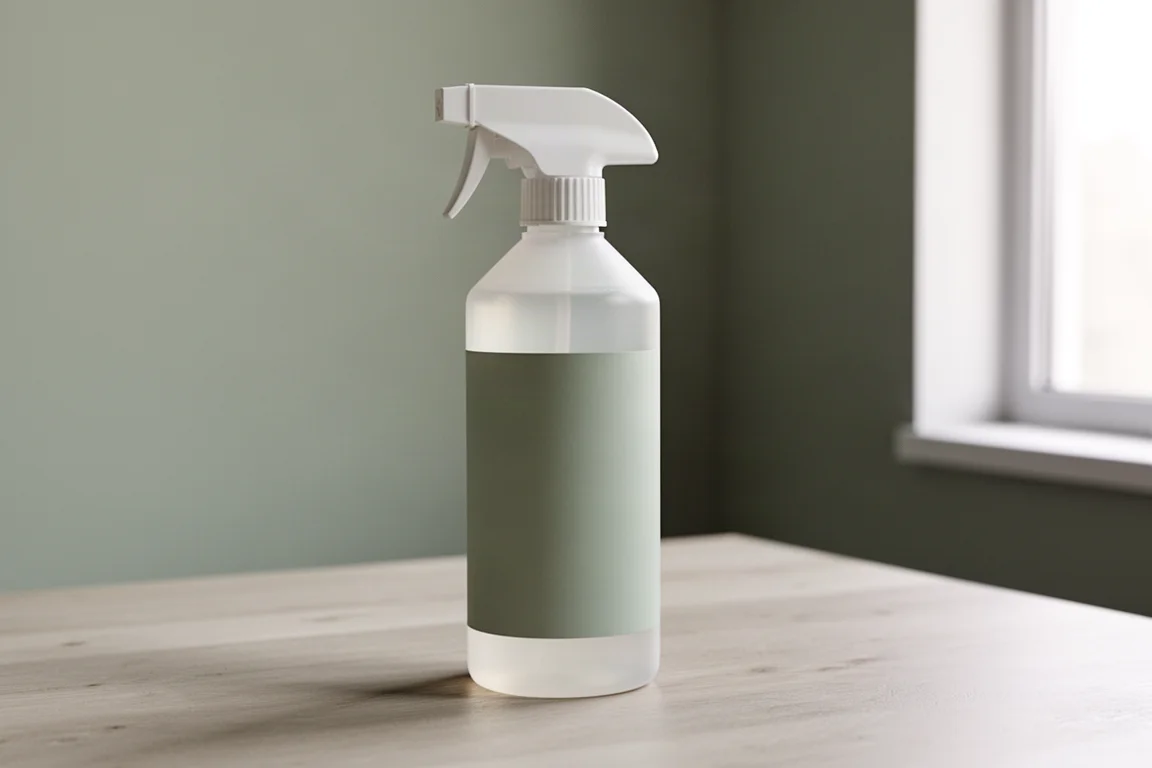
Why Consider Eco-Friendly Concentrates?
Conventional spray bottles are mostly water, which means you are paying to ship water in single-use plastic and carrying the carbon footprint that comes with it. Concentrate systems flip the equation: you add your own tap water at home and skip most of the packaging and shipping burden.
Not every concentrate system earns its keep. Some tested products were cumbersome, some were subpar cleaners, and one did not even contain surfactants, which meant it could not break down messes effectively. Other pitfalls to watch for include tablets that take more than 25 minutes to dissolve, fragile packaging such as wax pods that rupture and leak, unpleasant fragrances, and short shelf lives, including one formula that had to be used within two weeks of mixing. The two winners below avoid all of those traps.
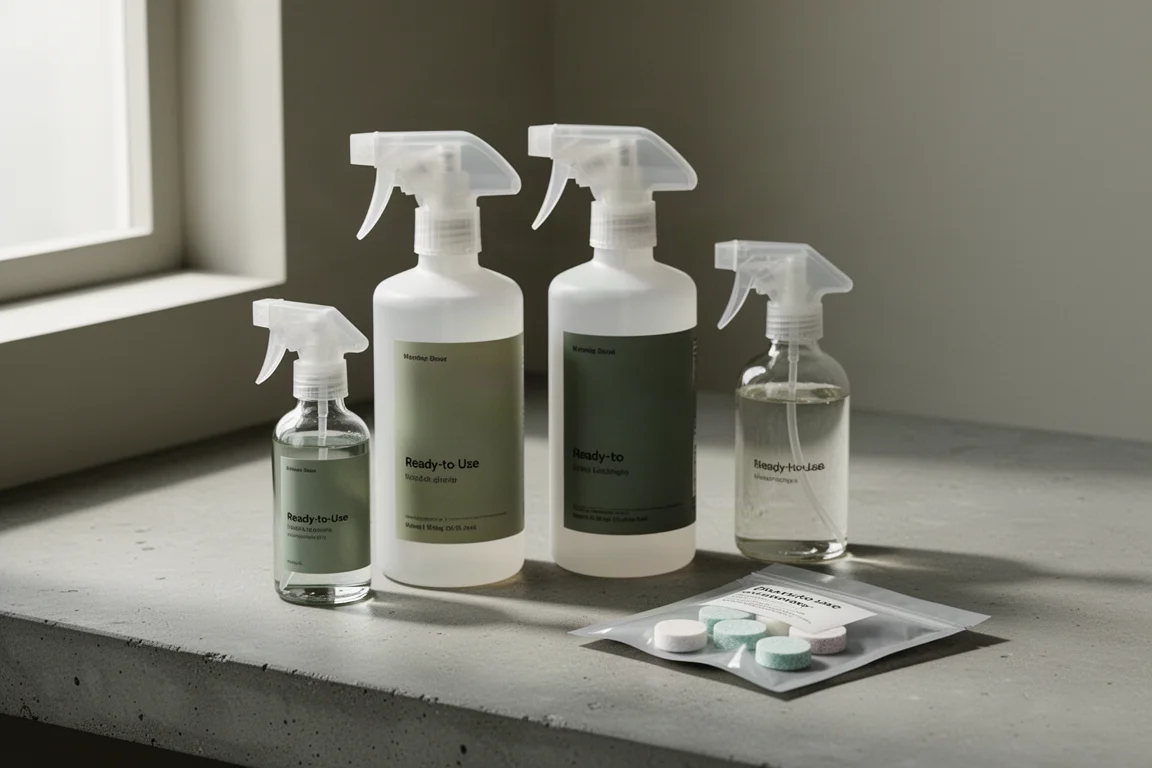
Best Low-Waste Option: Simplehuman Cleaning Tablets
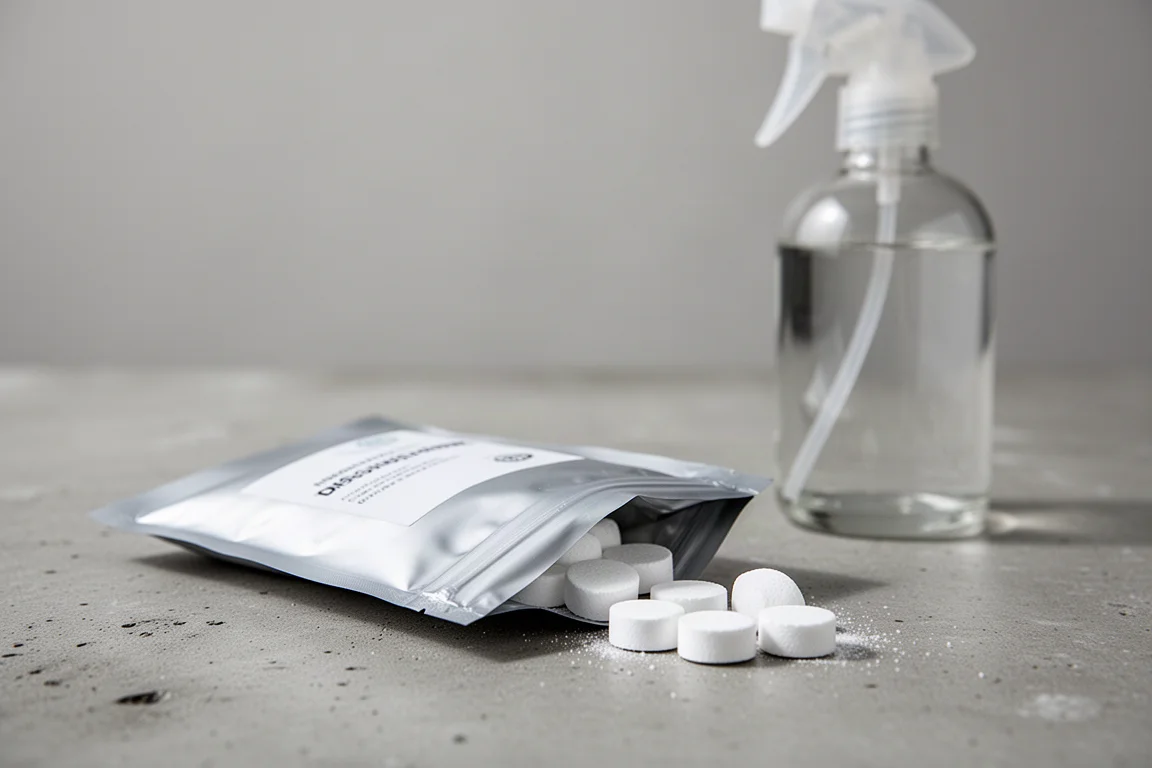
Simplehuman takes a tablet approach: you supply your own spray bottle, fill it with water, and drop in a tablet from a resealable packet. It dissolved faster than other tablet-based cleaners we tried, though it still took 17 minutes to become usable, so plan ahead before your cleaning session.
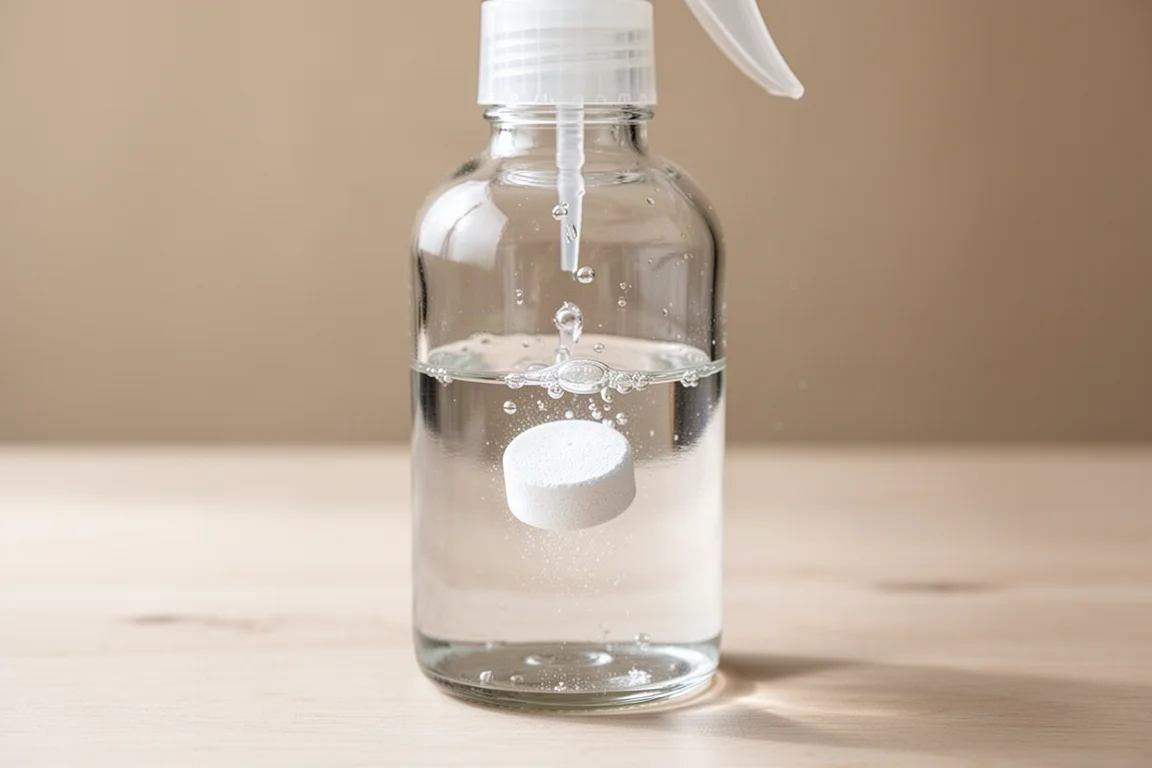
Once mixed, the results were impressive. The formula produced thick suds that broke down fat and oil and wiped away cleanly. The geranium scent is floral and a bit strong at first, but it did not linger. Twelve of these tablets make roughly the same amount of cleaner as two large bottles of conventional spray, saving water, fuel, and money.
Best Concentrate System: Grove Company Multipurpose Cleaner Concentrate
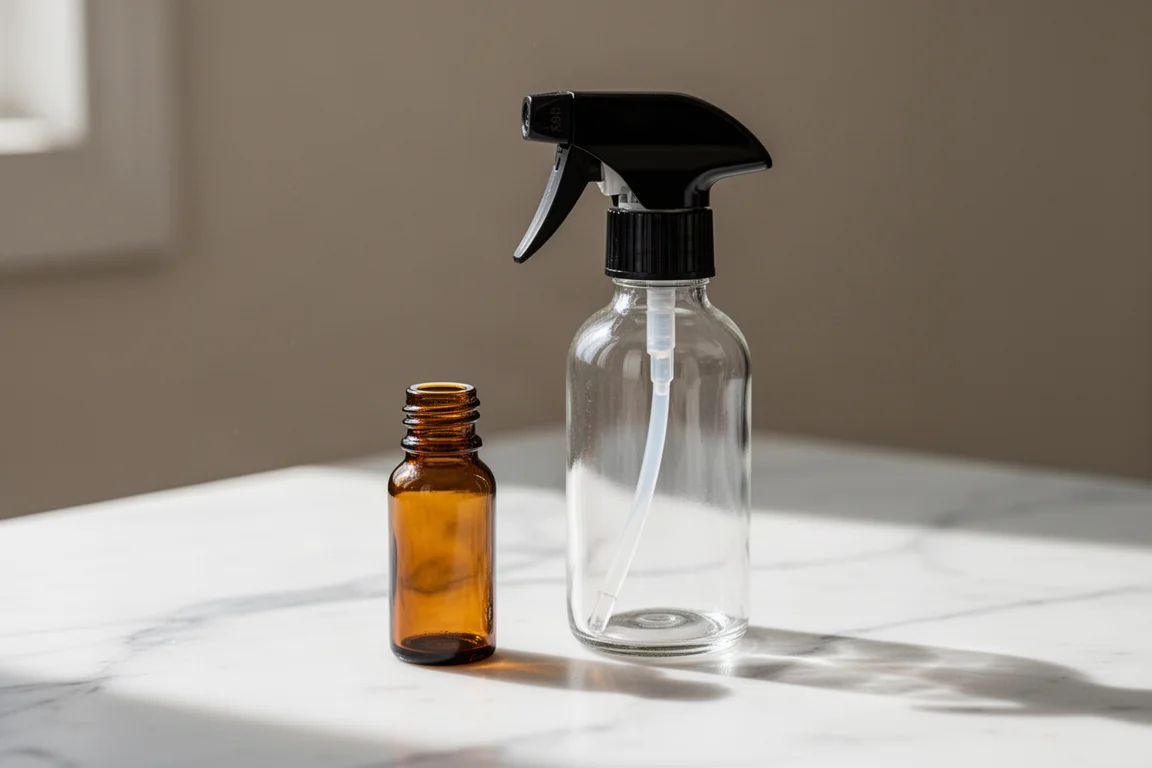
Grove Company ships a small vial of concentrate in a box of two, and unlike Simplehuman, it comes with its own glass spray bottles. Fill the bottle most of the way with water, pour in the concentrate, shake, and you are ready to clean. Grove sells matching concentrates for the shower, bathroom, and other areas, each with an adjustable label so you can tell them apart.
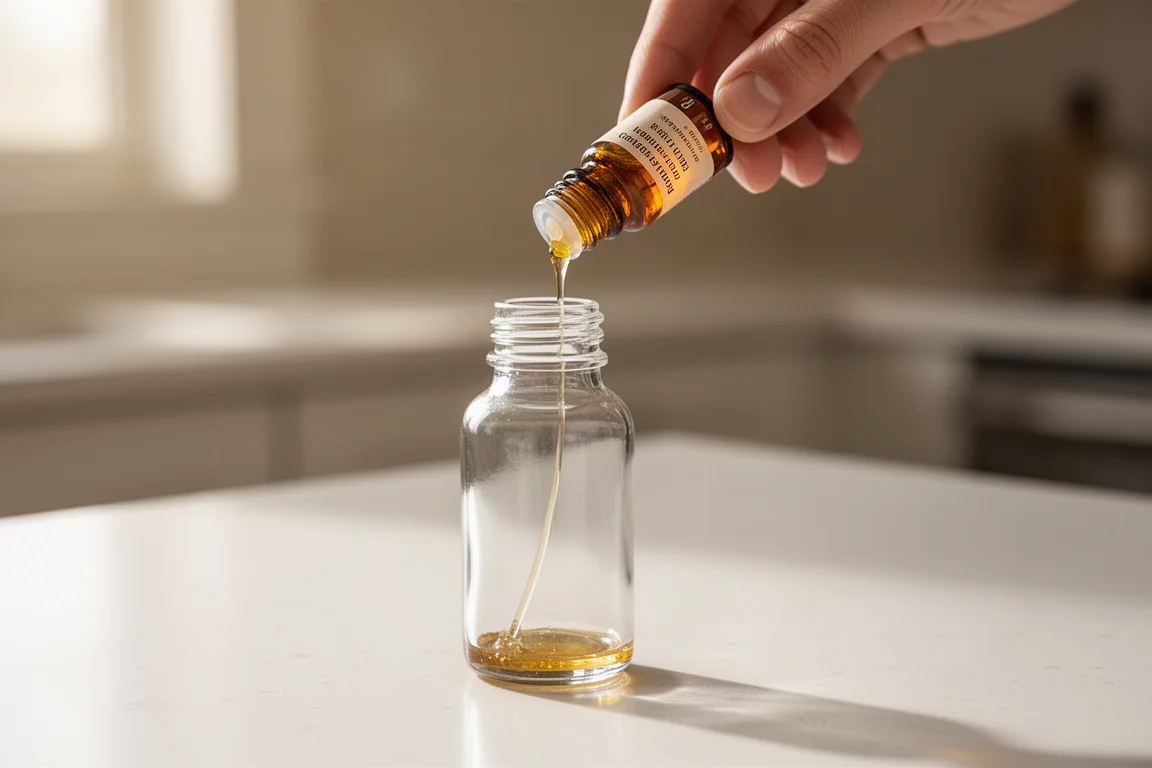
In testing it performed just as well as Method’s recommended natural spray, with excellent grease-cutting power, only a few extra streaks in one test, and a pleasant scent. The glass bottle is fully recyclable, and the overall footprint is far smaller than lugging big bottles home from the store.
Overall Buying Advice
If sanitizing is your priority, choose the Method antibacterial spray. For everyday cleaning with fewer streaks and no quats, the standard Method all-purpose spray is the safer-feeling default. If cutting single-use plastic matters most, both concentrate systems deliver real cleaning performance; pick Simplehuman if you already own a spray bottle you like, or Grove if you want the glass bottles included. Whichever route you take, the lab testing makes one thing clear: you no longer need harsh chemicals to get a genuinely clean home.
Conclusion
Natural and eco-friendly cleaners have caught up. The best natural sprays matched conventional formulas on germ killing while leaving fewer streaks, and the best concentrates cut plastic waste without sacrificing cleaning power. Match the product to your priority, sanitizing power, everyday performance, or a smaller footprint, and you will be doing your health and the environment a favor at the same time.
Further reading
Related Reviews
Home & Cleaning
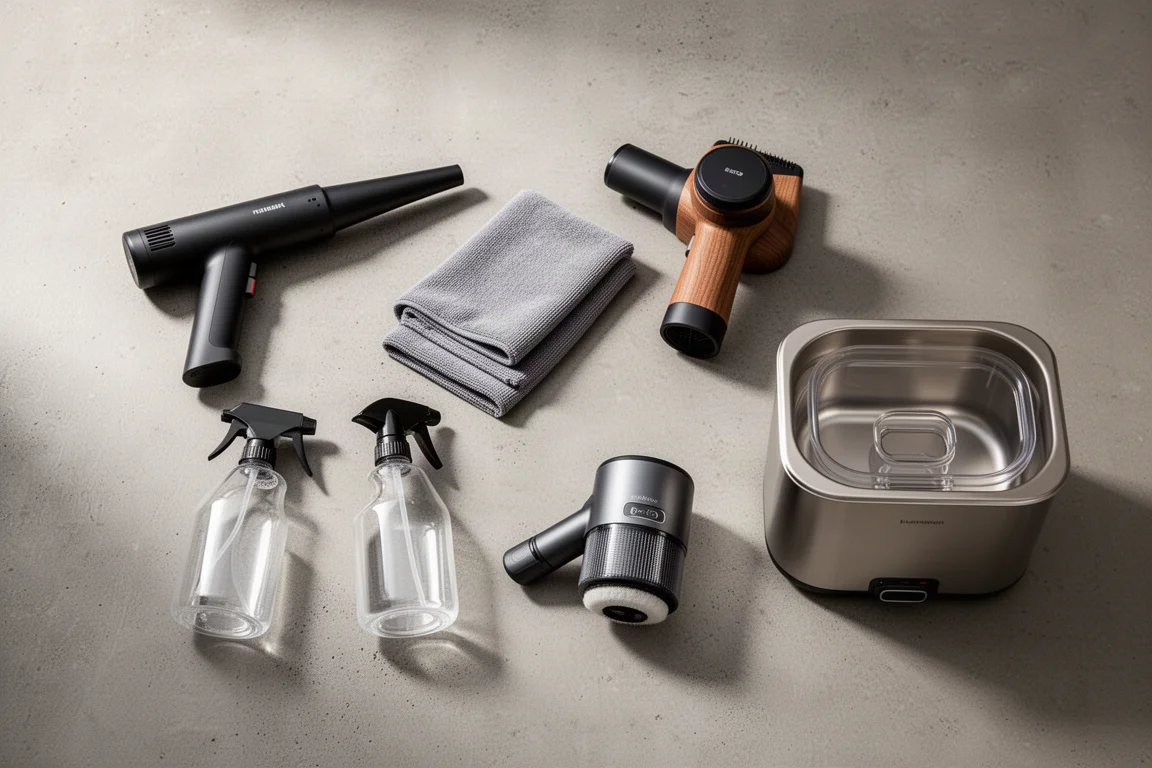
Five Cleaning Tools That Make Everyday upkeep Effortless
From a rechargeable air blaster to an ultrasonic cleaner, five practical tools that keep keyboards, screens, counters, and watches genuinely clean.
Home & Cleaning
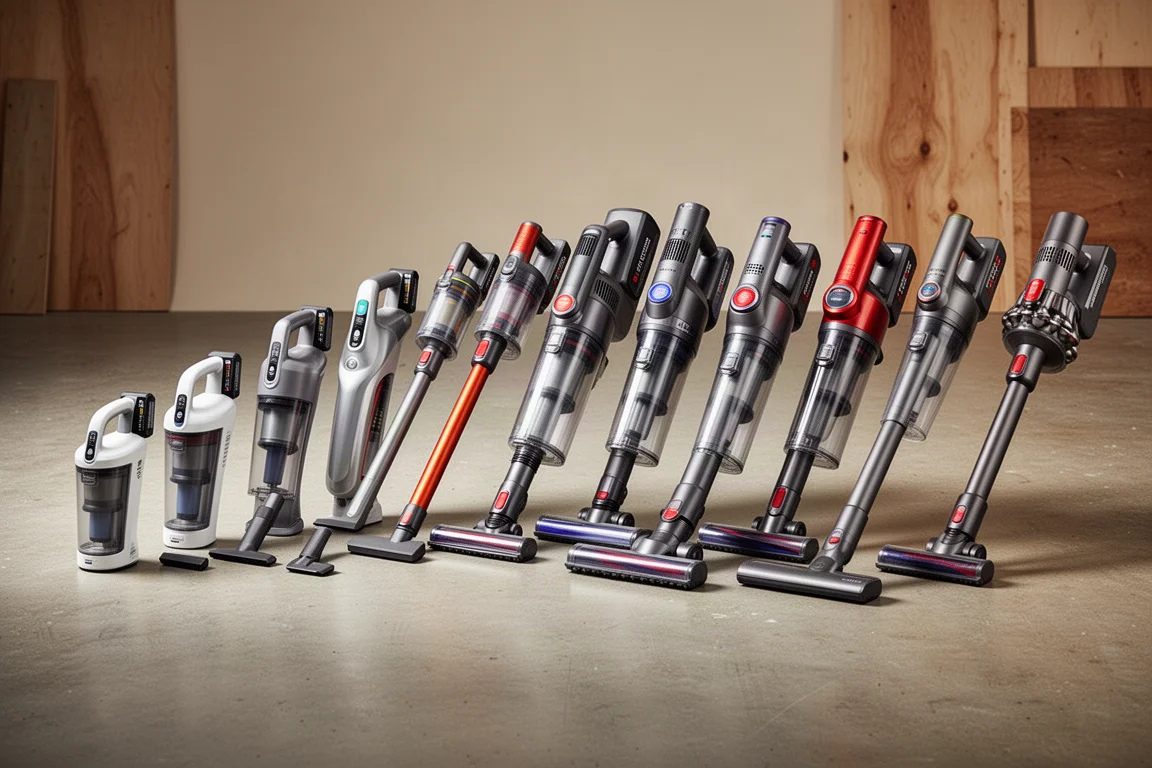
14 Cordless Handheld Vacuums Tested: Which One Is Actually Worth Buying?
We compare 14 cordless handheld vacuums on suction, airflow, crevice cleaning, deep-cleaning ability, and value, from $29 budget picks to premium cordless platform tools.
Home & Cleaning
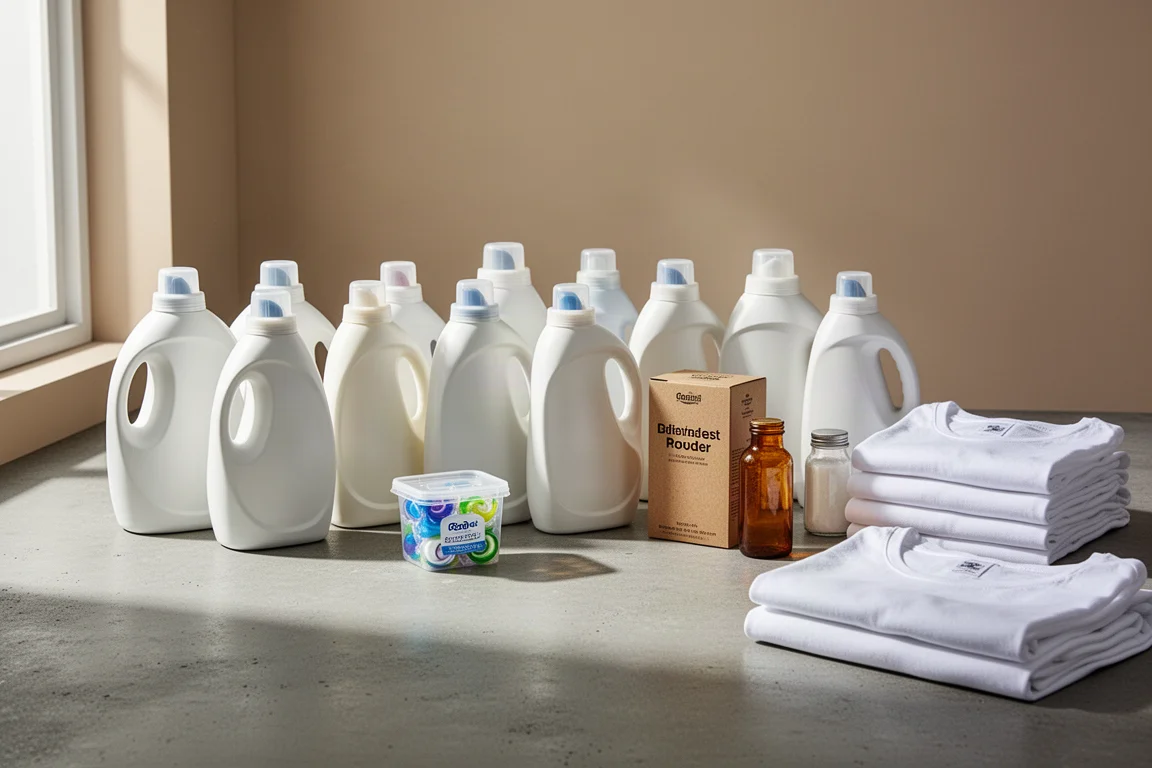
Best Laundry Detergent: 12 Brands Tested on Stains, Odors, and Color Protection
We compared 12 laundry detergents on six tough stains, manure-and-gear-oil odors, and color care to find which ones are actually worth your money.