Home & Cleaning
14 Cordless Handheld Vacuums Tested: Which One Is Actually Worth Buying?
We compare 14 cordless handheld vacuums on suction, airflow, crevice cleaning, deep-cleaning ability, and value, from $29 budget picks to premium cordless platform tools.
Introduction
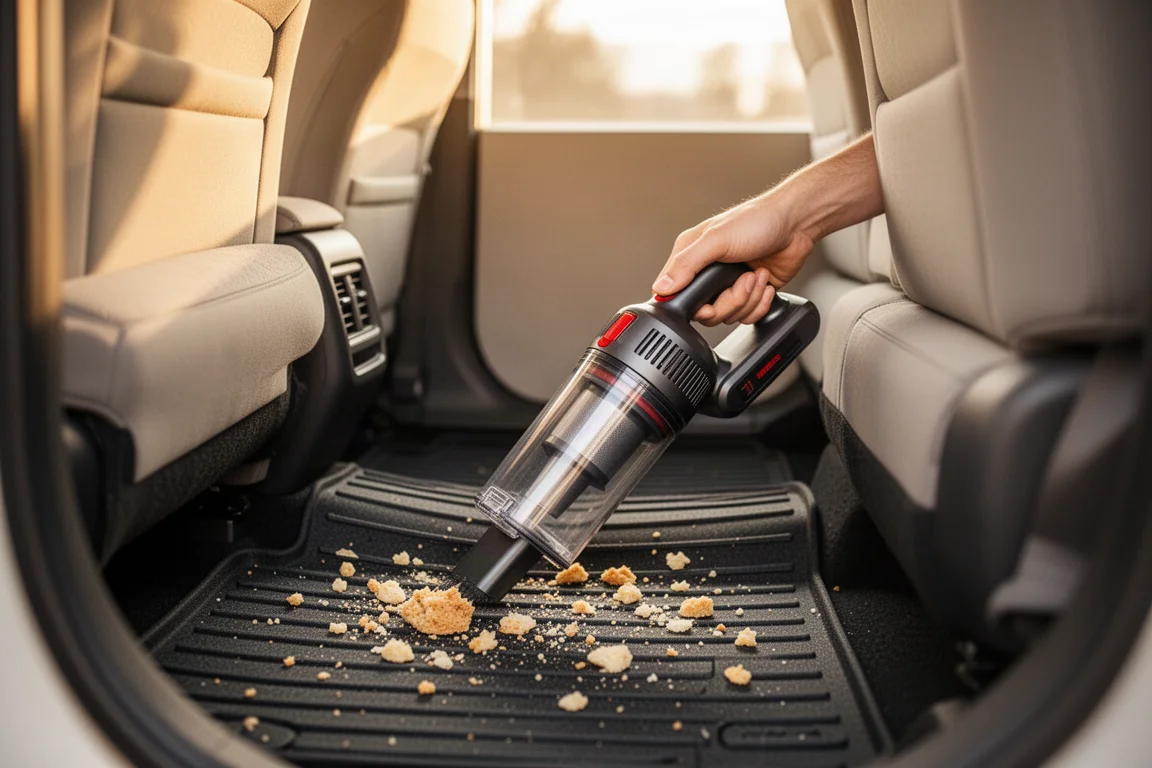
Dragging the full-size vacuum out of the closet for a handful of crumbs is nobody’s idea of fun. A good handheld vacuum solves that problem, but with so many cordless models on the market, choosing one is harder than it should be.
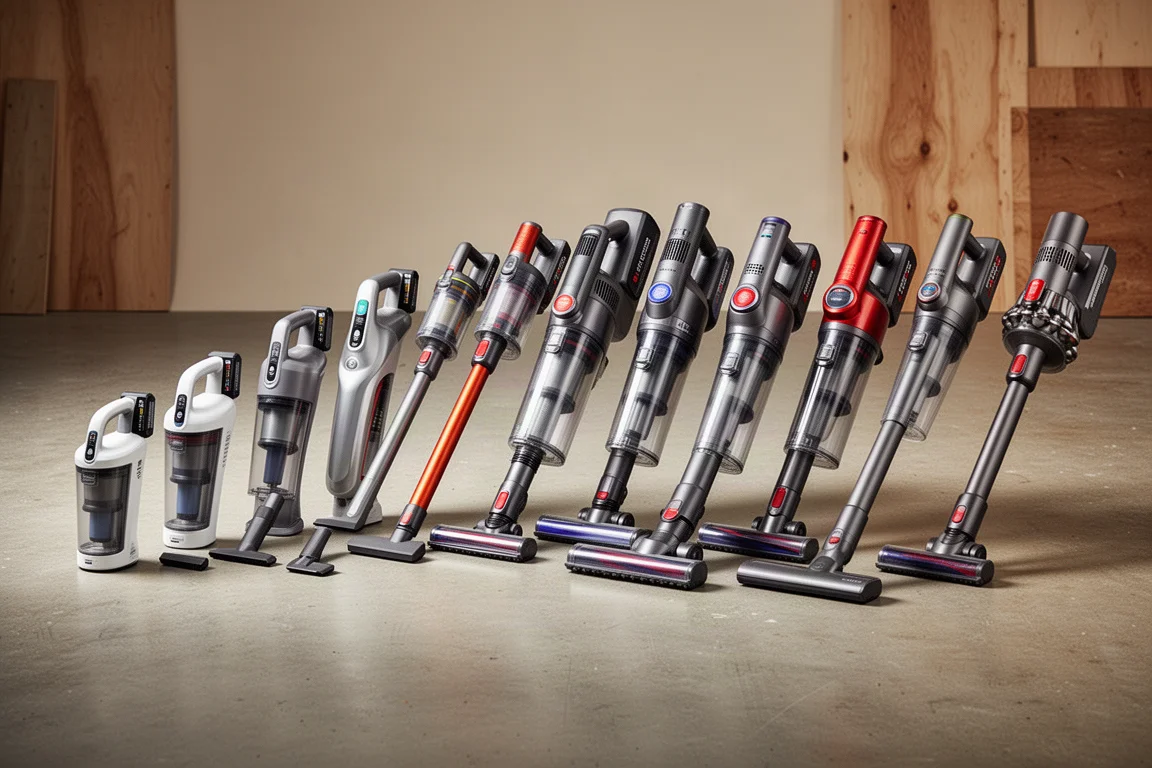
To make the decision easier, we put fourteen handheld vacuums through the same battery of tests: raw suction, airflow, pickup strength, crevice cleaning, deep-cleaning an entry mat, and how well each one holds onto its contents. The lineup ranges from a $29 budget Dustbuster to premium cordless-platform models priced well over $100.
Suction, Airflow, and Air Watts
The headline numbers tell a clear story. Measured in inches of water lift, the knockoff Milwaukee led the suction test at 42 inches, followed by the genuine Milwaukee at 36 and the DeWalt at 34. Airflow favored the Makita at about 47.5 CFM, with the DeWalt and Milwaukee close behind at roughly 45 CFM.
Combining the two into the industry’s air-watts metric (inches of water multiplied by CFM, divided by 8.5), the genuine Milwaukee came out on top at 191 air watts, the DeWalt second at 181, and the knockoff Milwaukee a very impressive third at 167, especially for a $47 vacuum. At the other end, the KMM managed only about 12.7 air watts and the smallest nut in the pickup test was beyond it entirely.
Pickup Strength
The nut test, using metal nuts from 6 mm to 20 mm, separated the field quickly. The knockoff Milwaukee and Makita were the only vacuums with both the power and the inlet diameter to consume six of the seven nuts. Over half the vacuums could lift every nut, including the Ryobi, Ridgid, 20V Black & Decker, and DeWalt. The Vaclife stopped at the 10 mm nut, the Shark couldn’t lift even the smallest, and the KMM couldn’t lift any.
Crevice Cleaning
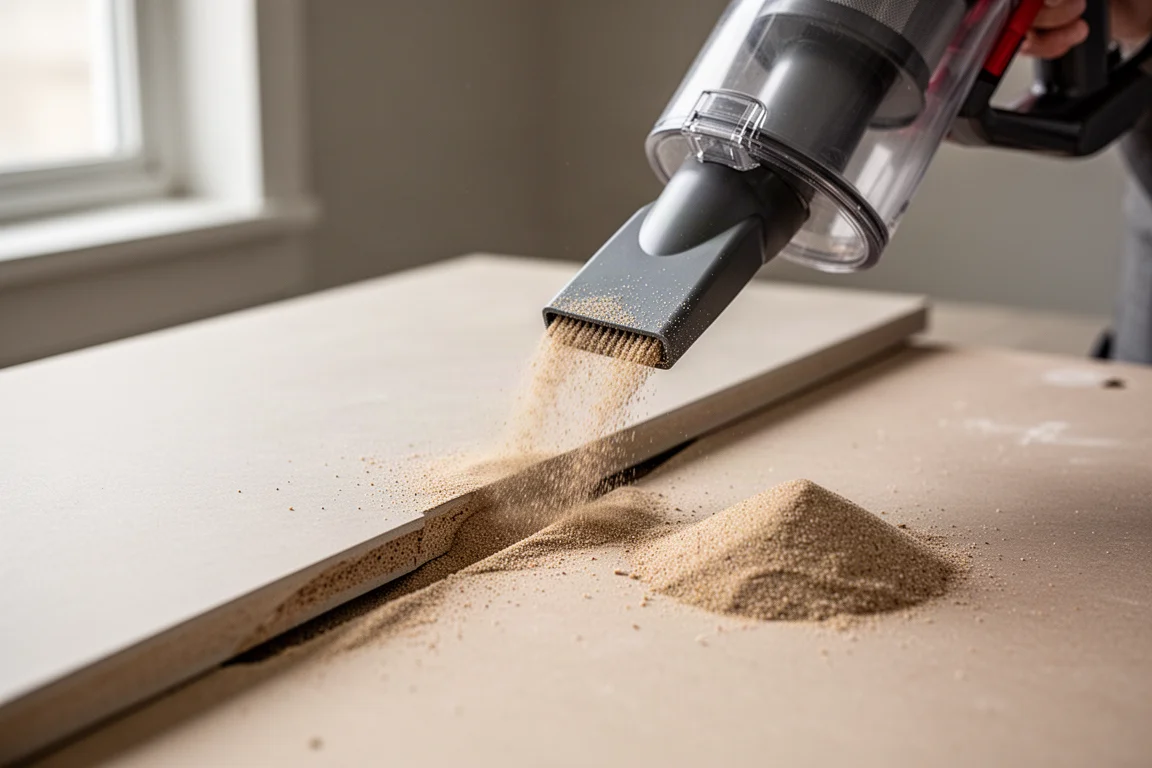
Cleaning 100 g of sand out of a narrow, half-inch crevice exposed how power translates into real work. The DeWalt finished first at 10 seconds, the Milwaukee a close second at 11 seconds. The Bissell and Makita tied for third at 23 seconds, the Ridgid came in around 25 seconds, and the knockoff Milwaukee at 26 seconds.
The budget side of the table looked rougher. The Vaclife left 13 g behind after a full two minutes, the KMM left a staggering 62 g, and the Shark left 11 g. The Black & Decker Quick Clean needed its full two minutes but still did a respectable job with just 2 g remaining.
Holding Onto Its Contents
A vacuum that leaks its own dust bin is worse than useless. The Milwaukee, Makita, DeWalt, 20V Black & Decker, and knockoff models from Milwaukee and DeWalt all held their sand with no spills. The Black & Decker Quick Clean and Shark leaked only slightly, while the Ryobi, Ridgid, Bissell, and Dustbuster Advanced Clean shed noticeable amounts. The KMM leaked immediately on shutdown, and the Vaclife leaked steadily too.
Deep Cleaning the Entry Mat
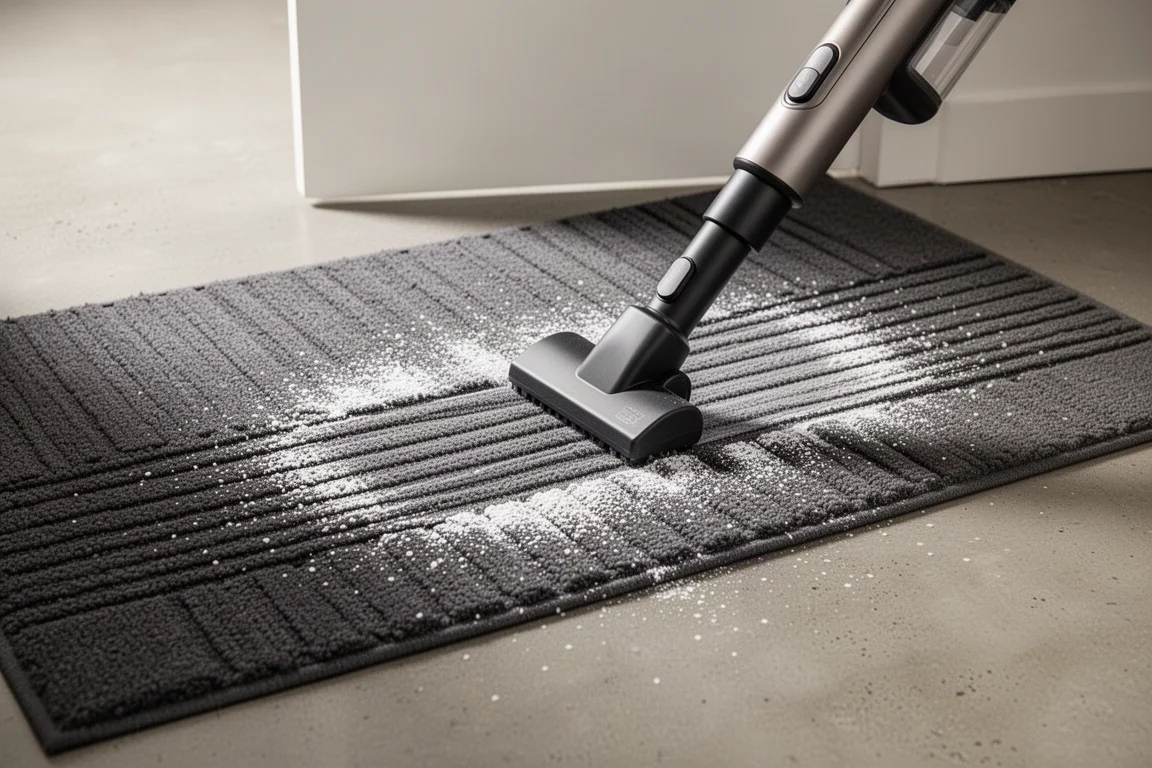
Entry mats defeat most vacuums because flour and fine dust bury deep in the fibers. The knockoff Milwaukee, genuine Milwaukee, and DeWalt tied for first here, pulling debris out of the carpet pile with strong suction and narrower inlets. The Ryobi, Ridgid, and 20V Black & Decker formed a solid second tier. The Makita’s low lift hurt it badly, and both the Quick Clean and Advanced Clean Dustbusters were hampered by large inlets and a lack of a small crevice attachment.
Everyday Details Worth Knowing
Noise levels varied widely: the Bissell was quietest at 82.4 dB, while the Ridgid peaked at 96.4 dB. Weights ranged from the KMM at just 0.75 lb (lightest of the group) to the Milwaukee at 5.89 lb (heaviest).
Run times depend on battery size. With a 4 amp hour battery, the Makita lasted the longest at 50 minutes. Emptying design comes down to preference: 11 of 14 models require two steps to dump the bin, while the Ridgid, 20V Black & Decker, and Milwaukee offer a one-step process. The Makita was the least convenient of all, requiring the bag to be removed and disassembled first.
Which Handheld Vacuum Should You Buy?
The best choice depends heavily on what batteries you already own.
If you already own Ryobi 18V batteries, the Ryobi ONE+ performed well for its $35 price (tool only). It’s heavy at 3.67 lb with a 4 amp hour pack and loud at nearly 94 dB, but the value is real.
If you own Milwaukee tools, the knockoff Milwaukee is the standout of the entire test. It earned strong marks in nearly every category and beat many models twice its price. Owners of the genuine Milwaukee M18 platform get the most powerful vacuum in the lineup, though it’s expensive and heavy. DeWalt 20V owners get nearly identical power, plus the fastest crevice-cleaning result of the day.
For an integrated-battery option, the 20V Black & Decker performed extremely well, earning strong grades in almost every category and finishing crevice tests quickly despite its large inlet.
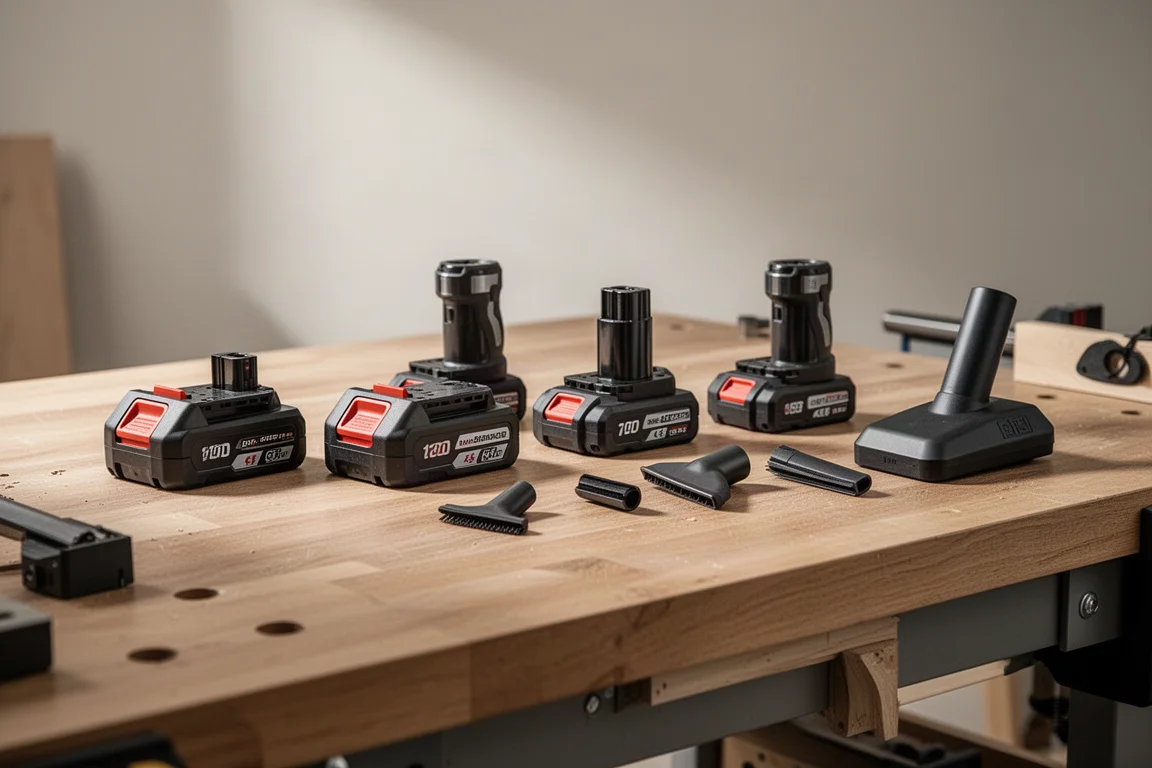
On the budget end, the $29 Dustbuster Quick Clean is hard to beat for light crumbs, while the Bissell punches above its weight on speed and noise. The KMM, Vaclife, and Shark trailed the field consistently and are harder to recommend.
Conclusion
Suction, airflow, and thoughtful design separate a satisfying handheld vacuum from a frustrating one. The genuine Milwaukee and DeWalt dominated raw performance, the knockoff Milwaukee delivered near-flagship results at a budget price, and the 20V Black & Decker proved the best integrated-battery choice. Match the vacuum to the battery platform you already use, and you’ll get the most performance per dollar.
Product link
View more details for Black & Decker Dustbuster Quick Clean
This product is mentioned in the review. Check the specifications, options, and compatibility before buying.
View more details for Black & Decker Dustbuster Quick CleanFurther reading
Related Reviews
Home & Cleaning
Five Cleaning Tools That Make Everyday upkeep Effortless
From a rechargeable air blaster to an ultrasonic cleaner, five practical tools that keep keyboards, screens, counters, and watches genuinely clean.
Home & Cleaning
Best Laundry Detergent: 12 Brands Tested on Stains, Odors, and Color Protection
We compared 12 laundry detergents on six tough stains, manure-and-gear-oil odors, and color care to find which ones are actually worth your money.
Home & Cleaning
Best Laundry Detergent of 2026: 13 Products Tested on Real Stains
We put 13 laundry detergents, sheets, pods, and boosters through the same six-stain gauntlet to find out which ones are actually worth the money.