Ski Gear
Best Narrow Frontside Carving Skis: 17 Top Models Compared
A detailed roundup of 17 narrow frontside carving skis, from precision slalom shapes to stable GS-style carvers, with buying advice for expert and advancing skiers.
Introduction
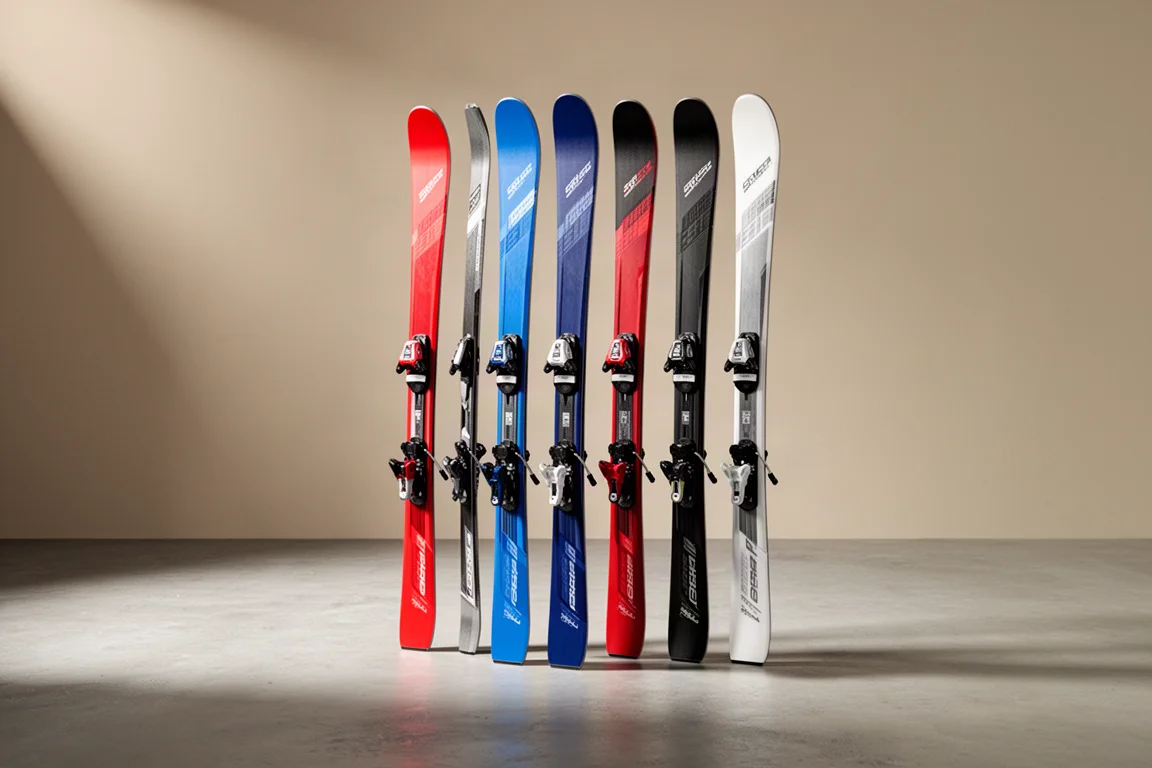
Narrow frontside carving skis are a specialized category. They prioritize precision, edge grip, and speed on firm groomers. They are not powder skis or all-mountain skis. They suit expert and advancing skiers, beer league racers, and anyone who wants to maximize turns on shorter runs. This roundup covers 17 models, from slalom-inspired shapes to GS-style carvers. Many are heavy and stiff, built for hard snow. The list goes from narrowest to widest.
How We Evaluated These Skis
The evaluation looked at waist width, turn radius, construction, and on-snow feel. It considered how each ski handles hard groomers, softer snow, and race courses, as well as accessibility for different ability levels. This category has subtle differences, and many skis share mid-radius shapes. The focus was on precision, stability, power, and versatility.
Price and binding options were also considered where available. Some skis are premium products with race-level components, while others are more approachable daily drivers. The goal is to help you match a ski to your terrain, ability, and intended use.
Atomic Redster X9S
The Atomic Redster X9S is the narrowest ski in this roundup at 65.5 mm underfoot. It uses an Ultra Power Wood Core, which combines poplar and beech, along with two sheets of metal and the Revoshock S system. The 183 cm length has a 16.2 m turn radius, and a 167 cm option has a 14.2 m radius. It is built much like a race ski, but it is not a race ski. On firm, bulletproof groomers, it is extremely precise and stiff. It wants hard snow to react against. On softer groomers, it can feel like too much ski, and you have to be delicate with tip pressure. It is a specialist for skiers who want to feel every detail of their carving.
View more details for Atomic Redster X9S
Stockli Laser WRT Pro
The Stockli Laser WRT Pro is a premium carving ski with a 66 mm waist and a 118-66-100 sidecut. It has a tight top sheet, where the upper metal laminate forms the surface, and Fenal sidewalls, which are stiffer racing sidewalls. These features add precision in the initiation phase and make the ski incredibly smooth and powerful. The 162 cm length has a 13 m turn radius, while longer lengths are around 16.3 m. It is stiffer in the shovel than the WRT ST. Binding options range from a WRT D20 race plate to SRT Carbon and SRT Speed MC configurations. It is a premium product, with a price around $1,700 with Phantom treatment. It is not for everyone, but for expert carvers it delivers a high level of performance.
View more details for Stöckli Laser WRT Pro
Stockli Laser WRT ST
The Stockli Laser WRT ST shares the same 118-66-100 shape as the WRT Pro, but it has a slightly different construction and a lighter wood core. It uses Carbon Steering Control, a carbon bridge built into the metal that flexes and snaps back to help the ski return to its original state. It also has Carbon Power Turn, a carbon laminate underfoot that stiffens the ski torsionally. The WRT ST is exceptionally smooth and powerful, and it feels very similar to the Pro, but it is a little more accessible. It is less stiff in the shovel, and the carbon makes responsiveness easier to access. It is still a premium ski for strong skiers, and it comes with customizable binding options.
Head Supershape e-Original
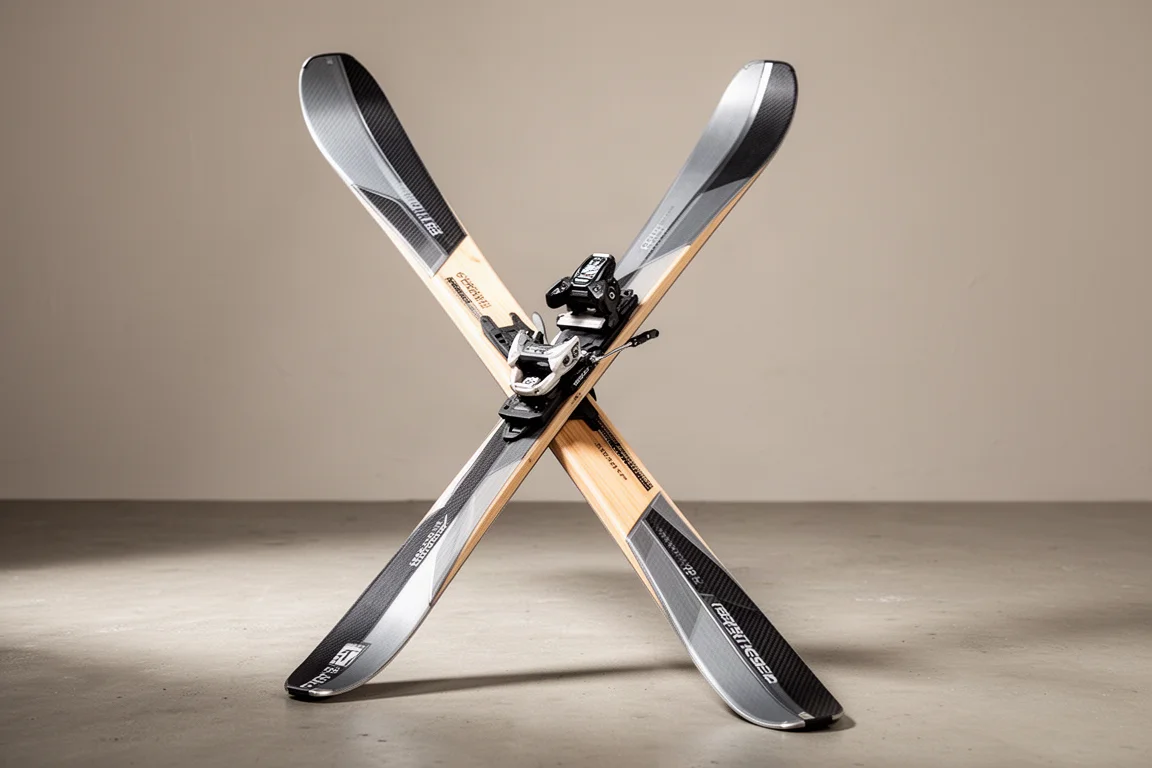
The Head Supershape e-Original is the most slalom-oriented ski in this group. It has a wood core, two sheets of metal, graphene, and Head’s energy management circuit, which is designed to convert unwanted vibrations into potential energy and then release it as kinetic energy. The shape is 129-66-107, with a 12.1 m turn radius in the 170 cm length. That is a short radius, even for a slalom ski. It has a big shovel and a parabolic shape that does not skid or ride flat very well. It wants clean, short-radius carving turns. It is a great choice for low-snow seasons, shorter lifts, and areas with limited vertical, because it maximizes the turns you can make. It is precise, but not quite as torsionally stiff as the narrowest race-like models.
Atomic Redster G9
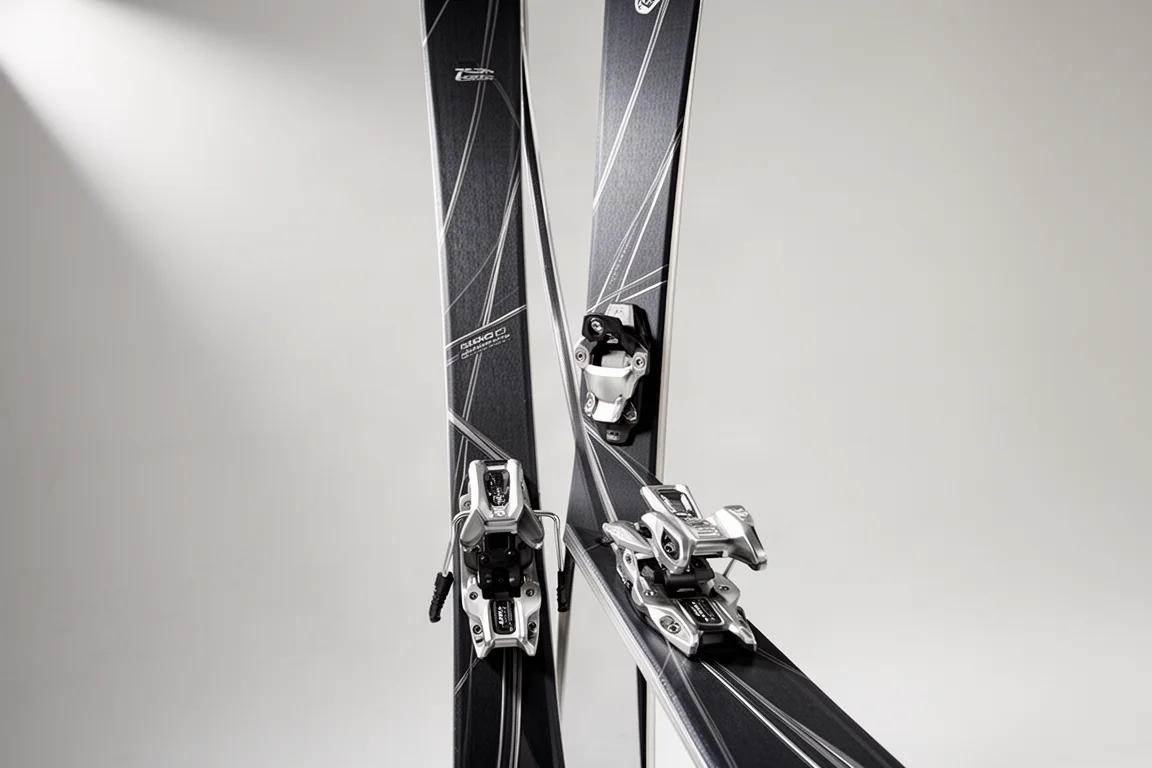
The Atomic Redster G9 shifts toward a GS-style turn. It has a Power Wood Core, two sheets of metal, and the Revoshock S steel system. The waist is 68 mm, and the 177 cm length has an 18.2 m turn radius. The shovel and tail are straighter than the X9S, which gives it long-turn characteristics and high-speed stability. It is a great beer league ski and a good fit for recreational race setups. It is easier to manage on softer groomers than the X9S, and it lets you go straight with confidence. It is heavy, and it is not as precise as the X9S, but it is a strong choice for speed-focused frontside skiing.
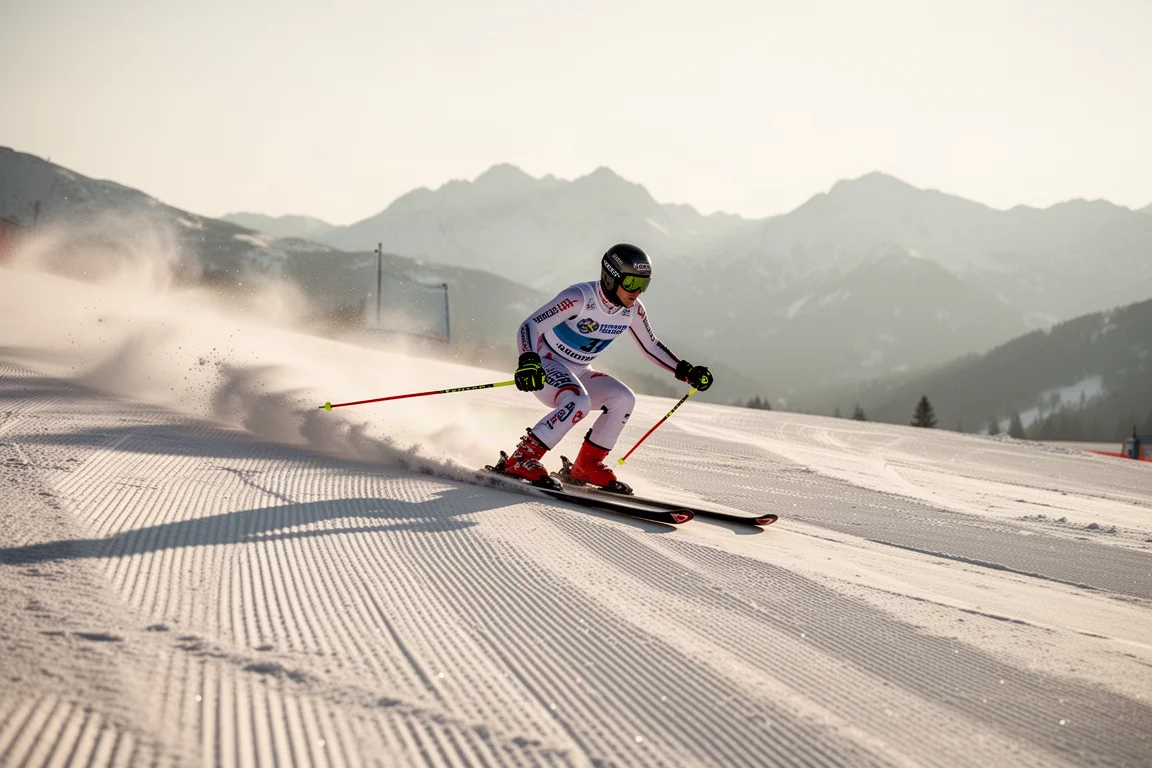
It also works well for early morning groomers when you want to open up the throttle. Compared with the X9S, the G9 feels like a different ski even though the two look similar at a glance. The G9 is more about stability and long arcs, while the X9S is about precision and short turns.
View more details for Atomic Redster G9
Nordica Dobermann Multigara
The Nordica Dobermann Multigara uses a double core construction, with two wood cores stacked, plus two sheets of metal. It is a double core, double titanal build. The 175 cm length has a 121-70-101 shape and a 16 m turn radius. That mid-radius sweet spot makes it a feel-good carving ski. It is smooth, planted, and well damped, but it is not punishing. It is less reactive than the X9S, and it feels more comprehensive and confidence-inspiring. It comes with a 14 DIN binding and a zinc plate, which pushes the price up. Availability may be limited. For skiers who want a premium, smooth, powerful carving ski, it is a compelling option.
Blizzard Firebird HRC
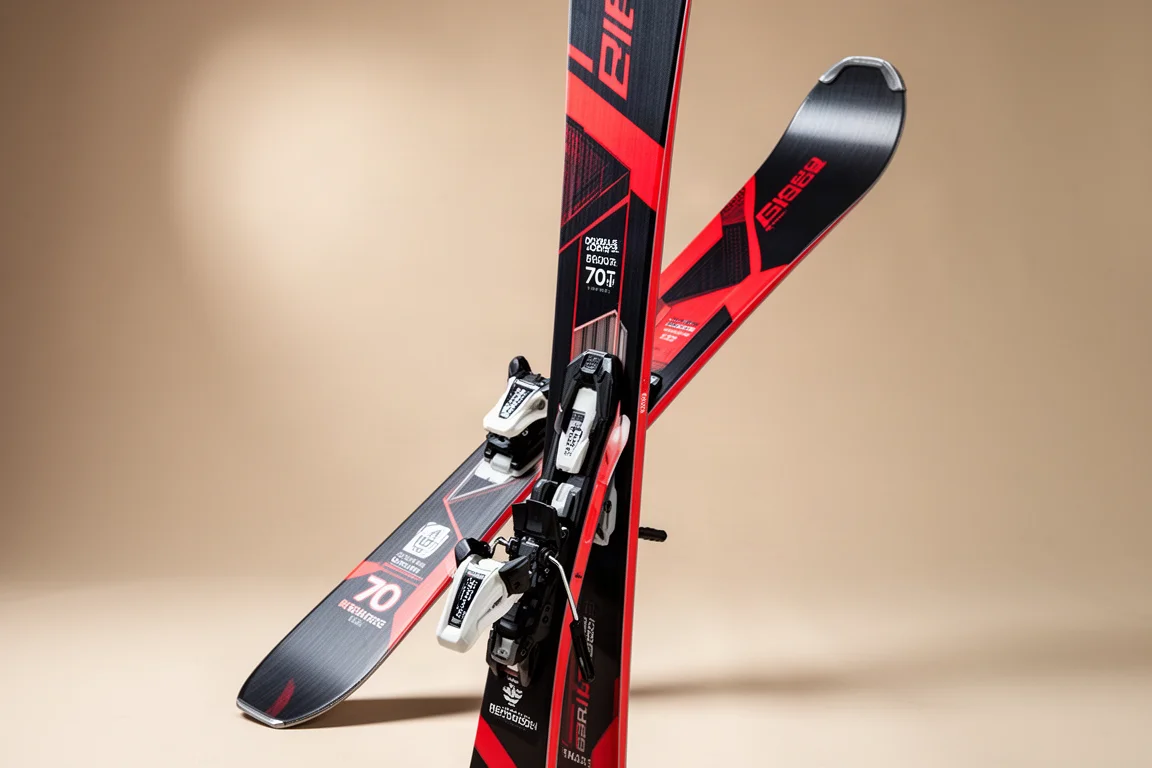
The Blizzard Firebird HRC has been updated with a narrower 69 mm waist, down from 76 mm. It keeps a mid-radius arc, with a turn radius similar to the Multigara, around 15.8 m in the 175 cm length. The construction now uses three sheets of metal, with a wood core that is mostly ash and some poplar. The carbon stringers and carbon armor are gone. The result is a powerful, precise, carving-oriented ski that differentiates itself from the Thunderbird line. It is more race-focused than before, and it should appeal to beer league racers who found the older HRC too wide. It is a strong frontside carver with a lot of metal underfoot.
Blizzard Thunderbird R13
The Blizzard Thunderbird R13 uses a TrueBlend PC core, which positions less dense wood in the core. It has two sheets of metal and an Active Carbon Armor with a floating attachment point that lets the armor move with the ski. The waist is 70 mm, and the turn radius is 13 m. It is not a Firebird, but it is still plenty of ski. It is similar in some ways to the Head Supershape e-Original. It is super fun and rewarding, especially for skiers who want to make more turns on shorter runs or less vertical. It repackages a winning formula with a shorter radius and a lively feel.
Rossignol Hero Elite LT
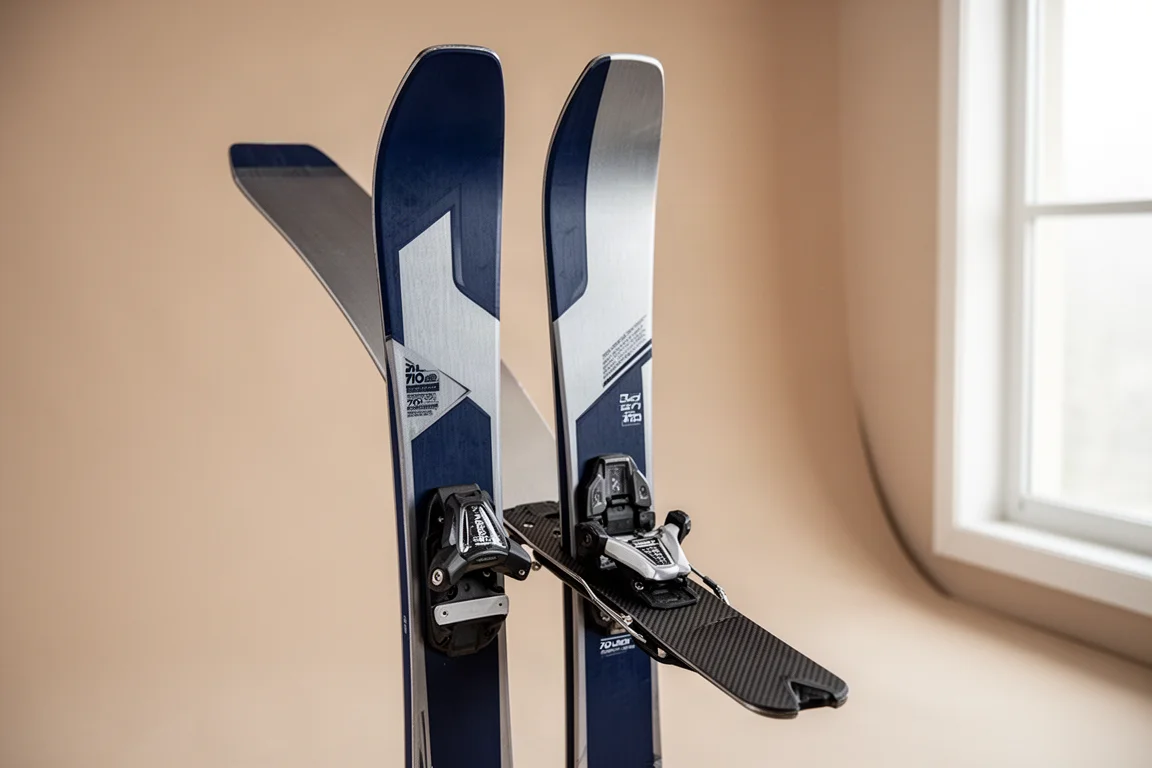
The Rossignol Hero Elite LT is the longer-turning, GS-style option in the Hero Elite line. It uses a beechwood core, two sheets of metal, a Titanal Beam, and V-Titanal, which puts a ridge in the upper metal laminate to create a three-dimensional structure that increases stiffness efficiently. The 172 cm length has a 17 m turn radius and a 71 mm waist. It is stable at speed and has a crisp, sharp shovel shape that initiates from the front of the ski. It is fully cambered and fully tapered. The Connect binding system has a larger sweet spot and lets the ski flex more naturally, though it may not transmit as much power. It is a great ski for softer groomers and broken snow, and it is a strong daily driver for firm conditions.
K2 Disruption Ti2
The K2 Disruption Ti2 is one of the most stable skis in this roundup. It has an Aspen wood core, a double titanal I-Beam, and additional metal. The core is visually thick through the tip. K2 claims it is the most stable ski they have ever built. The 177 cm length has a 20.4 m turn radius and a 71 mm waist, which makes it close to a full race ski, though a true GS ski is narrower and longer. It comes with a Marker Piston plate and a true race binding system. It has a slight 2 mm tip and tail rocker. It is very fun for going fast, but it is demanding. It requires good technique, especially in a race course, and the longer 182 cm length has a turn radius over 22 m. It is best for expert skiers who want maximum stability on long, winding trails.
The Ti2 is built in the United States and comes in a numbered series. It is a ski that rewards energy and commitment. On the right trail, it makes the mountain feel like a race course. On the wrong day, it can be nerve-wracking. It is not a casual cruiser.
Stockli Laser SC
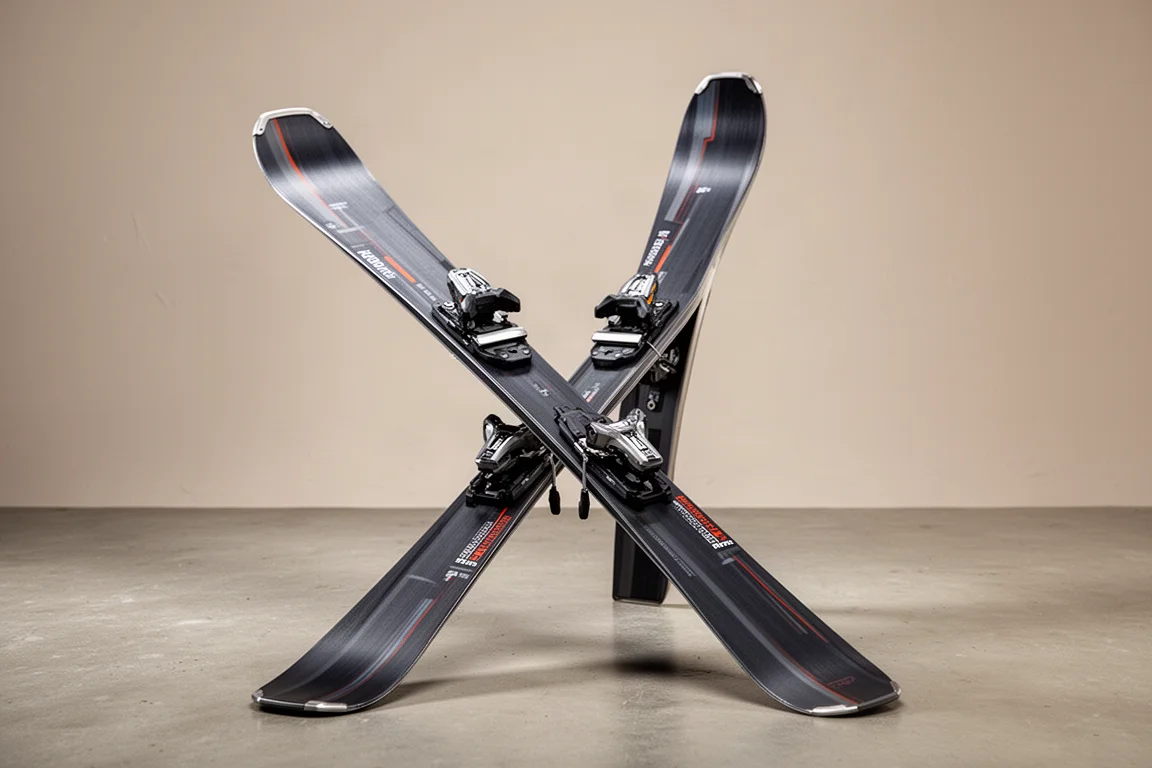
The Stockli Laser SC is a more accessible Stockli carving ski. It has a lighter wood core, two sheets of metal, and new racing black sidewalls that are stiffer for better edge grip. The 177 cm length has a 72 mm waist and a 16.2 m turn radius. It uses Flex Torsion Control, with slits cut through the top sheet metal. At lower speeds, the slits allow the ski to twist; under load, they lock and stiffen the ski. It is extremely quiet and smooth. It is easier to engage than the WRT models, and it should suit a wider range of skiers. It is a better daily driver for most situations, though it still carries a premium price. Binding options include WRT plate, W Carbon Multi Full Flex, and Strive demo.
Volkl Deacon Master 72
The Volkl Deacon Master 72 is similar in intent to the K2 Disruption Ti2, but it is more approachable and less punishing. It has an ashwood core, two sheets of metal, and a tailored carbon tip. It also has a piston plate. The waist is 72 mm, and the 16.4 m turn radius is close to the Stockli Laser SC. The build blends the power of the Ti2 with a more user-friendly turn shape. It is slightly softer flexing than the Ti2, but it is still a stiff ski. It is a great choice for beer league racers who finish in the middle of the pack, because it can ski a race run and then free ski with ease. It has a flatter profile with slight tip rocker and a tiny bit of tail rocker. It is solid, stable, and powerful.
K2 Disruption MTI
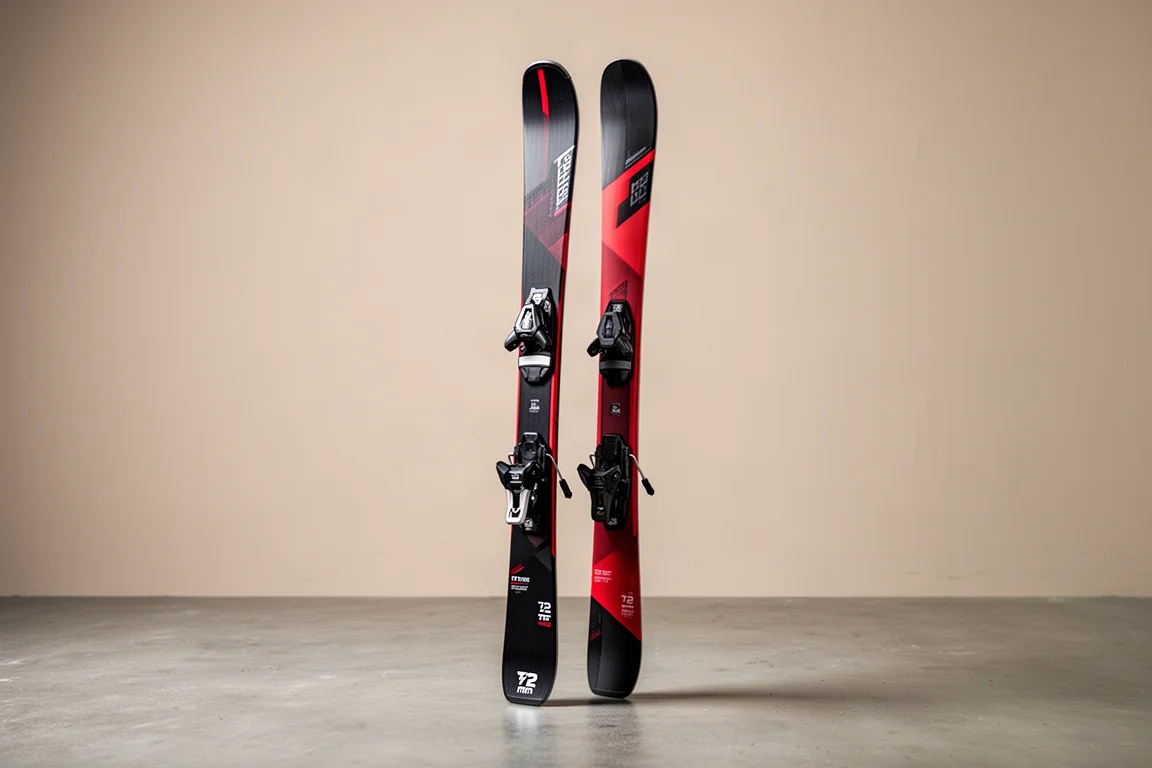
The K2 Disruption MTI was the former flagship of the Disruption line before the Ti2. It has a Maple and Aspen wood core, a single laminate of metal in an I-Beam shape, and Dark Matter damping, an elastomer material in the forebody and tail that reduces vibration. The 180 cm length has a 74 mm waist and a 19.3 m turn radius. It feels more playful and quicker than its damp character suggests. It is responsive and can be manipulated more easily than a dedicated race ski. It does not have to adhere to its radius as strictly as some models. It is also one of the better bump skis in this group, though it is still a system carving ski. It is a fun, engaging carver for skiers who want versatility.
Nordica Spitfire DC 74 Pro
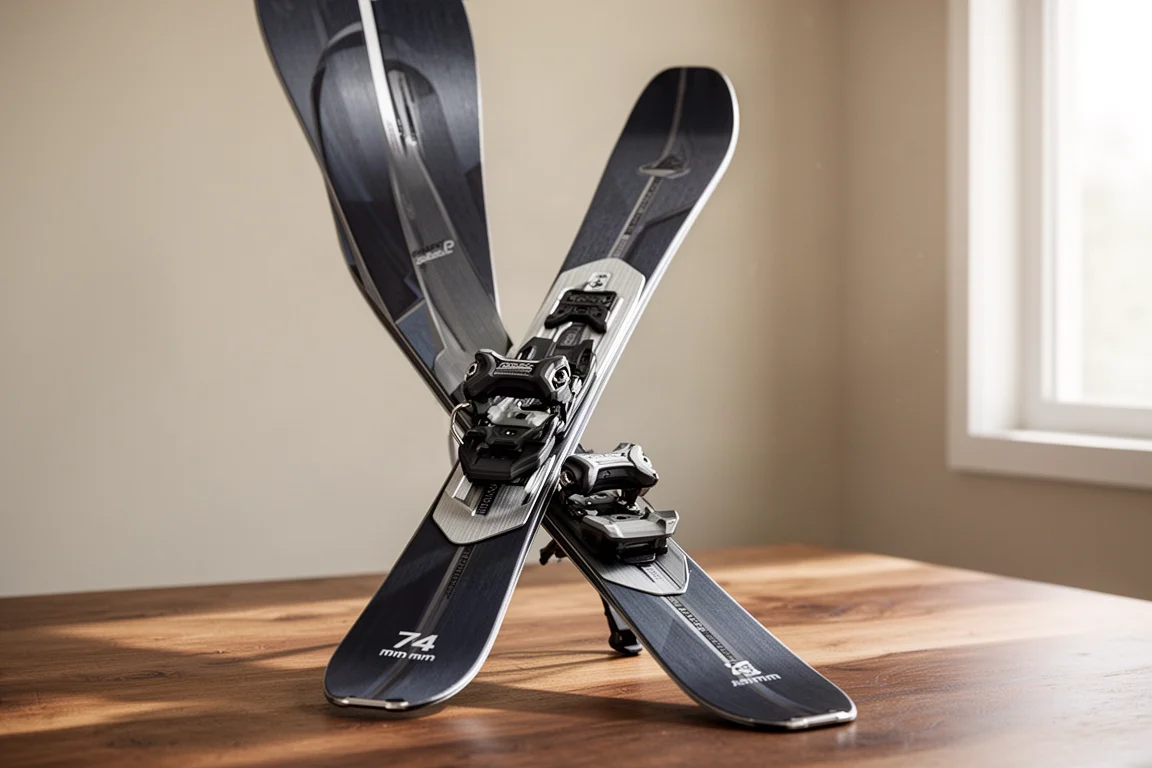
The Nordica Spitfire DC 74 Pro is a resort carving ski that impressed immediately. It uses a double core with a single sheet of titanal and an elastomer material, which softens the flex compared with the Dobermann Multigara. The 74 mm waist and 16.5 m turn radius make it a strong daily driver. It does not feel like a race ski, nor should it. Nordica has dedicated race skis for that purpose. The Spitfire DC 74 Pro is smooth, rewarding, and comfortable. It has a similar build to the Steadfast 85 but in a more race-like shape. It is a great choice for advanced skiers who want a versatile frontside carver that is easy to ski well.
Rossignol Hero Elite MT
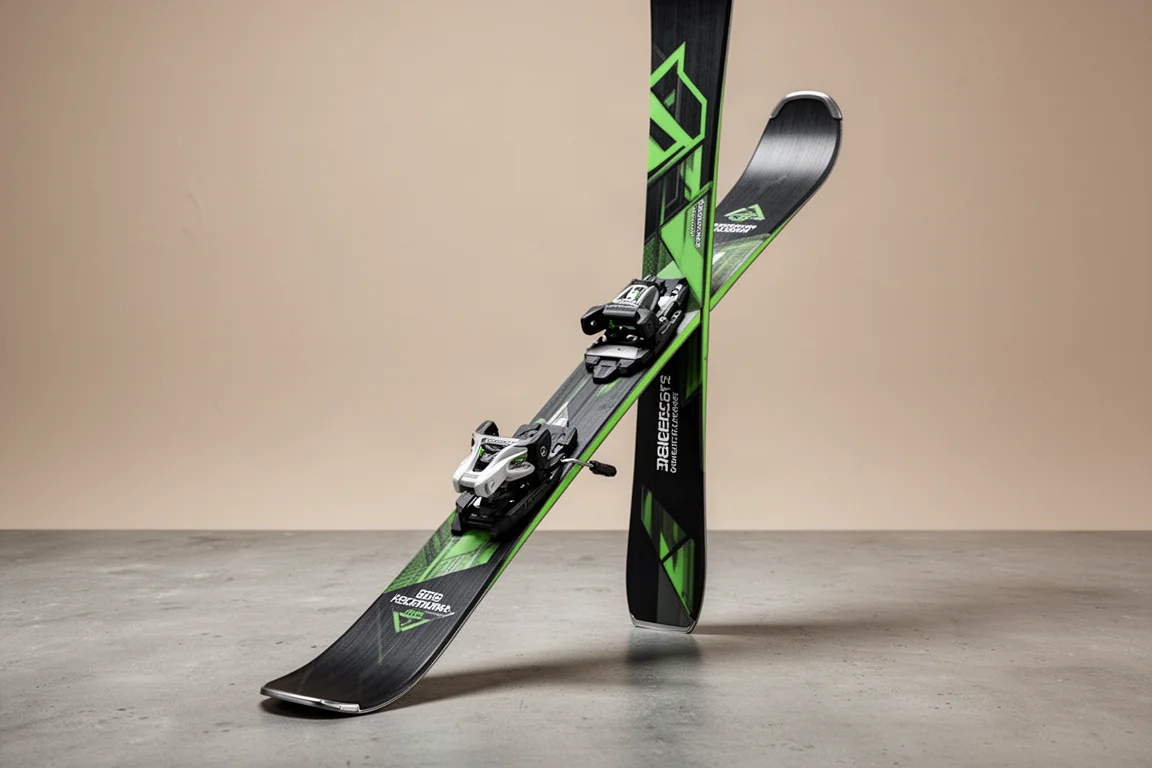
The Rossignol Hero Elite MT is the multi-turn version of the Hero Elite line, with a shorter turn radius than the LT. It has a poplar wood core, a Titanal Beam underfoot, and a vertical carbon alloy matrix that interweaves carbon and basalt fibers in a V-shape. The 74 mm waist and 15 m turn radius make it a lively, accessible carving ski. The lack of full metal opens it up to progressing skiers who are perfecting their carve. It still has a high ceiling, so you can keep pushing your skiing without outskiing it quickly. It is lighter and more energetic than the LT, and it uses carbon in a way that is unusual for a frontside ski.
Rossignol Forza 60
The Rossignol Forza 60 is a new addition that surpassed expectations. It shares much of its build with the Forza 70, including V-Titanal, which controls flex while keeping weight down. The 75 mm waist and 171 cm length have a 13 m turn radius. The tip shape tapers and rounds out, making the ski more approachable and forgiving than many Rossignol carving skis. It is still plenty of ski, and it can be pushed hard. It is a narrow all-mountain ski that can handle bumps and varied conditions. The 60 in the name refers to the edge angle you should be able to achieve. It is a great option for progressing skiers and anyone who wants a versatile, easy-going carving ski.
Kessler MX 75
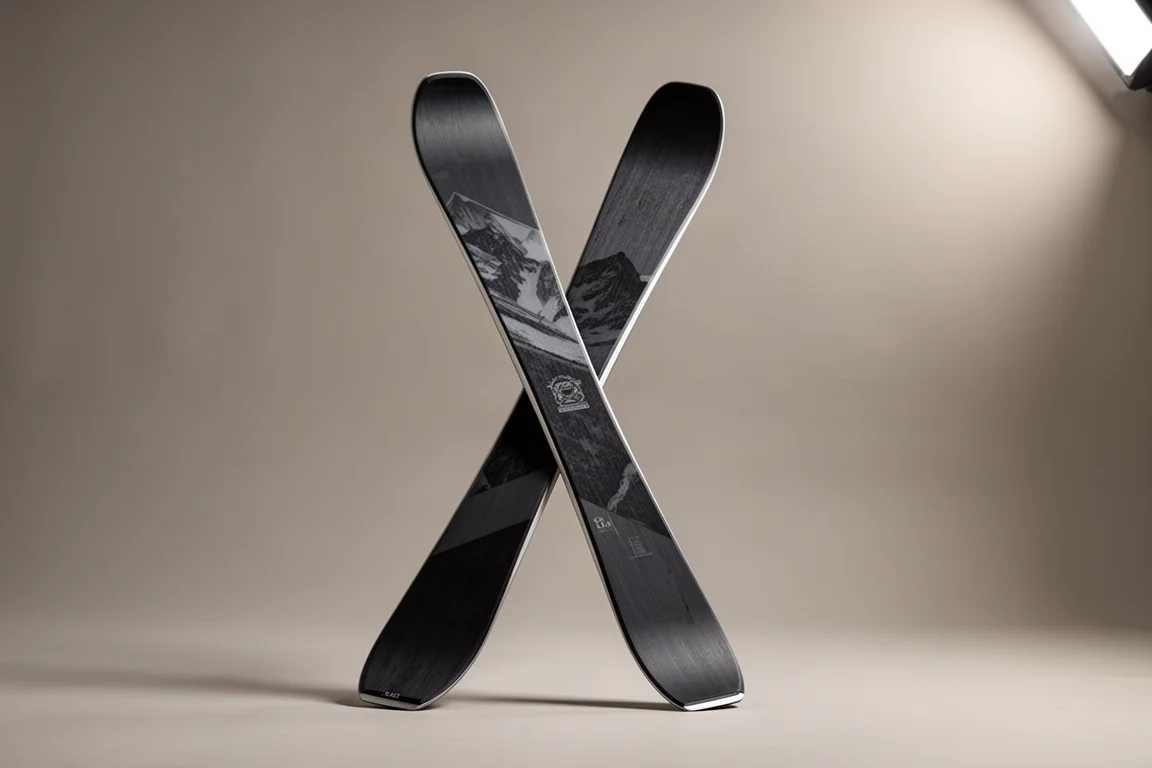
The Kessler MX 75 is the narrowest ski in the MX line, but it shares construction and shaping characteristics with the wider MX models. It has thin wood stringers of poplar and beech, fiberglass, and two sheets of metal. It delivers Kessler precision and power in a quick, agile package. The 75 mm waist and minimal rocker make it versatile. It is more approachable than the wider MX 88 and MX 98, but it is still rewarding for expert carvers. It has a hollow tech shovel flex and lighter swing weight, which makes it one of the best bump skis in this roundup. The soft flex in the shovel limits its race abilities, but it is a fun, engaging ski for skiers who value quickness.
Buying Advice
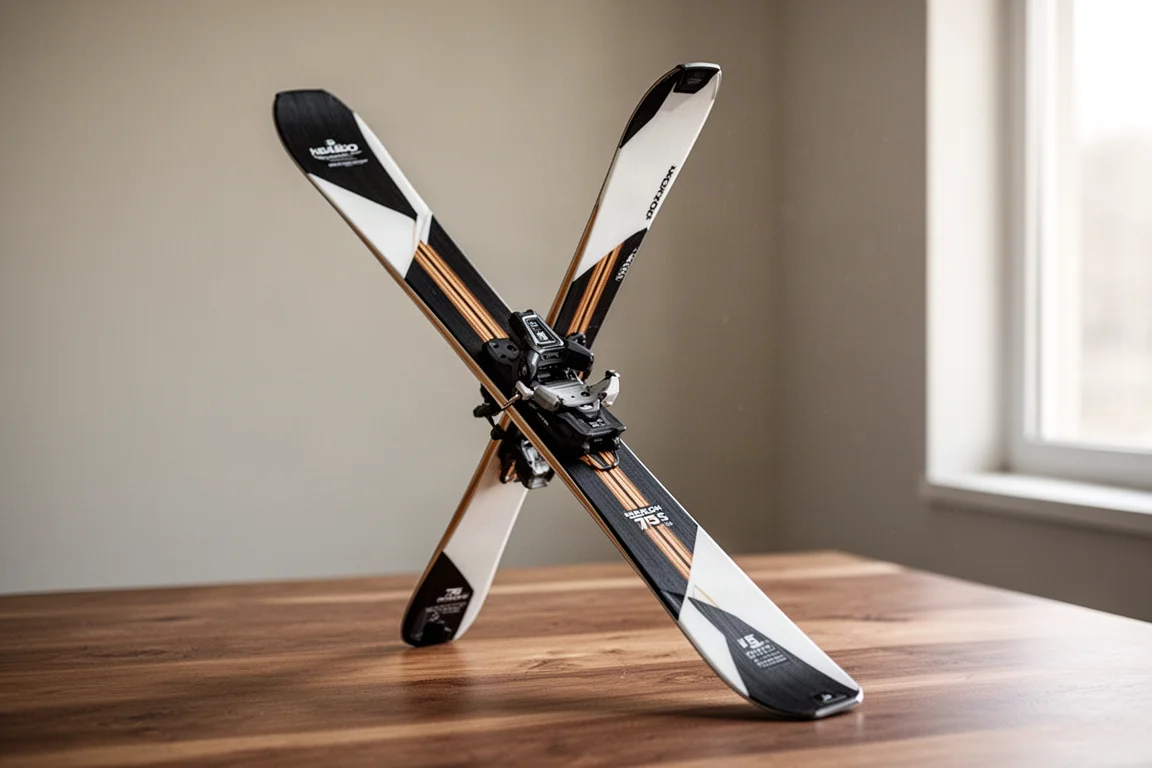
When choosing a narrow frontside ski, start with the turn radius and waist width. A shorter radius, around 12 to 16 m, is better for slalom-style carving and shorter runs. A longer radius, around 17 to 20 m, is better for GS-style speed and stability. Waist width between 65 and 75 mm determines how quickly the ski engages and how much float it has in softer snow. Construction matters too. More metal generally means more power, stability, and weight. Carbon can make a ski more accessible and energetic. Binding systems range from race plates to demo bindings, and they affect power transmission and flex.
Consider your ability level. Many of these skis are advanced or expert models. If you are progressing, look at the more forgiving options like the Rossignol Forza 60, Rossignol Hero Elite MT, or Blizzard Thunderbird R13. If you race or ski aggressively on hardpack, the Atomic Redster X9S, Stockli Laser WRT Pro, K2 Disruption Ti2, and Volkl Deacon Master 72 are strong contenders. Also think about your local terrain. Shorter vertical and shorter runs favor shorter turn radii. Long, winding trails favor longer radii and high-speed stability. Finally, budget for premium models if you want race-level components and top-tier construction.
Conclusion
Narrow frontside carving skis are a specialized tool, and the right one depends on your terrain, ability, and goals. The narrowest models, like the Atomic Redster X9S, deliver unmatched precision on hard snow. The Stockli Laser WRT Pro and WRT ST offer premium smoothness and power. The Head Supershape e-Original and Blizzard Thunderbird R13 are excellent for short-radius carving. The Atomic Redster G9, Rossignol Hero Elite LT, and K2 Disruption Ti2 bring GS-style stability. The Stockli Laser SC, Volkl Deacon Master 72, K2 Disruption MTI, Nordica Spitfire DC 74 Pro, Rossignol Hero Elite MT, Rossignol Forza 60, and Kessler MX 75 round out the category with varying levels of accessibility and versatility. Match the ski to the conditions you actually ski, and you will get more enjoyment from every turn.
Further reading
Related Reviews

Ski Gear
2023 Blizzard Hustle vs Rustler: Six Freeride Skis Compared
Blizzard's 2023 Hustle collection rebuilds the Rustler shape with a lighter core and no metal. Here is how all six skis differ, and which one suits your riding.

Ski Gear
2023 Skis of the Year: Atomic Maverick 88 TI, Salomon QST 106, and Look SPX 12 Pro
Three standout ski picks for all-mountain carving, powder days, and reliable binding performance, with practical buying notes for 2023 models.

Ski Gear
2025 Nordica Enforcer 104 Review: A Directional Charger Replaces the 104 Free
The 2025 Nordica Enforcer 104 drops the Free name and the twin-tip personality, gaining weight, stiffness and composure in rough snow. Here is what changed and who it suits.