Multi-Tools
Multi-Tool Roundup: Classic Favorites and Modern Picks Worth Knowing
A look at eight notable multi-tools from SOG, Gerber, Leatherman, and Victorinox, plus an honest take on whether multi-tools have really improved over the years.
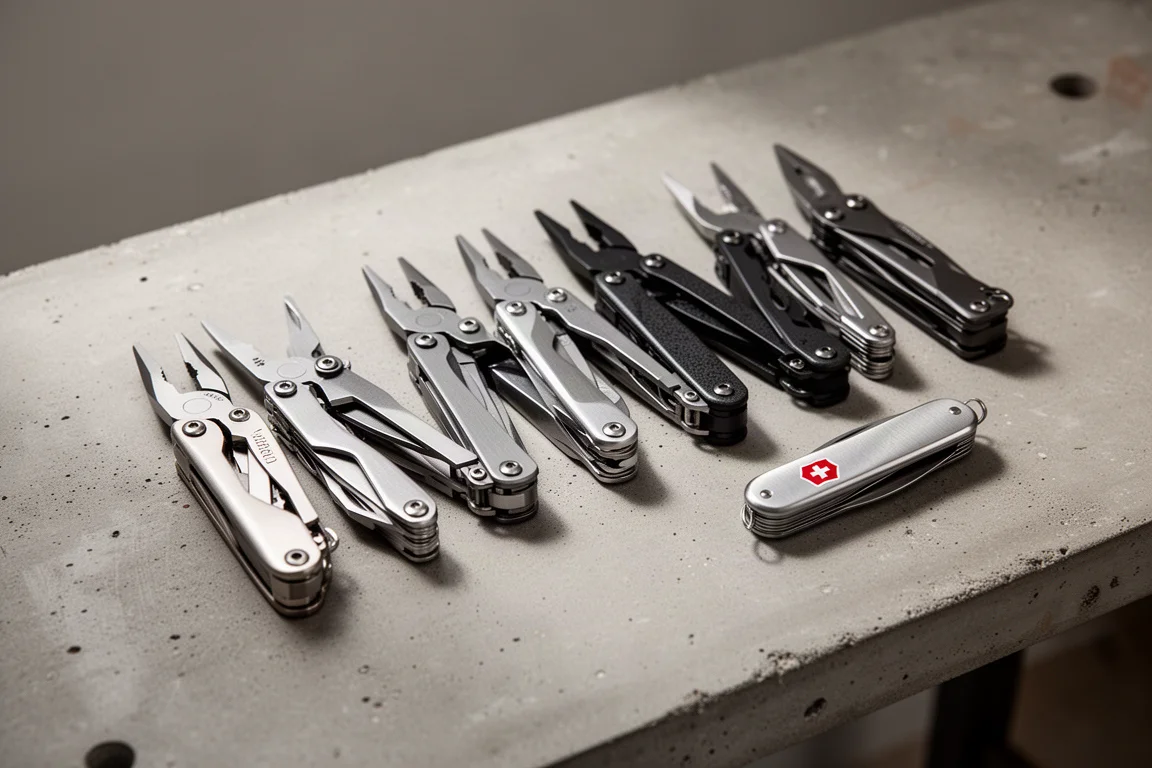
Introduction
Have multi-tools actually improved over the years, or are they slowly getting worse? It is a question worth asking, and comparing older designs with what is on shelves today gives a surprisingly clear answer. Some brands have coasted, some have slipped, and at least one has genuinely gotten better.
A Throwback Worth Finding: SOG Tough Tool
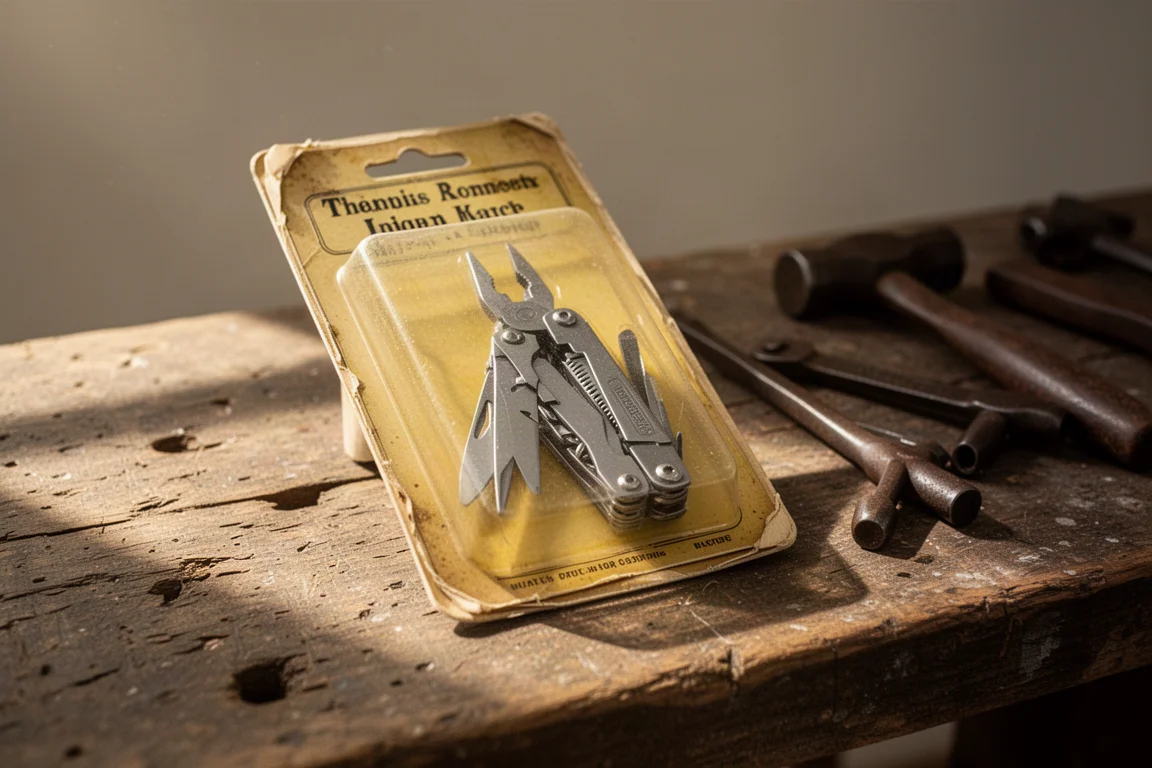
The SOG Tough Tool dates back to 1996, and finding one brand new in its original package is a treat. It opens to the side rather than along the spine, which makes the pliers feel less flimsy under load and noticeably more comfortable to grip. The laminated plier construction is a standout detail that deserves more use in modern designs.
One clever touch: some SOG tools of this era lock, and disengaging the lock is as simple as pressing down on a release, an improvement over earlier designs where you had to pull tools out the hard way. Older USA-made versions used 420HC steel, which remains one of the best all-around choices for a multi-tool even decades later. Be prepared for stiff pivots and dried-out lubricant if you find one new in package; a degrease and re-lube sorts it out.
A Rare Forged Surprise: Irwin SOG Forged Plier Multi-Tool
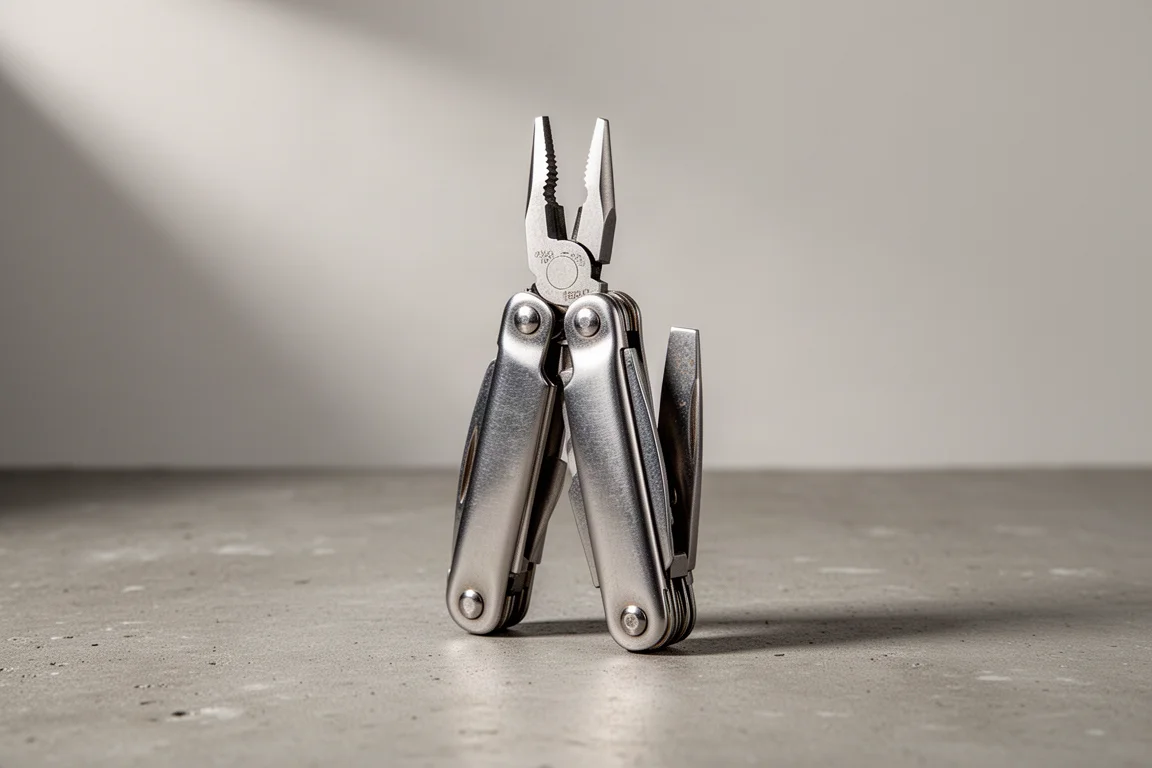
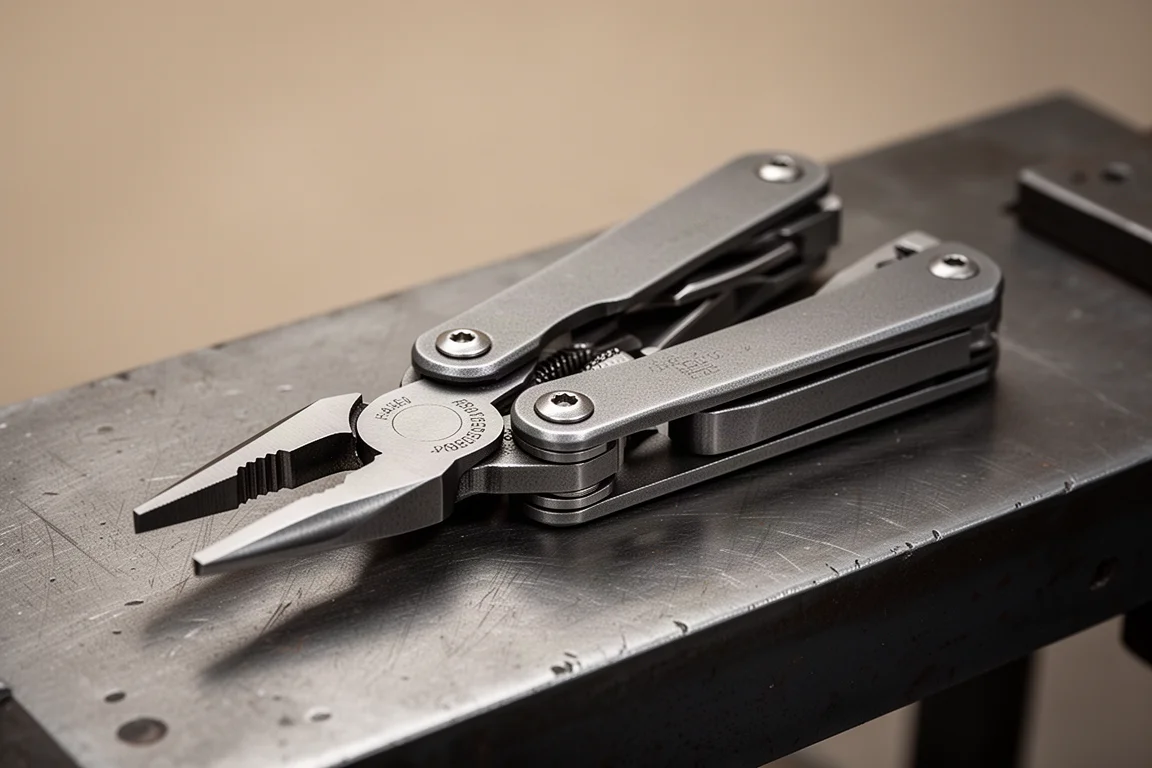
This collaboration between Irwin and SOG is easy to miss, and that is part of its appeal. It is a true forged plier, USA made back when Irwin tools were still produced domestically, which makes it a surprisingly rare find today.
It carries five implements: a Phillips driver, a flathead with a wire stripping notch, a partially serrated blade, a small flathead, and a saw. All of them lock, with the same elegant press-down release. The plier head is remarkably close in size to a five-inch vice grip, which makes the whole tool feel purpose-built for clamping and gripping work. The heat-treated forged plate steel should resist wear on those locking corners for a very long time.
Gerber’s Mixed Report Card
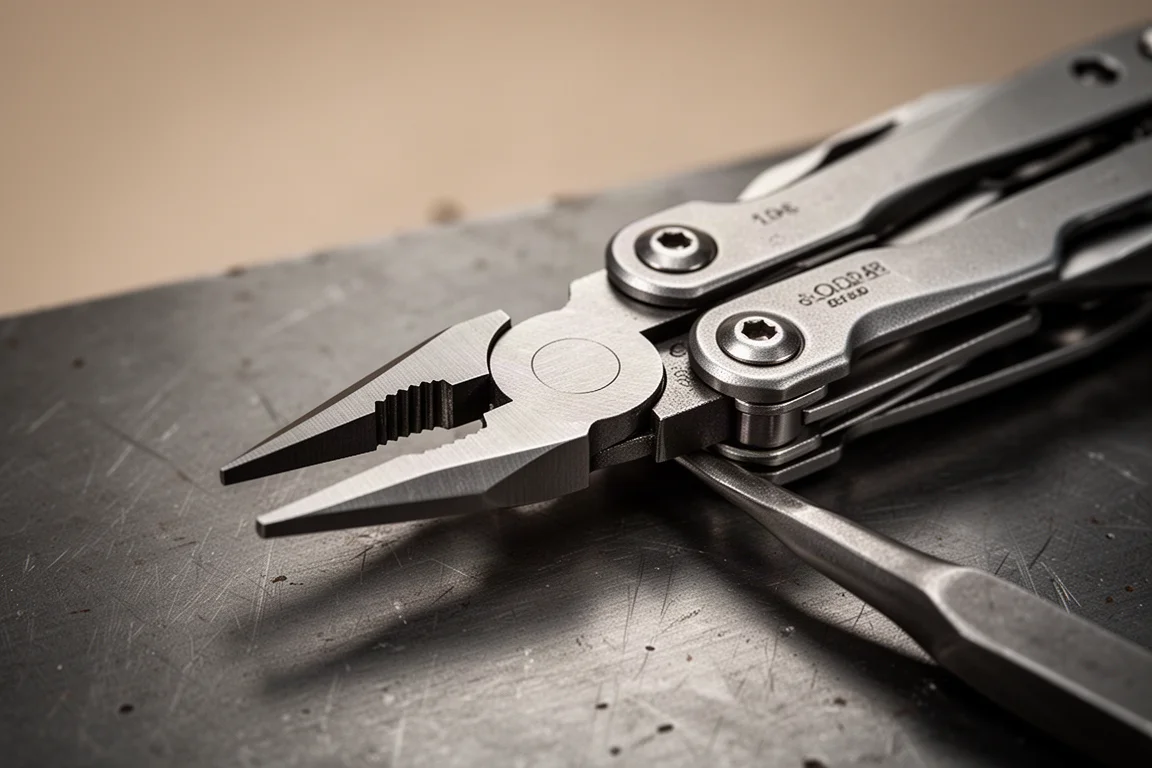
Gerber’s story is genuinely mixed. The MP600 has long been a service member favorite, a standard-issue tool loved by many, but recent iterations appear to have dropped sharply in quality control. Newer units no longer carry the USA stamp, and feedback from people opening recent boxes suggests far more out-of-box issues than expected.
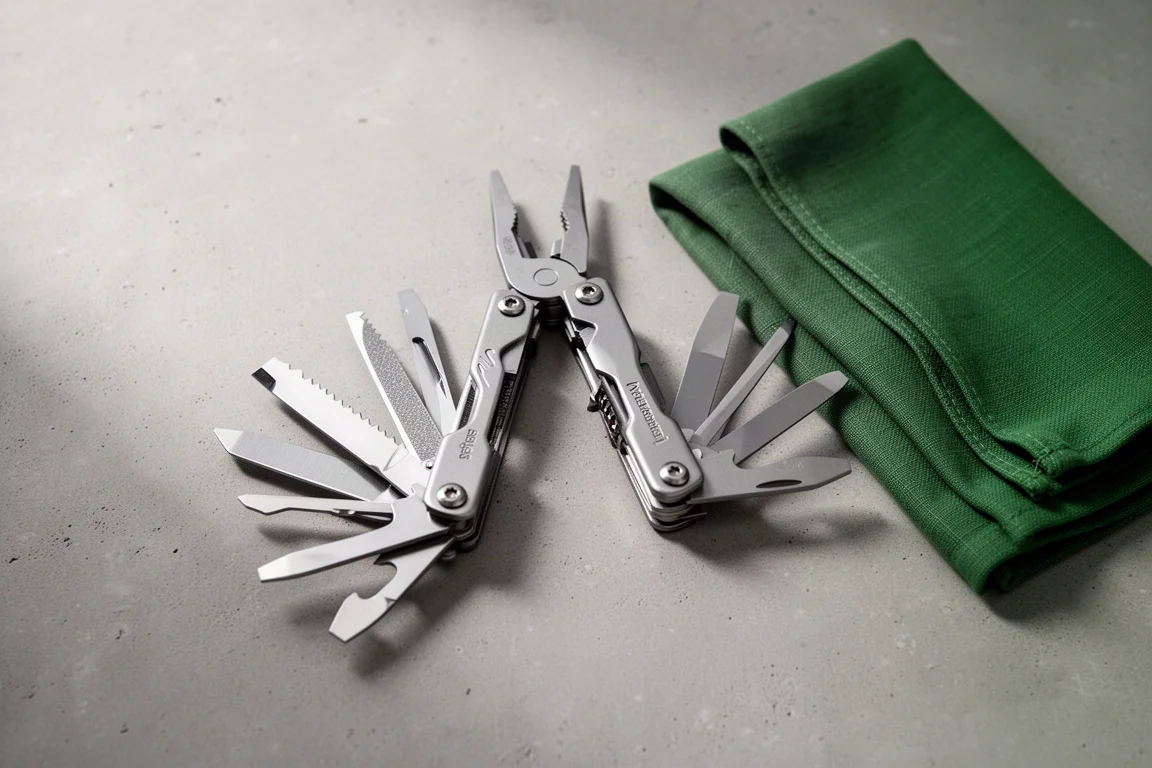
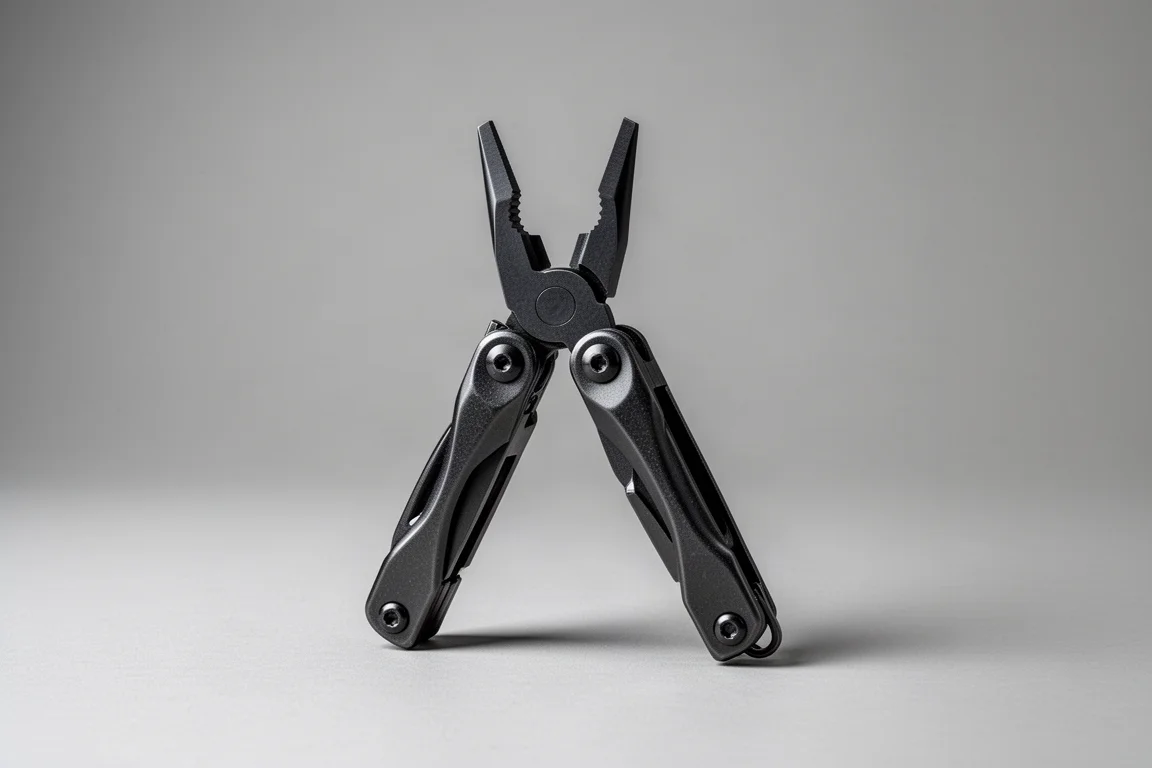
The company’s two bright spots are the Dual Force and the Center Drive. The Dual Force, made in Taiwan or China, offers a reasonable price, a unique tool set, and a surprisingly competent slip-joint plier built from forged plates that puts it almost in a league of its own. The Center Drive is Gerber’s only USA-made multi-tool and sits head and shoulders above everything else in the lineup.
Gerber Dual Force and Center Drive
The Dual Force stands out for its forged-plate slip-joint plier, a design you rarely see at this price. It is not an improvement over past generations so much as a distinct path, and quality control can be hit or miss. The Center Drive, meanwhile, earns its reputation as the best tool Gerber currently makes, using 420HC steel, which is still a great multi-tool steel choice.
Leatherman MUT: The Engineer’s Dream
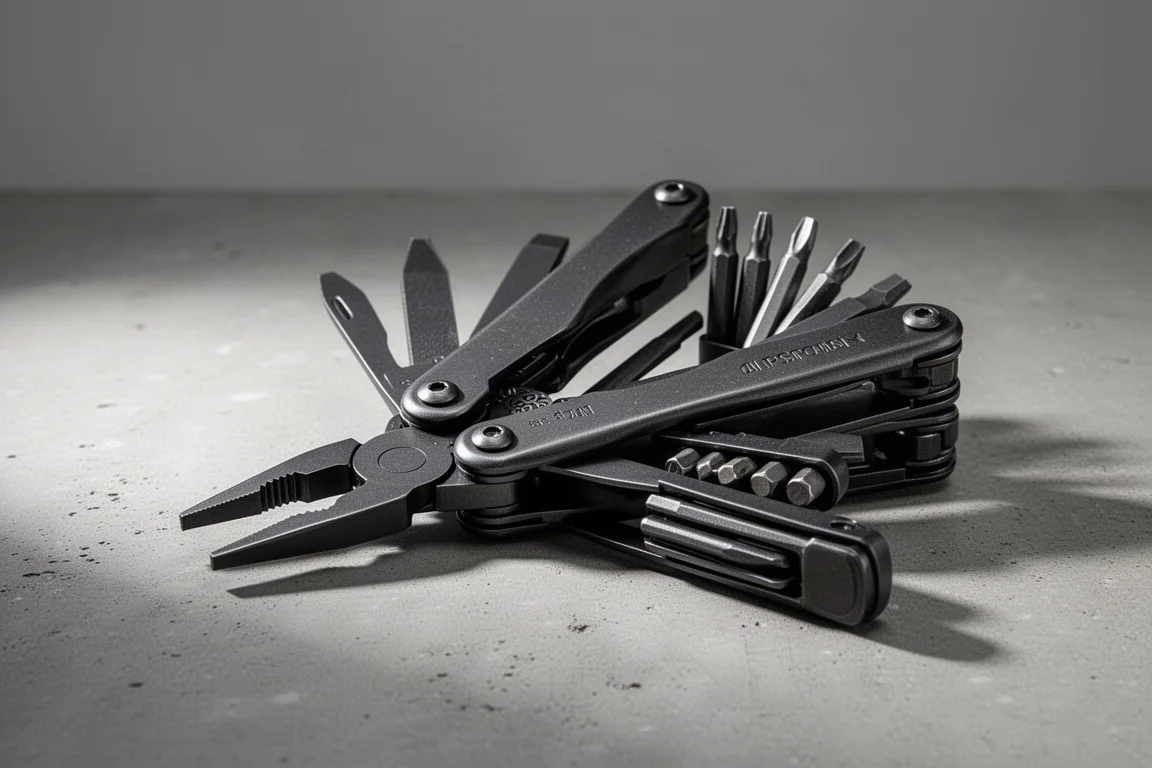
The Leatherman MUT represents a period when Leatherman was producing some of the most ambitious and interesting designs ever made. It is a piece of mechanical genius, packed with features, and arguably the pinnacle of the brand’s creative era. It remains a favorite in any serious collection.
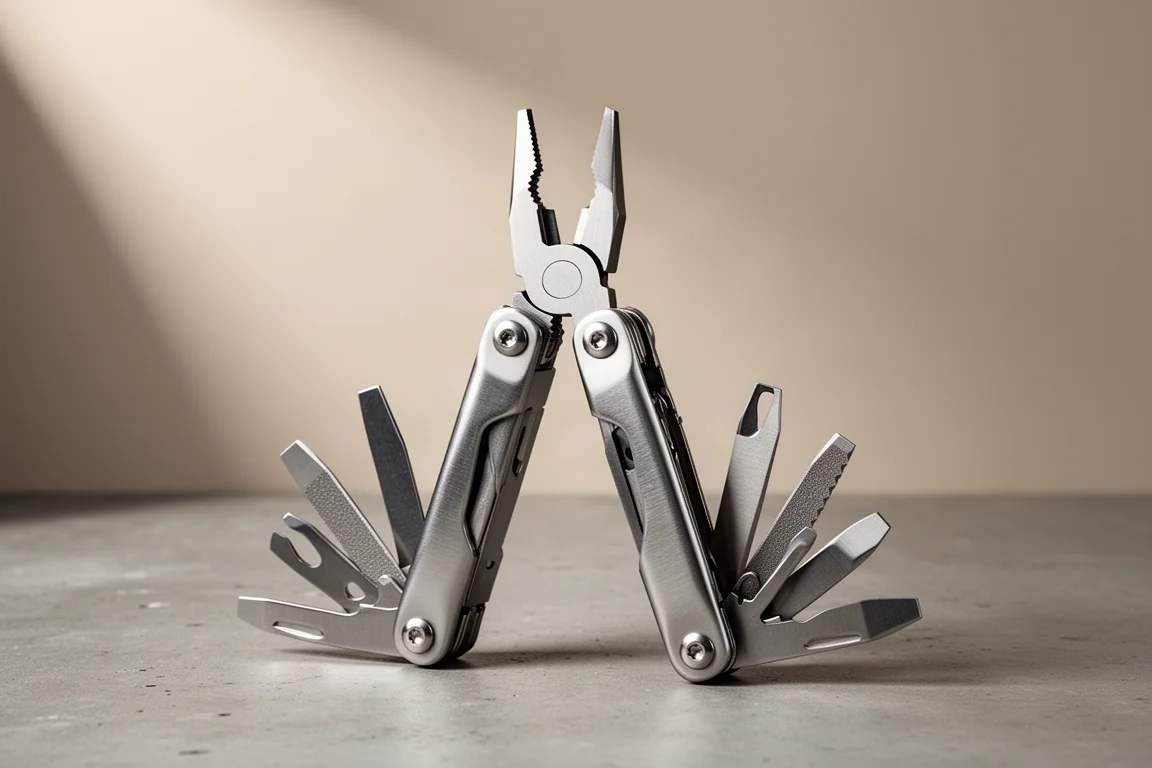
Leatherman Arc and the QC Question
Leatherman’s current flagship, the Arc, is undeniably well designed, but the brand’s recent history is dominated by a quality control crisis. Reports of plier issues, overtightened pivots, seized pliers, and broken cutters have become common, with some buyers finding a significant fraction of new tools effectively unusable out of the box. The strong warranty helps, but the frequency of returns says a lot. Materials are not the problem; 420HC remains excellent. Consistency is the issue.
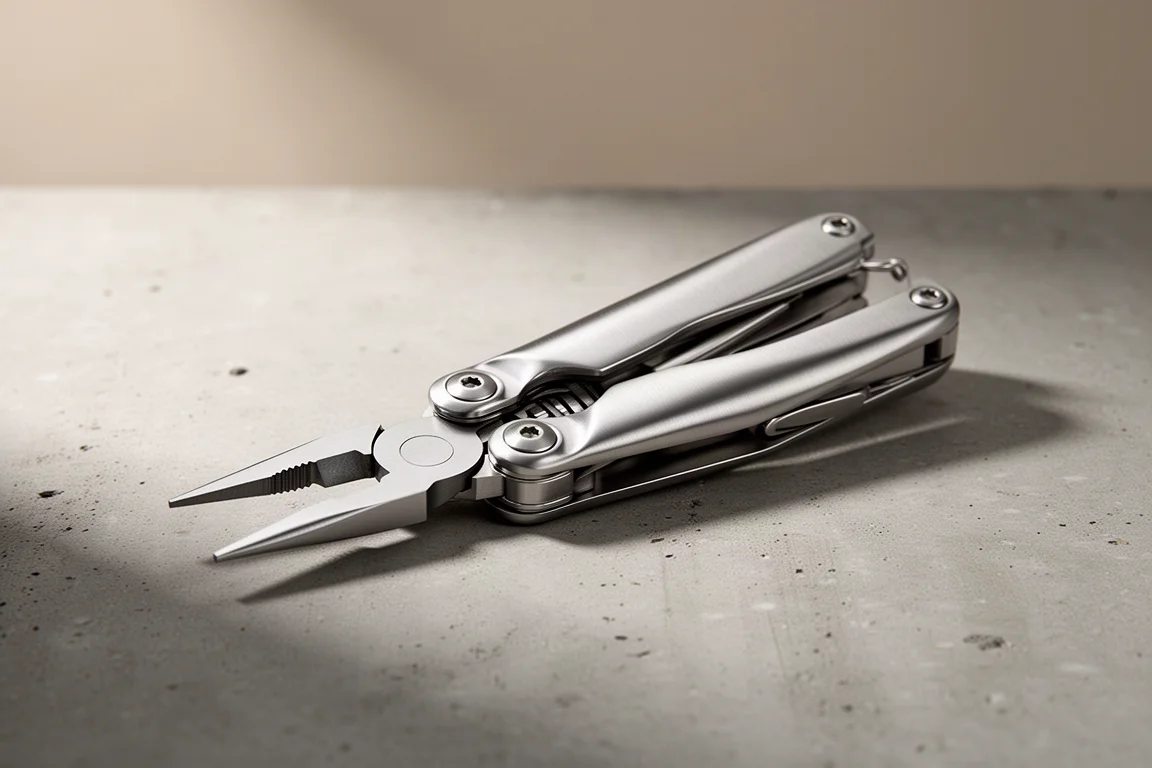
Victorinox Compact
Victorinox is the standout of the four major brands. Despite producing millions of Swiss Army knives per year, out-of-box defects are extraordinarily rare, and with new automated manufacturing systems, consistency has arguably improved even further. Tools like the Compact are still finished largely by hand, which helps explain the premium pricing.
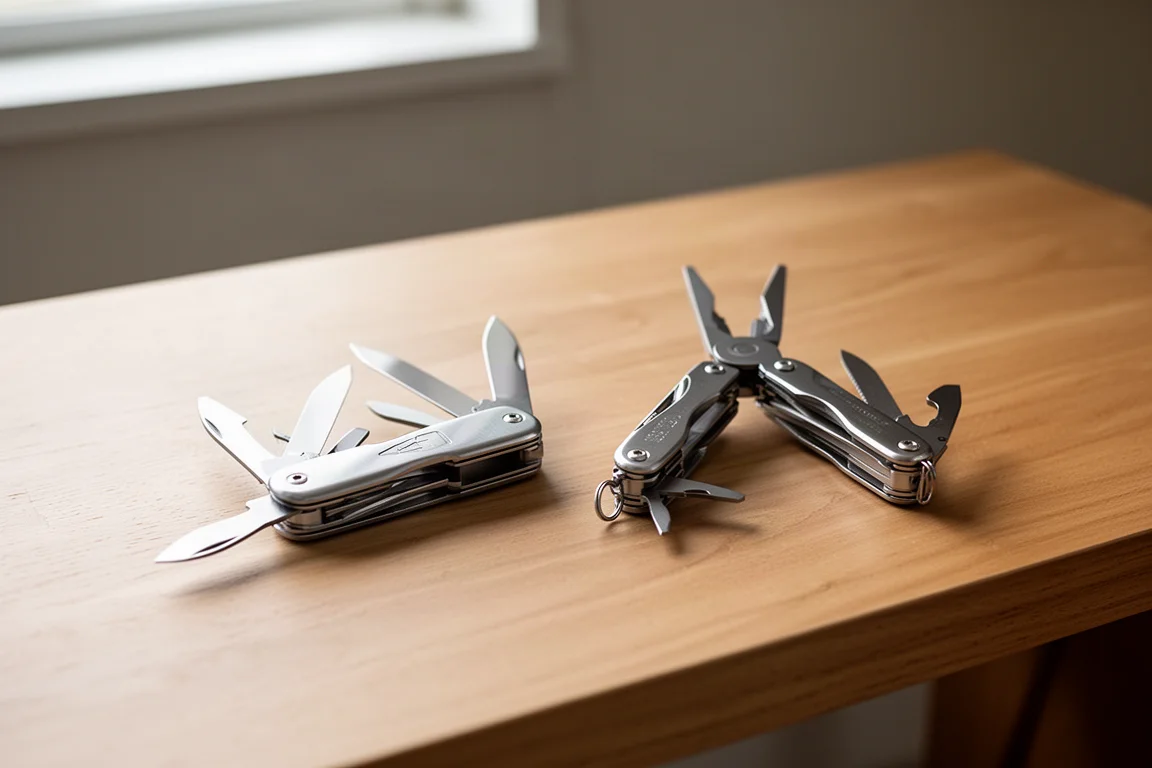
Victorinox’s plier-based multi-tools offer the highest-quality implements of any major maker, though they are not perfect: the peening can loosen over time and the cutters are merely adequate. The warranty is effectively unconditional and lifetime. Among the big four, Victorinox is the only company that has genuinely improved over time.
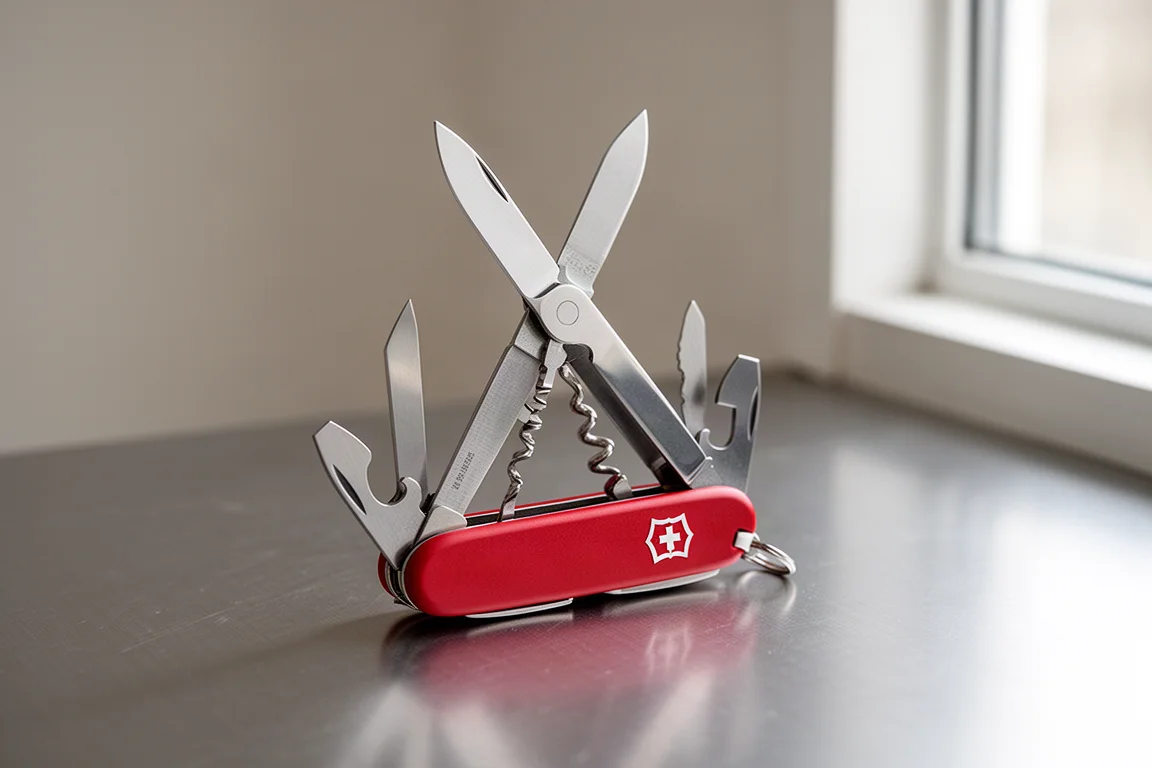
Overall Buying Advice
All four major brands offer at minimum a manufacturer’s lifetime warranty, and Victorinox and Leatherman go even further. Use that. If a tool arrives with defects, send it back. The current market rewards discerning buyers: check who made the tool, where, and how consistently the brand maintains quality today rather than resting on an old reputation.
Conclusion
Have multi-tools improved over the years? Overall, probably not, unless you are Victorinox. Older designs like the SOG Tough Tool and the Irwin forged plier multi-tool still hold up remarkably well, Gerber’s best tools coexist with real QC concerns, and Leatherman pairs brilliant design with troubling inconsistency. Choose based on today’s build quality, not yesterday’s name.
Further reading
Related Reviews
Multi-Tools
Leatherman Wave Plus Review: A Pliers-First Multitool for Bike Trips
Why a pliers-first multitool earns permanent space in a touring kit, and what to weigh before paying for the Leatherman Wave Plus.
Multi-Tools
Best Budget Multi-Tools Under $50: Four Picks Worth Considering
A compact SOG original and three value-focused clones, with honest notes on which ones deliver real value and where to draw the price line.
Multi-Tools
Best Multitools for Hard Wire Cutting: Which Pliers Actually Survive the Test
We put a lineup of classic and modern multitools up against a simple challenge: cutting coat hanger wire cleanly without damaging the cutters.