Mountain Bike Upgrades
Best Mountain Bike Upgrades 2026: 11 Parts That Improve Ride Feel and Control
Eleven mountain bike upgrades, from suspension and brakes to tires and mud protection, with the strengths and trade-offs to weigh before buying.
Introduction
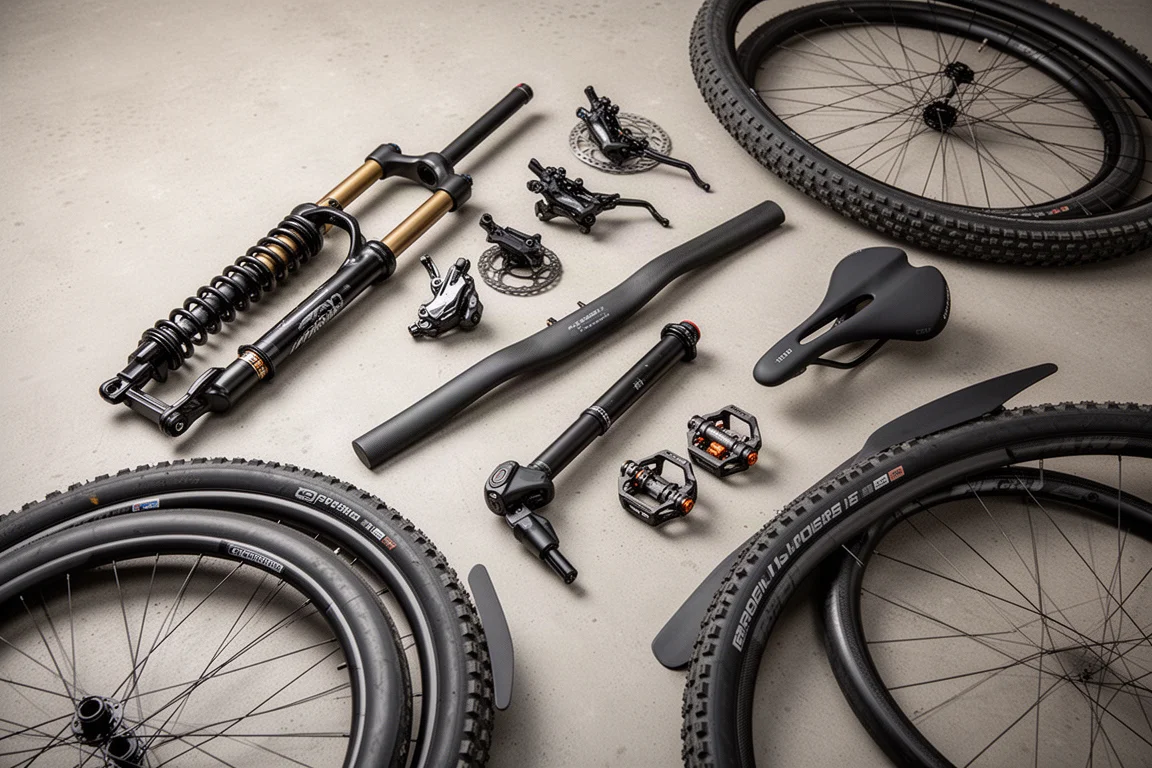
Upgrading a mountain bike is rarely about chasing spec sheets. The parts that make the biggest difference are the ones you interact with on every ride: the fork under your hands, the brakes you rely on at speed, the contact points your hands and feet rest on, and the tires that decide how much grip you actually have. This roundup collects eleven upgrades that consistently change how a bike feels on real trails, spanning suspension, braking, cockpit components, dropper posts, pedals, saddles, wheels, tires, and mud protection.
Each part here was selected because it solves a specific problem rather than because it looks good on a build list. Some are premium flagship pieces; others are modest and practical. What they share is a clear purpose out on the trail.
How These Upgrades Were Chosen
The focus is on parts that improve control, comfort, or confidence. That means suspension that tracks the ground, brakes with usable power and modulation, cockpit components that reduce fatigue, and contact points that keep you stable when the trail gets rough.
Durability, adjustability, and ease of maintenance were weighed just as heavily, because a great-feeling part that is difficult to live with rarely stays on the bike for long. Where a component involves a genuine compromise, such as added weight or a narrower range of compatibility, that trade-off is called out.
Fox 36 Factory
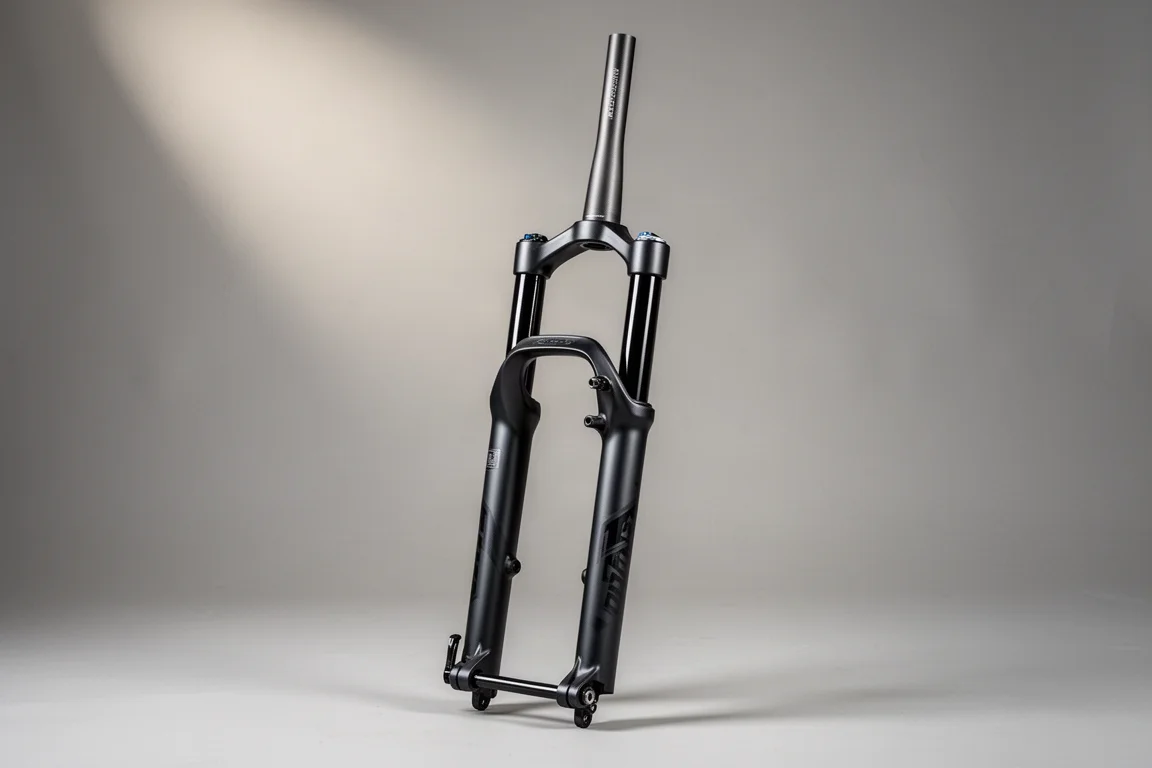
Well-performing suspension forks change how you engage with a trail, offering grip, comfort, and confidence. The Fox 36 Factory is a trail and all-mountain fork built around the GRIP II damper, with external high and low speed compression and rebound adjustment. Fox’s EVO air spring delivers performance very close to a coil spring, feeling supple at the start of its travel with support building as it moves deeper into the stroke.
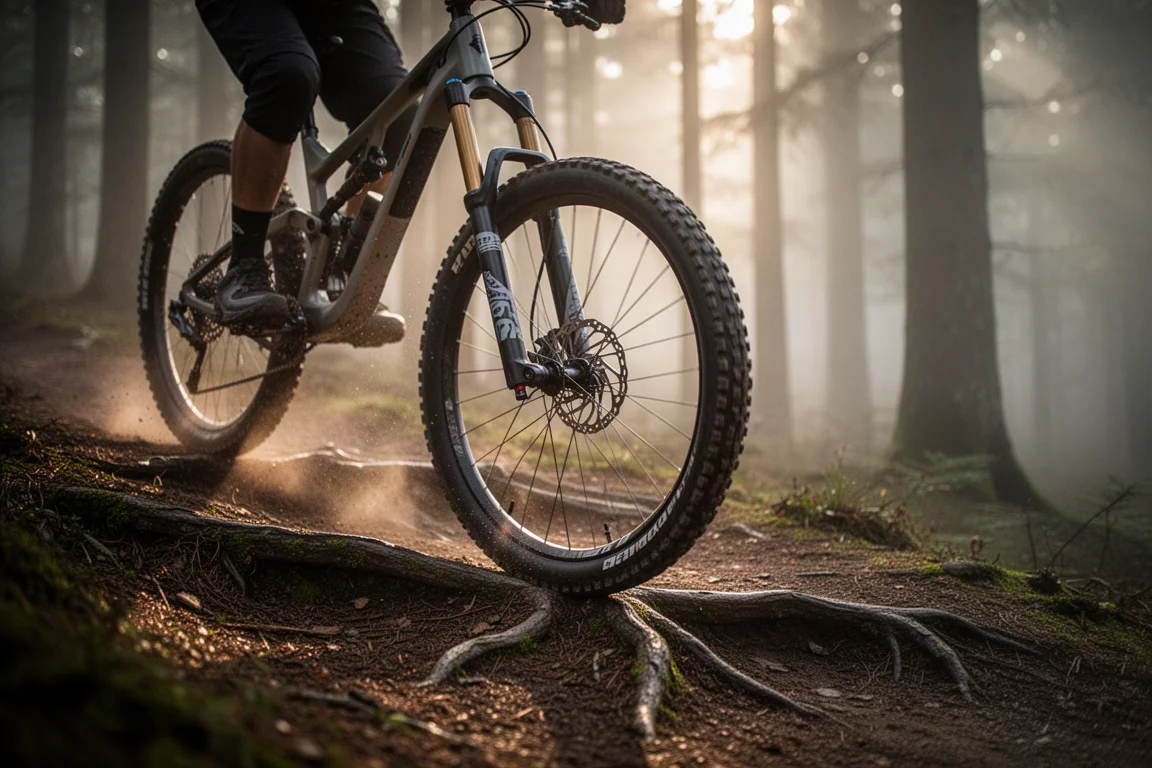
Friction is impressively low, so the fork moves freely and irons out small bumps well. That reduces fatigue in the hands on long runs and contributes to sure-footed traction on rooty terrain. The 2023 version also shed roughly 30 grams thanks to a redesigned crown. Pushed hard through rough corners and deep holes, it stays composed and predictable.
SRAM Code
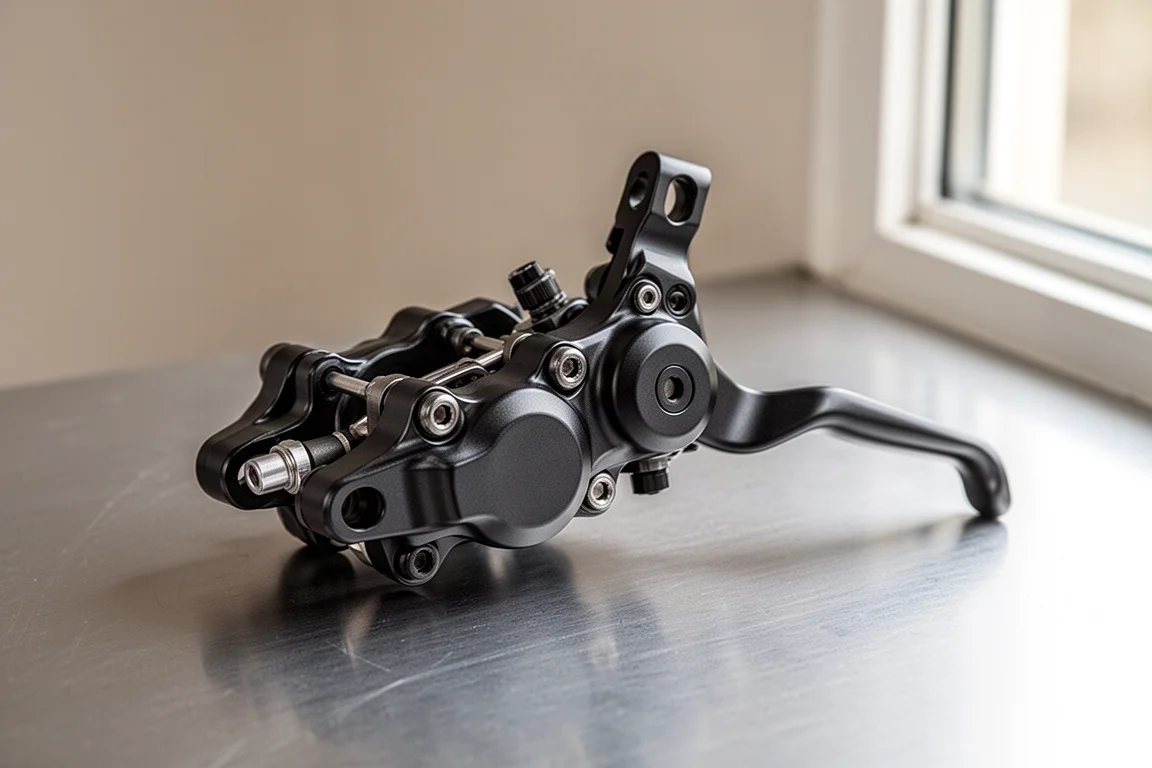
A good pair of brakes makes a measurable difference to confidence and enjoyment. It is essential to have enough power to stop when you need it, plus the right amount of modulation to control that power. The SRAM Code is the brand’s flagship big-power brake, with a smooth, linear progression in stopping force. Initial bite is slightly muted, which makes the power easier to manage in technical sections and on steep, tight trails.
The lever feel is not the lightest, but there is less resistance than on some rival offerings, and the fairly long lever means you do not have to squeeze hard. Flip-flop levers and hinged bar clamps that can hold a SRAM MatchMaker shifter or Reverb post sleeve make the Code highly versatile. High power, excellent feel, quality construction, wide-ranging adjustability, and easy maintenance round out the package.
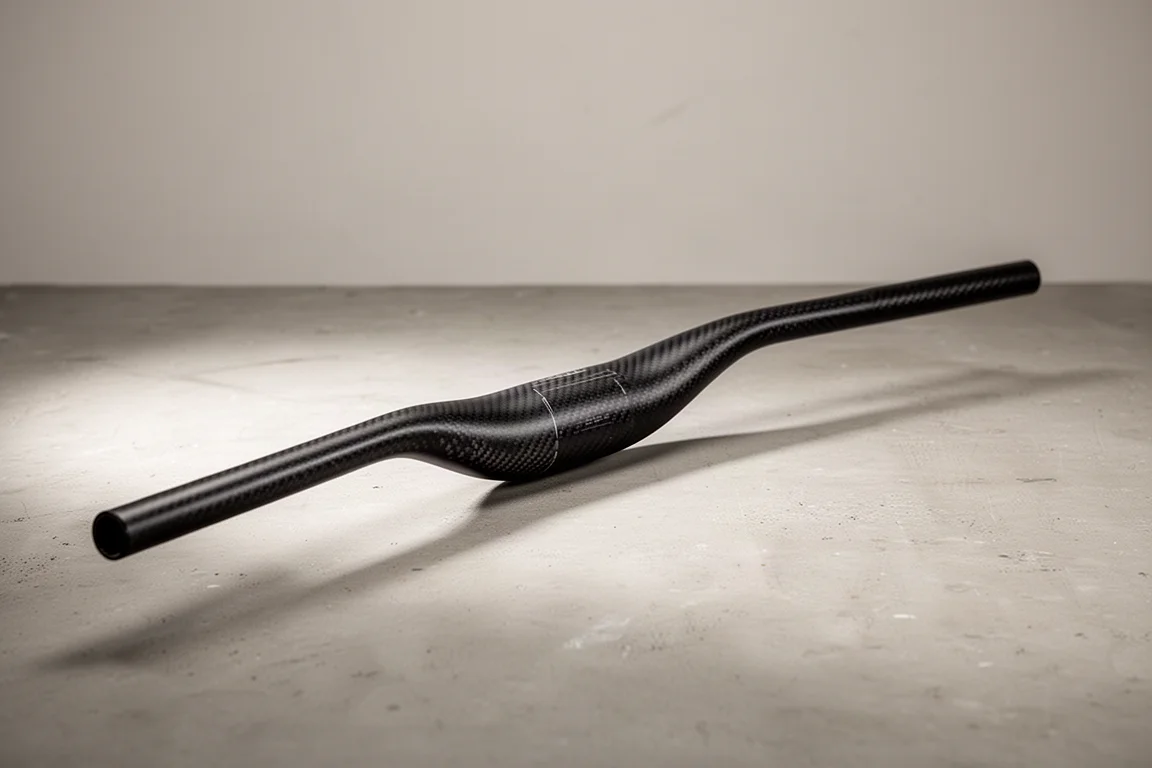
OneUp Carbon Bar
Handlebar choice affects how your body movements control the bike by letting you push, pull, lean, and move around. Size, shape, and material all contribute to ride feel and comfort. The OneUp Carbon Bar uses a unique flattened profile around the rise to tune flex and reduce arm fatigue. OneUp claims this makes it 21 percent more comfortable than conventional bars. That figure is difficult to verify scientifically, but the bar is genuinely effective at damping trail vibrations without ever feeling vague.
At 800 millimeters wide with 8 and 5 degrees of up and back sweep, the geometry puts you in an attacking position, and the choice of a 20 or 35 millimeter rise should suit most riders. The carbon build keeps weight down to a light 220 grams. It completes the OneUp cockpit alongside their EDC tool compatible stem and grips.
Chromag Format Grips
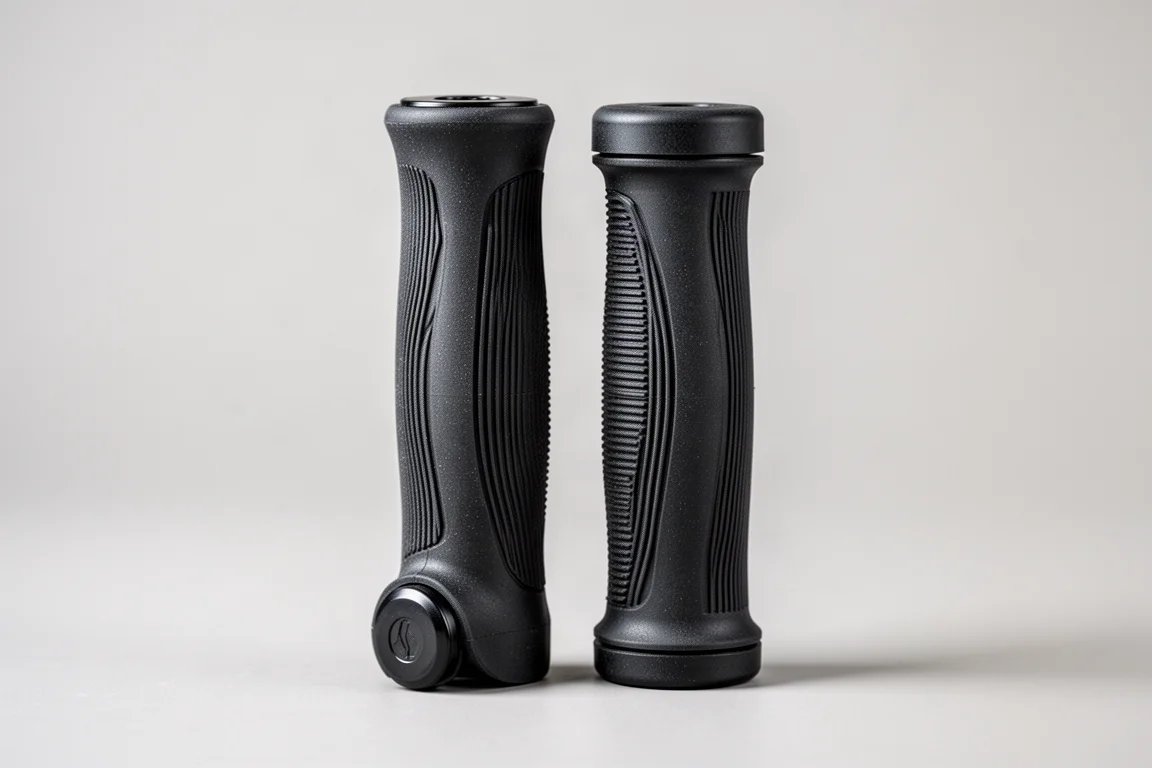
Grips are your hands’ direct point of contact with the bike, yet they are often overlooked. They are a crucial piece of kit for comfort, control, and vibration damping. The Chromag Format grips damp vibrations well, and the direct handling they provide is impressive given how slim they feel. The finger ridges do a decent job of adding mechanical grip, and the ribbing for thumb comfort is softer than most.
A subtle outboard flange adds support when your hands rest right at the edge of the grip. Worth noting before you buy: because the bar end plug is integrated into this grip, you cannot use the bars for trail-side storage. They are also not the largest grips available, which is exactly what some riders want and exactly what others do not.
RockShox Reverb AXS
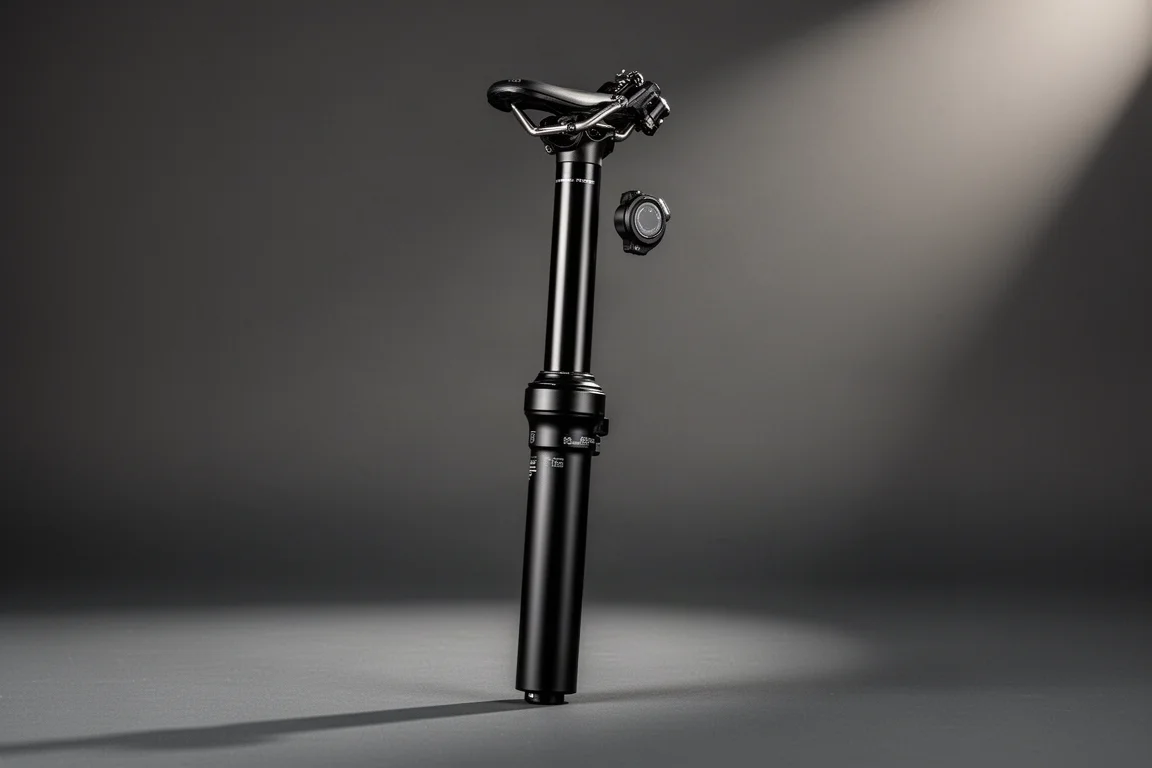
A dropper post is one of the most transformative mountain bike products, and life without one is hard to imagine. RockShox introduced the wireless Reverb AXS in February 2019. With no cable or hose to thread, installation is pain-free. The remote and post communicate over SRAM’s encrypted network and need to be synced before use.
SRAM estimates around 40 hours of riding between charges, which proved accurate in practice, while the remote battery should last up to a couple of years. Both post and remote can connect over Bluetooth to the SRAM AXS app, which monitors battery life and logs mileage.
Inside and out, the Reverb received a significant overhaul when it launched. The internal floating piston was redesigned to reduce friction, and the post now uses a lower friction oil and new grease. A single bolt clamps the saddle rails in place, with a Torx T25 bolt at the front to adjust angle, a system that works really well with no saddle shifting. A 150 millimeter travel version measures 440 millimeters in total and weighs a respectable 650 grams. Push-button actuation and rapid reaction time make small adjustments effortless on technical terrain. The price may be hard to swallow for some, but being able to swap it between bikes in only a couple of minutes adds real appeal.
Crankbrothers Mallet E
Having your feet in the right place and keeping them there gives you a stable platform to move the bike around, so you can turn, hit jumps and drops, and blast through rough terrain with confidence and commitment. Marketed for enduro, the Crankbrothers Mallet E is spot on for trail riding too. The two-piece platform provides a great balance of foot support, weight, and ground clearance.
Shoe contact is good out of the box and can be adjusted via 12 grub screw pins per pedal, with cleat spacers and plastic traction pins also available. The pedals come in 52 and 57 millimeter axle lengths, with the wider stance making for more confident descending. These use linear Igus sealed enduro bearings, which should be longer lived and help justify the higher asking price.
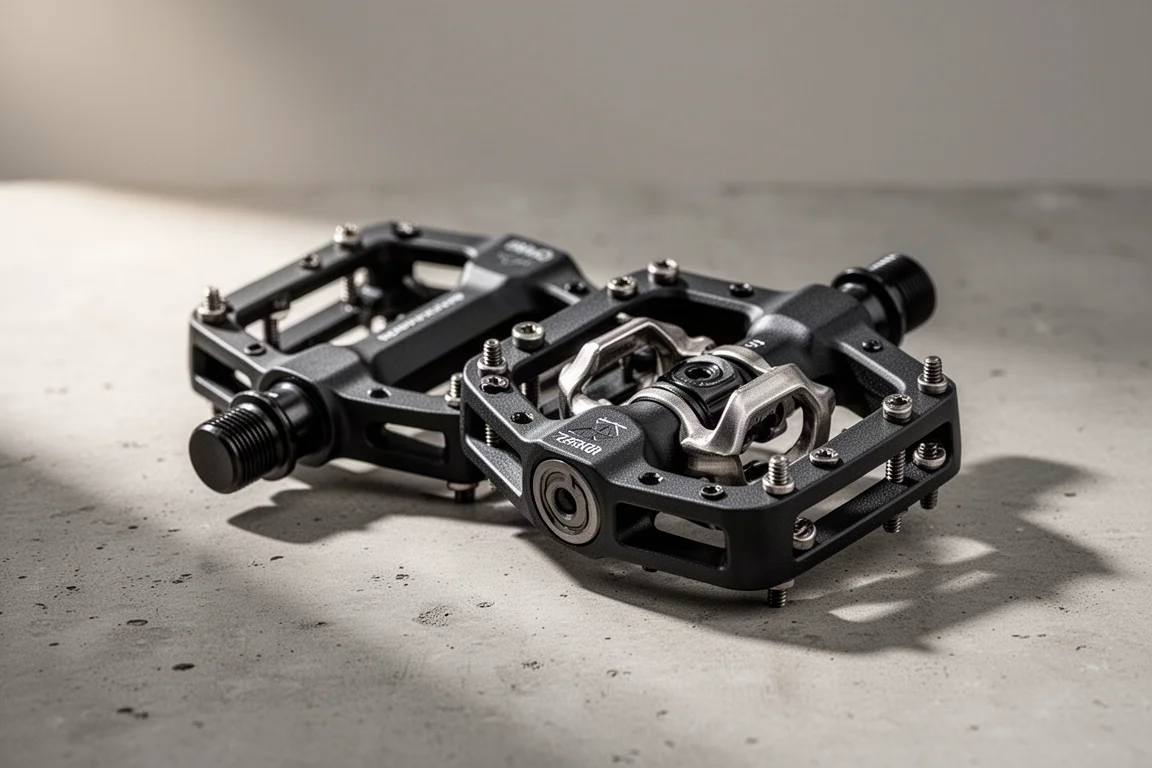
Crankbrothers Mallet 2
The Crankbrothers Mallet 2 shares the same mid-sized platform approach as the Mallet E but spins on one bearing and a bushing. That simpler internal arrangement keeps it a more accessible option within the range while still delivering the foot support and ground clearance that make this platform shape work well on trail rides.
If you want the same general feel at a lower entry point, the Mallet 2 is the straightforward choice. Riders who ride hard in wet conditions and want the longer service life of sealed enduro bearings should step up to the Mallet E instead.
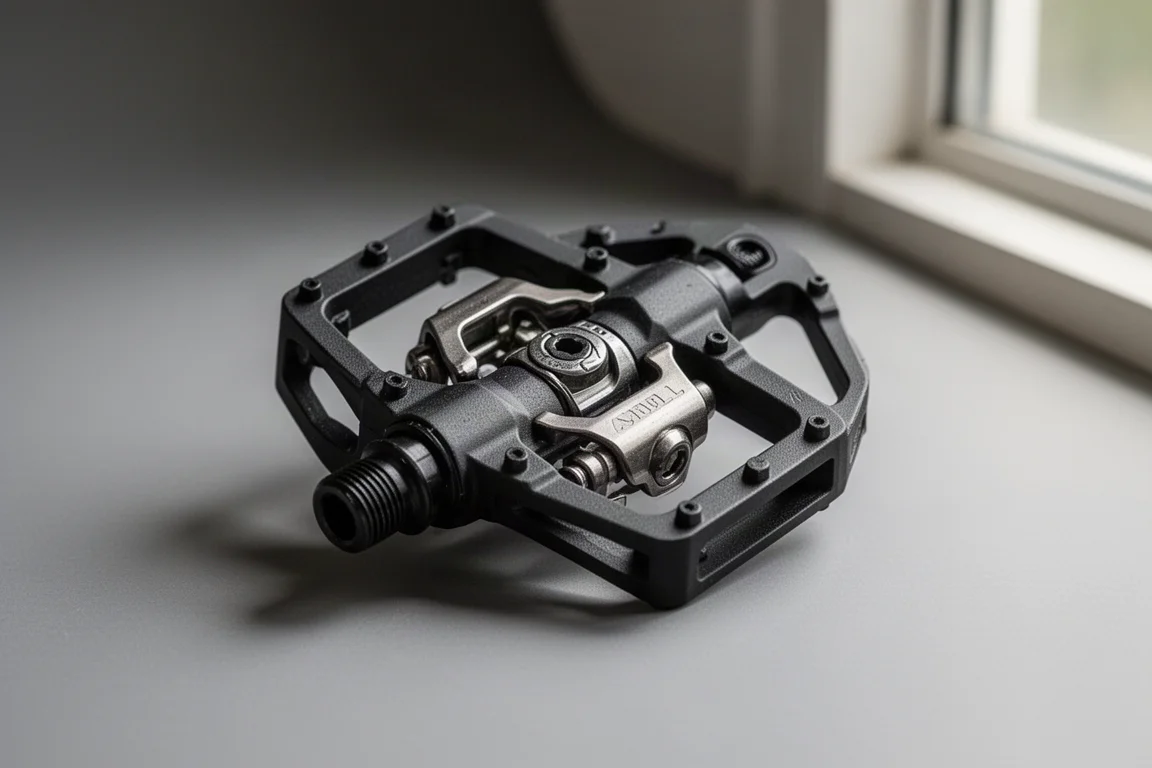
Specialized Mimic Saddle
Few parts on a bike have as much potential to make riding miserable as an uncomfortable saddle. Saddles are subjective, and not everyone shares the same shape, but a few models suit a broad range of riders. Specialized’s Mimic padding was originally developed for women and is now marketed for unisex use. Despite a slim appearance, it is forgiving, and the soft padding extends from the central depression all the way up to the nose for superior climbing comfort.

The shape is fairly flat with a subtle concave dip that suits aggressive riding, and the fairly short 260 millimeter length gives welcome clearance on descents. A choice of widths helps riders dial in fit, which matters when the saddle is the difference between a long ride and a short one.
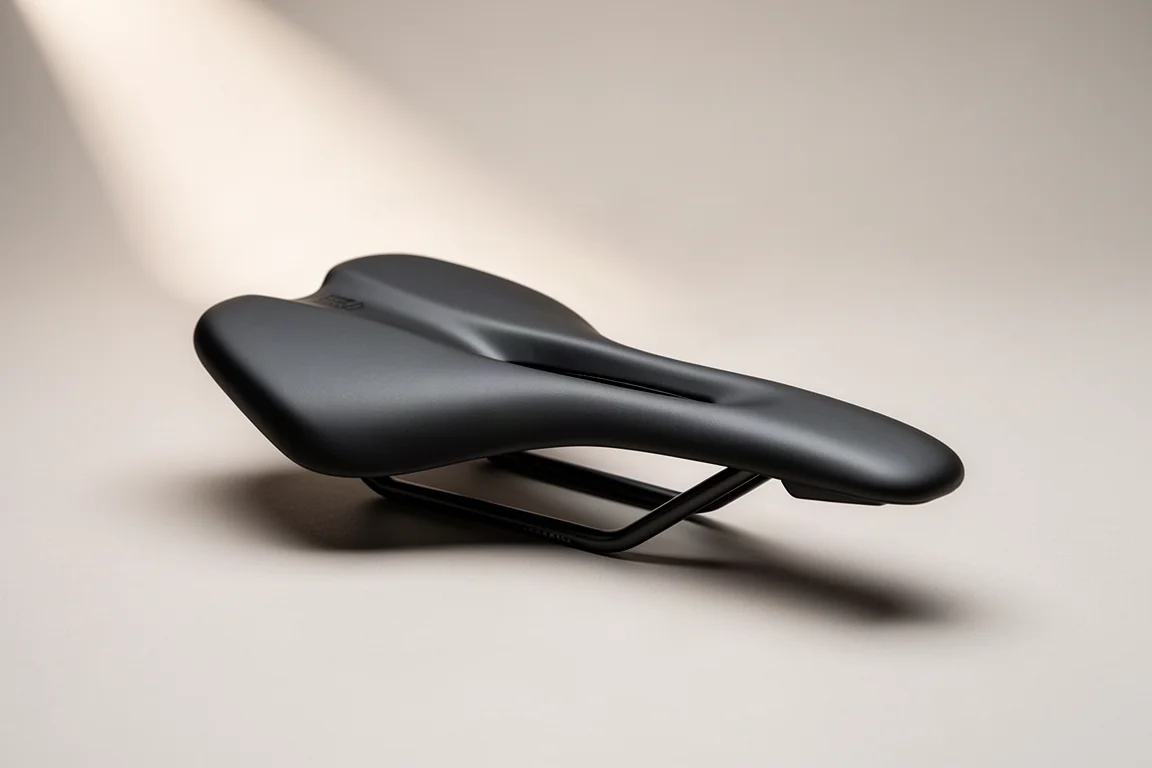
Zipp 3ZERO MOTO Wheels
A good pair of wheels can give a bike a new lease of life and improve both its feel and performance, though few products on a bike vary as much in price. With a comfortable yet accurate feel, the Zipp 3ZERO MOTO wheels sit at the top of the carbon wheel market. The single-wall rim is claimed to pivot laterally around the spoke bed for improved traction, impact protection, and comfort.
The hub is one of the best around and easy to access, with well-sealed bearings. Its 2.7 degree engagement angle is among the quickest, and pickup of pedal inputs was exceptional. These were among the few wheels that produced a noticeable uplift in performance over off-camber routes, allowing higher speeds with more control over line choice, plus a slightly damped feel on landings. Getting tires on and off is tricky, and there is no Shimano Micro Spline option, but they ride beautifully, carry a lifetime warranty, and accept the accessory that delivers real-time pressure data.
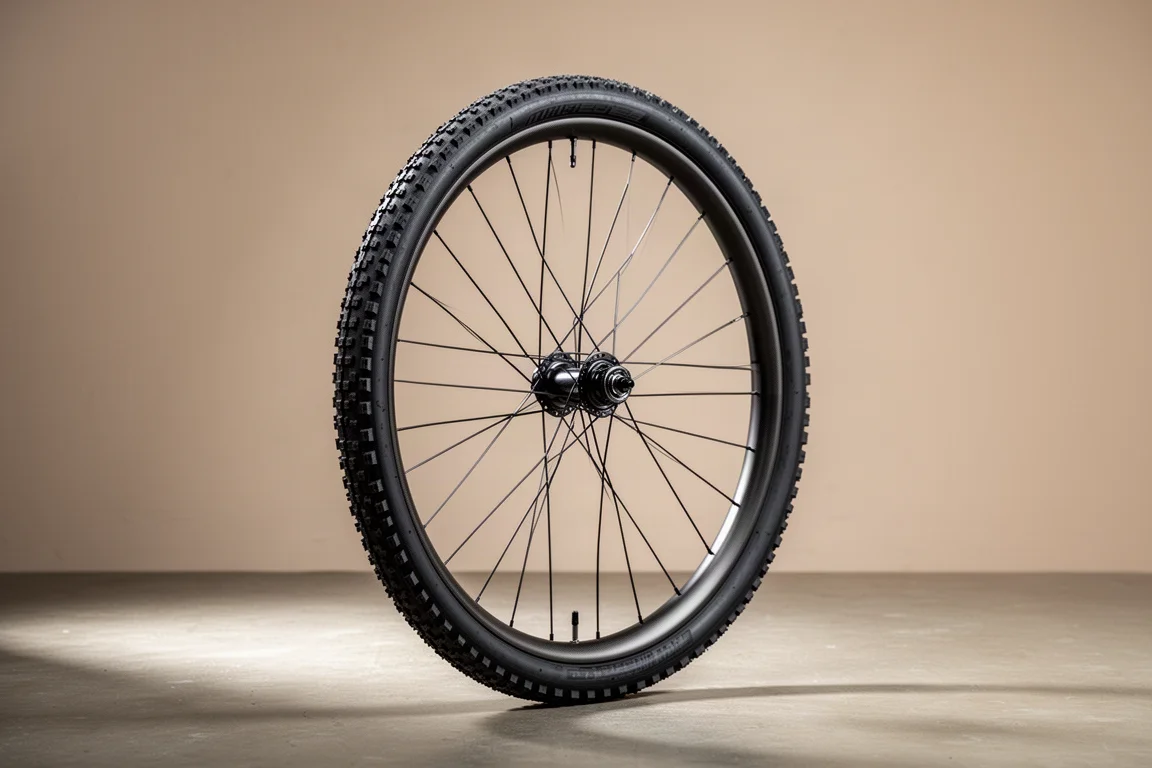
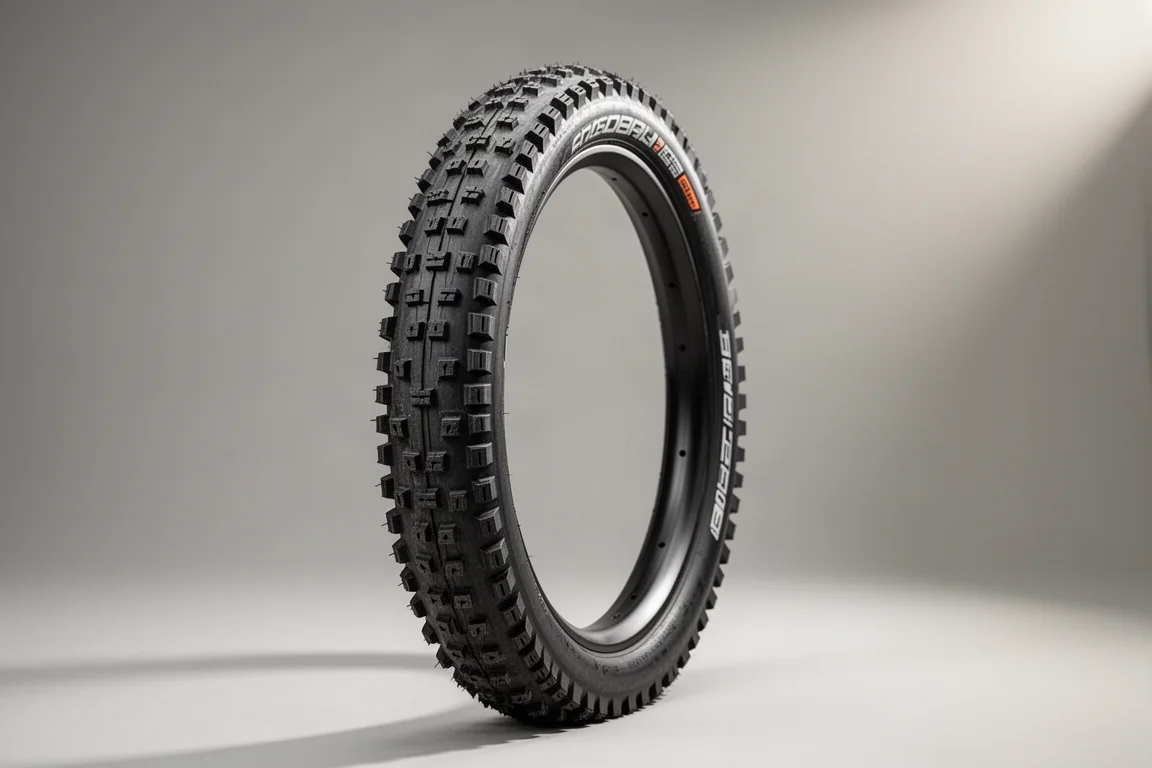
Schwalbe Magic Mary
It is hard to overstate how much good tires improve control, braking, and comfort. Tires are always a compromise between rolling speed and grip, so matching them to your riding style and terrain is essential. The Schwalbe Magic Mary remains a strong all-rounder for gravity-fueled riding. Grip is impressive in most conditions, through corners and on cambers alike, and the ultra-soft compound makes short work of slippery roots and rocks.
The confidence and predictable traction it delivers is the standout quality. The Super Trail casing is quite heavy for a trail tire at 1,244 grams in the 29 inch version, so riders who prioritise rolling speed will want to weigh that against the grip on offer.
Rapid Racer Products ProGuard Bolt-On
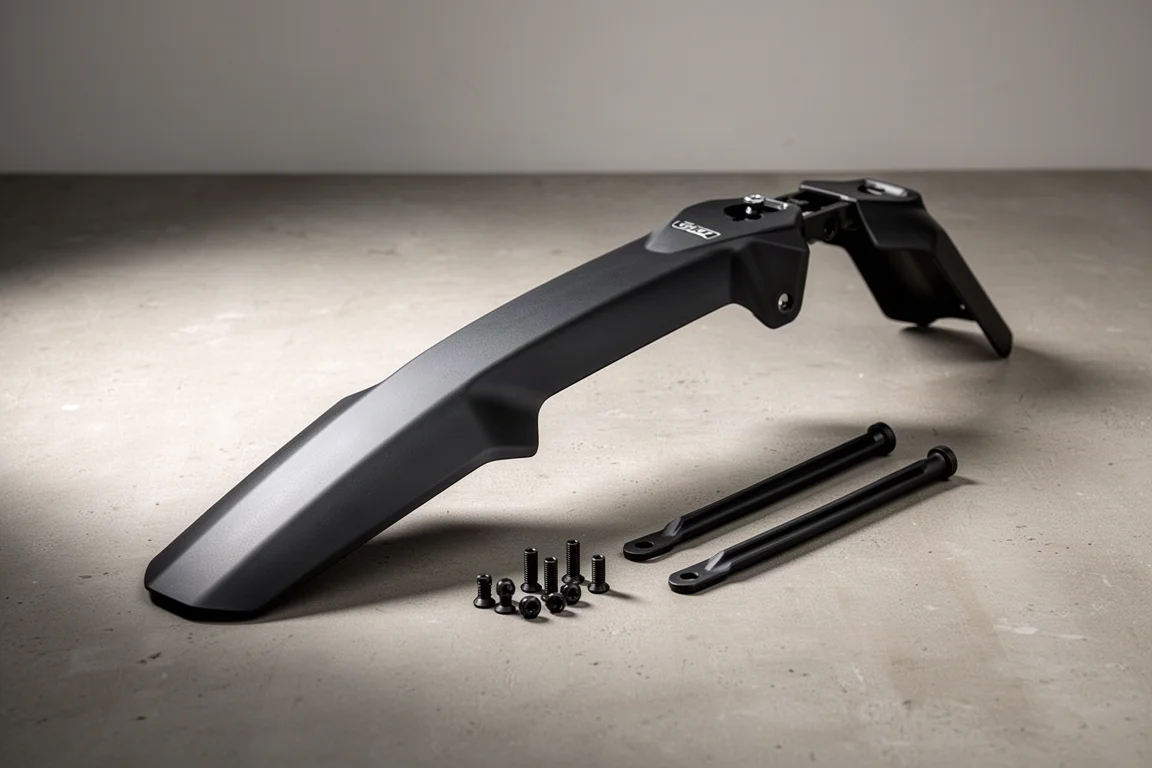
For wet-climate riding, a mudguard is close to essential kit. If you want maximum coverage in the muddiest trail conditions, the Rapid Racer Products ProGuard Bolt-On is hard to beat. Its long length both in front of and behind the fork crown prevents even the sloppiest mud from reaching your face, and the fork seal guards do an admirable job of protecting the seals themselves.
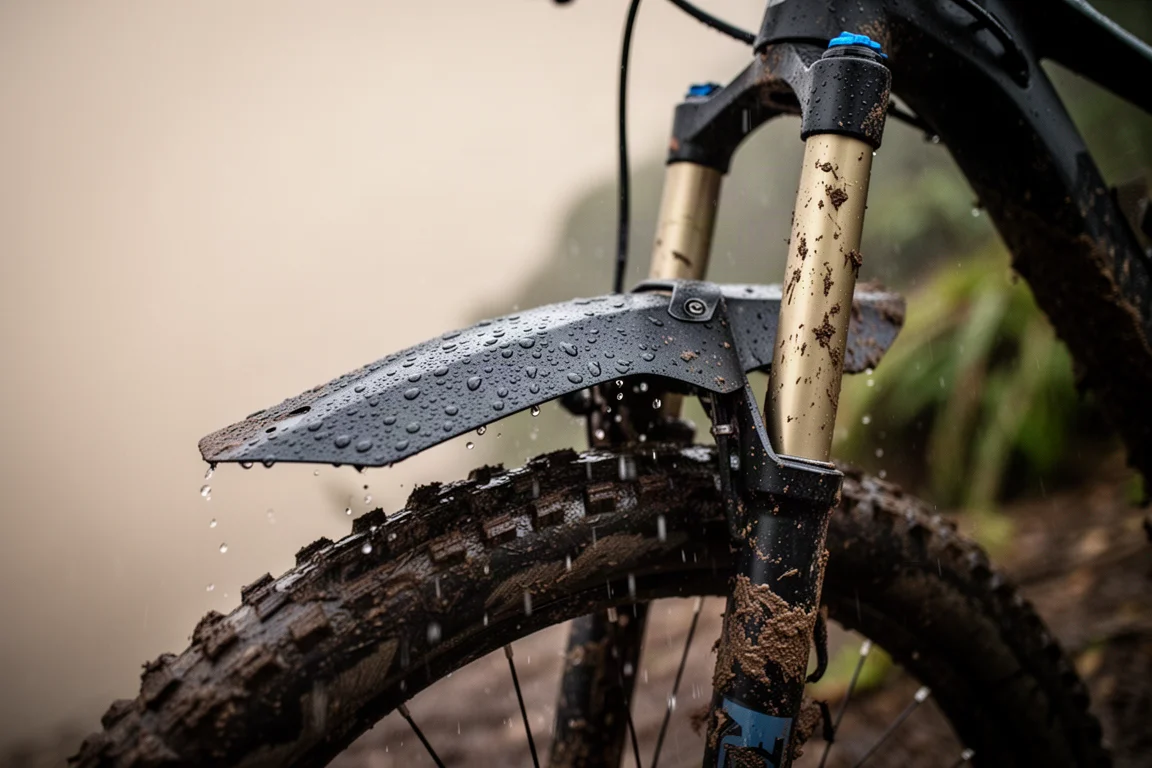
The bolt-on design means it stays in place and silent no matter how rough the trail gets, which matters when you are pushing hard in poor conditions. Riders in drier regions will see less benefit, but for anyone who rides through a wet season, it is a small part with an outsized effect on enjoyment.
Buying Advice
Work out which part of the ride bothers you most before spending anything. If the front end feels harsh or vague, suspension is the place to start. If you want more confidence at speed, brakes and tires deliver the most immediate gains. Contact points, meaning the bar, grips, saddle, and pedals, are where comfort and control are won on longer rides, and a dropper post changes how confidently you ride steep terrain.
Balance cost against how often you ride and in what conditions. Mud protection and tires are practical, high-impact purchases for wet climates, while carbon wheels and wireless components sit at the premium end and reward riders who will genuinely notice the difference in feel. Whichever route you take, prioritise parts that match the trails you actually ride rather than the ones that look best on paper.
Conclusion
These eleven upgrades cover the parts that most directly shape how a mountain bike feels: suspension that tracks the ground, brakes with controllable power, a cockpit that reduces fatigue, contact points that keep you stable, wheels and tires that decide your grip, and a mudguard that keeps the ride bearable when conditions turn foul. Match the upgrade to the weak point in your own riding, and each of these is a defensible place to spend.
Further reading
Related Reviews
Mountain Bike Upgrades
Best Mountain Bike Upgrades on a Budget: 9 Parts Worth Buying in 2026
Nine wallet-friendly mountain bike upgrades, from four-piston brakes and comfy grips to a short dropper post, faster wheels and a mudguard that fits modern forks.
Mountain Bike Upgrades
Ranking Mountain Bike Upgrades: Which Changes Matter Most for a Hardtail
A practical ranking of six budget-friendly upgrades to a Specialized Rockhopper, from least to most transformative for trail performance.

Backpacking Gear
Building a 10 lb Base Weight: An Ultralight Backpacking Gear List
A practical walkthrough of the ultralight pieces behind a 10 lb base weight, from a 765 g pack and a roomy one-person tent to a full camp chair and a dependable water filter.