Ski Gear
Best Mid-Width All-Mountain Skis for Light Powder and Trees
Seven mid-width all-mountain skis compared for light powder, off-piste terrain, and tree skiing, with notes on who each one suits and how to choose a length.
Introduction
A waist between 98 and 104 mm is the practical middle ground for riders who want a ski that handles light powder, off-piste terrain, and tree lines without becoming a chore on the groomers. The models below are the ones that come up most often for that brief, whether you are adding a wider complement to a narrower carving ski or looking for one pair that covers most days.
This is not a spec-sheet roundup. Every ski here has been ridden, or sits directly adjacent to a ski that has been ridden, so the notes reflect how each one behaves on snow rather than what the marketing copy claims. Where a ski has not been tested, it is left out entirely.
How We Approached These Recommendations
The starting point for any mid-width recommendation is what you already own. If your quiver already includes a narrower ski for firm, bad-weather days, the wider ski only needs to cover soft snow, trees, and off-piste lines. If you are building from scratch, you have to accept more compromise in every direction.
Waist width matters less than how a ski is shaped and where it puts its mass. Two skis with a similar waist can behave completely differently depending on tip taper, rocker profile, and flex pattern. That is why demoing matters more than comparing numbers, and why the notes below focus on feel and intended use rather than measurements.
Volkl Blaze 104: The Best Match for Light Powder and Trees
For light amounts of powder, off-piste terrain, and tree skiing, the Blaze 104 is the strongest match on this list. It stays maneuverable in tight lines, floats well when the snow is soft, and holds its own on groomers as long as conditions are not firm and icy.
That last point is the main trade-off. On hard, scraped groomers the Blaze 104 gives up some edge grip compared with a narrower, more frontside-oriented ski, which is expected for a ski in this width class. If your priority is soft-snow versatility with a playful, easygoing feel, this is the one to demo first.
Salomon QST 98: A Surfy Alternative for Soft Snow
The QST 98 is a strong alternative for riders who prefer a looser, surfier feel in soft snow. It works well in light powder and off-piste terrain, and it is a good option to test back to back with the Blaze 104 if you can get on both in the same session.
The surfy character is the deciding factor. Riders who like to drift and smear will get along with it immediately, while riders who want a firm, carve-first personality may prefer something with more tail support. Either way, it is a genuinely capable soft-snow ski rather than a compromise pick.
Nordica Enforcer 99: A Strong All-Mountain Option for Firm Days
The Enforcer 99 is the pick here if you want one ski that can handle firm conditions as well as soft snow. The current generation, from 2025 onward, is a strong all-mountain option and a sensible choice as a bad-weather daily driver.
The trade-off is maneuverability off trail. In tight trees and technical off-piste lines, the Enforcer 99 asks more of the rider than a lighter, more playful ski. If your days are split between groomers and soft-snow sidecountry, it makes a lot of sense. If trees are the main event, a more maneuverable ski is the better tool.
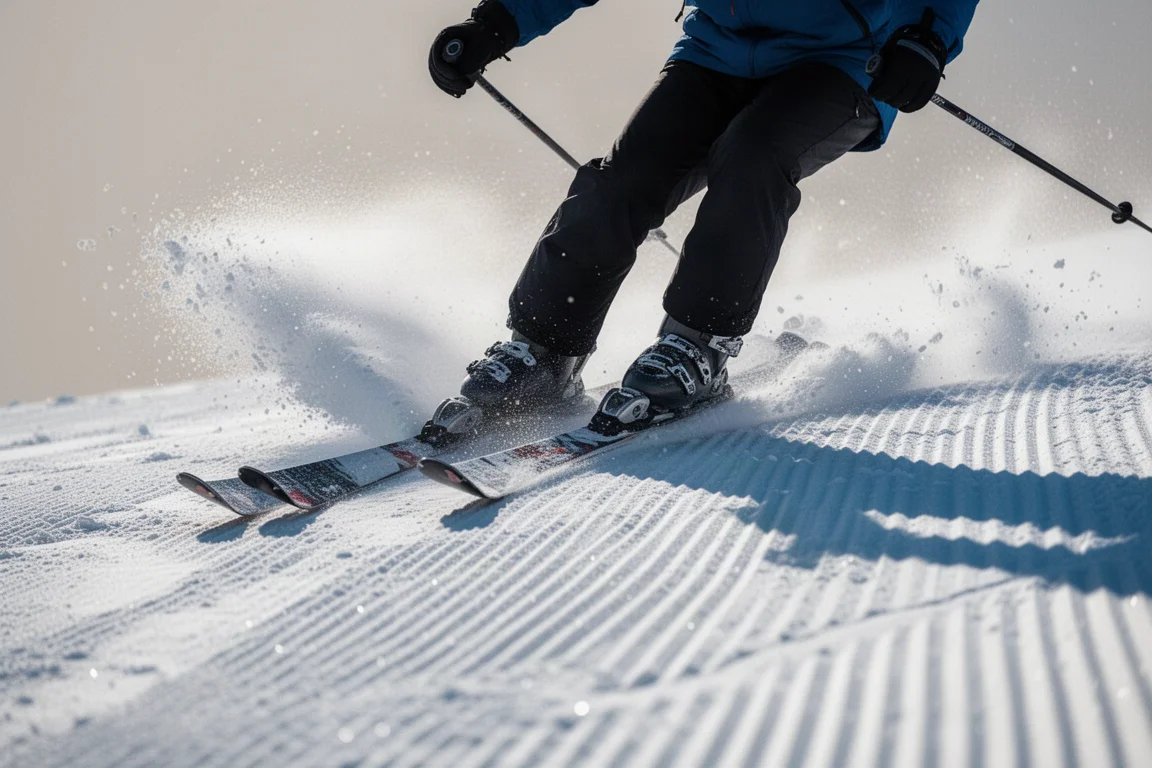
It is also worth thinking about overlap. If you already own a narrower ski for firm, bad-weather days, adding the Enforcer 99 can leave you with two pairs fighting for the same conditions, and the wider ski you actually needed for powder days never gets used.
Blizzard Rustler 10: A Solid Baseline for Off-Piste Comparison
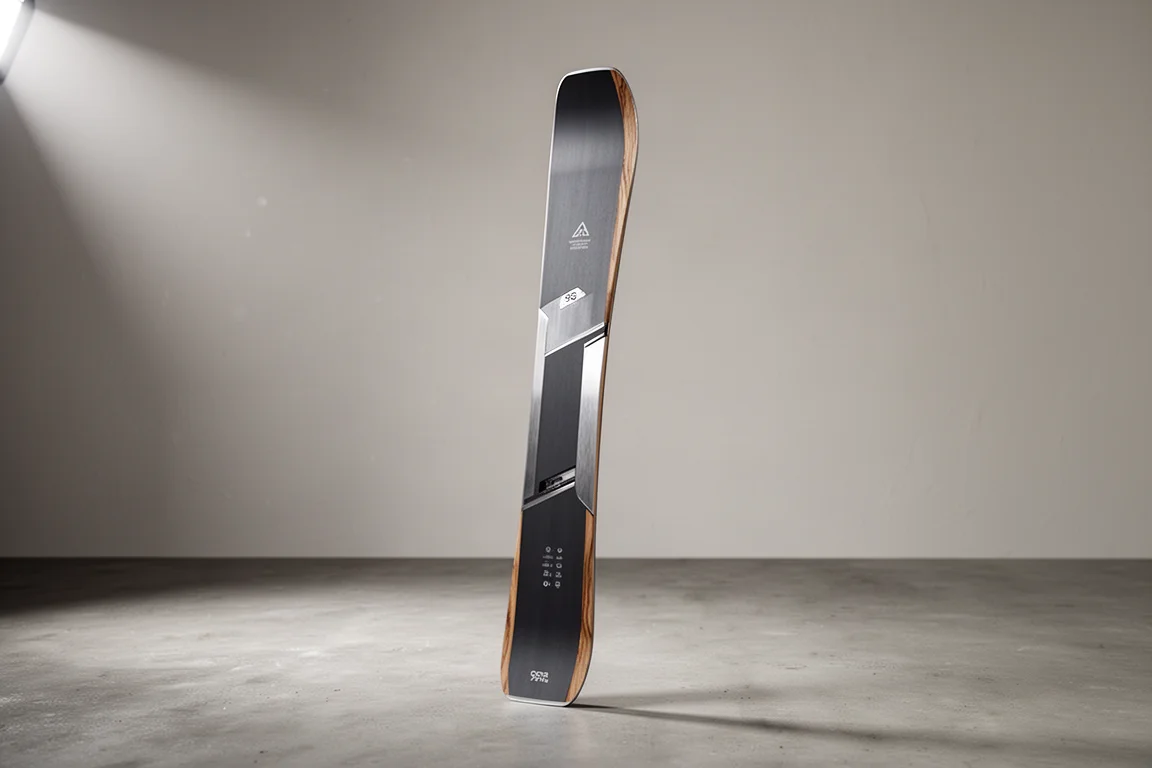
The Rustler 10 is a worthwhile addition to a demo list, particularly if you want variety in how a mid-width ski can feel. It handles soft snow and off-piste terrain competently and works as a general all-mountain ski across a range of conditions.
It reads as an all-rounder rather than a specialist. If you already have a clear idea of the feel you want, a more characterful ski may suit you better, but as a baseline to compare everything else against, the Rustler 10 is genuinely useful.
View more details for Blizzard Rustler 10
Atomic Bent 100: A Playful Option Worth Testing
The Bent 100 is a fun, playful ski that suits riders who want a lively feel in soft snow. It is a real option for light powder and off-piste terrain, and it tends to appeal to riders who like a ski that feels easy to throw around.
Whether it works for you depends heavily on priorities. Riders who want a stable, damp platform for fast, aggressive lines will likely want something else, while riders who value playfulness will enjoy it. It is worth demoing rather than buying blind, because the character is not for everyone.
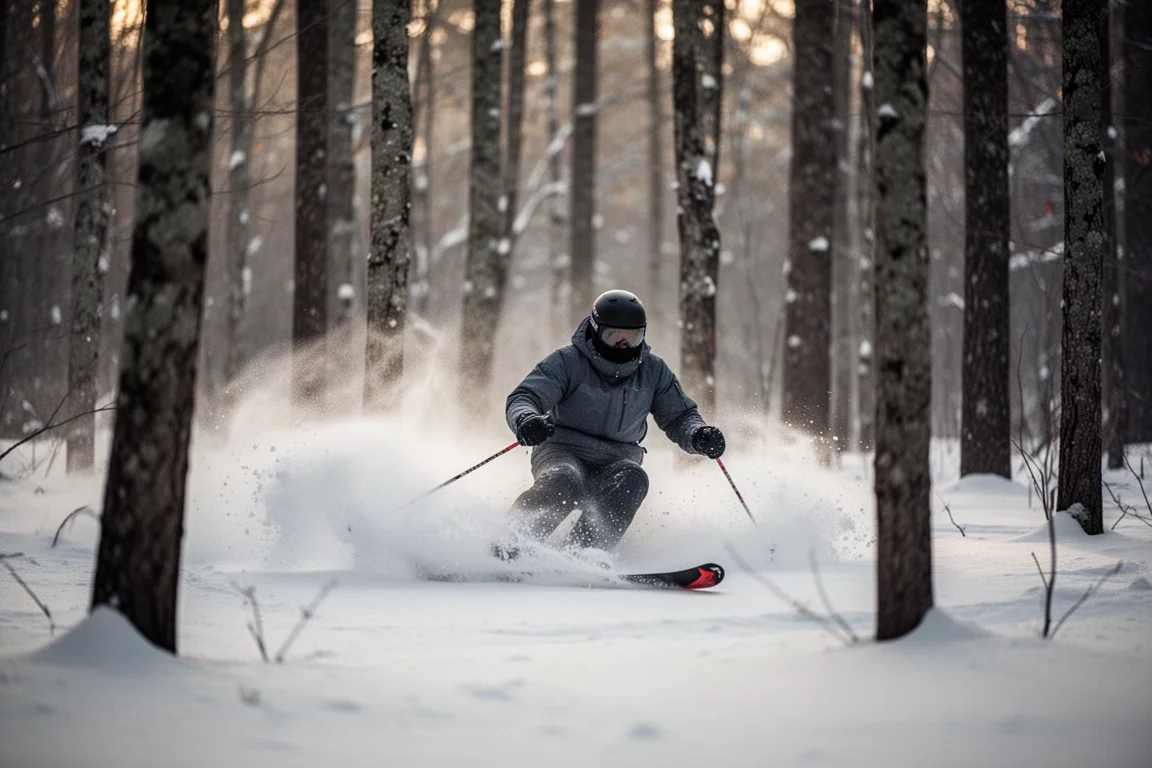
Pair it against a Blaze 104 or a QST 98 on the same day if you can. The differences show up within a run or two in soft snow and tell you far more than any on-paper comparison of waist width and radius.
View more details for Atomic Bent 100
Black Crows Justice: A Competent Ski for Mixed Terrain
The Black Crows Justice is a competent ski that handles mixed terrain well and is genuinely enjoyable across a range of conditions. It sits comfortably in the same conversation as the other mid-width skis here and does not feel out of place next to any of them.
In light powder it is slightly less maneuverable than the Blaze 104, which matters if tree skiing is your main goal. Availability can also be limited depending on where you shop, so it is worth checking stock before you set your heart on a particular length.
Atomic Maverick 88 TI: A Narrower Carver for Frontside Days
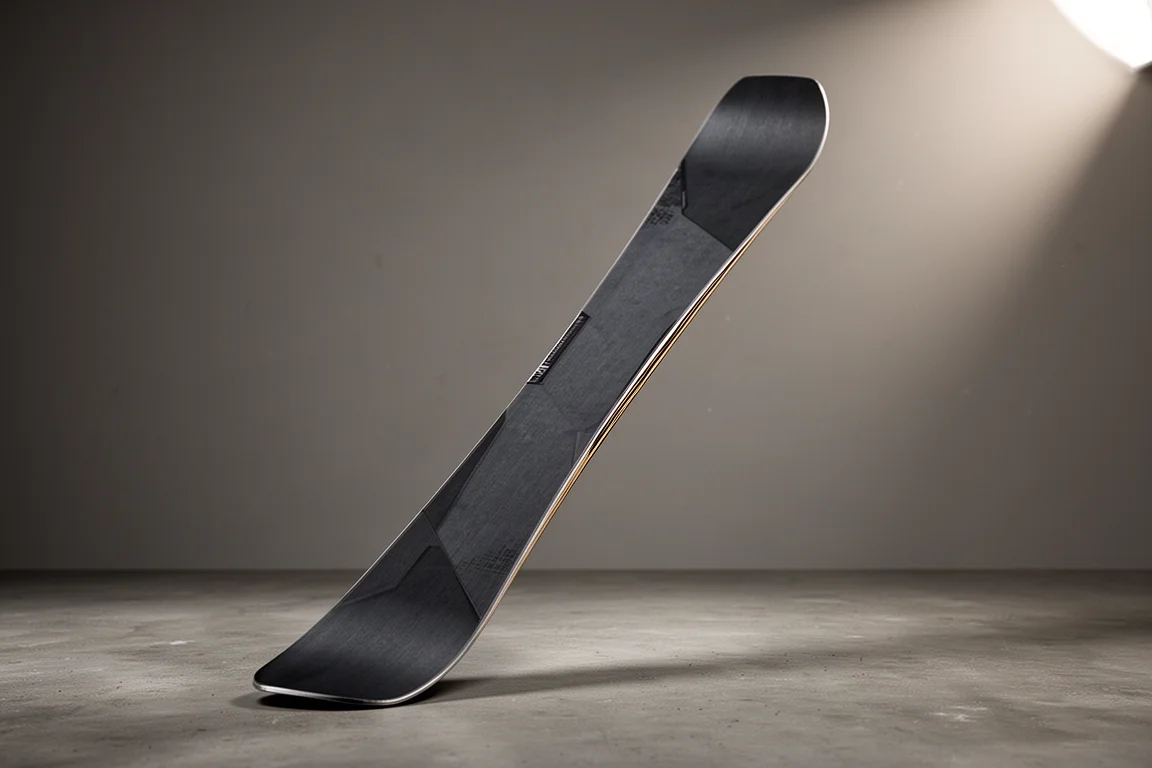
The Maverick 88 TI is a different proposition entirely. At 88 mm underfoot it is a frontside-oriented ski rather than a soft-snow specialist. It is quick and maneuverable, and it works well for short, snappy turns where responsiveness matters more than float.
The length question deserves its own thought. A 176 cm length feels nimble and pairs well with slower speeds, quick turns, and skiing with less experienced friends. Taller, heavier, or faster riders may find themselves wanting more ski as their confidence grows. Moving up to around 180 cm gives you more platform to load and more stability at speed, and for a bigger rider that is often the better starting point.
Buying Advice
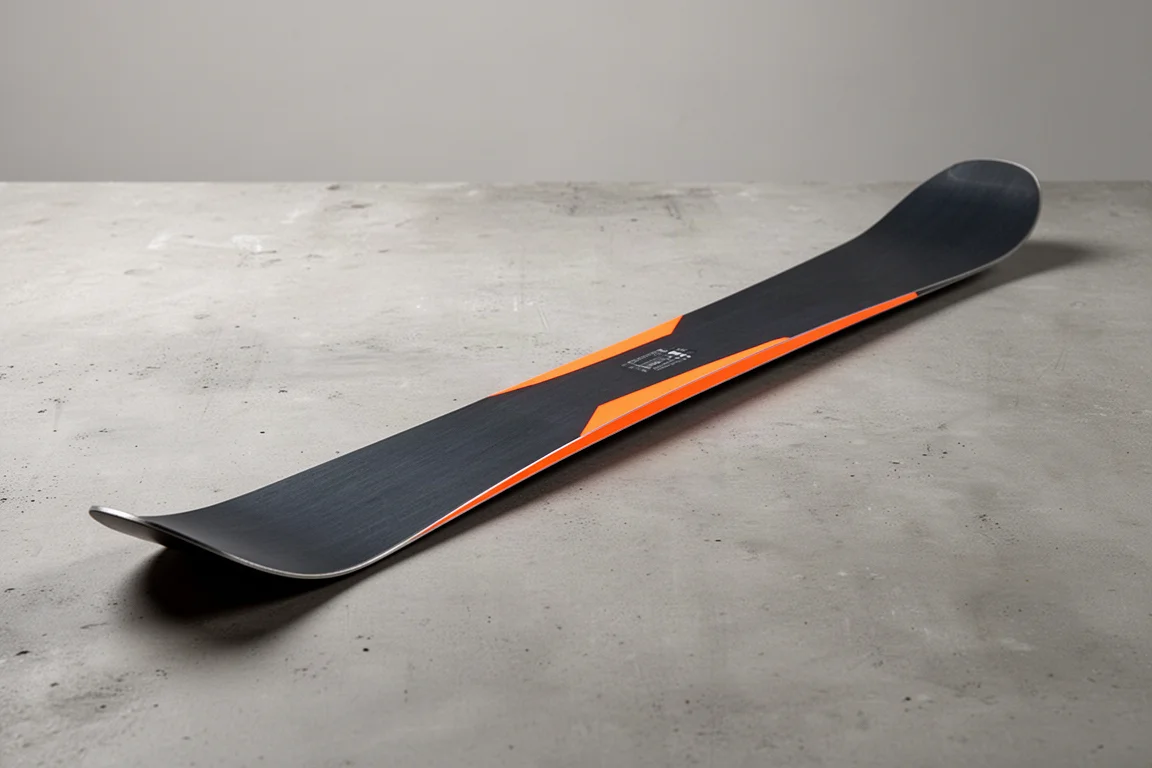
Match the ski to the days you actually ski. If your soft-snow days are mostly light powder, trees, and off-piste lines, a maneuverable 98 to 104 mm ski is the right direction. If you spend more time on groomers and want one pair for everything, a stiffer, damper option will serve you better, even if it gives up a little float.
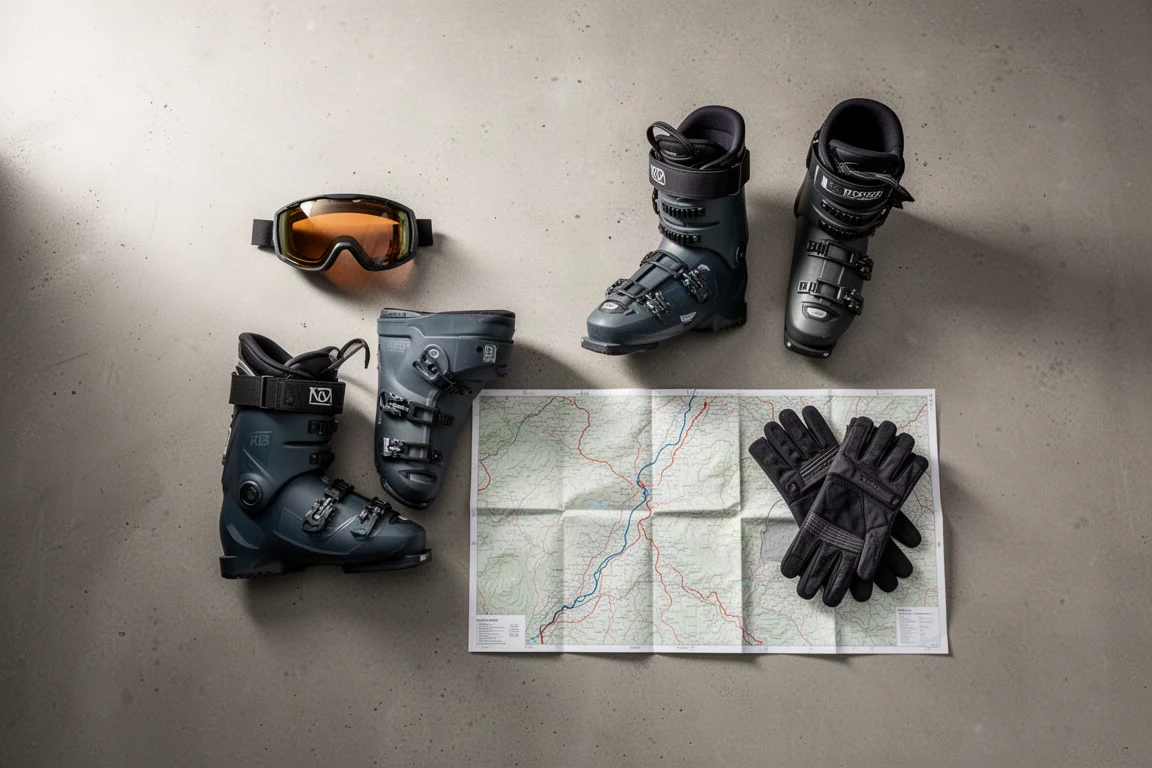
Demo where you can. Skis with similar waist widths can feel completely different, and the gap between a playful ski and a damp one shows up within a run or two. Bring your current skis to the demo so you can feel the contrast directly instead of guessing.
Think about length separately from width. A shorter ski is easier to turn and suits slower speeds, tight trees, and skiing with beginners, while a longer ski gives more stability and float for bigger, faster riders. Around 180 cm is a reasonable floor for a taller or heavier skier who wants to ski at speed, but personal preference still counts for a great deal and there is no single rule that fits everyone.
Finally, be realistic about what a new ski adds. Most current all-mountain designs are very good at a handful of things and simply choose what to prioritize, whether that is float, dampness, or playfulness. If a ski does not fill a genuine gap in your quiver, it is not an upgrade, it is just another pair in the garage.
Conclusion
The Blaze 104 is the clearest fit for light powder, off-piste terrain, and trees, with the QST 98 a strong alternative for riders who prefer a surfier feel. The Enforcer 99 makes more sense as a firm-snow all-mountain ski, the Bent 100 and Rustler 10 are worth demoing for comparison, and the Maverick 88 TI covers the frontside end of the spectrum. Demo what you can, match the length to how you actually ski, and buy only when a ski fills a real gap.
Further reading
Related Reviews
Ski Gear
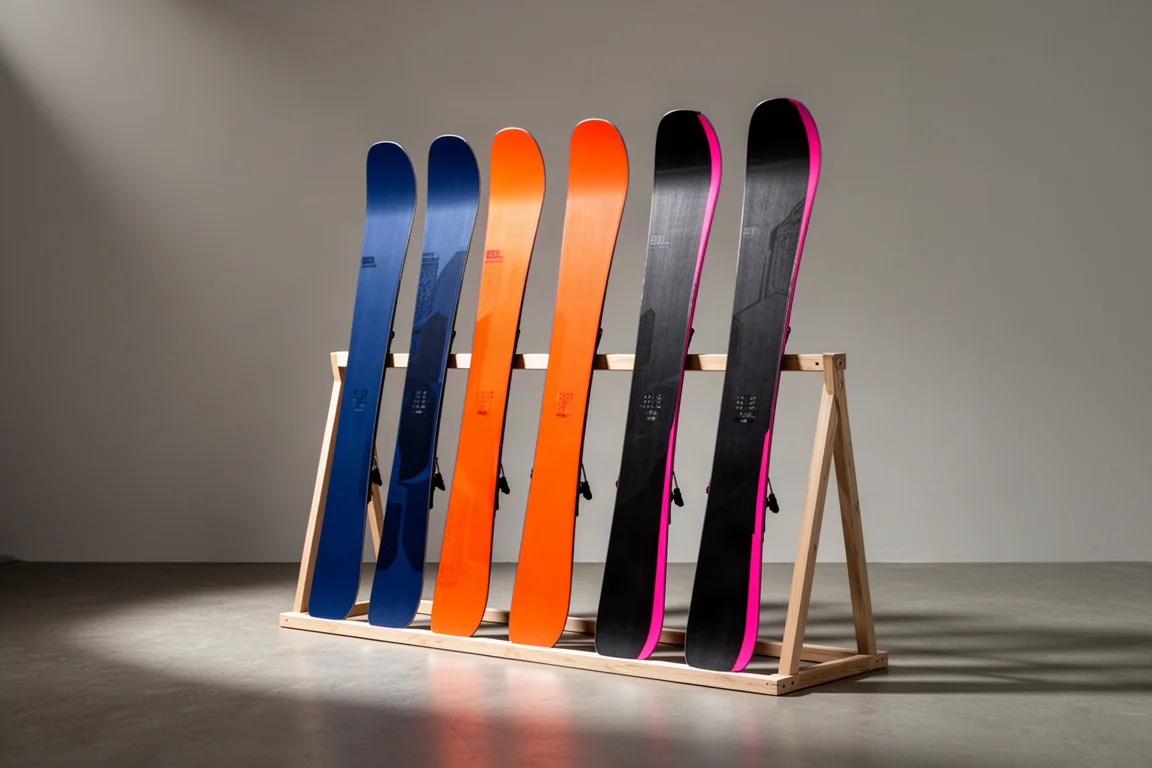
2023 Blizzard Hustle vs Rustler: Six Freeride Skis Compared
Blizzard's 2023 Hustle collection rebuilds the Rustler shape with a lighter core and no metal. Here is how all six skis differ, and which one suits your riding.
Ski Gear
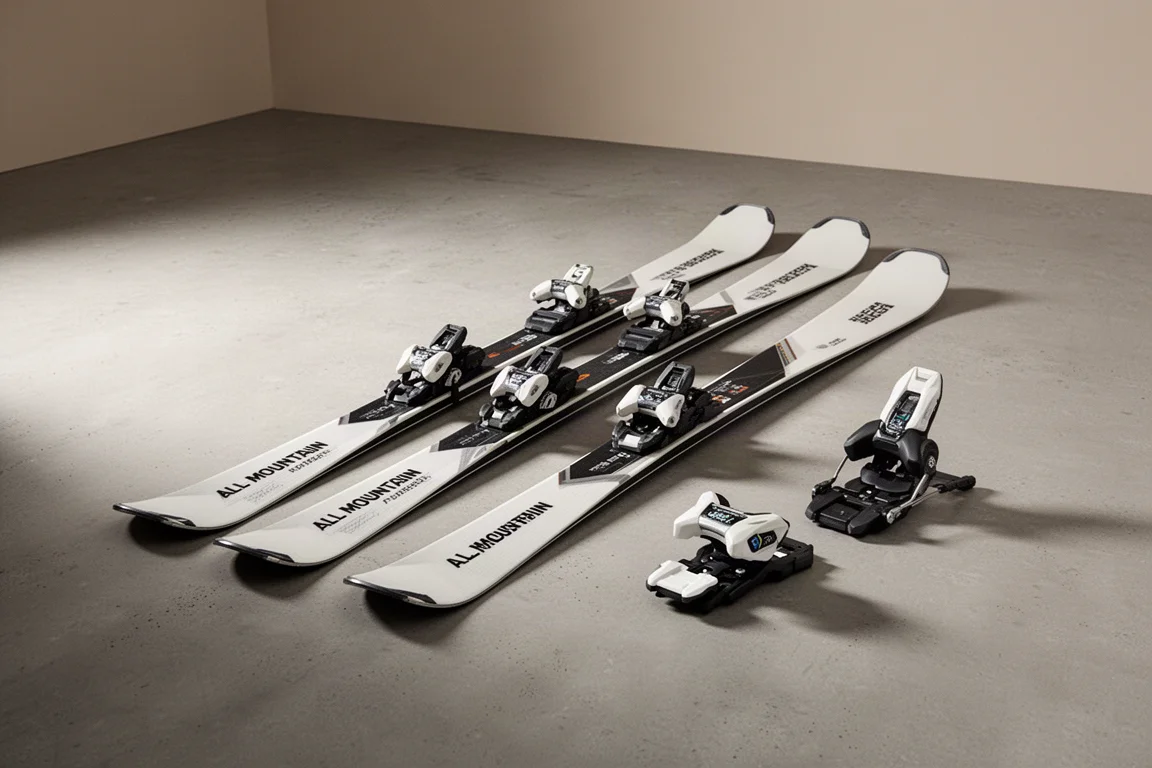
2023 Skis of the Year: Atomic Maverick 88 TI, Salomon QST 106, and Look SPX 12 Pro
Three standout ski picks for all-mountain carving, powder days, and reliable binding performance, with practical buying notes for 2023 models.
Ski Gear
2025 Nordica Enforcer 104 Review: A Directional Charger Replaces the 104 Free
The 2025 Nordica Enforcer 104 drops the Free name and the twin-tip personality, gaining weight, stiffness and composure in rough snow. Here is what changed and who it suits.