Running Watches
Best Mid-Range Running Watches: Four Options Worth Shortlisting
The Coros Pace Pro, Garmin Forerunner 265, Suunto Race S and Polar Vantage M3 bring maps, AMOLED screens and strong training tools to the mid-range price bracket.
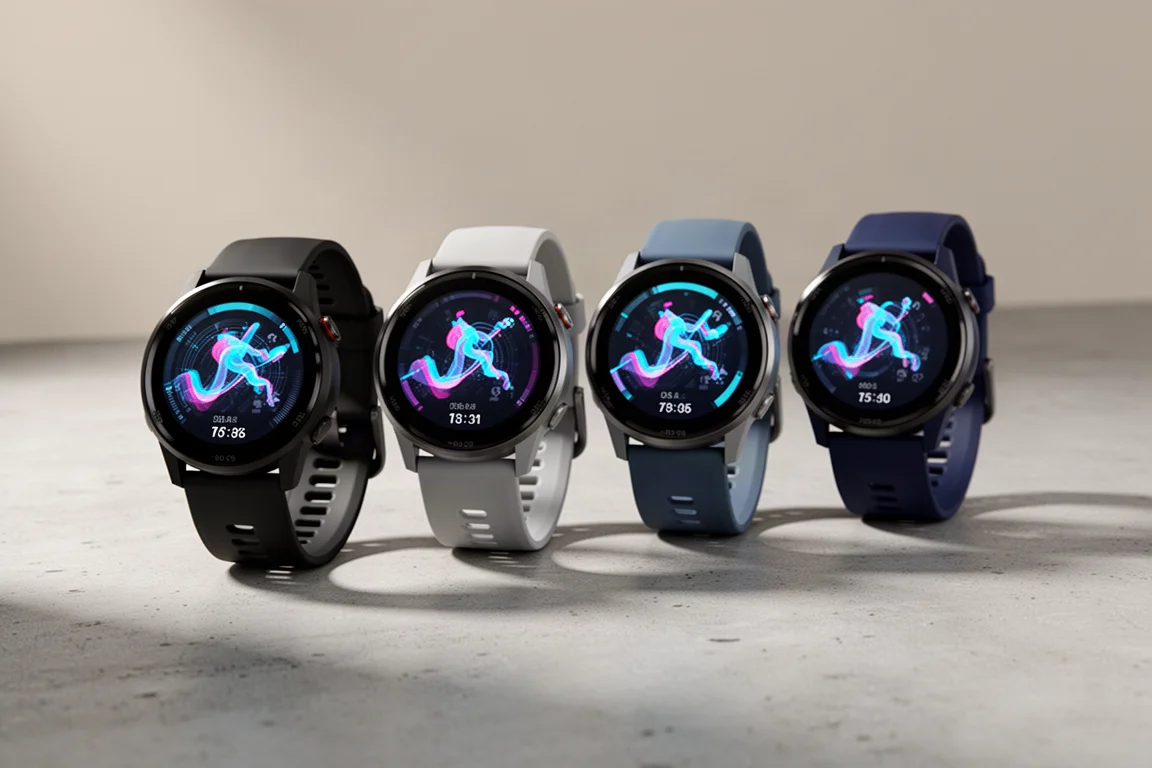
Introduction
The mid-range running watch market is the most exciting place to shop right now. For roughly the price of a pair of premium running shoes, you can get colour maps, bright AMOLED displays, dual-band GPS and deep training analysis, features that used to live only on watches costing considerably more.
In this guide we compare four watches that cover the bracket well: the Coros Pace Pro, Garmin Forerunner 265, Suunto Race S and Polar Vantage M3. Their feature sets are similar and their prices sit close together, so the real differences come down to battery life, software polish, smart features and design.
Why the Mid-Range Is the Hottest Segment Right Now
Priced generally between about £300 and £400, sometimes reaching £450, these watches deliver nearly all of each brand’s best features. Compared with high-end models you mostly give up ultra-long battery life and premium materials: think plastic builds rather than full metal construction, though several here add a steel or metal bezel for a touch of refinement.
Three of the four watches here launched within the past year, and they have seriously undercut Garmin’s long-standing incumbents. That competition has pushed features like colour maps and AMOLED displays down from flagship pricing into a far more affordable package, and the value is genuinely excellent across the board.
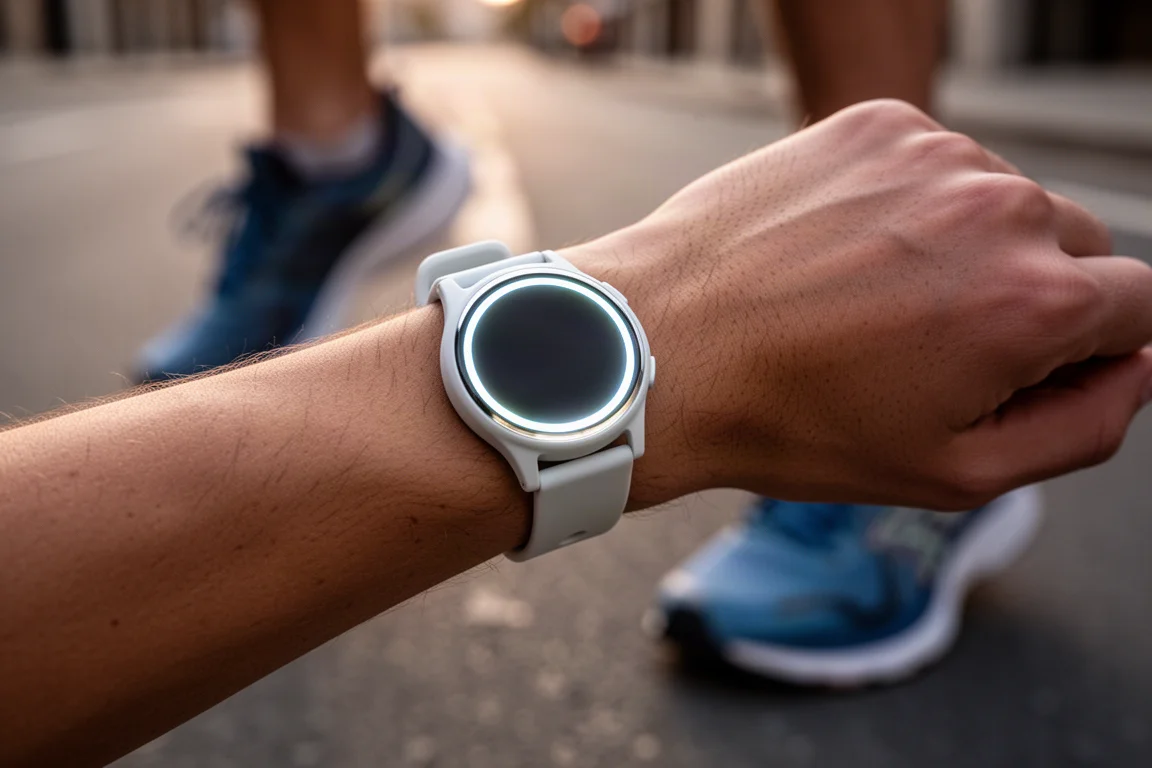
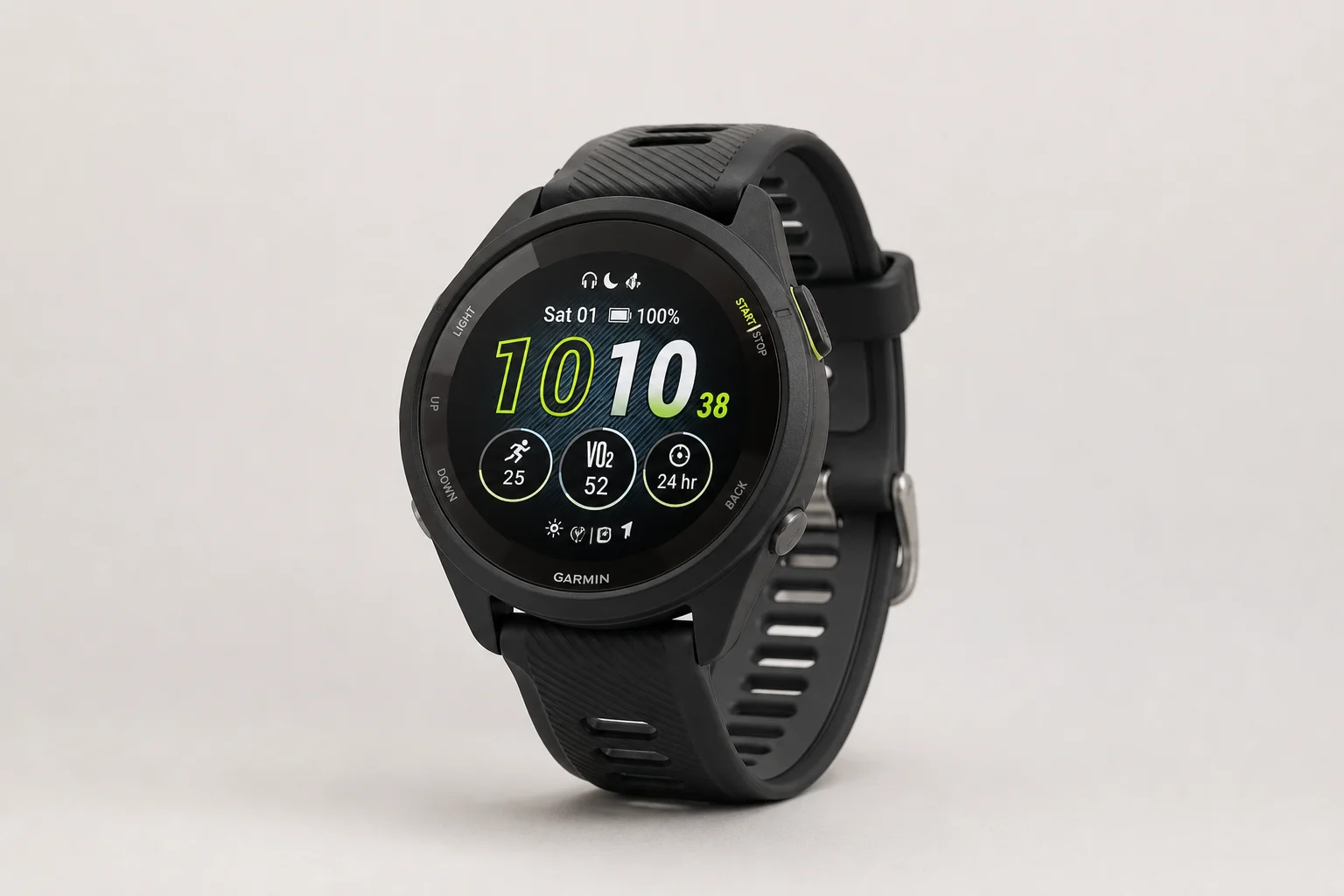
Garmin Forerunner 265: The Polished All-Rounder
The Garmin Forerunner 265 has been around the longest and remains one of the best running watches on the market. With recent price drops bringing it to around £390 in the UK, it competes far more closely with the newer arrivals than it used to, though it typically still costs a little more on paper.
Its strengths are training analysis, smart features and ecosystem polish. Training Readiness is one of the best-presented training tools on any watch, and the whole package feels intuitive and clearly laid out. You get music storage with streaming service links, NFC payments (unique to Garmin among these four), dual-band multiband GPS, two size options including the smaller 265S, and an excellent AMOLED screen with battery life that is not badly compromised compared with the older transflective Forerunners.
The big miss is maps: it is the only watch here without them. Battery burn for an hour-long run came in around 5%, higher than its main rival. But if you want a running watch with genuine smartwatch functionality in a lightweight, good-looking package, this remains a superb pick.
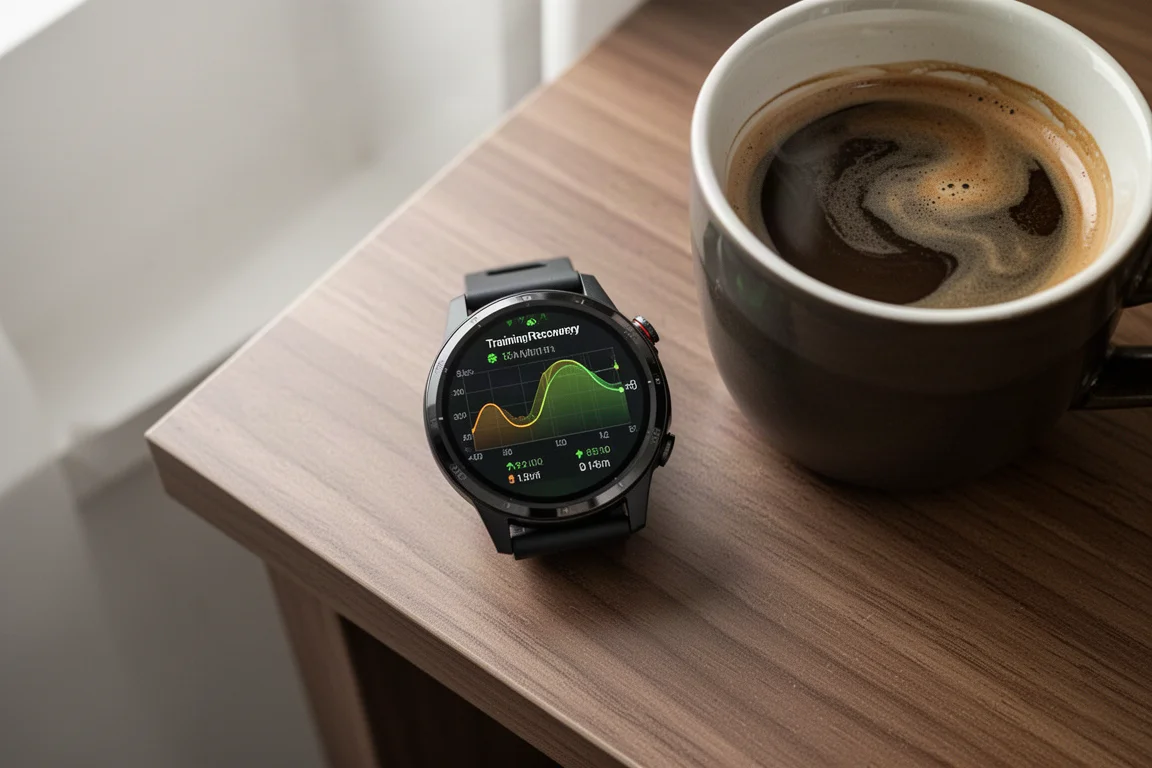
Coros Pace Pro: Long Battery Life in a Featherweight Body
The Coros Pace Pro is Coros’s first AMOLED watch, and it brings colour maps and a new dual-band chipset to a brand already known for battery efficiency. It is Coros’s best watch yet, and it earned recognition in recent awards.
Battery life is the headline. With the always-on display active, a full day without training burned just 2%, with similarly low overnight drain, and an hour-long run in Max accuracy mode used only 2% per hour, the best figure of any watch in this comparison. The overall GPS battery life is also much longer than rivals, making this the one to pick for ultra ambitions on an AMOLED screen. The software runs slickly, tracking performance is strong, and the plastic build makes it the lightest, most comfortable 24/7 wear of the group.
Trade-offs are worth knowing: smartwatch features are limited (drag-and-drop music rather than streaming), watch faces are few and not very customisable, the design feels more plasticky than the Suunto or Polar even if it is the most comfortable, and training analysis presentation still trails Garmin slightly.
Suunto Race S: The Best Value Pick
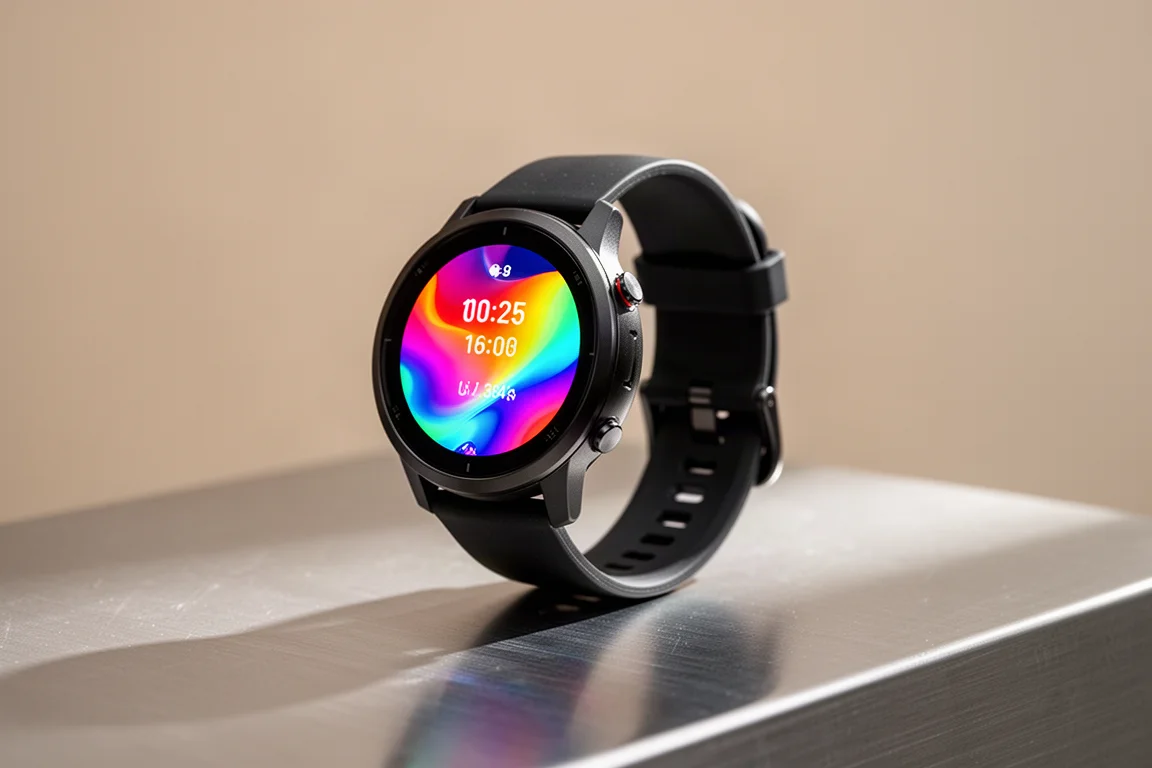
The Suunto Race S is the cheapest of these watches in the UK, and it is the model that led the charge in undercutting Garmin in this segment. You get a steel bezel, which makes it feel a touch more sturdy and better put together than the all-plastic alternatives, plus a big, bright, high-quality AMOLED display and a distinctive design that clearly reads as a Suunto.
Core performance is very good. Dual-frequency GPS delivered strong results in testing, maps are well supported, battery burn for an hour-long run sat around 3%, close behind the Coros, and you get music controls rather than offline streaming. A pricier titanium version is also available with similar features.
The main complaints are software-related: the user interface is not the most intuitive, though the training analysis and stats in the app are comparatively well presented. Suunto is also updating the software quickly. If value is your priority, this is the pick of the group.
Polar Vantage M3: A Capable Watch With Room to Grow
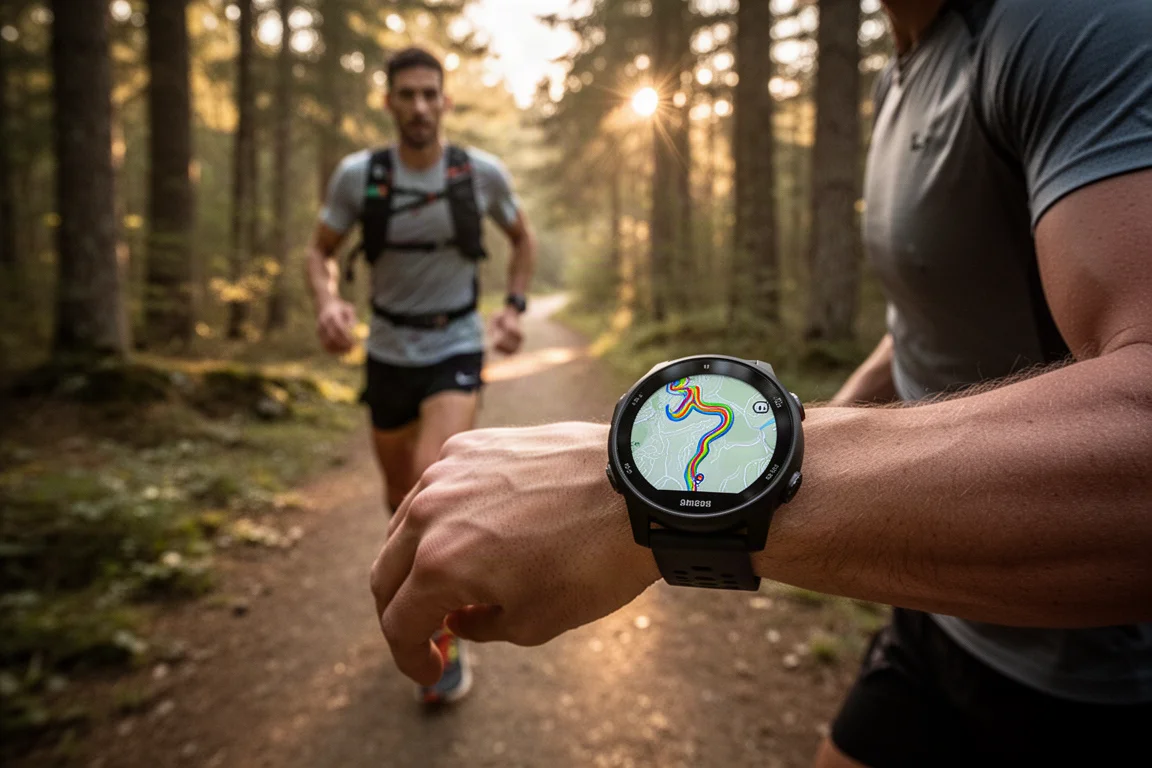
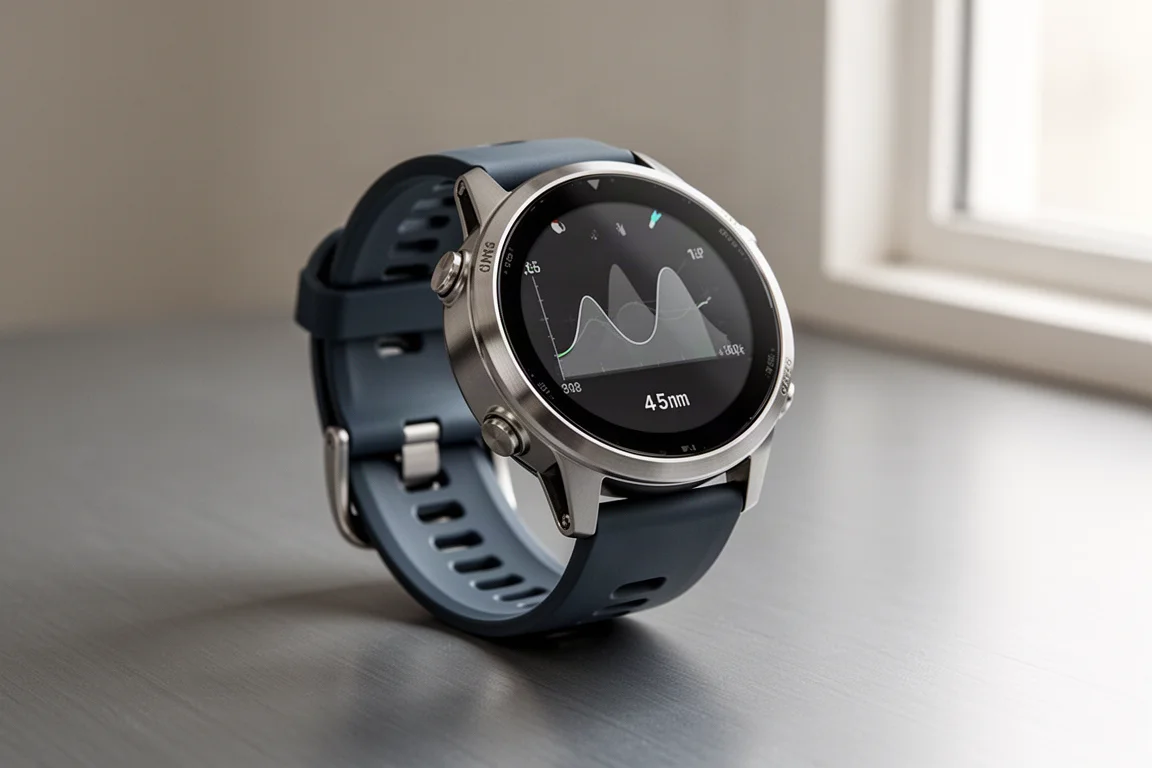
The Polar Vantage M3 launched at the same price point as the Coros and Suunto and delivers much of what the higher-end Vantage V3 offers, including a metal bezel, a really bright AMOLED screen and colour maps, at a price that finally feels right for a Polar.
Its unique features set it apart. Hill Split shows time and performance on climbs and descents, Fuelwise helps you build a fueling strategy, and a rest-and-work feature for strength training tells you when your heart rate says it is fine to start the next set. The unified software platform it shares with the Vantage V3 and Grit X2 Pro means new features developed for those watches should roll down to the M3, making it something of a futureproof pick.
The caveats: battery burn in Max accuracy mode ran between 4% and 6% for an hour-long run, higher than Coros or Suunto, and optical heart rate readings struggled on some runs, particularly intervals. Presentation is the bigger issue; the Polar Flow platform is capable but can feel intimidating, and updates have historically arrived slowly. In a vacuum it would be a standout; in this company it sits just behind the others for everyday enjoyment.
Overall Buying Advice
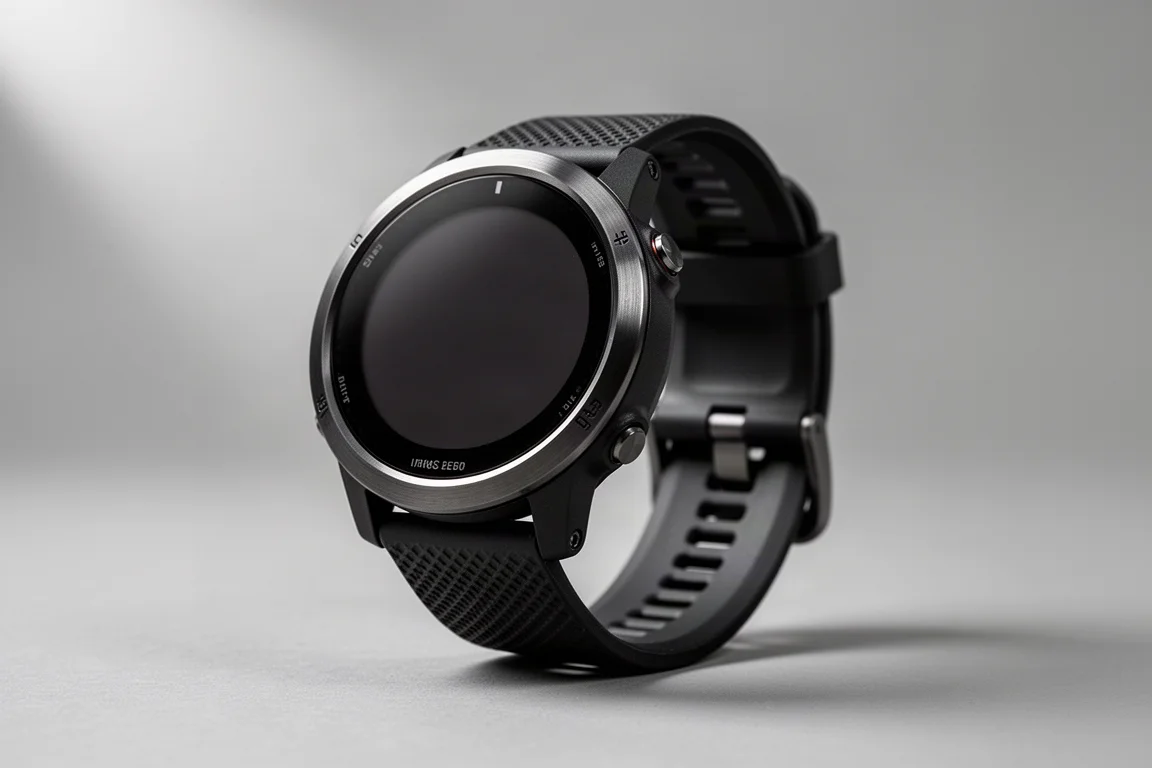
None of these watches is a bad choice, and much of the decision comes down to personal preference. Prioritise battery life and a featherweight feel: Coros Pace Pro. Prioritise smartwatch features, NFC payments and the most polished training presentation: Garmin Forerunner 265. Prioritise value and design: Suunto Race S. Prioritise unique training features and long-term software potential: Polar Vantage M3.
It is also worth noting the Apple Watch Series 10 sits in this price area with a nicer smartwatch design and richer smart features, but it is not quite as good a sports tracker, lacking the extra buttons and dual-band GPS of these watches. And if you fancy a laugh, you could buy several pairs of budget running shoes for the price of any of these.
Conclusion
Mid-range running watches currently offer the best value in the entire market. Three of these four launched within the past year, all undercut or match Garmin on price, and all deliver colour maps, AMOLED screens and dual-band GPS. Pick the one whose strengths match your priorities and you will not go far wrong.
Further reading
Related Reviews
Running Watches
Coros Pace 3 Running Watch Review: Why Software Matters More Than Specs
The Coros Pace 3 prioritizes runner-focused design and intelligent software over expensive hardware. Here's why it outperforms watches that cost twice as much.
Running Watches
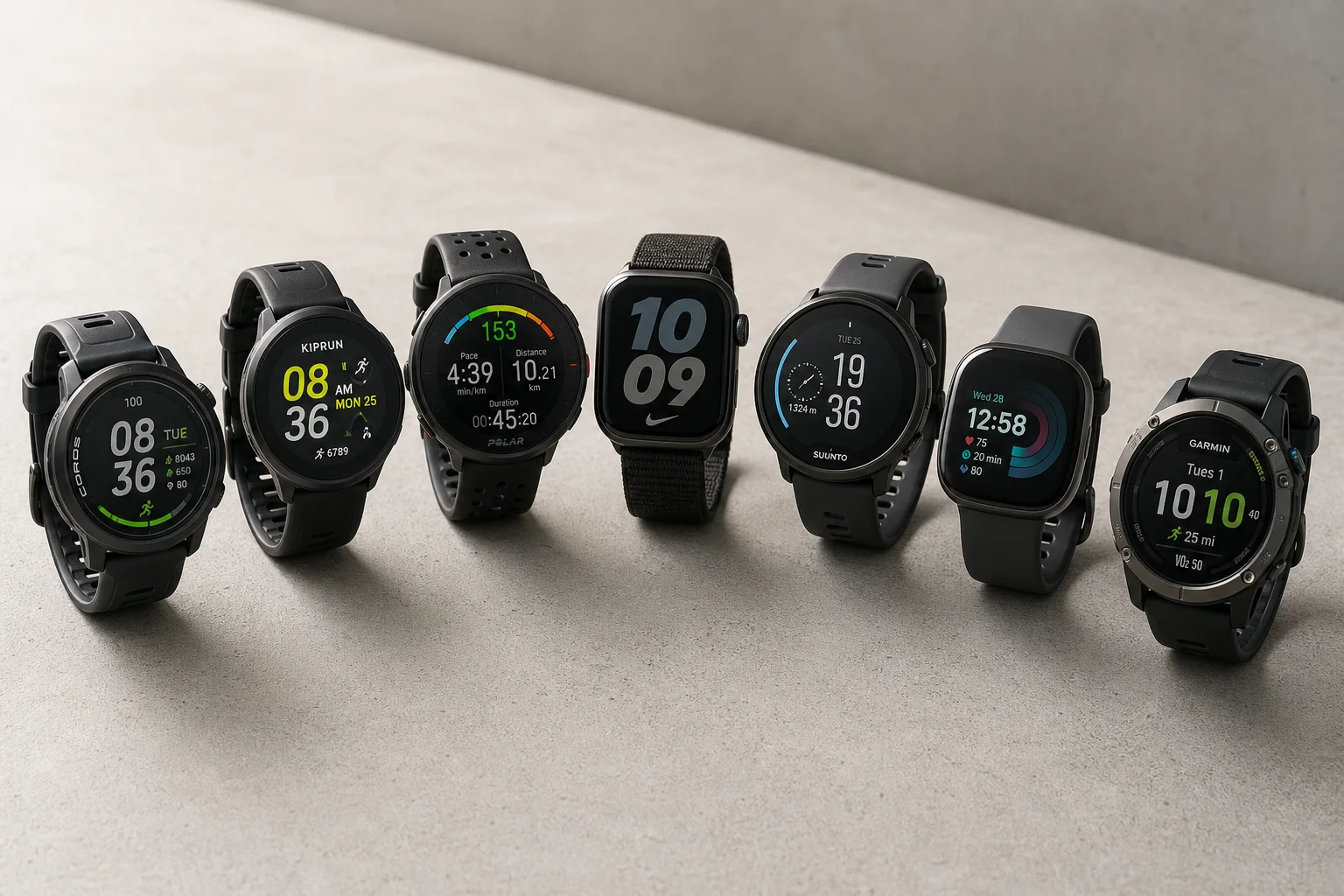
GPS Running Watch Accuracy Test: Seven Watches Compared Across Urban, Trail, and Race Conditions
We tested seven popular running watches from major brands in three different environments to find out which delivers the most accurate GPS tracking for distance and pace.
Running Watches
Garmin Forerunner 70 Review: Garmin's Cheapest Forerunner Is More Capable Than You'd Expect
The new entry-level Forerunner 70 brings an AMOLED screen, a fresh interface, and real training analysis for £219/$249, with a few trade-offs to weigh before buying.