Ski Gear
Best Mid-70mm Frontside Skis 2026: Seven Carving Skis for Groomed Terrain
A practical guide to seven mid-70mm frontside skis for 2026, from approachable systems at $749 to a $1,995 flat carving specialist, with the trade-offs that matter before you buy.
Introduction
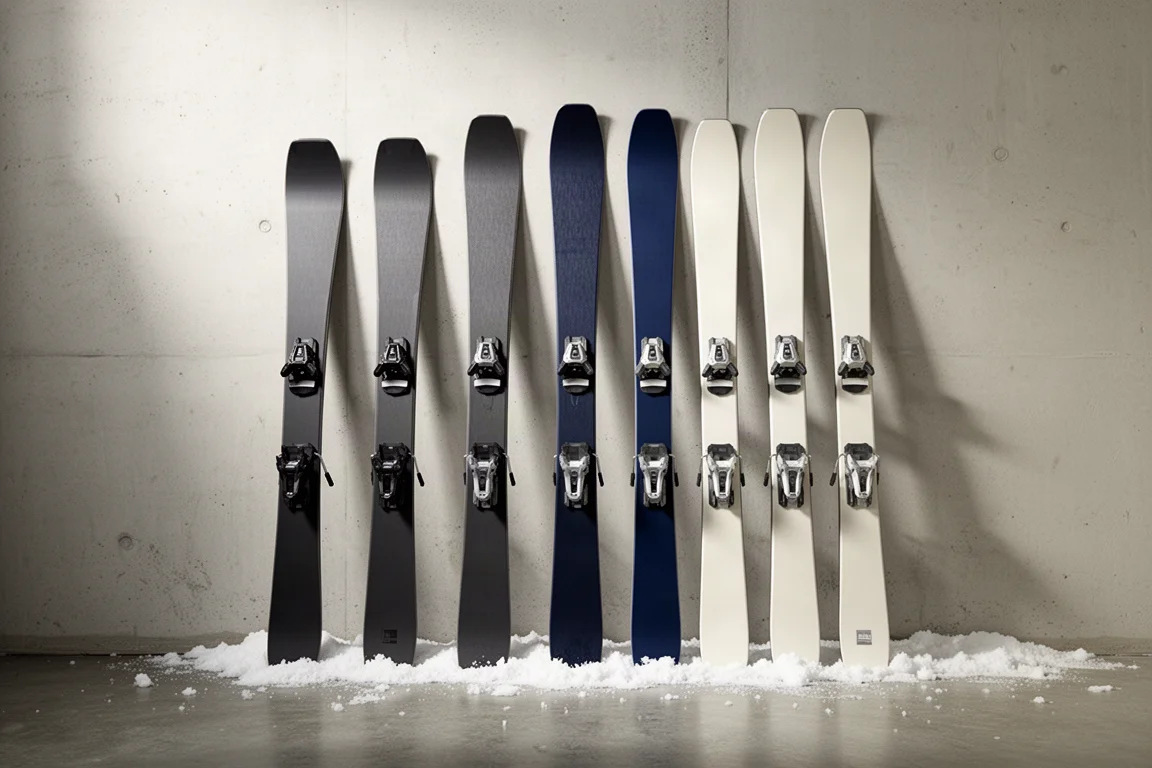
Mid-70mm frontside skis occupy a narrow but genuinely useful slice of the market. These are skis between roughly 72 mm and 79 mm underfoot, built primarily for groomed terrain, and for 2026 they cover an unusually wide spread of price and intent. Some are designed for skiers who are still building confidence on edge. Others are effectively detuned race tools.
Almost every ski in this width range arrives as a system with a binding included, and the price gap across the category is large. That makes it worth reading construction and shape details rather than shopping on price alone. A $2,000 ski and a $750 ski can both be excellent, but they are aimed at very different skiers, and the more expensive option is not automatically the more capable one for your ability level.
This guide covers seven options, ordered from the most approachable to the most demanding.
What Defines a Mid-70mm Frontside Ski
Width is the obvious starting point. Everything here sits between 75 mm and 79 mm underfoot, and almost all of it is sold with a binding. The least expensive system in this group is $749, and the most expensive ski is $1,995 flat, without a binding.
Turn radius is the other headline number, and in this category it ranges from about 13 m to roughly 16 m. Skis with shorter radii feel quick and are happiest making short carved turns. Longer radii let a ski run straighter and carry more speed across the hill.
Construction matters as much as shape. Some skis use two full sheets of metal, which adds weight, dampness and edge grip, along with a higher ceiling that demands more speed and more physical input. Others use lighter wood cores with carbon, flax or partial metal laminates, which keeps the ski easy to bend and forgiving at moderate speeds.
Tip and tail shapes vary just as widely. Long tapered tips with rocker make a ski easier to release and more tolerant in softer snow, while squared-off flat tails hold a carve through the end of the turn. Neither approach is better on its own. The right choice depends on the snow you ski most and how hard you like to push.
Head Shape e-V8: An Approachable Entry Point
The e-V8 is aimed at intermediate skiers, but Head builds it with materials that normally appear further up the range: a light Karuba wood core, graphene and carbon, plus an energy management circuit in the tip and tail to keep vibrations down.
At 75 mm underfoot with a 13.2 m turn radius in a 170, it has generous camber and a long effective edge. It comes up on edge easily and makes short, clean turns with very little energy input, which is exactly what a progressing skier wants. Weight is listed at 2,618 g in a 170 with the PR11 binding.
The trade-off is a lower performance ceiling. It does not hold up as well at higher speeds or under aggressive input, and it will not deliver the damp, planted feel of a dual metal laminate ski. What it does deliver is a quality build at $749 with bindings, which is a reasonable ask in this width range.
K2 Blur 79: Light, Quick, and Comfortable
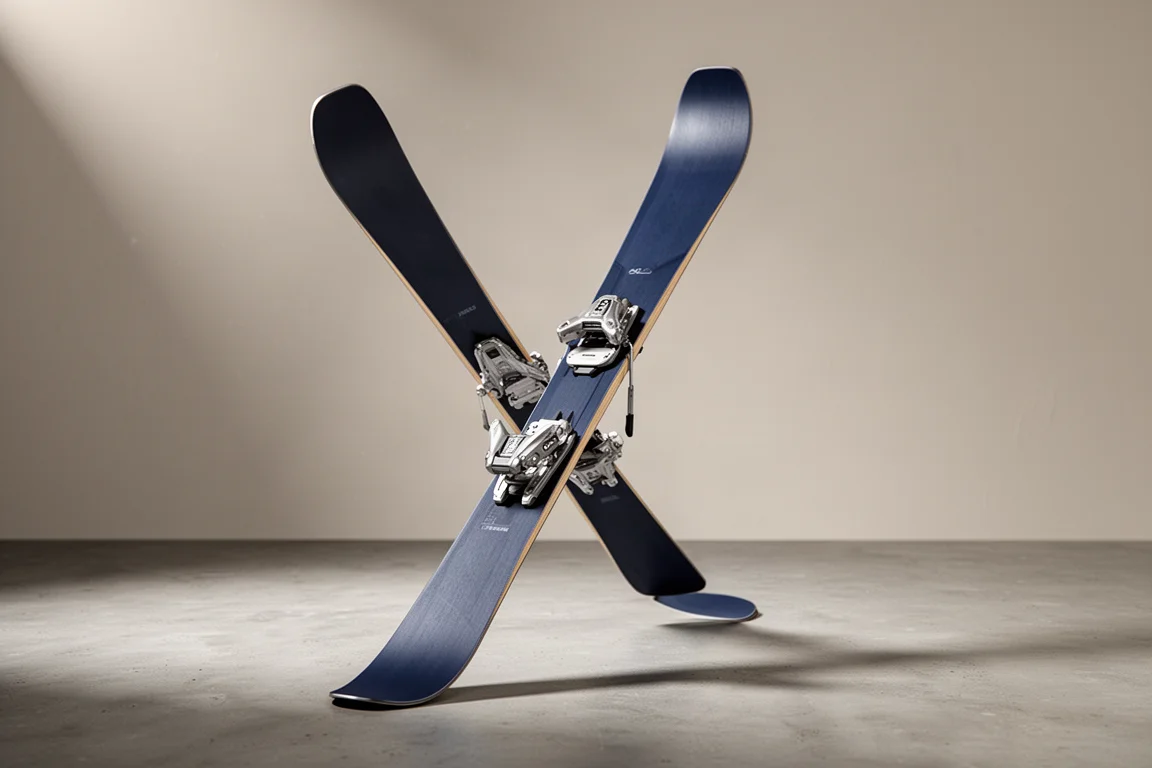
The Blur 79 is part of K2’s new Blur collection and matches the Head on price at $749.95. There is no metal in the build. An aspen wood core is paired with flax laminates and a bio-based resin, an approach that keeps the ski light at around 2,730 g while smoothing out the ride.
Its 16.3 m turn radius in a 177 makes it a little more of a cruiser than the e-V8. It still turns quickly and cleanly, but it is happiest at moderate speeds and can be pushed past its limits if you ski it hard.
The tip shape is worth noting. There is more early taper here than on a dedicated frontside carver, along with a small amount of tip rocker and a relatively flat, squared-off tail. That combination lets the ski handle crud and windblown snow better than its width suggests, which makes it a more versatile groomer option than the numbers alone imply.
Volkl Paragrin 78: Modern Tech in a Softer Flex
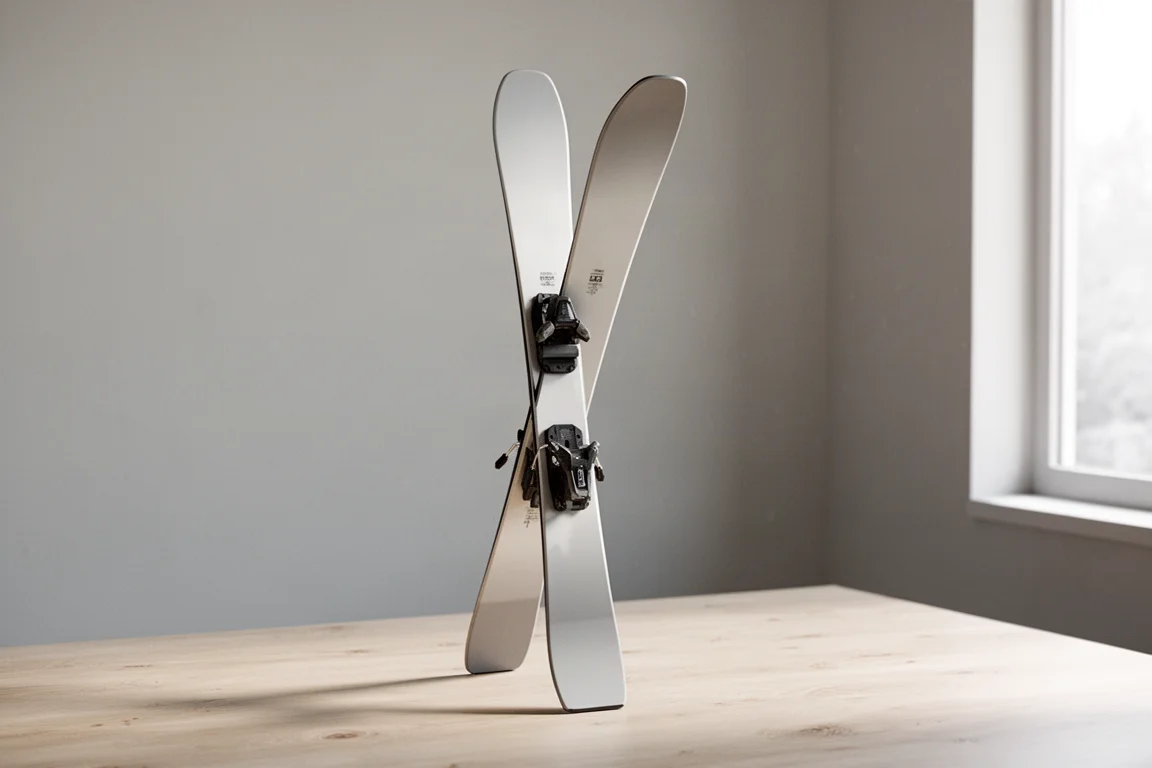
The Paragrin 78 is new for 2026 and sits at $999.99 with bindings. It borrows shaping ideas from Volkl’s wider Paragrin models, including a 3D ridge, 3D glass and a steel band underfoot, but uses a lighter wood core and skips the full titanal band and the tailored carbon tips found higher in the line.
Volkl’s 3D radius here is 21 m in the shovel, 15 m underfoot and 30 m in the tail. That longer tail radius is deliberate. It helps the ski release out of a turn rather than shooting across the fall line, which gives the skier more control over turn shape and duration.
Weight is around 2,940 g with the integrated Marker binding, and the connection between boot, binding and ski feels cohesive. The flex is soft and it is not built to be skied aggressively, but the finish and the engineering are clearly a step above a basic recreational ski.
DPS Carbon Pieworks 79: Carbon Finesse at a Premium Price
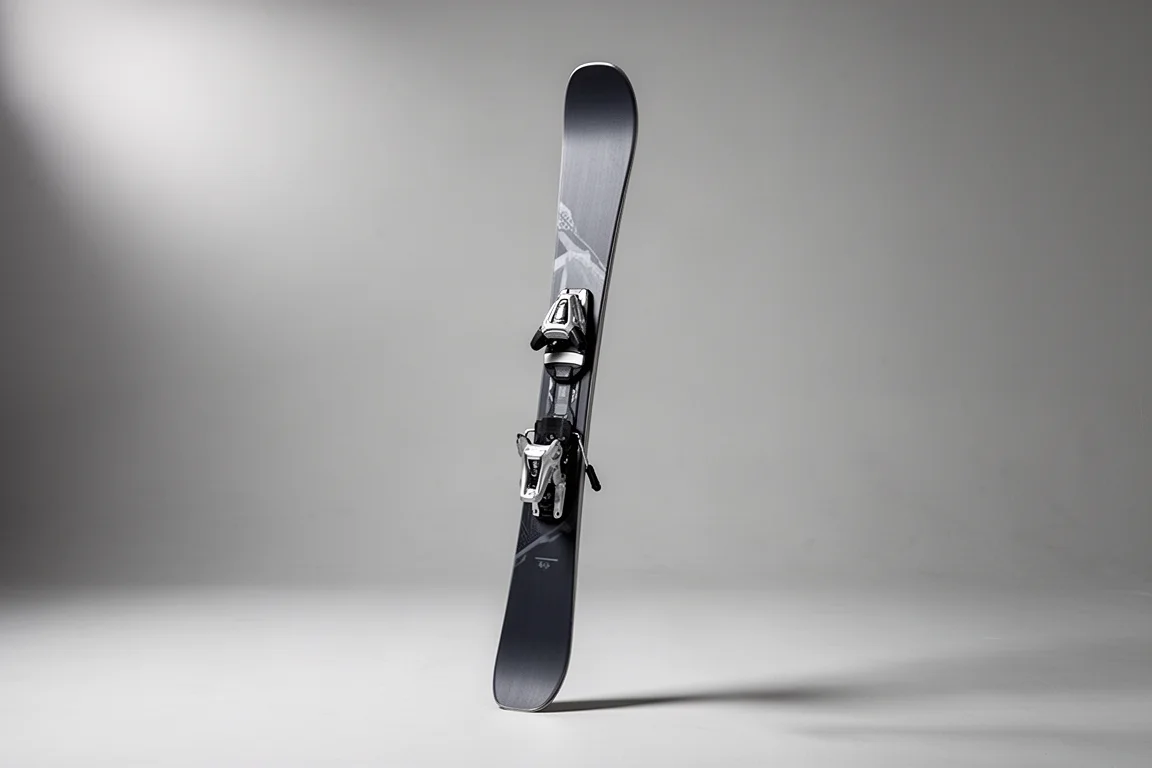
The Pieworks 79 is an outlier in this category, and the price makes that clear: $1,995 flat, with no binding included. It is also the lightest ski here by a wide margin at 1,370 g in a 167, built around a wood core with two full sheets of carbon and an additional carbon plate underfoot.
Despite all that carbon, it is not stiff. It is a finesse ski rather than a power ski, and it rewards precise technique and clean initiation rather than force. Its 13.5 m turn radius keeps it lively, and because it comes flat, you can choose your own binding and dial in stand height to change how aggressive the tip engagement feels.
That makes it a genuinely useful learning tool for someone who wants to become a better carver, and a rewarding ski for an expert who understands how to load and release a ski. It is not, however, a ski that will push a skier forward if their weight drifts back, and it is not the right pick for someone whose main goal is going fast in a straight line.
Rossignol Forza 70: Carving Fun With an Extended Sidecut
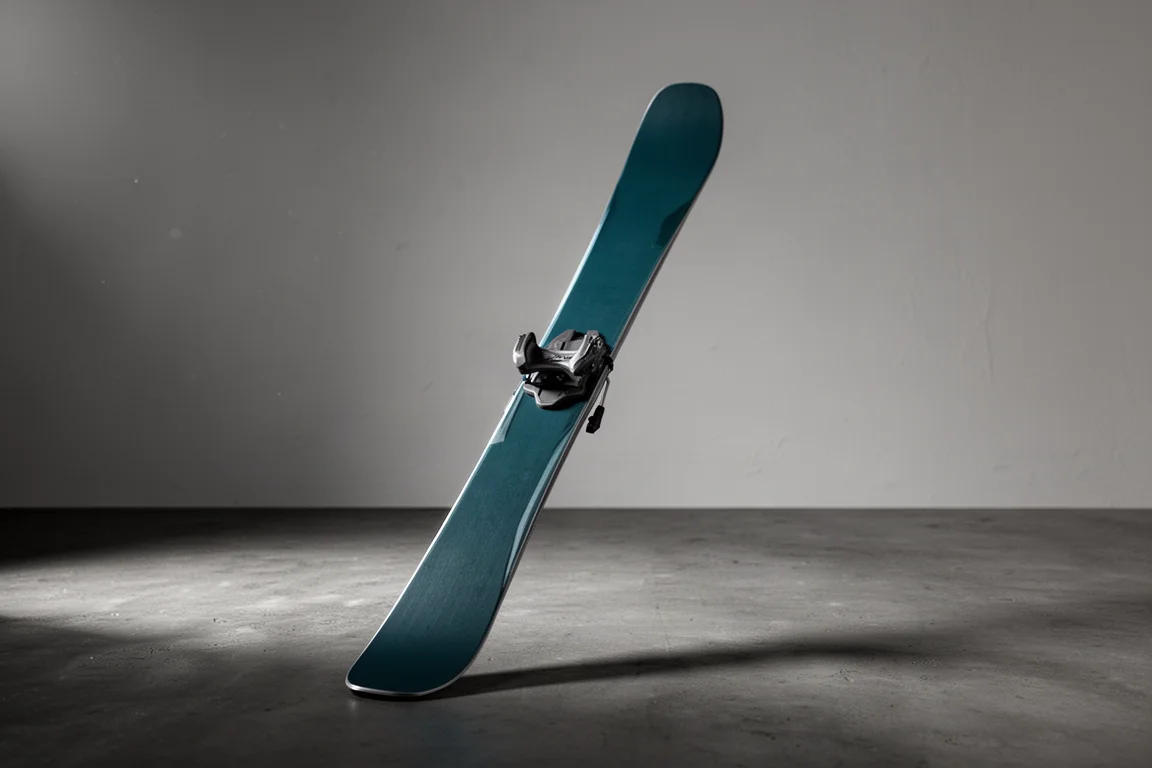
The Forza 70 sits at the top of Rossignol’s Forza line. Its construction steps up from the rest of the range with full length sheets of titanal rather than a partial beam, and its most distinctive feature is an unusually extended sidecut in the shovel. There is very little else on the market with a shape quite like it.
At 77 mm underfoot with a 14 m turn radius, it is designed around carving. It is energetic rather than damp, which is exactly what makes it so much fun at high edge angles, but it also means it is not the most planted ski if you are chasing a race course feel. Weight is around 3,130 g with the 14 DIN system binding.
The price is $1,049.95, and the previous season’s version of the same ski has been listed at $649.97, which is worth knowing if the graphic is not a priority for you.
Nordica Dobermann Multipista: The Freeride Carver
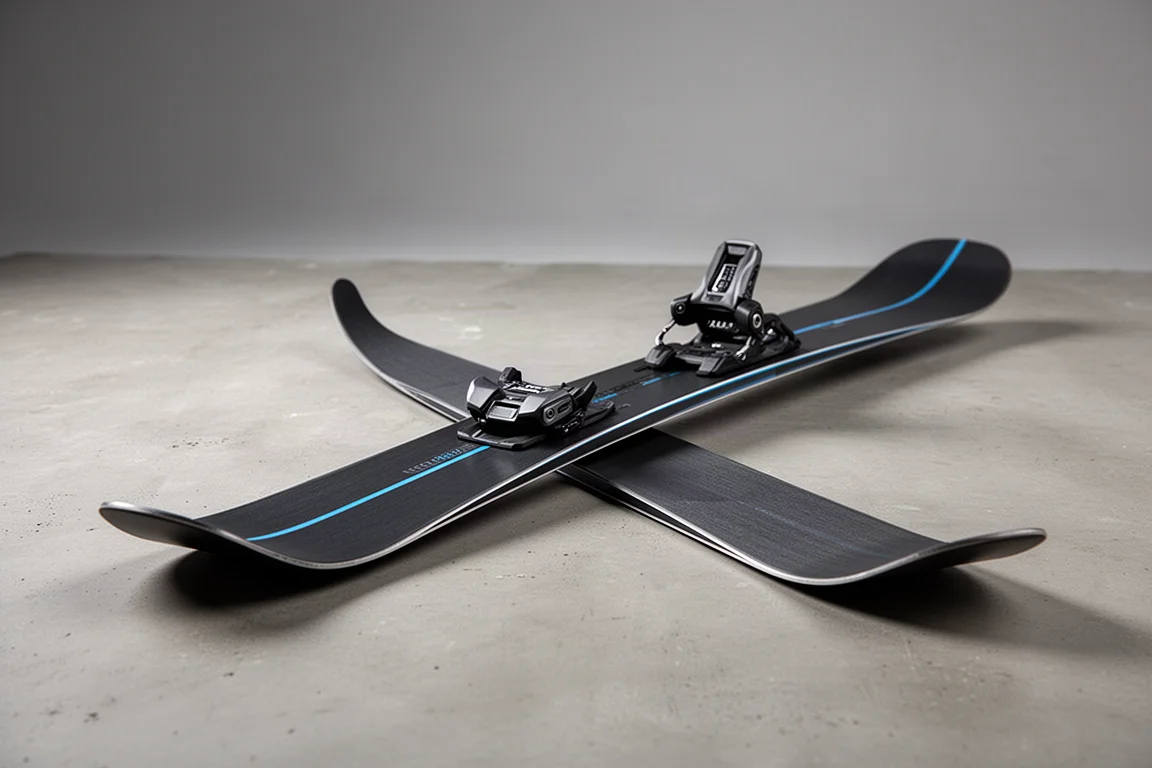
The Dobermann Multipista is new and takes a different route. Its construction follows the Multigara formula: a double core of poplar and beech, two full sheets of metal, and a pulse core between the wood laminates. The difference is the shape, and it is dramatic. The tip is long, rounded and heavily tapered, with a small amount of tail rocker and a rounded tail.
That shape produces something unusual in this width. It carves well and feels stable at speed, but it can also be thrown sideways and smeared through a turn. On a 16 m turn radius in a 180, it can be made to turn shorter or longer than that number suggests, and it handles variable snow with far more composure than a pure frontside carver.
At 3,220 g in a 180 and $1,299.99 with a binding, it is a premium purchase. For a skier who spends most days on groomers but wants one narrow ski that stays fun when conditions soften, it is a compelling answer.
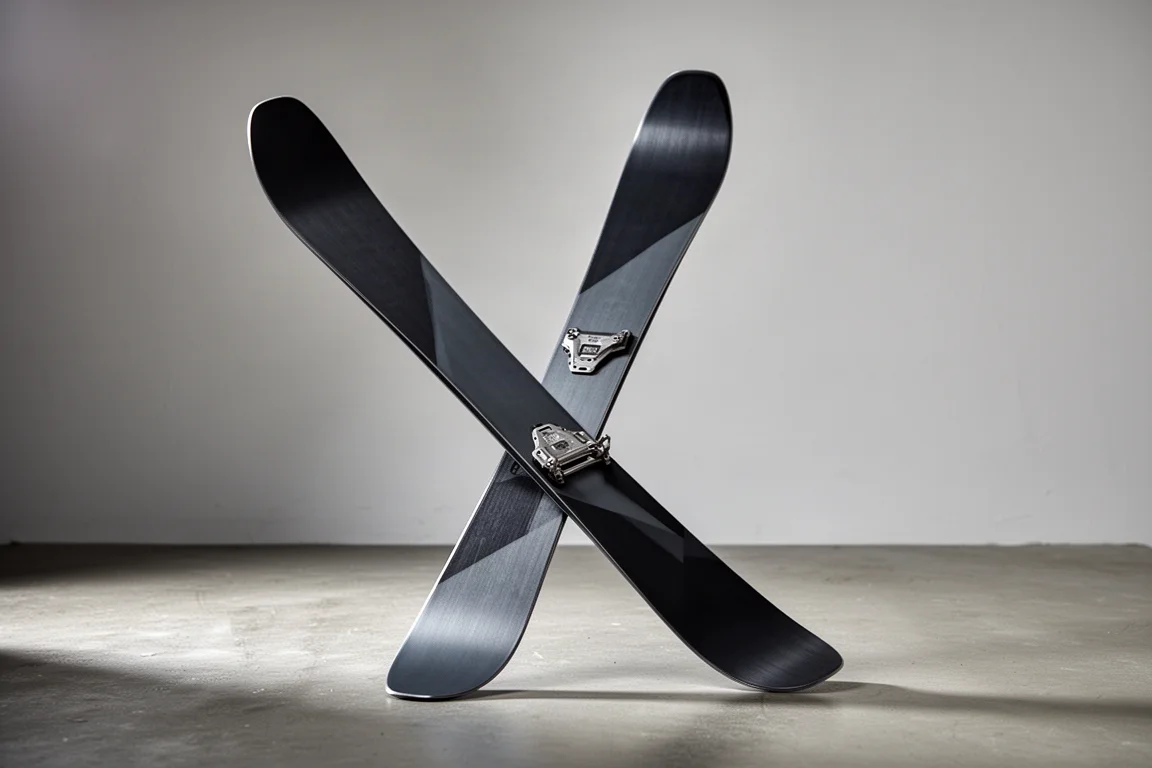
Head Supershape e-Rally: Serious Speed, Serious Demands
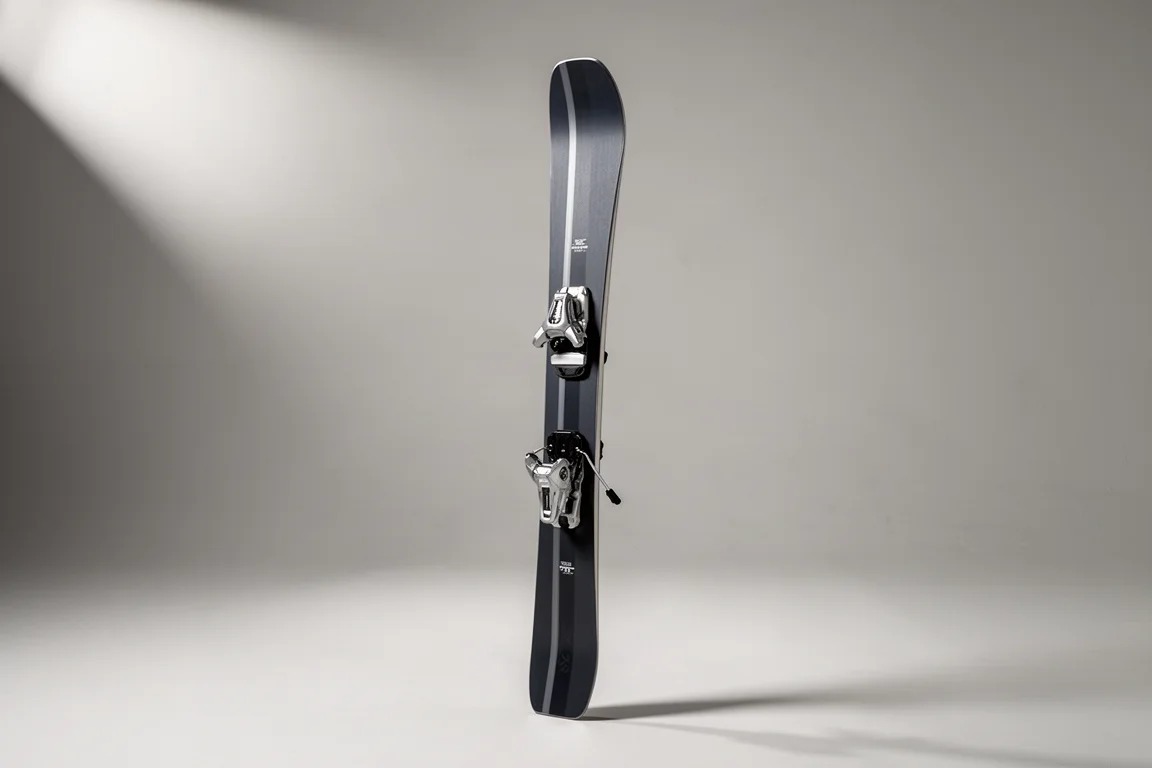
The e-Rally shares its construction with the rest of the Supershape line: a dense wood core, two sheets of metal, the energy management circuit and cross force carbon underfoot. At 78 mm underfoot with a 14 m turn radius, the shape is what separates it from its siblings.
This is a ski that wants speed before it comes alive. It feels very composed and stable at high speeds, and it is one of the few skis in this width that can be skied as fast as most people are willing to go. Getting it to make a genuinely short turn takes real effort and a strong, well timed initiation.
Weight is around 3,300 g, and it comes with a Protector 11 binding at $1,049. That is a lower price than several other demanding skis here, largely because of the binding choice, and the difference between an 11 and a 13 DIN binding is only the spring. Advanced and expert skiers who like to arc long turns at speed will get a lot out of it. Intermediate skiers will not.
Buying Advice: Matching a Ski to Your Terrain and Technique
The most useful question in this category is not which ski is best, but which ski is best for the way you actually ski. The options here range from about 13 m to 16 m in turn radius, from roughly 1,370 g to over 3,300 g, and from $749 with bindings to $1,995 flat. Those numbers describe very different experiences on snow.
A lighter, softer ski with a shorter radius will feel immediately easy and rewarding at moderate speeds, and it will be the right choice for most recreational skiers who spend their days on groomed runs. Heavier skis with full metal laminates give more grip, more dampness and a higher ceiling, but they also ask for more speed, more precision and more physical input before they feel alive.
Price deserves a separate note. In this category, cost does not track performance in the direct way it does with, say, bicycles. A $1,995 ski is not automatically more capable than a $1,049 ski. It is built for a narrower set of skills and intentions. The most expensive options here are specialist tools, and they can be genuinely wasteful if they do not match your technique and the snow you ski.
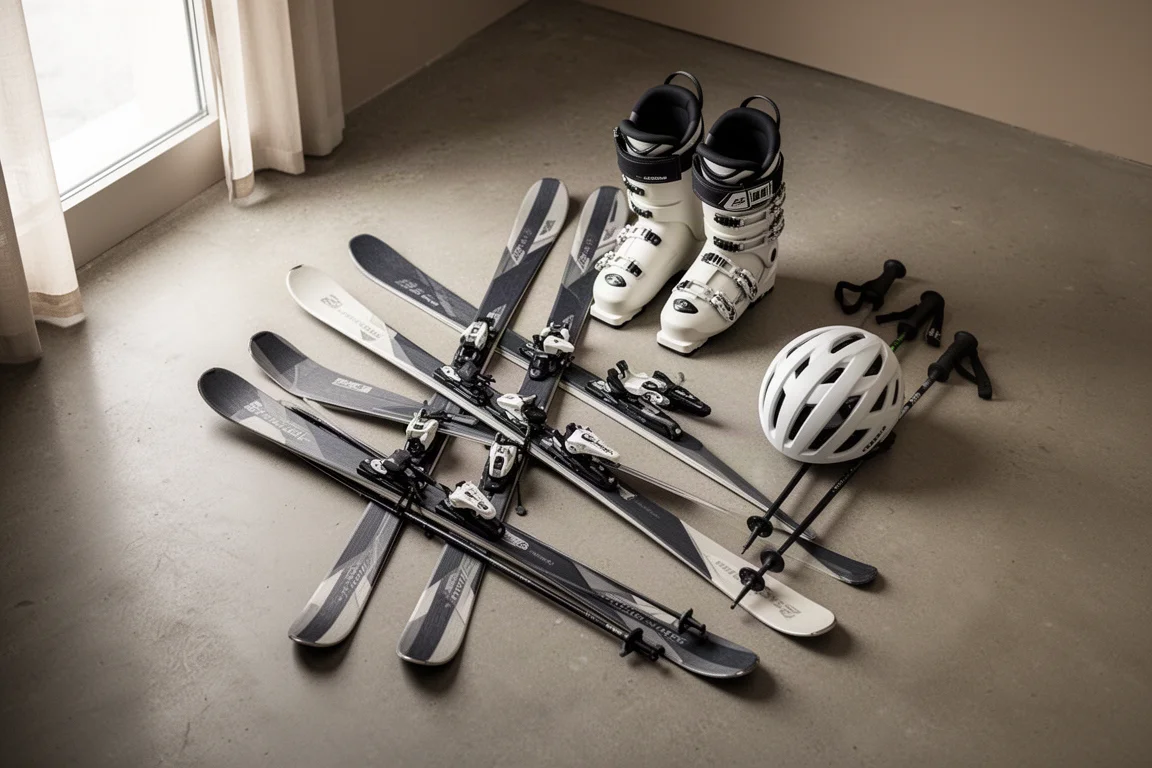
Finally, consider the binding. Most of these skis come as systems, and a handful can be bought flat. Buying flat lets you set your own stand height and binding characteristics, which matters more than it sounds on a narrow carving ski.
Conclusion
Across the seven skis here, the category splits cleanly. The Head Shape e-V8 and the K2 Blur 79 are the most approachable, both at $749.95 or less with bindings, and both are strong choices for skiers who want a quality groomer ski without a demanding flex.
The Volkl Paragrin 78 and the Rossignol Forza 70 occupy the middle ground, one softer and more forgiving, the other more carving focused and more energetic. The Nordica Dobermann Multipista is the most versatile of the group, with a shape that carves hard but can still be smeared when the snow softens. The DPS Carbon Pieworks 79 and the Head Supershape e-Rally sit at opposite ends of the same idea: one is light, soft and technical, the other heavy, stable and fast. Neither is the right first ski for most people, and both are excellent for the right skier.
Further reading
Related Reviews

Ski Gear
2023 Blizzard Hustle vs Rustler: Six Freeride Skis Compared
Blizzard's 2023 Hustle collection rebuilds the Rustler shape with a lighter core and no metal. Here is how all six skis differ, and which one suits your riding.

Ski Gear
2023 Skis of the Year: Atomic Maverick 88 TI, Salomon QST 106, and Look SPX 12 Pro
Three standout ski picks for all-mountain carving, powder days, and reliable binding performance, with practical buying notes for 2023 models.

Ski Gear
2025 Nordica Enforcer 104 Review: A Directional Charger Replaces the 104 Free
The 2025 Nordica Enforcer 104 drops the Free name and the twin-tip personality, gaining weight, stiffness and composure in rough snow. Here is what changed and who it suits.