Kitchen
The Meal Prep Gear That Actually Earns Its Shelf Space
From sheet pans and multi-cookers to storage containers and kitchen scales, these are the meal prep tools worth buying.
Introduction
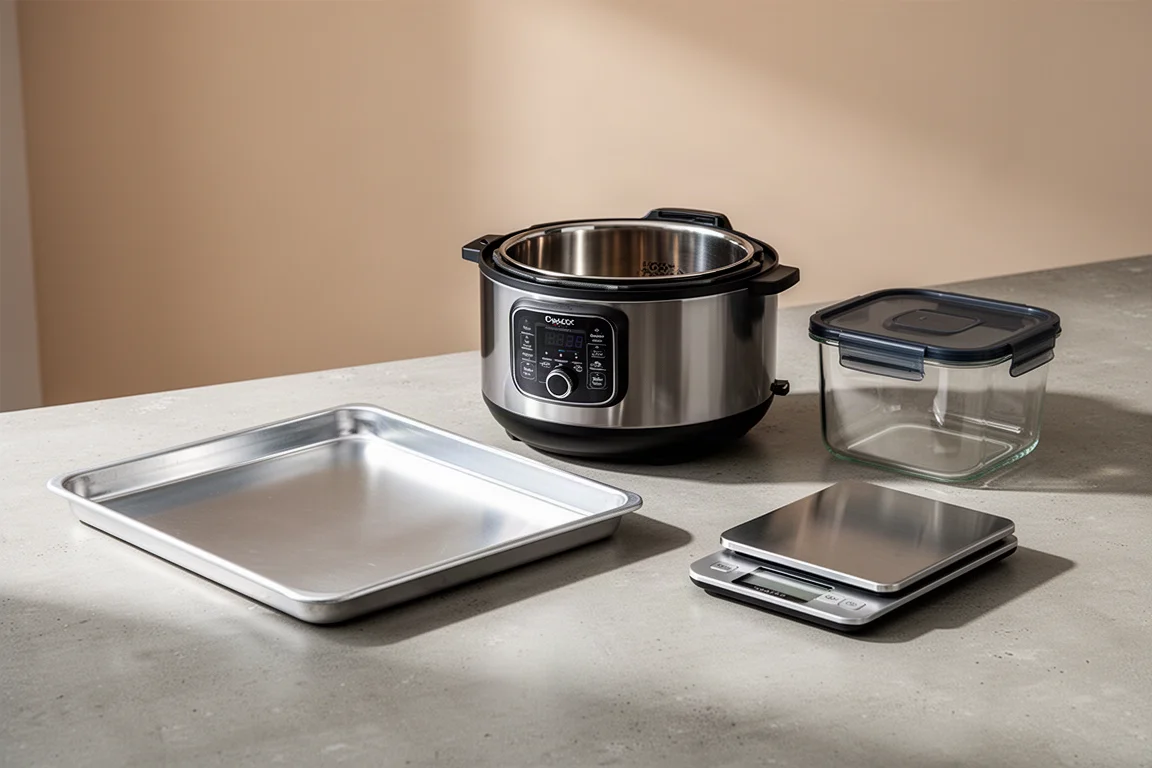
Starting your week with a little batch cooking can save money, reduce stress, and make it easier to eat well. The difference between meal prep feeling like a chore and feeling like a system usually comes down to gear. After a lot of hands-on testing across categories, a clear set of favorites emerges: a workhorse sheet pan, a pressure cooker that pulls its weight, a few smart prep accessories, storage containers that actually seal, and a kitchen scale that gets used daily. Here is what stands out and who each pick is really for.
A Sheet Pan That Earns Its Keep
A sheet pan is one of the most versatile tools in any kitchen, and for meal prep it becomes a batching machine. The strategy is simple: roast a series of ingredients one right after another without washing the pan in between. Start with the cleanest items, like vegetables roasted simply in oil with salt and pepper, and finish with the messiest, like tofu marinated in soy and garlic. Scrape off any debris between batches and you only wash the pan once at the end.
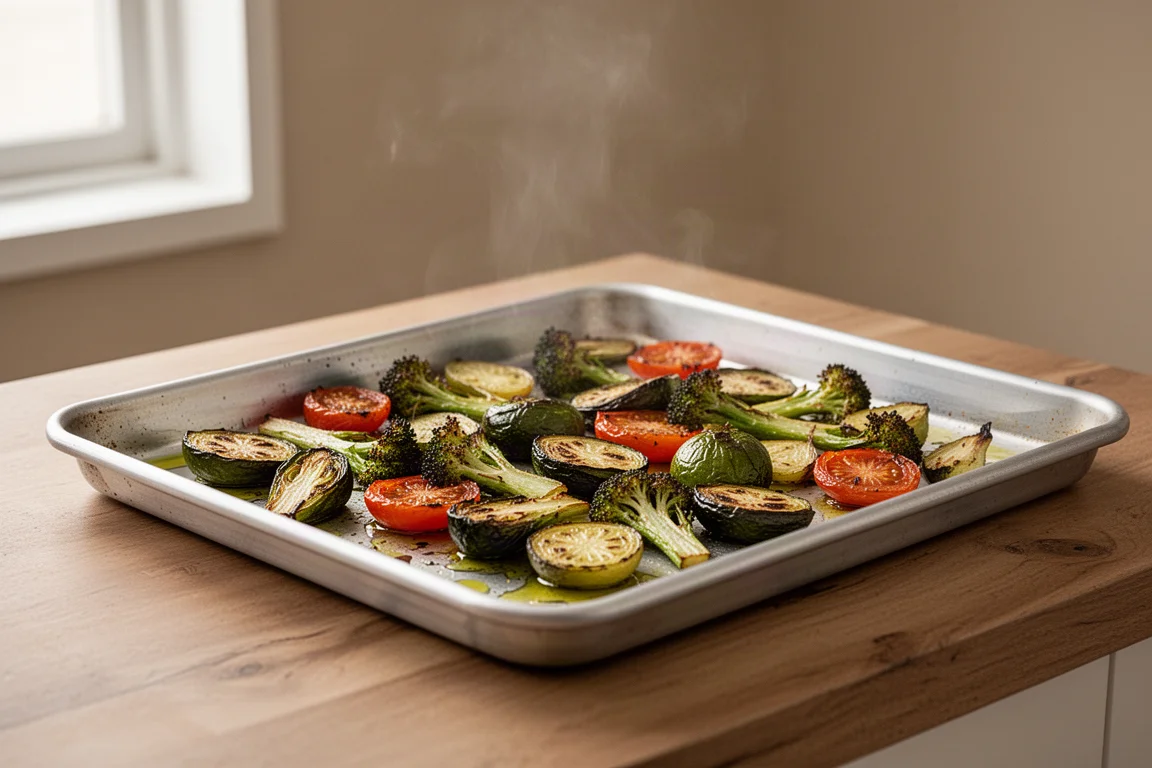
The Nordic Ware half sheet pan is the standout here. The larger size gives you more volume than quarter or eighth sheet pans, the sturdy coiled rim keeps the pan rigid through heavy use, and the higher sides add versatility. It is one of the busiest pans in a well-run kitchen for good reason.
A Multi-Cooker That Saves Real Time
Multi-cookers promise to do everything, but the function that matters most for meal prep is pressure cooking. Cooking under pressure reaches a higher temperature, which means faster results and better flavor retention. A chicken stock that takes six hours on the stove takes about an hour in a pressure cooker.
The real trick is running multiple jobs back to back without washing the inner pot. Steam a batch of hard-cooked eggs in a steamer basket, dump the water, steam broccoli, cook stock ingredients, strain, then cook rice in the same pot. Residual broth flavor in the rice is a bonus, not a problem. Four different foods, zero washes in between.
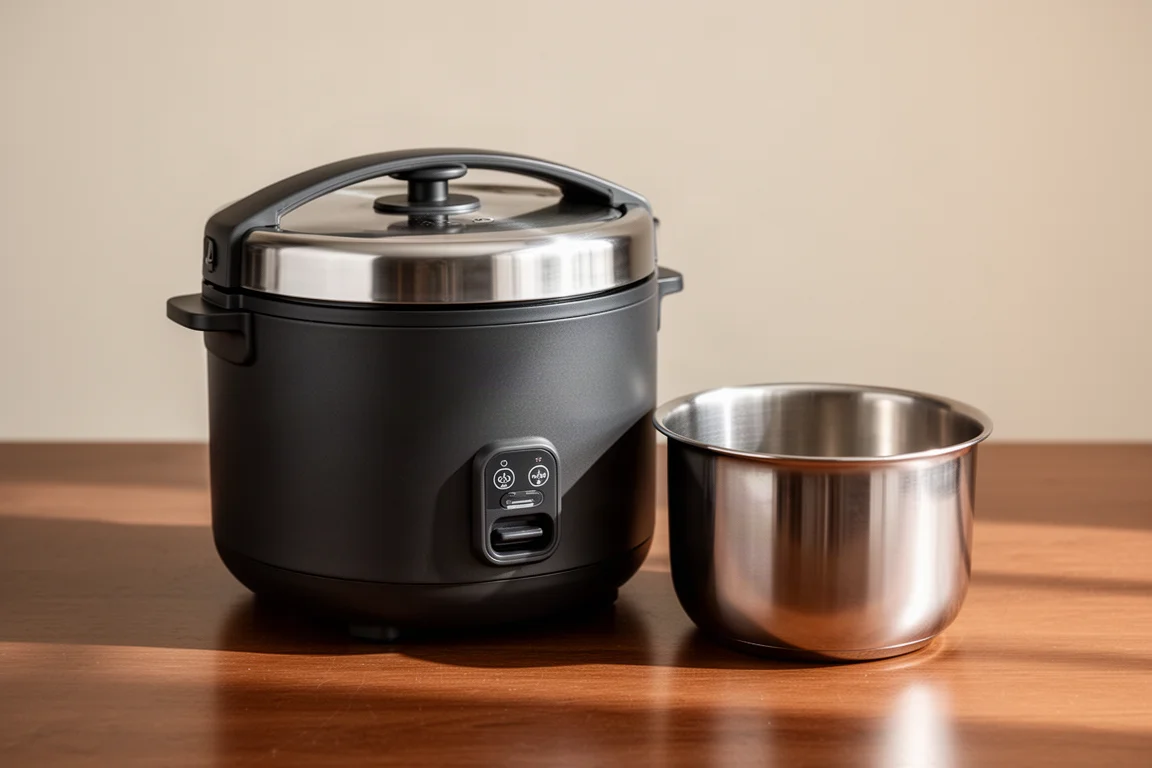
The Instant Pot earns the top spot on the details. The interface is genuinely easy to dial in, and the removable inner pot has stay-cool handles and a flat bottom for even searing; it can even be used on a stovetop. Most importantly, steam release is handled by a simple button you can flick rather than a valve you have to turn while standing back with a wooden spoon. Quick release vents immediately and is useful for delicate foods you do not want to overcook, while natural release lets pressure come down gradually for foods you do not want to burst apart.
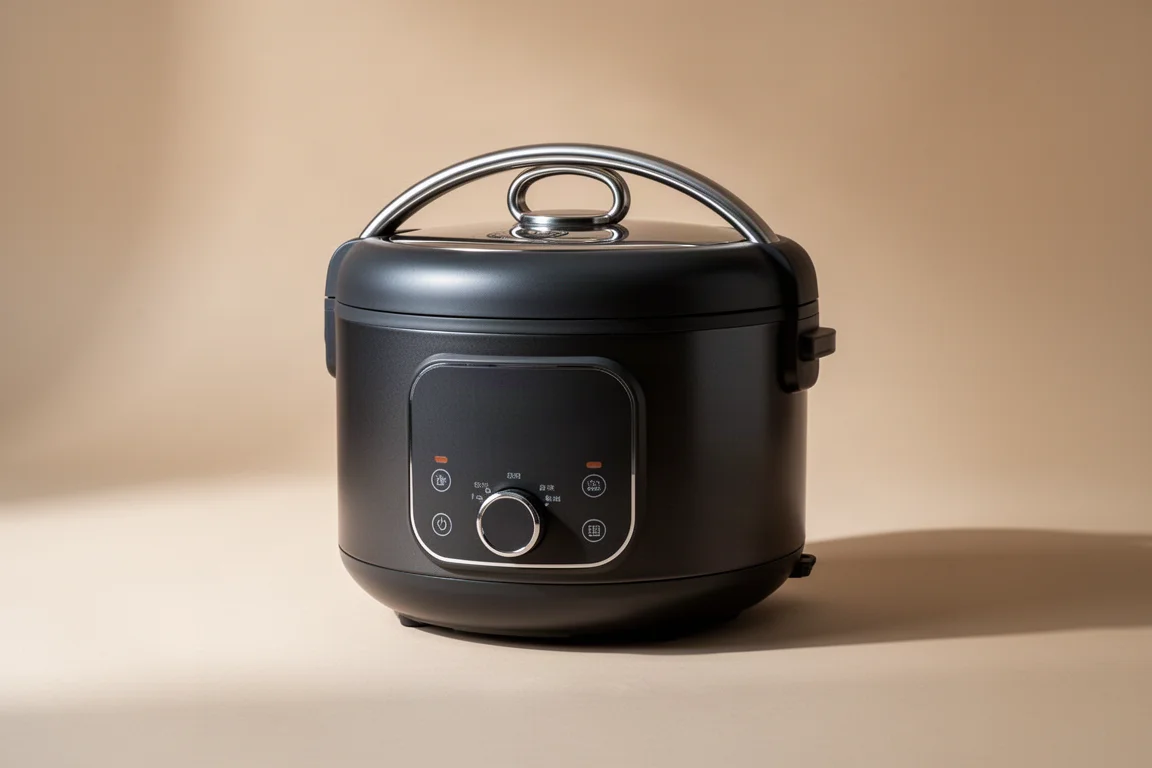
If you want to spend less, the Crock-Pot multi-cooker performed well as a solid best-buy alternative. It pressure cooks capably, which is the non-negotiable function in this category.
A Dressing Shaker, Squeeze Bottles, and a Jar You Already Own
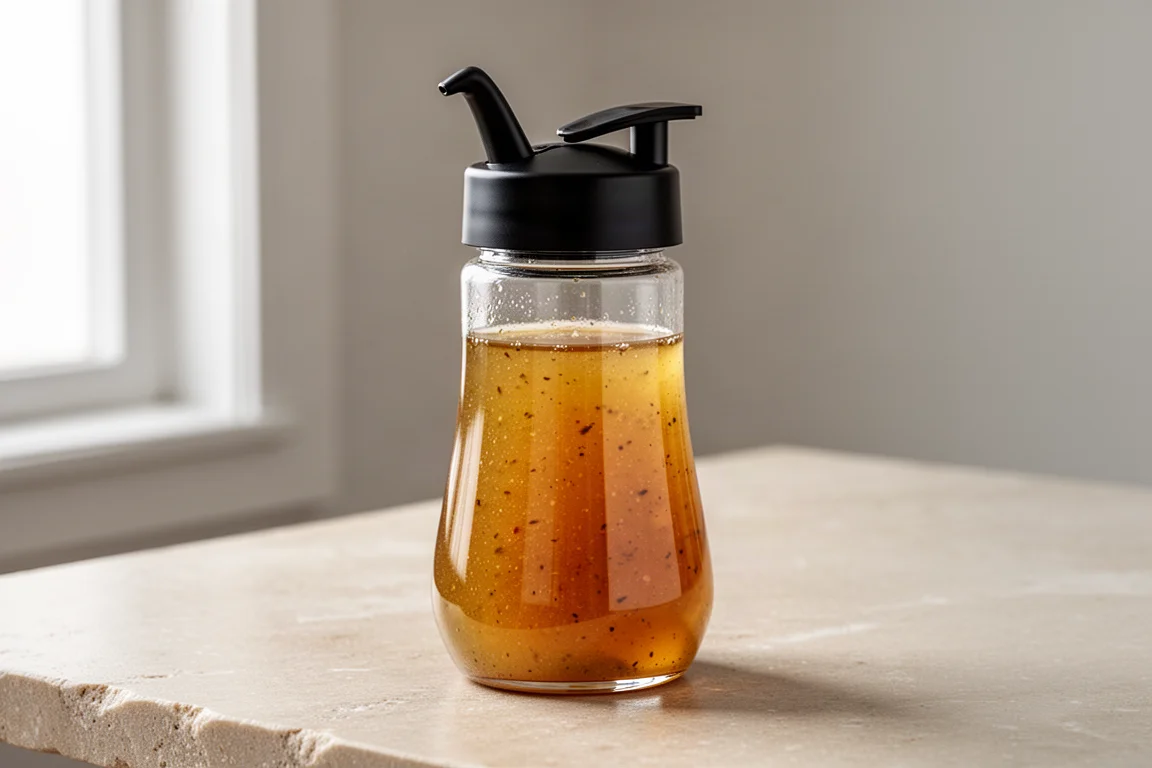
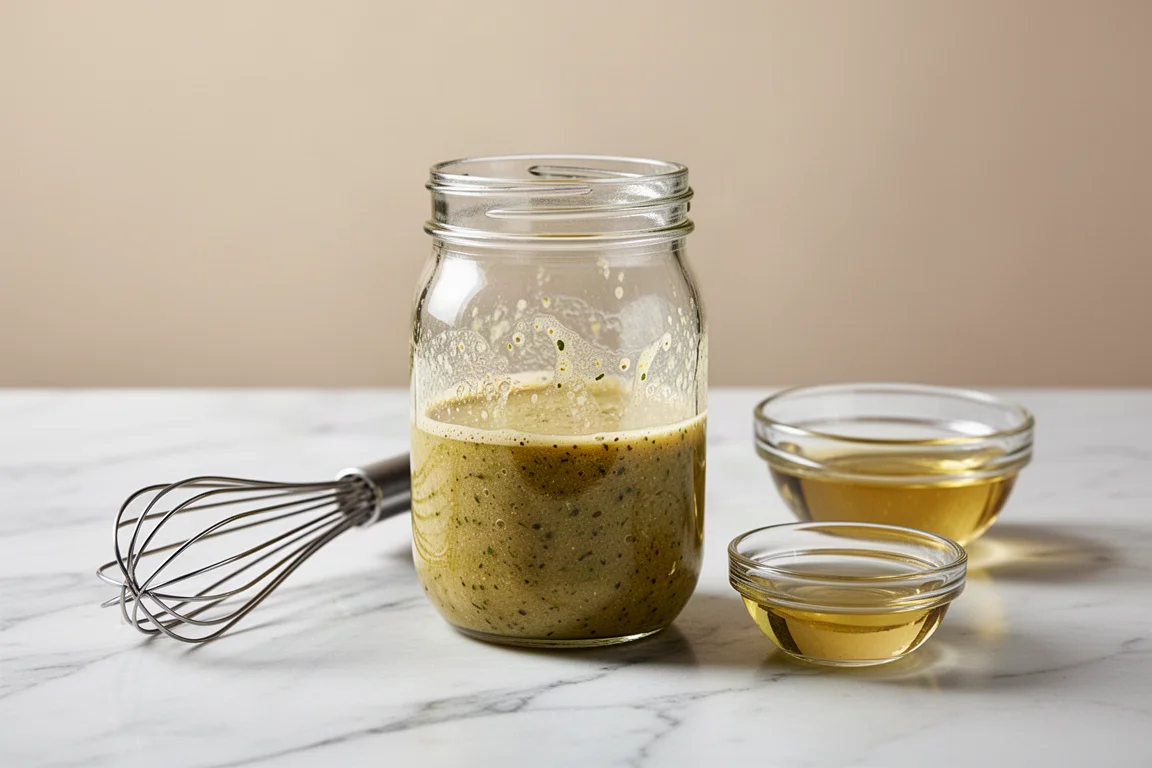
Making a big batch of salad dressing on a Sunday beats buying bottled versions on both cost and ingredient lists. A dedicated shaker is a nice-to-have rather than a necessity, but if you want one, the Oxo winner earns it fairly: it comes apart at the base so you can actually clean the bottom, the measurement markings are clear and do not rub off, and the gasketed spout seals tightly so you can shake hard without spraying the walls. The grippy band makes opening and closing easy.
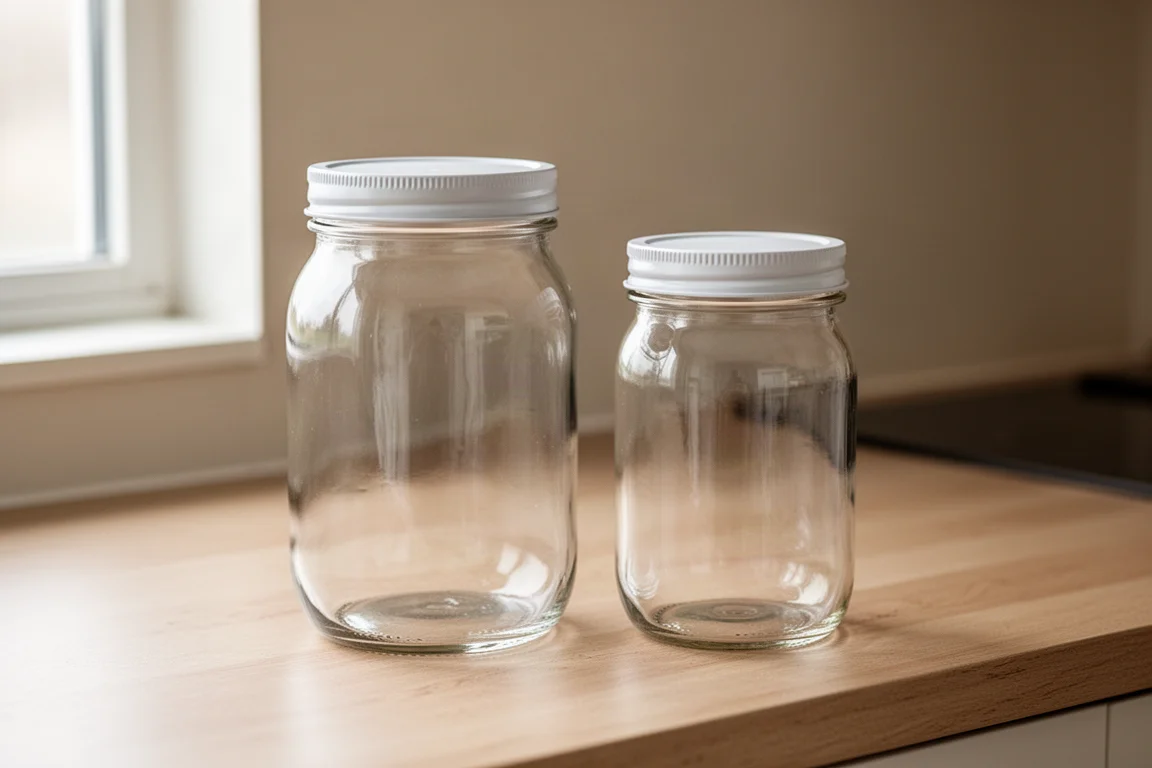
What most people will actually reach for is a simple Ball jar. Skip the two-piece metal canning lids, which dent, rust, and mean washing two parts, and use the one-piece plastic storage lids instead. They come in wide-mouth and narrow sizes, screw on tightly enough for shaking dressings right in the jar, and the exterior measurements let you build recipes in the container.
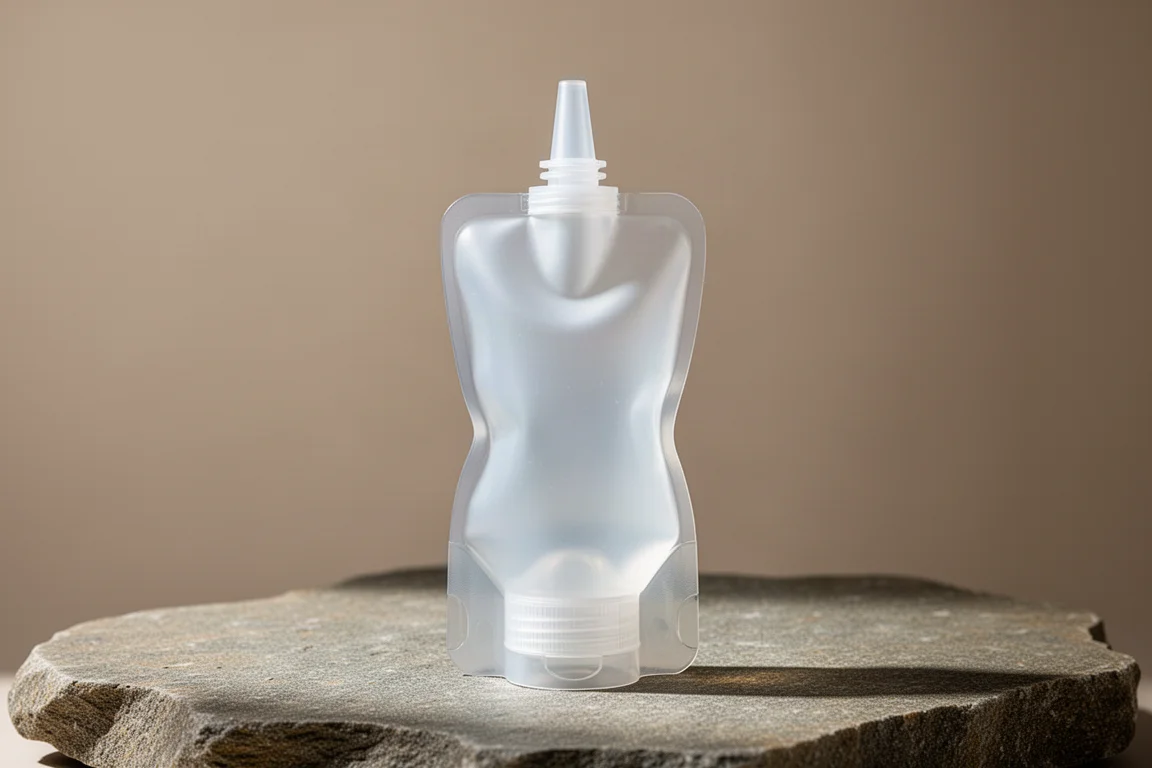
Squeeze bottles are the other quiet upgrade here. The winning Oxo bottle unscrews at a wider part of the body rather than at the narrow nozzle, which makes filling and cleaning far easier. The low-density polyethylene body is flexible enough to dispense with real force, unlike stiffer competitors, and the narrow nozzle delivers a precise drizzle. They work beautifully for dressings, but the everyday use case is keeping a small amount of olive oil next to the stove while bulk bottles stay stored away from light.
Storage Containers Worth Investing In
Good storage containers are where serious meal prep pays off. The best picks here survived brutal testing: 52 dishwasher cycles, repeated leak and airtightness checks, freeze-then-drop tests, and an overnight fish-smell challenge with tuna and anchovies followed by a sniff test. Very few came through clean.
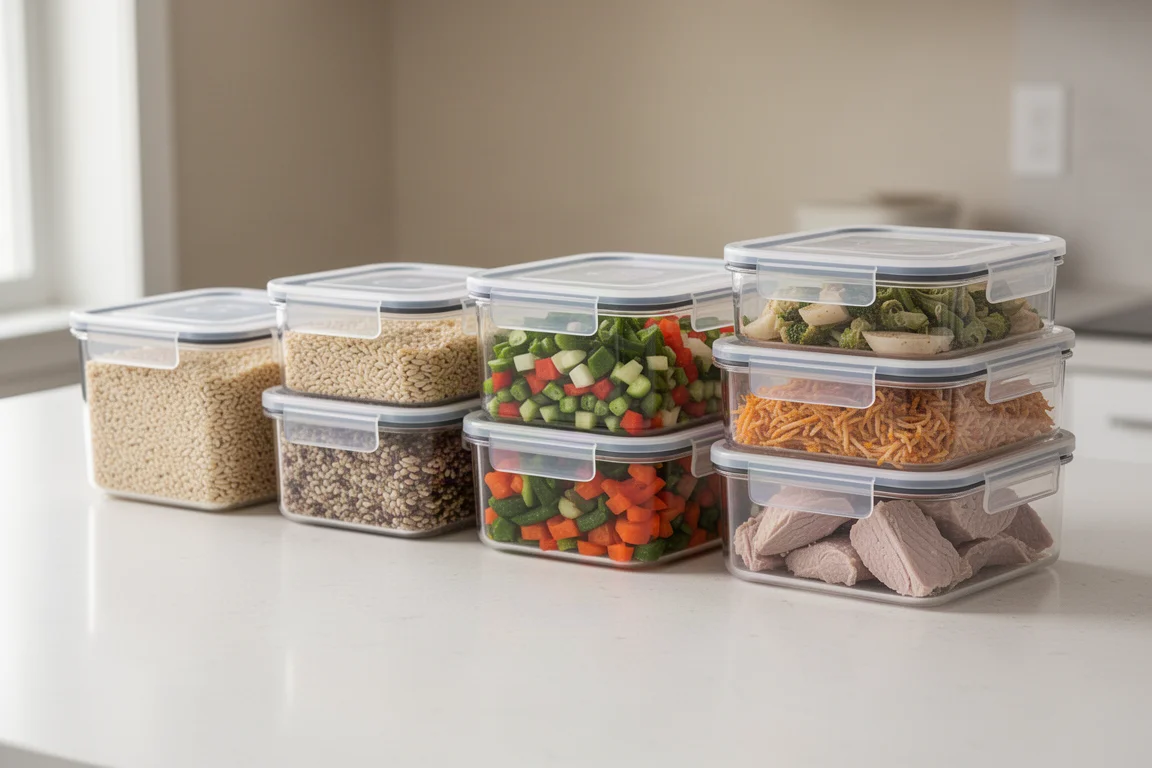
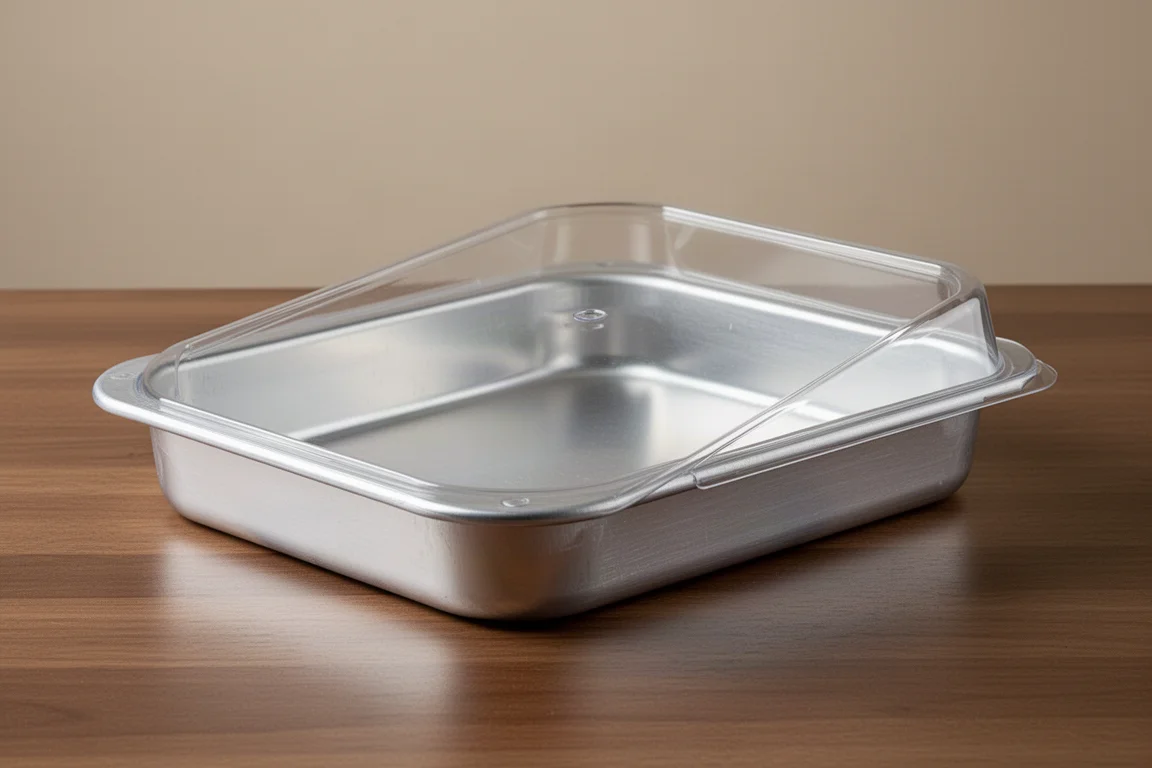
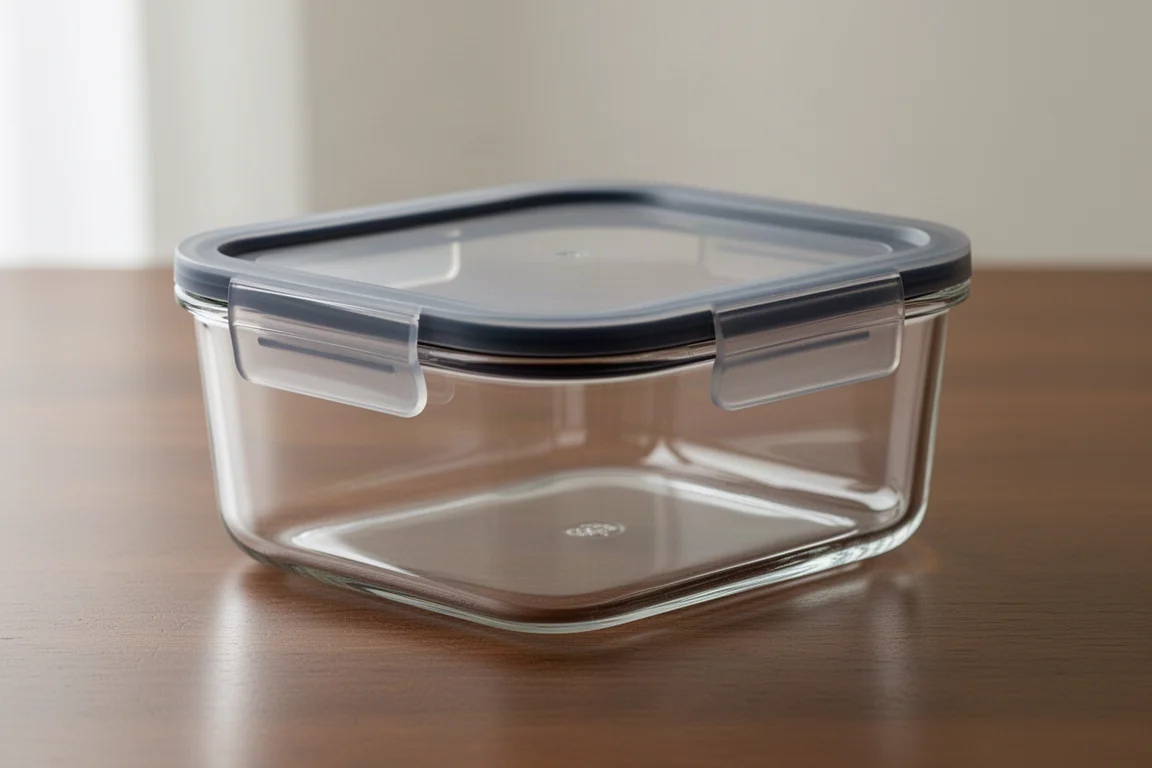
For glass, the Oxo containers are the favorite. They are made of borosilicate glass, the same material once used for classic Pyrex and still used in laboratory glass, which is far more resistant to thermal shock than the soda-lime glass used in many modern containers. That means they are much less likely to shatter under sudden temperature changes. You can bake a quick bread or a mac and cheese in them, freeze portions, and reheat in a fully preheated oven. One caution: never put glass into an oven while it is still preheating, since the rapid initial temperature spike is what damages glass. Glass is non-reactive, cleans up without holding food residue, and doubles as a serving dish. The trade-off is weight, which matters if you are carrying meals with you.
For plastic, the Rubbermaid Brilliance line is the pick. It is made of Tritan, a strong, durable, BPA-free plastic that stays clear and does not chemically change when you warm food in it, and it is safe in the microwave and freezer. In testing, the lids sealed with an audible whoosh of air through a vent hole under each flap, survived the freezer-and-drop test without cracking, and came out of the dishwasher free of fishy smells after the anchovy challenge.
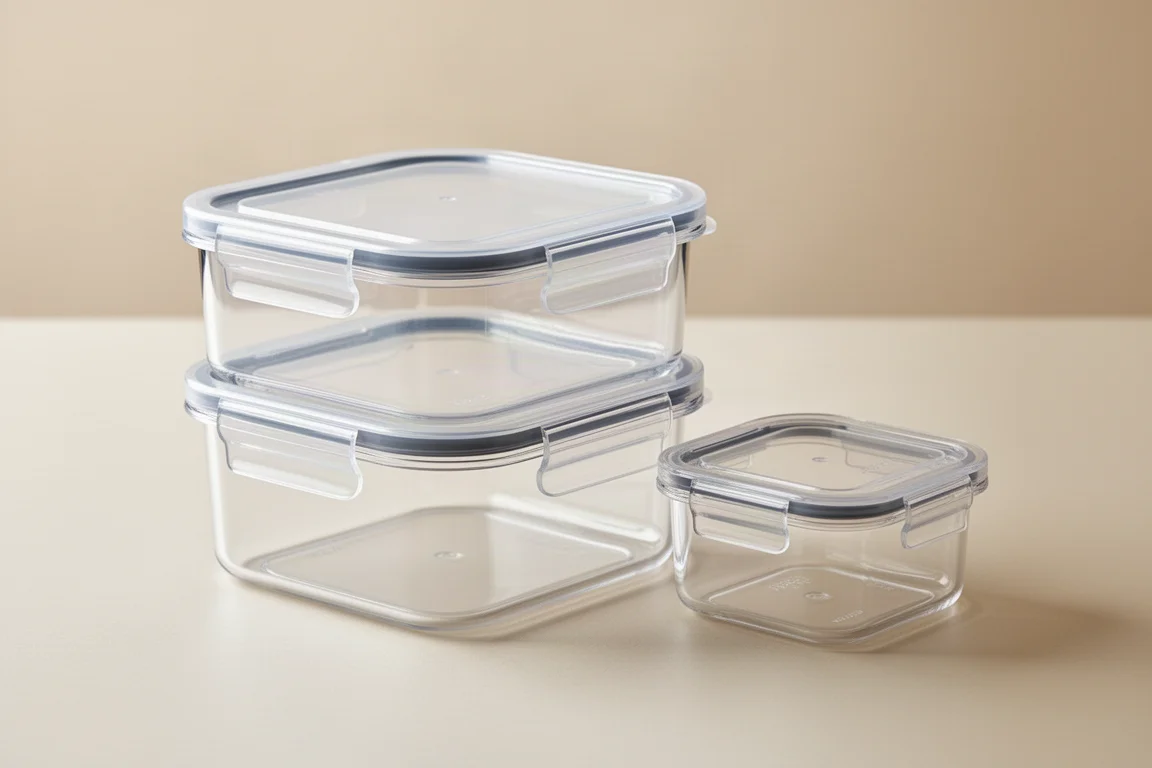
Both winners share a smart gasket design: the silicone band is attached on one side so it cannot get lost, while the other side lifts for cleaning. On the Oxo glass containers the gasket removes completely, and there is enough clearance to get a sponge or fingertip inside for a proper scrub before popping it back in for a tight seal. If you are only buying one container, start with the largest size; a big portion made once and served over time delivers the most value.
Kitchen Scales: Accuracy Without Fuss
A good kitchen scale speeds up meal prep and takes the guesswork out of portions, whether that is uniform four-ounce hamburger patties that cook at the same rate or precise baking measurements. Both picks here were verified against calibrated weights at light and heavy loads, both read up to 11 pounds, and both make switching between ounces, grams, and milliliters effortless rather than requiring a screwdriver hunt for a hidden switch.
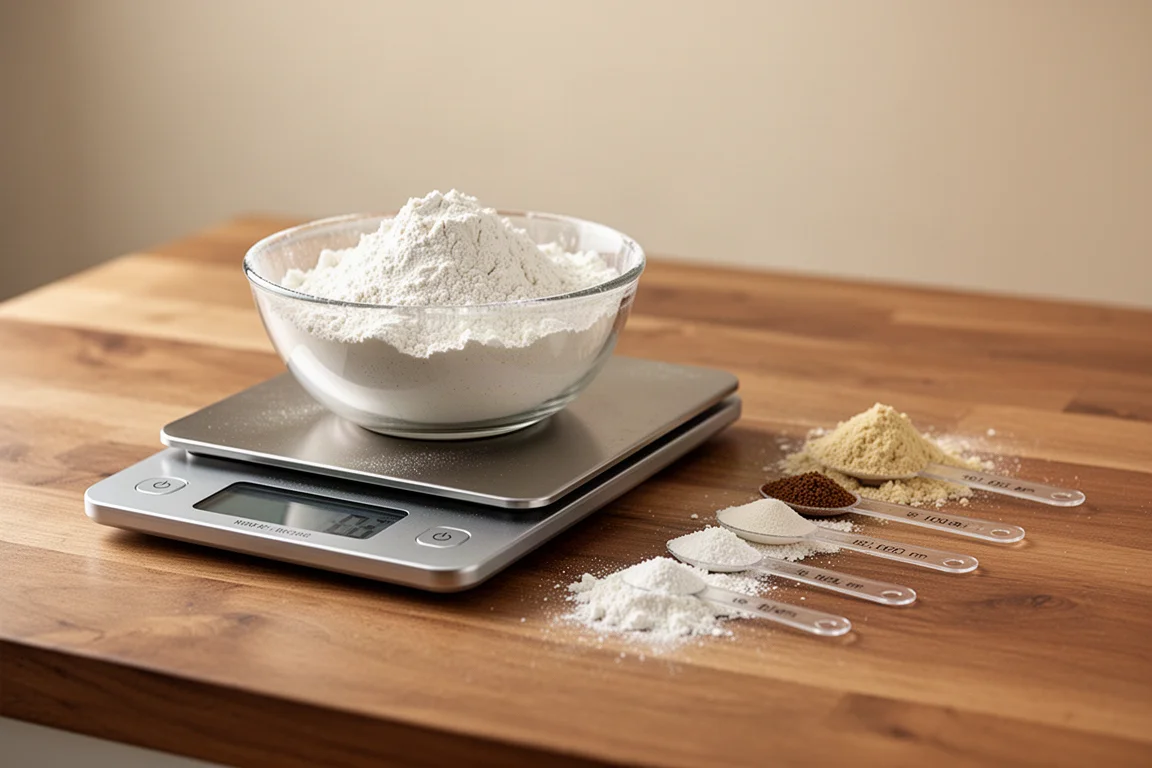
The Oxo scale is the overall winner. It is low and flat for easy storage, the stainless steel top pops off so you can scrub and dry it without wetting the electronics, and the pull-out display means a large bowl never blocks your view of the readout.
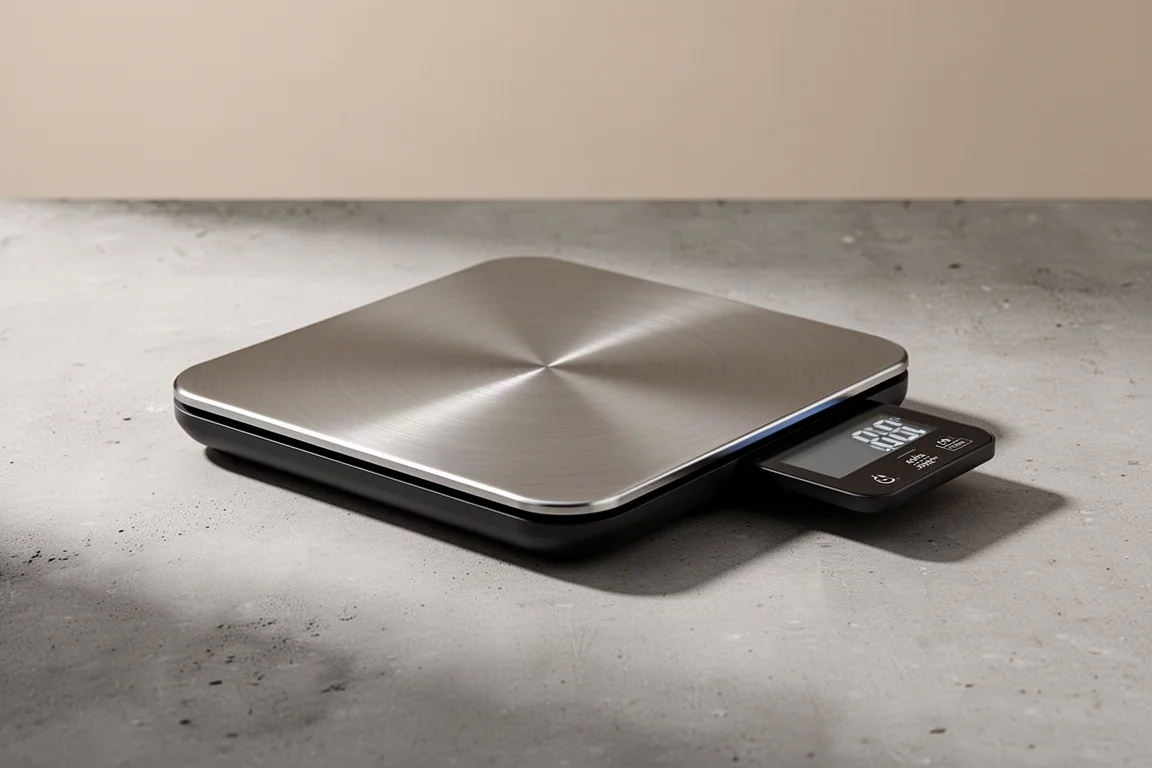
The Ozeri scale is the best buy: a little less expensive and a little less refined in construction, but very accurate and a great starting point if you are new to weighing ingredients.
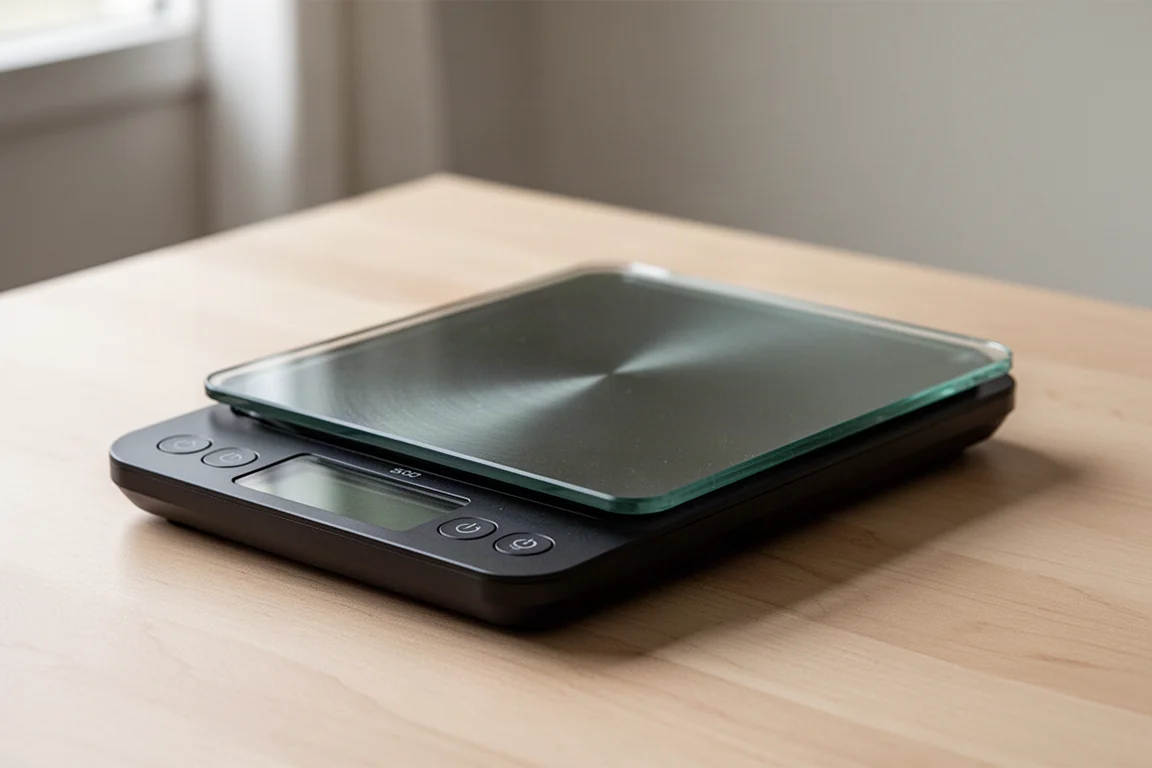
One tip that applies to any scale: never store anything on top of it. Keeping a bag of flour resting on the platform keeps the load cells slightly engaged and degrades accuracy over time. Keep it on a shelf, use it daily, and it will stay reliable.
Overall Buying Advice
If you are building a meal prep setup from scratch, start with the two batching tools: the half sheet pan and a pressure cooker. They cut the most time out of a Sunday session, and the no-wash sequencing trick works with both. Storage is the second priority; pick glass if you bake, freeze, and reheat in the same container, pick plastic if you carry meals or want something lighter and more forgiving. The dressing shaker is genuinely optional, the jars and squeeze bottles are cheap wins, and a scale is the quiet upgrade you will reach for several times a day. And whatever you buy, skip the habit of stacking things on top of your scale.
Conclusion
Meal prep is less about motivation and more about removing friction: fewer washes, containers that actually seal, and tools that are easy to clean and use. These picks cover the whole workflow from cooking to storing to portioning, and each one earned its place through testing rather than marketing.
Further reading
Related Reviews
Kitchen
Best Nonstick Frying Pans Compared: 11 Skillets From $16 to $185, Tested
Eleven nonstick frying pans go head to head in pancakes, eggs, heat distribution, thermal efficiency, and scratch resistance to find out whether a cheap pan can really compete with a premium one.
Kitchen
Vivor Stainless Steel Kitchen Sink Review: A Solid Drop-In Upgrade With One Weak Spot
An all-stainless single-basin drop-in sink with easy-clean rounded corners and a drain-sloped base, at a roughly $200 price point.
Kitchen
Best Bamboo Steamers: Two Tested Picks for Dumplings, Bao, and More
After hands-on steaming tests with dumplings and bao, two bamboo steamers stood out for build quality and staying in alignment.