Trail Running Shoes
Best Max Stack Trail Running Shoes 2026: 11 High-Cushion Picks Sorted by Terrain
Eleven max cushion trail shoes from 2026, grouped into road-to-trail, general trail, and technical terrain so you can match the right shoe to the way you actually run.
Introduction
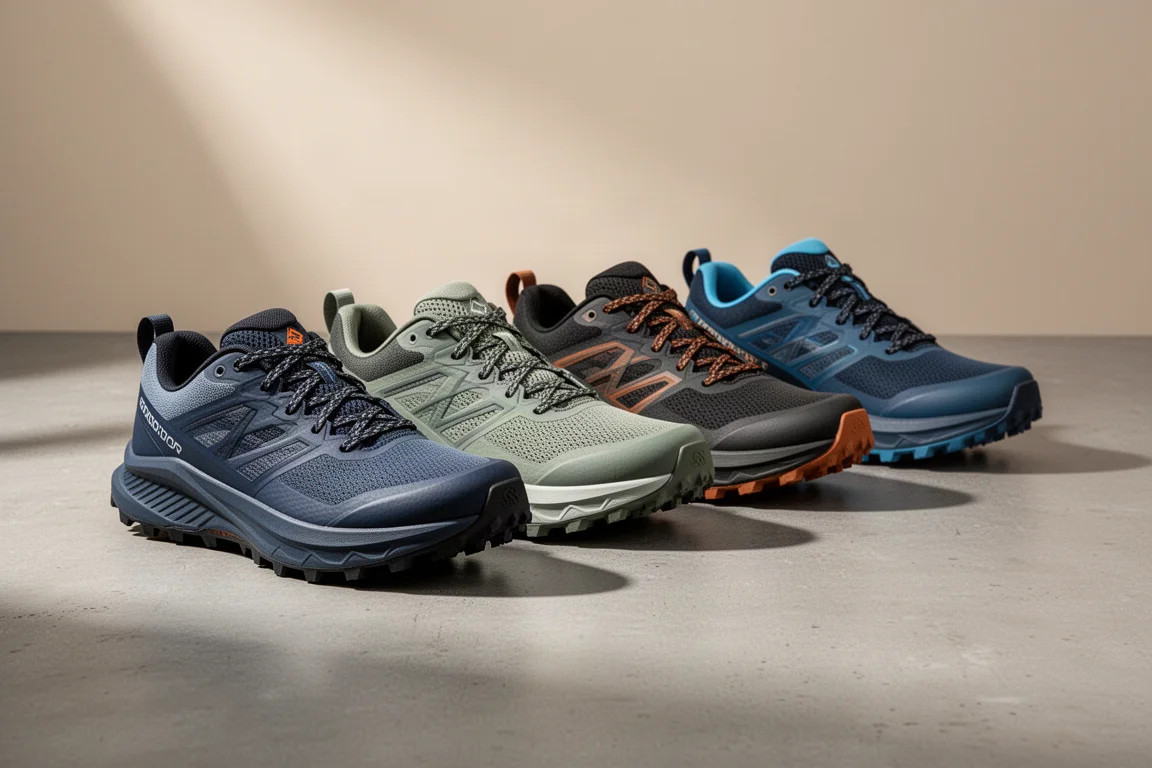
Max stack trail shoes have quietly become one of the most interesting categories in trail running. For this guide, the cutline is simple: every shoe here has a heel stack height of 38 mm or higher, and every one of them launched in 2026. That is a small group, because unlike road running where 40 mm and beyond is now routine, trail brands are still figuring out how to stack that much foam without losing the control a trail runner needs.
The common thread across all eleven shoes is comfort-first construction: soft foams, protection, and a ride built around making long days on your feet feel easier. What separates them is subtler, and it matters a lot when picking one. The key is not just which shoe is best, but which category of max stack shoe you need.
How We Sorted These Shoes
Rather than ranking eleven shoes against each other, it makes far more sense to split them into three subcategories that live inside the max stack label:
- Road to trail (door to trail): versatile shoes you can wear from your doorstep, run to the trailhead, and handle smooth, easy terrain without thinking about what is underfoot.
- General trail (daily or all-trail): shoes you throw on at the trailhead that do well from light terrain up through moderate and even some technical ground, depending on pace.
- Rugged and technical: performance shoes for terrain where you think about nearly every step, built with extra structure and stability checks to handle tall stacks on rough ground.
Each brand also brings its own midsole foam personality, which changes the fit, feel, and ride within every category. Here is how the 2026 lineup breaks down.
Road to Trail: Comfort First
This is the least technical group. These are shoes you can mostly just run in: looser fits, softer constructions, modest outsoles, and a smooth, energetic ride. Outsoles here are more aggressive than road shoes but not by much, and some exposed foam is normal and fine in practice. The tradeoff is precision: you do not buy one of these for rocky, uneven ground.

Salomon Aero Glide Gravel 4
The Aero Glide Gravel 4 leans fully into comfort. The fit is a little looser and softer in construction this generation, with a quick lace system that does not demand precision. Underfoot it is very soft and very energetic, which is not always ideal for proper trail running, but for road, gravel paths, and light trail it delivers a genuinely smooth ride. Lugs are smaller, because you simply do not need more for this terrain.
The North Face Ultimate 500 V2
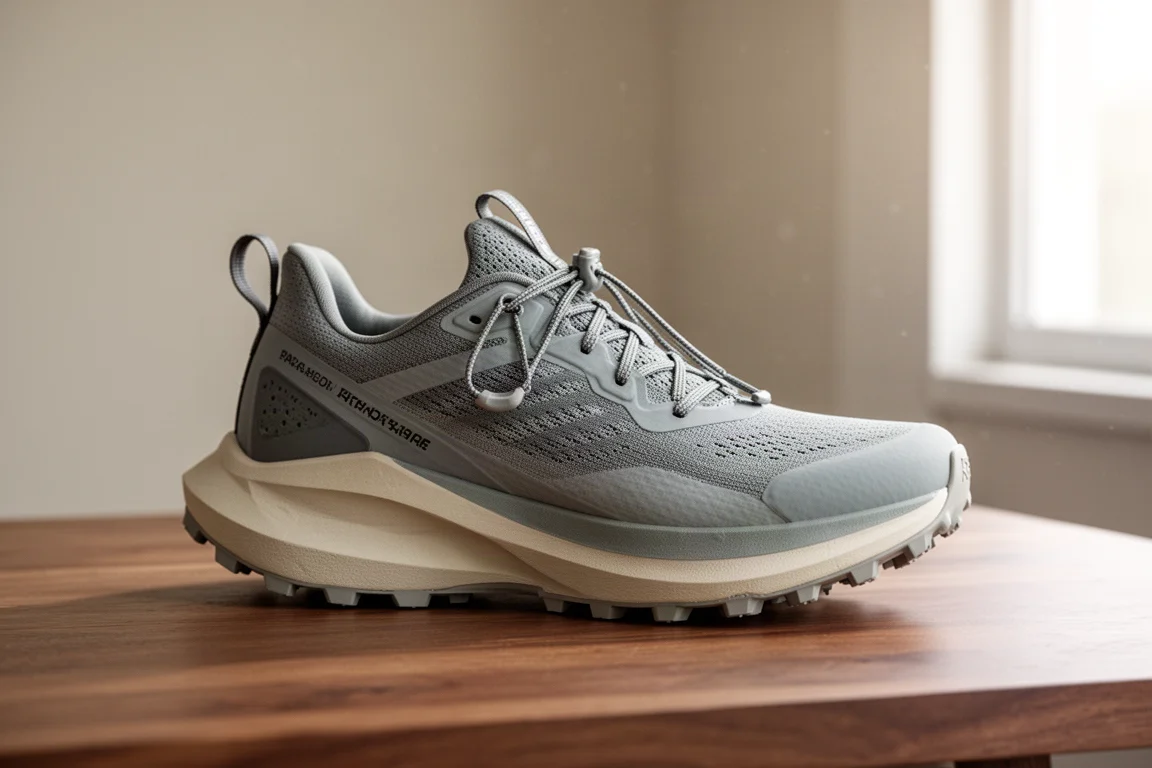
The Ultimate 500 V2 takes a similar high-stack approach with even more room up top. It does not need to be cinched down, so the fit is generous, and the outsole stays subtle, which is a key marker of this category. If comfort and volume matter more than an aggressive grip, this is a very easy shoe to live in.
Adidas Terrex Agravic SL
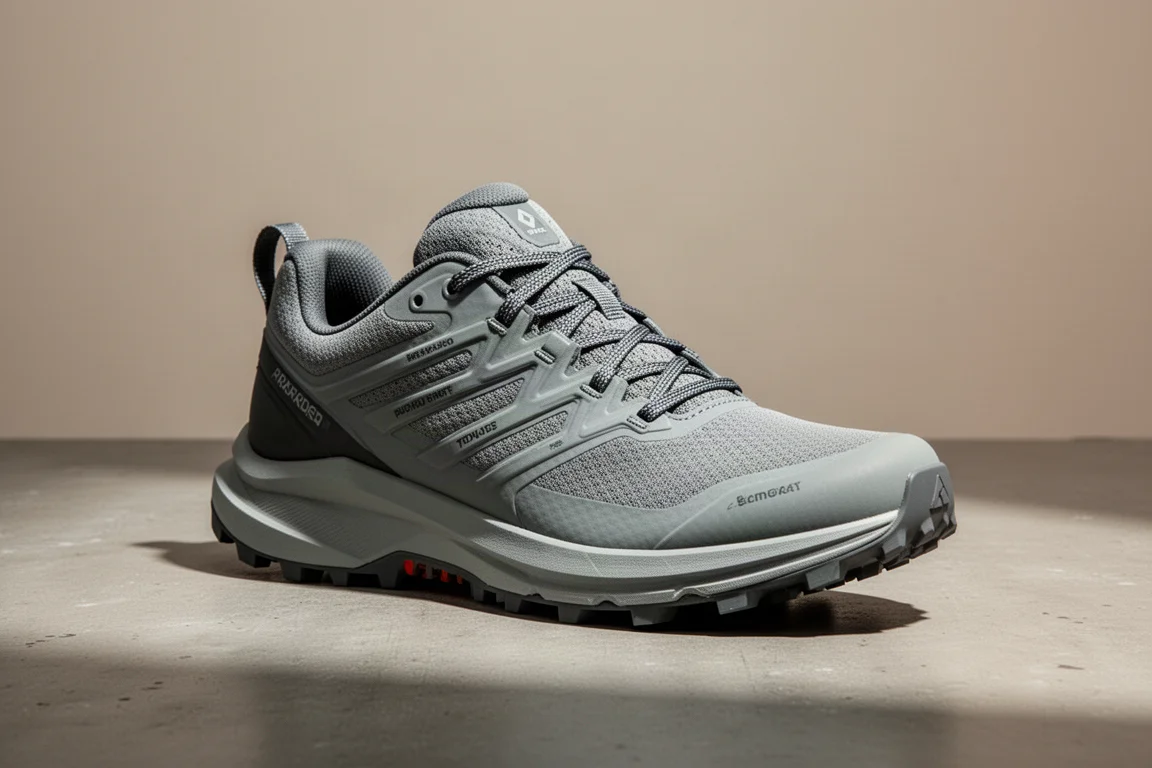
The Agravic SL is marketed for road to trail, but it punches above its category: it performs well in general trail use and can even approach technical terrain confidently. Its midsole feels a little more airy and more predictable underfoot than the softest shoes here, which is part of why it stretches across more terrain types. Of the road-to-trail options, this is the one that bridges furthest into the next category.
General Trail: The Daily All-Rounders
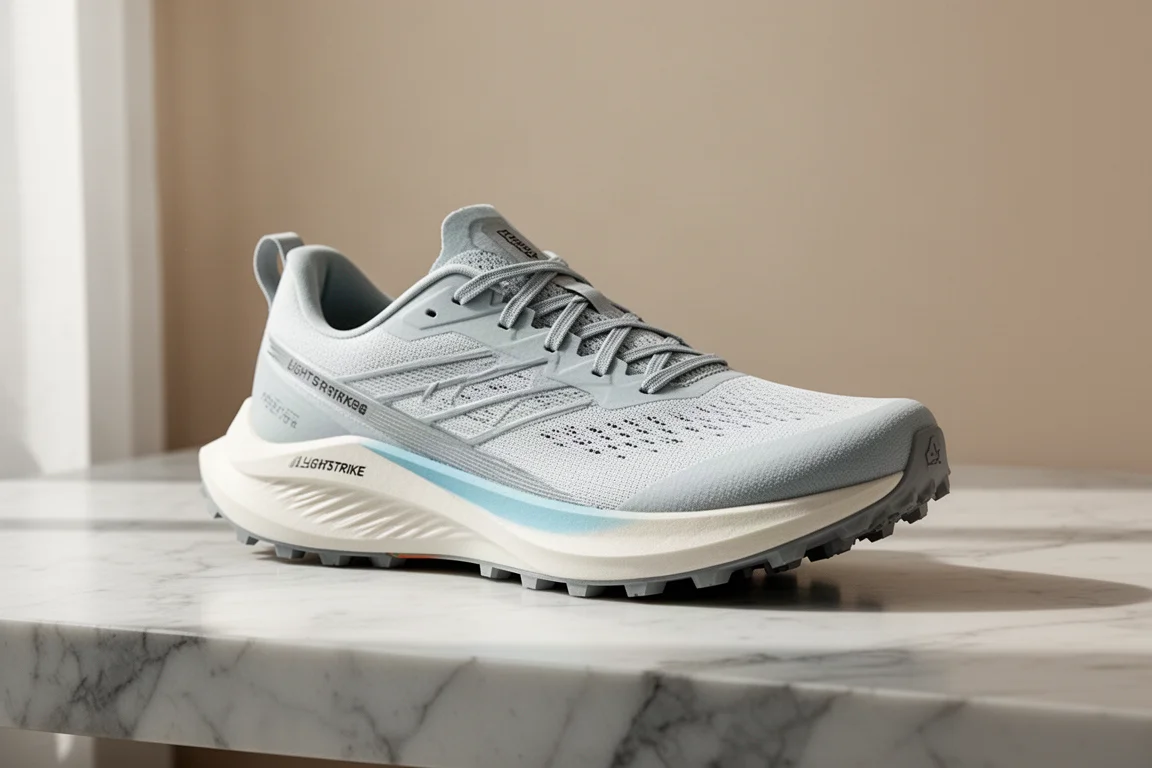
Once you move into the general trail group, the fit gets closer to the foot and more structured. That is deliberate: 38 mm of stack carries inherent risk on trails, from rolled ankles to a less secure feel, so these uppers add padding, overlays, and a more fitted shape to keep you on top of the foam. Midsoles tend to run slightly firmer for predictability, though technologies like a forefoot rocker keep toe-off smooth, and several foams use durability-focused material blends.
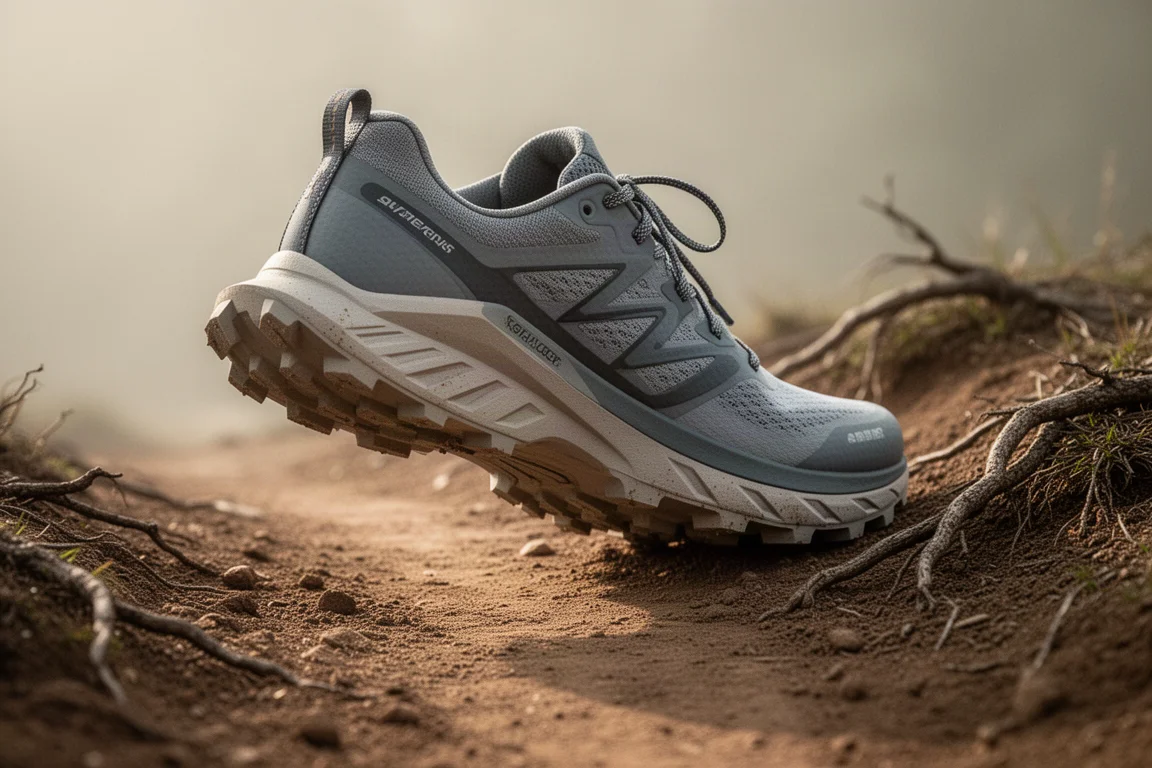
Mizuno Neo Ultra
The Neo Ultra has a really nice foam and a smooth rocker, making it a genuinely fun ride. The catch is the lighter upper construction: it does not hold you over the foot as well as the others here, even with more structure in the heel. As a result, it is best kept to lighter trails, and it arguably fits the road-to-trail category better despite being positioned as a general trail shoe. Performance-leaning runners who want a fun ride will love it; anyone wanting maximum security should look elsewhere.
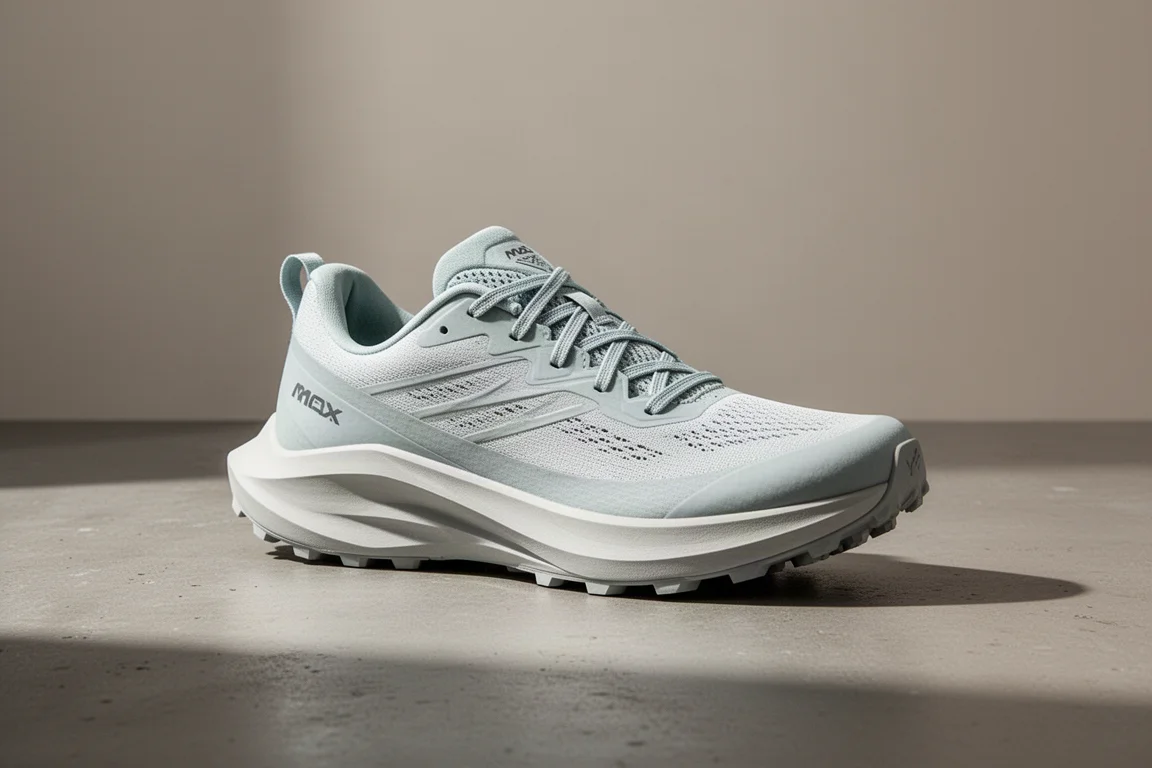
Scott Kinabalu Ultra
The Kinabalu Ultra pairs a soft, energetic underfoot feel with an intentionally wider outsole for stability, which is exactly what you want from a daily trail shoe with this much cushion. It handles the smooth stuff surprisingly well while still being a proper trail tool at the trailhead.
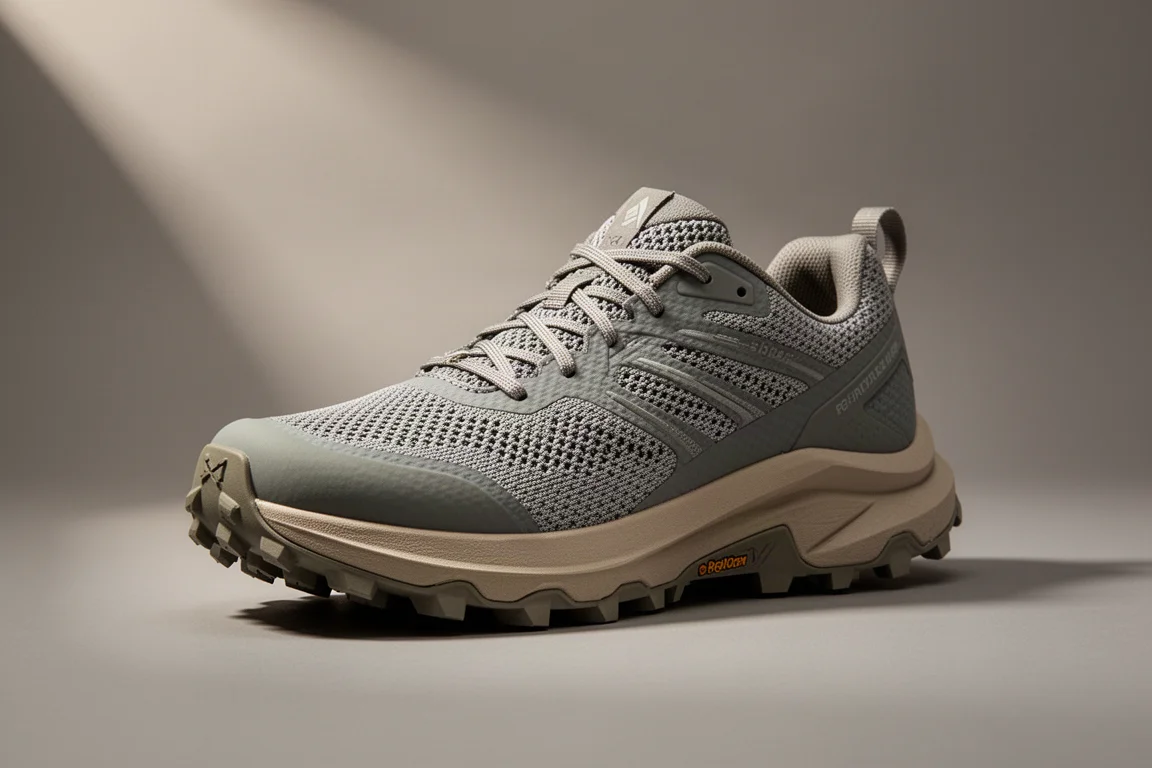
Kiprun Kip Summit Max
The Kip Summit Max shares that same fun, soft, high-energy character with a stability-oriented wider platform. Like several shoes in this tier, the design also lets you sit down into the foam slightly, which lowers your center of pressure and adds stability, making the soft foam far more usable on real trails.
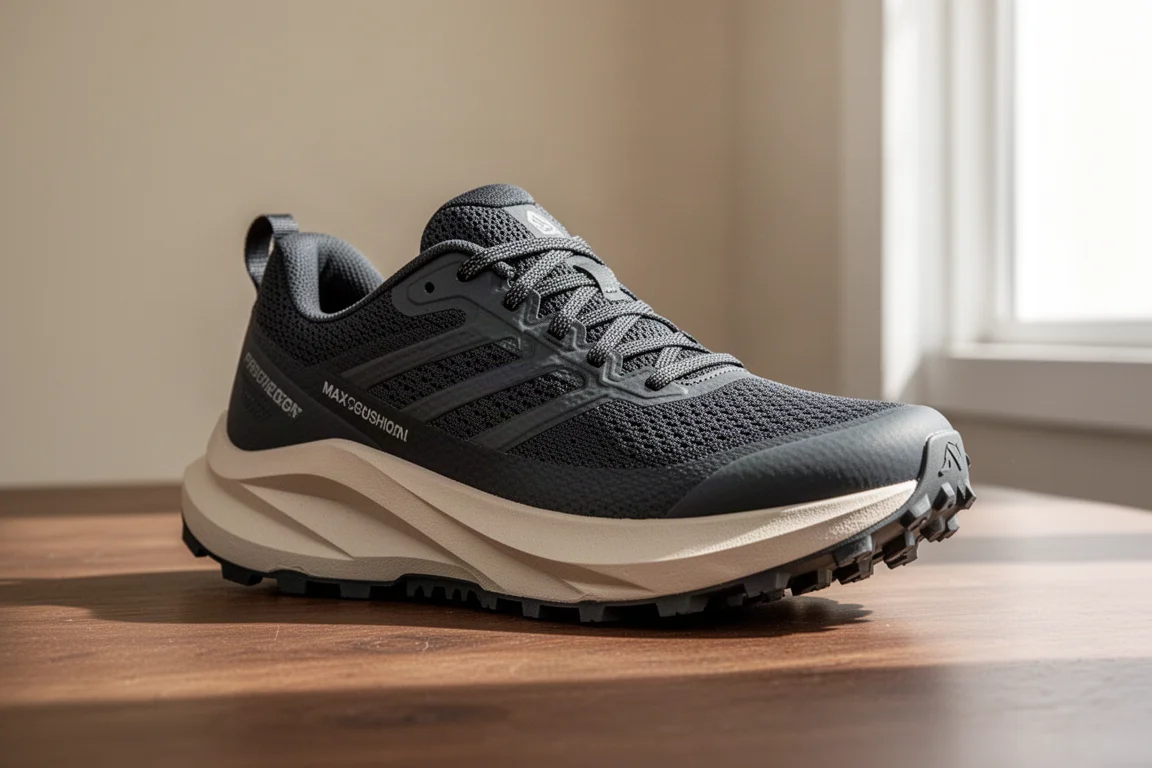
Brooks Cascadia 20
The Cascadia 20 has been around a long time and has evolved slowly and sensibly. Its midsole now uses a supercritical, bouncy foam, but it is denser than most, which means more stability and underfoot protection at the cost of a bit of that fun, rolling forefoot feel. This is a standard trail shoe in the best sense: it does a lot of things well, from hiking to trail races, and its long-race dependability over varied terrain is its defining trait.
Technical Terrain: Rugged Performance
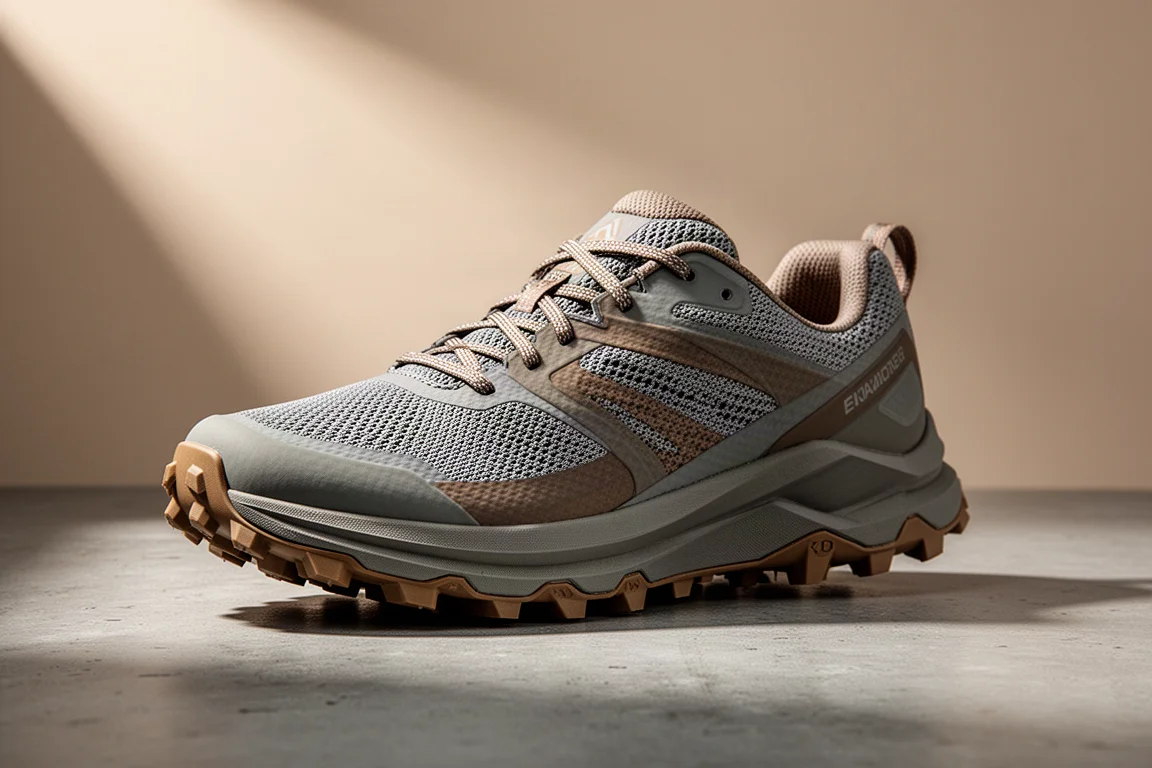
Historically, technical-trail shoes sat low to the ground for predictability. The fascinating thing about this 2026 group is that these are max stack shoes that have solved that problem in different ways, each brand with its own formula for stability on rugged ground. The tradeoffs remain: less nimble than low shoes and generally heavier, though a couple here achieve a remarkably light fit and feel. Expect two-layer midsole constructions, a firmer outer layer for structure with soft energetic foam underfoot, bathtub-like sidewalls, wider outsoles, and much more fitted, structured uppers with less overall room.
Salomon S-Lab Ultra Glide 2
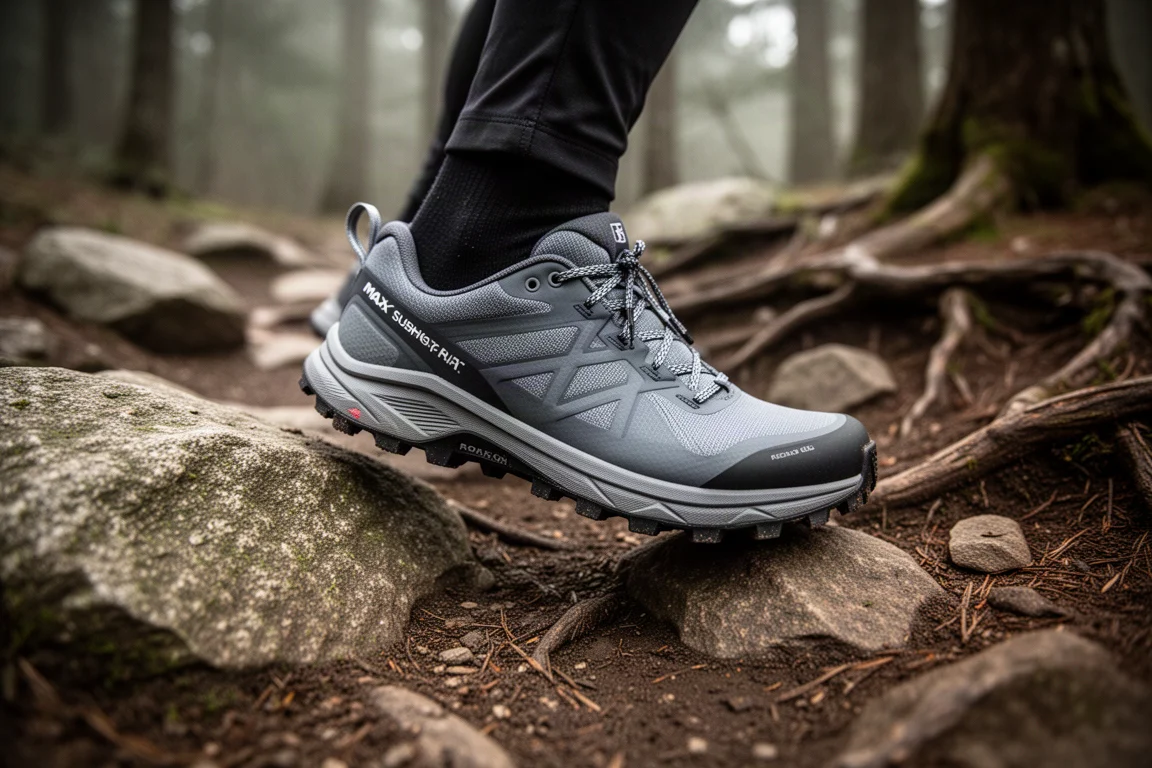
The S-Lab Ultra Glide 2 is one of the lighter options in the technical group, with a dual-layer midsole: a firmer, denser outer foam for structure and protection, and a soft, supple, energetic foam directly underfoot for comfort and performance. The upper is very technical, more fitted in the midfoot, and structured around the heel, a big step down in roominess compared to the all-trail and door-to-trail categories. If you want high cushion that still feels performance-oriented on rugged trails, this is a standout.
Mont Blanc Ultra Coast M1
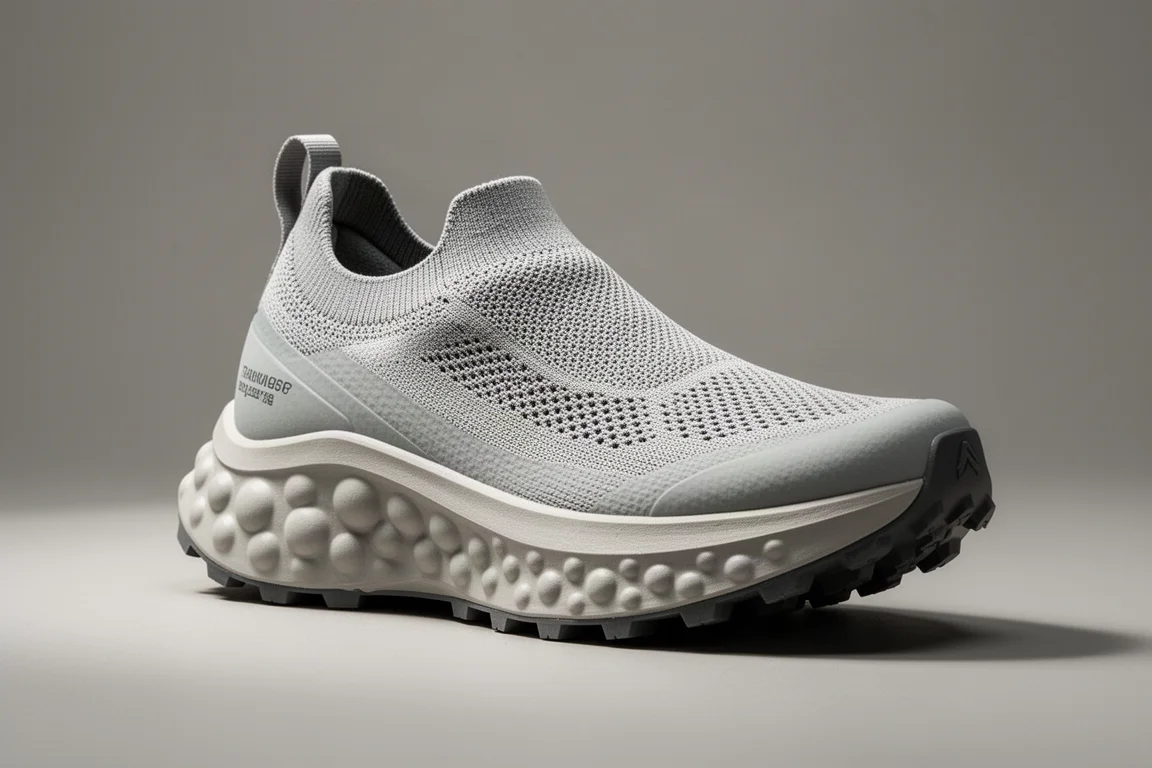
The M1 is similar in weight to the S-Lab Ultra Glide and also puts a cushioned, energetic supercritical foam (a jet cell construction) directly underfoot. What sets it apart is durability: this foam may be more durable than any other on the market right now. After extensive testing across many terrain conditions, it holds up visually and, more importantly, its underfoot feel still feels like it came out of the box. Most max stack foams lose character quickly because none of these shoes use plates or other mechanical protection, which makes the M1’s longevity genuinely rare. The technical fit and durable, structured upper complete the package.
Nike ACG Zegama
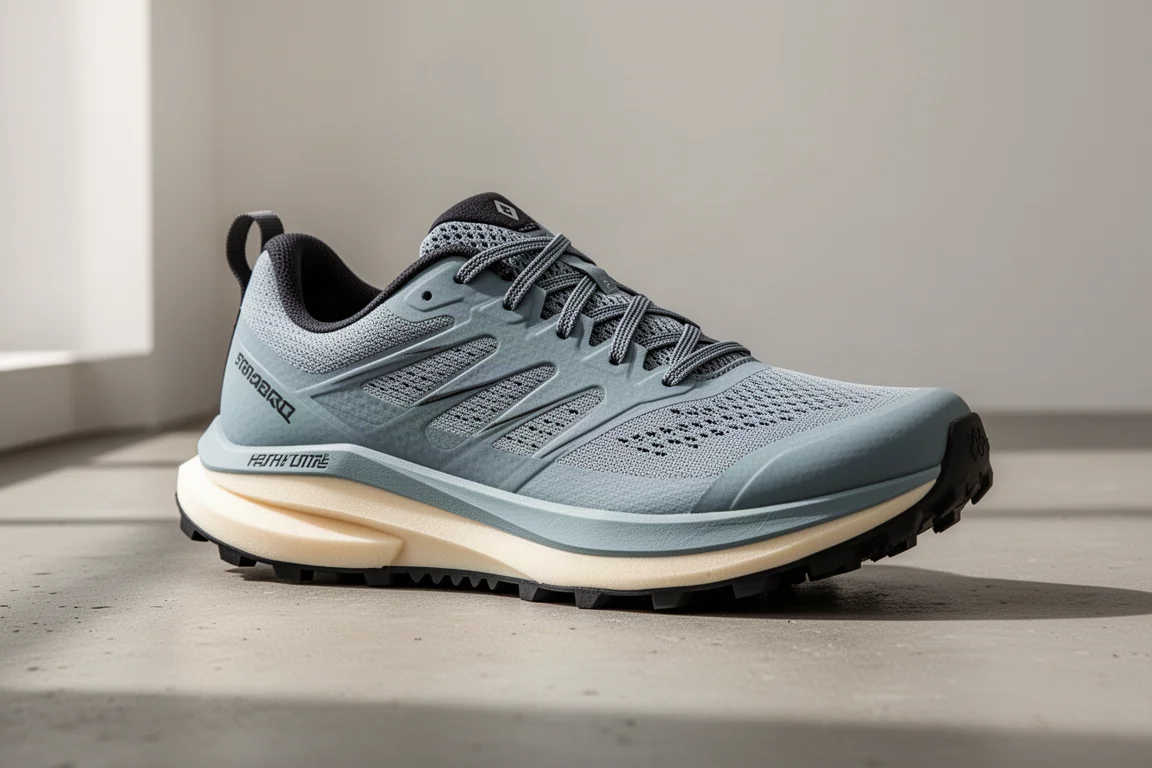
The Zegama is a favorite for good reason. Its dual-density midsole puts a softer, energetic foam against the foot, much like the S-Lab Ultra Glide 2, with a denser, more durable and predictable foam beneath for stability. The comfort-oriented upper still has the structure to hold you over the midsole rather than letting you roll off the side, and the outsole is rugged and broader for the same reason. You can sit into the foam, which makes the whole package stable and smooth, if a little less aggressive off the toe. The foams are the heart of this ride.
Norda 005
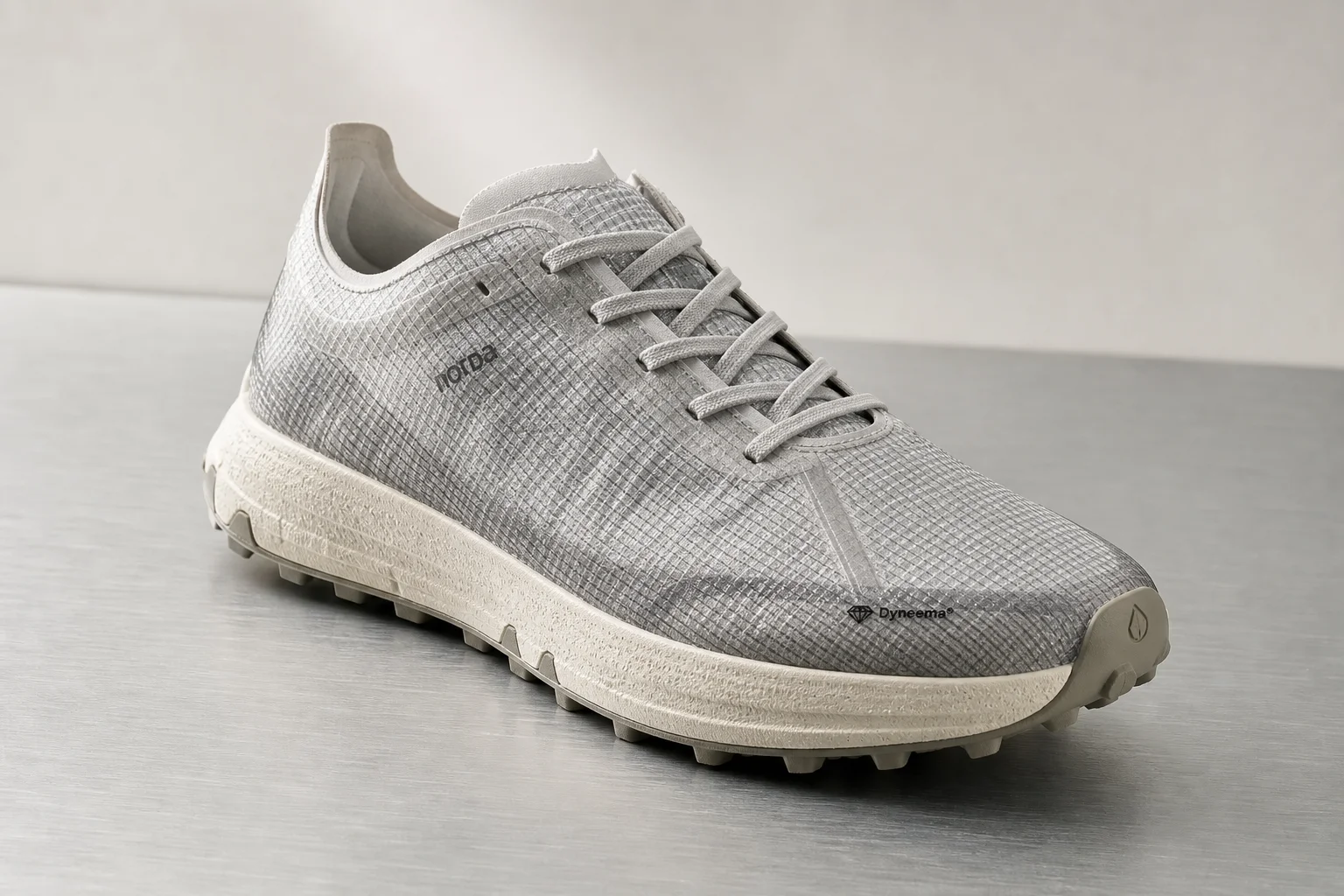
Saved for last because it bridges into race day territory more than any other shoe here. There is no carbon plate, but the Norda 005 has a more aggressive, performance-oriented nature that genuinely works on technical terrain. Its proprietary midsole blend has real character, delivering energy return, cushion, and protection while staying surprisingly stable through rough ground despite being more aggressive at toe-off and midfoot. The outsole is broader than the brand’s other options and uses an aggressive Vibram Megagrip compound, while the Dyneema upper is highly durable and, unusually, breaks in and feels better over time. Think of it as a fine wine among max stack shoes.

Buying Advice
The most useful step before choosing any shoe here is honestly assessing your terrain. If your runs start at home and mix pavement with gravel paths, the road-to-trail group is the right place to shop, and comfort and ride smoothness matter more than grip. If you drive to the trailhead and want one shoe for everything from smooth paths to moderate ground, the general trail group offers the best all-around performance, with the wider platforms of the Kinabalu Ultra and Kip Summit Max adding security and the Cascadia 20 offering dense, dependable protection.
If you regularly run rocky, rooty, or mountainous terrain, the technical group is where the real innovation is happening in 2026. The M1 stands out for foam durability, the Zegama for its balanced dual-density ride, the S-Lab Ultra Glide 2 for its light, performance feel, and the Norda 005 for racers who want maximum stack without giving up aggression. Accept the tradeoffs of the category: slightly less nimble and generally heavier than low-stack shoes, with fits that are notably more precise.
Conclusion
Max stack trail running in 2026 is defined by categories within the category. All eleven shoes here clear the 38 mm bar and put comfort first, but a loose, soft road-to-trail shoe and a structured, dual-density technical racer are built for very different days. Figure out where you actually run, then pick from the group that matches it. Do that, and almost any shoe on this list will feel like the right tool rather than a compromise.
Further reading
Related Reviews
Trail Running Shoes
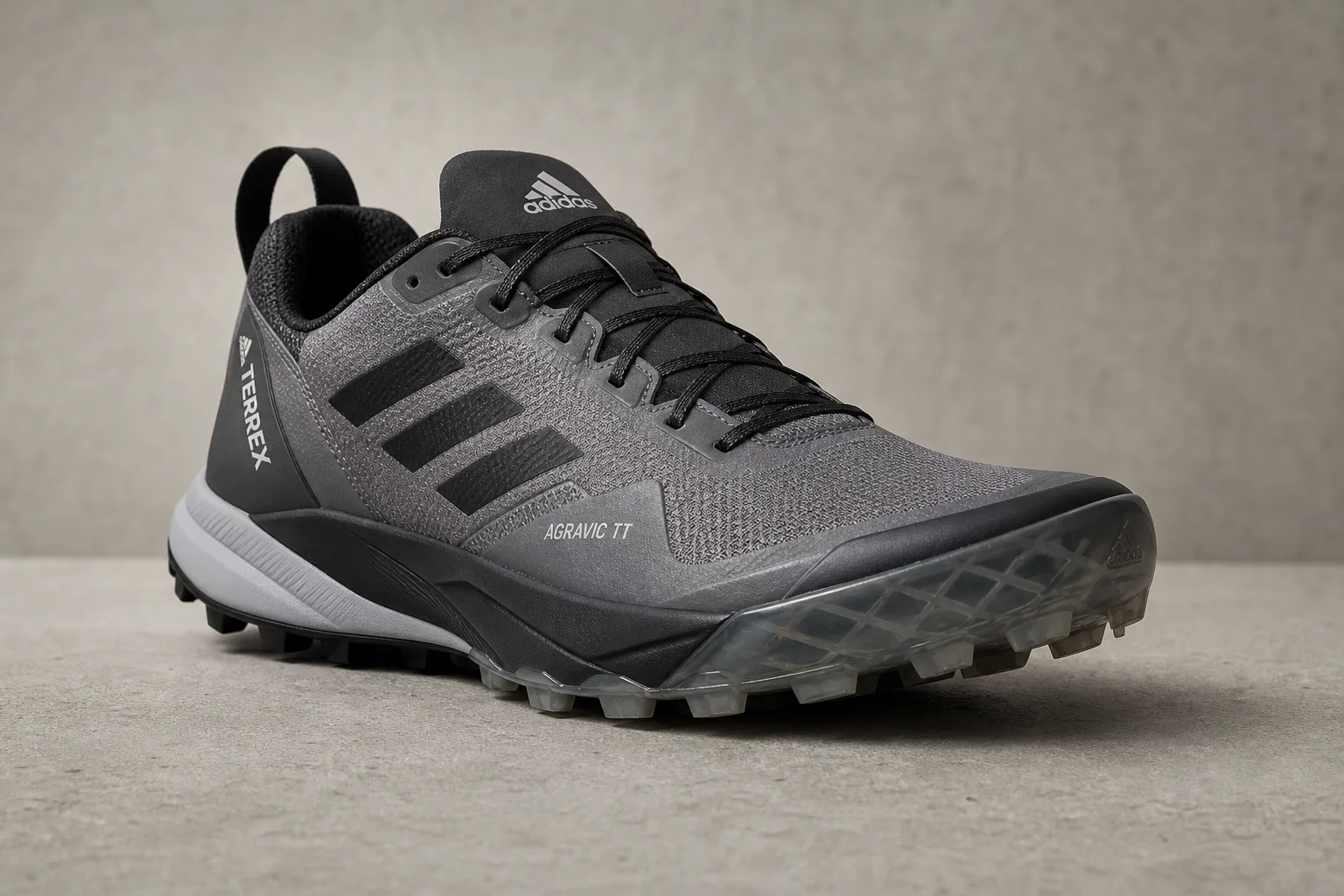
Adidas Terrex Agravic TT Review: A Technical Trail Shoe Built for Rocky Terrain
The Adidas Terrex Agravic TT combines a full-coverage rock plate with a firmer midsole to deliver protection and stability on technical, rocky trails. A capable choice for runners who prioritize underfoot defense over lightweight cushioning.
Trail Running Shoes
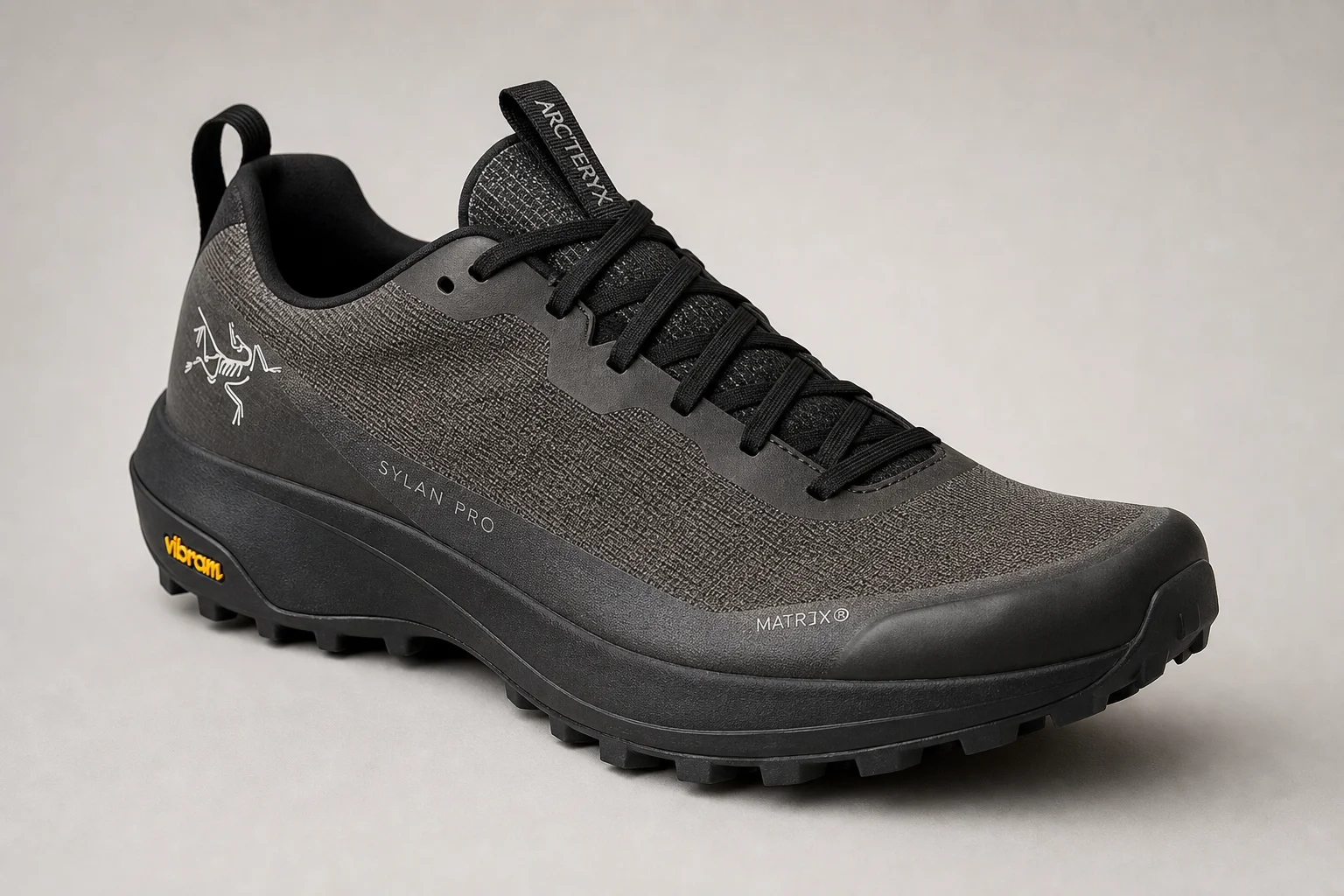
Arc'teryx Sylan Pro Review: A Rocker-Focused Mountain Running Shoe Tested on 20 Miles
The Arc'teryx Sylan Pro brings a pronounced rocker geometry and secure fit to mountain terrain. We tested it on a 20-mile Sawtooth loop to evaluate its climbing efficiency, protection, and handling of technical descents.
Trail Running Shoes
Best All-Mountain Trail Running Shoes: Three Versatile Options for Any Trail
A focused roundup of three all-mountain trail running shoes that handle technical terrain, long distances, and variable conditions with real strengths and practical trade-offs.