Running Shoes
Best Max-Stack Daily Trainers: ASICS Slowcush vs Saucony Paramount Max vs Mizuno Sky Prime
Three premium high-stack daily trainers compared: softness, bounce, stability, and which one fits your easy-day rotation.
Introduction
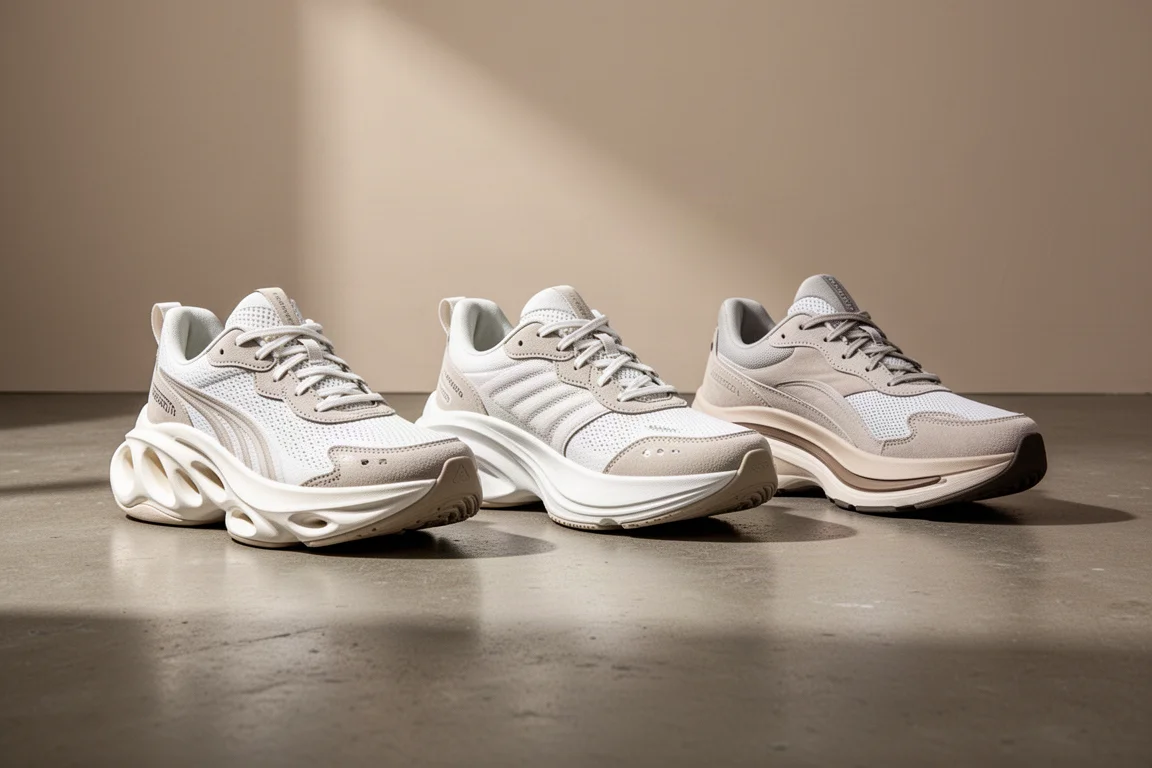
The super high-stack daily trainer category has grown quickly, and most of the shoes landing in it share the same recipe: a stack above 40mm, a very soft ride, a premium upper, and a price that sits at the premium end. Three shoes fit that mold especially well this year: the ASICS Slowcush, the Saucony Paramount Max, and the Mizuno Sky Prime. All three are built around easy miles and recovery runs rather than speed, and the differences between them come down to feel, structure, and how much bounce you want underfoot.
ASICS Slowcush: Soft With a Touch of Life
The Slowcush sits firmly in the max-stack camp with 48mm of heel stack and 40mm in the forefoot, coming in at 298 grams in a men’s size nine. The midsole uses two different foams: a softer Pure Gel Plus in the heel and the newer FF Luxe Plus in the forefoot, which adds a bit more of a bouncing sensation. The result is a dual-density setup that feels intentionally different depending on where you land in your stride.
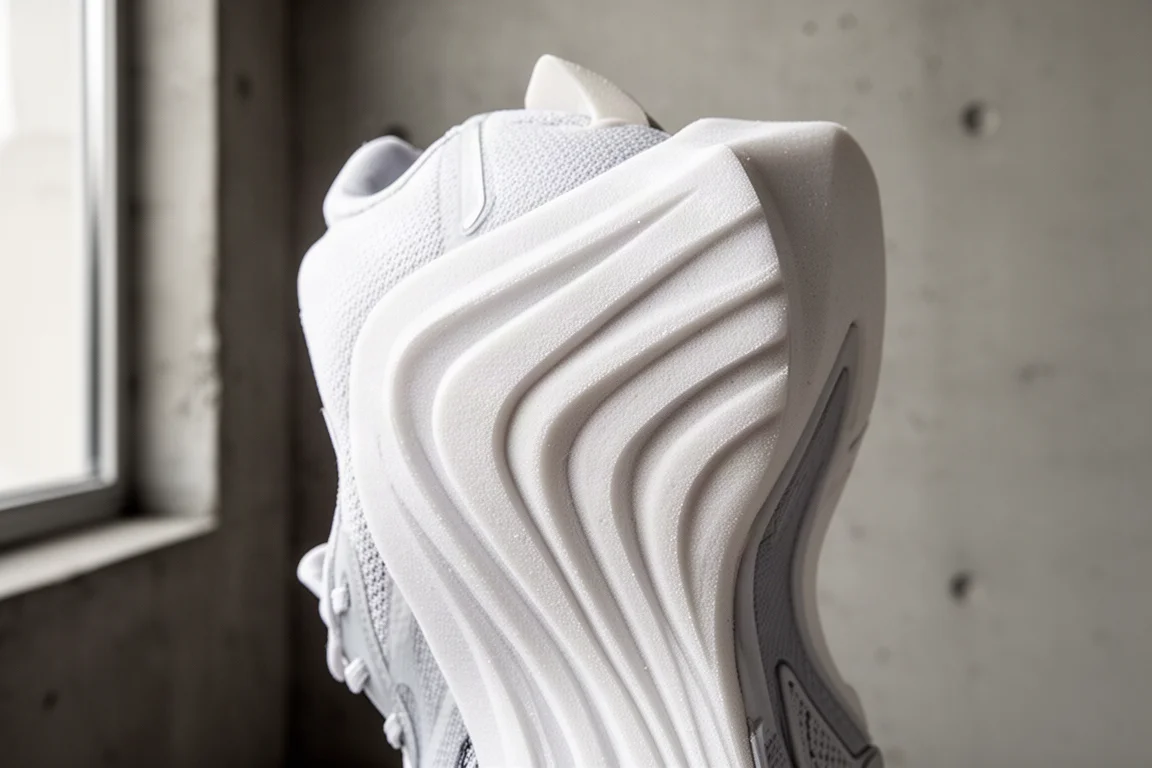
The upper borrows a lot from the Nimbus line: a semi-rigid heel counter, a stretchy but thin tongue, and a mesh upper that moves with your foot. It fits true to size with good length and solid lockdown for daily mileage and recovery runs. Flat laces keep pressure off the top of the foot, though the thin tongue over a heavily cushioned heel can feel like a slight mismatch.
Underfoot, the ride is soft in both the heel and forefoot with just a touch of responsiveness, and the 298 grams never feels heavy or clunky. A beveled heel offsets the very wide forefoot platform, and a podular outsole design provides confident ground contact. On wet wooden boardwalks the hybrid outsole compound proved surprisingly grippy in the rain, which is not a given for this kind of rubber. There is a lateral crease in the midsole that can offer slight guidance toward the outside of the foot, but it never felt like it was throwing the ride off balance.
Saucony Paramount Max: The Bounciest of the Three
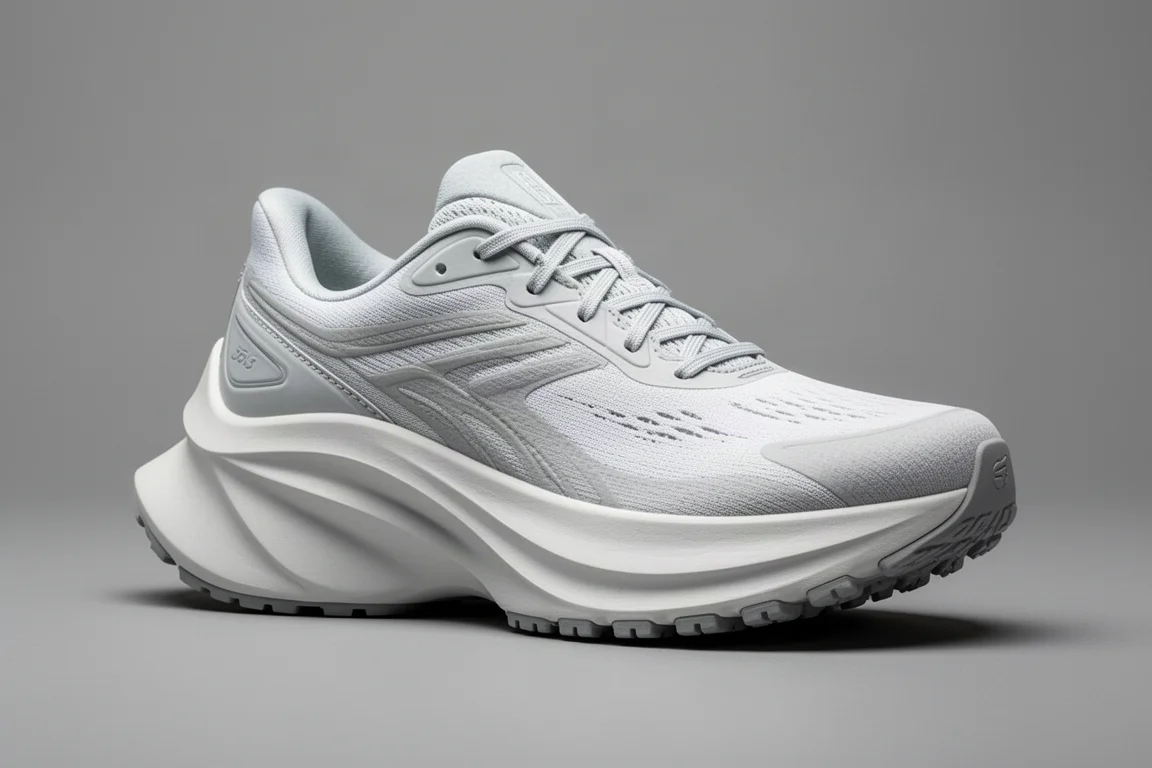
The Paramount Max is the most maximal of the three when it comes to bounce. Its Incredirun midsole delivers a trampoline-like liveliness, not speed or pop, but a rhythmic, energetic feel that makes it easy to settle into a cadence. It comes in at 302 grams with a lower 43-37 stack, and it feels noticeably lighter than its listed weight.
This is not a speed shoe, but for runners who want their easy days to feel springy rather than sinky, the Paramount Max is the clear choice on this list. The trade-off is structure: the midfoot narrows the most here, with a slight narrowing on the lateral side and a touch on the medial side too, which can nudge you slightly outward. It offers the least structural guidance of the three.
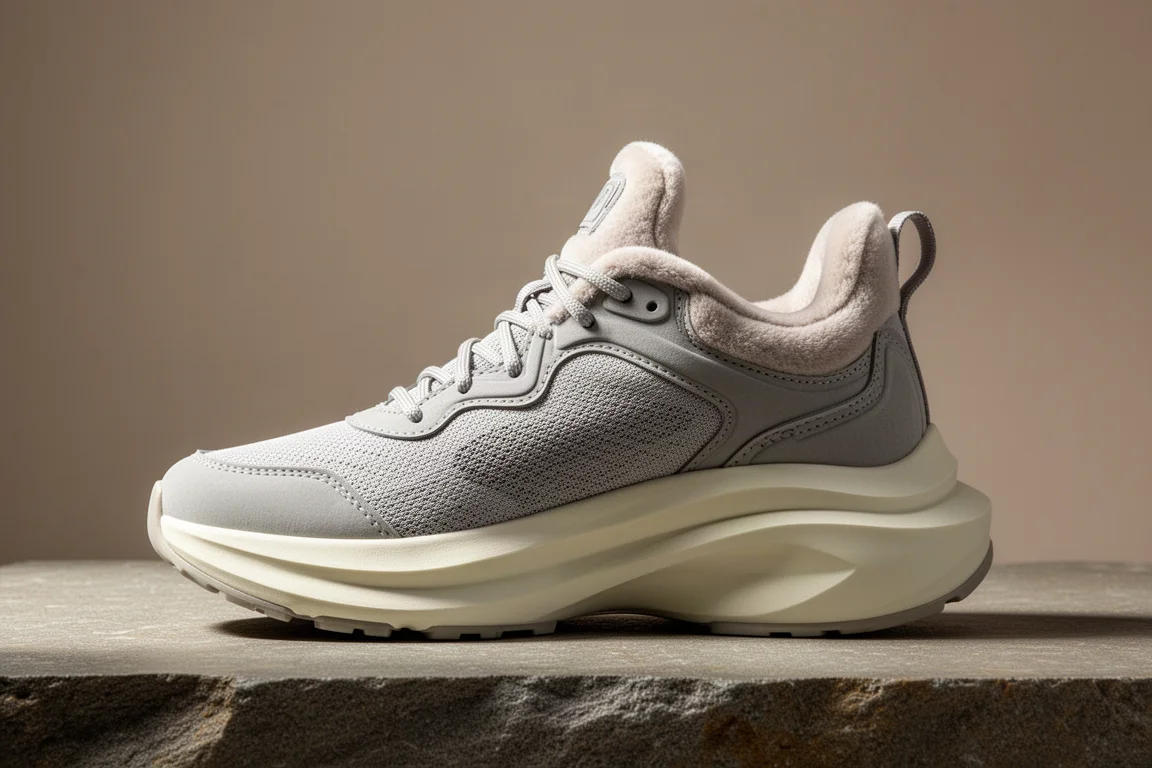
Mizuno Sky Prime: The Plushest Ride
The Sky Prime sits at the softest end of the spectrum. With 47mm in the heel and 41mm in the forefoot, it runs on the EnrzyNext Plus midsole, a blend of EVA and PEBA that prioritizes plushness over bounce. Slipping it on feels like sinking into the shoe: pillowy, forgiving cushioning that suits runners who want maximum comfort above everything else.
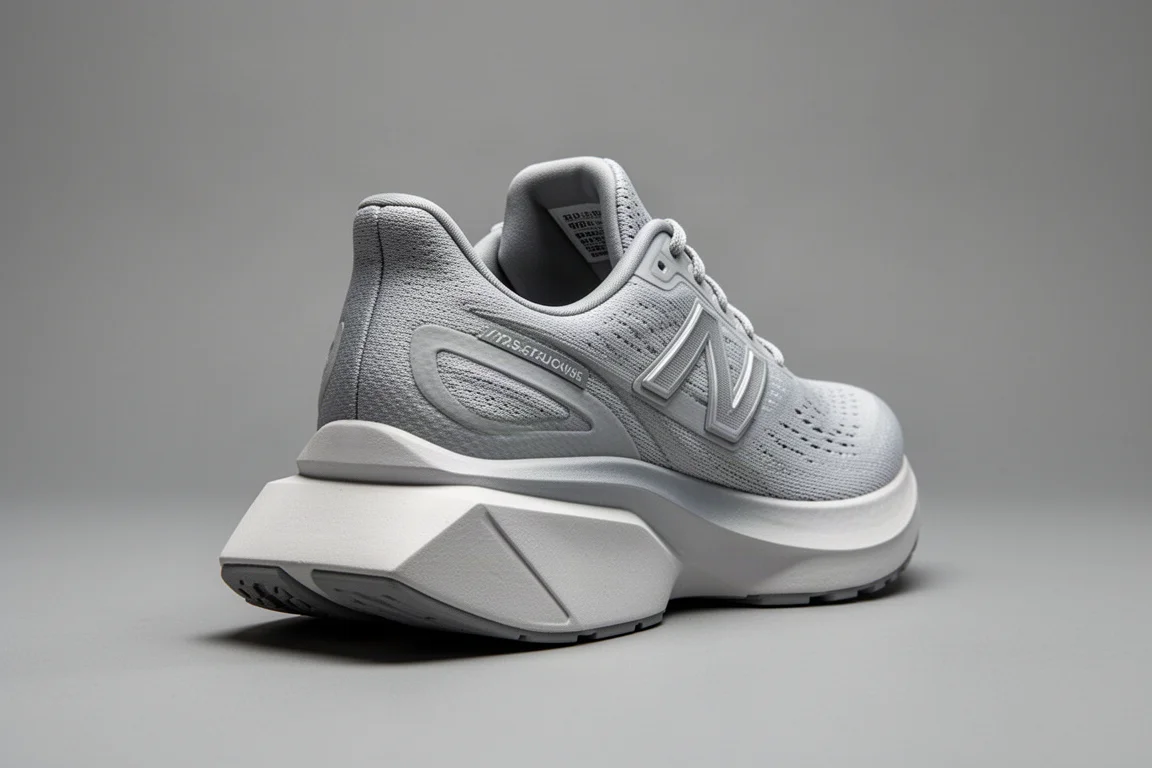
The downside is versatility. Of the three, the Sky Prime is the most limited on the faster end, with too much pillow and not enough responsiveness to push the pace. But structurally it is the most neutral and well-behaved of the group: the wide platform stays wide through the heel and does not narrow in the midfoot, so it has no bias pushing you in either direction and very little wobble. It is not a stability shoe, but it is the most structured of the three.
Stability and Structure Across the Three
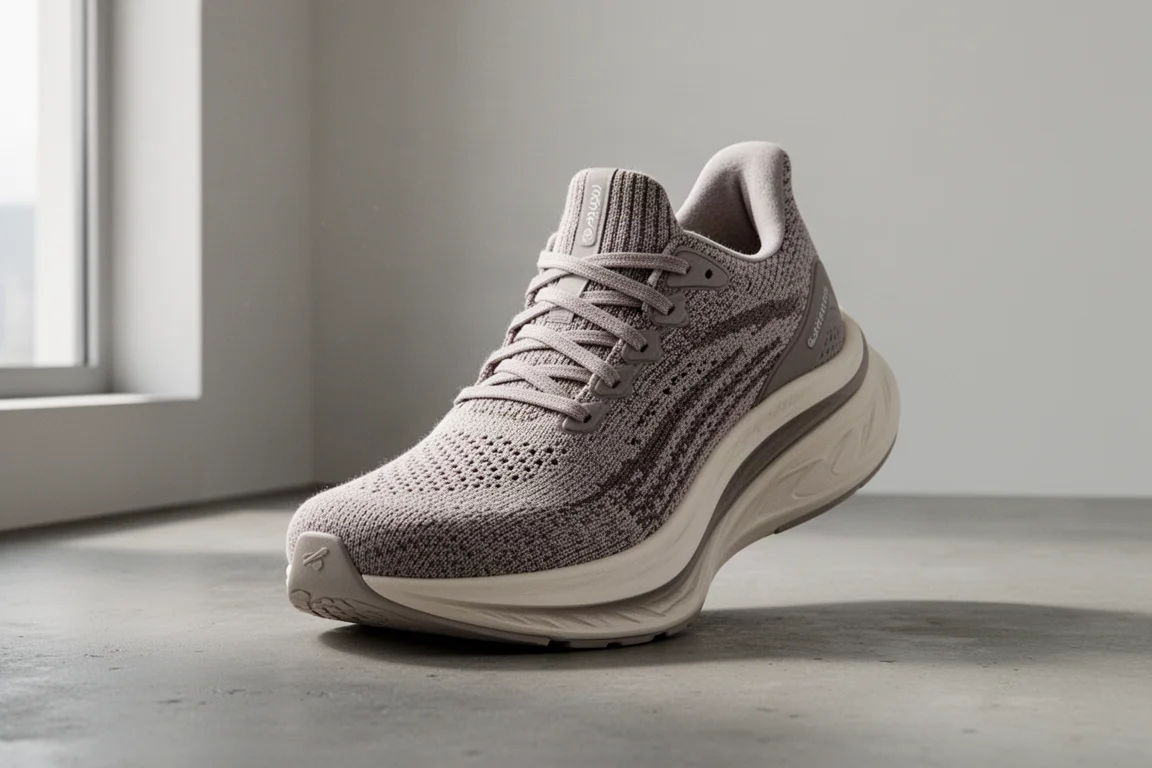
None of these shoes is a true stability trainer, but they sit on a clear spectrum. The Sky Prime is the most structured, staying wide and neutral with no lean to either side. The Slowcush sits in the middle, with its lateral crease offering a hint of outward guidance that never feels intrusive. The Paramount Max offers the least structure, with the most narrowed midfoot and the greatest potential to push slightly to the outside.
If you know you tend toward instability on the outside of your foot, the Slowcush’s lateral design is worth considering, though in practice it did not feel like a defining factor of the ride.
Which One Should You Buy?
All three land around the $200 mark, and that is the real question here: do you want to spend that much on a shoe that handles long runs, easy miles, and recovery days beautifully but is too much shoe to enjoy tempo work? The Slowcush is the midpoint feel, the Paramount Max brings the bounce, and the Sky Prime delivers the plush.
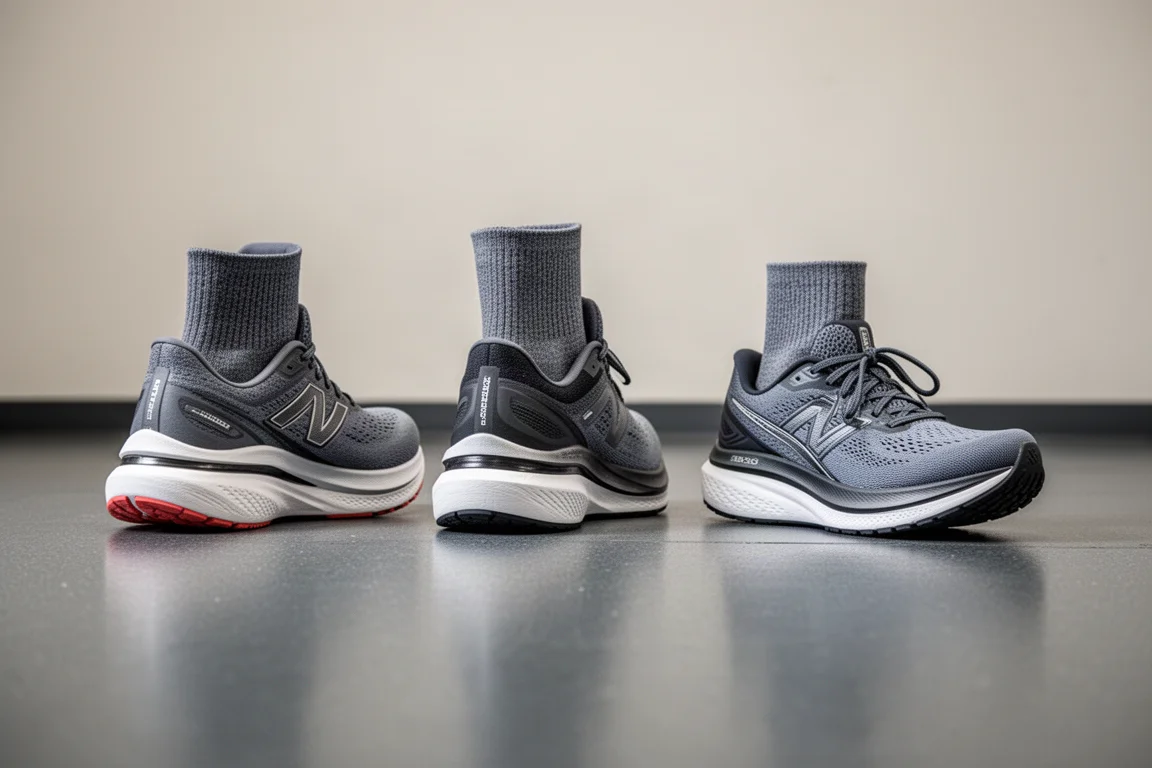
If you want a softer, lower-priced alternative that can also pick up the pace, a slightly lower-stack trainer may serve you better. But for pure easy-day comfort at the top of the stack category, these three cover the full spectrum between them.
Conclusion
The Slowcush, Paramount Max, and Sky Prime all do the same core job well: premium, high-stack cushioning for daily and recovery mileage. Choose the Paramount Max for the bounciest feel, the Sky Prime for the plushest and most structured ride, and the Slowcush if you want the midpoint between soft and lively.
Further reading
Related Reviews

Running Shoes
Best Road-to-Trail Running Shoes: Three Versatile Options for Mixed Terrain
A practical guide to three road-to-trail running shoes that handle both pavement and mild trails, with clear strengths and trade-offs for different runner types.

Running Shoes
Best Running Shoes for Achilles Tendonitis: Three Options Explained
Three running shoes with different heel drops and support features designed to help reduce Achilles tendon pain during walking and running.

Running Shoes
Best Running Shoes for Women: Five Top Choices Ranked
A ranked guide to five women's running shoes, from versatile daily trainers to high-performance racing options, with real strengths and trade-offs for each.