Running Shoes
Best Max Stack Running Shoes: Puma Mag Max 2 vs Mag Max, Asics Mega Blast and Nike Vomero Plus
Four big-cushion daily trainers compared: what the Puma Mag Max 2 changes, whether the discounted original is still the smarter buy, and how the Asics Mega Blast and Nike Vomero Plus fit in.
Introduction
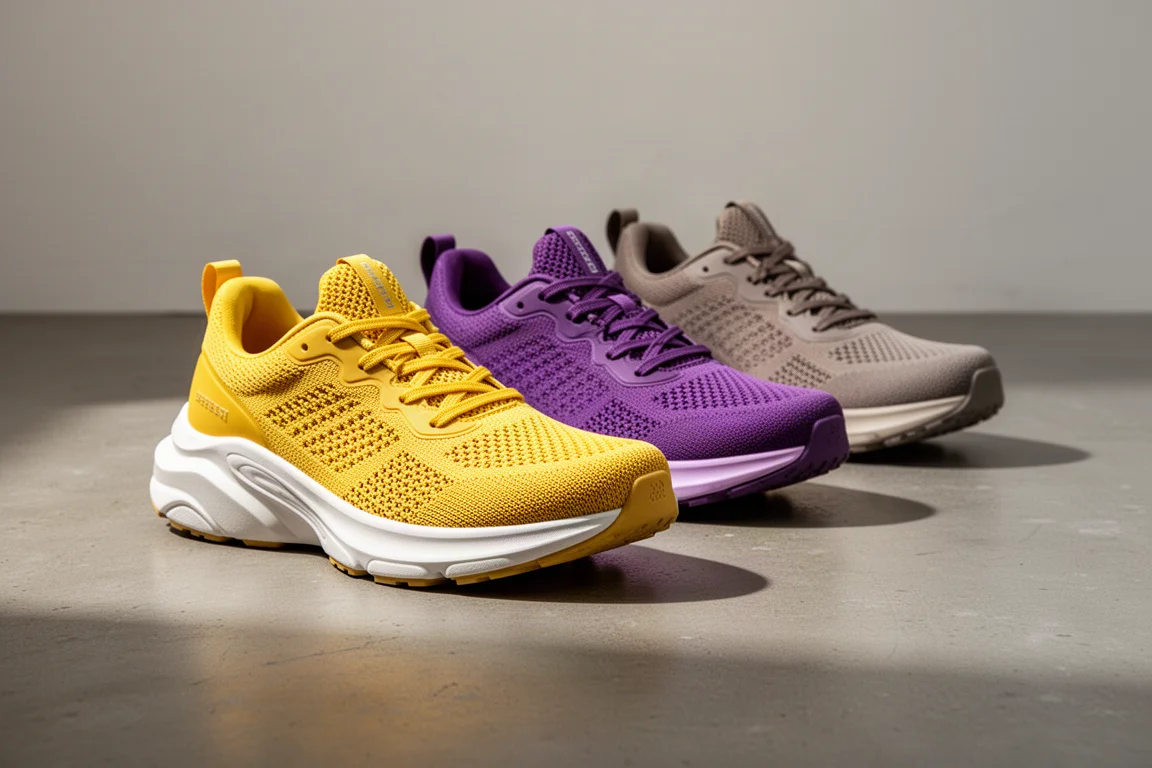
Max stack cushioning has become the default for easy days, and a few shoes now dominate that space. Puma returned to it this year with the Mag Max 2, an update to the original Mag Max that keeps the huge foam stack while trimming weight and adding a touch of bounce. With the first version now heavily discounted, the natural questions are whether the upgrade is worth it, and how both compare against the Asics Mega Blast and the Nike Vomero Plus.
This guide breaks down what changed, who each shoe suits, and which one deserves your money depending on the kind of running you do.
What’s New in the Mag Max 2
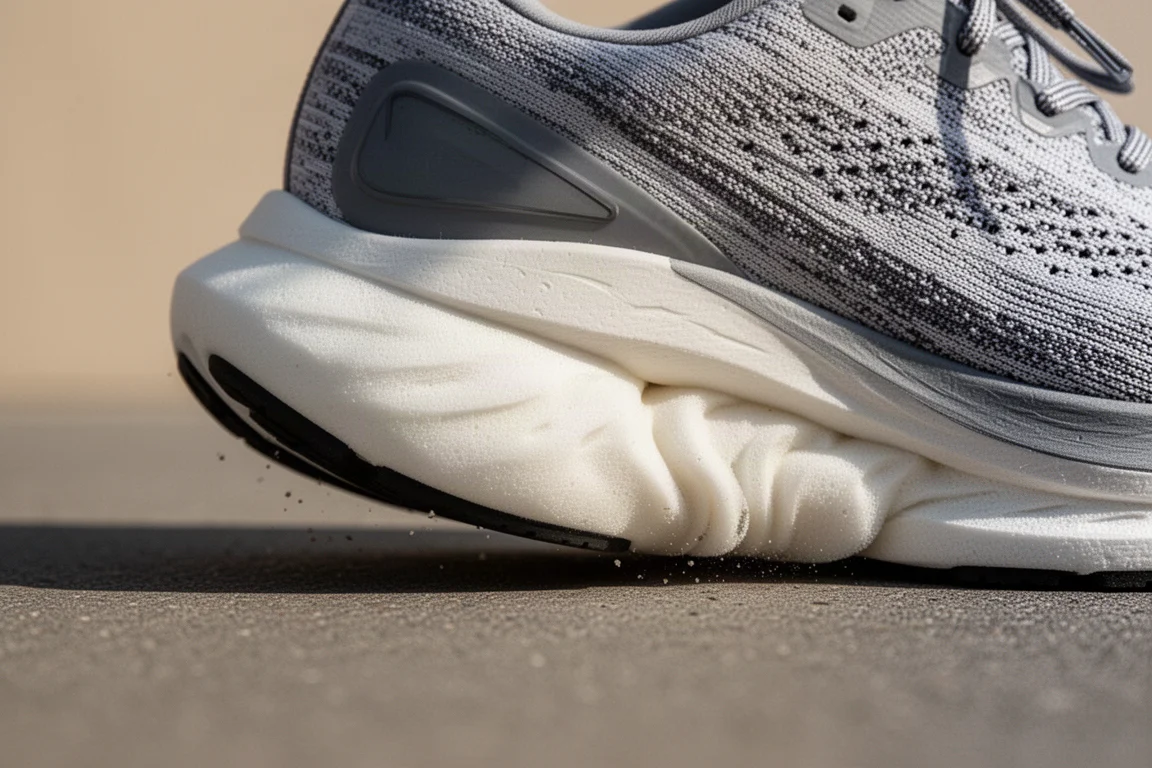
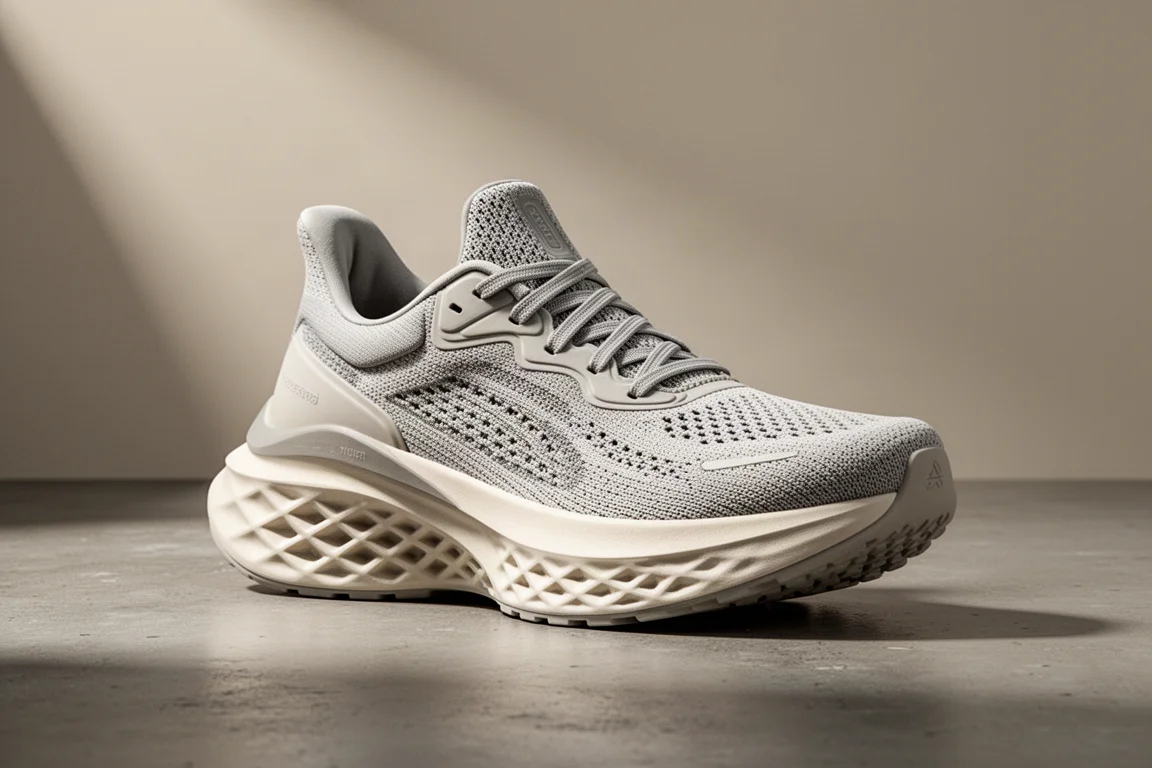
The headline change is weight. In a UK size 12, the Mag Max 2 comes in at 324 g, a full 42 g lighter than the original at 366 g. Puma also updated the Nitro Foam midsole, a nitrogen-infused compound that feels a little bouncier and slightly more responsive than before. The forefoot is a touch more accommodating too, which makes the fit friendlier for wider-footed runners.
Everything else stays the same: the stack holds at 46 mm at the heel with an 8 mm drop, and the price is unchanged at £170. Version one was already a solid mileage monster, ultra durable and comfortable with Puma’s excellent grip outsole, and version two looks to keep that formula while fixing the main complaints.

Puma Mag Max 2: Likes and Dislikes
On the positive side, the shoe feels lightweight and surprisingly nimble for the volume on offer. It has genuine versatility, comfortable at easy pace but able to stretch up to 10k, half marathon, and marathon efforts for the relevant training runs. The ride is responsive and bouncy for a max cushion shoe, with a gentle forefoot rocker that rolls through foot strike nicely. The engineered knit upper with a stretchy woven tongue is very comfortable, though it is a little thick, so expect some warmth in the hottest months. Grip remains fantastic on wet roads, durability looks on par with the long-lasting original, and the yellow colorway is a highlight.
The dislikes are worth noting. The wider forefoot is great for most runners but can feel slightly roomy if you have narrow feet, with a little bunching up front that did not affect the ride. At £170 it is also priced a touch high compared with the Nike Vomero Plus, which undercuts it by £15. And as with any max stack shoe, you need to keep your wits about you when cornering, since the outsole has been stripped back slightly to save weight rather than running full length.
Puma Mag Max (Version One): The Bargain Play
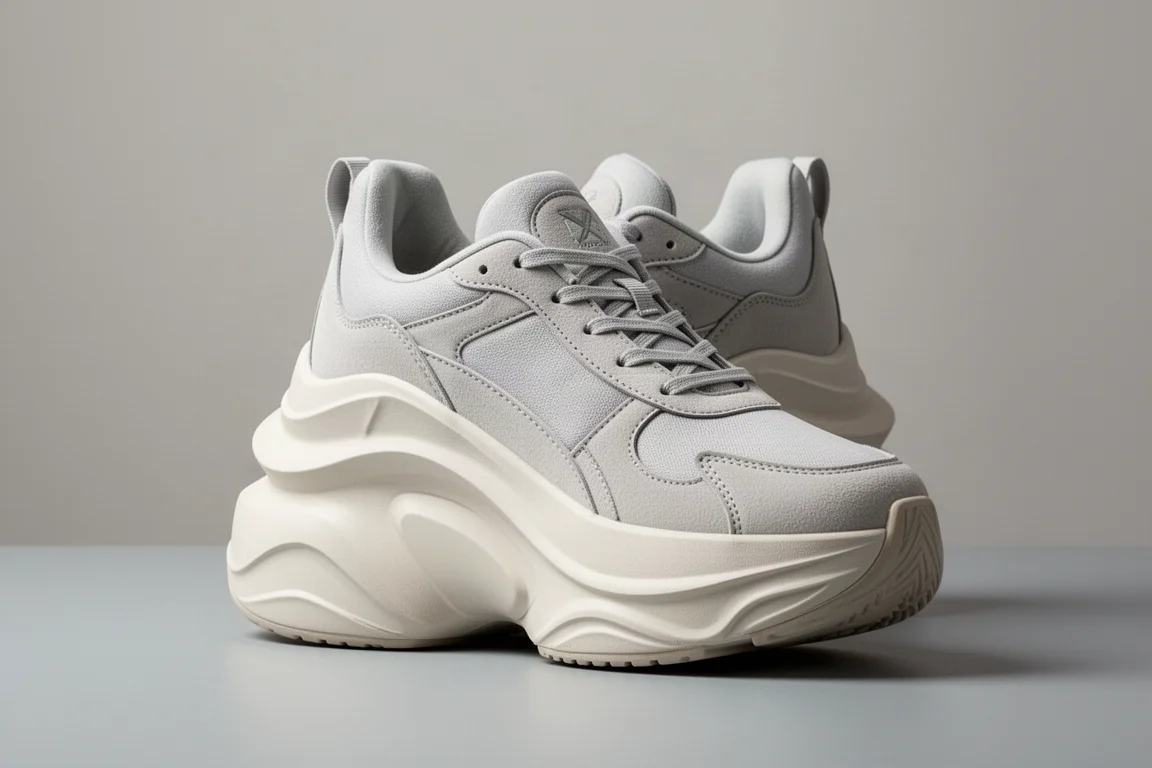
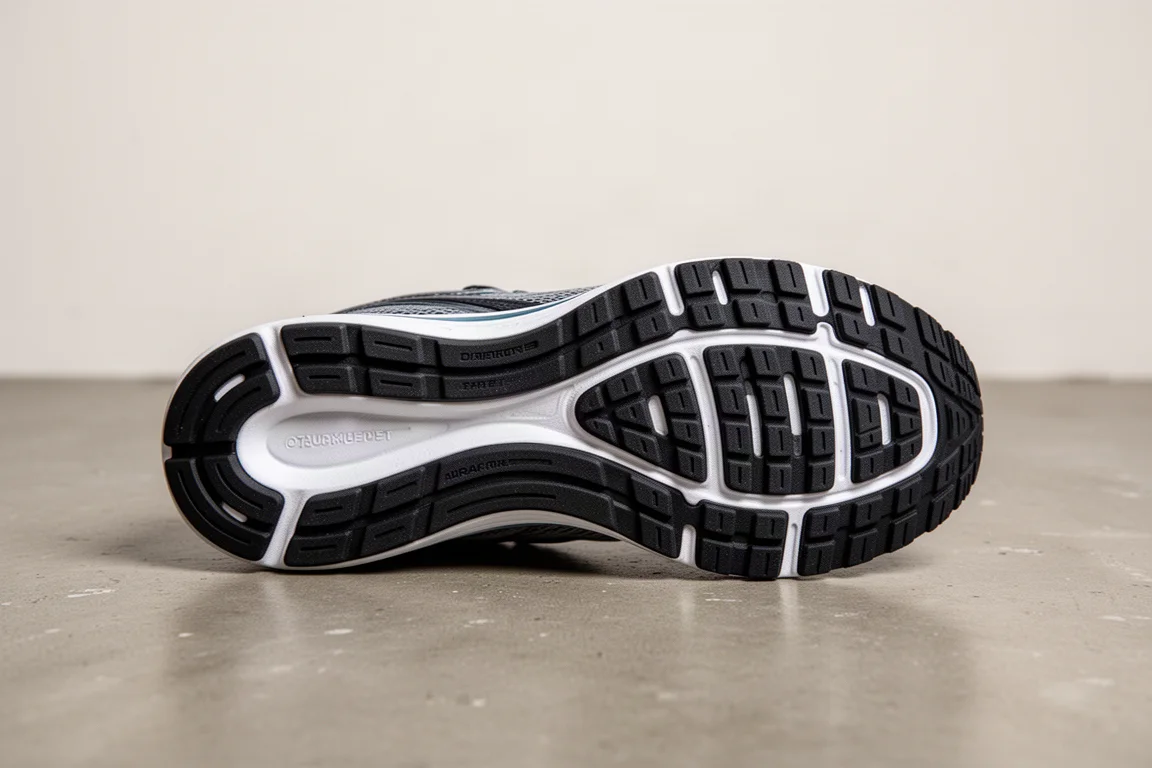
The original Mag Max was Puma’s most cushioned shoe to date and a very good first attempt: durable, comfortable, and fitted with that excellent Puma grip outsole. It ran slightly narrow through the forefoot compared with version two, but many runners will not mind that at all.
With version two now on shelves, version one is being heavily discounted. If you can find it at a bargain price, it remains a genuinely fantastic shoe and, in that scenario, arguably the smarter buy. If you loved version one, the upgrade logic is simple: version two is the same idea, lighter and more responsive.
Asics Mega Blast: The Race Day Alternative
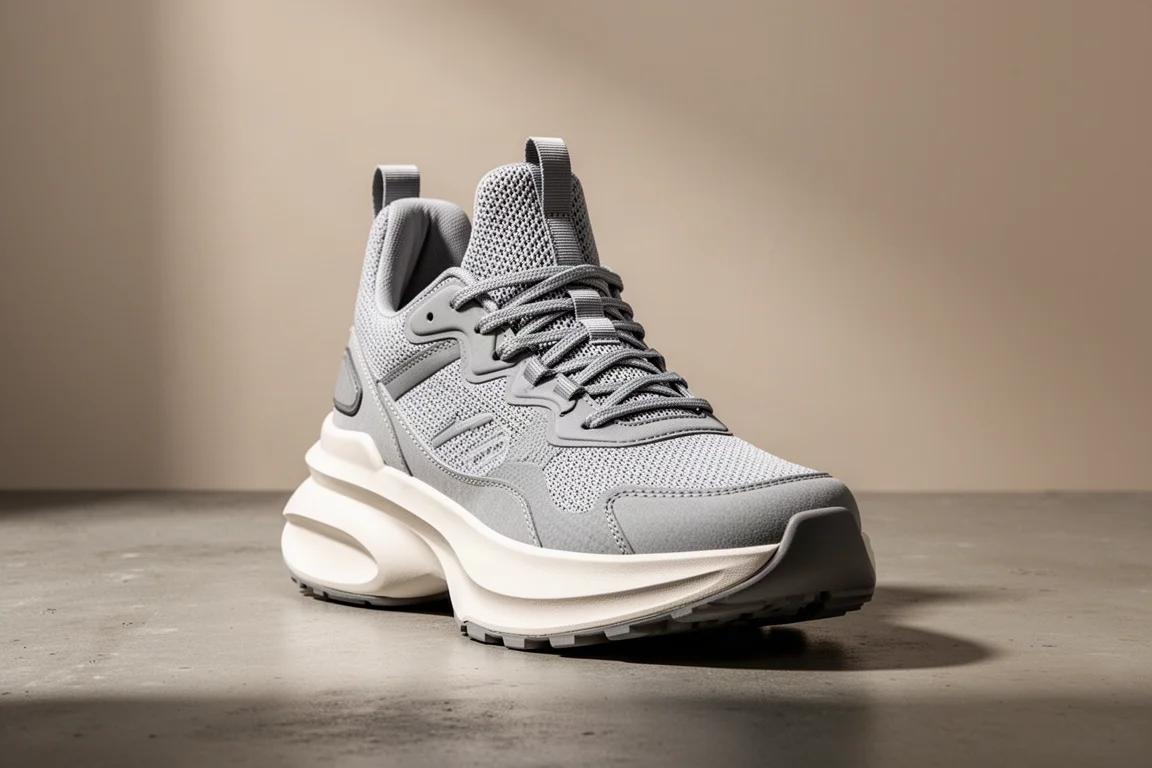
The Asics Mega Blast costs more than the Puma but is noticeably lighter, with high-end foam you can feel in the ride. It is more of a comfortable race shoe in its materials and construction. It is not quite as soft and bouncy as the Mag Max 2, but it is more responsive and has a better turn of pace, cruising along at faster paces more readily.
Think of the Mega Blast as your race day option and key session shoe, while the Puma is the durable mileage monster for racking up big long runs.

Nike Vomero Plus: The Stable Do-It-All Option
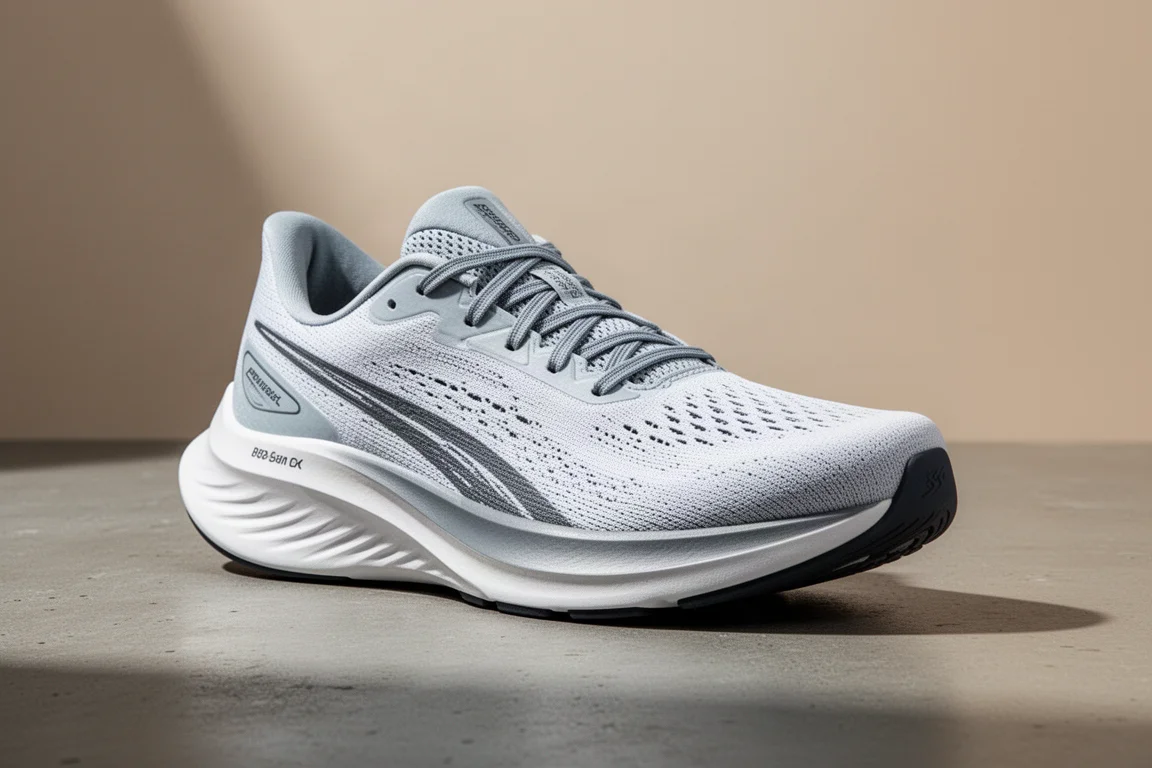
The Nike Vomero Plus is slightly cheaper and about 35 g heavier than the Mag Max 2, though you honestly do not notice the difference on the run. That weight sits low, because the Vomero Plus carries a full-length outsole that makes it feel a touch more stable than the Puma.
It is firmer and a little more reactive, so it performs slightly better at quicker paces, and the two are really very close overall. The Puma feels a bit more comfortable thanks to its softer upper and better lockdown, while the Nike runs at a very average width versus the Puma’s slightly above-average fit. Choose the Vomero Plus if you want a high-stack do-it-all daily trainer without many long runs; choose the Puma if long-run comfort is the priority.
Which One Should You Buy?
If marathon training miles or heavy-duty long runs dominate your week, the Mag Max 2 is the pick: plush, durable, grippy, and now lighter. Narrow-footed runners should try before buying given the roomier forefoot. Bargain hunters should check version one pricing first, since a discounted Mag Max is hard to beat on value. If race pace and faster sessions matter more than maximum softness, look at the Mega Blast. And if you want one stable, slightly firmer shoe to do everything, the Vomero Plus is the balanced choice.
Conclusion
Puma set out to make the Mag Max 2 lighter and more responsive while preserving what runners loved about version one, and that is exactly what it delivers. Heavier runners and anyone logging marathon build-up mileage are the natural audience, while the Asics Mega Blast and Nike Vomero Plus cover the faster and more stable ends of the max stack spectrum.
Further reading
Related Reviews

Running Shoes
Best Road-to-Trail Running Shoes: Three Versatile Options for Mixed Terrain
A practical guide to three road-to-trail running shoes that handle both pavement and mild trails, with clear strengths and trade-offs for different runner types.

Running Shoes
Best Running Shoes for Achilles Tendonitis: Three Options Explained
Three running shoes with different heel drops and support features designed to help reduce Achilles tendon pain during walking and running.

Running Shoes
Best Running Shoes for Women: Five Top Choices Ranked
A ranked guide to five women's running shoes, from versatile daily trainers to high-performance racing options, with real strengths and trade-offs for each.