Running Shoes
Best Marathon Training Shoes from Challenger Brands
Six overlooked running shoes that hold their own against the big-name trainers, from the Tracksmith Eliot Runner to the Under Armour Velocity Flow Elite.
Introduction
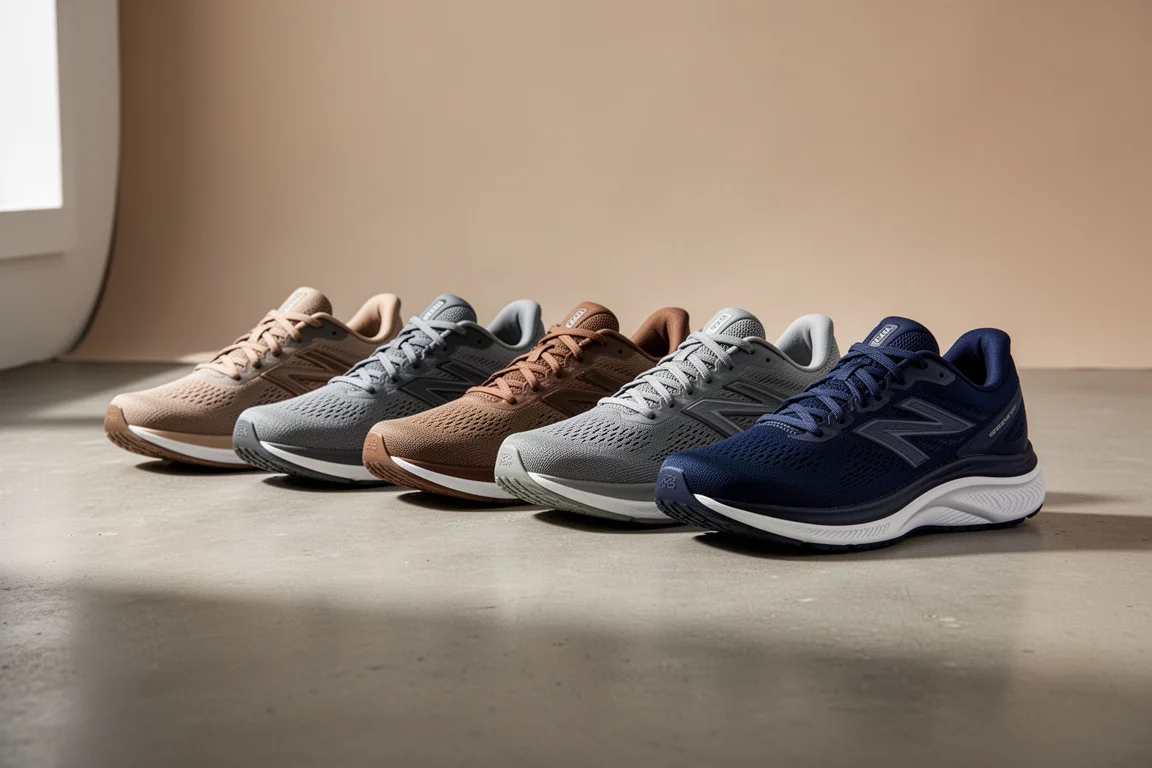
When most runners build a marathon training rotation, they default to the same handful of major brands. That is understandable, but it means some genuinely competitive shoes from challenger brands never make it onto shopping lists. This roundup highlights six options that deserve a closer look, covering every role in a fall marathon build: daily miles, speed work, recovery days, long runs, and race day.
Best Daily Trainer: Tracksmith Eliot Runner
The Tracksmith Eliot Runner is our pick for the best daily trainer from a challenger brand. It took roughly 120 to 150 miles to truly warm up to, but it just keeps getting better with time. The full-length bed of standard PEBA midsole foam is not the super soft, squishy, bouncy kind you might expect. Instead it delivers more of a workhorse daily trainer feel, closer to a Saucony Ride than an Endorphin Speed, while the super critical PEBA insole adds a modern, snappy feel when you pick up the pace. The materials mold to the foot, the upper looks great, and the lockdown is dialed in.
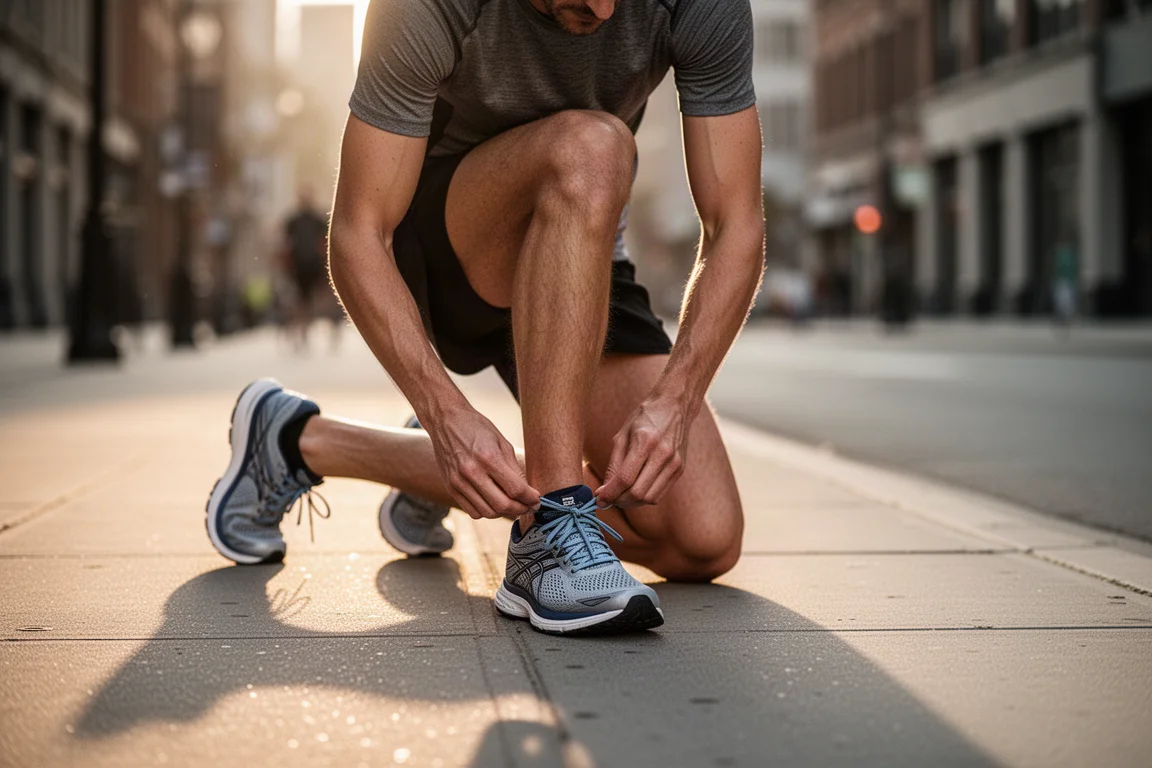
Durability is a genuine strength. The outsole rubber coverage is extensive, and even for a heavy heel scuffer, a pair held up well over 150 miles with barely any wear on the lateral heel area. It has also handled travel to New York City and Austin repeatedly without issue. At $200 it is not cheap, but the $60 premium over something like the Saucony Ride is arguably paid back in versatility, since it works just as well for casual everyday wear as for training.
Best Speed Work Shoe: Topo Athletic Cyclone 2
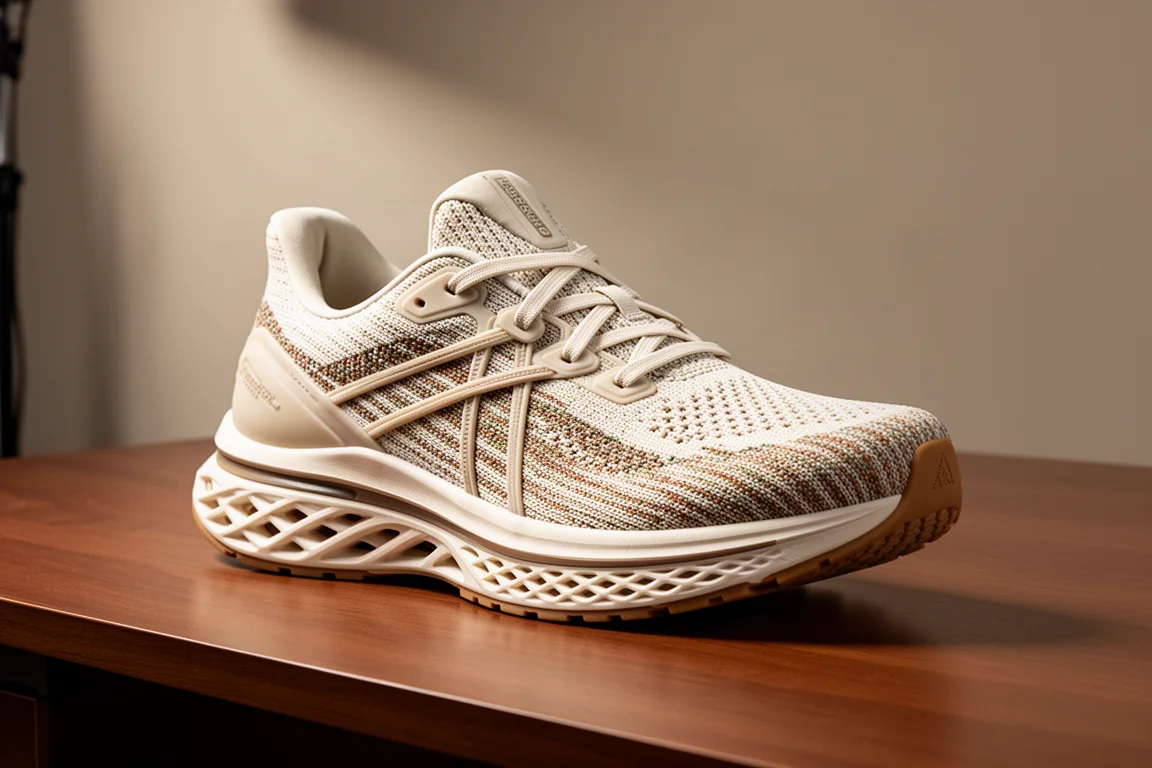
The Topo Athletic Cyclone 2 is a great fit for traditional marathon training speed work, including the classic six by 800 meter sessions. It uses a full-length PWRRUN PB-style PEBA midsole with a nice bouncy feel, comparable to the foam in the Saucony Endorphin Speed 3 and Pro 3. It is a lightweight shoe, and true to Topo’s wider-platform design philosophy, it offers a roomy toe box that stays comfortable on foot.

Topo is one of the most underrated brands on the market right now. It is more competitive in the trail space, but the road side is showing real innovation, and the Cyclone 2 can stretch beyond pure speed work. It works for longer strength-style sessions like the two by three miles or three by two miles found in Hansons-style plans, as well as marathon repeats and tempo efforts.
Best Max Cushion Recovery Shoe: Skechers Go Run Max Road 6
Yes, Skechers. Put some respect on the name: Skechers was the first to market with super critical foam, and the brand has been producing quality running innovations for a while. The problem is that money goes into development rather than marketing, and the sprawling product line makes it genuinely hard to tell what is a running shoe and what is not. On the Max Road 6, though, the formula works.
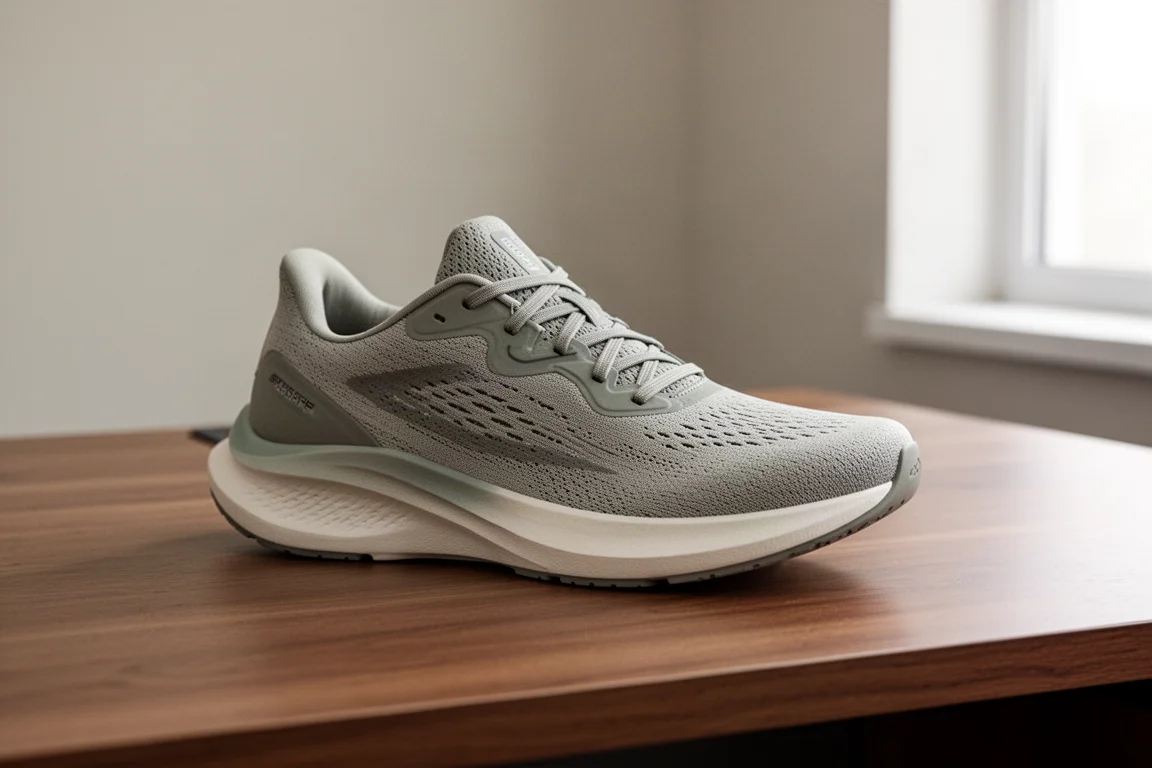
This is a max cushion trainer in the same vein as the Saucony Triumph or the ASICS Gel-Nimbus 25, but it comes in at $130, about $30 cheaper than those shoes. It has a prominent rocker, a nice bouncy feel, and it is one of the best options out there for recovery days when you just want to plod along. The foam is energetic enough that you can pick up the pace too: nothing like 400 meter repeats, but strides and fast-finish runs in the marathon-to-steady effort range are all in play.

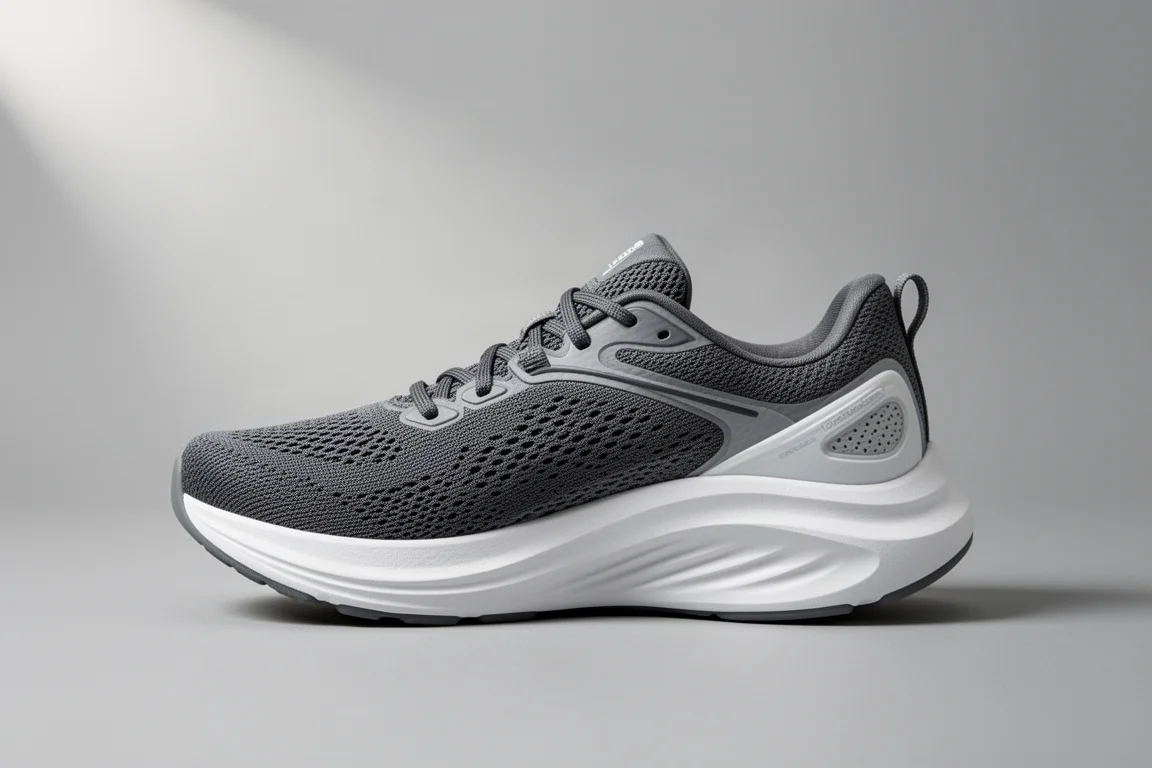
Best Long Run Options: Atreyu Daily Trainer and Atreyu Artist
Atreyu is an Austin, Texas-based running brand with a simple mission: honor simplicity by producing high-quality, no-frills running shoes at attractive prices. For long runs, it earns two entries here, one non-plated and one plated.
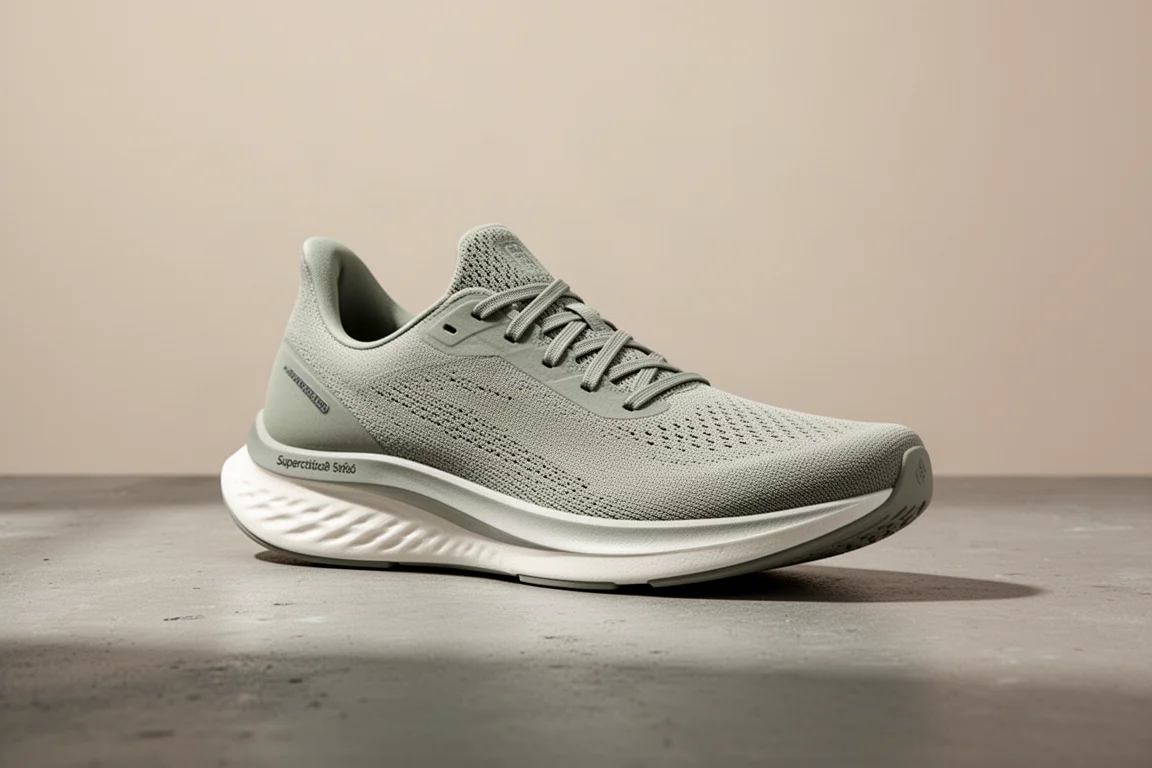
The Atreyu Daily Trainer uses a super critical EVA midsole similar to the HOKA ProFly+ found in the Mach 5 and Tecton, giving it a nice bouncy feel. It also has solid outsole rubber coverage with nubs around the outsole, making it a smart choice if your long run route includes off-road sections or you live somewhere with rougher conditions.
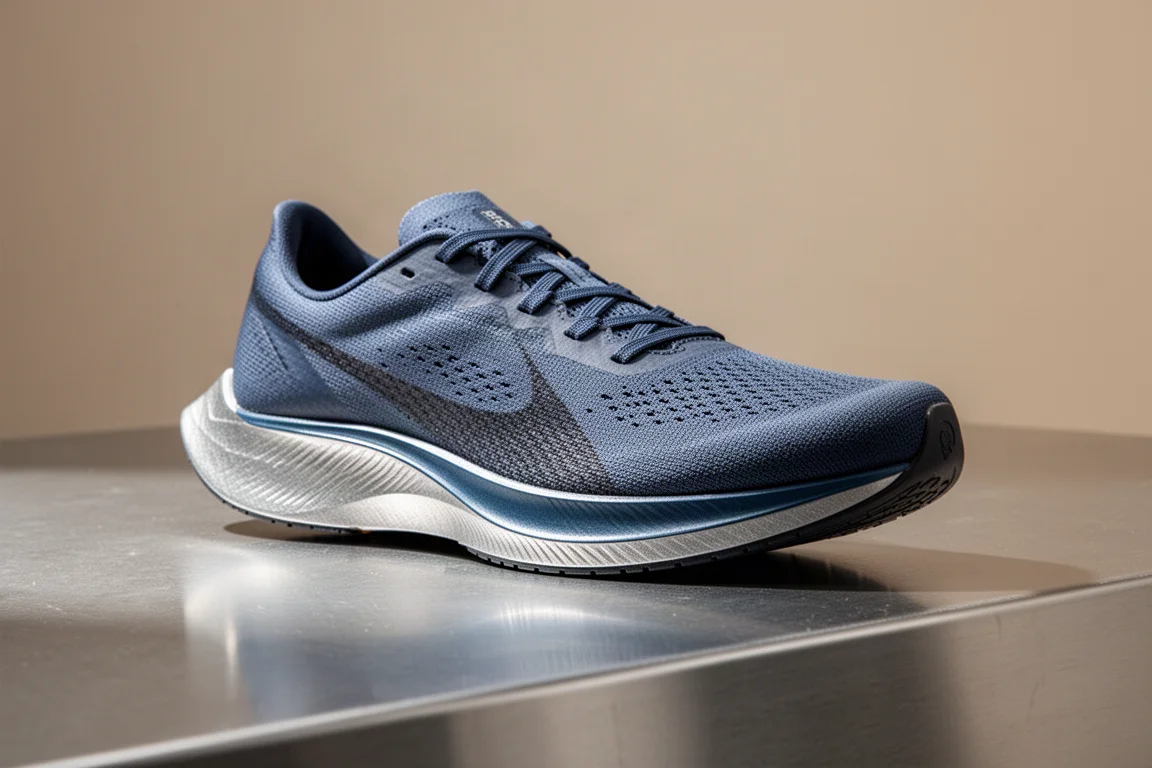
If you like pace sections in your long runs and prefer plated shoes, the Atreyu Artist is the cheapest carbon fiber plated shoe readily available on the US market. It has a full-length carbon fiber plate, the same super critical EVA midsole, and a thin cover of outsole rubber. Atreyu positions it as a race day shoe, but for most runners with a Vaporfly or Endorphin Pro 3 in the closet, it makes more sense as a long run shoe: it absorbs training wear and tear while you conserve your most special shoes for your fastest races.
Best Race Day Shoe: Under Armour Velocity Flow Elite
The Under Armour Velocity Flow Elite is one of the most overlooked and underrated race day shoes available. It uses a dual-foam construction: a top layer of PEBA, a bottom layer of Under Armour’s supercritical Flow foam, and a carbon fiber plate in between.
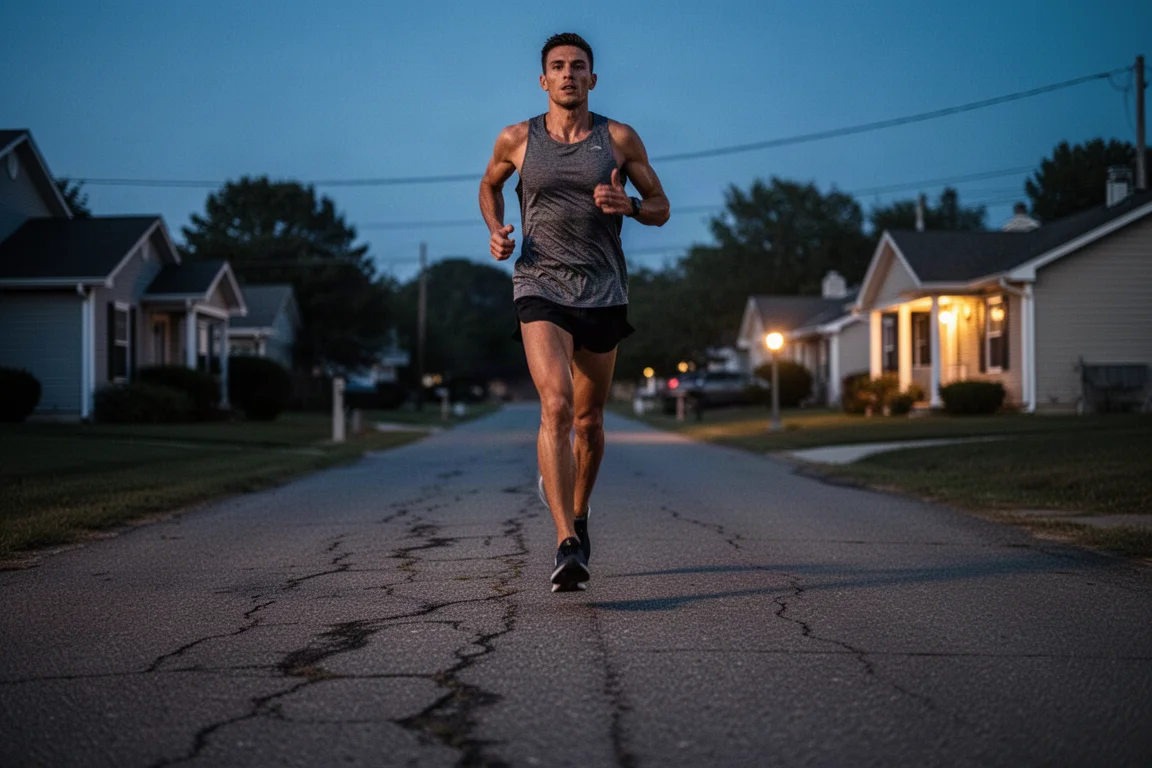
Unlike the HOKA Mach 5 or Saucony’s racing line, there is no rubber outsole, but Flow has been rubberized and treated to improve durability, so it should deliver more miles than standard supercritical EVA. The feel underfoot is firmer and snappier rather than plush and bouncy, which makes it a strength-building shoe best suited to efficient runners. If you are targeting a sub-three-hour marathon, a sub-2:50, or a sub-2:40, this is an awesome option to consider.
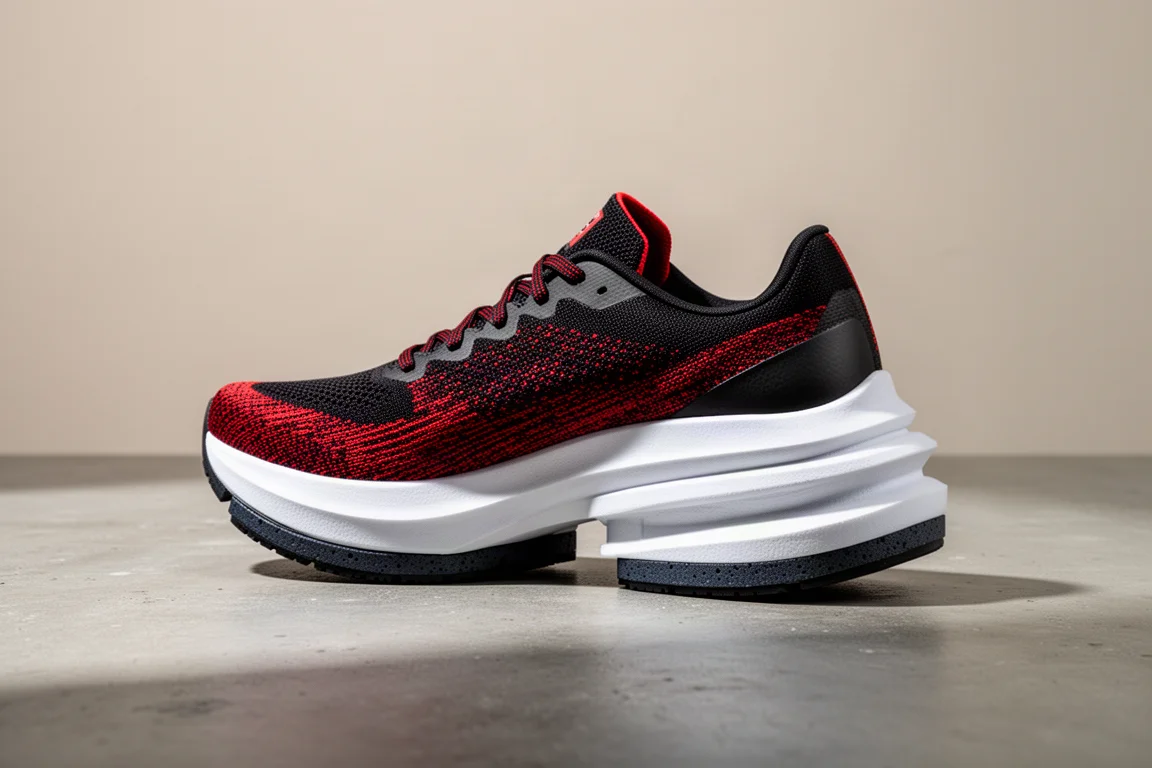
Overall Buying Advice
Think about which gap in your rotation these shoes actually fill. If you need a durable, versatile daily trainer that doubles as casual wear, the Eliot Runner justifies its price over time. For speed sessions, the Cyclone 2 brings big-brand PEBA feel at a challenger price. On recovery days, the Max Road 6 delivers max cushion for $30 less than its main rivals. Atreyu’s simple, affordable pair covers both non-plated and plated long run needs, and the Velocity Flow Elite rounds things out for faster runners on race day.
Conclusion
Challenger brands are putting out genuinely competitive marathon training shoes, and several of these picks outperform their better-known rivals on value. Whether you are building a full rotation or filling a single gap, any of these six deserves a spot on your shortlist.
Further reading
Related Reviews

Running Shoes
Best Road-to-Trail Running Shoes: Three Versatile Options for Mixed Terrain
A practical guide to three road-to-trail running shoes that handle both pavement and mild trails, with clear strengths and trade-offs for different runner types.

Running Shoes
Best Running Shoes for Achilles Tendonitis: Three Options Explained
Three running shoes with different heel drops and support features designed to help reduce Achilles tendon pain during walking and running.

Running Shoes
Best Running Shoes for Women: Five Top Choices Ranked
A ranked guide to five women's running shoes, from versatile daily trainers to high-performance racing options, with real strengths and trade-offs for each.