Running Shoes
Best Marathon Training Shoes 2022: A Run-by-Run Rotation Guide
From easy days to threshold sessions, these are the road running shoes worth building your fall marathon training rotation around.
Introduction
Fall marathon season concentrates in October and November, which means summer is when the real training volume gets built. If you are ramping up from the half marathon distance, or simply pushing past familiar weekly mileage, your shoe rotation matters more than at any other point in a training block.
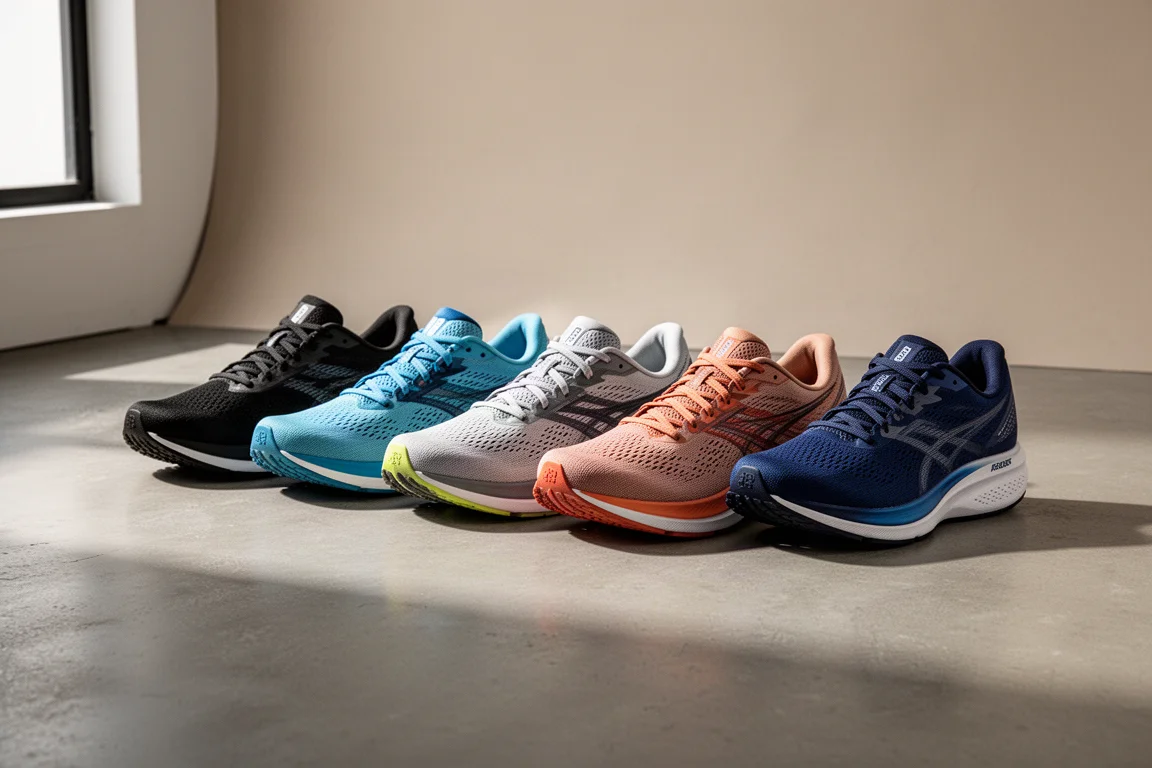
The approach here is simple: different runs deserve different shoes. Easy days benefit from forgiveness underfoot, tempo and fartlek sessions reward lighter options, long runs need support that keeps your calves and lower legs fresher, and threshold days call for something with genuine speed in its DNA. Below is a run-by-run breakdown worth considering for your 2022 fall marathon rotation.
Easy Day Shoes
Easy and recovery days are where marathon training is actually absorbed, and this is where a little extra cushion earns its keep. When you are pounding city pavement and concrete week after week, a softer landing is nothing to apologize for. Some runners prefer a firmer, slimmer midsole, but for high-volume marathon blocks, added forgiveness underfoot is a reasonable direction to lean.
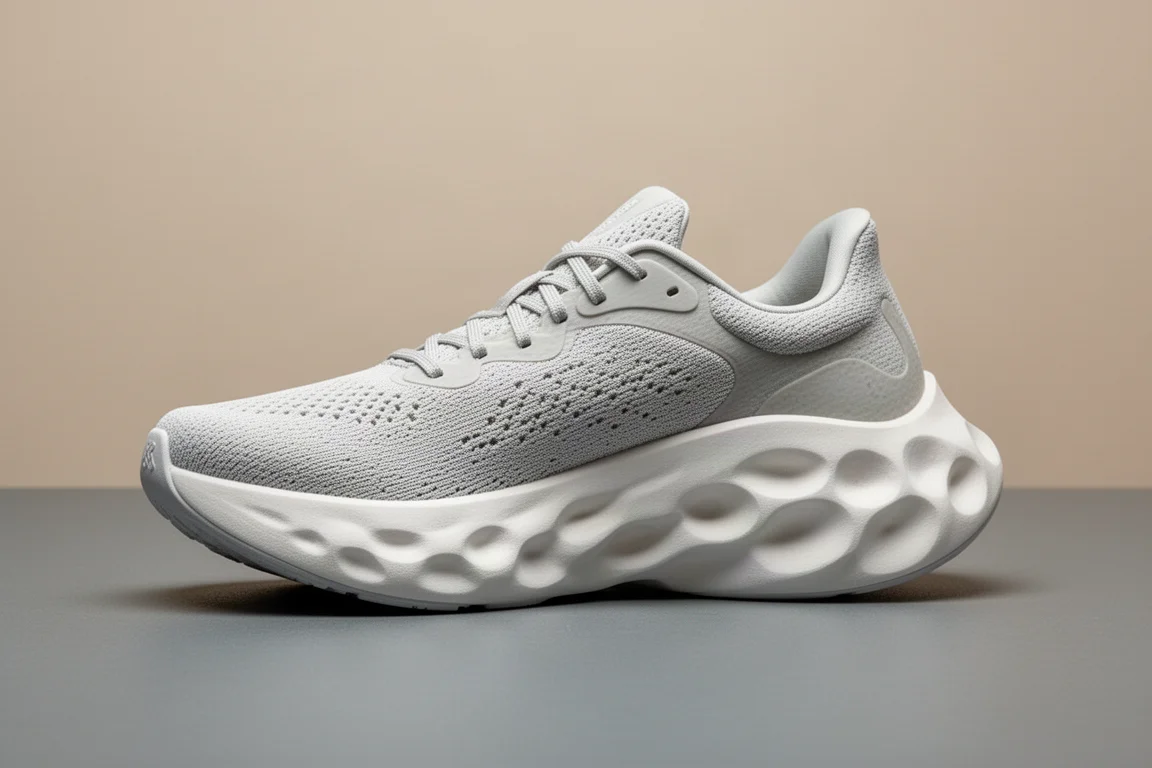
The New Balance Fresh Foam More v3 is the standout pick here. Even with a newer version on the way, this remains a shoe worth buying again as a go-to easy day and recovery trainer. One option to approach with caution: a very lively, bouncy midsole can be too tempting on a recovery day, making it easy to run faster than the session intends.
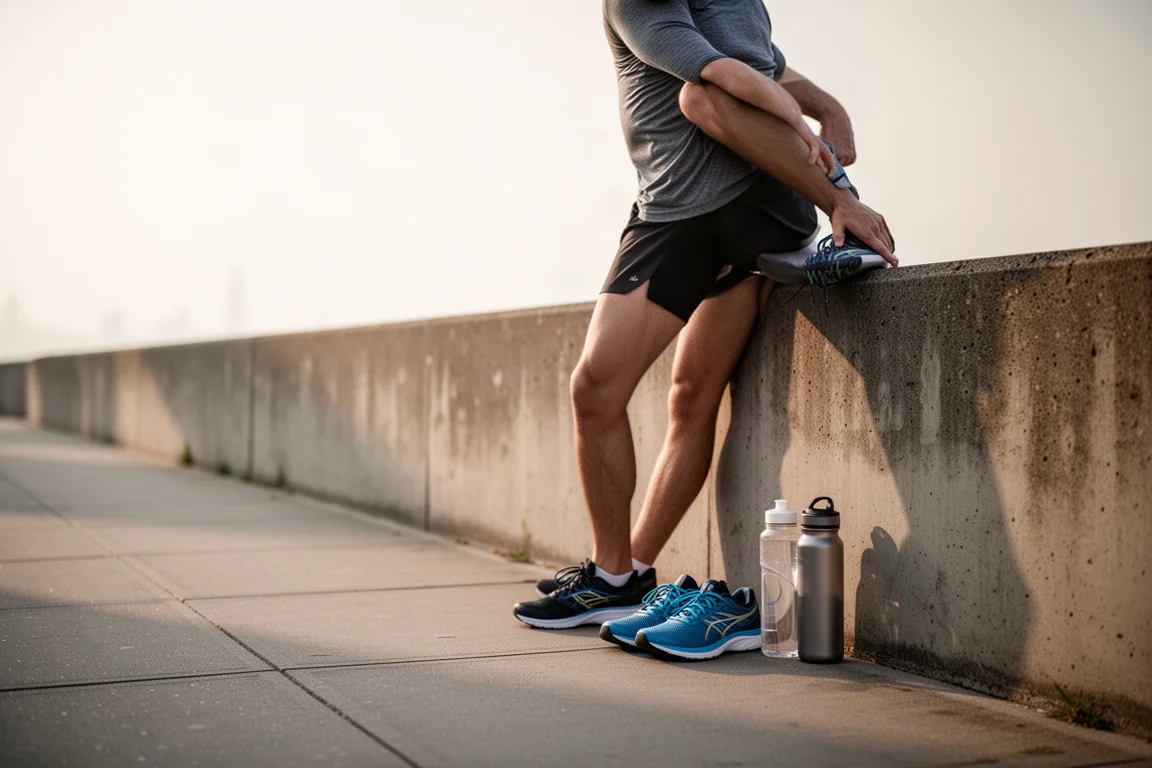
If your easy days skew toward maximum cushion and you do not mind resisting a lively ride, the New Balance Fresh Foam More v3 remains the safest anchor for this part of the rotation.
Daily Trainer Shoes
For the workhorse slot, the Asics Noosa Tri 14 is the top pickup for a fall 2022 road marathon build. It has emerged as the favorite in head-to-head comparisons against strong rivals, and it is a shoe worth buying without hesitation for daily mileage.
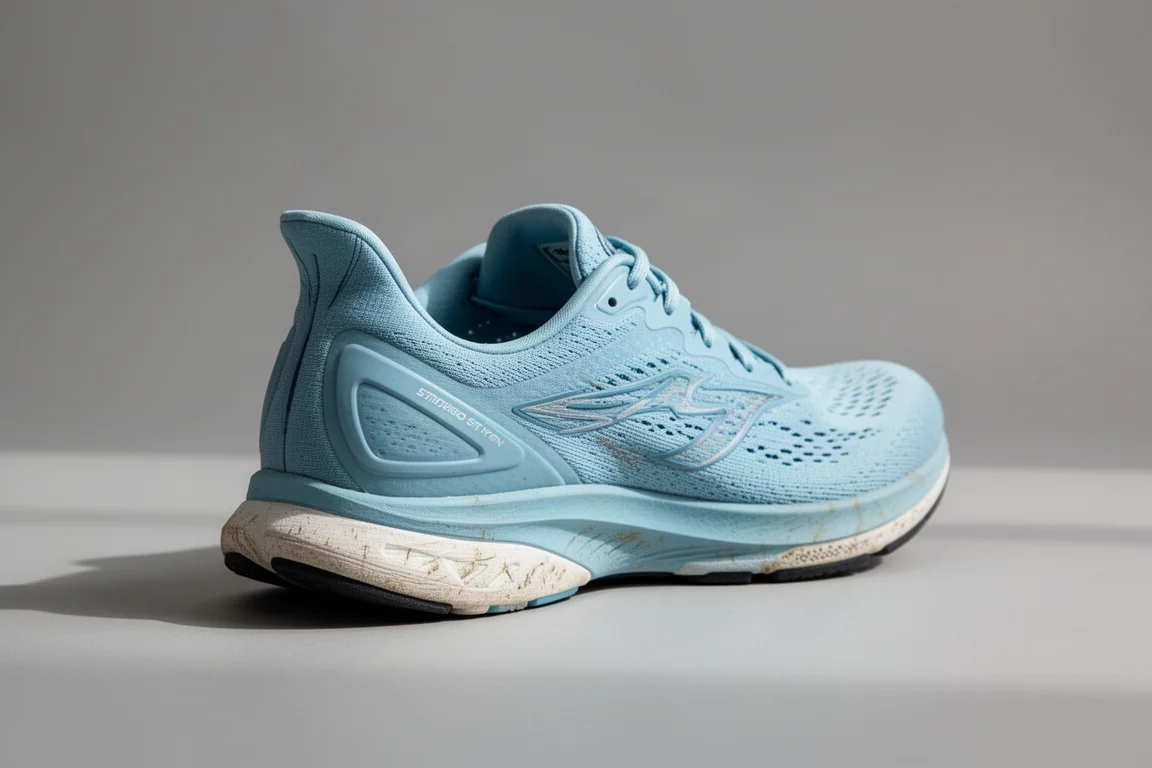
If the Noosa is your first choice, the Hoka Mach 5 sits right behind it as a very credible second option. Both handle daily training duties well, so the decision largely comes down to ride preference.
Tempo and Fartlek Shoes
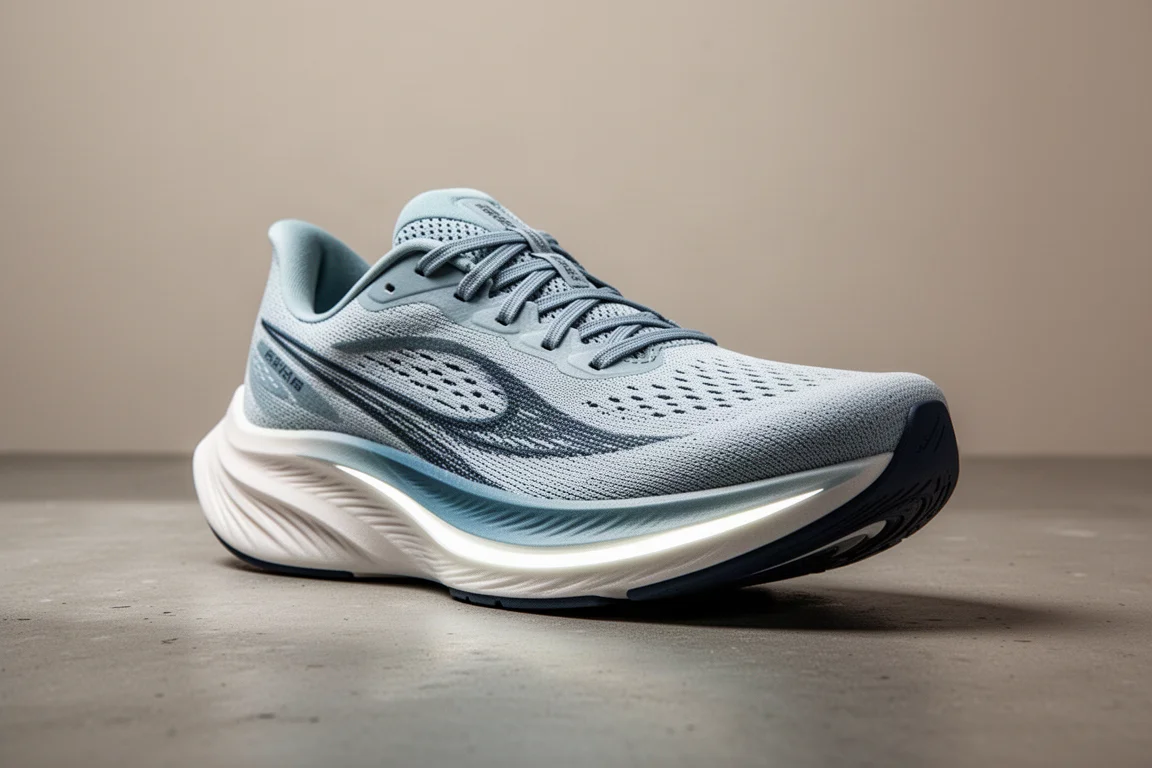
Faster, rhythm-focused days call for something light but still manageable. The Saucony Kinvara 13 tops this category, thanks to a slim midsole and a very light build. The important caveat: because it is minimal underfoot, it suits runners with strong feet and ankles. If you are hesitant about lower-leg strength, look elsewhere in this category.

For longer fartleks or extended tempo runs, the Hoka Mach 5 is worth considering again, as is the Saucony Endorphin 3. The Endorphin 3 brings a generous, boat-like platform that some runners appreciate, though for a pure tempo pick the Kinvara 13 remains the single strongest choice.
A Fun Extra for the Rotation
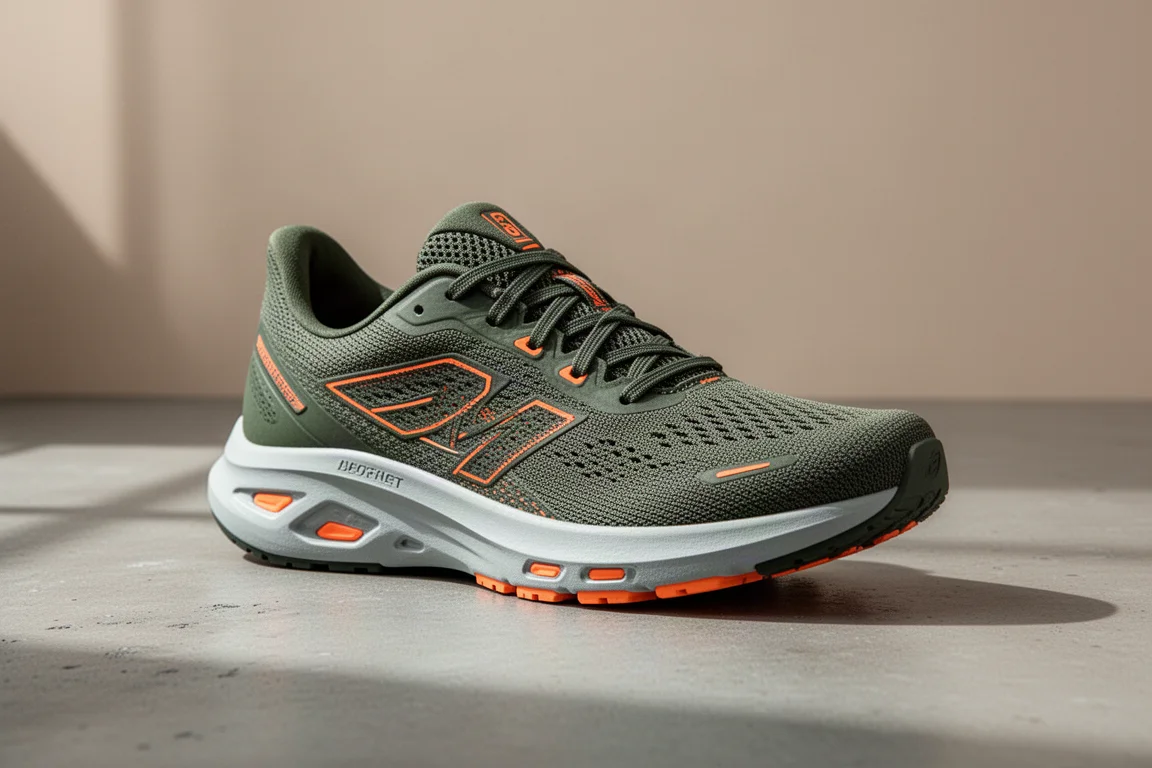
The New Balance SuperComp Pacer sits in an interesting spot. It is a shoe worth liking more than loving, and it slots in as a bonus option rather than a core pick. If your rotation has room for a versatile bonus trainer, it belongs on the shortlist.
Middle Distance and Long Run Shoes
Middle distance runs in the 14 to 17 mile range and long runs in the 19 to 23 mile range are the backbone of marathon preparation. You want to reach that 20 mile mark, or slightly beyond, at least three times across your training block, and the right shoe makes those sessions far more survivable.
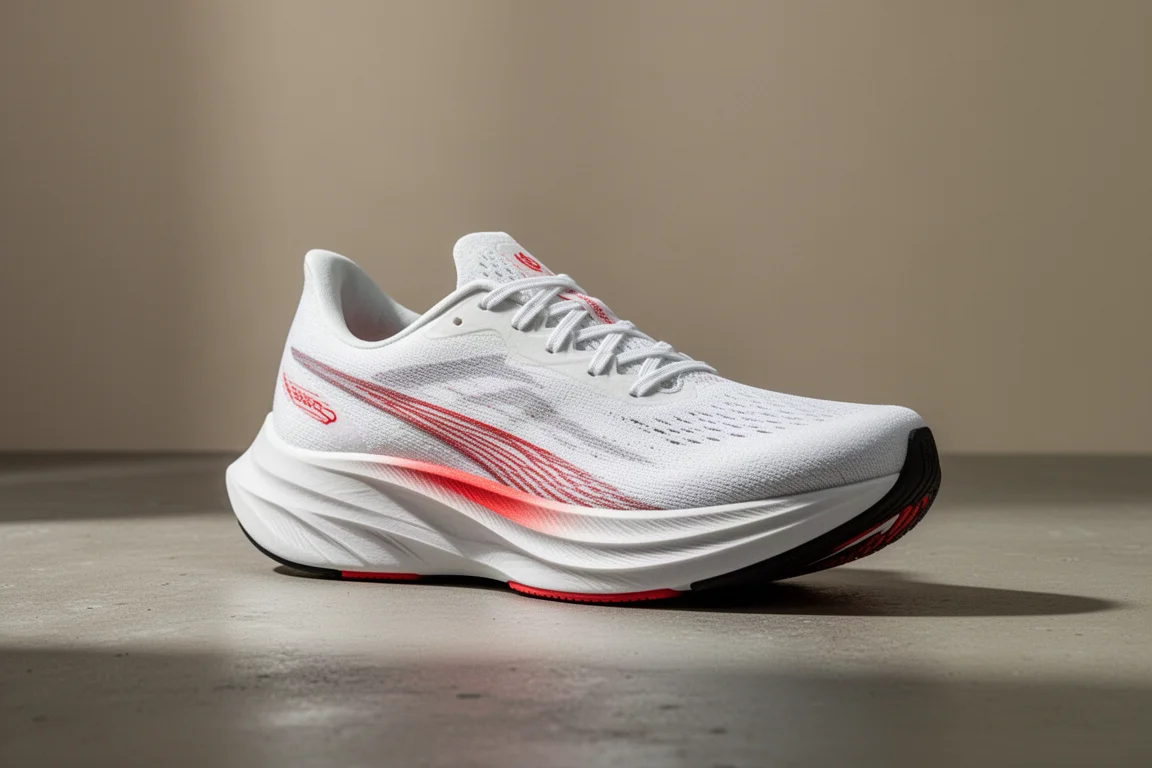
The Asics GlideRide 3 is the number one choice here. The geometry of the midsole helps guide you through the foot strike and reduces ankle flexion, which means your calves and lower legs do not fatigue as quickly. That support is significant enough that this is a shoe you could even race a casual marathon in, though it shines most as a no-plate long run partner.
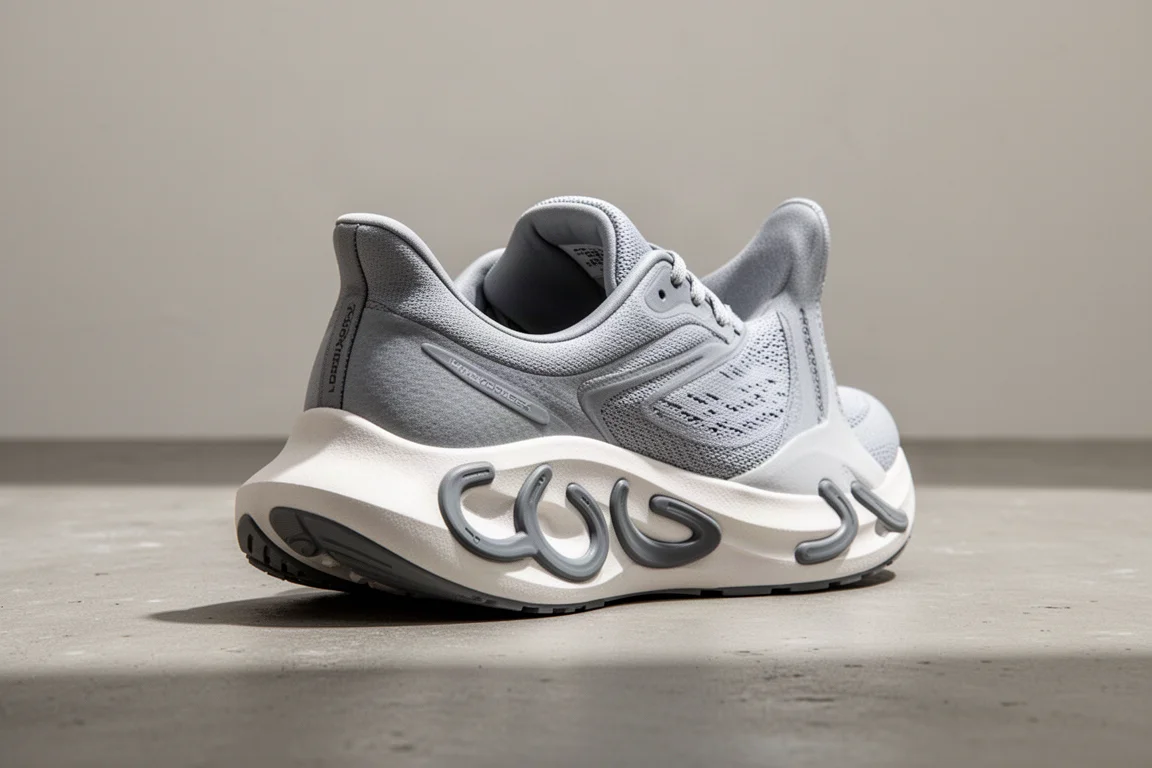
If you are open to a plate, the Saucony Endorphin Speed 3 is the strong second option. It is a genuinely special shoe, and many runners still favor the Endorphin Speed 2 over the third iteration, so both remain worth a look depending on availability.
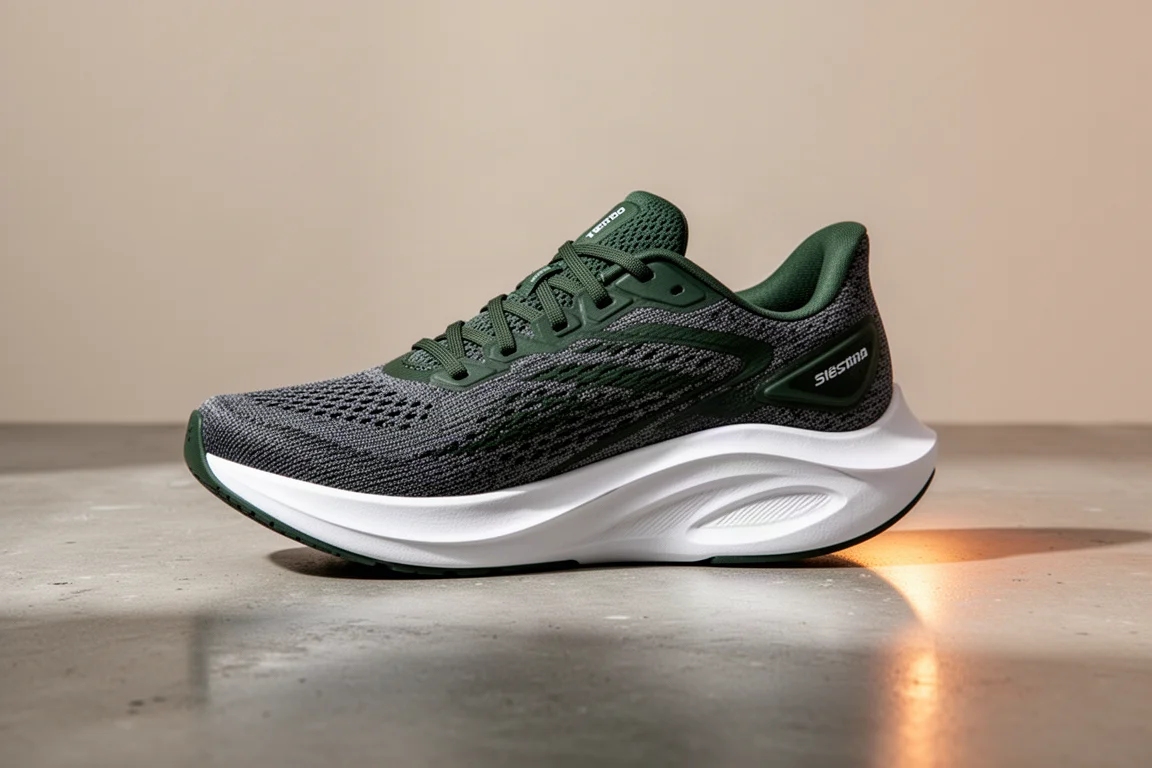
Stability Runner Picks
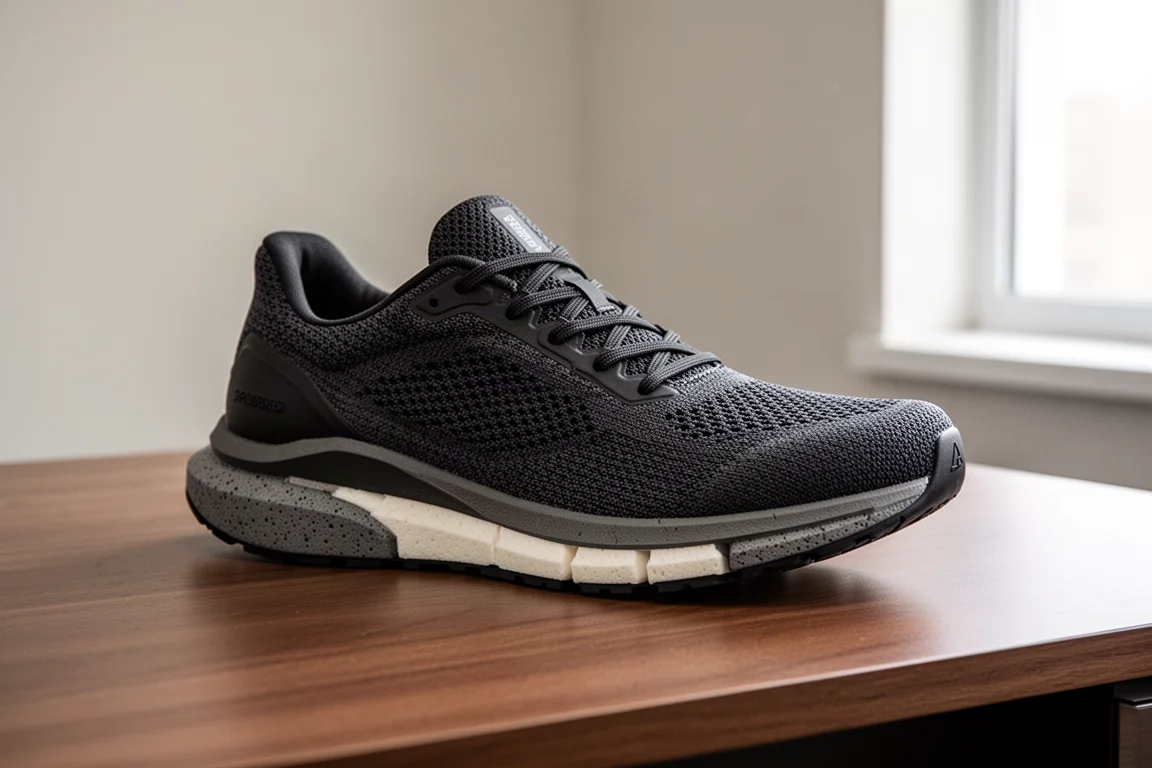
Stability runners are well served this season. The Puma Eternity Nitro stands out for comfort, with guide structures on both the lateral and medial sides to support you through the foot strike. The Skechers Razor Excess 2 is another stable-adjacent option that has impressed in testing and deserves a place in the conversation.
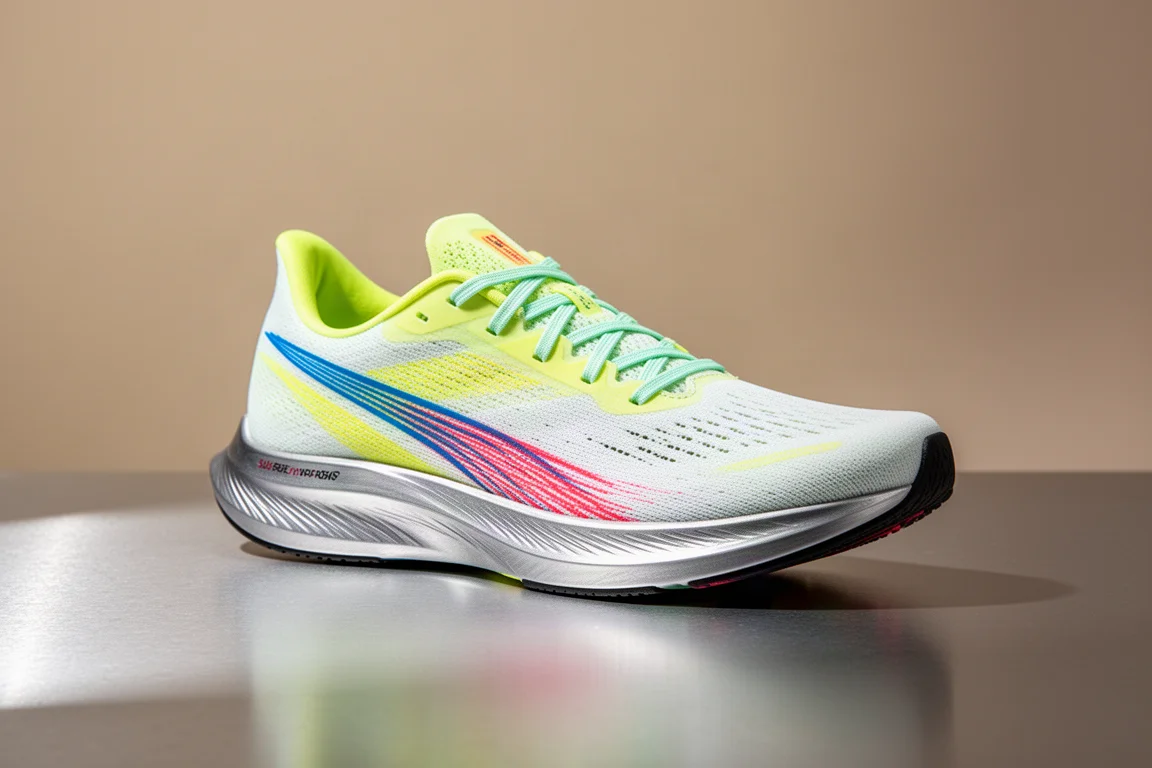
The Saucony Tempus is the more exciting development. With PWRRUN PB midsole foam, it is surprisingly soft and solid for a stability shoe, with a respectable weight. It is versatile enough that stability runners could train in it and race in it, or simply buy two pairs. Expect to see it on starting lines this fall for runners who need a bit of help with pronation or supination.
Threshold Day Shoes
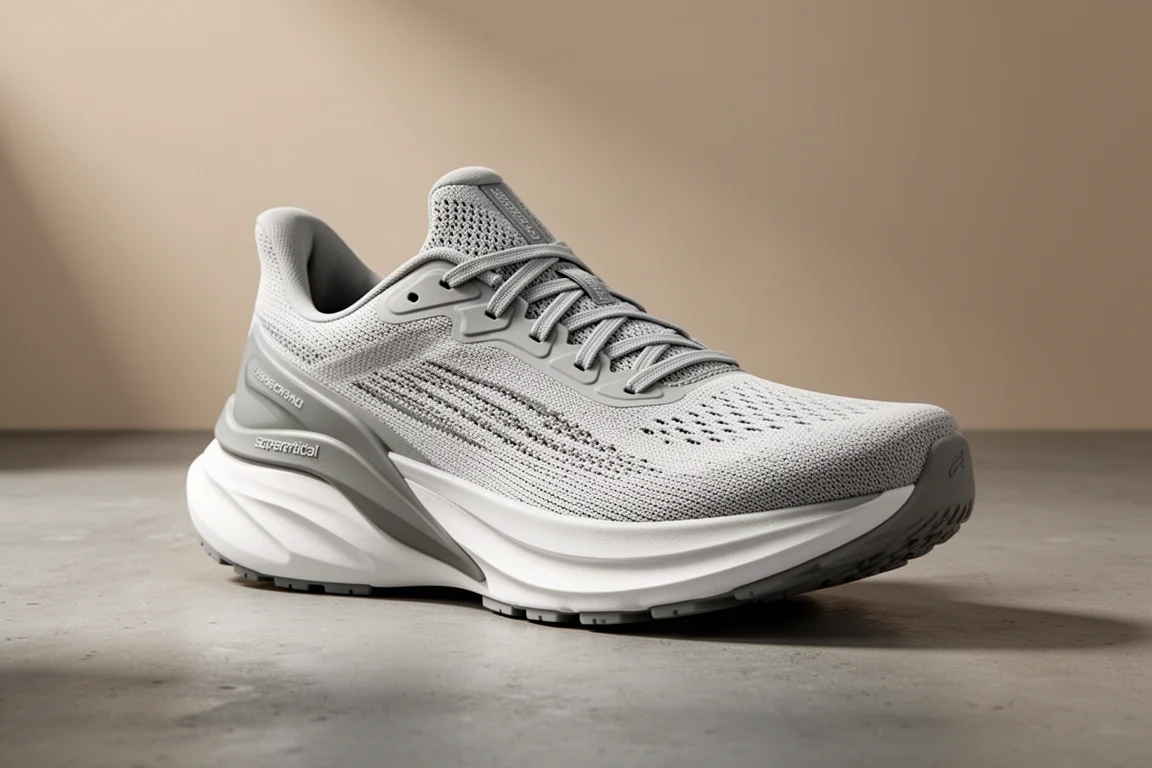
Threshold sessions, where you genuinely pick up the pace, are where the Saucony Endorphin Pro 3 earns its spot. Saucony has assembled an impressive performance lineup, and this is the shoe to reach for on your hardest paced training days. What works for threshold training usually says a lot about what belongs on your feet on race day.
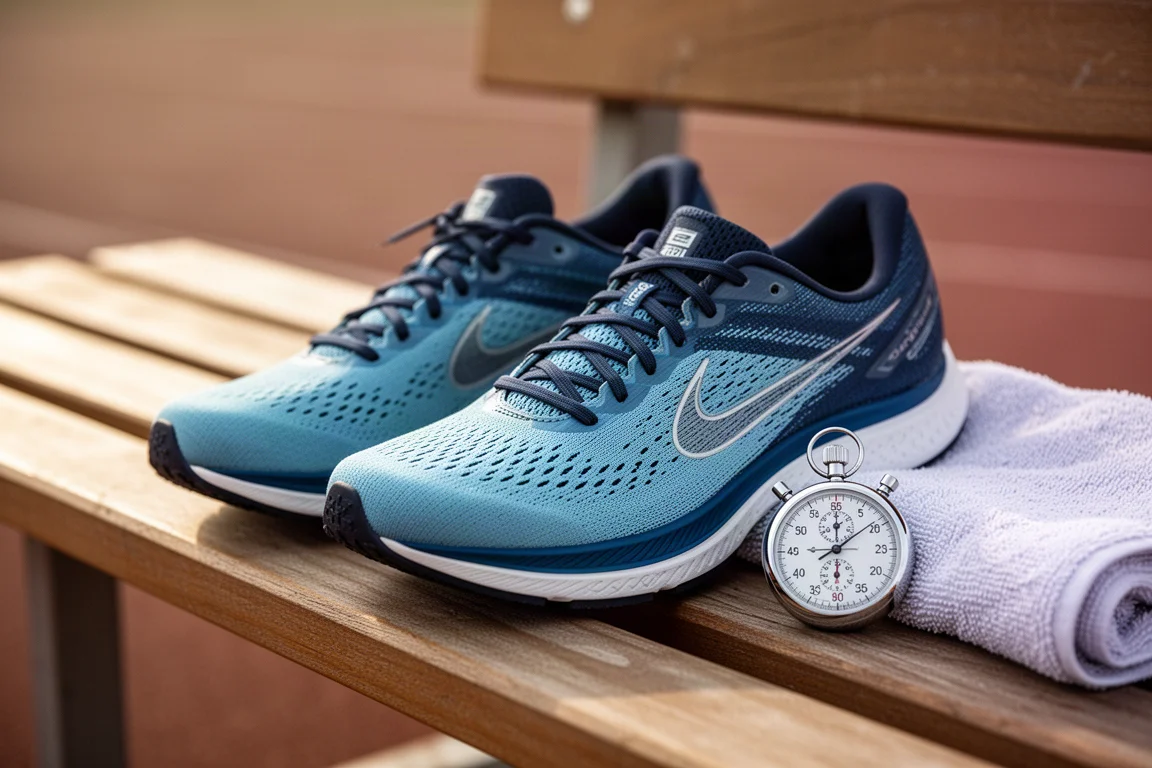
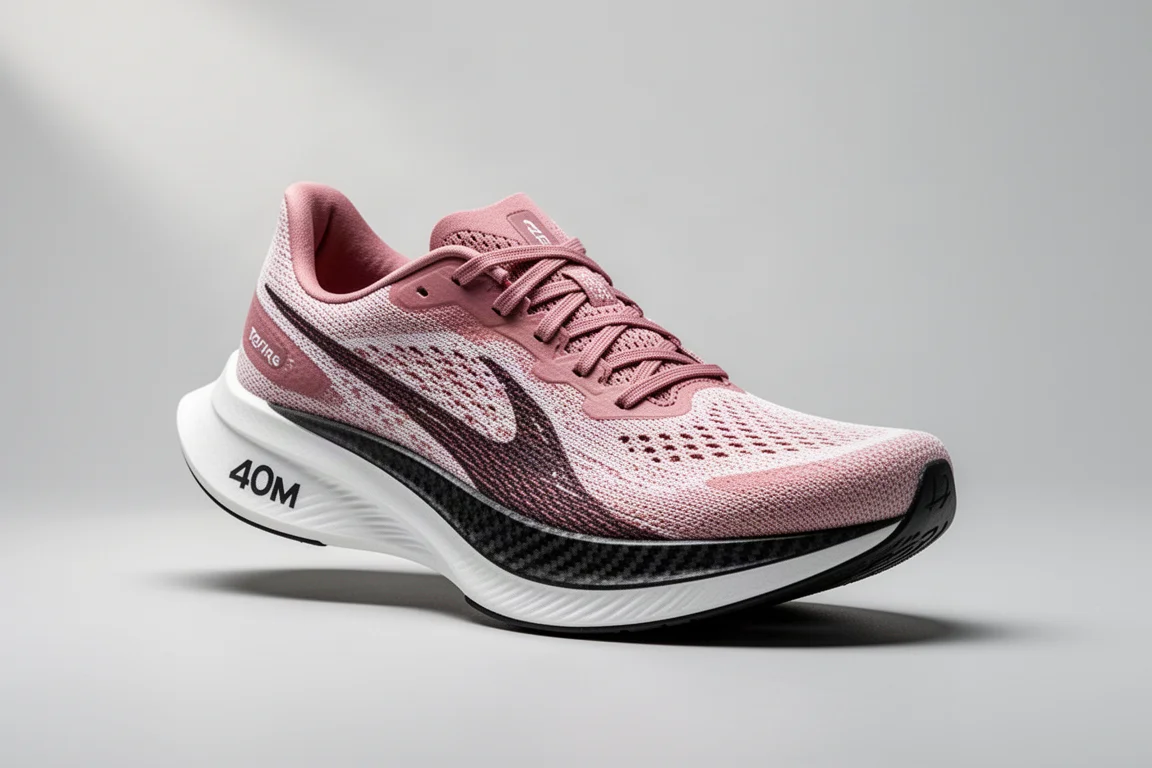
Worth noting alongside it: many runners still rate the Saucony Endorphin Speed 2 ahead of the Speed 3, and the standard Saucony Endorphin 3 fills out the lineup as a cushioned option that can stretch into middle distance and long run duties. Between those, the Speed 2 remains the pick many would choose first.
Buying Advice
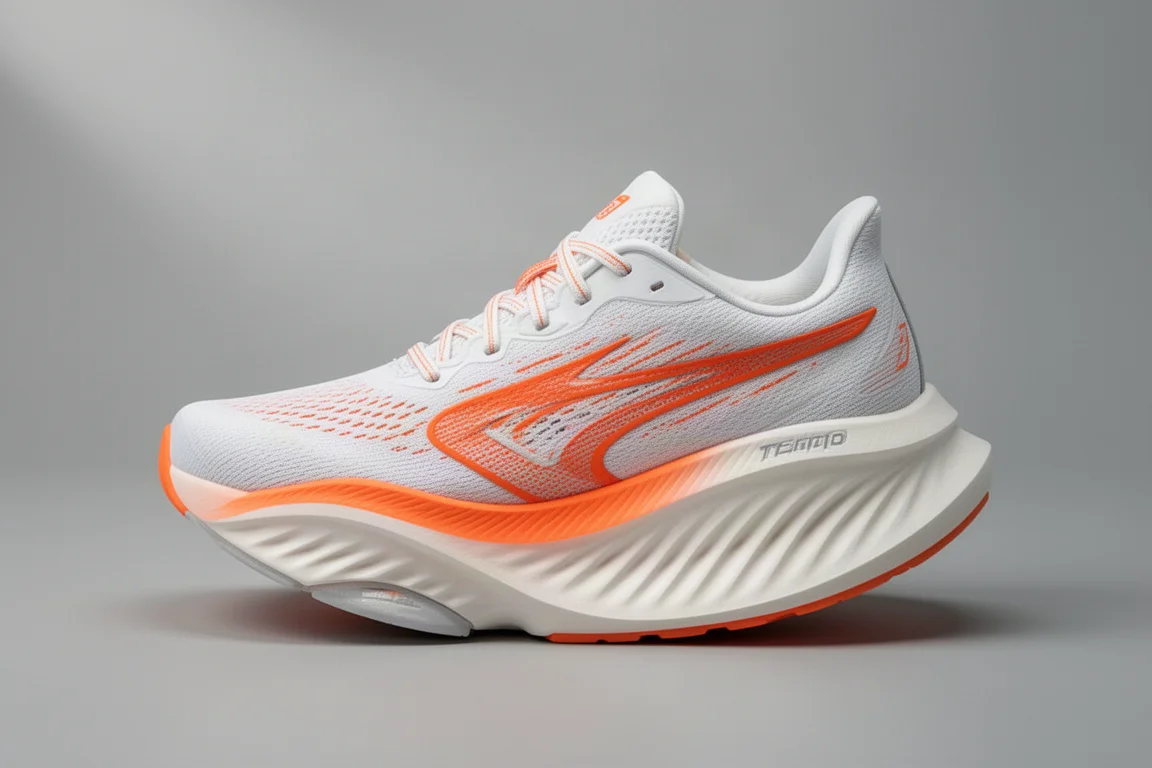
Timing matters. Some of these models are likely to sell out as fall marathon training ramps up, and waiting for the next version of a favorite, such as the Fresh Foam More v4, may land too late in your block. If you are targeting a December race, you have slightly more runway, but stocking up now is the safer play.
A sensible rotation looks like this: a maximum-cushion easy day shoe, a dependable daily trainer, a light tempo option, a supportive long run partner, and a fast threshold shoe. Match each shoe to its session rather than forcing one pair to do everything.
Conclusion
Marathon training rewards runners who respect the purpose of each run, and your footwear should follow the same logic. The Fresh Foam More v3 for recovery, the Noosa Tri 14 for daily miles, the Kinvara 13 for tempo work, the GlideRide 3 for long runs, the Tempus for stability runners, and the Endorphin Pro 3 for threshold days together form a rotation that covers every session between now and the starting line.
Further reading
Related Reviews

Running Shoes
Best Road-to-Trail Running Shoes: Three Versatile Options for Mixed Terrain
A practical guide to three road-to-trail running shoes that handle both pavement and mild trails, with clear strengths and trade-offs for different runner types.

Running Shoes
Best Running Shoes for Achilles Tendonitis: Three Options Explained
Three running shoes with different heel drops and support features designed to help reduce Achilles tendon pain during walking and running.

Running Shoes
Best Running Shoes for Women: Five Top Choices Ranked
A ranked guide to five women's running shoes, from versatile daily trainers to high-performance racing options, with real strengths and trade-offs for each.