Running Shoes
Best Marathon Super Shoes 2026: ASICS Metaspeed Ray and Four Top Alternatives
The lightest marathon shoe ever made headlines the field, but is it the right pick for your race? We compare it with the Sky Tokyo, Adios Pro 4, Fast-R3, and Endorphin Elite 2.
Introduction
The ASICS Metaspeed Ray is the newest and lightest race shoe in the ASICS family, and it arrives with a bold claim: at around 140 grams, it is the lightest marathon shoe to ever hit the market. That weight sits far below the Metaspeed Sky Tokyo at roughly 170 grams and the Puma Fast-R3 at 185 grams, and well under the Nike Vaporfly’s typical 170 to 190 gram range.
Lightweight alone does not make a race shoe, though. This comparison looks at how the Ray performs over long, demanding runs, and where the alternatives from ASICS, Adidas, Puma, and Saucony might fit your racing plans better.
Evaluation Criteria
A marathon race shoe lives or dies on a handful of practical factors: weight, foam responsiveness, energy return and forefoot bite, stability at easy paces and deep into a run, and durability across real training miles. The most innovative shoe is not automatically the best choice for a four-hour marathoner, and the most aggressive shoe is not automatically the best choice for a runner who values comfort.
With that in mind, here is how the field stacks up.
ASICS Metaspeed Ray: The Lightest Marathon Shoe Yet
The Ray is built around a new FF Leap foam, part of a wider industry shift from PEBA-based midsoles toward A-TPU foams. The platform deliberately skips a full-length stiff plate, so the forefoot is noticeably softer and more compliant than a traditional carbon-plate racer. The shoe flexes easily in the front and pushes you onto your toes with an aggressive geometry that leaves very little foam in the heel.
{{image:1}}
That combination defines the shoe’s character. It wants a quick, light cadence and rewards runners who snap off the ground. At slower, relaxed paces it can feel mushy and unstable, but once you lift the turnover and get on the front, it comes alive with a satisfying pop that is genuinely different from anything else on the market.
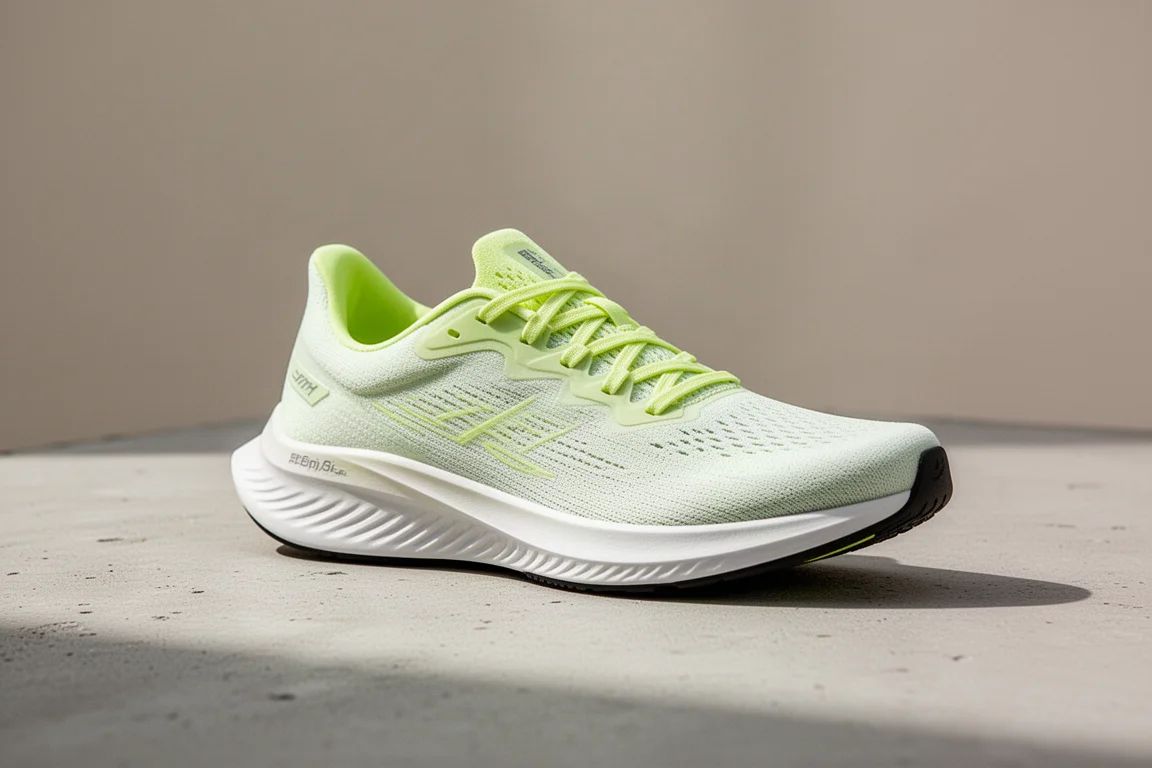
How the Metaspeed Ray Felt Over a 22-Mile Long Run
Taken out for a 22-mile long run with race pace segments mixed in, the Ray showed both sides of its personality. During hard marathon pace miles it was quick, nimble, and protective, with soft cushioning that felt easier on the body deeper into the session than more aggressive racers. The soft foam firms up at faster paces, and shifting gears into strides and fast efforts felt almost effortless.
The trade-offs emerged at the other end of the pace spectrum. At easy jog paces the shoe feels narrow and wobbly, with a visible tendency for the ankle to roll inward, and a soft midfoot bump adds to the odd sensation. Beyond roughly two hours on foot, the narrow heel and soft platform start to feel less secure, which makes it a risky pick for anyone expecting to be out for three and a half hours or more.
Durability is also a genuine concern this early in testing. The outsole shows significant wear after only around 30 miles, particularly for heel strikers, and the soft foam compresses visibly. A-TPU foams are expected to be more durable over time, so longer-term testing may soften that verdict, but for now treat the Ray as an innovation product rather than a guaranteed race-day workhorse.
{{image:2}}
For most runners, the sweet spot is the 5K to half marathon range, or a marathon only if you are an aggressive forefoot striker finishing comfortably under three hours. Fans of the Nike Vaporfly 2 or 3, the original Cielo, or the Adios Pro 4 will likely love it.
ASICS Metaspeed Sky Tokyo: The Firmer, More Stable Sibling
Within the same family, the Metaspeed Sky Tokyo weighs around 170 grams and takes a more traditional approach with a full-length plate and a denser, firmer foam layer above it. That structure delivers a more aggressive bite in the forefoot and noticeably more inherent stability than the Ray, especially at relaxed paces.
View more details for ASICS Metaspeed Sky Tokyo
If the Ray’s softer, plate-free front feels like too much of a gamble, the Sky Tokyo is the safer pick within the same lineup for big workouts and goal races.
Adidas Adios Pro 4: The Tried-and-True Soft Speed Option
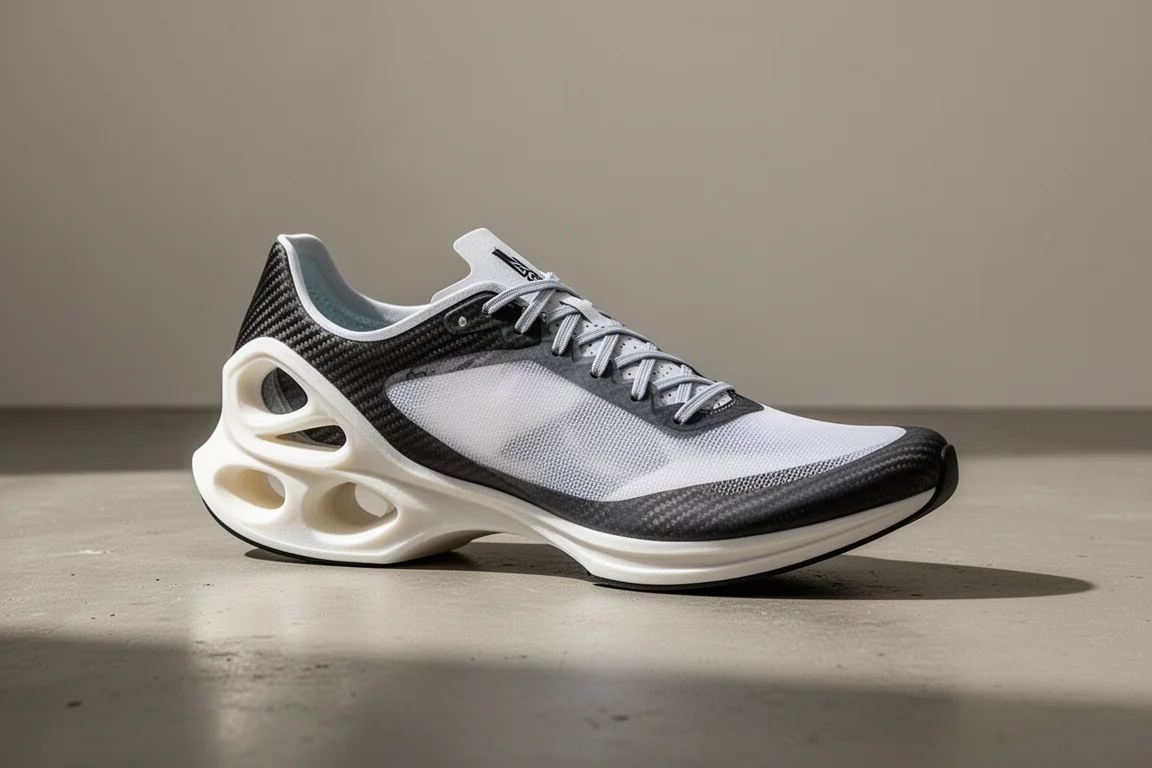
The Adidas Adios Pro 4 is the shoe many testers keep coming back to for a soft, fast, fun racing experience. Its carbon rod construction delivers a beautiful, snappy ride that some compare to the spirit of the Takumi Sen 8, and it has a long track record of real-world performance at higher mileage.
{{image:3}}
It is frequently available at a discount, which makes it an even more compelling alternative to the Ray for anyone who wants proven durability and a slightly more stable platform. The main gripe is the heel cutout design, which remains a divisive detail.
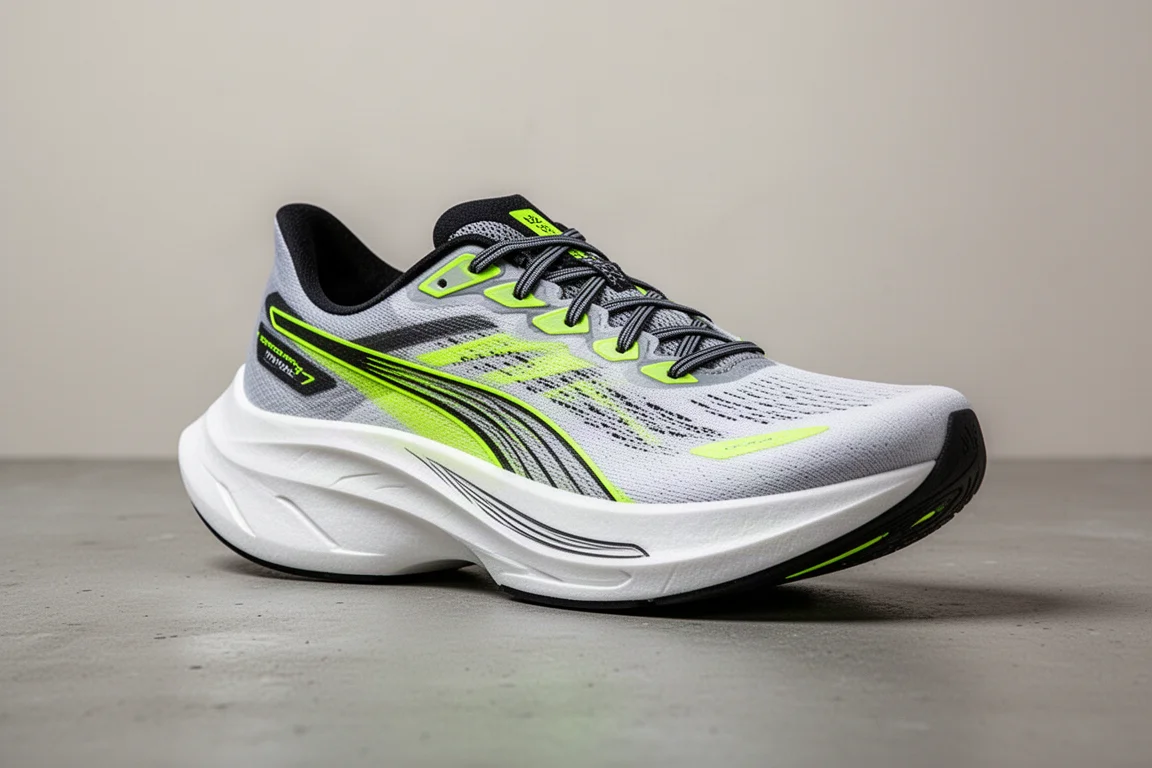
Puma Fast-R3: The Aggressive Power Option
The Puma Fast-R3 sits at the firmer, more aggressive end of the field at around 185 grams. It is the best-in-class example of a shoe that demands real power from the runner: you have to drive hard to unlock the benefit, but the payoff is a forceful, propulsive ride that rewards strong, aggressive runners.
If you dislike the stiff bite of the Fast-R3, the Metaspeed Ray is the more natural alternative; if you thrive on that aggressive feel, the Fast-R3 remains the benchmark.
Saucony Endorphin Elite 2: The More Forgiving Long-Distance Option
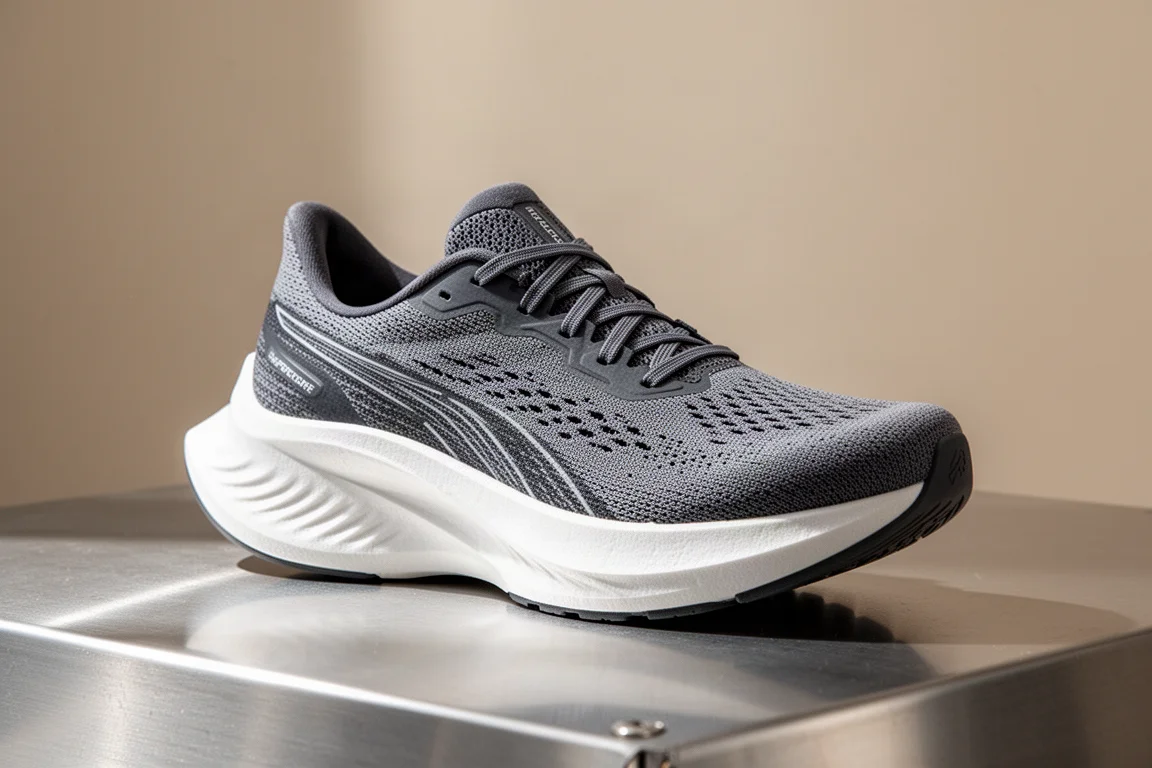
The Saucony Endorphin Elite 2 takes a more approachable path for longer days on your feet. It is very soft and squishy, but it does not become as unstable at the back of the platform over long distances, which makes it a more sensible candidate for runners expecting three and a half hours or more of racing.
{{image:4}}
If you enjoy that max-soft ride, the Endorphin Elite 2 delivers it with fewer stability compromises than the Ray over a full marathon.
Overall Buying Advice
The Metaspeed Ray is a certified standout for speed-focused runners: it is extraordinarily light, genuinely fun, and quick-rebounding, and it slots neatly into a rotation alongside shoes like the Adios Pro 4. But it is not a shoe for everyone. If you plan to be on your feet for more than around two and a half hours, or you have any stability needs, the softer-and-firmer alternatives are the better bet.
For a proven soft speed shoe at a better price point, the Adios Pro 4 is the recommendation. For maximum softness on long race days, look at the Endorphin Elite 2. For pure aggression and power, the Fast-R3 is hard to beat. And if you want the Ray’s feel with more structure, the Sky Tokyo covers that ground.
Conclusion
The ASICS Metaspeed Ray pushes the limits of what a marathon shoe can be, and running 22 miles while ripping off fast pace sections with a smile is proof the platform works as designed. It does exactly what it set out to do, with clear trade-offs around stability and durability that are the price of extreme lightness. Match the shoe to your race distance and running style, and it has the potential to be a top-tier pick.
Further reading
Related Reviews
Running Shoes
Best Road-to-Trail Running Shoes: Three Versatile Options for Mixed Terrain
A practical guide to three road-to-trail running shoes that handle both pavement and mild trails, with clear strengths and trade-offs for different runner types.
Running Shoes
Best Running Shoes for Achilles Tendonitis: Three Options Explained
Three running shoes with different heel drops and support features designed to help reduce Achilles tendon pain during walking and running.
Running Shoes
Best Running Shoes for Women: Five Top Choices Ranked
A ranked guide to five women's running shoes, from versatile daily trainers to high-performance racing options, with real strengths and trade-offs for each.