Running Shoes
Best Marathon Shoes: How to Pick the Right Pair for Your Race Day Pace
A pace-based guide to marathon shoes, from sub-3 racing pairs to max-cushion trainers for long days on your feet.
Introduction
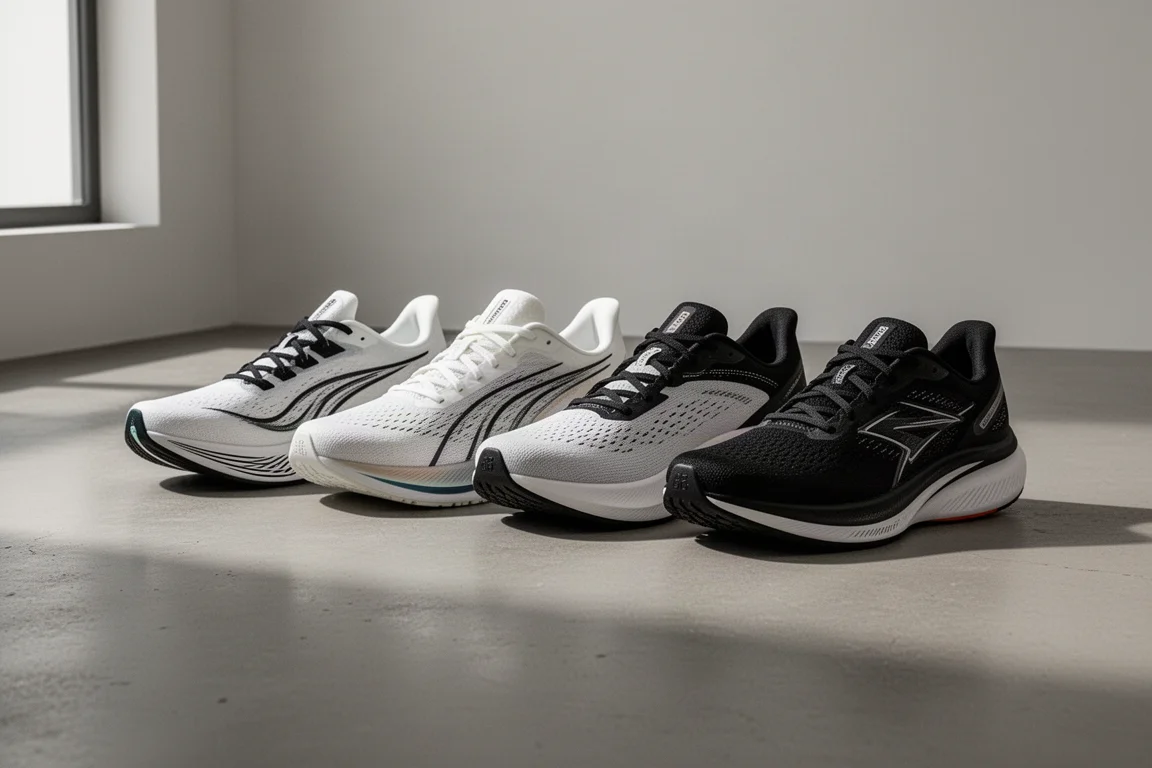
Fall marathon season has a way of forcing the decision: what do you actually put on your feet for 26.2 miles? Unlike a 5K, where a poor shoe choice costs you twenty uncomfortable minutes, the marathon punishes the wrong shoe for hours. And the finish time only counts if you actually finish.
This guide breaks marathon shoe selection down by the experience you want and the time you are realistically chasing, rather than assuming everyone should simply grab the newest carbon-plated racer.
How to Choose a Marathon Shoe
The single most repeated piece of advice here is predictability. A marathon shoe should be tried, true and trusted. You want a platform you can settle into a rhythm with for over two hours, not something you hope hangs on.
That means testing before race day. The minimum bar for any marathon shoe is at least one long run in it, ideally combined with a workout, so you know what it does at the speeds and distances you will actually hold. Faster runners can justify a fresh pair of a shoe they already know well, but putting on something you have never worn is a risk, and the risk-reward math gets worse the longer you will be on your feet.
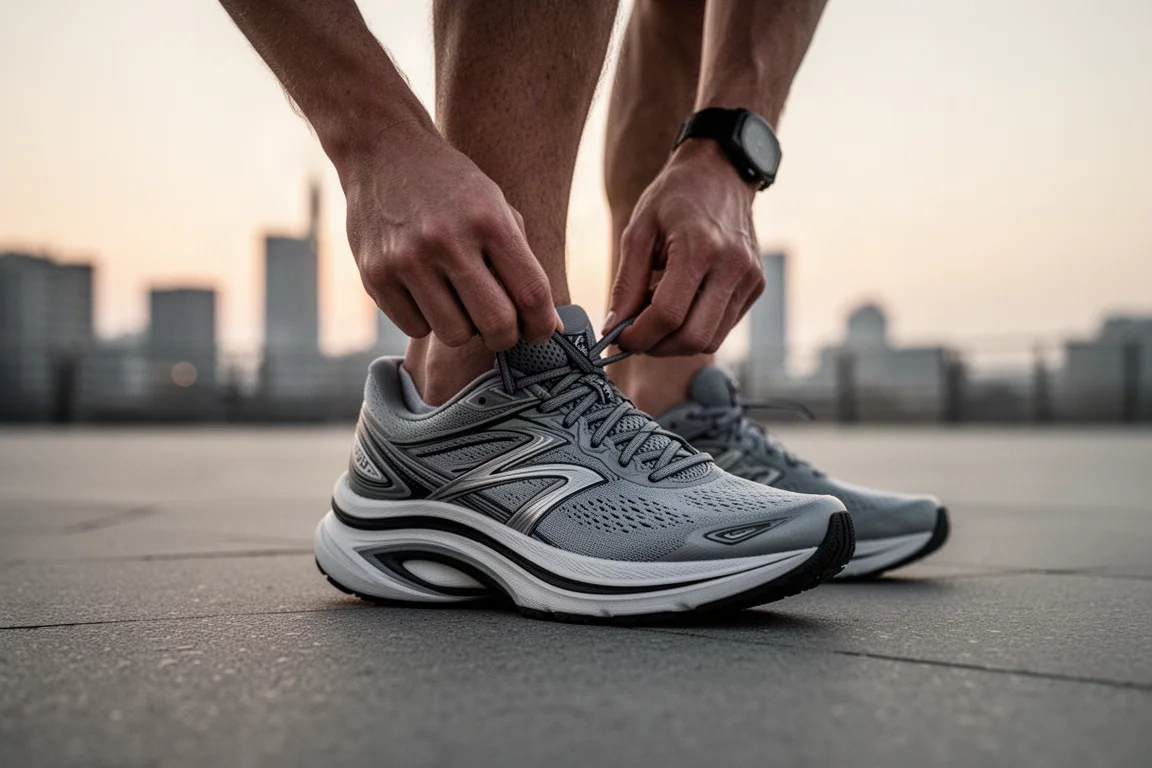
It is also worth remembering that many super shoes are designed around fast paces and fast athletes. Using that tool far outside its intended range, for example running a five-hour marathon in a featherweight racer, can work for some people but often means discomfort, friction and skin problems late in the race. As your projected finish time climbs, comfort, room in the upper and trust generally outweigh outright speed.
Racing for a PR: The Sub-3 and Faster Crowd
If you are running hard into the sub-3 range and below, you are looking for efficiency: a lightweight, responsive, typically carbon-plated platform that responds to real force being put into the ground. The catch is stability, because the most aggressive racers are not always the most composed platforms when fatigue sets in.
Saucony Endorphin Elite 1
For one experienced racer, this remains the most trusted super shoe for a full marathon. It ran stable even at paces well below its intended sweet spot, and a 90-minute workout near marathon pace sealed the decision. It is no longer a current model, which makes finding a pair its own mini-project, but for the right runner it is a proven, trustworthy race-day platform.
Asics Meta Speed Edge Tokyo
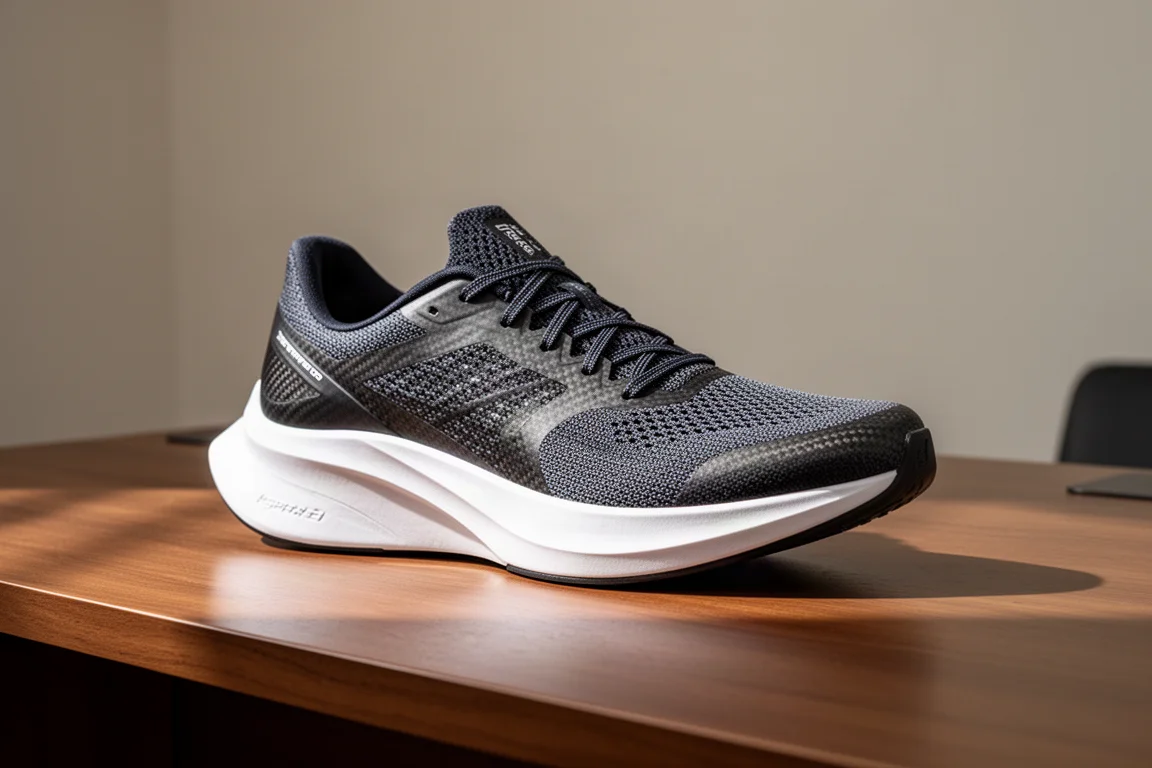
A newer racer that earns its place by lining up with the runner’s mechanics over long, hard efforts. It has not yet been proven over a full marathon build for this tester, but it is seen as one of the most marathon-appropriate current super shoes, with the usual caveat: battle-test it at long-run pace before committing.
Saucony Endorphin Pro 4
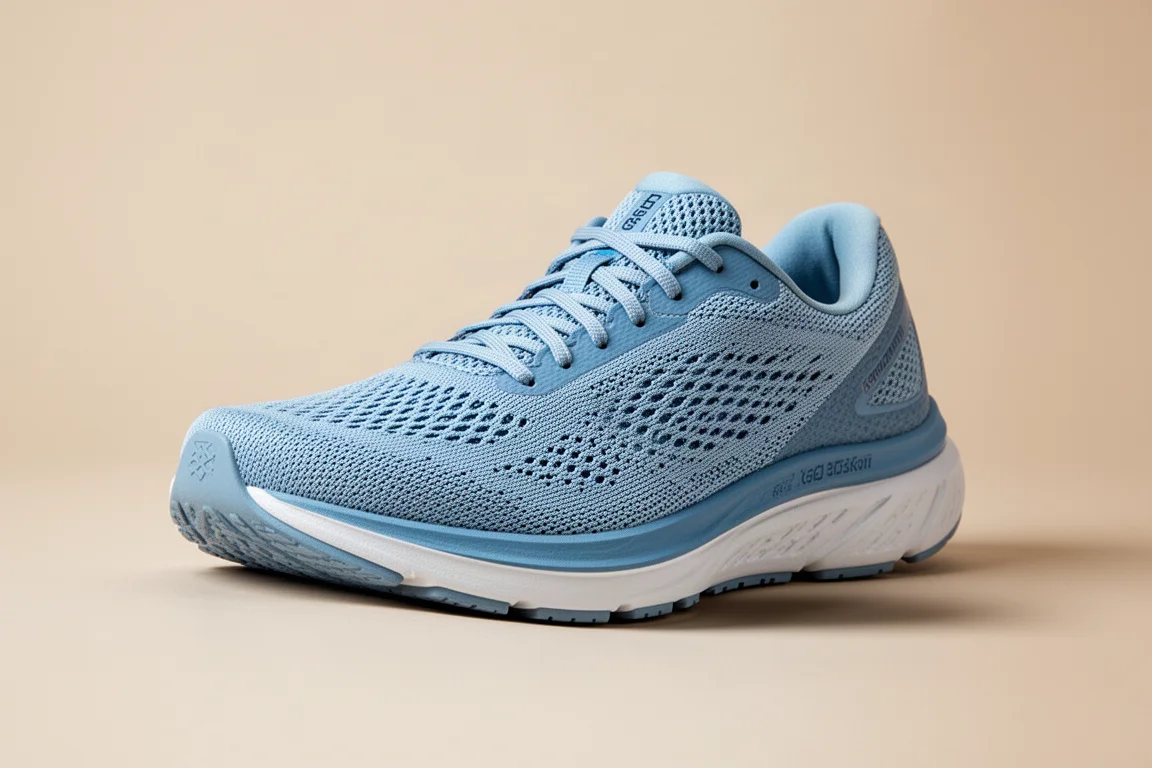
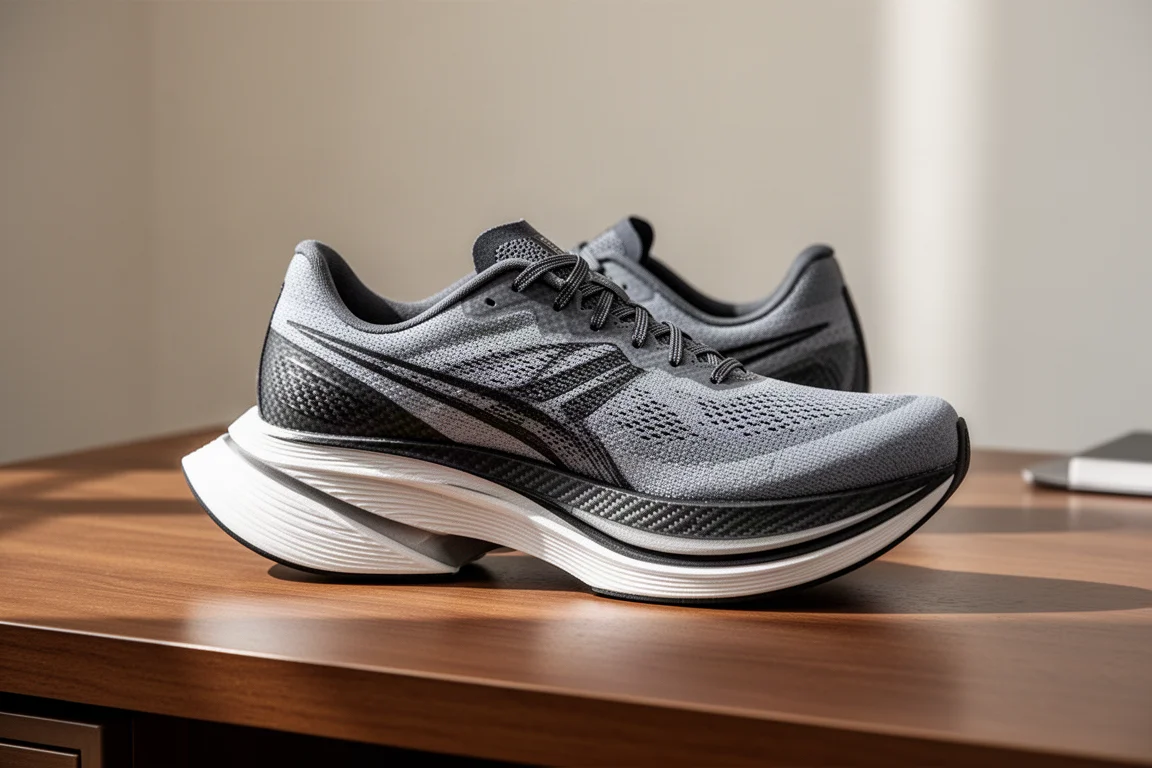
A standout for runners who want a stable neutral racer. The sidewall design, roomier volume and durable build make it a shoe you can trust for long tempos and half marathons without the platform wobbling late. It is not the most aggressive shoe available, and that is exactly the point for marathon-distance racing.
New Balance SC Elite v5
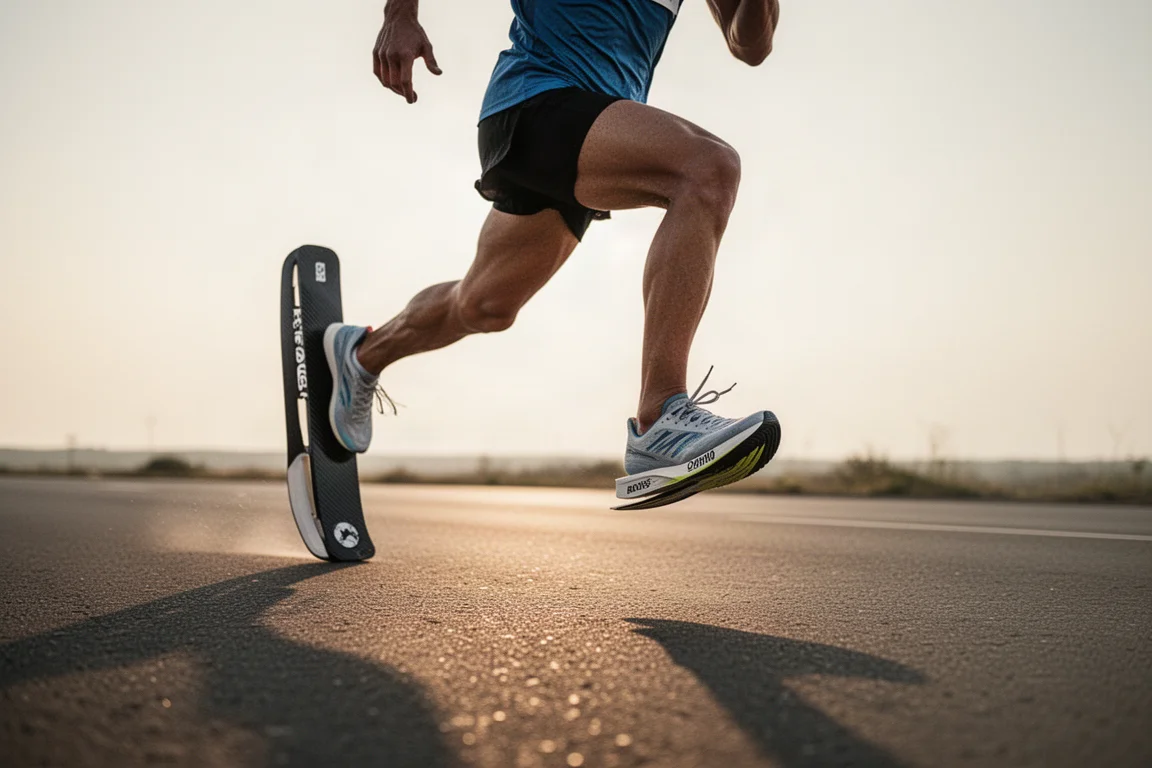
Another surprise pick, this one built on trust rather than raw speed. Once the plate breaks in, the wider forefoot and medial flare stabilize the ride enough to hold up over 14 and 15 mile efforts, and the comfortable upper with extra forefoot room accommodates foot swelling. Not the fastest shoe on paper, but a reliable marathon companion.
Mizuno Wave Rebellion Pro 3
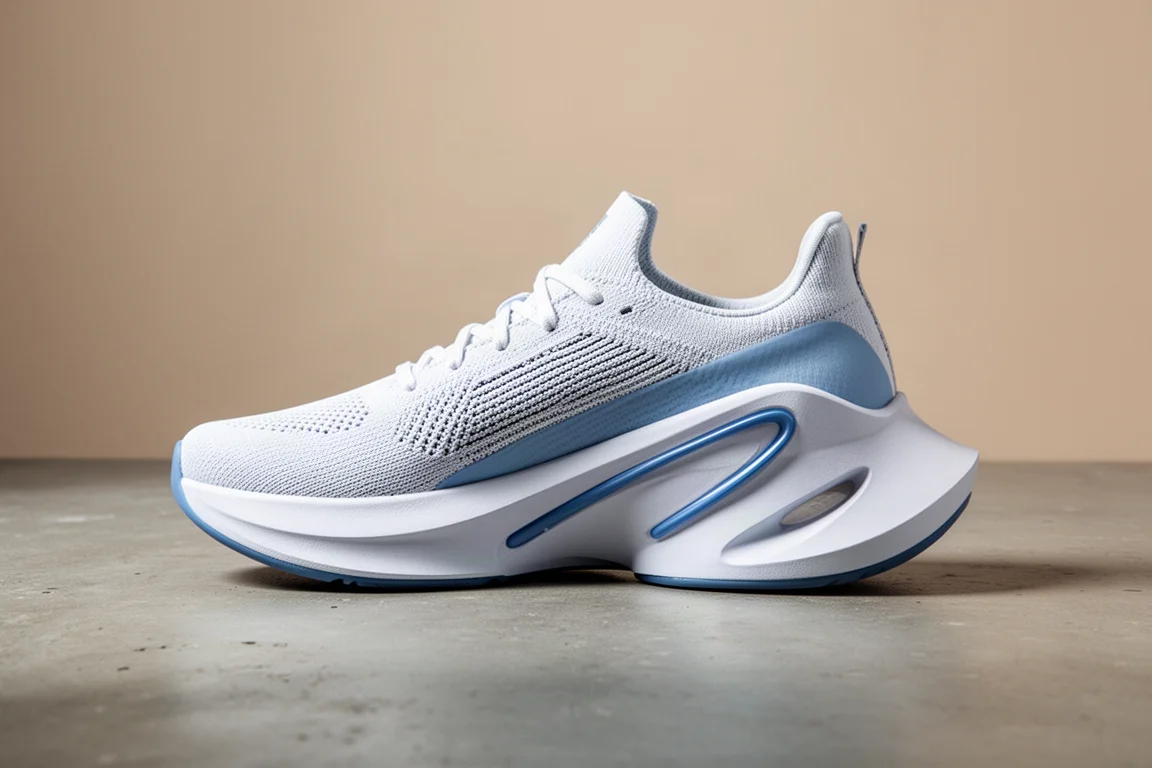
A genuine sleeper for marathon duty. Despite the low-drop listing it feels considerably higher drop in practice, and it has proven more stable than expected while keeping legs feeling fresher deep into long efforts. If you want consistency and the ability to hang on over 26.2 miles, this one has quietly earned consideration.
Key Takeaway: Trust Beats Novelty
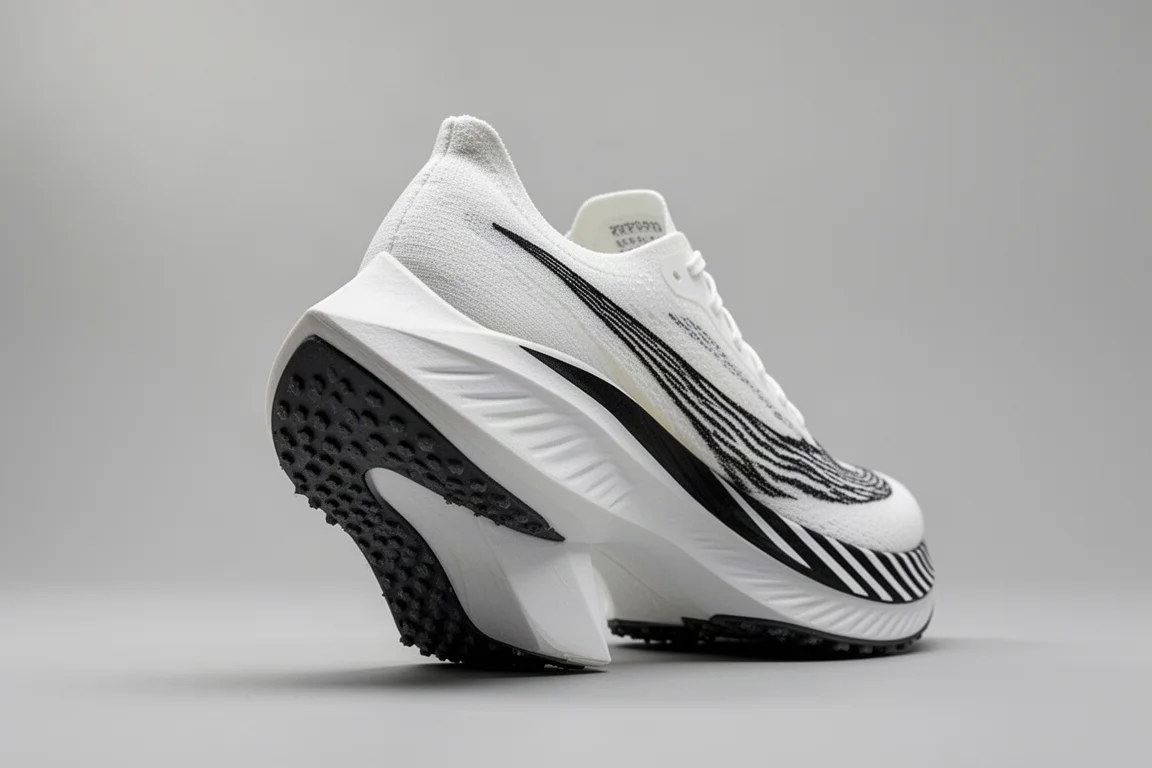
Across every category, the same theme repeats: the latest release is not automatically the right marathon shoe. The shoes that show up on real race-day shortlists are the ones with long runs, workouts and half marathons already in them. If a shoe lines up with your mechanics when you are fresh, verify that it still does when you are tired. That is what separates an educated choice from a gamble.
Balanced Trainers for the 3 to 4 Hour Runner
For roughly the 3 to 3:30 to 4 hour range, many runners are racing at or near training paces. The smart play shifts to lightweight trainers and forgiving hybrids: shoes that can turn over quickly but stay composed when form gets ragged late.
Asics Mega Blast
A top pick for this range, and for good reason. It is not plated, it is a touch stiff but not overly so, and it transitions better than its predecessor while staying soft enough for long efforts. It handles everything from sub-6-minute pace to easy 8 or 9 minute miles, and it stays comfortable approaching the two-hour mark. If you want something slightly firmer and more stable, its sibling in the same family is a strong alternative.
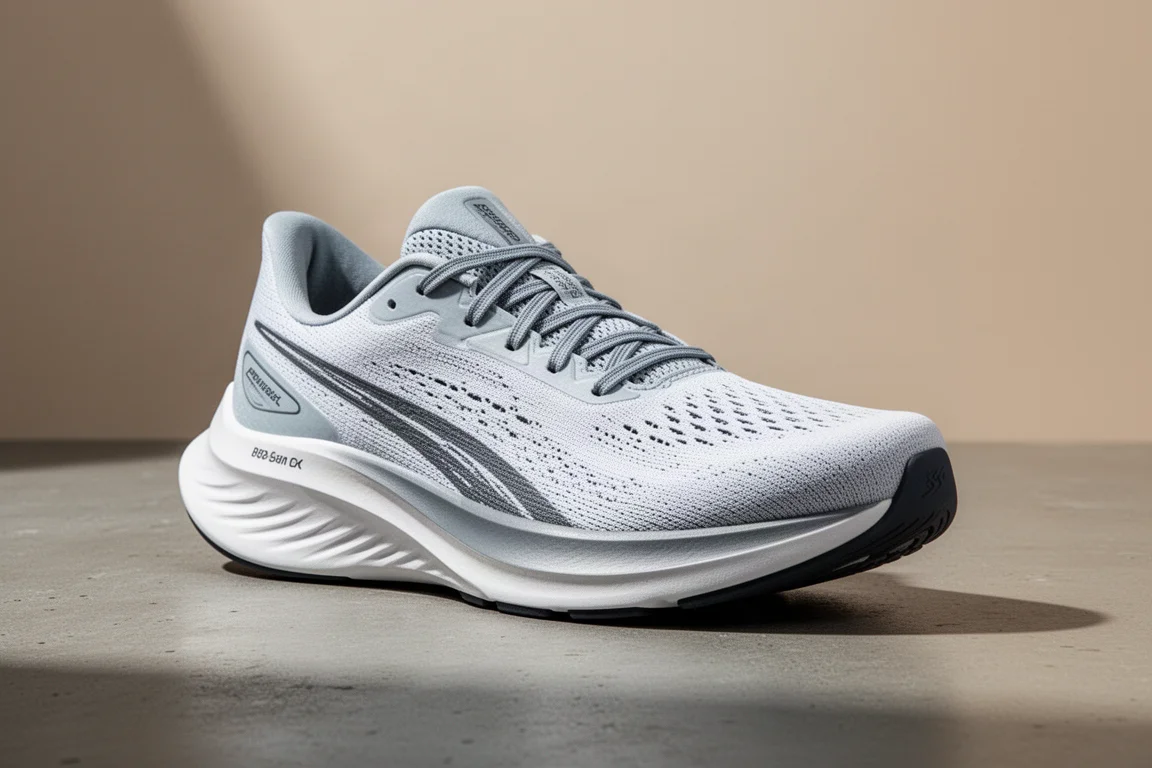
Nike Zoom Fly
A wildcard that makes a lot of sense for this group. It offers a structured, plated option with ZoomX underfoot that can go reasonably quick while still fitting and riding like a trainer. When mechanics break down late in a race, that structure keeps you okay in a way many softer super shoes do not.
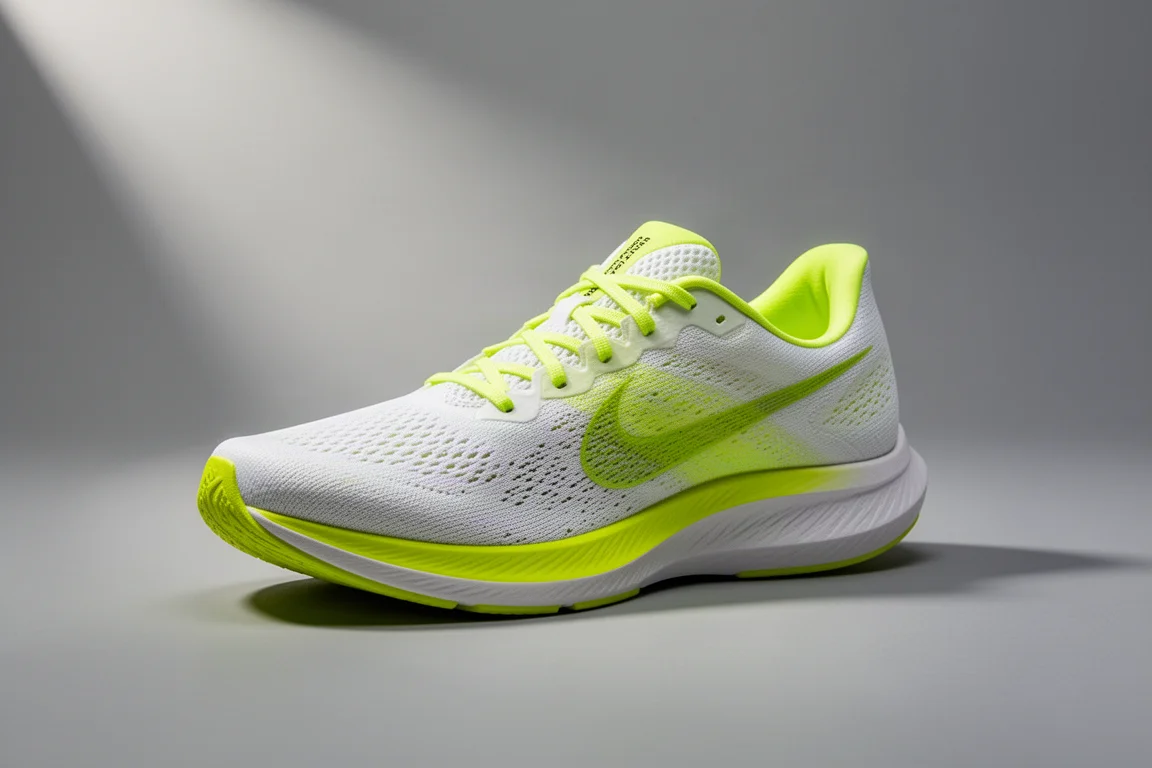
Saucony Endorphin Trainer
A controversial-on-paper pick that works beautifully in practice. The balance of foam here is far more composed than in its softer sibling, staying responsive from 200-meter reps all the way to 15 and 16 mile stroller-pushing long runs. The airy mesh fits well, though runners with a sensitive fifth toe should watch for minor abrasion on the lateral side.
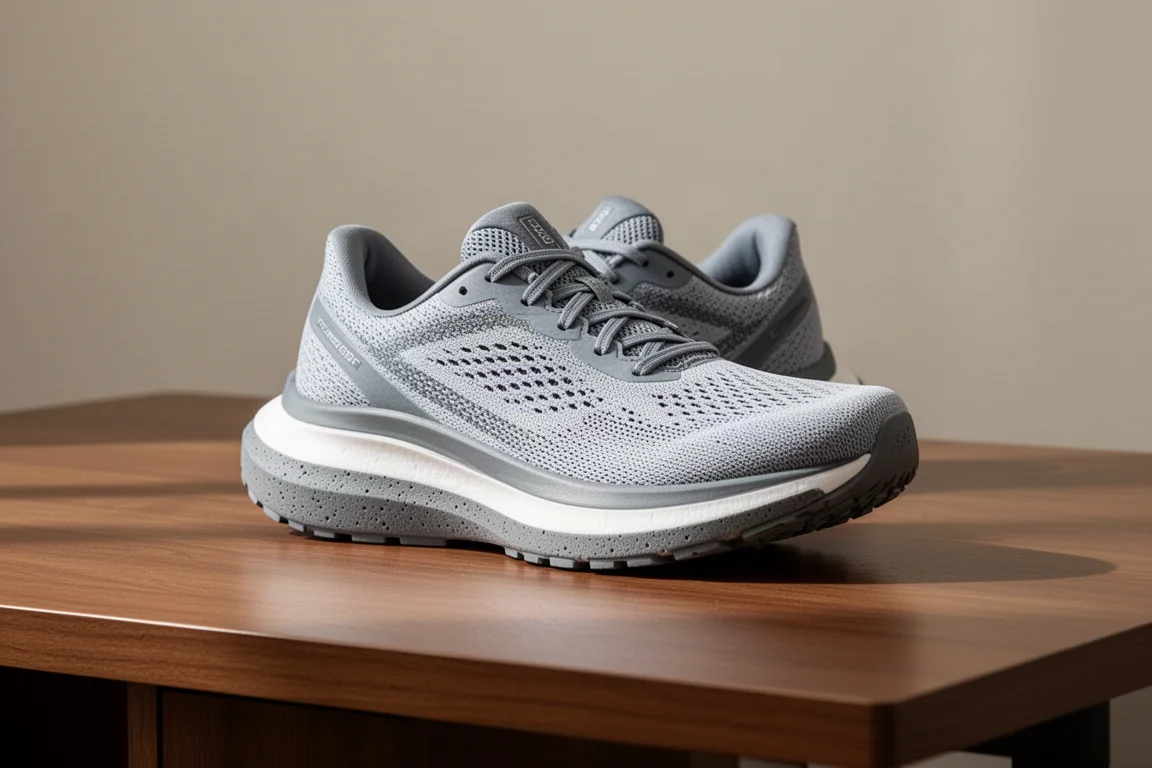
Saucony Endorphin Speed 5
The latest version changes the calculus from its firmer, more aggressive predecessor. It rides softer with a helpful lateral bias, holds up at long consistent efforts and still carries enough bounce for uptempo work. If you want a little less shoe than the options above without giving up tempo capability, this is a well-balanced choice.
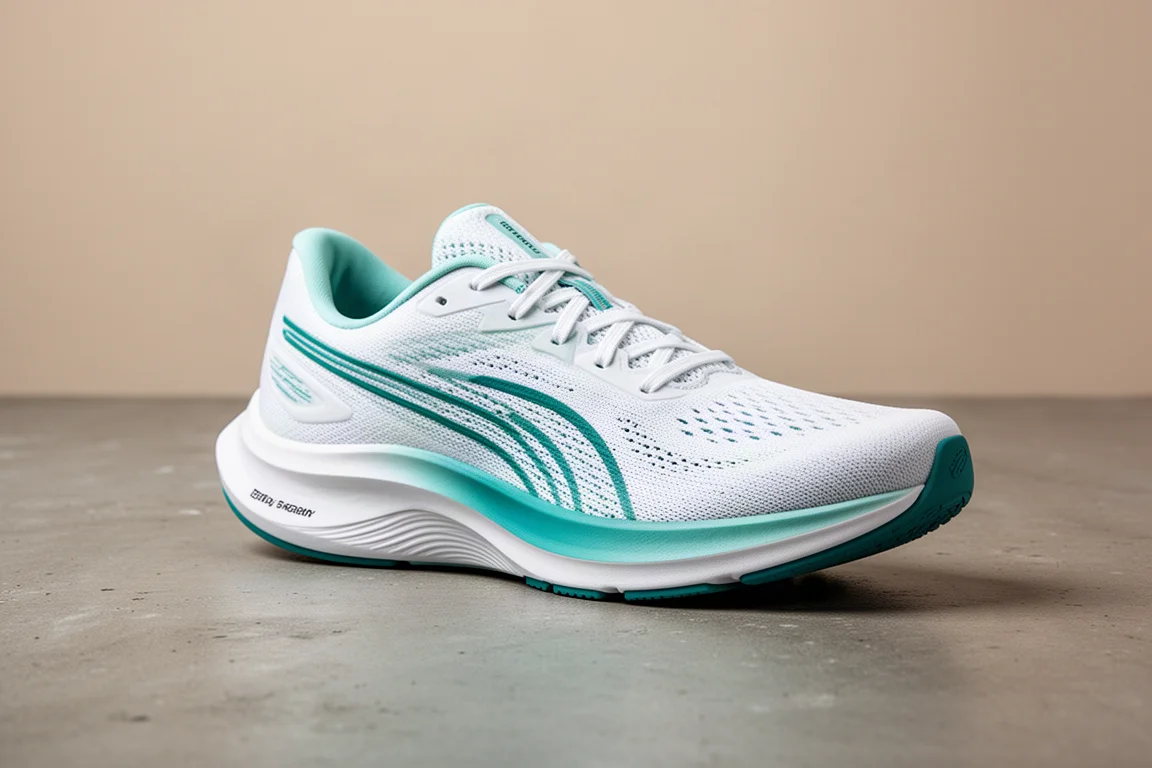
Comfort First: Four Hours and Beyond
If you are looking at 4, 5 or 6 hour efforts, the calculus changes completely. This is a time-on-feet problem. You want cushioning, a comfortable upper with extra volume for swelling feet, and above all a shoe you already know you can wear all day.
Asics Gel-Kayano
For runners with stability considerations, this is the standout, and it doubles as a genuinely great walking shoe with long all-day comfort. The upper is excellent, the sole is cushioned without being mushy, and it transitions smoothly from recovery runs to long runs. If you do not need stability, other options below may fit better.
On Cloudboom Max
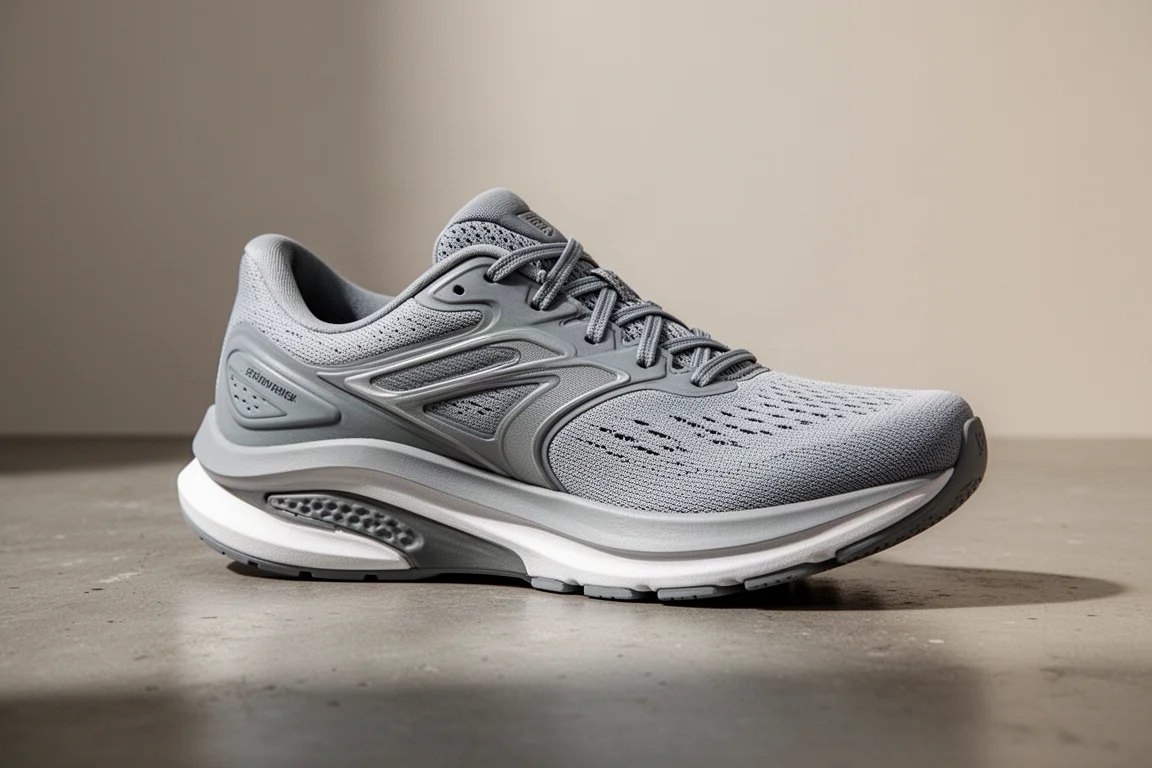
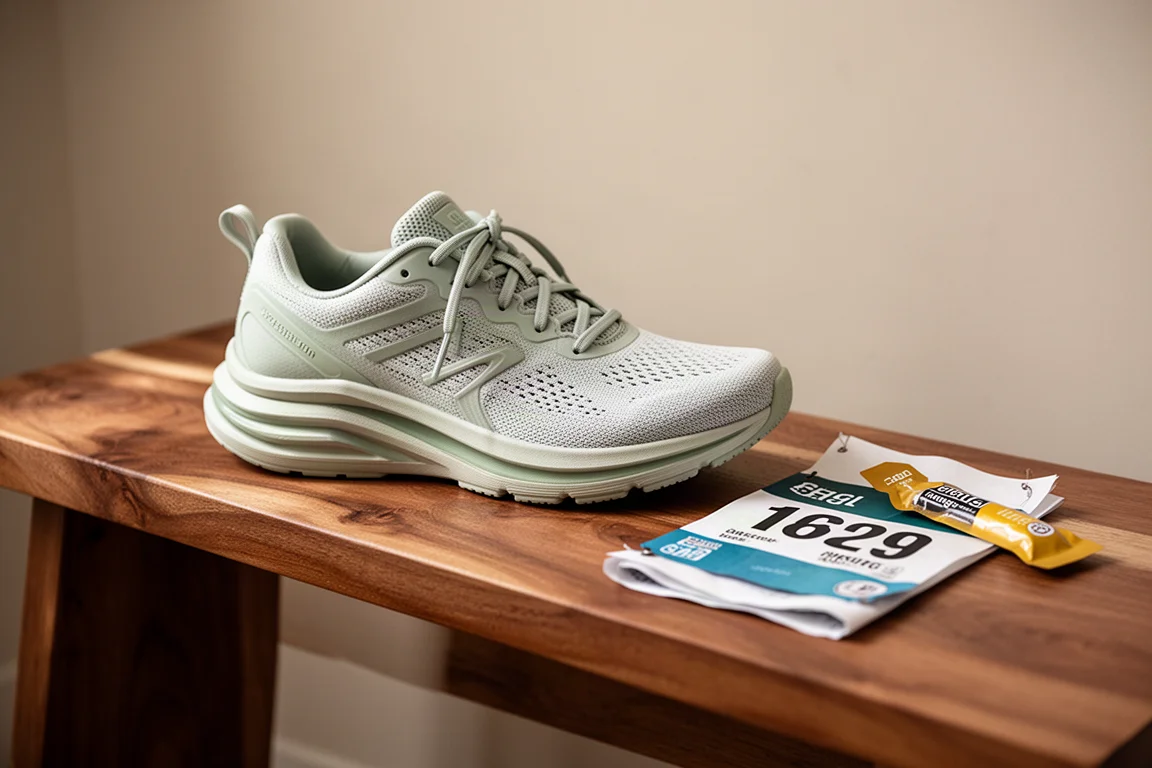
A polarizing shoe that most people either love or bounce off. Marketed as a super shoe for everyone, it rides more like a premium trainer tuned for slow miles: plush, structured and rhythmic when shuffling, with one of the best roomy uppers of the year for wider feet. It is not great at picking up the pace, and at a premium price it asks a lot of the midsole, but for pure easy-mile comfort with generous volume it is hard to beat.
Nike Vomero Plus
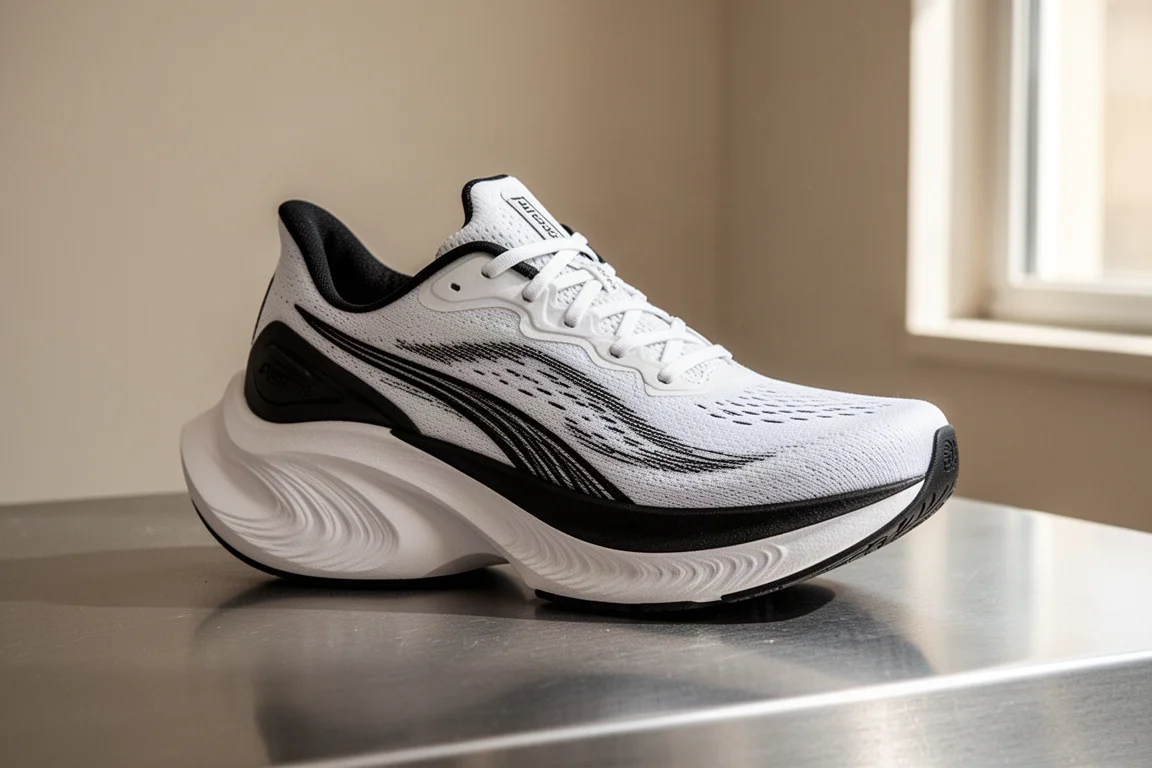
The more versatile sibling in this comfort tier. With a tall ZoomX stack, a compliant and genuinely soft ride, a wide base and a rocker geometry, it handles easy miles beautifully and is noticeably better than the Cloudboom Max at going even moderately fast. Durability is excellent, with outsoles surviving well past 100 miles, and the price undercuts most of this group. The toe box runs more tapered, so it suits normal-width feet more than wide-foot runners.
Brooks Glycerin Max
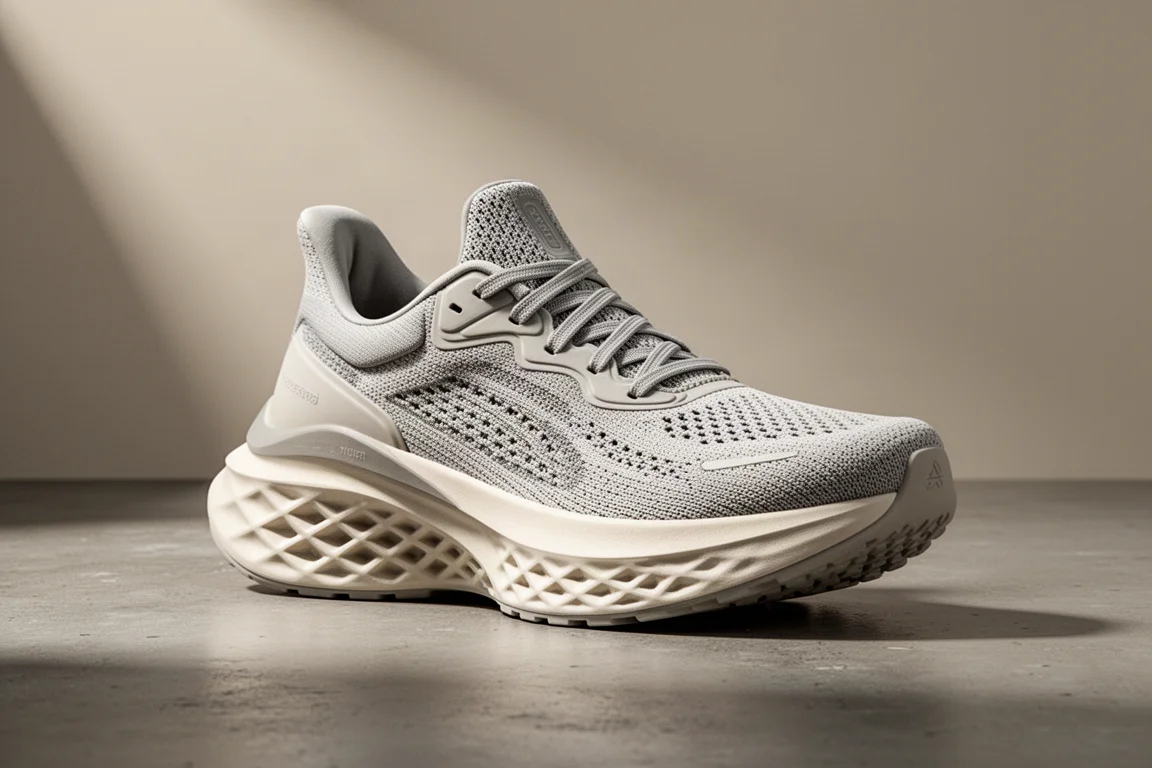
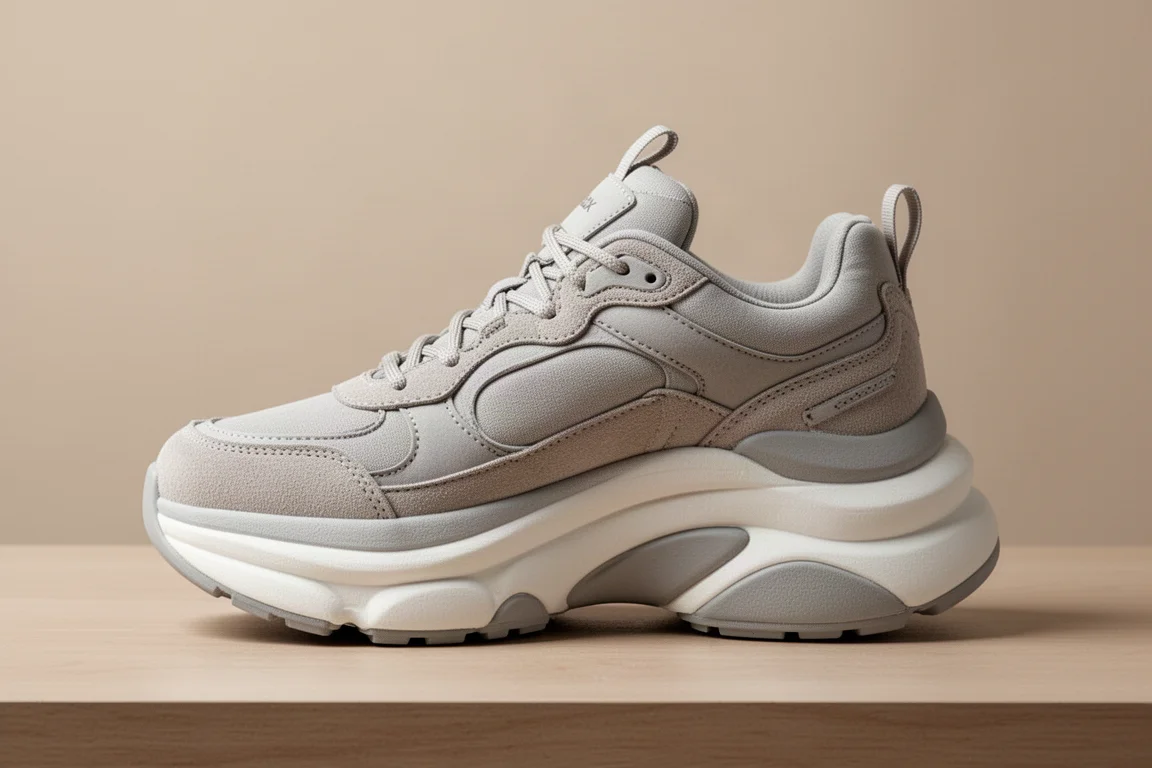
A max-cushion option that earns its place for very long days on your feet. It is durable, deeply cushioned and comfortable for extended walking as well as running. The main caution is fit: it runs a touch short, so going up a half size is a sensible move before committing to a full marathon in it.
Buying Advice
Match the shoe to the race you are actually running. Chasing a PR with stable mechanics? A stable super shoe you have already proven on long runs and workouts is the right tool. Racing at training pace in the 3 to 4 hour range? A lightweight trainer or forgiving hybrid will likely serve you better than the most aggressive racer. Planning to be out there for four hours or more? Choose a cushioned, comfortable, higher-volume trainer you already trust, because foot swelling and time on feet will define your day more than any foam formula.
Whatever you choose, put at least one long run and ideally a workout in it before race day. And remember the core rule of marathon footwear: if you do not finish, the time does not count.
Conclusion
There is no magic marathon shoe. The right choice depends on your pace, your mechanics, the experience you want and, above all, your trust in the shoe under your feet. Pick something proven at the distances and speeds you will hold, test it properly, and let the finish line, not the shoe, be the story of your race.
Further reading
Related Reviews

Running Shoes
Best Road-to-Trail Running Shoes: Three Versatile Options for Mixed Terrain
A practical guide to three road-to-trail running shoes that handle both pavement and mild trails, with clear strengths and trade-offs for different runner types.

Running Shoes
Best Running Shoes for Achilles Tendonitis: Three Options Explained
Three running shoes with different heel drops and support features designed to help reduce Achilles tendon pain during walking and running.

Running Shoes
Best Running Shoes for Women: Five Top Choices Ranked
A ranked guide to five women's running shoes, from versatile daily trainers to high-performance racing options, with real strengths and trade-offs for each.