Running Shoes
Best Marathon Shoes 2026: Our Top Picks Across Five Categories
From carbon-plate racers to cushioned cruisers and value picks, a category-by-category guide to the best marathon shoes right now.
Introduction
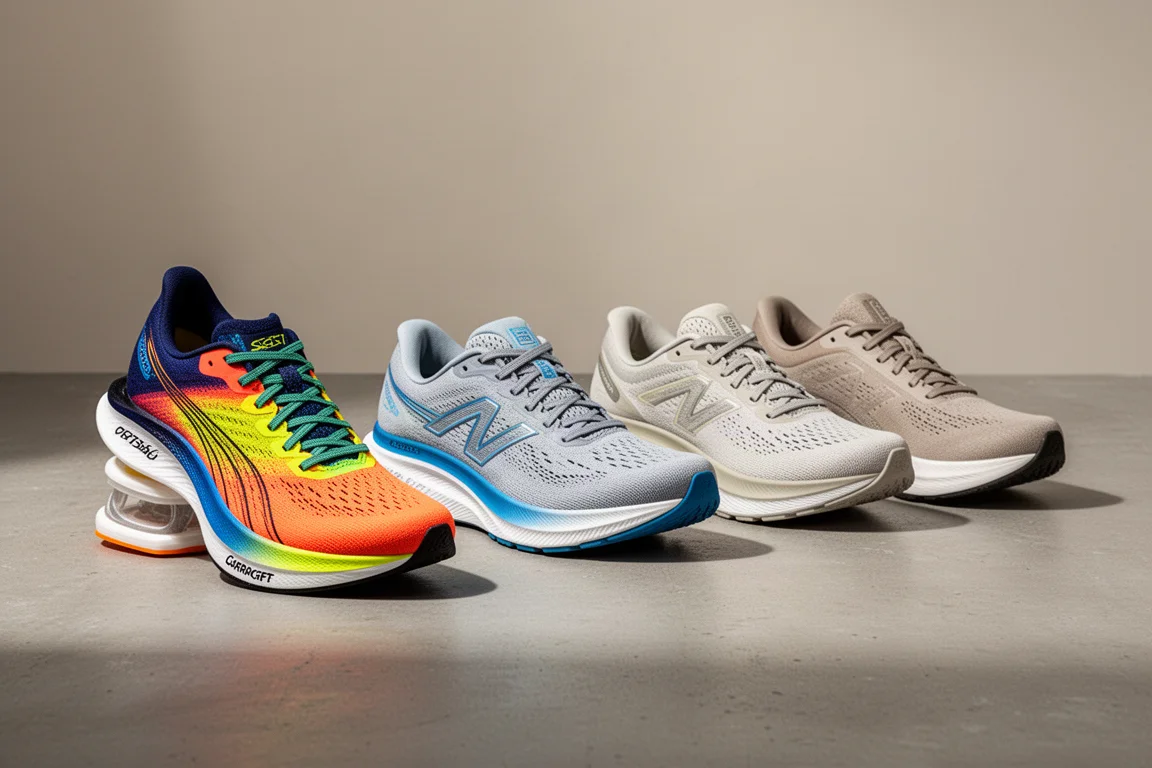
Picking the right marathon shoe is a very different job from picking a favourite trainer. The best shoe for chasing a personal best is not the best shoe for simply getting round comfortably, and the best value pick is rarely the flashiest one on the shelf. To make sense of it all, this roundup breaks the marathon shoe market into five categories: best carbon plate racing shoe, most comfortable get-around shoe, best for beginners, best value, and best non-plated racer. Each category has a clear winner, and a few honourable mentions worth knowing about.
Best Carbon Plate Racing Shoe
The Nike Vaporfly Next% 2 takes the top spot here, and it is hard to imagine a surprise. It is arguably the most popular marathon shoe in the world right now, the shoe that started the whole super shoe era. A full-length carbon plate sits inside a generous stack of soft, bouncy ZoomX foam, and the result is a shoe that feels fast, light and protective. The practical benefit is efficiency: your legs stay fresher deep into the race so you can finish strong. Because so many runners have raced in it and loved it, it is also the easiest high-performance shoe to recommend with confidence.
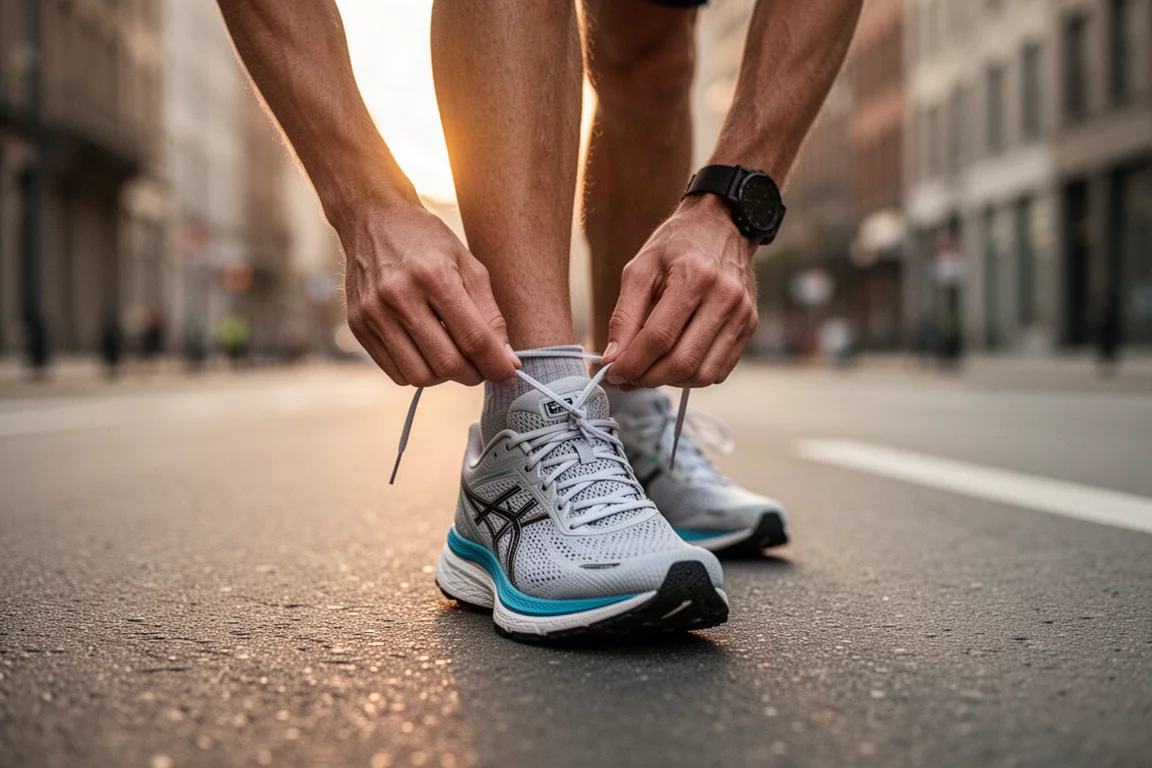
The runner-up is the Asics MetaSpeed Sky, and it is closer than most people expect. It shares the same core recipe: a very high stack, a full-length carbon plate and Asics’ FF Turbo foam, which delivers bounce, propulsion and leg protection in a lightweight package. Several testers have set personal bests in it over multiple marathons, and one tester called it the closest feel to the Vaporfly they had ever experienced. It works well for shorter races too. The newer MetaSpeed Sky Plus has since launched with what appears to be a beefier stack, so it may push the contest even further.
If your budget is stretched, the Adidas Adizero Adios Pro 2 is a slightly cheaper carbon racer at around £170 that you will regularly see elites winning in. It is a strong option if you want serious performance for under £200, which is increasingly rare.
Most Comfortable Marathon Shoe
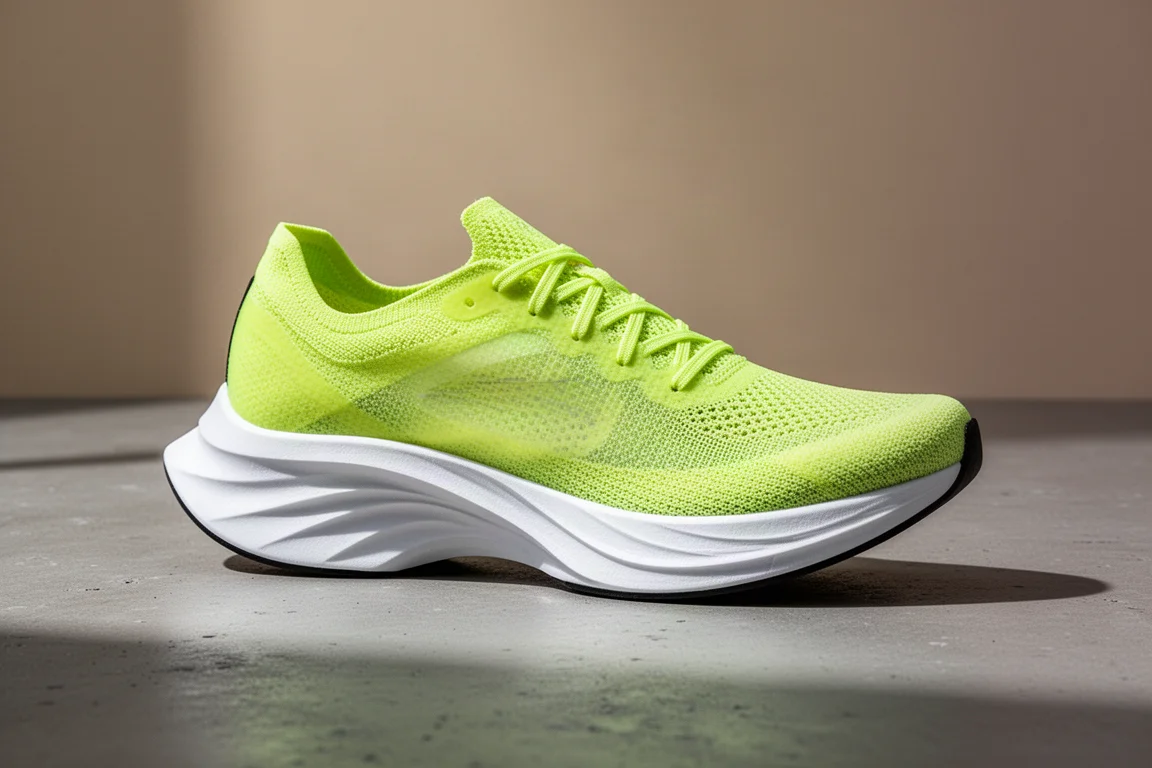
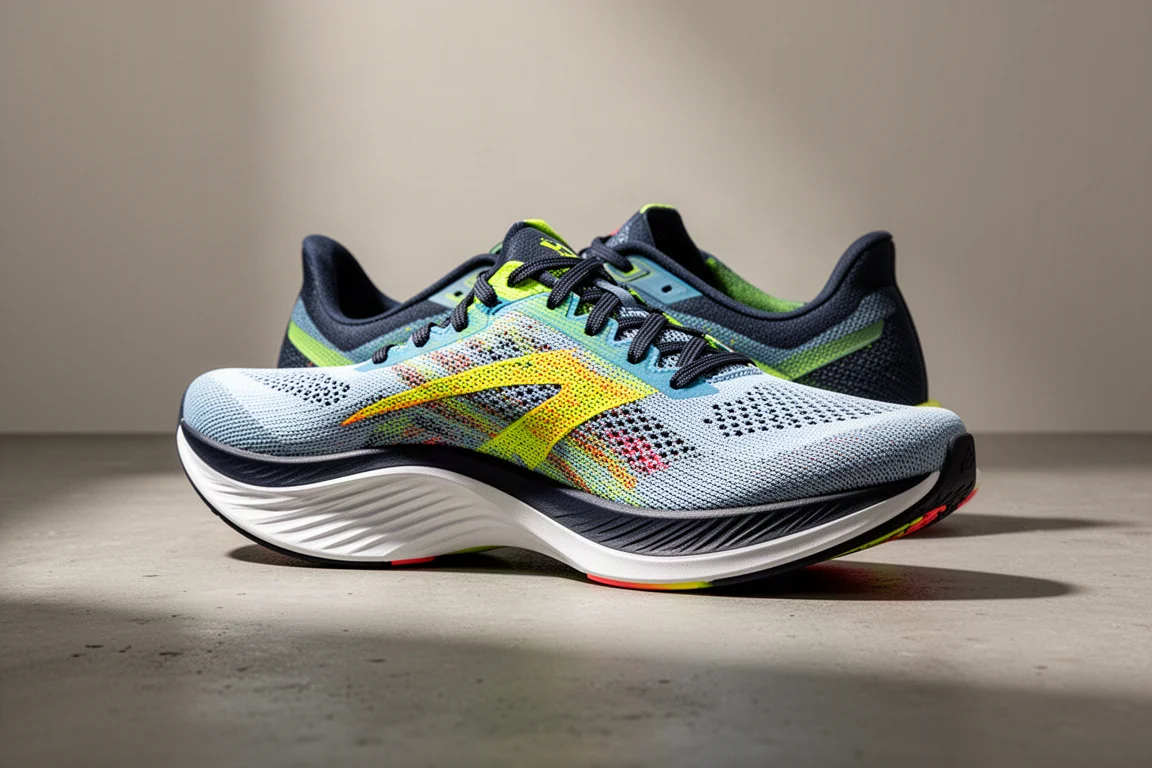
If your goal is simply to get round feeling good, the Brooks Glycerin 19 is the pick. It is supremely cushioned, with generous padding throughout the upper and collar, so stepping into it feels like slipping into something soft and supportive. What sets it apart from other max-cushion shoes is that it still keeps some versatility, so you can pick up the pace a little if you feel good late in the race. It will also protect your legs throughout the many months of marathon training, not just on race day.
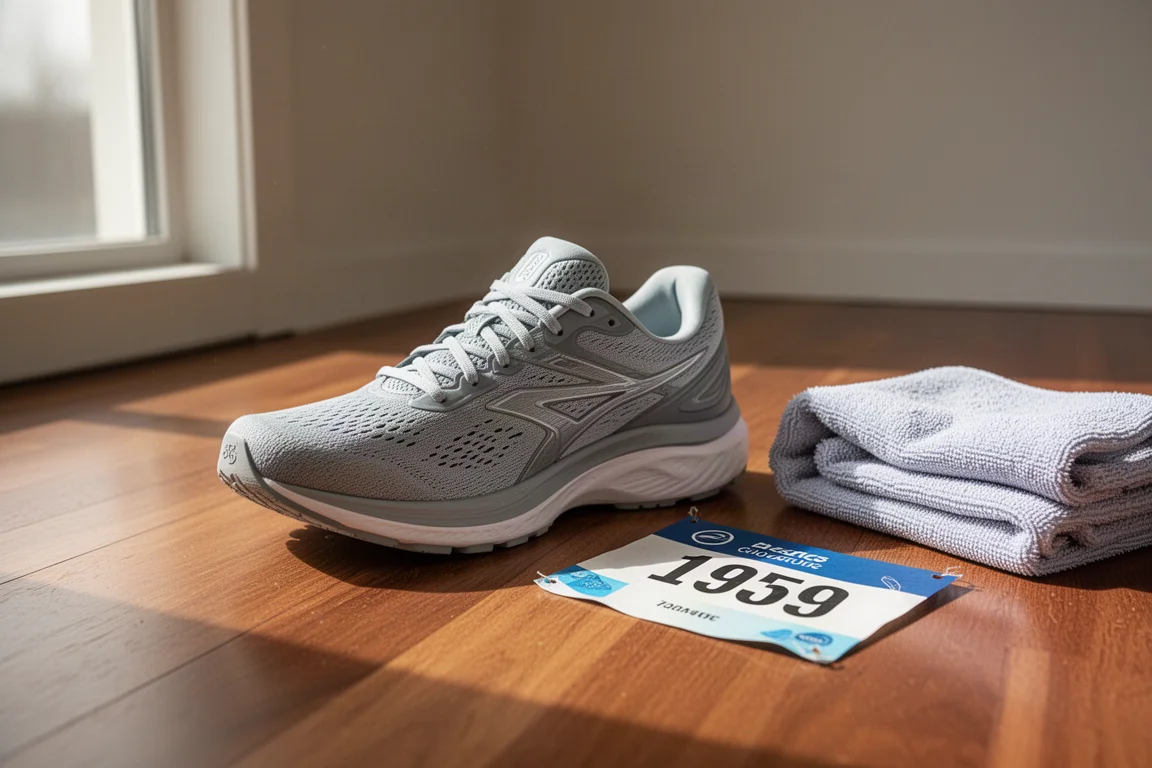
The runner-up, the Saucony Triumph 19, is built along very similar lines. It is a big, high-stack premium daily trainer with loads of padding around the heel and collar, a comfortable midsole foam and just enough responsiveness to lift the pace at the end of a marathon if you have something left.
Beyond the two winners, the On Cloudmonster is worth a look if you want a cruisy, comfortable ride that feels a bit lighter than the Glycerin or Triumph, and the Nike Invincible is about as squishy as shoes get while remaining genuinely enjoyable over long distances.
Best Marathon Shoe for Beginners
For a first marathon, you want a shoe that is comfortable and protective, not wildly expensive, but still quick enough if you want to run a respectable time. The Puma Velocity Nitro 2 wins this category almost by default, and it was the clearest winner in the entire roundup. At around £100, it delivers a double-foam midsole: a nitrogen-infused foam on top that feels soft and bouncy, and a more durable EVA foam underneath that adds stability and longevity. It is versatile enough for speed sessions on your training plan, cushioned enough for the long miles, and honestly performs like a more expensive shoe.

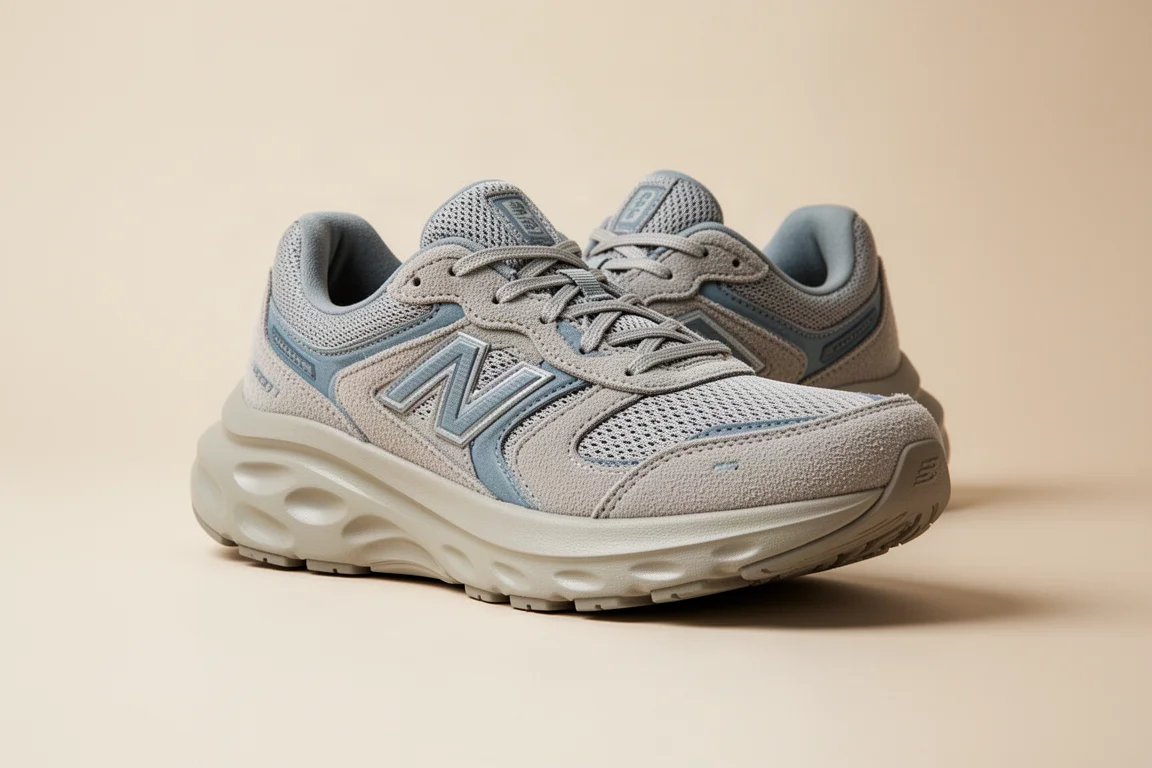
This category had no runner-up because the vote was so one-sided, but a few alternatives deserve mention if you want a bit more structure or stability. The Nike InfinityRN 3 is a neutral shoe with plenty of stability features that may help protect your legs if you are worried about injury when starting out. The New Balance 1080 v12 is a dependable all-rounder you will see at marathons everywhere, versatile enough for training and racing alike. The Saucony Ride 15 is a similarly versatile, comfortable daily trainer that will happily take any distance, and the previous Ride versions can often be found discounted.
Best Value Marathon Running Shoe
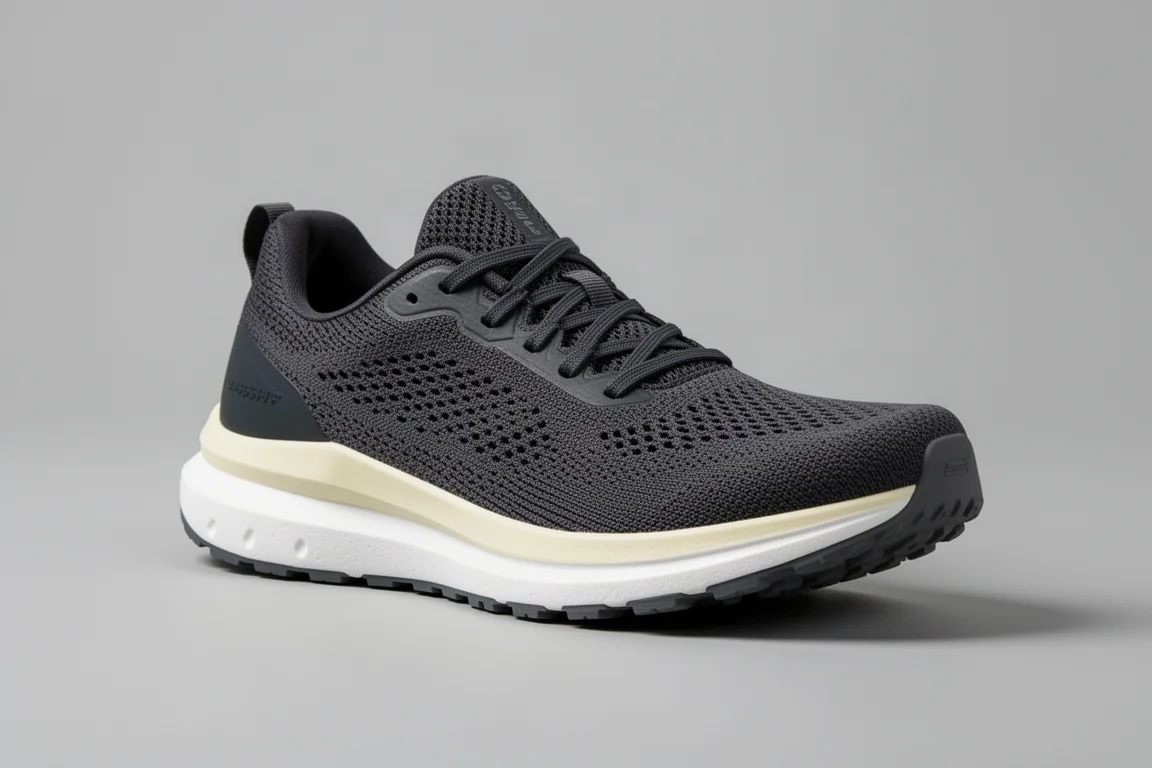
Value here means more than the lowest price. The pick had to perform brilliantly on race day and hold up through all your training. That shoe is the Saucony Endorphin Speed 2. It uses a full-length nylon plate rather than carbon, which makes it softer and more comfortable for daily training, yet it performs remarkably close to a carbon racer on the day. It has been used for everything from 5k races to hard speed sessions, and some runners actually prefer racing the marathon in it over their carbon shoes. At £155 it is not cheap, but you are getting a huge amount of performance for the money, and it slots into both your training and racing rotation.
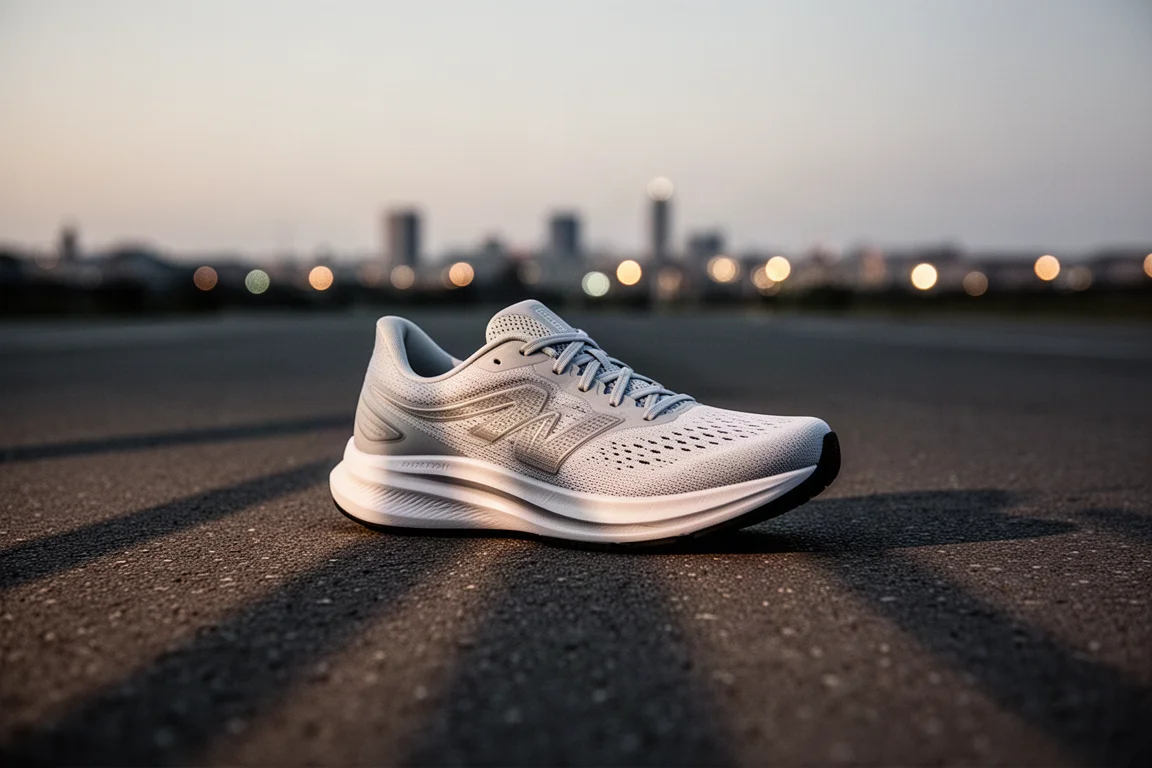
If you want to spend less, two options stand out. The Puma Velocity Nitro 2, already the beginner pick, is exceptional value at around £100. The Reebok Floatride Energy 4 is a brilliant budget option at about £75, comfortable with a bit of pace, and it is nearly always discounted somewhere. The Nike Pegasus line is a solid, comfortable choice around the same price range if not the quickest, and the Hoka Rincon 3 is very light and cheap, though durability is a known trade-off.
Best Non-Plated Marathon Shoe
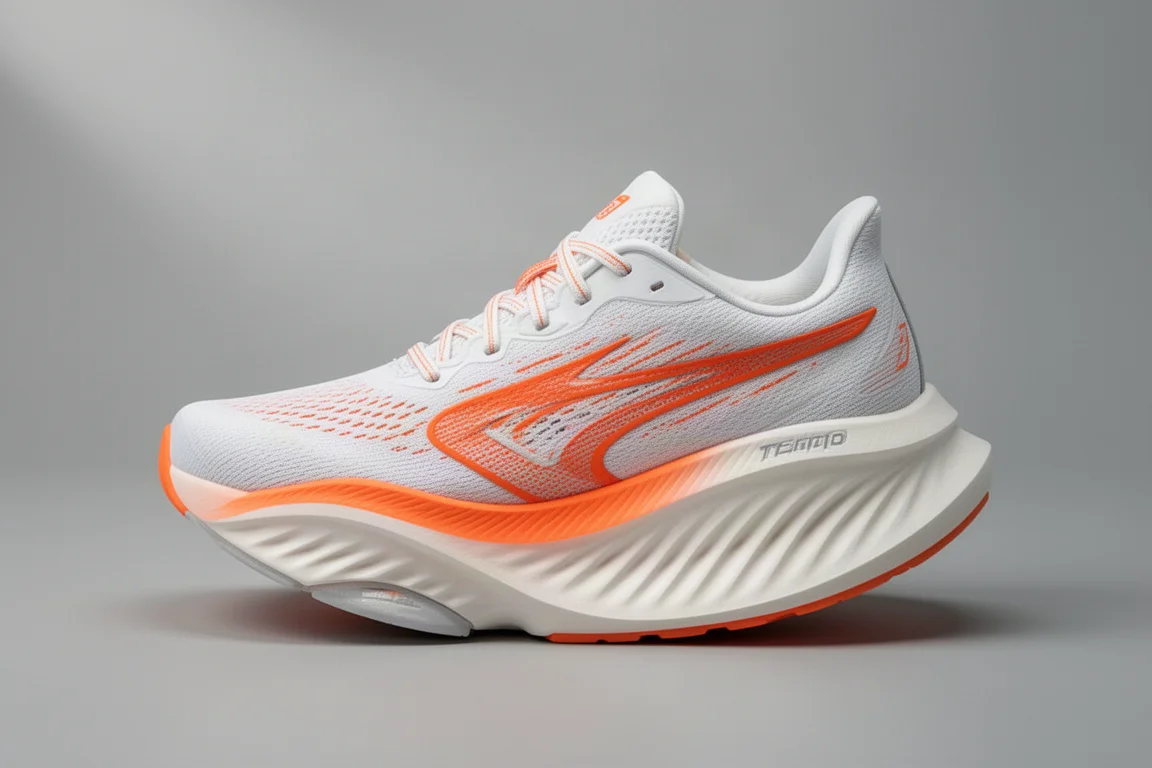
If you would rather avoid plates entirely, the Hoka Mach 4 is the winner. It strikes a lovely balance: lightweight, cushioned, quick, and protective of your legs. A dual-density ProFly midsole gives a soft upper layer for rebound and bounce, so you can hold marathon pace for long stretches, while the higher stack keeps you feeling fresh late into long runs. Twenty-mile training runs in this shoe leave surprisingly little leg fatigue. Fifteen years ago this would have been one of the top marathon shoes outright, and it still does everything a marathoner needs without a plate.
The runner-up, the Under Armour Flow Velociti Infinity 2, leans closer to the racing flats of old, with a firmer feel and a lightweight, quick ride, though a taller stack of Flow foam adds far more protection. It also doubles as a smart shoe that tracks runs and technique data through a companion app, which is a nice bonus for reviewing your race afterwards.
For a more traditional snap, the Adidas Adios 6 is lightweight, fairly low profile and reminiscent of the classic Boston-style racers that many runners used to race marathons in.
Buying Advice
If you are going for a personal best, the Nike Vaporfly Next% 2 or Asics MetaSpeed Sky remain the safest high-performance bets. If you just want to enjoy 42.2 kilometres, cushioned options like the Brooks Glycerin 19 will keep your legs happy from training block through to the finish line. Beginners and value hunters should look hard at the Puma Velocity Nitro 2 and Saucony Endorphin Speed 2, which deliver premium-adjacent performance for far less. And if you are set against plates, the Hoka Mach 4 proves you no longer have to suffer in old-school racing flats.
One reminder that matters more than shoe choice: fueling and hydration. However good your shoes are, a marathon falls apart quickly if your fueling is wrong, so it is worth working out your carbohydrate needs properly before race day.
Conclusion
There is no single best marathon shoe, only the best shoe for your goal. Carbon racers reward speed, cushioned trainers reward comfort, and the value picks prove you do not need to spend a fortune to run well. Match the shoe to the race you actually want to run, and any of these picks will serve you well over 42.2 kilometres.
Further reading
Related Reviews

Running Shoes
Best Road-to-Trail Running Shoes: Three Versatile Options for Mixed Terrain
A practical guide to three road-to-trail running shoes that handle both pavement and mild trails, with clear strengths and trade-offs for different runner types.

Running Shoes
Best Running Shoes for Achilles Tendonitis: Three Options Explained
Three running shoes with different heel drops and support features designed to help reduce Achilles tendon pain during walking and running.

Running Shoes
Best Running Shoes for Women: Five Top Choices Ranked
A ranked guide to five women's running shoes, from versatile daily trainers to high-performance racing options, with real strengths and trade-offs for each.