Running Shoes
Best Running Shoe Rotations for Half Marathon and Marathon Training
A practical guide to building a three or four-shoe rotation for half and full marathon training, covering daily trainers, race-day shoes, and a waterproof running jacket.
Introduction
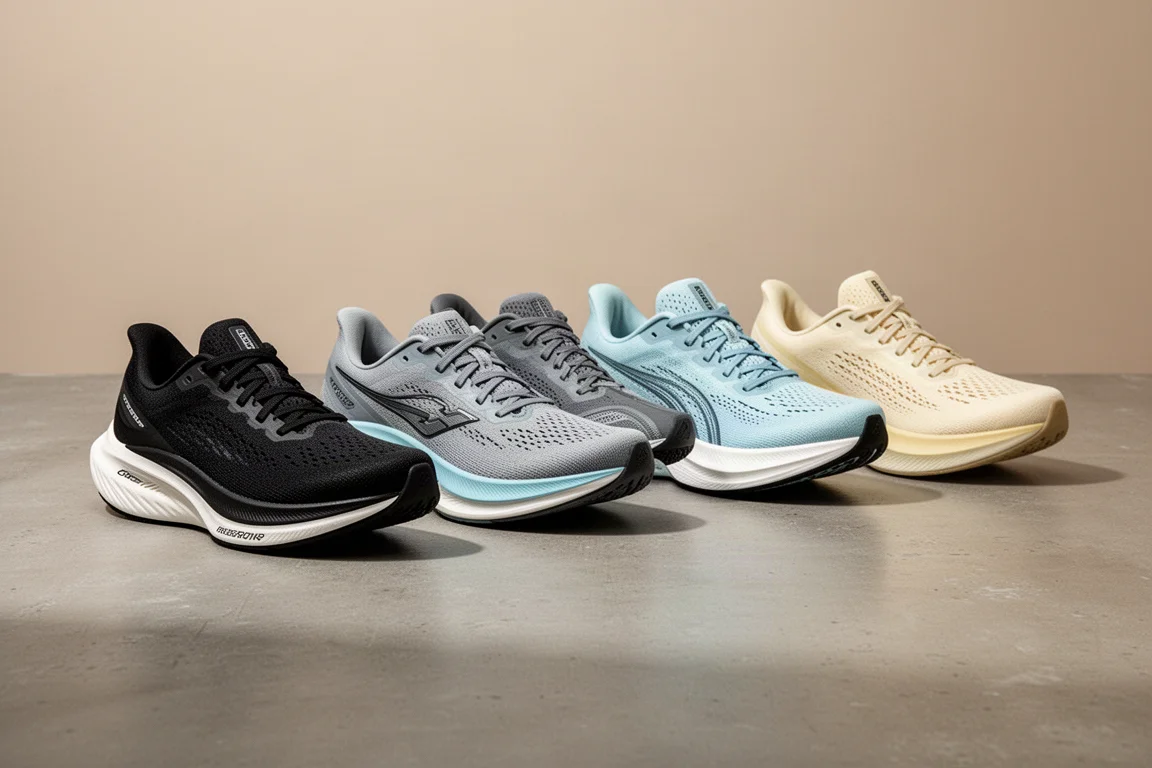
Training for a half or full marathon does not require a huge shoe collection. In practice, a trio of well-chosen shoes can carry you through every session on the plan, from easy recovery miles to race day itself. The trick is matching each shoe to the job it needs to do.
For the half marathon, you can generally get away with less stack and less weight. Why trudge around in max cushion shoes when the distance does not demand it? For the marathon, the calculus shifts: you need more impact protection, more cushion, and consistency on race day, which is where a slightly deeper rotation earns its keep.
Half Marathon Daily Trainers
Puma Velocity Nitro 5
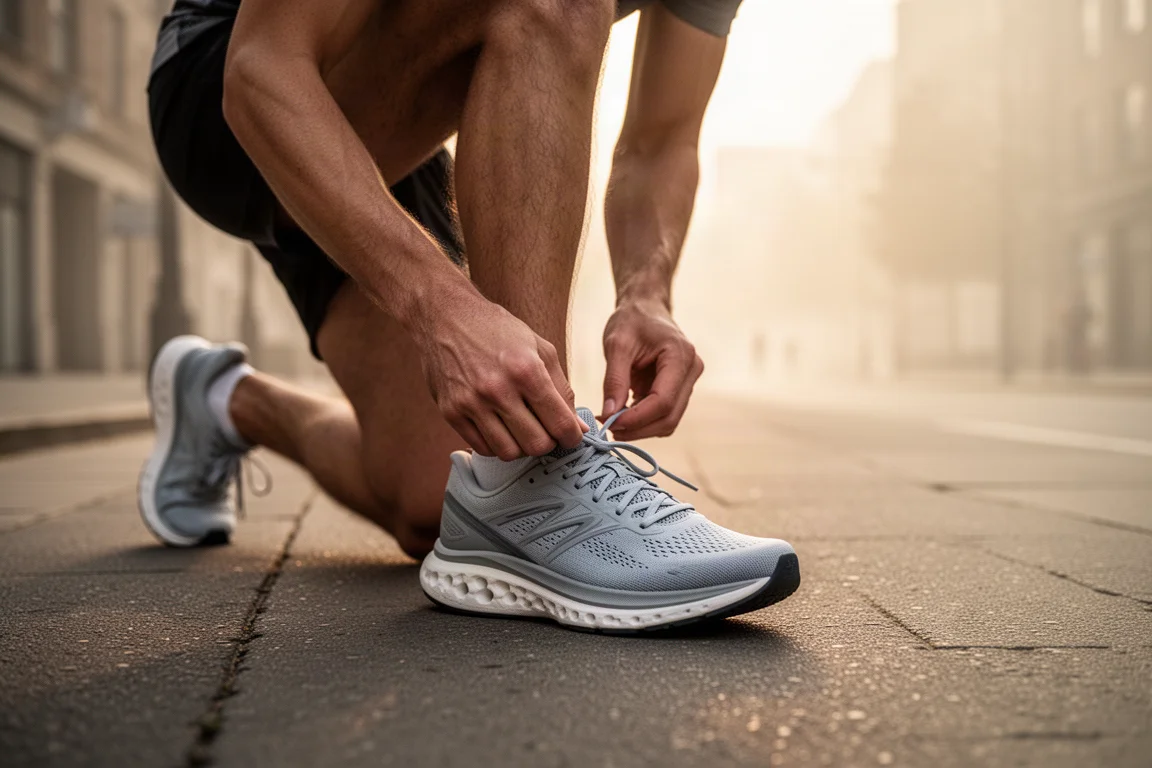
The Velocity Nitro 5 is a strong pick for half marathon daily training, and it is one of the more affordable options with a plate-like capable feel. You still get plenty of stack height, absolutely fantastic grip, and padding that is focused in the tongue and heel, so it is not as pared-back and minimal as some faster daily trainers. It has a little more plushness about it, which makes it easier to live with across a full training block.
One note for heavier heel strikers: the narrower platform here might not quite work for you.
Mizuno Neo Zen 2
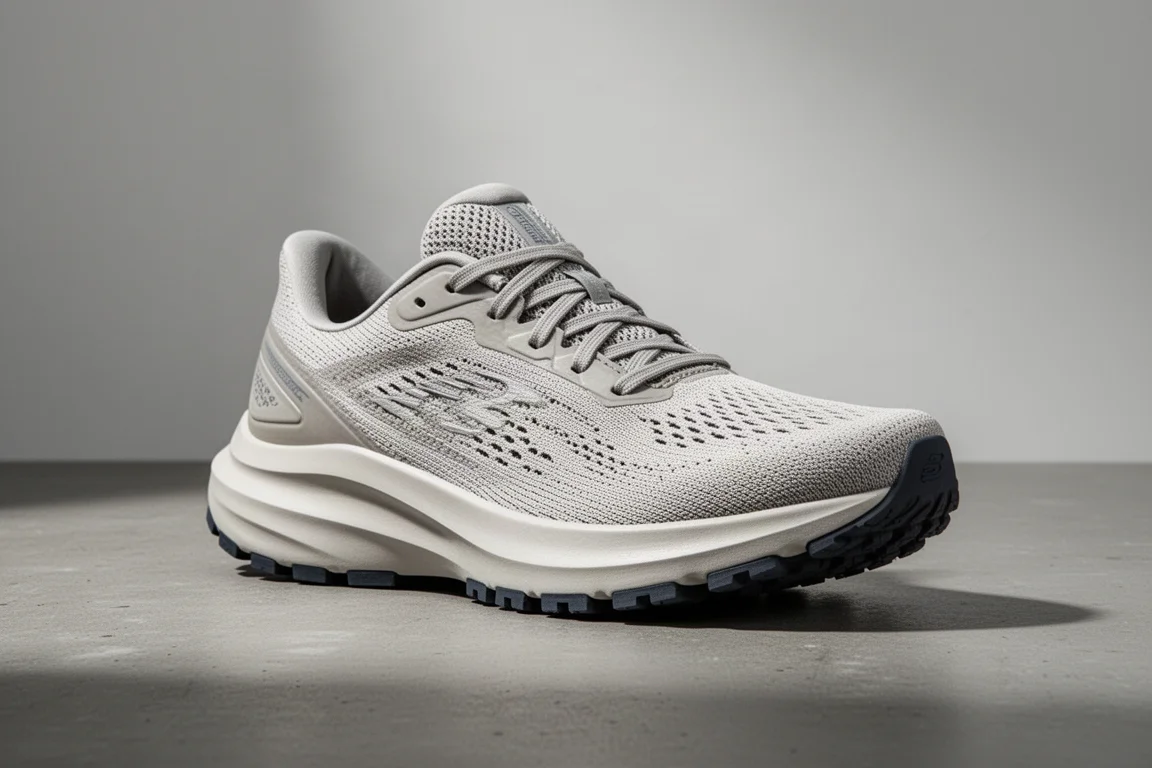
If you want to swap something in, the Neo Zen 2 from Mizuno is a shoe that is easy to underestimate. It is always surprising how light this one feels in hand and on foot, yet there is loads of fantastic energy-foam cushioning underfoot. The compression is among the most forgiving in the daily trainer category, and the shoe is easily capable of handling your longer runs as well.
Weight is reasonable, perceived outsole durability looks good so far, and it is often overlooked, which can work in your favor when you are shopping.
Half Marathon Race Shoes
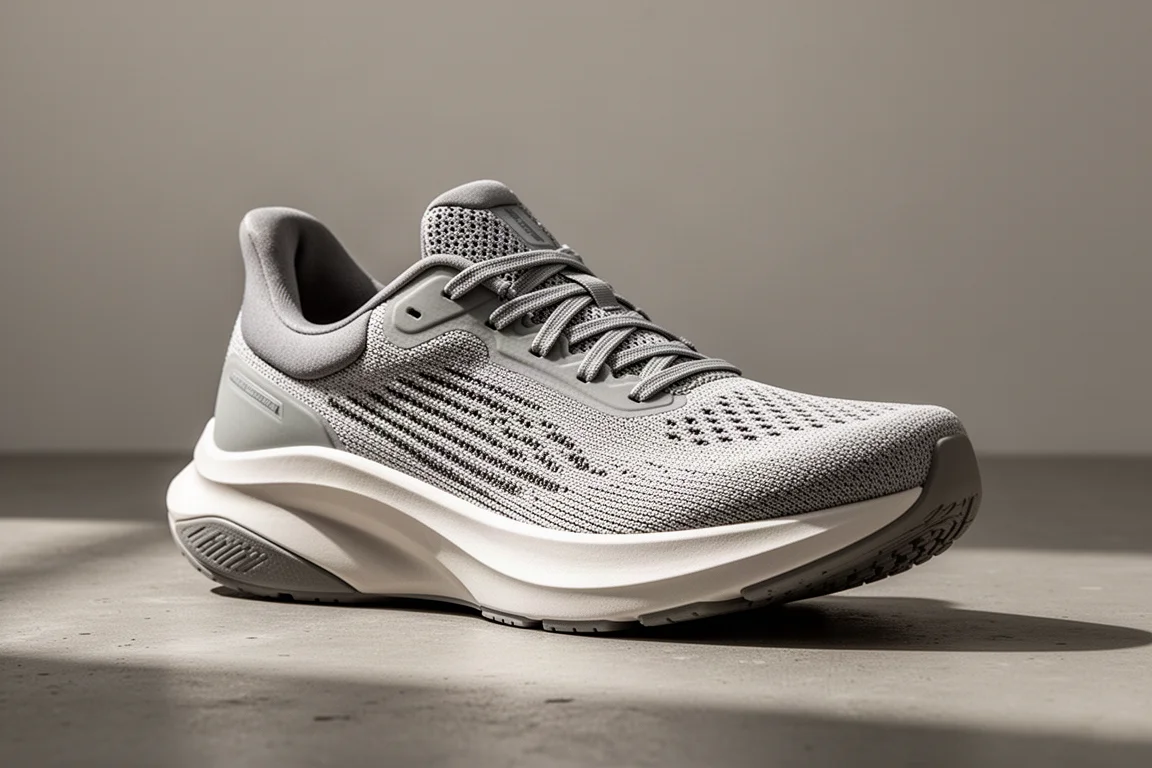
For racing the half marathon, most people do not need a full 40mm of stack. A little less cushion keeps the weight down and encourages a quick cadence, and there are strong options at that lighter end of the range.
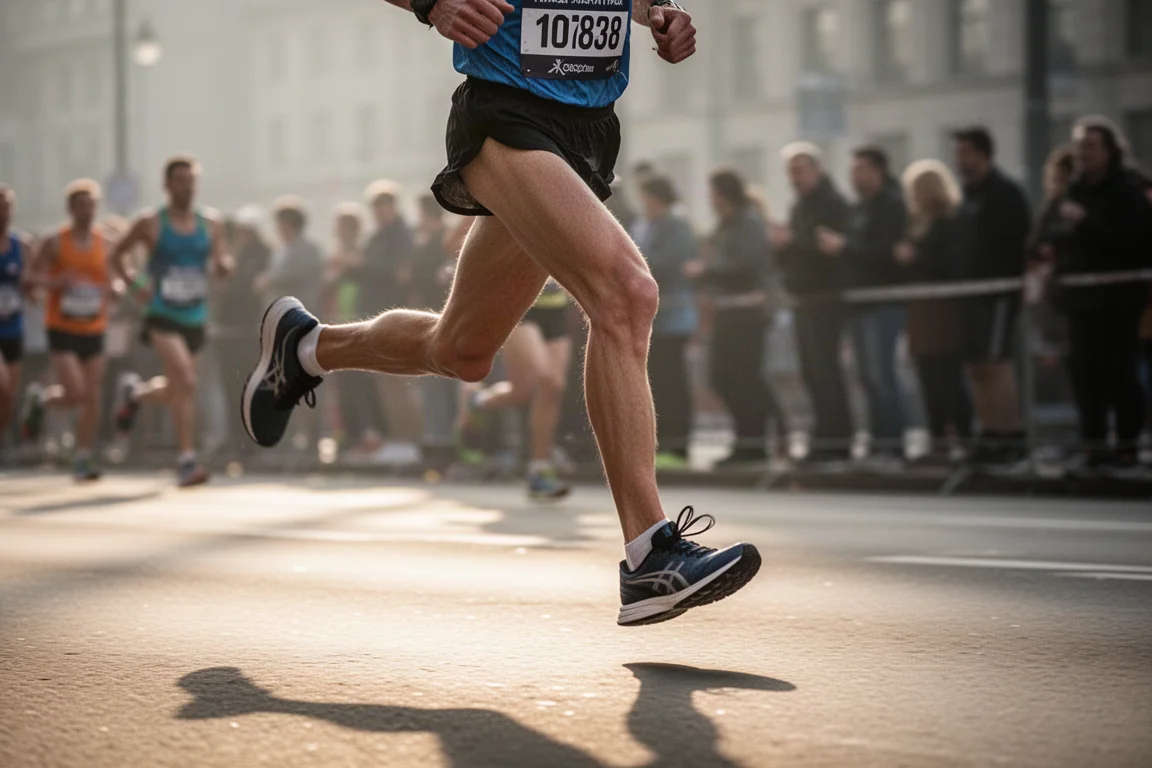
Nike Vaporfly 4
The Vaporfly 4 is extremely light on foot, to the point where it hardly feels like it is there, yet there is still loads of cushion begging to be turned over quickly. The jump from a daily trainer to a shoe like this is immediately noticeable: you can simply pick up the pace quicker.
It is durable enough to use for speed sessions during training and even some longer runs with pace thrown in, though the ZoomX foam in the midsole is slightly more fragile, so it is worth treating this pair with a bit of care. Good deals are often available, with prices frequently around £130 in the UK.
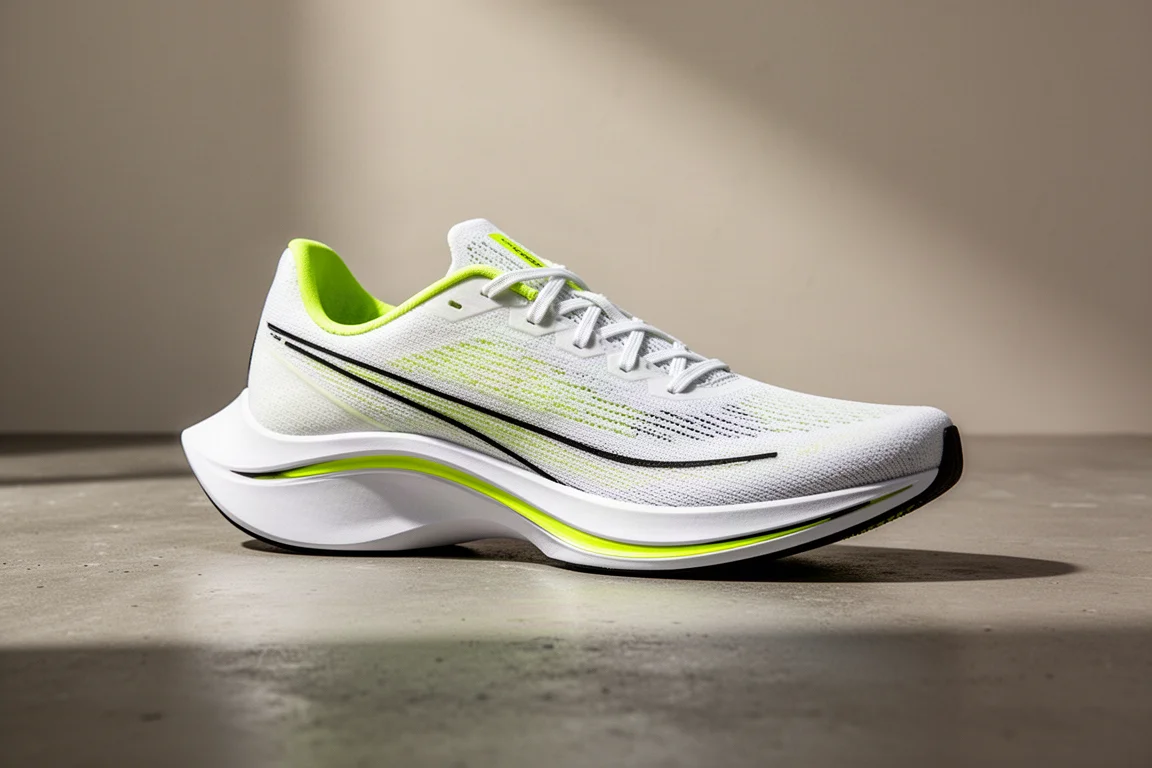
Mizuno Hyper Warp Elite
The Hyper Warp Elite sits in the same space: very light, very quick, and durable enough to double as a training-day speed shoe and a race-day weapon. It holds up well over a training block, so it will still feel fantastic when you get to the start line. It also lands in that same attractive price bracket, often around £130 in the UK, which is hard to argue with for a shoe this capable.
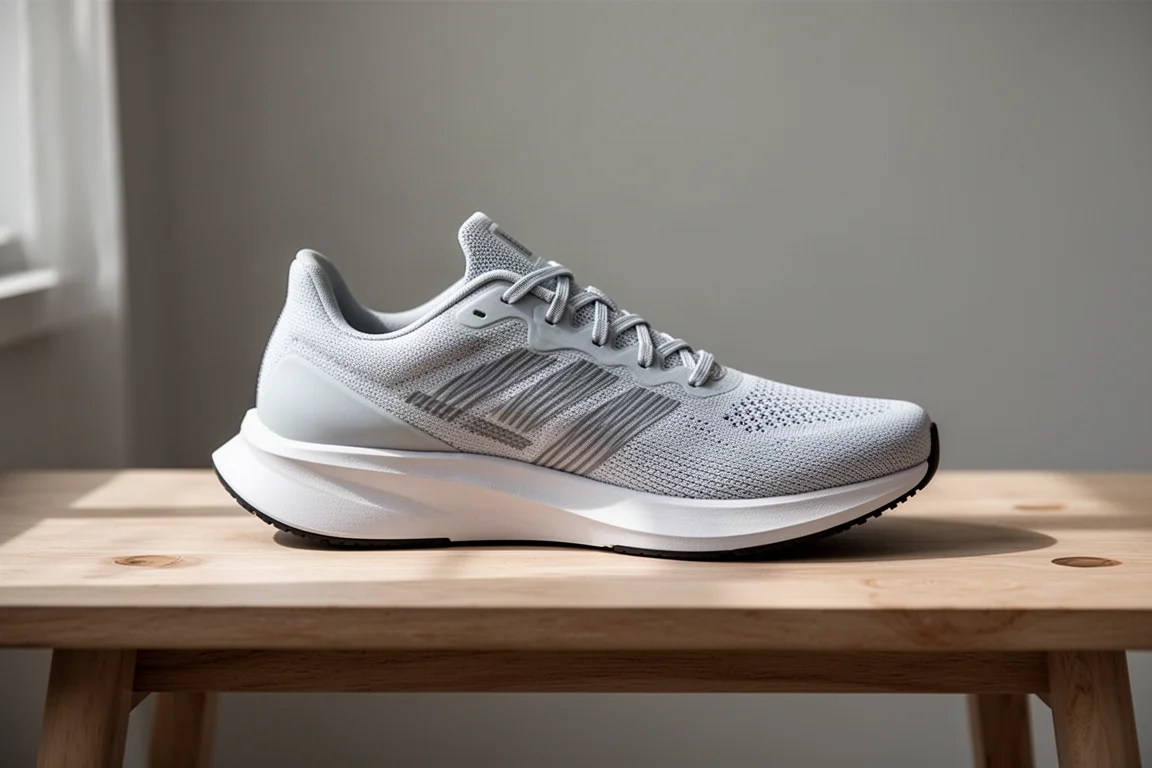
ASICS Metaspeed Sky Tokyo
If you want to raise the cushion level for the half marathon without paying for it in weight, the Metaspeed Sky Tokyo is the way to go. The combination of foams here is excellent, with the denser, more resilient FF Turbo Plus layered over FF Leap underneath. It feels quick, protected, and efficient.
The trade-offs: it is more expensive and rarely discounted unless you are in a smaller size, and the heel is narrower. If you want a bit more heel stability for the half marathon distance, the Mizuno options are the safer bet.
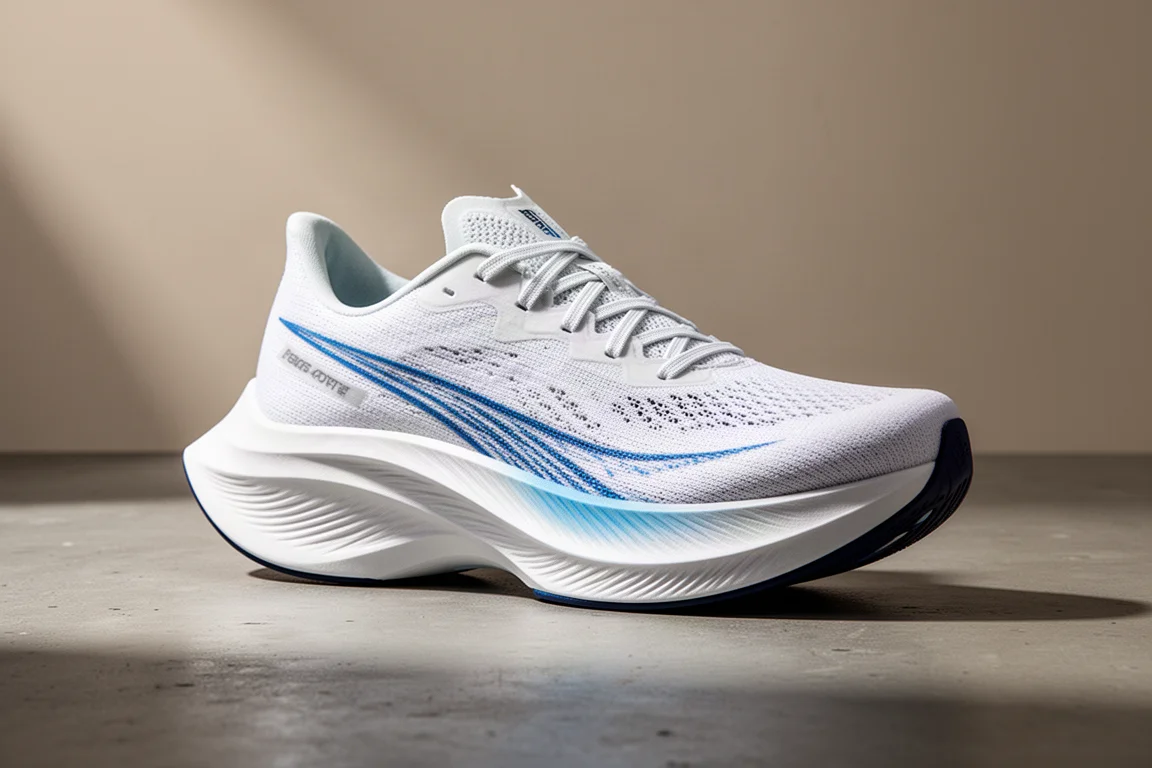
A Waterproof Layer for Training: ASICS Meta Fuji Elite
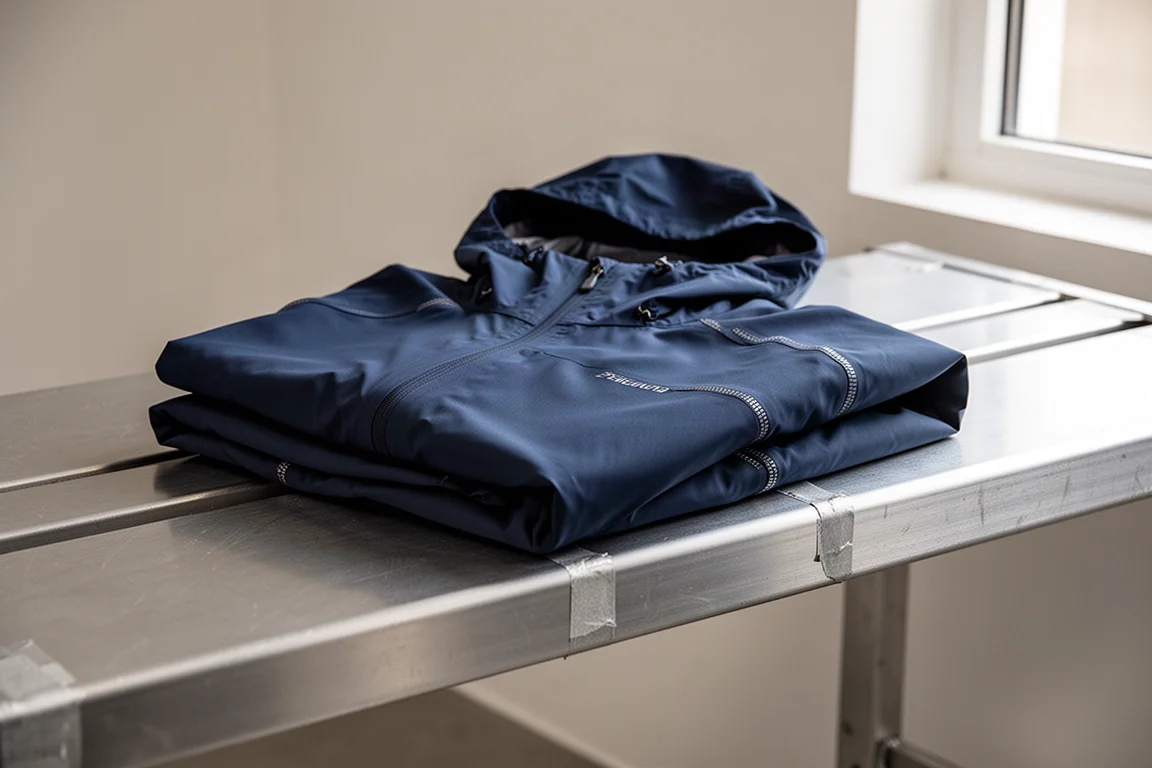
No half marathon plan survives a British autumn without decent kit, and ASICS makes some genuinely excellent running jackets. The Meta Fuji Elite waterproof jacket is a solid example: a proper waterproof layer for those sessions where the forecast turns and you head out anyway. It is not a shoe, but it is the kind of piece that quietly keeps your training schedule intact through the wet months.
Marathon Daily Trainers
The marathon is a much more demanding event on the body. The long efforts required to build volume are grueling, so you want more impact protection and more cushion in your daily shoes, plus a rotation that lets you ratchet up mileage without breaking down. Three or four shoes is a sensible approach, with familiar underfoot feel carrying through to race day.

Saucony Endorphin Azura
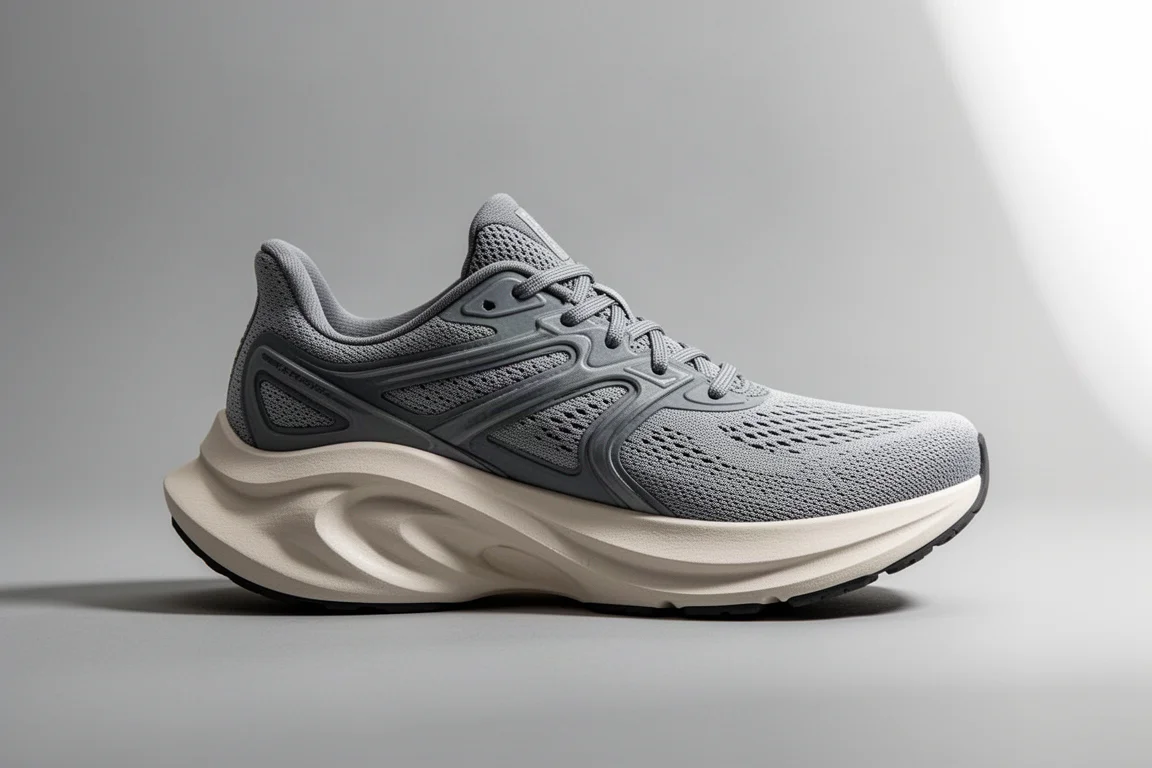
Saucony shoes are a reliable recommendation for this kind of rotation, and the Endorphin Azura is a good anchor for daily running. The idea is simple: do the bulk of your training in it, then transition to something slightly lighter for the start line. It pairs especially well with the Endorphin Pro 5, which shares a similar foam family.
Puma Deviate Pure Nitro
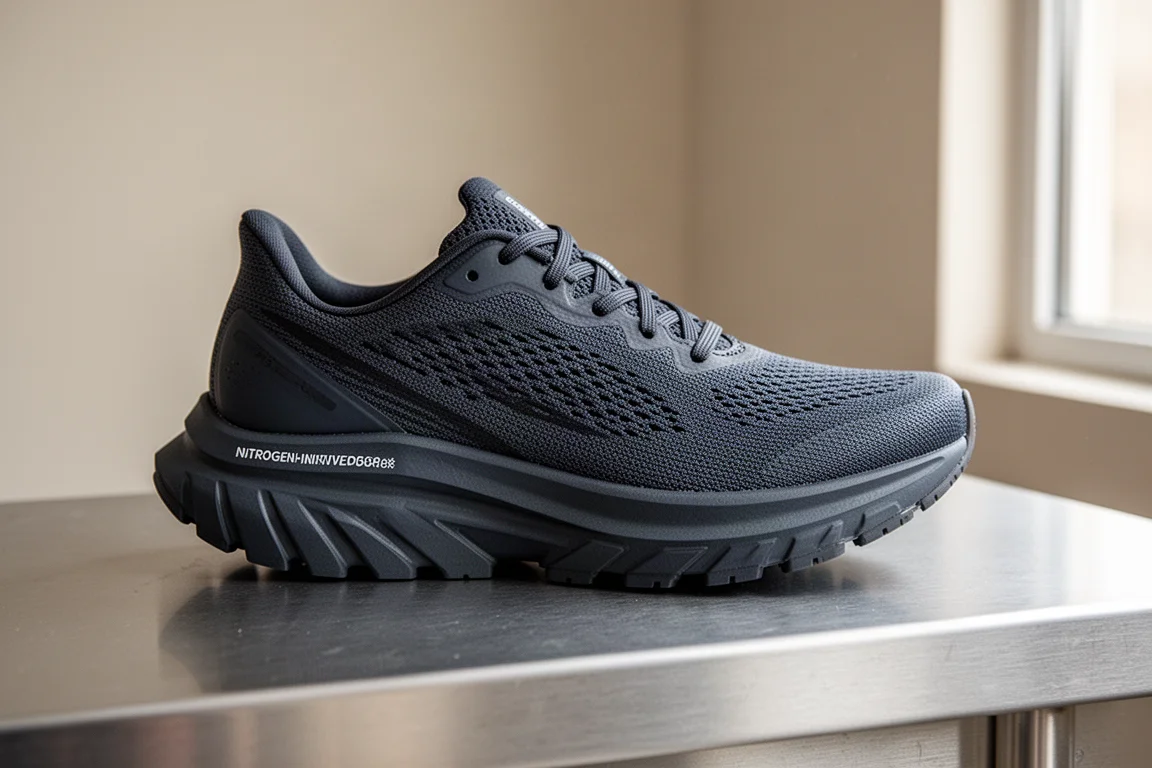
The Deviate Pure Nitro is a maximally stacked daily trainer that can double as your recovery, easy-day, or even long-run shoe. There is good width through the platform, and while it is not the most exciting daily shoe out there, the extra stack over the Velocity Nitro 5 is exactly what marathon training benefits from. Pricing is decent right now too, with good discounts available despite the shoe being relatively new.
Brooks Glycerin 20 3
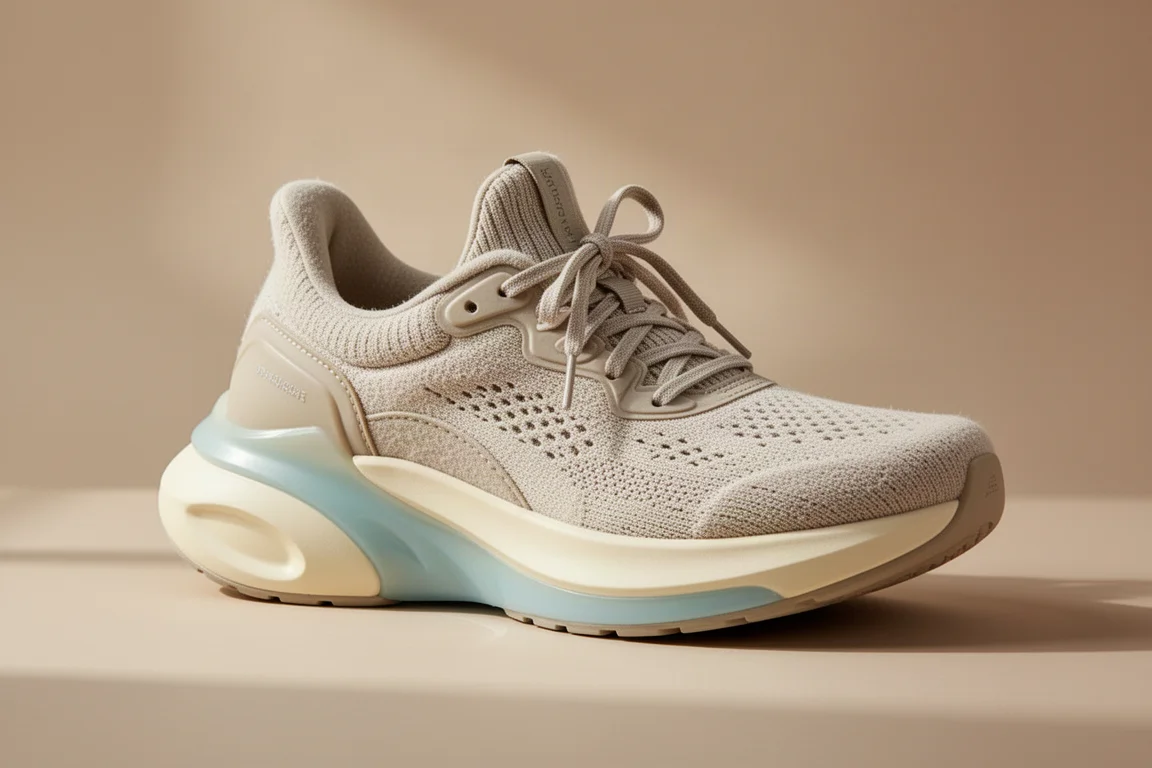
The Glycerin 20 3 from Brooks is a pleasant surprise in this role. If you want plush cushioning in a genuinely durable package, this one is a real winner, particularly for recovery and easy sessions. The introduction of the DNA tuned material in the midsole seems to work very well, and the overall character of the shoe suits the low-intensity days that make up so much of marathon volume.
Saucony Kinvara
The old workhorse, the Saucony Kinvara, still deserves a mention, especially with the deals available. You can often pick one up well below £100, and it hits the right notes on durability, plushness, and cushion. There is a boatload of foam here, well above 40mm, so it could double as your long-run shoe. The caveat: it does not really pick up the pace, so it lives in that lower pace zone.
Marathon Race Shoes
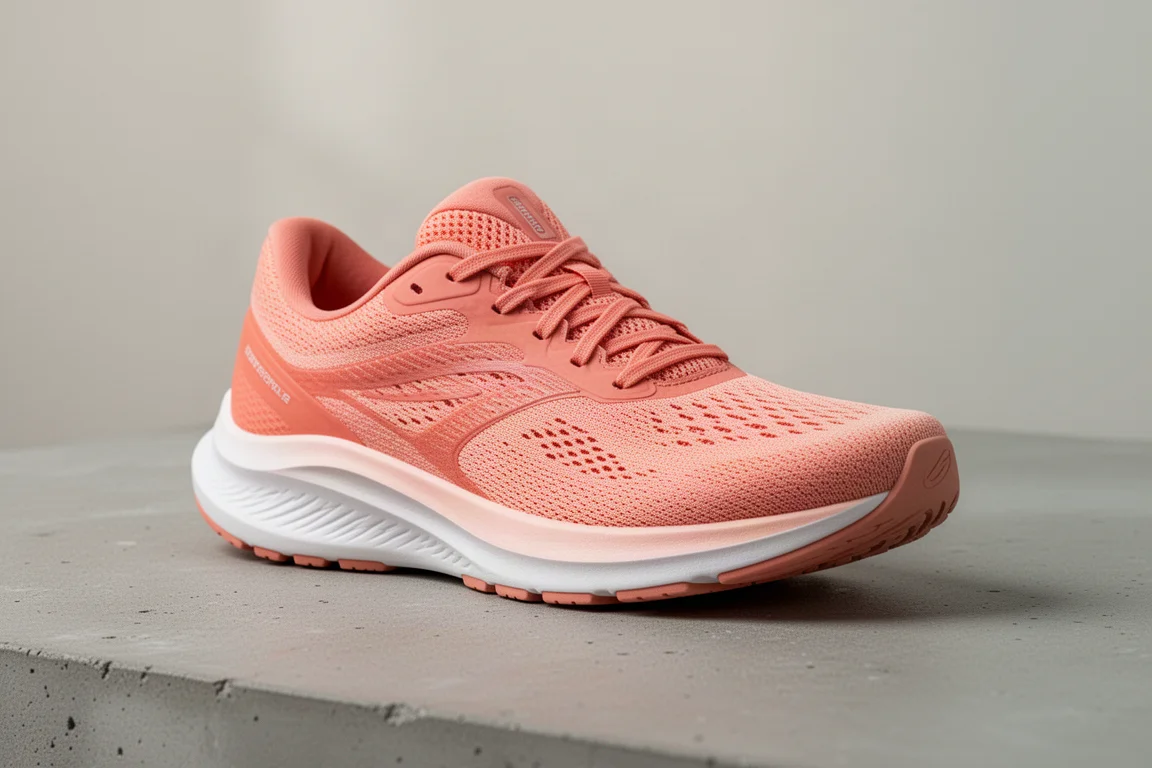
Saucony Endorphin Pro 5
The Endorphin Pro 5 is the natural race-day partner for the Azura. It shares the same foam family but adds some extra premium foam, so it is a bit lighter while keeping that same underfoot feel. That continuity matters: nothing feels odd when you switch from training to racing. The PB foam also seems a touch more durable than some other race foams, which is reassuring over a full build-up.
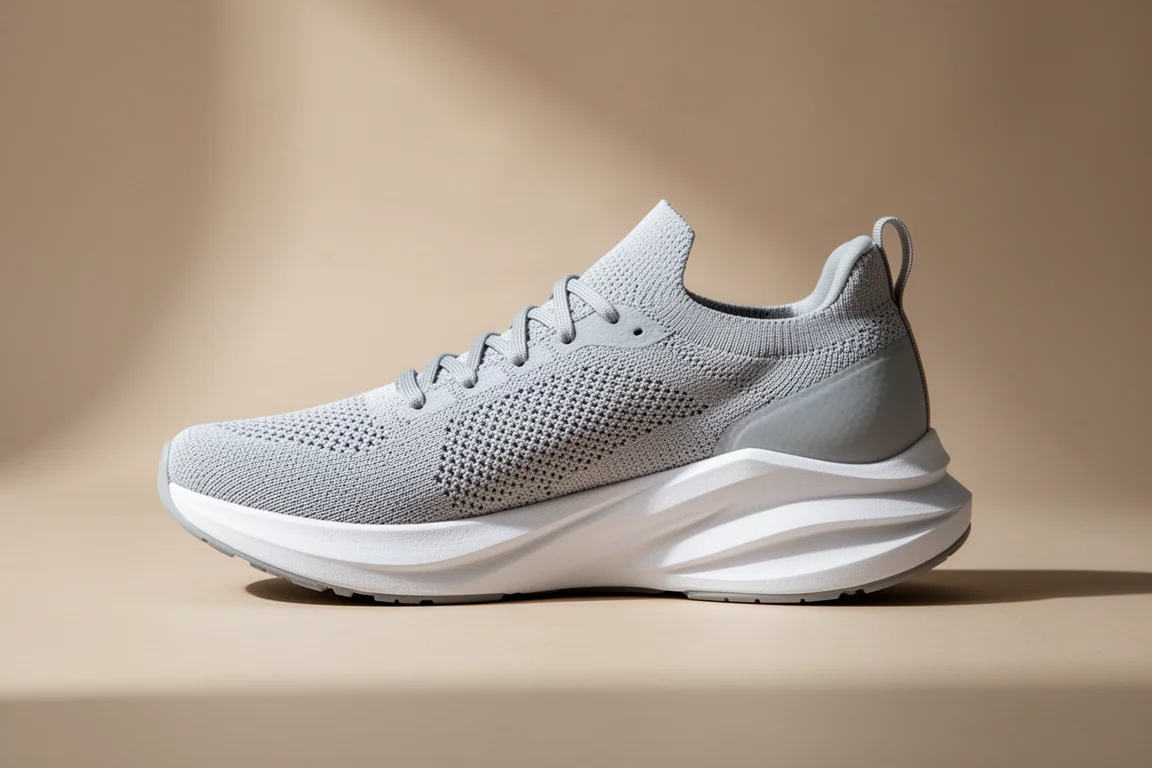
Nike Alphafly 3
It is hard to talk about marathon shoes without the Alphafly 3. It remains one of the best-selling marathon shoes in the UK, and for good reason. It is not the lightest, but it delivers a great deal of shock absorption and compression, with real resilience in the foam plus the air pods in the forefoot, which help where shoes can start to feel like they are bottoming out beyond the 20-mile mark.
It is also one of the widest shoes on the market in both the forefoot and heel, a genuine draw for many runners, especially in the closing miles of a marathon. Slightly more stable than you might expect, and still an exciting ride.
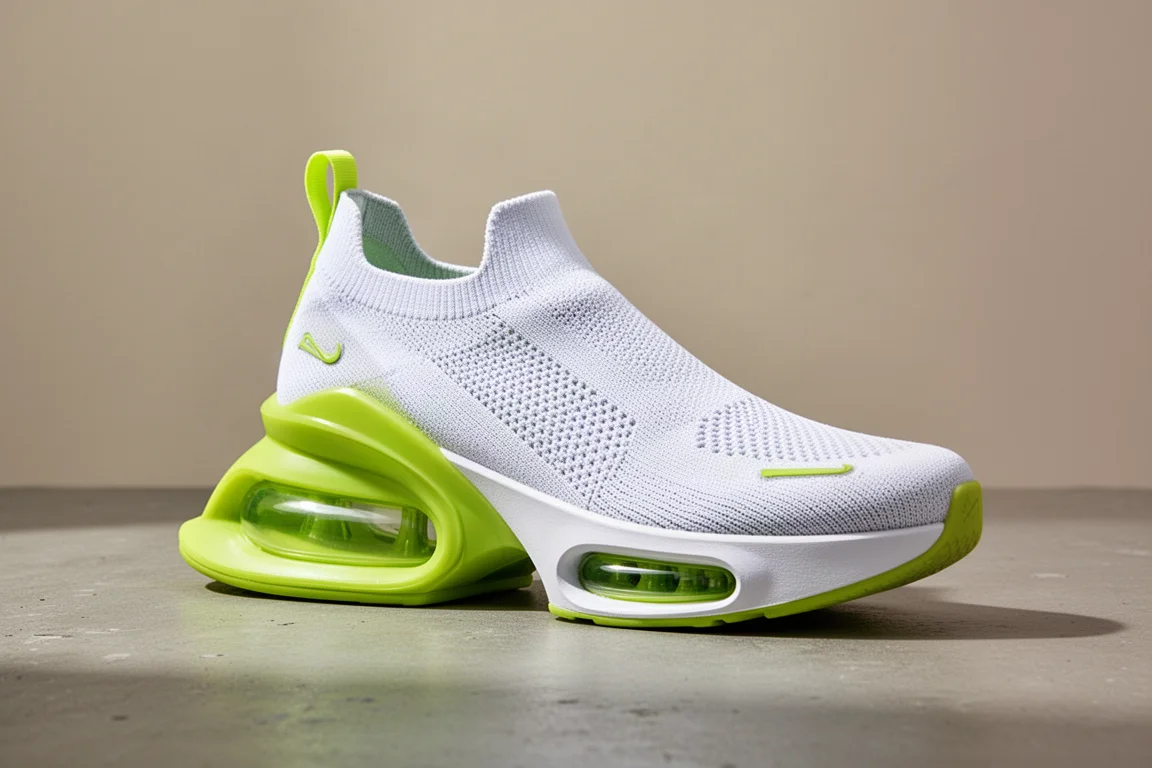
Saucony Endorphin Elite 3
If maximum impact protection is the priority, the Endorphin Elite 3 is that shoe. Nothing else is quite as soft and compressive while still feeling exciting and engaging. The Incredurun foam really is something else. Two things to know before buying: the softness will not be for everybody, and the shoe is pretty wide, certainly in the heel, so it is one to try on first. You also need good form to get the absolute best out of it, with midfoot landing being where it really shines.
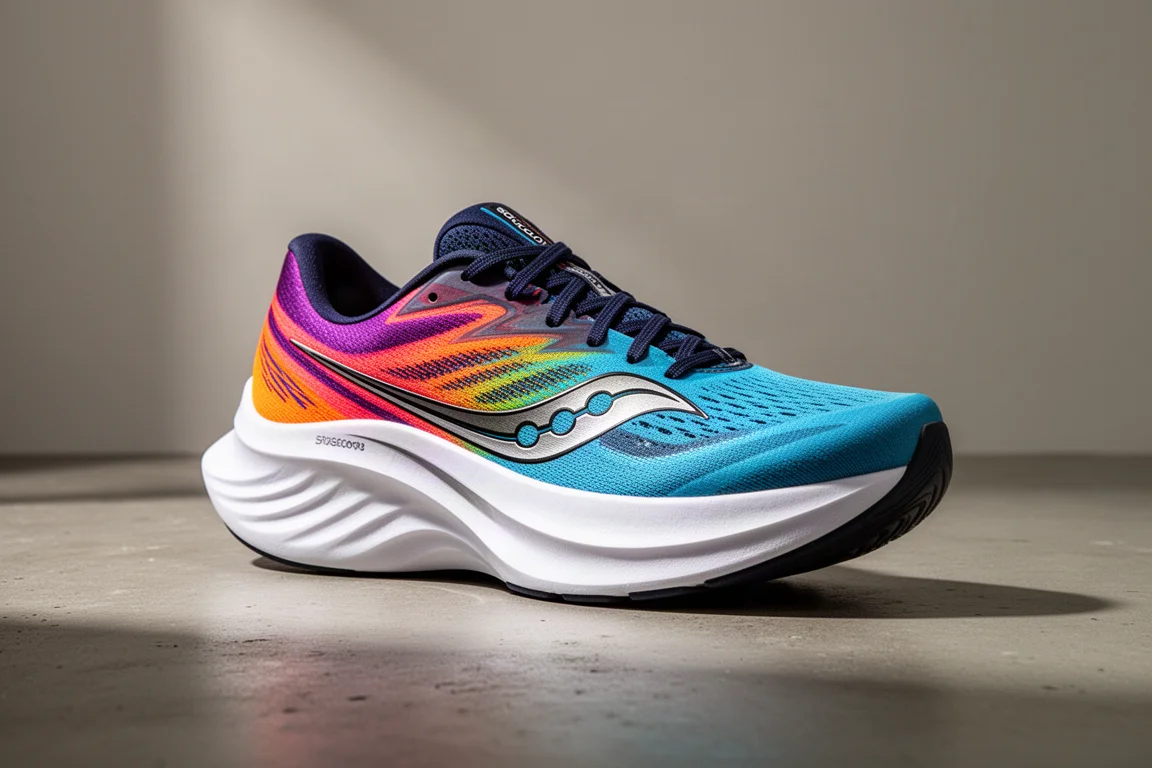
Choosing for Shorter Races
If you are also racing 5K or 10K, go lower in weight and stack. The Vaporfly 4 is a great 10K racer if you can find one at a good price. The Metaspeed Sky Tokyo also delivered a standout 5K experience, largely thanks to its weight and the compression of that FF Blast foam: it feels like there is almost nothing on foot. The one weakness is outsole grip, which is not quite as robust as some rivals.
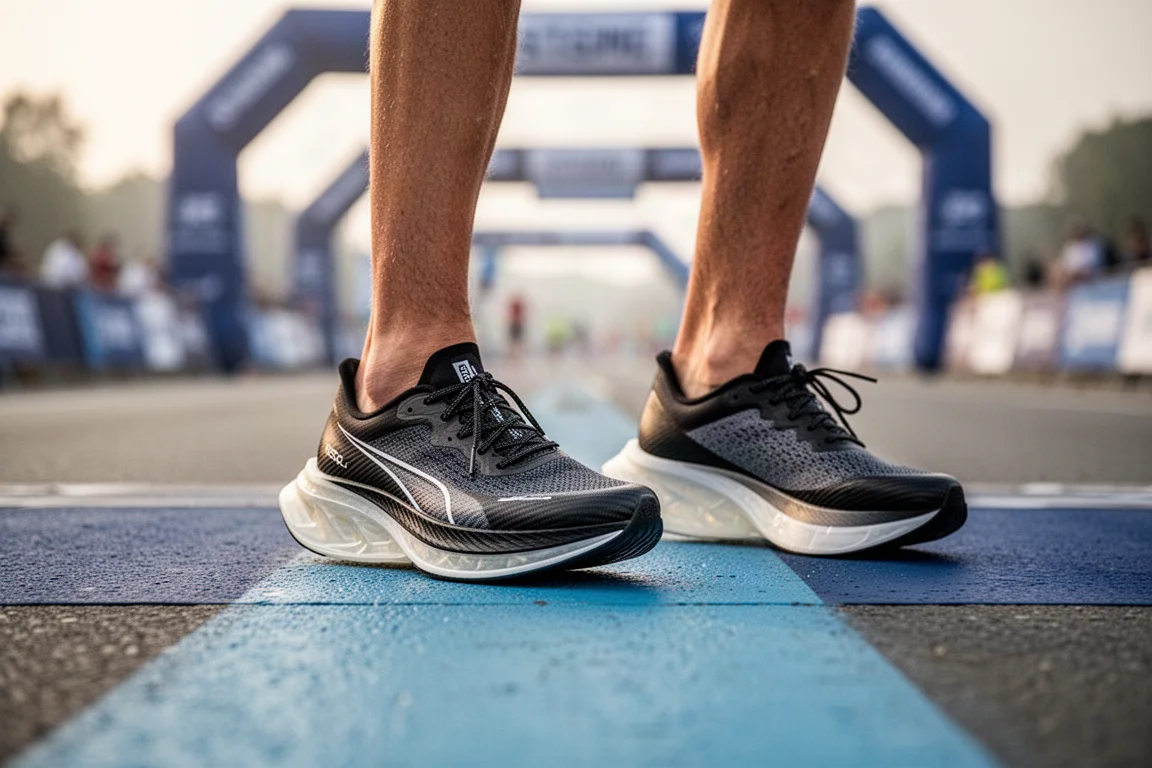
Before locking in your rotation, think about how the pieces fit together: a durable, cushioned daily trainer, a lighter tempo option, and a race shoe with a familiar underfoot feel. Test everything before race day, and let the shoes earn their place in the rotation over real training weeks.
Conclusion
A half or full marathon does not demand a huge shoe wardrobe, just a smart one. For the half, lean lighter: the Velocity Nitro 5 or Neo Zen 2 for daily work, the Vaporfly 4, Hyper Warp Elite, or Metaspeed Sky Tokyo for race day. For the full, prioritize cushion and consistency: the Azura, Deviate Pure Nitro, Glycerin 20 3, or Kinvara for training, and the Endorphin Pro 5, Alphafly 3, or Endorphin Elite 3 for race day. Match each shoe to its session, and your rotation will carry you to the start line in the best shape possible.
Further reading
Related Reviews

Running Shoes
Best Road-to-Trail Running Shoes: Three Versatile Options for Mixed Terrain
A practical guide to three road-to-trail running shoes that handle both pavement and mild trails, with clear strengths and trade-offs for different runner types.

Running Shoes
Best Running Shoes for Achilles Tendonitis: Three Options Explained
Three running shoes with different heel drops and support features designed to help reduce Achilles tendon pain during walking and running.

Running Shoes
Best Running Shoes for Women: Five Top Choices Ranked
A ranked guide to five women's running shoes, from versatile daily trainers to high-performance racing options, with real strengths and trade-offs for each.