Running Shoes
The Marathon Racing Shoes Actually Worth Racing In: Six Picks for Every Kind of Runner
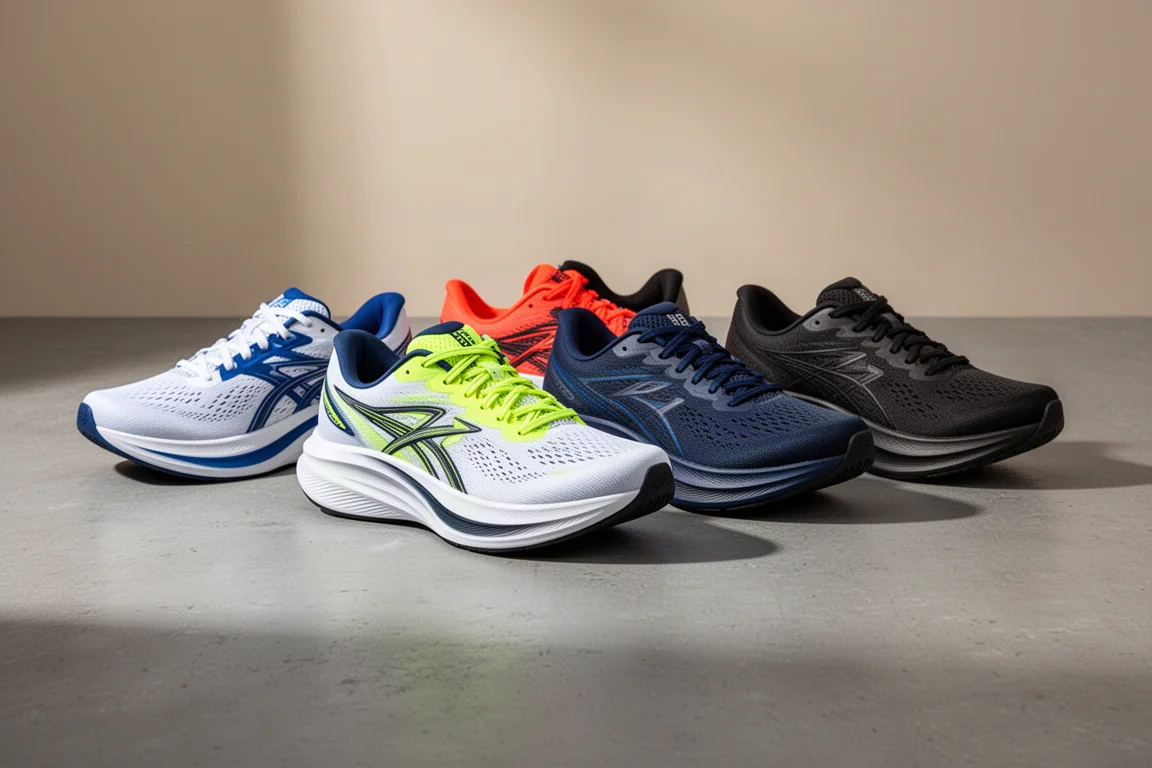
Six marathon racing and training shoes compared, from an affordable do-it-all trainer to the most aggressive carbon super shoes on the market.
Introduction
The marathon racing shoe market has never been more competitive. Nearly every major brand now sells a plate-equipped super shoe built around the maximum legal stack height, and testing a dozen or more of them reveals an uncomfortable truth: there are almost no bad shoes in this category, only shoes suited to different runners. This list is not a ranking of the objectively best shoes. It is a set of favorites, ordered roughly by how many people each shoe will work for, from the most mainstream to the most niche. Every shoe here has been tested over runs of 20 miles or more, including full marathon efforts and long workouts.
What Makes a Good Marathon Racing Shoe
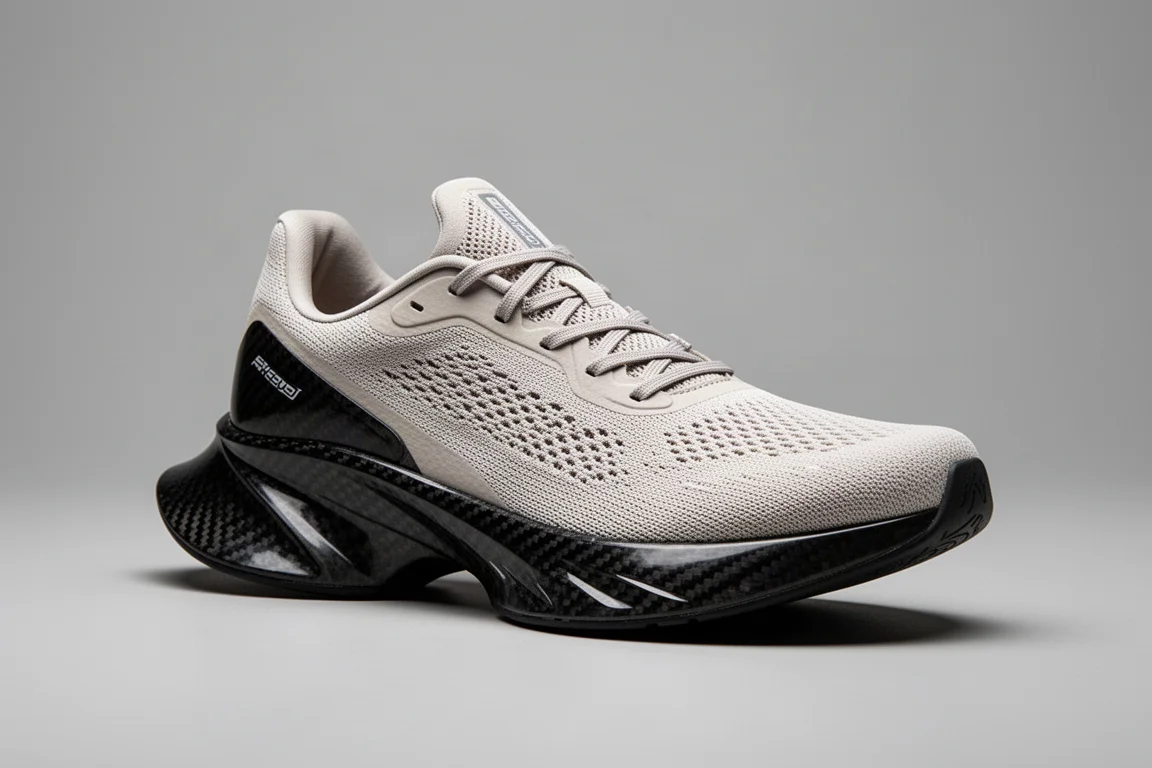
Most current super shoes share a formula. They use a stack close to the 40 mm maximum allowed by World Athletics for professional racing, combined with a carbon fiber plate that stabilizes a thick layer of soft foam. The pioneering racing foam compound, PEBA, is now sourced by many brands from the same supplier, which means the main differences between shoes come down to geometry and packaging.
Forefoot foam depth determines the drop between heel and forefoot. A drop of around 4 to 6 mm feels lower and flatter, while a 10 mm drop slants the foot forward more noticeably. Uppers are typically ultra lightweight, though for recreational runners choosing comfort over weight savings is often the smarter move. A rocker-shaped sole profile helps roll the foot onto the toes, reducing ground contact time and making it easier to hold pace. Brands claim these elements together can improve running economy by roughly 2 to 4 percent. Trade-offs remain, especially in outsole rubber, where durability always competes with weight.
First: A Great Shoe for Most Marathoners
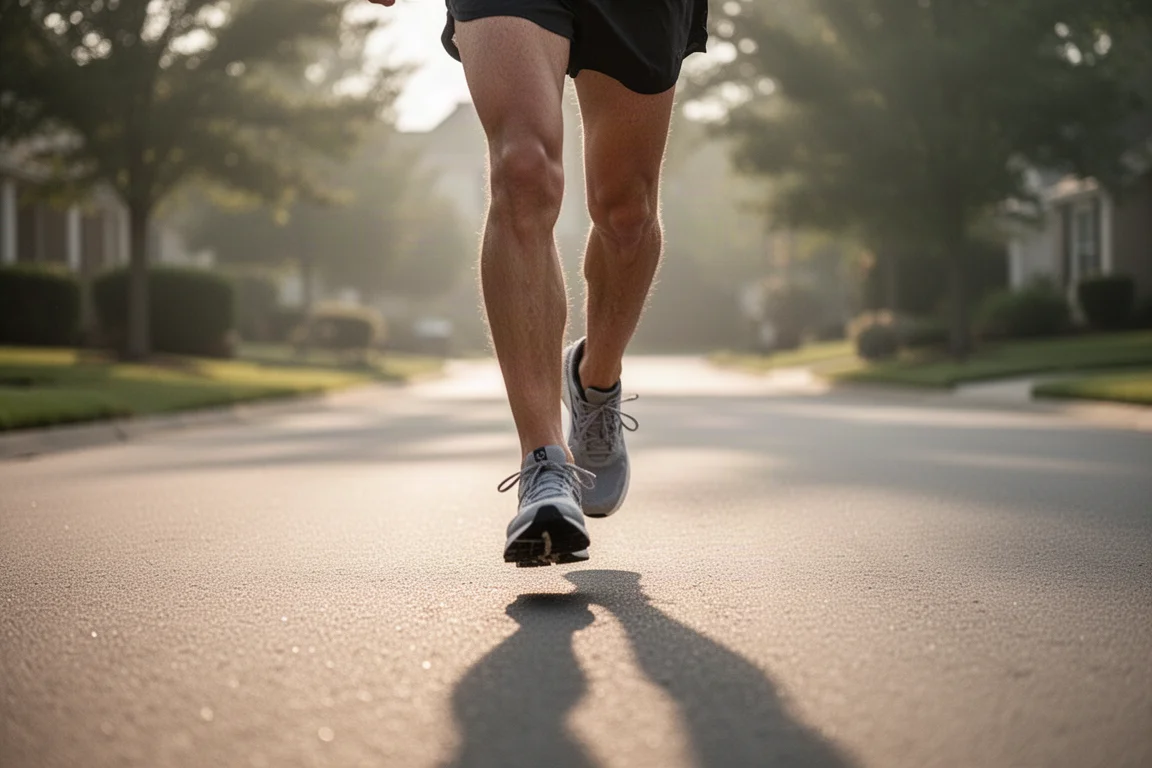
Before the fancy expensive stuff, one shoe deserves top billing for most people actually training for a marathon. If the goal is to run a few times a week, handle two-hour long runs, and finish the race comfortably, the ASICS Novablast 4 is the pick. At $140, roughly half the price of the super shoes below, it offers stability, cushioning, comfort, bounce, and durability, all of which have been proven over more than 100 miles of testing including a three-hour, 22-plus-mile long run.
The only real downside is breathability: the upper can run warm in summer months, though most marathons are not held in summer. There is no better training-and-racing hybrid for a first marathon or for anyone who simply wants to finish without hitting the wall.
Best for Speed Assistance: Saucony Endorphin Pro 4
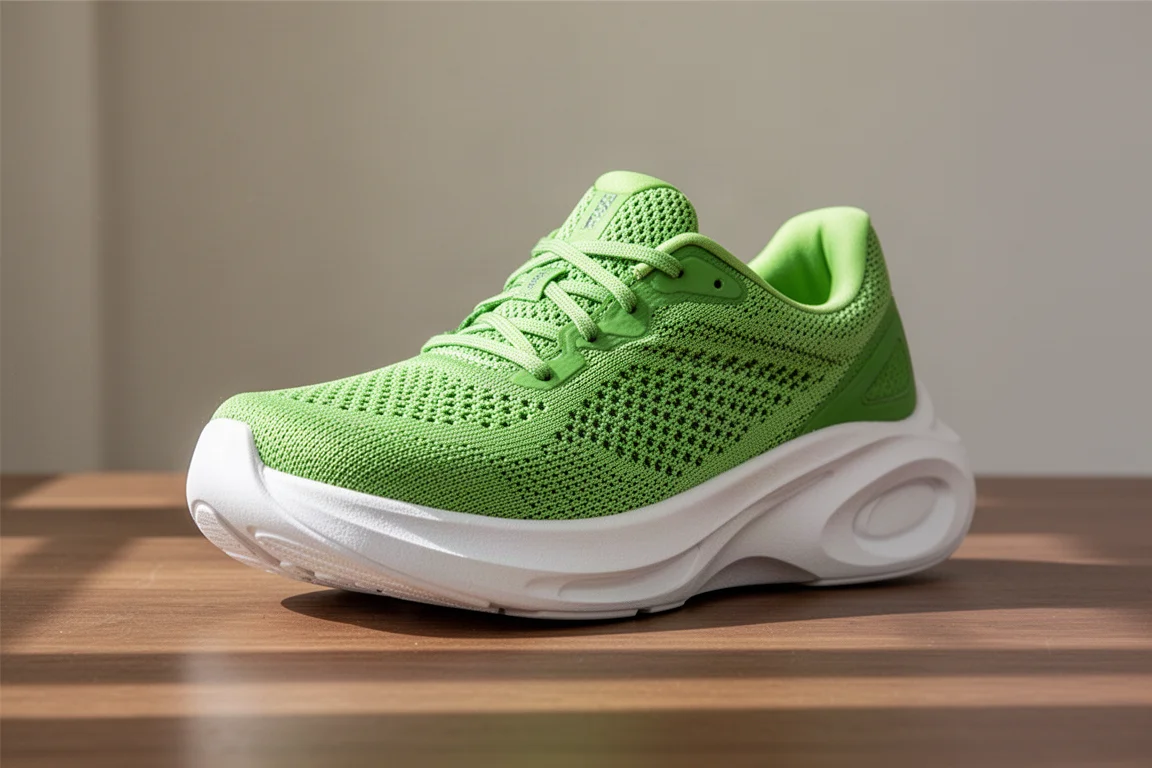
The Saucony Endorphin Pro 4 is the easiest super shoe to run in, which is why it takes the top spot among the plated racers. It has been proven over a full marathon in training, run in around 2:55 with a negative split, staying comfortable and fast through all 26 miles.
The PWRRUN PB foam is soft and bouncy, the higher drop still feels natural rather than tilting you onto your toes, and the whole shoe runs more like a slightly elevated version of a quality daily trainer. The upper is one of the best in the category, with a stretchy tongue and flat laces that do not dig into the foot but still stay tied. The main caveat is stability: runners who overpronate and get ankle or lower-leg pain may need more support than this platform offers. For everyone else it works across a huge pace range, from 8:30 miles down to 6:00 and faster, which makes it ideal even for a four-hour marathon.
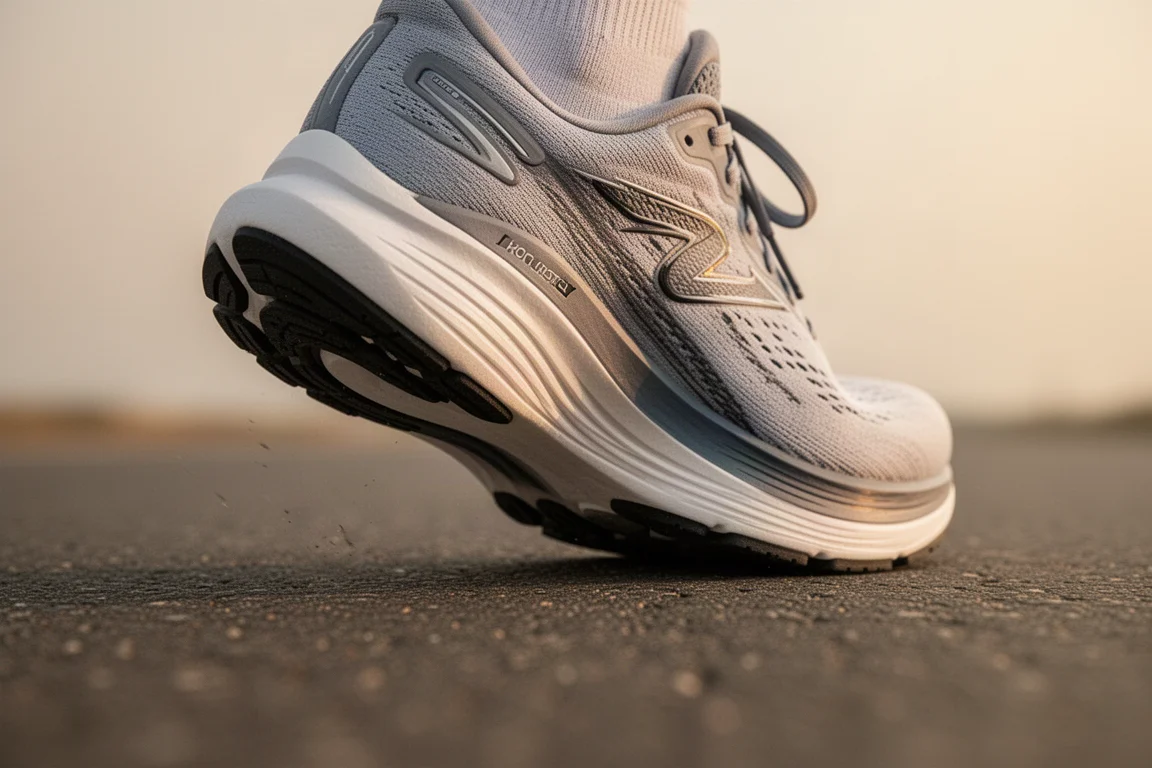
At $225 it is more expensive than a pure training shoe, but you get real race-day technology: bouncy racing foam, a full-length carbon plate, and a curved rocker, all while remaining durable enough to double as a training shoe.
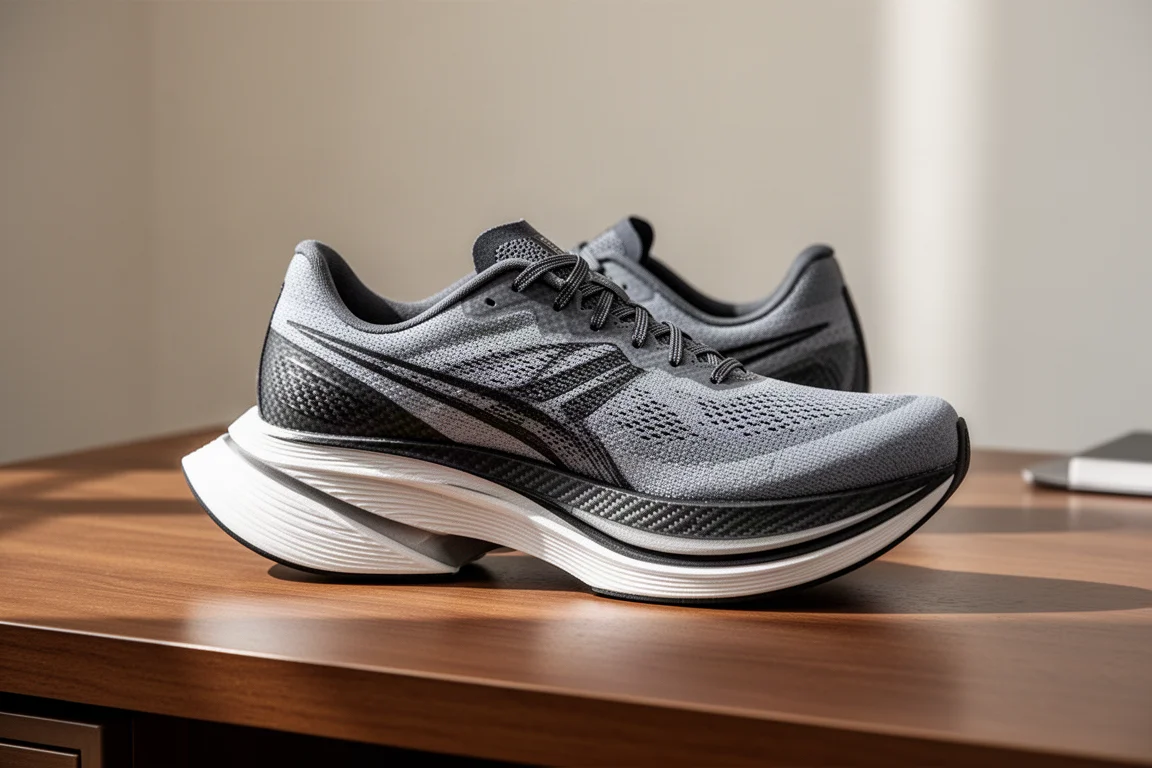
Best for Stability and Power: Adidas Adios Pro 3
The Adidas Adios Pro 3 rewards runners who put force into the ground. It was also proven over a full marathon in training, run at roughly three-hour pace, where it felt comfortable and bouncy despite an unremarkable first impression. This is a shoe that genuinely breaks in and comes alive once the foam is worked in.
The Lightstrike Pro midsole feels propulsive when you land with force, which is why larger or more powerful runners and many Adidas-sponsored athletes still race in it. Instead of a full carbon plate, Adidas uses energy rods that allow slightly more flex while keeping the shoe very stiff. The Continental rubber outsole is a genuine hidden weapon: super grippy and durable, with a cross-hatch pattern that performs well in wet weather, as validated during a rainy marathon time trial.
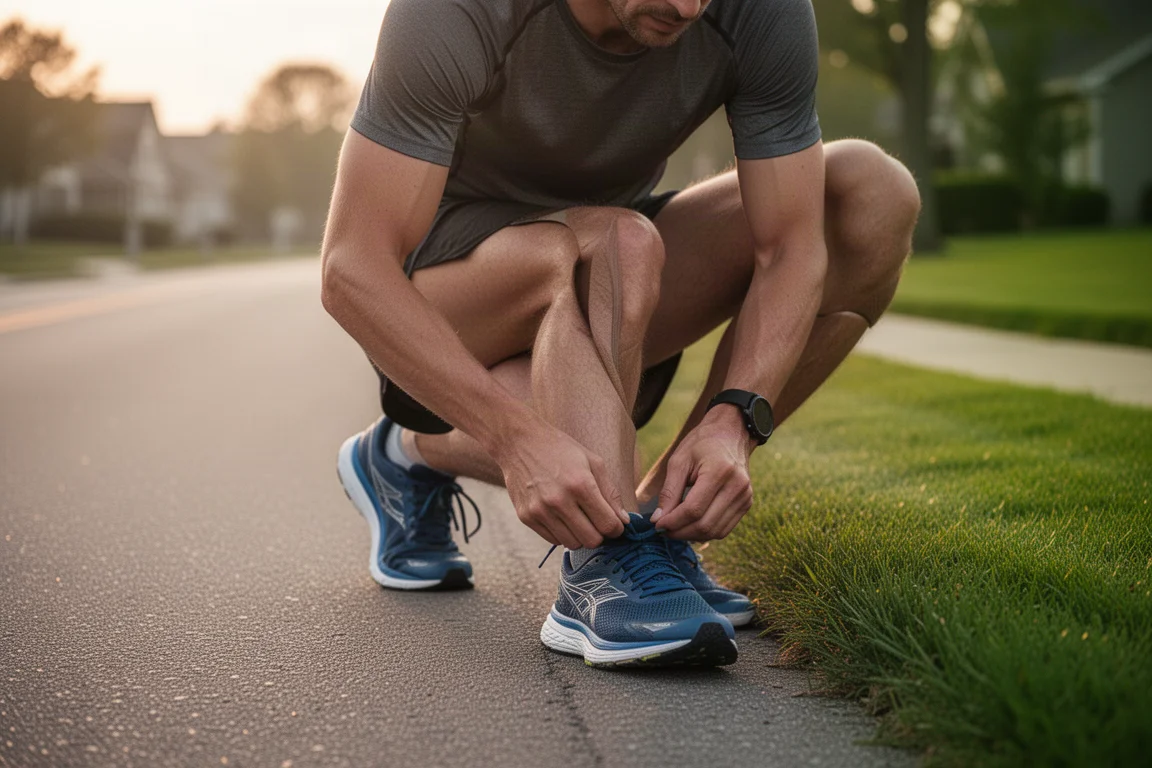
The one weakness is the upper, which is the hardest here to get on the foot and dial in for fit. Once dialed, though, it caused no issues over a marathon-length effort. This is the pick for anyone wanting something a touch firmer and more stable.
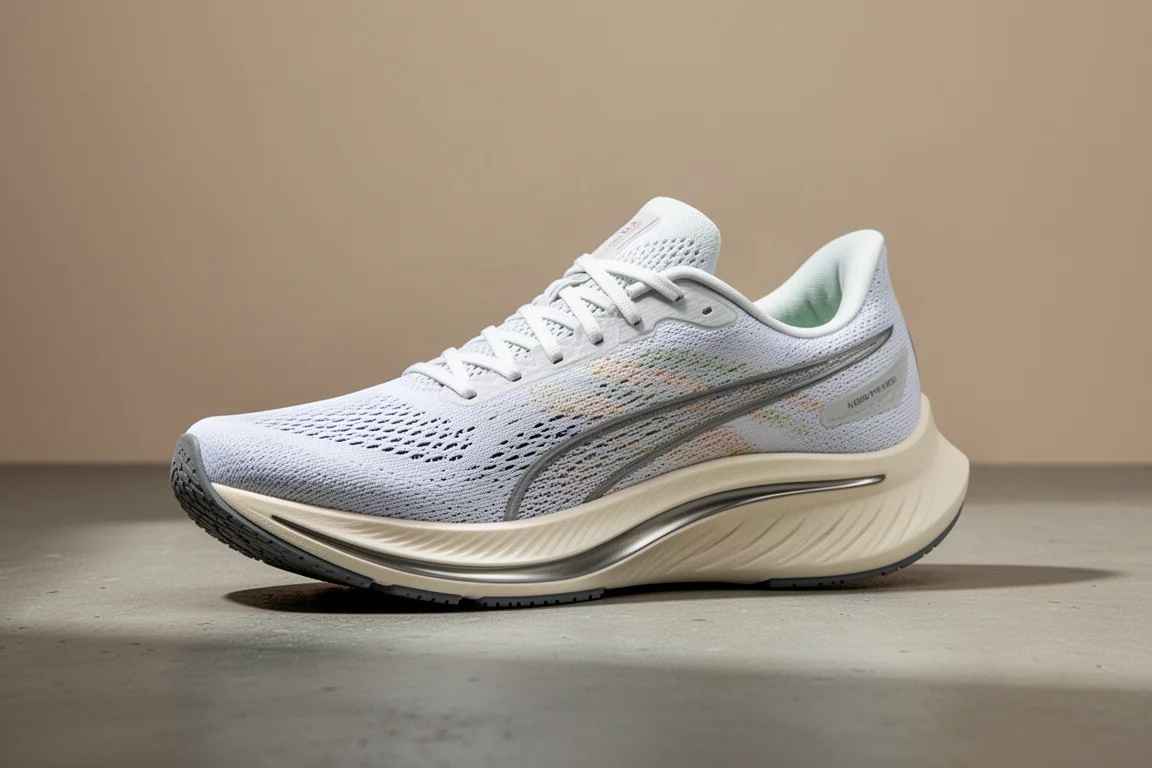
Most Fun Ride: Hoka Cielo X1
The Hoka Cielo X1 is heavier than most rivals, and the extra weight is not filler. It comes from a large volume of foam underfoot, which buys additional comfort, bounce, protection, and support. For recreational runners spending close to three hours or more on their feet, that trade makes sense, especially since some of the lightest shoes are also the narrowest and least stable.
Testing backs this up: a 22-mile long run at around 6:44 pace produced no felt penalty from the weight, and the shoe also held up at 6:00 and even 5:50 pace. The aggressive curve makes it genuinely easy and fun to run in, the stretchy, side-connected tongue fits well, and the deep midsole cutout in the outsole saves some weight. One quirk: because the foam in the midfoot exceeds the 40 mm maximum measured point, landing far back on the platform can occasionally feel awkward as you work over the middle of the shoe. At most paces, though, it feels like running with an extra spring attached.
At $275 it is expensive, but it is the pick in that price range if you want the most fun, bouncy, and protective marathon racing shoe available, and the generous rubber coverage also makes it one of the more durable options for training.
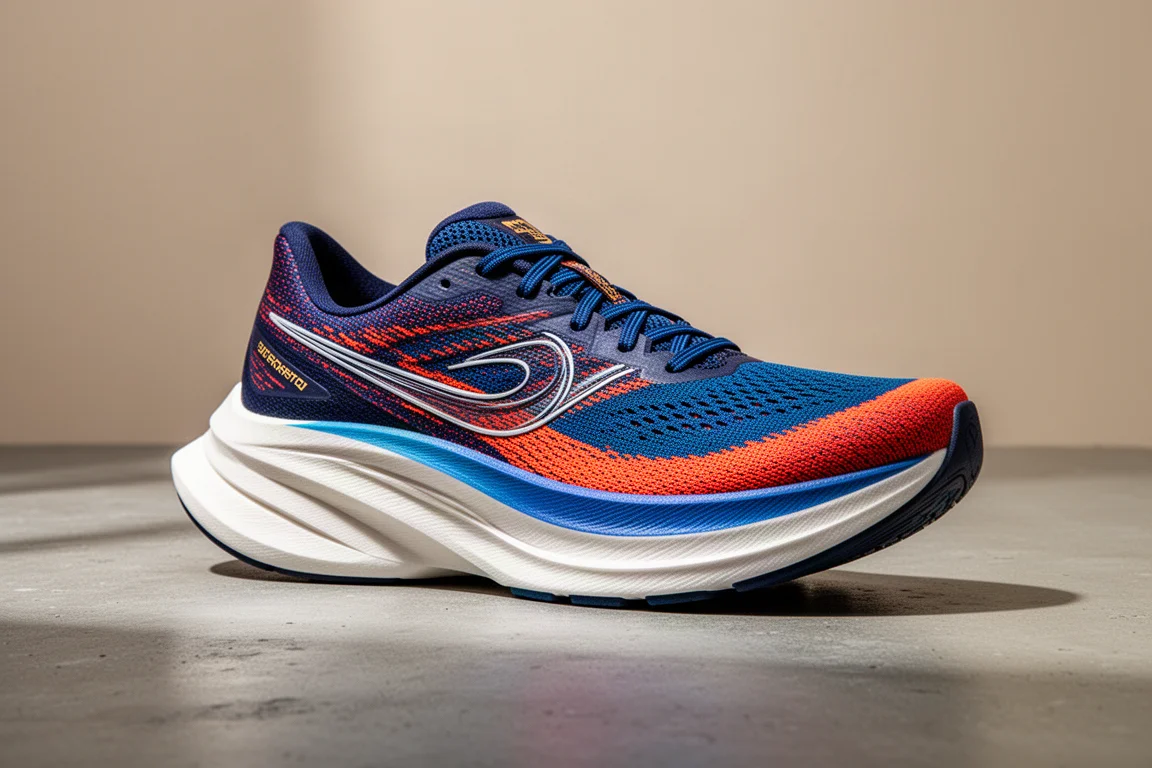
Best Balance of Fast and Comfortable: Diadora Gara
The Diadora Gara is the shoe that makes you want to rip. Every run in it has produced faster paces than expected: interval sessions at 5:10 to 5:15 pace, and a 22-mile long run while sick that still produced 6:50 relaxed miles and low-6:00 marathon-pace sections. It still earned its place easily.
The secret is the extremely aggressive forefoot geometry, possibly the most steeply angled plate shape in the category, which flings the foot forward and feels like a genuine efficiency bonus. The foam sits between rivals: softer than Adidas Lightstrike Pro but firmer than Nike ZoomX, delivering a lively but not harsh ride. It also offers a wider, more stable platform than the Vaporfly, with a comfortable upper and enough support in the midfoot and rear that energy is not wasted moving side to side.
The trade-off is durability. With only about 40 miles on the pair, visible wear is already showing in the foam at the heel and forefoot, and other runners report the same disappointment, which stings at $300. Still, as a weapon for key workouts and a big marathon PR attempt, the performance is outstanding, and it should still deliver around 200 miles of useful life afterward.
The Most Aggressive Pick: ASICS Metaspeed Sky Paris
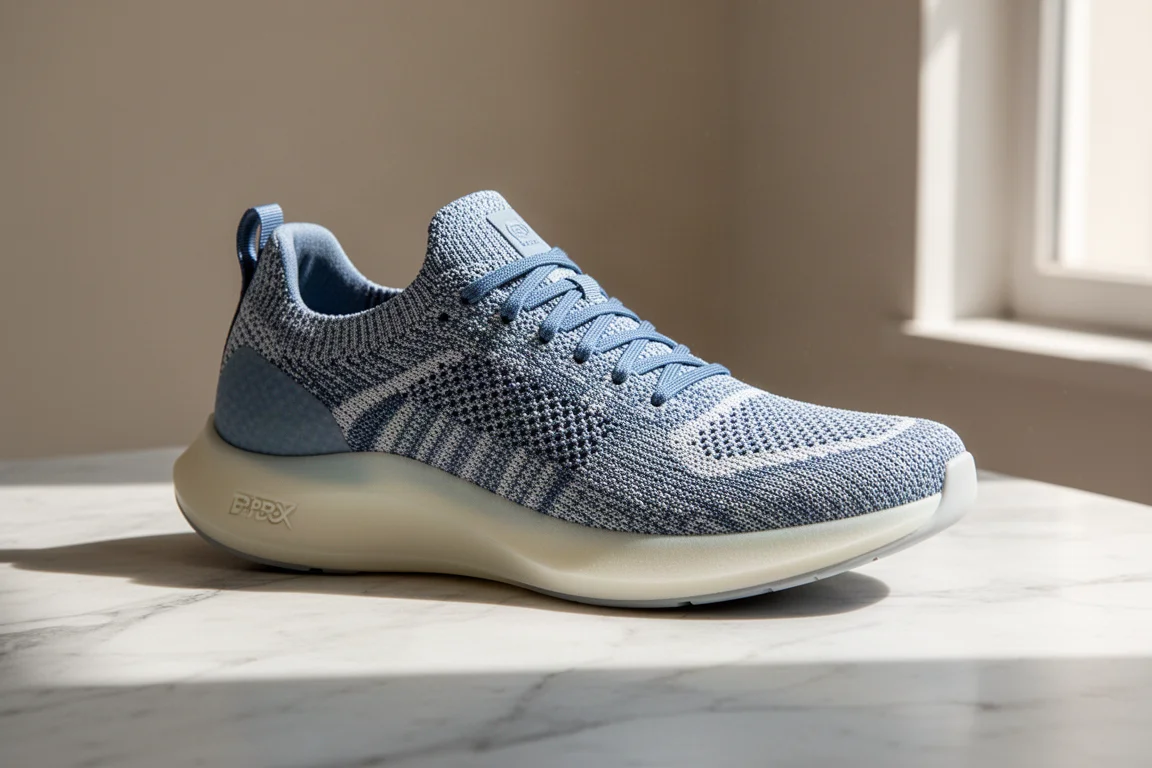
The ASICS Metaspeed Sky Paris is the most controversial pick, and the reason is honest: it delivered a 30-minute marathon PR, but afterward the choice felt wrong for the runner. That paradox is the story of this shoe. It is light, fast, and aggressive, exactly what it sets out to be, and it set 5K and 10K PRs casually during training.
The FF Turbo Plus foam is denser than ZoomX-style competitors and feels firmer at slower paces, partly because the plate sits close to the foot. At fast paces the shoe completely disappears, especially when pushing at 5K and 10K effort. The geometry is simple and effective, but the platform is very narrow, looking almost Cinderella-slipper thin next to a wide trainer. That narrowness is the Achilles heel: it is not designed for stability or comfort, only speed.
This shoe suits runners who are confident they can hold good form and dig deep through the final six miles, chasing a sub-3, sub-2:45, or sub-2:30 breakthrough. For anyone else, a more forgiving shoe above is the wiser pick. It earned its place because when everything goes right, nothing else feels faster.
How to Choose
If you just want to finish your first marathon and might walk some of it, get the Novablast 4. If you want race-day tech with a manageable ride, the Endorphin Pro 4 is the pick. Bigger or more powerful runners who value stability and durability should look at the Adios Pro 3. If you want the softest, bounciest, most fun ride and can stomach the price, the Cielo X1 delivers. The Gara is the shoe for a fast aggressive feel that still retains some comfort, ideal for a big PR attempt. And if you want the most ruthless speed weapon available and are willing to gamble on race day, the Metaspeed Sky Paris is exactly that.
Conclusion
There has never been a better time to race a marathon, because the worst shoe in this category would have been a miracle a few years ago. The right choice comes down to honest self-assessment: how long you will be on your feet, how much support you need, and how aggressively you want the shoe to push you. Match the shoe to the runner, not the hype, and any of these six will serve you well over 26.2 miles.
Further reading
Related Reviews

Running Shoes
Best Road-to-Trail Running Shoes: Three Versatile Options for Mixed Terrain
A practical guide to three road-to-trail running shoes that handle both pavement and mild trails, with clear strengths and trade-offs for different runner types.

Running Shoes
Best Running Shoes for Achilles Tendonitis: Three Options Explained
Three running shoes with different heel drops and support features designed to help reduce Achilles tendon pain during walking and running.

Running Shoes
Best Running Shoes for Women: Five Top Choices Ranked
A ranked guide to five women's running shoes, from versatile daily trainers to high-performance racing options, with real strengths and trade-offs for each.